

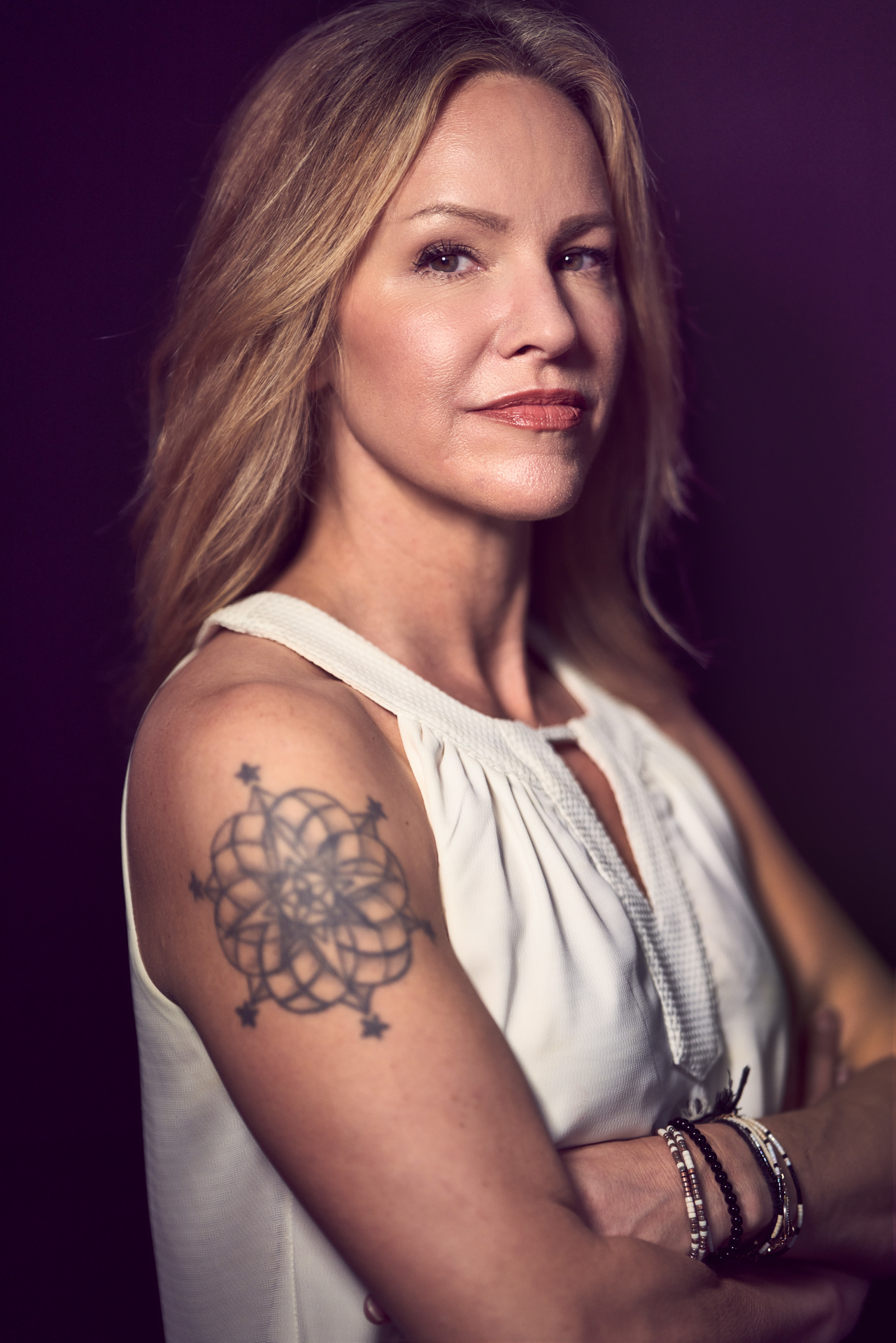

We were lucky to catch up with Courtney Reimer recently and have shared our conversation below.
Hi Courtney, thanks for joining us today. Let’s start with a fun one – what’s something you believe that most people in your industry (or in general) disagree with?
There are certain “truisms” propagated by the podcast industry royalty that deserve to be challenged. I don’t think only deeply trained audio experts can make great podcasts, and I don’t think conversation podcasts can’t be thoughtful, and thought-provoking. I also don’t think celebrities can never make a good podcast (more on that below).
While I myself have tended to appreciate, listen to, and revere the higher-end podcasts that were the hallmark of studios such as Gimlet (for which I served as interim GM after the spectacular Lydia Polgreen returned to The New York Times), I do think there is some level of gatekeeping involved in bestowing critical acclaim strictly on the “HBO of podcasts”-style shows.
I’m very proud of the finished product Spotify and Gimlet created in conjunction with Meghan and Harry’s Archewell foundation. Sure, Archetypes with Meghan Markle was the opposite of an inexpensive podcast, and it was made with the support of one of the most prestigious podcast shops out there, but at its heart, it was a conversation podcast–one created by a podcast newbie, at that.
The key here was that the host of the show had a very strong point of view, and made sure everything that made it to tape was in line with that point of view. The concept was also very focused and each guest was chosen and booked with surgical focus & precision.
That doesn’t mean anyone can/should have a podcast, or that making a great podcast is easy. What it does mean is that if you have something to say, a strong point of view, and a determination to share that through a lens of curiosity with your guests, you are well on your way to having a great podcast.
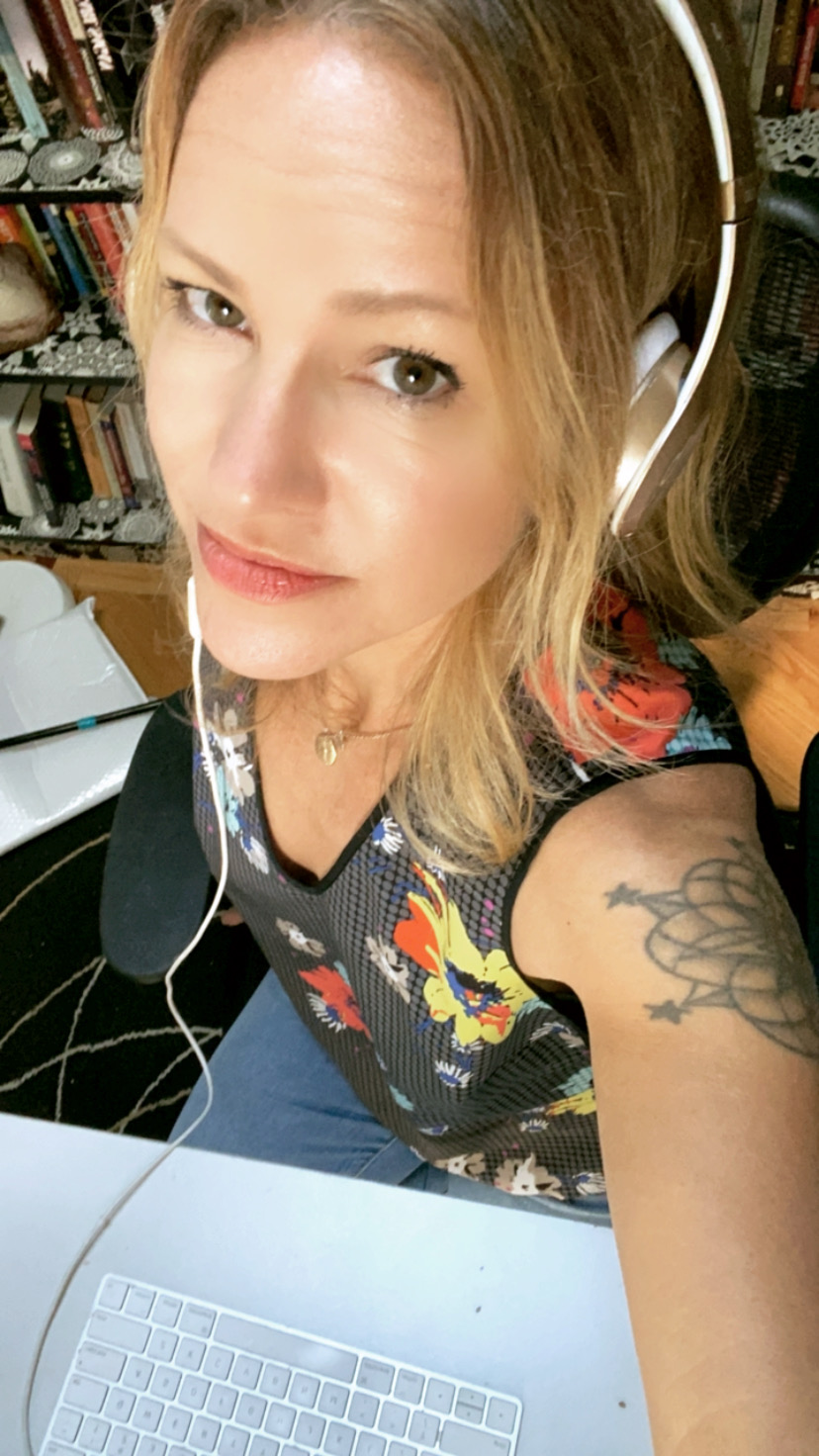
Great, appreciate you sharing that with us. Before we ask you to share more of your insights, can you take a moment to introduce yourself and how you got to where you are today to our readers.
Audio has been a throughline of my life and career. My first job out of undergrad (University of Washington) was at the seminal audio streamer, Real Audio (known for the RealPlayer, which predated iTunes by several years).
But even before that, I was raised on music and words–my dad worked for the Seattle Symphony and strove to introduce me to all kinds of music: from the Beatles and Rolling Stones to New Order and The Cure. He also would introduce me to new vocabulary words each day he drove me to school. Thus the seeds for my career as a music journalist were planted.
Through my work at MTV Radio and my concurrent pursuit of a Master’s Degree at Columbia University Graduate School of Journalism, I learned the art of the interview and how to weave it into great storytelling. I also fostered the same in the junior audio team members there, and discovered my love of sharing knowledge so others can find their path and craft.
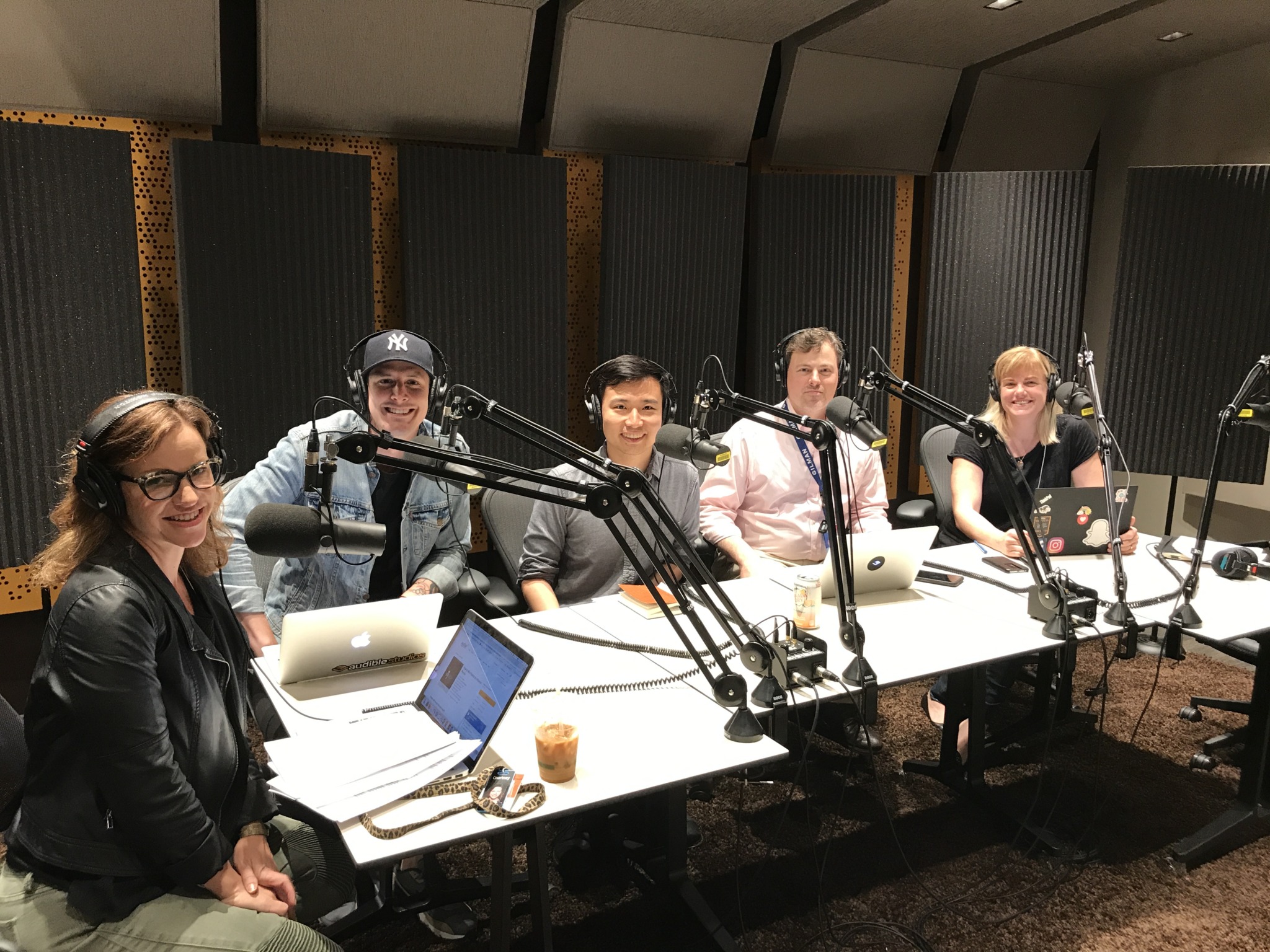
At Audible I conceived and launched their inaugural branded conversation podcast, Audicted, which served to help listeners discover new things to add to their library, as well as furthering the Audible brand by sharing behind-the-scenes details and interviews about Audible Originals.
Spotify afforded me the opportunity to grow as an executive producer of a high-profile, highly successful podcast in Meghan Markle’s Archetypes. While she was and is one of the most famous people in the world, she was new to audio, and it was a beautiful thing to help her find her voice and tell her story through the uniquely intimate medium of audio.
As you’ve gathered, another through line here is demystifying, inspiring, and shepherding into audio brands, and creators who don’t know where to begin. My goals are to “teach a man to fish” by arming them with the skills, tools, and resources they need to have a successful podcast.
Have you ever had to pivot?
Yes! Founding Sounds Great, my creative podcast strategy business, was the product of what I’ll call a forced pivot–after Spotify divested itself from its podcast investments (including me), I took my time looking around for my next role. Over and over again I’d hear from people how impressive my background was, and how much they’d love to work with me–but full-time work was scarce to nonexistent.
After literally feeling through what would light me up, a theme emerged: I loved helping others discover the power of audio storytelling, and using my experience to help bring them into the fold.
In conversations and interviews over the past year I found myself dispensing what I thought was common knowledge but turned out to be valuable knowledge that I can productize and build a real business on.
Thus, Sounds Great was born, and I now get to choose who I work with, the brands I want to support, when, where, and how. It’s been a dream come true.
Can you share a story from your journey that illustrates your resilience?
Spotify was my dream job…until it wasn’t. Thanks to some excellent life coaches in my orbit (those literally defined as such, and some who have just dispensed wonderful wisdom), I was able to absorb the shock of my job being eliminated. Rather than letting it hold me back, I spent the next year very carefully exploring the landscape of my industry and the people who want to be in the world of audio, paying close attention to how I felt after various conversations, projects, and interviews, I was able to discover what a positive path forward could be for me–and that turned out to be not in a full time job. Had none of those supposed setbacks happened, I would have not landed in what feels like my true calling, which is to service creators and brands with my business, Sounds Great.
Contact Info:
- Website: https://www.soundsgreatstrategy.com/
- Facebook: https://www.facebook.com/soundsgreatstrategy
- Linkedin: https://www.linkedin.com/in/courtneyreimer/
Image Credits
Lee Seidenberg (for the professional photo)