

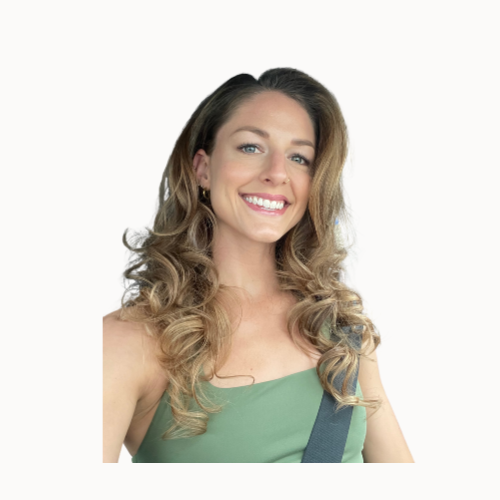

We were lucky to catch up with Courtney Crump recently and have shared our conversation below.
Hi Courtney , thanks for joining us today. It’s always helpful to hear about times when someone’s had to take a risk – how did they think through the decision, why did they take the risk, and what ended up happening. We’d love to hear about a risk you’ve taken.
Starting Visualize Me was easily the biggest risk I’ve ever taken—because it wasn’t just about building an app. It was about building trust in a space where so many people feel the most vulnerable: their bodies.
Body assessments and image tracking are historically tied to shame, fear, or unattainable ideals. I knew that. And yet, I also knew there was another story waiting to be told—one rooted in empowerment, data, and ownership. I wanted to create a tool that could shift the narrative from “what’s wrong with me?” to “look at how I’m changing, growing, taking charge.”
But taking that leap wasn’t easy. The idea of building an app that puts people face-to-face with their bodies—literally—was something many warned me against. “It’s too sensitive.” “People won’t want to engage with it.” “Only fitness junkies or the super health-conscious will use it.” I heard it all. Still, I saw the potential. What if we could give people a way to assess their health without stepping on a scale, without guessing, without judgment? What if this tool could be accessible not just to athletes or the affluent, but to every body—teachers, parents, shift workers, people navigating real life?
We took the risk to build it. We invested in technology that could deliver science-backed results in a format that feels like your reflection, not someone else’s standards. And we paired it with education, community, and conversation—because this isn’t just an app, it’s a movement.
Today, Visualize Me is used by people across all walks of life, from coaches helping their clients reclaim health, to individuals using it in their living rooms to feel more connected to their progress. It’s not perfect—we’re still evolving—but it’s working. People are showing up. They’re learning, tracking, and talking about their bodies with more curiosity than criticism.
The real risk? It wasn’t launching an app. It was choosing to believe that we can redefine how we see ourselves—and making that belief real enough for others to see it too.
Great, appreciate you sharing that with us. Before we ask you to share more of your insights, can you take a moment to introduce yourself and how you got to where you are today to our readers.
My journey into the health and wellness space has always been personal. I earned my degree in Exercise Physiology and Kinesiology after playing Division 1 college soccer for UNCW, where I was also proud to serve as captain of my team. That experience—learning what it meant to lead, to perform under pressure, and to train for longevity—sparked my lifelong passion for understanding how the body works and how we can help it work better.
After college, I spent seven years at Equinox, where I started on the gym floor as a Personal Trainer and worked my way up to become a Complex Personal Training Manager. I had the privilege of opening multiple new locations and managing PT teams that brought in an average of $6M in revenue annually per club. It was fast-paced, high-stakes work, and it taught me not only how to coach individuals, but how to scale excellence across systems and teams.
Eventually, I left Equinox to start my own private personal training business. For two years, I worked one-on-one with clients and continued learning what people really need to feel strong, healthy, and confident in their bodies. That’s when I was invited to join GymTonic, a boutique fitness startup in Los Angeles, as Director of Operations. I helped build the team and member base from scratch, refining everything from the culture to the customer experience.
But something kept pulling at me—a bigger problem I couldn’t ignore. I realized that no matter where I worked or who I trained, there was always a missing piece when it came to how people understood their progress and their bodies. Traditional tools like scales and BMI don’t tell the full story, and access to better options often meant working with high-end professionals, which simply isn’t available to everyone.
That’s why I founded Visualize Me.
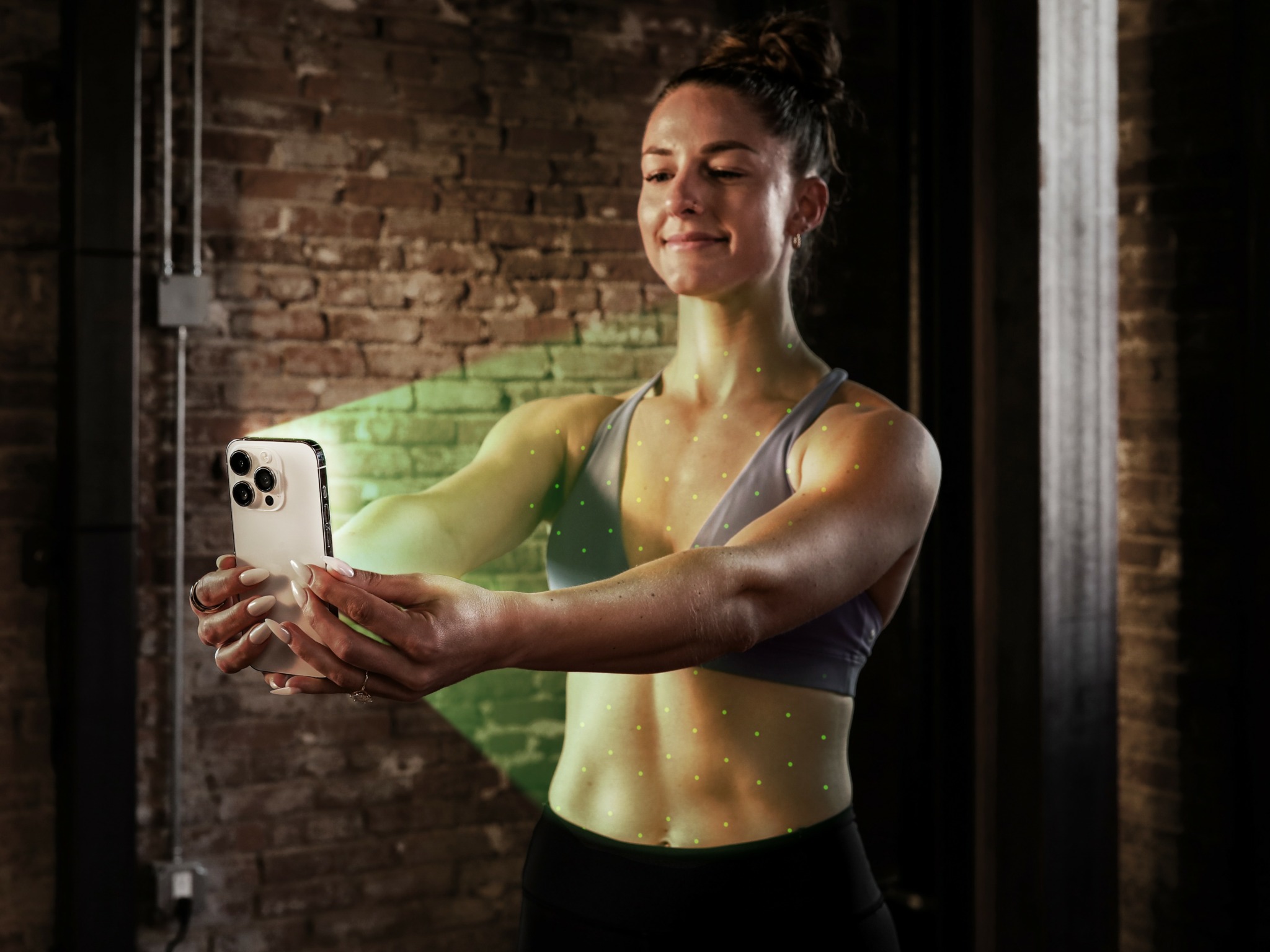
Visualize Me is a revolutionary body scan app that allows anyone—yes, anyone—to track changes in their body through visual data, without needing expensive equipment or in-person assessments. It brings the kind of insight that was once reserved for elite athletes or medical clinics right to your phone. Our goal is to democratize health information and give people back the power to understand and support their bodies with clarity, not shame.
What sets us apart is our belief that every body deserves access to better tools. This isn’t about perfection—it’s about progress. We’re here to help people see their bodies differently, and in doing so, treat them differently too.
What I’m most proud of is that Visualize Me is already starting to shift conversations around health. We’re showing people that transformation isn’t about a number—it’s about understanding your unique body and using that knowledge to live better.
At the end of the day, I want potential users, partners, and supporters to know that Visualize Me was built by someone who has stood where they’re standing—wondering what’s working, how to measure success, and how to stay motivated. I’ve spent my career helping people unlock their physical potential. Now, I’m building technology that makes that process more accessible, more human, and more empowering than ever before.
Any advice for managing a team?
If I’ve learned anything from managing teams across multiple industries—fitness, tech, and startups—it’s that people don’t leave companies, they leave leadership. And too often, morale drops not because of the work itself, but because of how people are made to feel while doing it.
The two most underrated tools in leadership are: leading by example and positive feedback. These sound simple, but they’re powerful—and commonly overlooked.
As a former athlete and now founder, I’ve always believed you can’t ask more of your team than you ask of yourself. People watch your tone, your work ethic, your attitude under pressure. If you cut corners or let your energy dip, so will they. But if you show up fully—even on the tough days—you give them permission and inspiration to do the same. Leadership is contagious.
The second piece is recognition. So many managers wait until something is perfect or polished to give feedback. I believe in celebrating progress, not just outcomes. When you take the time to call out the small wins, consistent effort, or unseen contributions, it builds a sense of pride and momentum in your team. People want to feel like their work matters—and it’s our job as leaders to tell them that it does.
Of course, clear communication, shared purpose, and accountability matter too. But without trust and motivation, those things fall flat. To truly lead, you have to earn your team’s respect—and the best way to do that is to walk the talk, and let people know when they’re doing a great job.
That’s how you build loyalty, ownership, and high morale—not just in the good seasons, but all the way through.

How’d you meet your business partner?
I met my business partner, Jin Koh, through a mutual contact in my network—someone who had actually sold me gym management software back when I was helping build GymTonic from the ground up. At the time, I was deep in operations mode, managing the chaos (and magic) of launching a boutique gym. The conversation started out casual, but like most great partnerships, it quickly turned into something much more meaningful.
Jin had developed a fascinating piece of technology that would eventually become Visualize Me. At the time, it was a brilliant concept without a clear direction—cutting-edge body visualization tech, but no real home in the market. He was looking for someone who understood the fitness and health space from the ground level—someone who could bridge the gap between the user experience and the technology.
That’s where our partnership started: him with the innovation, me with the industry insight. But what made it click was something deeper. We shared a belief that this tool—if done right—could change the way people engage with their bodies. It wasn’t just about scans and data; it was about giving people a new kind of mirror, one rooted in empowerment, not judgment.
Since then, it’s been a beautiful (and honestly, sometimes wild) journey of figuring things out together. We’ve spent countless hours refining our marketing, listening closely to user feedback, iterating on the product, and tackling the never-ending list of challenges that come with launching a tech startup. But what makes it work is our shared mission and respect for what each of us brings to the table.
Our strengths are different, but complementary—and that’s been key. He builds the engine. I make sure it connects with the people who need it most. And together, we’re building something that we both deeply believe in.
Contact Info:
- Website: https://www.visualizeme.ai/
- Instagram: https://www.instagram.com/court_crump/
- Linkedin: https://www.linkedin.com/in/courtney-crump-75b04b235/
- Other: Would love for people to connect with! My Email: [email protected]
Our app: https://l.facebook.com/l.php?u=https%3A%2F%2Fapps.apple.com%2Fus%2Fapp%2Fvisualize-body-assessment%2Fid6742121114&h=AT1HpZtRG-6nhcP_cARlpHyciU8Nm1qVUTiVa_5DQXyVh1bs57I4wwFroqaPkfNGBxhtBOnzO8TFFcFQ2j5f1wSUMJeFkrE-K8dYeJpeL4sk0c9E5Qb5hjHcW3T9OZWKdj_A9rA6SlKsfLueM1S0Q89WTps


Image Credits
We own the rights to all these images!