

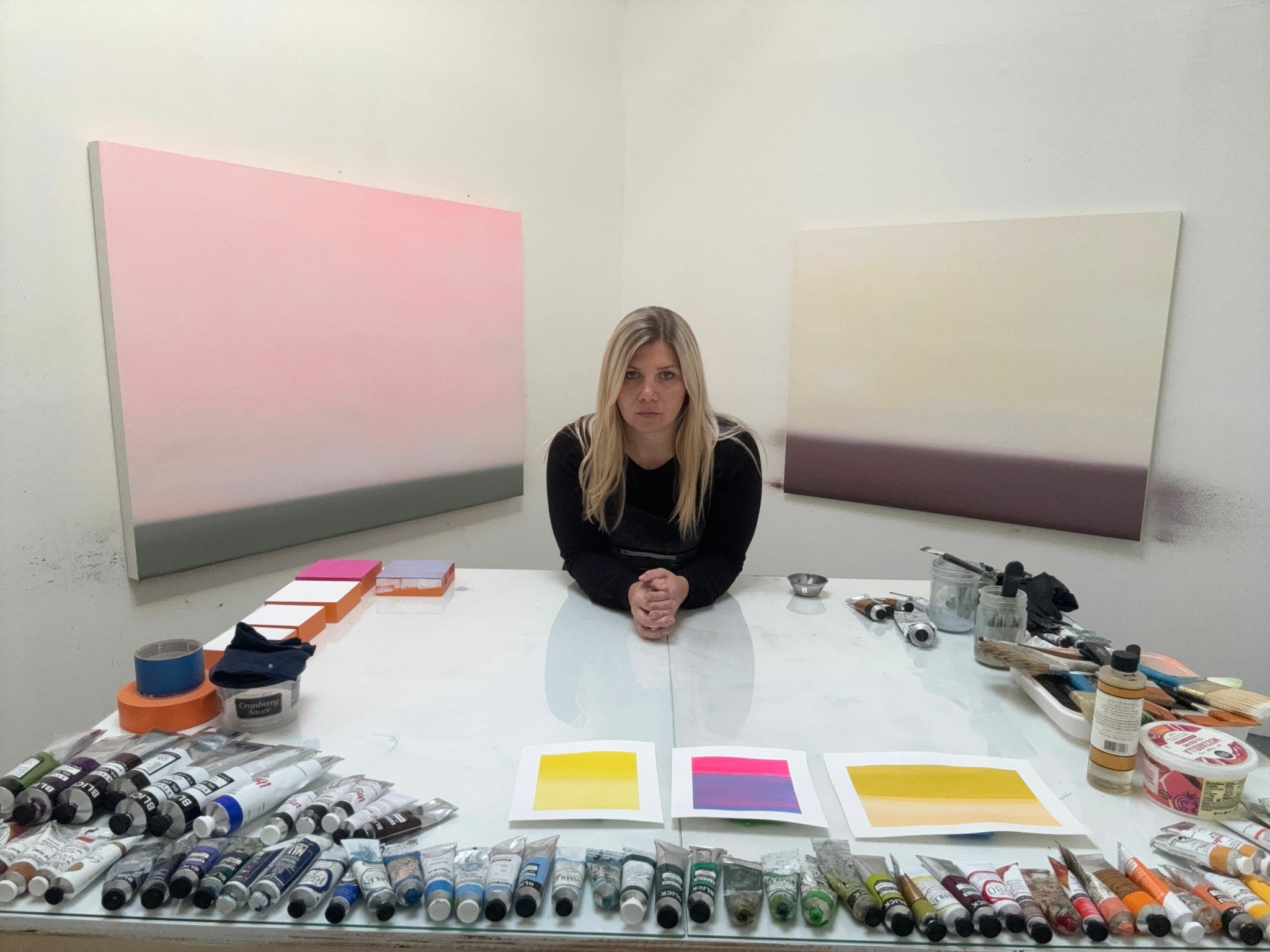

We caught up with the brilliant and insightful Courtney Colgan a few weeks ago and have shared our conversation below.
Courtney, thanks for joining us, excited to have you contributing your stories and insights. When did you first know you wanted to pursue a creative/artistic path professionally?
Throughout my life there were several key moments when I realized I wanted to professionally pursue art. Growing up my mom carried a ziplock bag of crayons in her purse. Whenever there was downtime, or we were waiting somewhere she would give me the crayons and whatever there was to draw on. This could be the back of a receipt, a napkin or back of a paper restaurant placemat. Drawing became the thing I was interested in and couldn’t wait to get back to. It allowed me to create my own interpretation of the world around me and the people in it.
In middle school, my Roe – Roe taught me how to use my eyes and draw from life. We practiced drawing still lives with a fruit basket. I remember asking my teachers, about pursuing art as a career. I was told not to, that there isn’t money in fine art. This made me even more curious. Fast forward to junior year in high school. This was the time where you had to “decide” what you would study and what colleges to apply to. My mom said “you should go to art school”, and I did.
My senior year at Pratt we were assigned individual painting studios for the year. Outside my studio window was Brooklyn, and in the distance the Manhattan skyline. Every day when I walked into that studio, I knew it was what I wanted to be walking into for life. To wake up, and go to the studio to paint – that was it. That’s when I knew that there was no other walk of life for me.
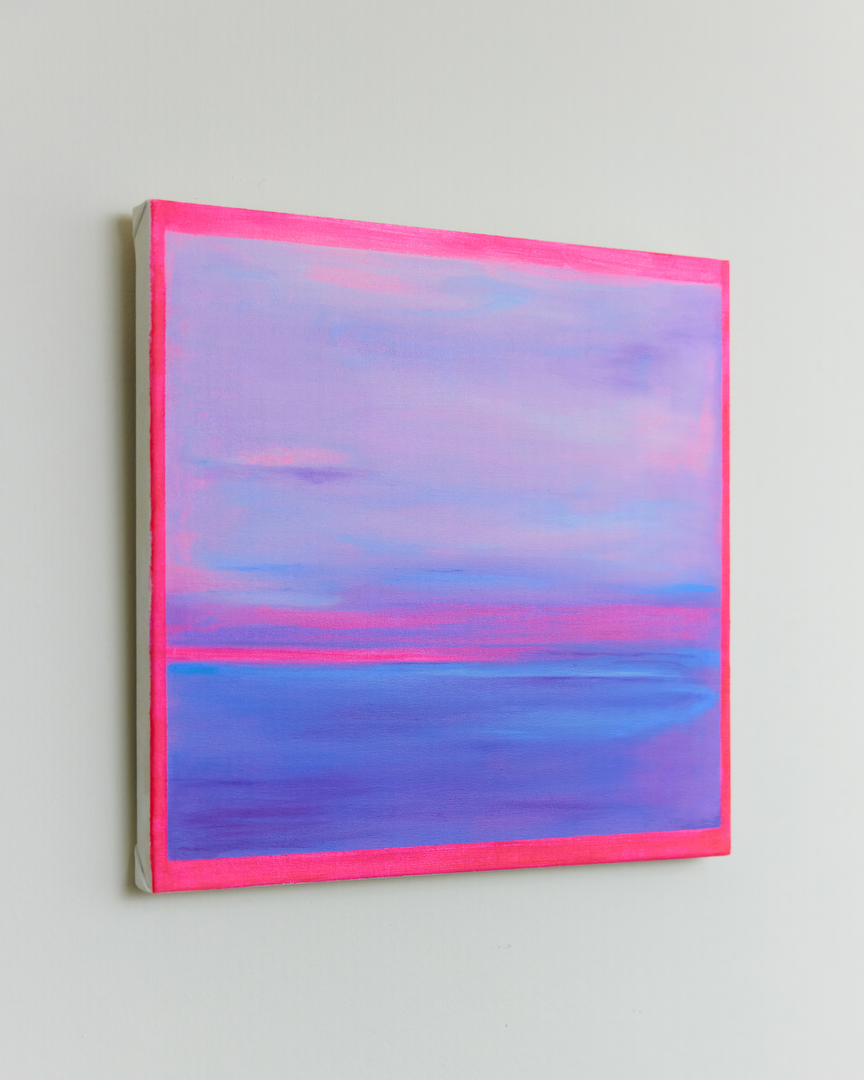
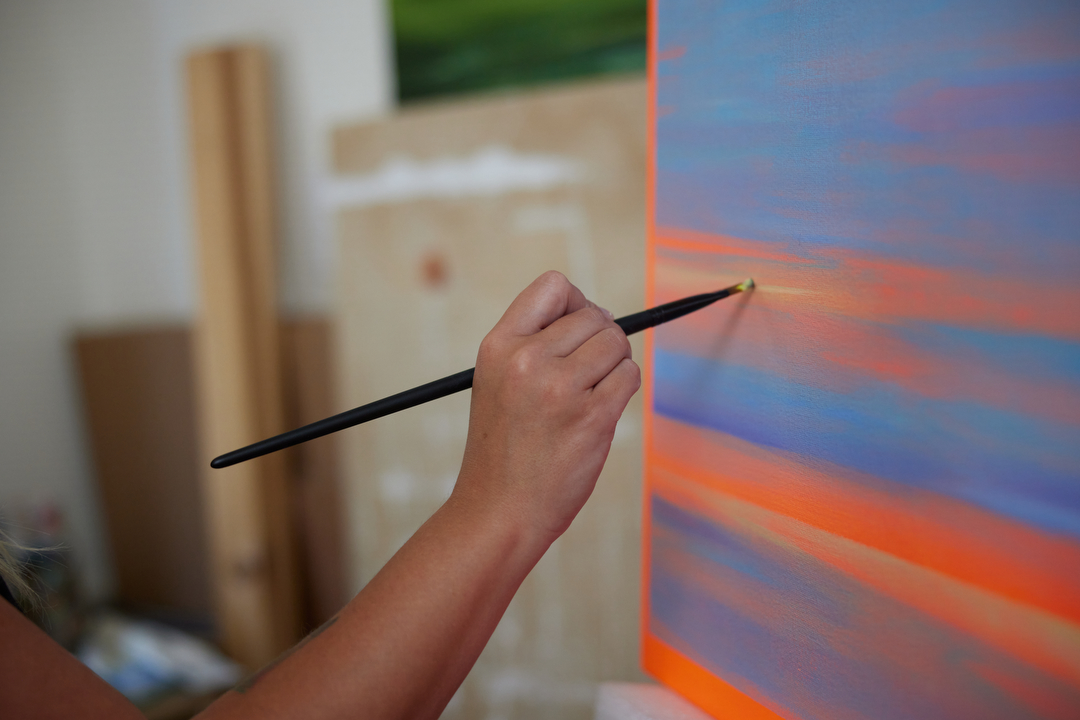
Courtney, before we move on to more of these sorts of questions, can you take some time to bring our readers up to speed on you and what you do?
I graduated Pratt in 2010 during the recession. Businesses in New York City were closing left, right and center. I graduated Pratt with a BFA in Painting and a minor in Art History. The one thing art school didn’t prepare you for was how to make a living with an art degree. I applied to every art related job I could find. I got my start with an unpaid internship at a gallery in Chelsea. It was here that I learned the ins and outs of how a gallery operates. I took on everything from administration to installation – and soon after was hired as a gallery assistant. During this time, I met a painter in lower Manhattan and worked as her assistant. She taught me a lot about abstraction and how to look. She had another space where she would store and show her work to clients. This was the first artist I met who was making a living from her work. I simultaneously continued to juggle jobs working as a scenic painter, spray painter, and even a house painter.
In 2011 I discovered the niche industry of fine art services and landed my first full time job in the art world. I was exposed to a large volume of high value artwork daily. My understanding of the artworld had completely shifted. I learned about archival packing materials and complex fine art packing techniques. I handled, packed, and crated artwork from the top galleries in New York City. I also learned how to install artwork of all scales, weights and mediums. I worked one on one with artists, dealers, collectors, galleries etc.
Being the first female and female truck driver, I was faced with many unforeseen challenges. At the time, the art handling industry was male dominated. Some of the male handlers outright refused to work with me, and did not want to be seen being driven by a female driver. I was often asked to wait in the truck, which I did not. The clients and building employees expressed both doubt and surprise upon seeing a female lead art handler. I focused on my work, persevered through and turned my attention to mastering every aspect of fine art services.
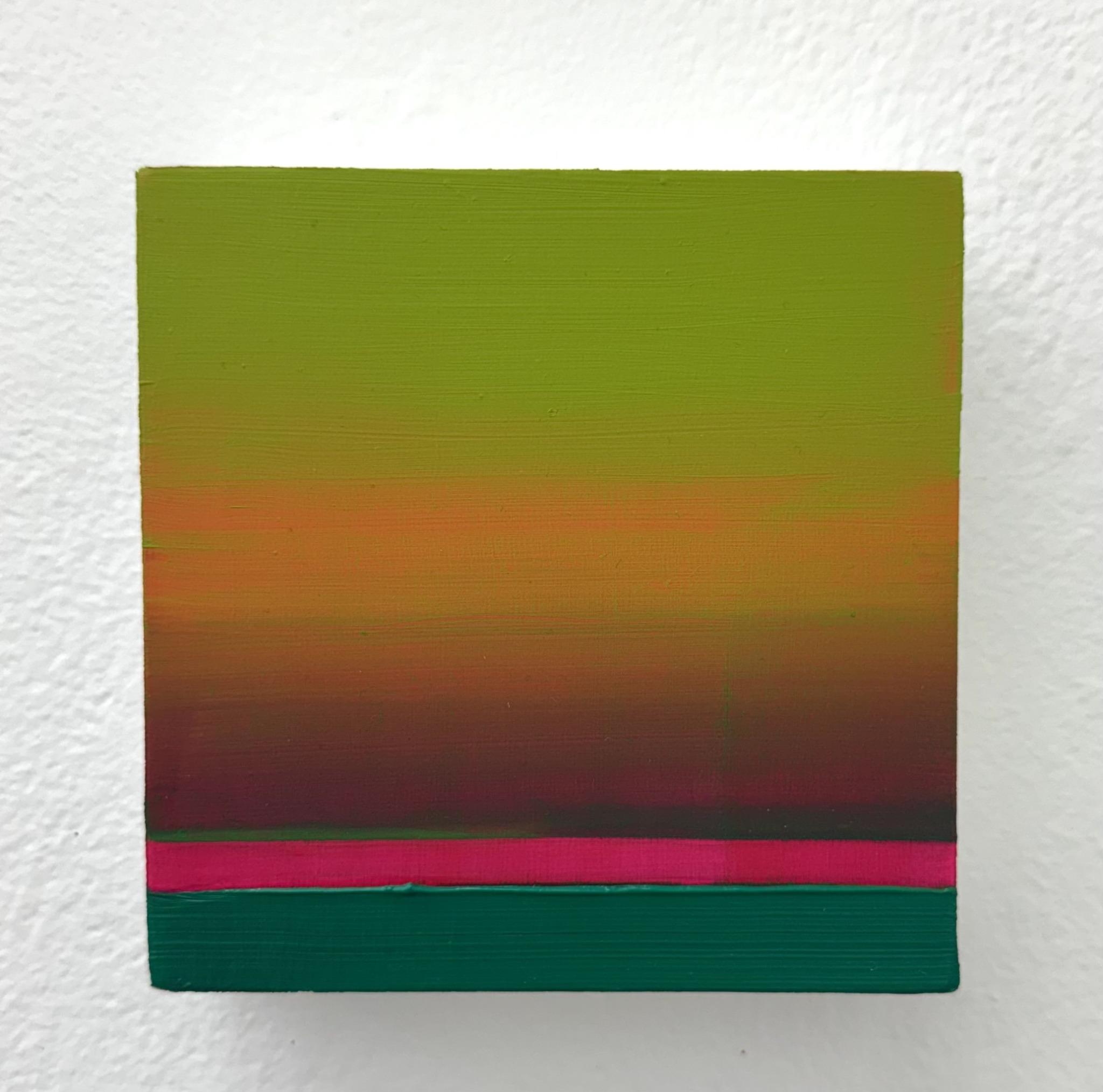
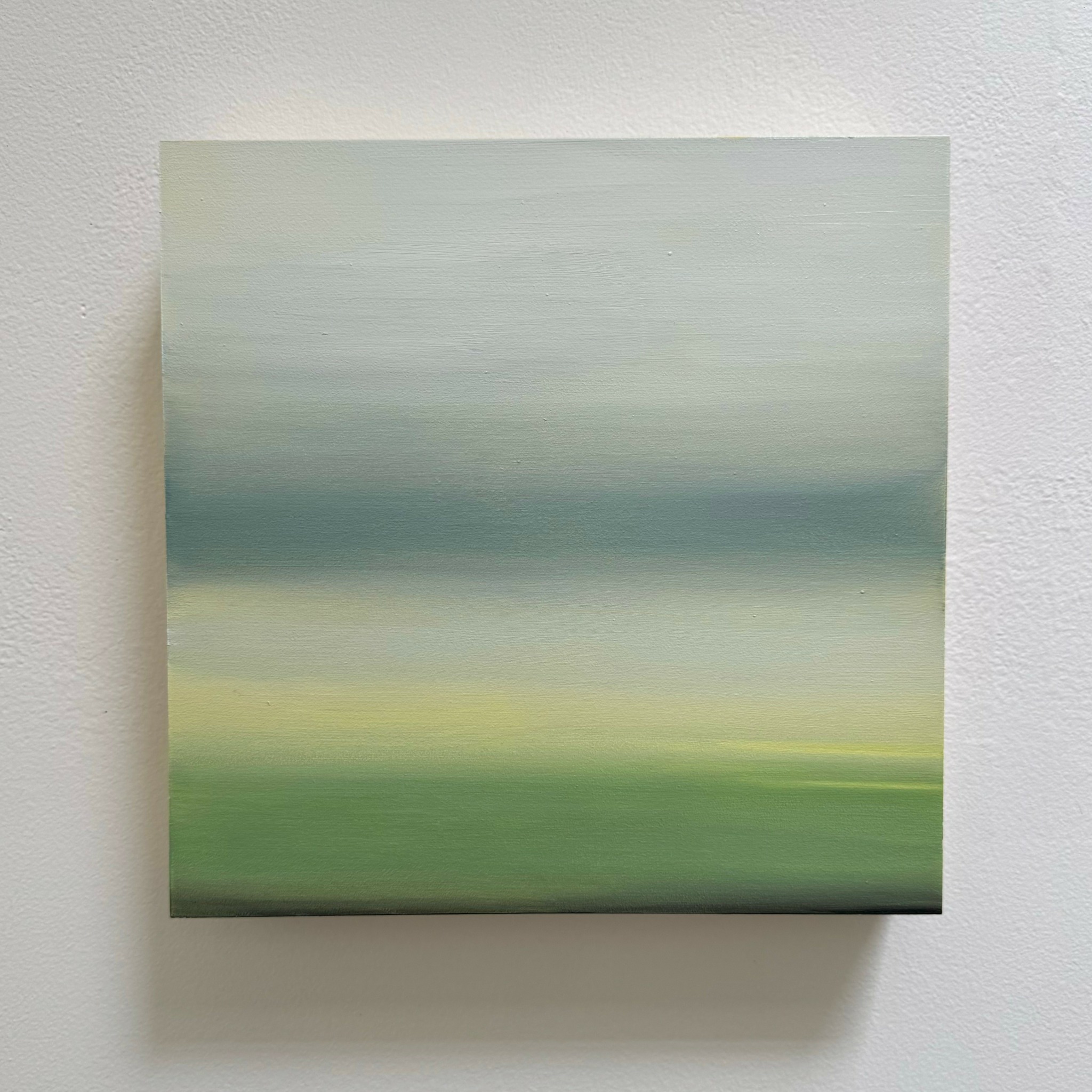
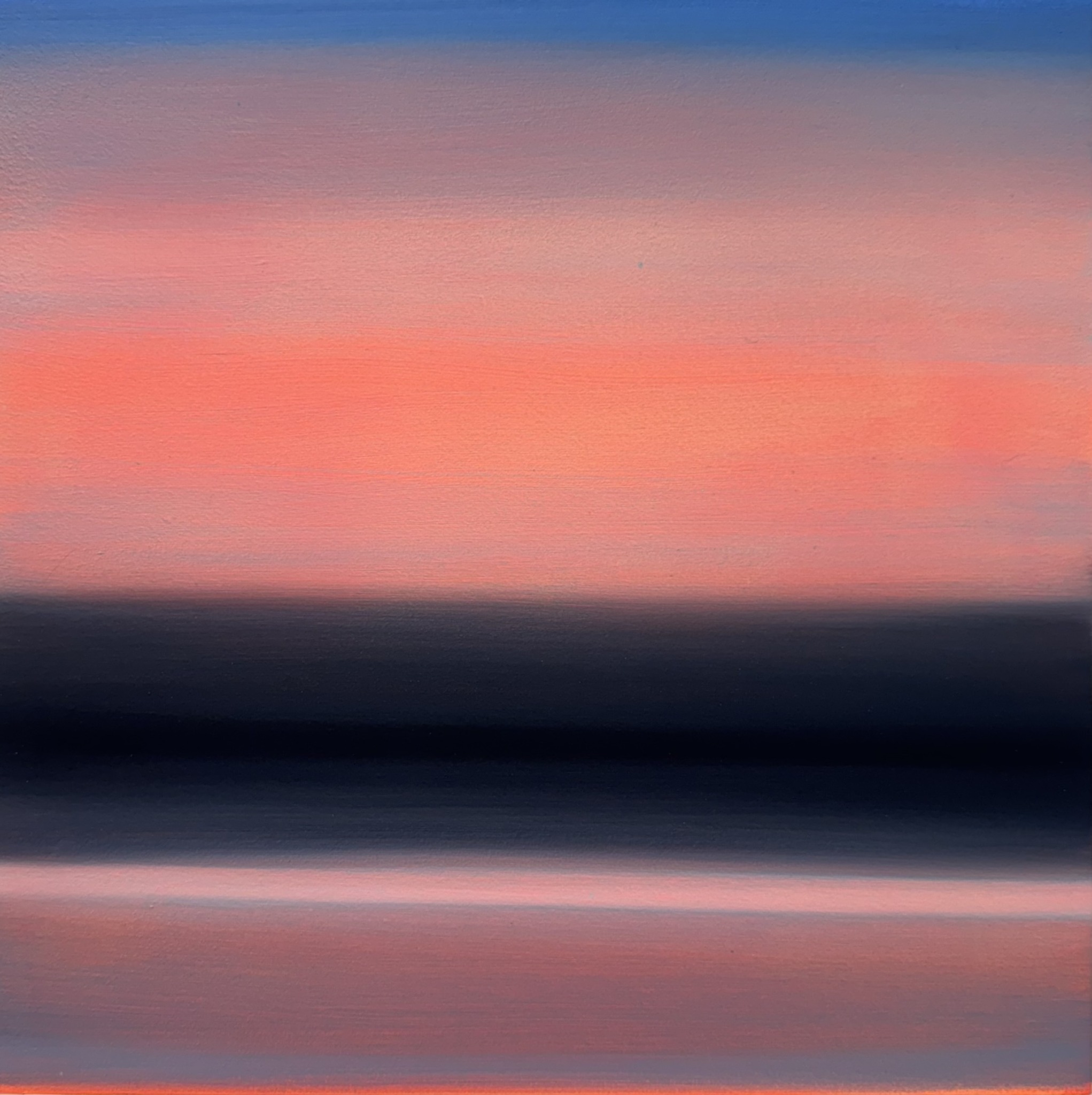
I simultaneously maintained my studio practice. After work I would go back to the studio, paint and do it all over again. I was especially interested in the views out of the train window. The swampy wetlands that wove in and out of the tired, broken buildings was otherworldly. There was beauty in the grime, in the pace and in how grueling New York life could be. Working in fine art services informed my work and studio practice insurmountable amounts. Going to school in Brooklyn and getting my start in the artworld in New York City as an artist and arts professional has given me a rock-solid foundation, that I forever grateful for.
Working and living in New York gave me the confidence to pursue life in another city. I planned my move to Los Angeles over several months. In 2015 I applied for a job in fine art services with a company in New York that had a branch in Los Angeles. I was packing artwork in a tiny apartment in the Upper East Side when I got the call. “You got the job; how soon can you be ready?” Soon afterwards, I bought a one-way ticket to LAX and set up my life on the West Coast.
This coming June will be ten years in California. I am still with the same fine art services company and am now heading the art department. Furthermore I am currently pursuing my MFA at Claremont Graduate University.
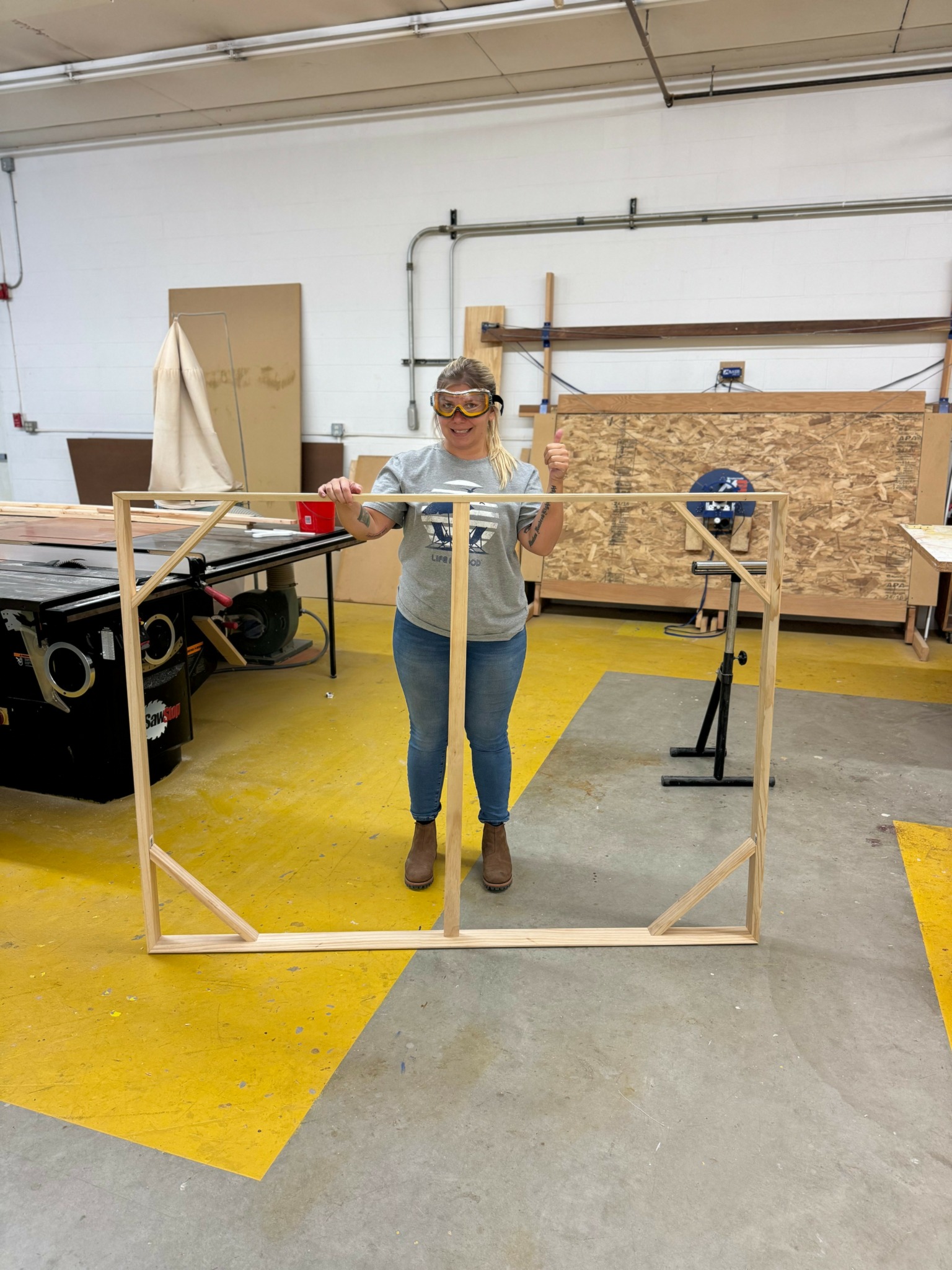
In your view, what can society to do to best support artists, creatives and a thriving creative ecosystem?
Society can better support artists and create a thriving creative ecosystem by making art education more accessible, eliminate artworld gatekeeping and art market manipulation. Many artists do not pursue formal art education due to the high tuition cost. Art students who do enroll in a BFA or MFA program take on massive student loan debt with often limited job opportunities. Graduating art school with over 200K in student loan debt cripples’ artists financially and affects their quality of life for the long term.
Art world gatekeeping has always existed. Artists are limited to where they can apply to show their work. Reputable galleries that have a strong collector base and sales records often do not accept submissions. It’s suggested to go to openings, make your face known, and network your way to the right eyes for your work. While this makes sense to some degree it’s an overly romanticized, and some would argue outdated approach. It’s certainly not going to work if the gallery isn’t within proximity. Those chosen artists who are represented by top galleries often don’t know to whom their work was sold to and must wait a long period of time to receive a paycheck. These issues are also present in state run art centers and facilities.
The art market gains momentum by what is trending rather than merit. Brilliant artists are often overlooked without a gallery name attached. Online platforms that sell art are only accessible to galleries, not the artist. In order to get your work on those platforms you need representation. There needs to be more artist run- artist friendly platforms of the same caliber that function in the same way.
What’s the most rewarding aspect of being a creative in your experience?
The most rewarding aspect of being an artist is knowing the freedom that exists within creating. As soon as one work is one, the blank slate returns. If a work isn’t going in the right direction, the artist can change that direction. Knowing there are infinite possibilities and surprises keeps the artist curious. Curiosity leads to learning. You may want to incorporate a new medium into your work and find yourself taking up ceramics after you have been painting for twenty years. Art is reactionary in process and form. One choice leads to the next.
Contact Info:
- Website: https://www.courtneycolgan.com
- Instagram: paintbox630
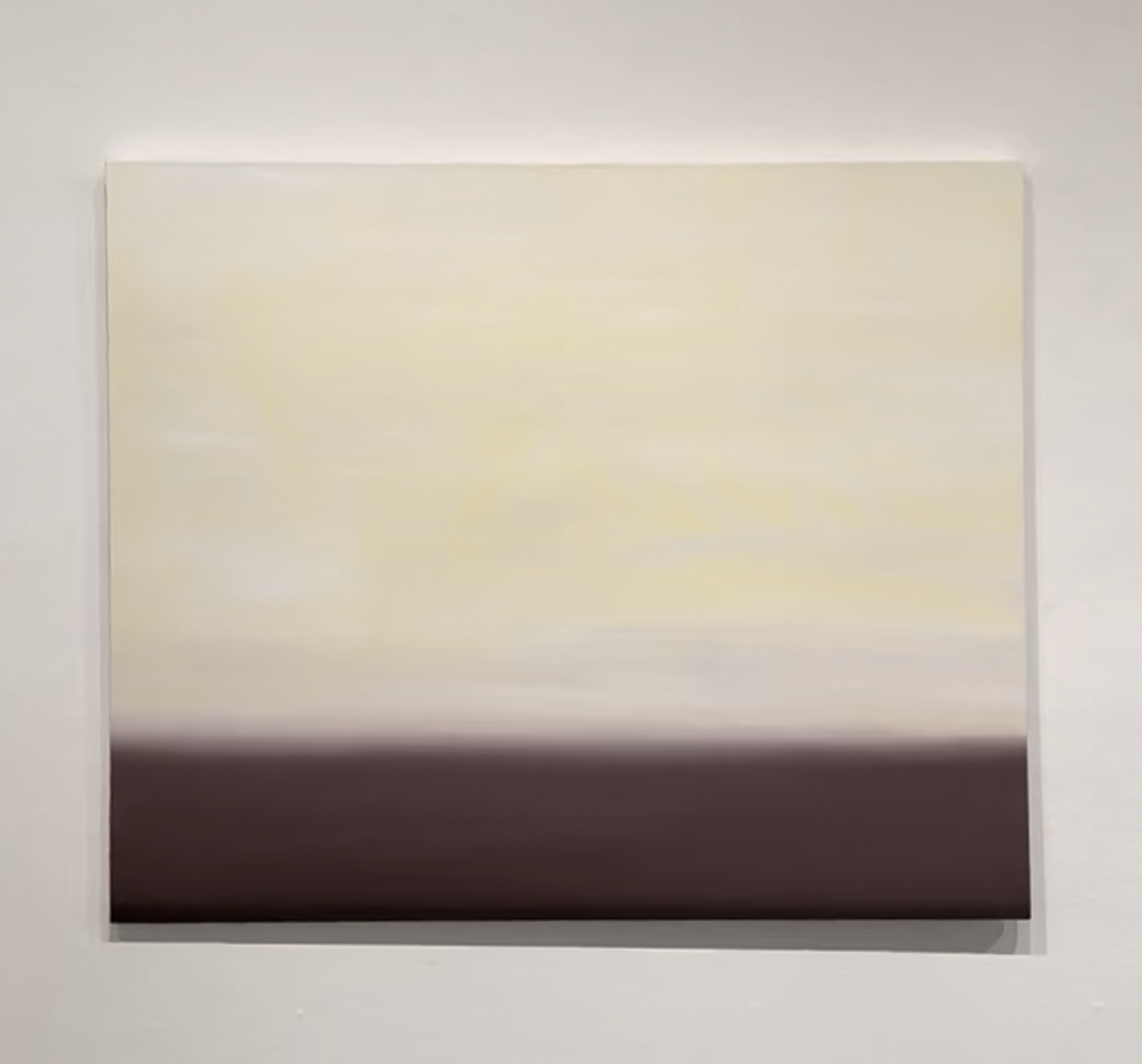
Image Credits
Elisabeth Young