

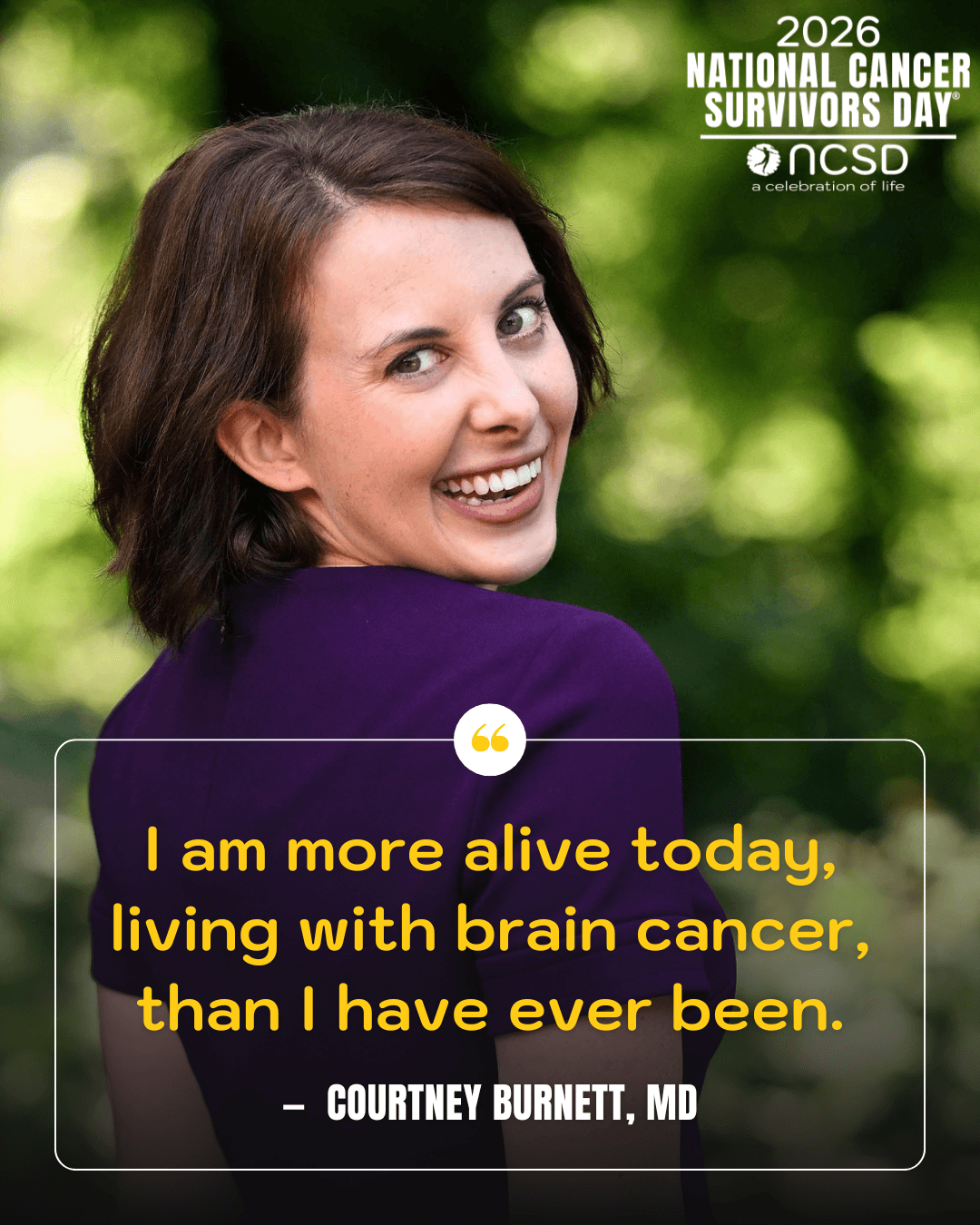

We’re excited to introduce you to the always interesting and insightful Courtney Burnett. We hope you’ll enjoy our conversation with Courtney below.
Hi Courtney, thanks for joining us today. If you had a defining moment that you feel really changed the trajectory of your career, we’d love to hear the story and details.
There was a clear defining and dividing moment in my career: the day I went from physician to patient.
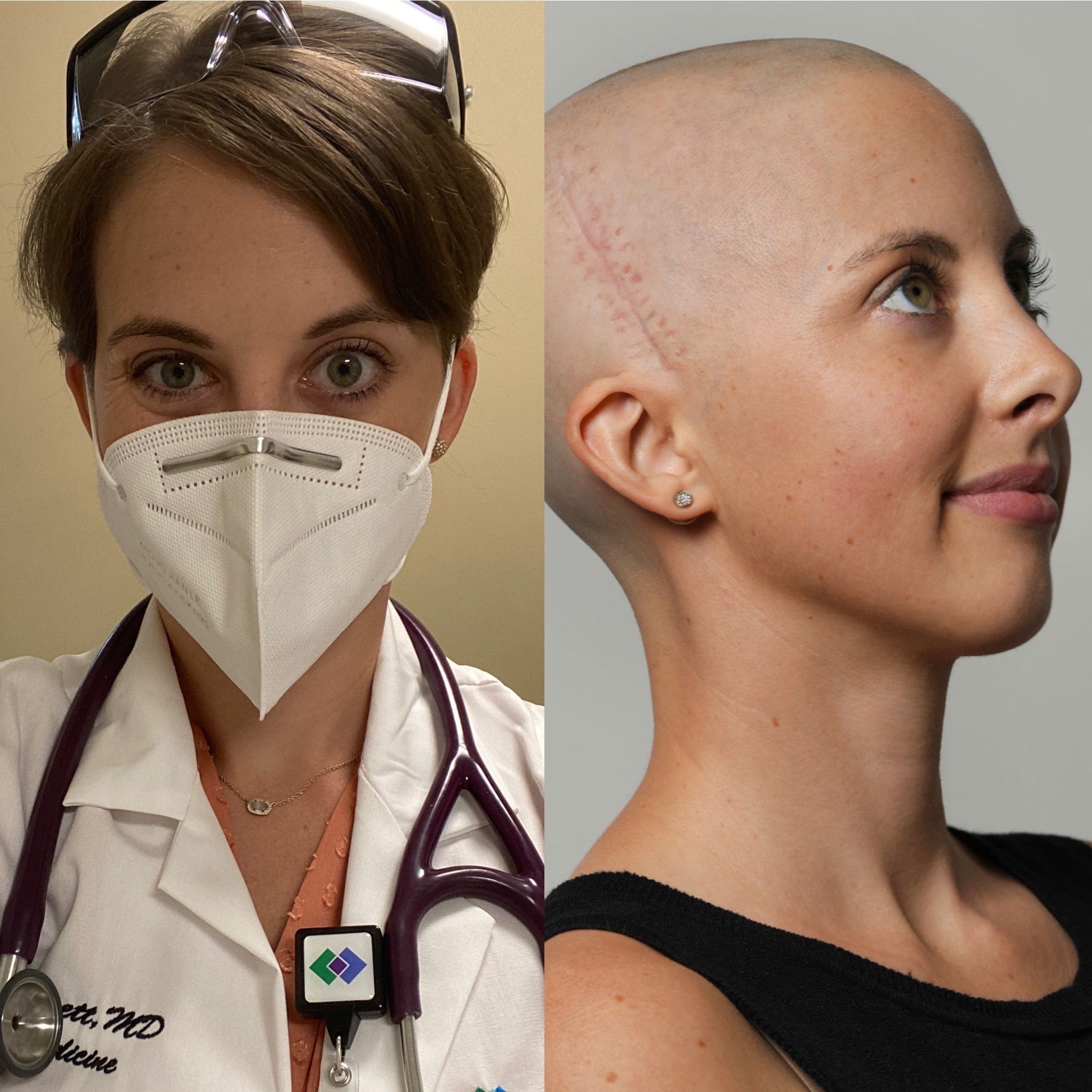
In 2020, while studying medicine in Thailand, I diagnosed myself very unexpectedly with a brain tumor. At 29 years old, I learned I had a rare and incurable brain cancer called anaplastic astrocytoma. Overnight, my carefully crafted plans dissolved. I had spent years training to become a physician, and suddenly I found myself on the other side of the hospital bed, wondering if I would return to the career I had worked my entire life for.
For a while, I grieved the career I thought I had lost, but something unexpected happened. Being a patient gave me background insight that helped make me a more understanding doctor. It changed the questions I asked, the way I listened, and the things I valued. I became less interested in “success” on paper and more interested in being present, truly helping others heal in the way I needed as a patient myself. I stopped chasing perfection and started pursuing purpose.
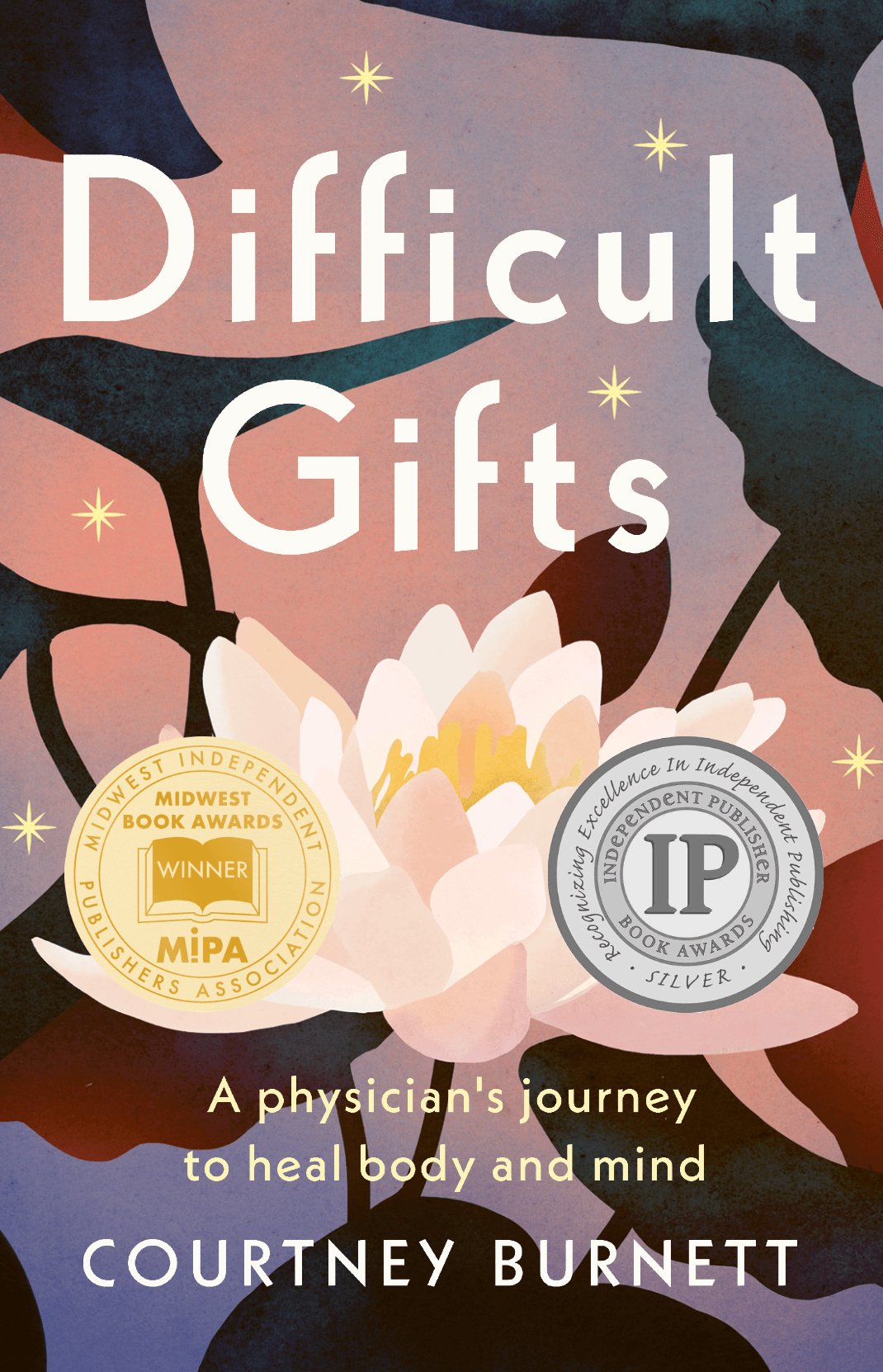
To process my new, unexpected diagnosis, I started a blog “Elephant, Lotus, Brain Tumor.” I wrote openly and vulnerably about my diagnosis, prognosis, and experiences in hopes that my story would help others going through challenges feel less alone. As the blog grew, I was compelled to write my first book, a memoir called “Difficult Gifts.”
I had no idea whether anyone would read this book. I simply knew that if I could find some gifts in the difficulty, maybe my words would help others find their gifts too.
That choice opened doors I never could have planned. It led to speaking opportunities, advocacy work, fundraising for brain tumor research, and deeper connections with patients, students, and colleagues. More importantly, it taught me that our greatest difficulties can become our greatest gifts.
If there is one lesson I have learned, it is this: life does not always follow the directions we write for ourselves. Sometimes the moments that break our hearts are the same moments that reveal our purpose. I never would have chosen brain cancer, but it transformed not only the kind of doctor I became, but the kind of human I constantly try to be.
As always, we appreciate you sharing your insights and we’ve got a few more questions for you, but before we get to all of that can you take a minute to introduce yourself and give our readers some of your background and context?
I often joke that I have never been very good at resting. I am a physician, author, speaker, educator, advocate, and travel advisor, but underneath all those titles is one very simple mission: I want to help others. I want to help people feel seen, supported, and a little less alone.
I currently practice as a hospitalist and serve as an Associate Professor of Medicine, where I have found a unique academic niche focused on patient communication, patient experience, and the medical humanities. Some of my most meaningful work has involved helping future physicians remember that medicine is not just about diagnosing disease but caring for people. Through research, publications, and teaching, I am continually exploring ways to bring more humanity, empathy, and connection into healthcare.
Through writing and speaking, I discovered that vulnerability has a way of bringing people together. Today, I have the privilege of delivering keynote presentations around the world on resilience, gratitude, finding purpose through adversity, healthcare practitioner wellness, and the patient experience. My goal is never to tell people to “stay positive.” Instead, I hope to create space for honest conversations about suffering, hope, and what it means to live fully even when life doesn’t go according to plan.
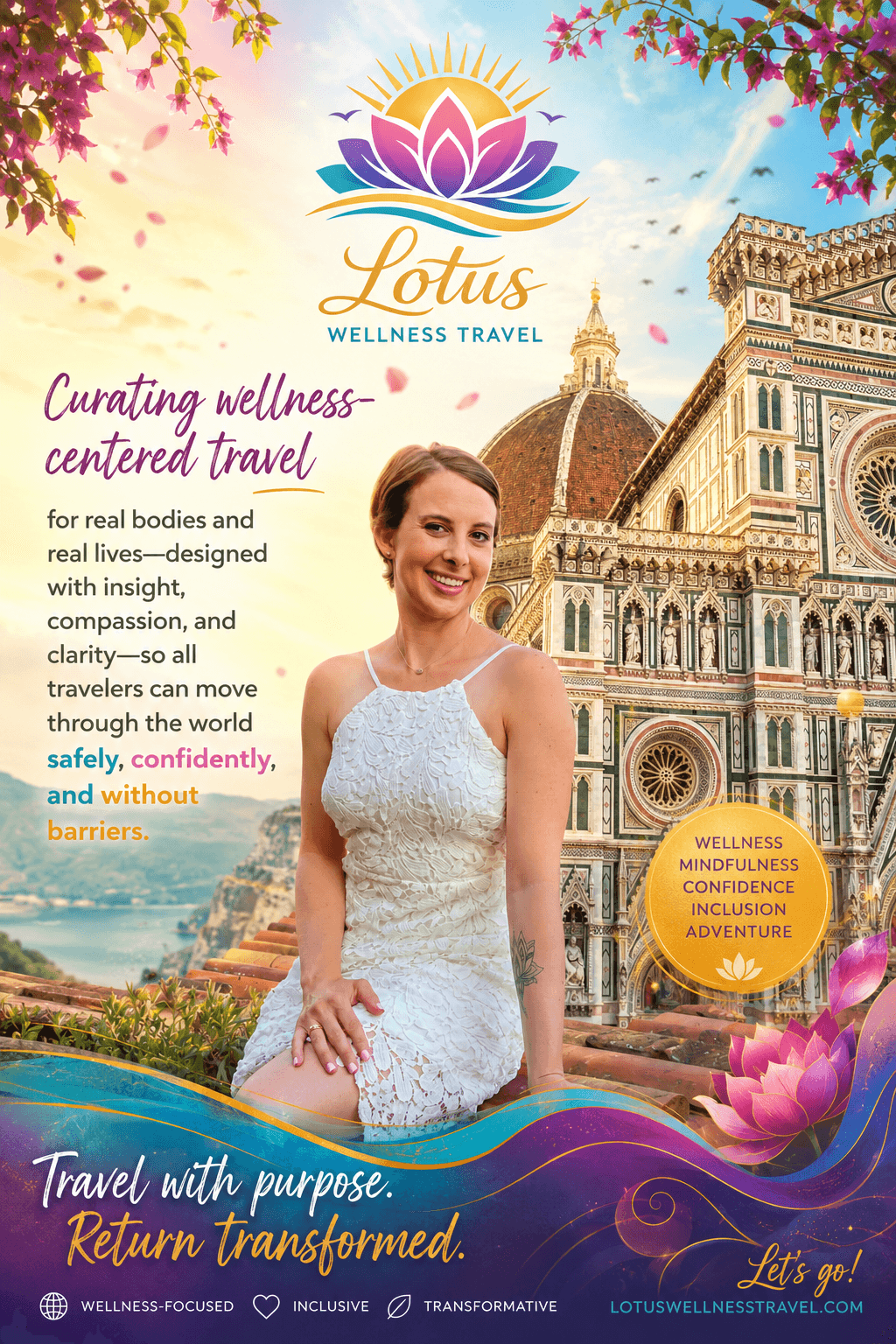
Another passion project born from my experiences is my newest business, Lotus Wellness Travel, a physician-built travel advisory designed to help make travel feel more accessible, inclusive, and less overwhelming. After my diagnosis, I realized that travel itself was healing for me. Yet, many people living with chronic illnesses, disabilities, or health concerns feel uncertain about whether travel is still possible. Through Lotus Wellness Travel, I help people plan meaningful trips while considering the realities of real bodies and real lives. I want people to know that adventure doesn’t have to end because life changes.
I am also deeply committed to advocacy. Through speaking, fundraising, and nonprofit work, I try to raise awareness and support for brain tumor research and awareness. One of the greatest privileges of my life has been witnessing how people come together around hope, humor, and human connection. I am on the board of directors of a wonderful foundation, Humor to Fight the Tumor. I encourage you to check out their impact.
What am I most proud of? Honestly, it isn’t any title or publication. It is hearing someone tell me, “Your story made me feel less alone.” It never gets old and I will never stop trying to succeed in this way.
Whether I am caring for hospitalized patients, mentoring medical students, writing, planning travel, or standing on a stage with a microphone, I hope people walk away feeling the same thing: that even in difficult seasons, there is still beauty to be found, purpose to be discovered, and gifts hidden in places we never expected to find them.
I never would have chosen brain cancer, but it helped me understand that success is less about achievements and more about impact. If there is a thread that connects everything I do, it is this: helping people heal, connect, and continue living fully – even when difficult gifts abound.
We often hear about learning lessons – but just as important is unlearning lessons. Have you ever had to unlearn a lesson?
One of the biggest lessons I have had to unlearn is the belief that success only has one definition. For much of my life, I equated success with achievement, productivity, and checking off milestones. I was hard on myself, constantly striving for the next accomplishment and assuming life would unfold according to the plans I had carefully made.
Then, at 29 years old, I was unexpectedly diagnosed with an incurable brain cancer. In an instant, I was forced to confront something I had spent very little time considering- impermanence. I realized that our careers, health, and plans are far more fragile than we like to believe.
I also had to unlearn the idea that vulnerability is a weakness. As a physician and high achiever, I thought I needed to have all the answers and keep my struggles to myself. Instead, opening up about my fears and uncertainties brought authenticity to my career. Writing my blog and memoir connected me with people around the world who reminded me that we all need community and that none of us are meant to carry life’s challenges alone.
Today, I try to teach medical trainees and patients that vulnerability does not make us less resilient; it makes us more human. Setbacks and disappointments are inevitable, but they do not have to define us. Sometimes they become invitations to grow, reevaluate what matters, and discover strengths we never knew we had. I don’t believe suffering is a gift, but I do believe we can find gifts within our suffering.
Do you think you’d choose a different profession or specialty if you were starting now?
Yes, I would choose medicine again. Being invited into people’s lives during some of their most vulnerable moments is an incredible privilege, and I still find deep meaning in caring for patients, teaching students, and advocating for a more compassionate healthcare system. Even after becoming a patient myself, I never lost my love for medicine.
What I would change is the way I treated myself along the way. For years, I believed I had to earn my worth through hard work and perfection. I put enormous pressure on myself, focused on what I hadn’t accomplished yet, and often struggled to celebrate where I was. I spent too much energy worrying about getting everything right and not enough time appreciating the privilege of simply being present.
If I could talk to my younger self, I would tell her to be kinder to herself. I would tell her that life is not a race, that there are many ways to build a meaningful career, and that setbacks are not failures. I would remind her that she is allowed to rest, ask for help, and change directions when life demands it.
Ironically, the things I once viewed as interruptions—illness, uncertainty, vulnerability—became some of my greatest teachers. They made me a better doctor, educator, writer, and hopefully, human being.
So yes, I would choose the same profession. I would just choose to walk through it with a little more grace and a lot less self-criticism.
Contact Info:
- Website: https://drcourtneyburnett.com/
- Instagram: https://www.instagram.com/courtneyjburnett/
- Facebook: https://www.facebook.com/courtney.400/
- Linkedin: https://www.linkedin.com/in/courtney-burnett-md-a5298a15/
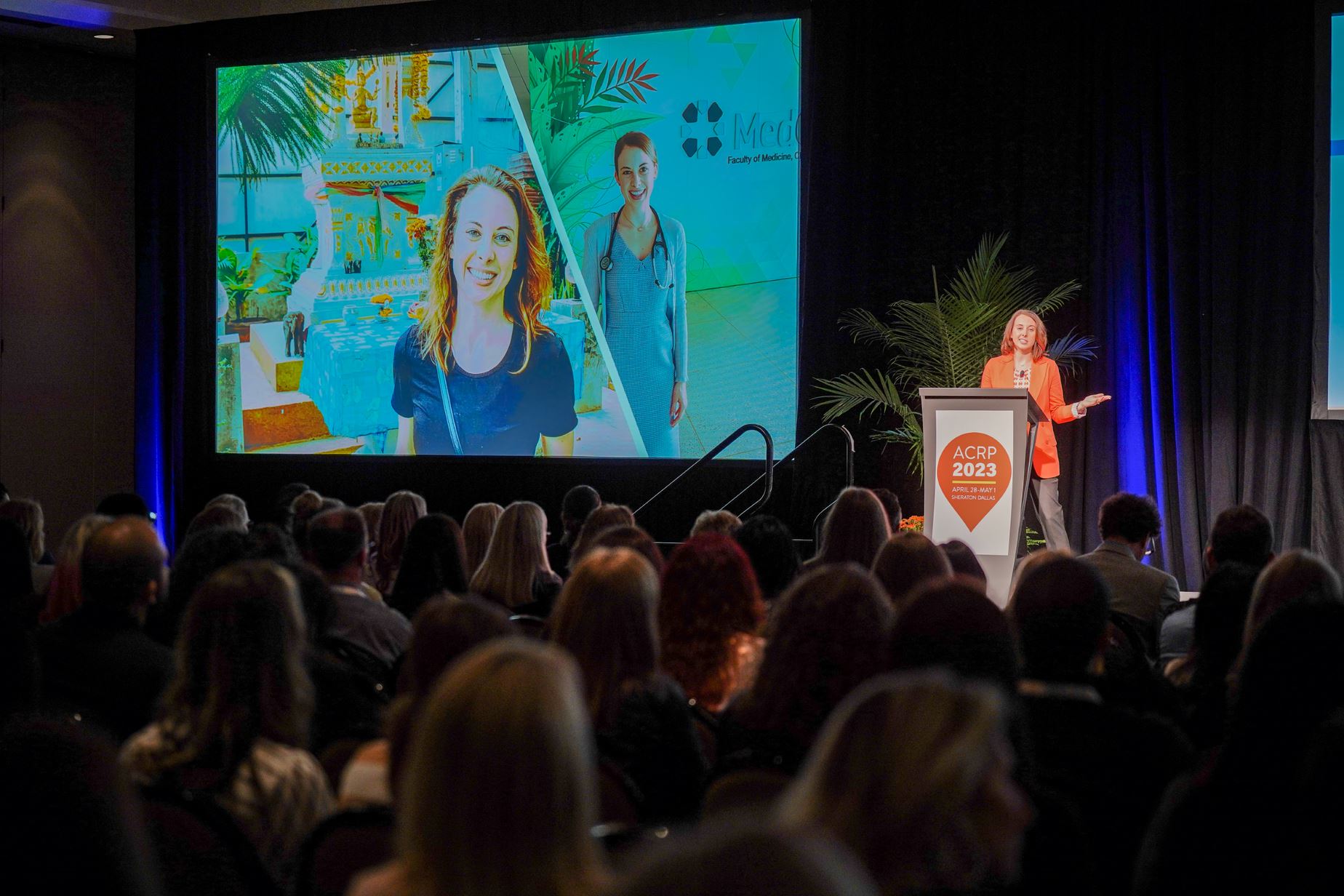
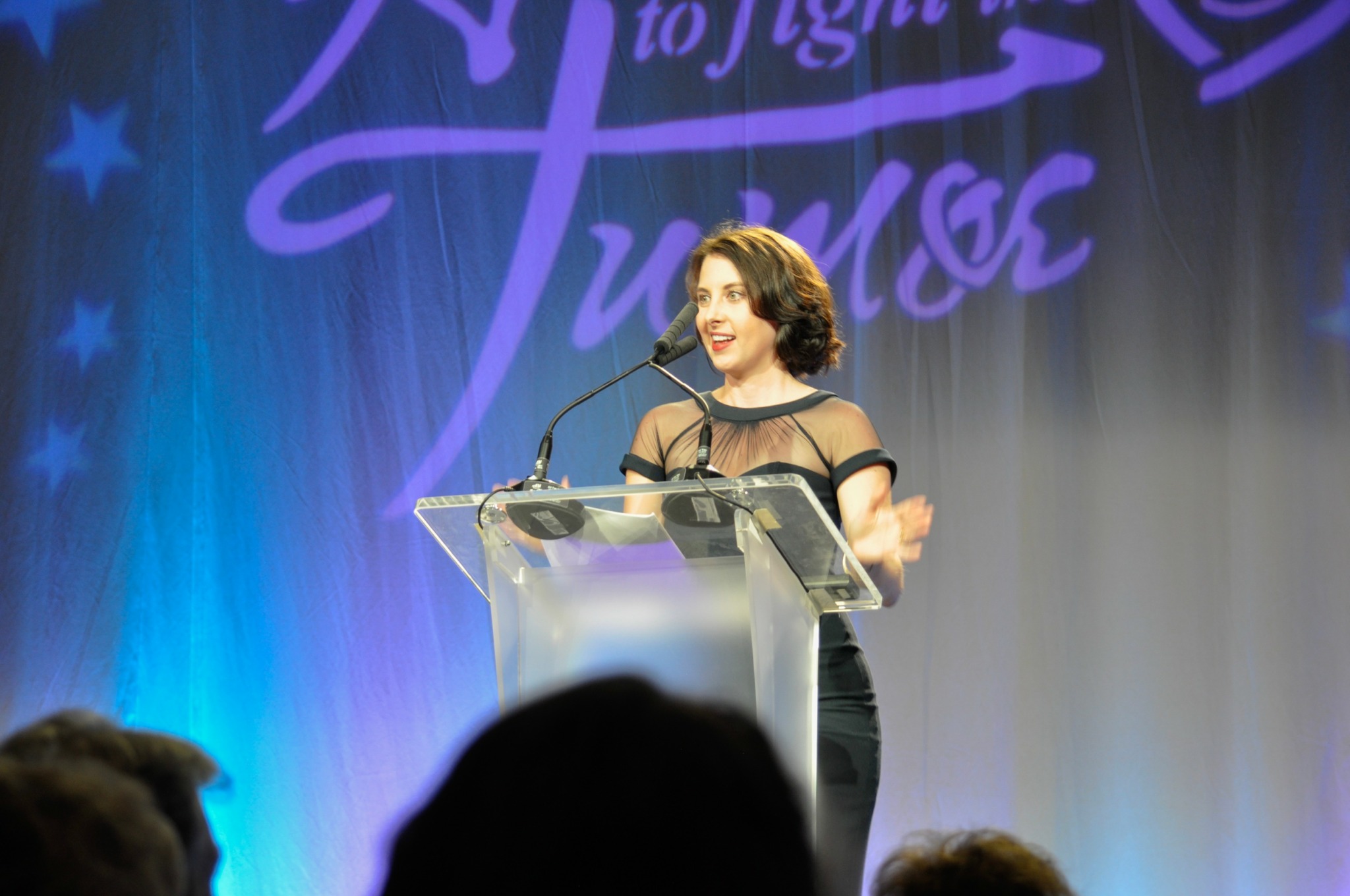
Image Credits
Shari Fleming Photography
Angela Torntore Photography
ncsd.org