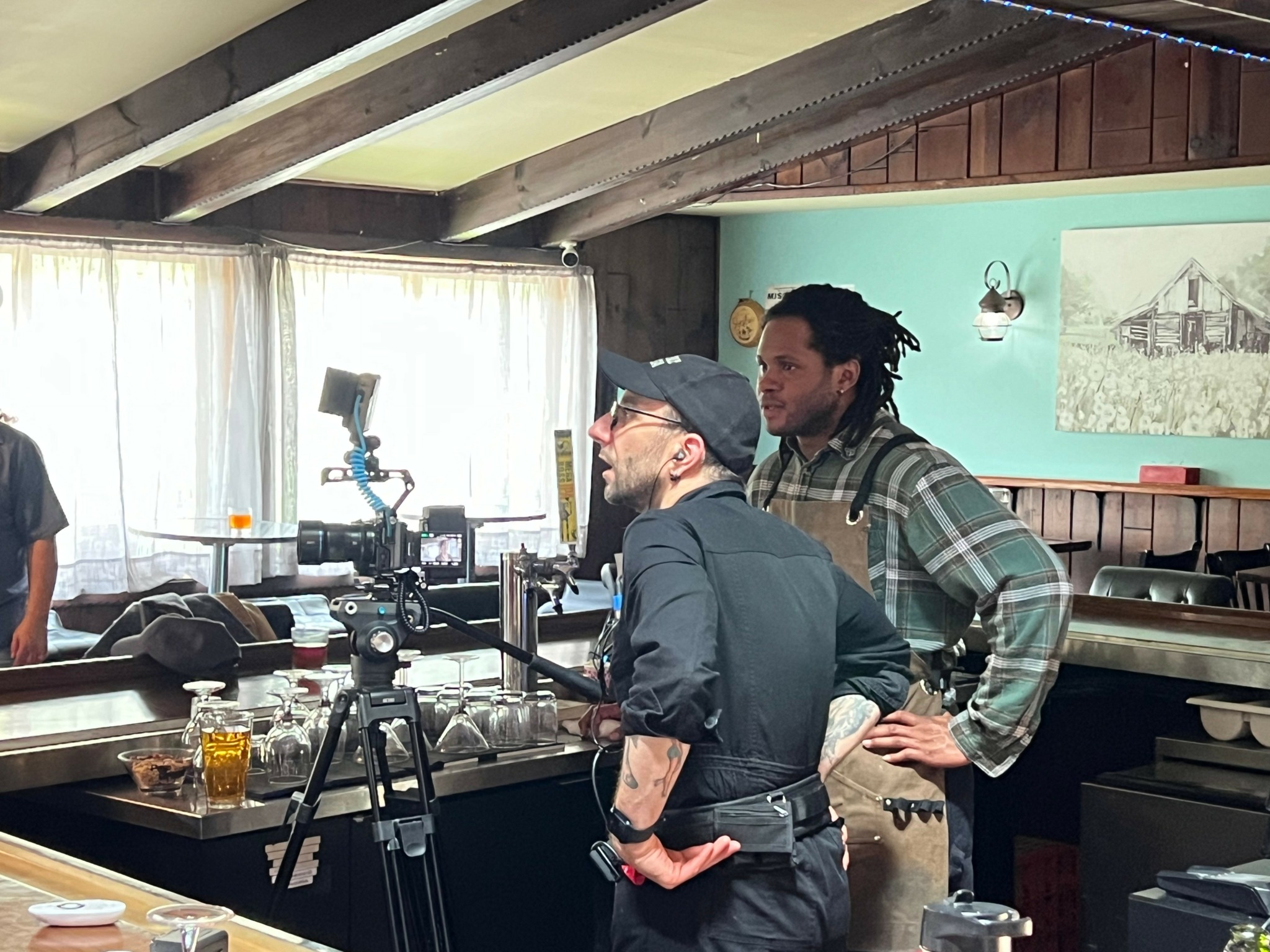
We’re excited to introduce you to the always interesting and insightful Cordell Ijoma. We hope you’ll enjoy our conversation with Cordell below.
Cordell, looking forward to hearing all of your stories today. Can you talk to us about how you learned to do what you do?
I learned to pursue acting through a combination of hard work, self-awareness, and a willingness to embrace vulnerability. Growing up, my focus was primarily on sports, particularly football, where I gained a deep understanding of discipline, resilience, and working toward a goal. Those same principles became the foundation when I transitioned into acting. The real transformation, however, began when I moved to New York City and enrolled at the New York Conservatory for Dramatic Arts. That’s where I was finally given the tools to channel both my physicality and emotional depth into meaningful performance. It was a humbling and intense experience—one that forced me to recognize that acting wasn’t simply about “performing,” but about connecting deeply with myself and others. The conservatory environment, combined with the mentorship I received there, helped me convert fear and self-doubt into curiosity and creative expression.
Looking back, I realize that more confidence early on could have made a big difference. Coming from a competitive sports background, I was used to working toward tangible achievements—wins, stats, awards. Acting, however, isn’t driven by outcomes in the same way. It’s about personal growth and trust in the process. If I had understood that earlier—if I’d accepted that vulnerability was actually a strength—I might have connected with the craft on a deeper level sooner. I also think I could have benefited from more varied acting experiences early in my journey. Taking on small roles, exploring different genres, or even participating in community theater might have helped me build range and adaptability faster. Additionally, seeking out coaching or mentorship before diving into a city like New York could have helped ease the overwhelming learning curve that comes with starting fresh in such a competitive environment.
Discipline and self-awareness were the most essential skills that carried over from sports to acting. In football, showing up every day, following a routine, and committing to improvement were non-negotiables—and those same habits became crucial in learning the craft of acting. But beyond discipline, emotional intelligence and vulnerability were what truly elevated my ability to perform. Acting demands honesty, both with yourself and your audience. The more I learned to understand and confront my own emotions, the more freely I was able to express them in character. That growth didn’t just make me a better actor—it made me a more grounded and present person.
Of course, the journey wasn’t without its obstacles. One of the biggest challenges I faced was the fear of failure. In my previous life, success was measured in performance metrics. That mindset, while helpful in some ways, also created a pressure to be perfect—something that doesn’t exist in acting. There were moments when I felt like I wasn’t progressing fast enough or that I didn’t belong in the room with more experienced actors. It took time and the right mentorship to understand that imperfection is part of the process—that growth comes from taking risks and allowing yourself to be seen, even when you’re unsure. Another hurdle was shifting from the physical discipline of sports to the emotional endurance required in acting. Instead of pushing through physical fatigue, I had to learn how to sit with discomfort, examine it, and use it to fuel my work. That wasn’t an easy adjustment, but it was ultimately one of the most rewarding parts of the journey.
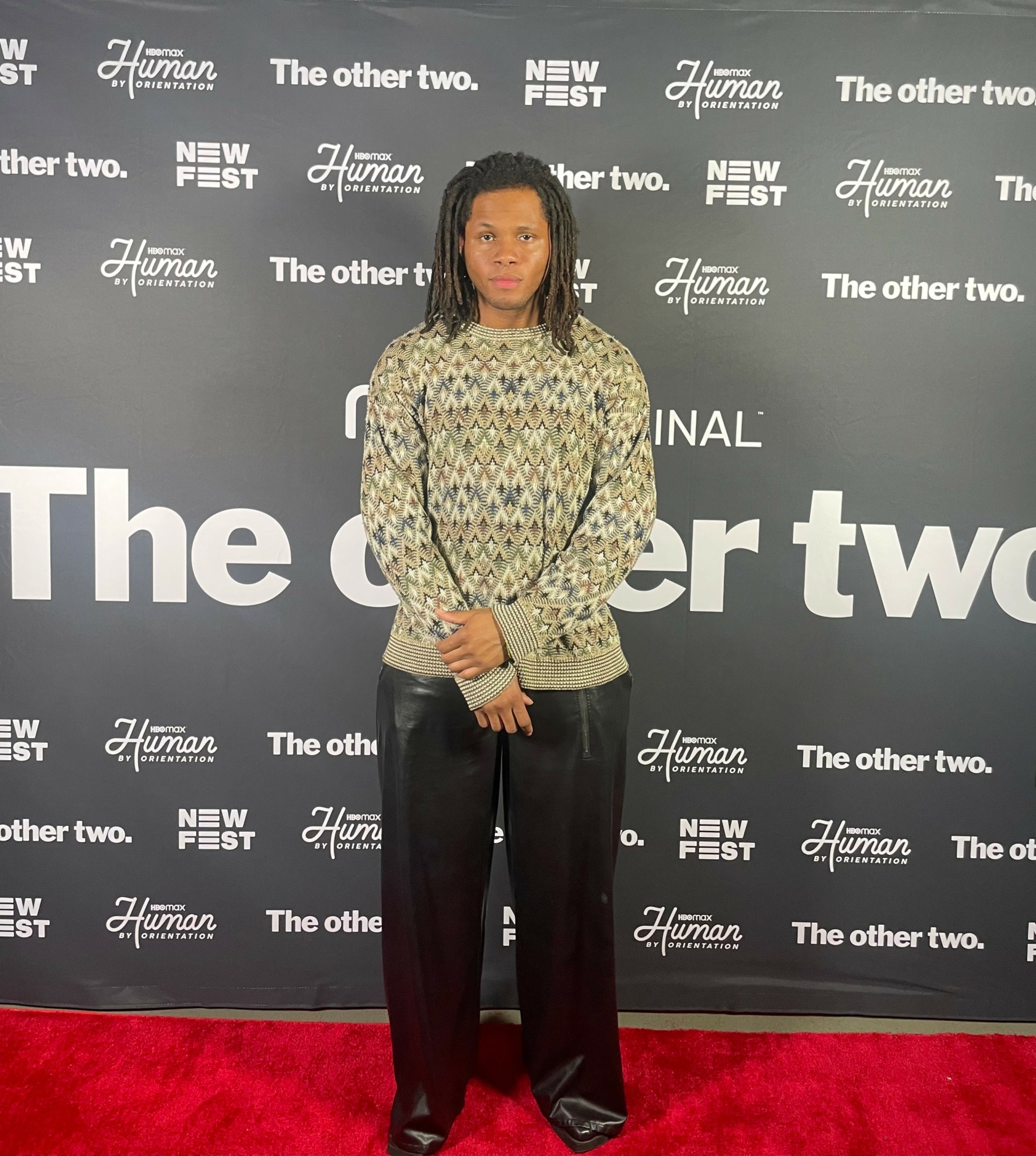
Cordell, before we move on to more of these sorts of questions, can you take some time to bring our readers up to speed on you and what you do?
For those who may not know me yet, I’m an actor who came into this industry from a slightly unconventional path—through the world of competitive sports. I discovered my love for performance while playing football, competing in front of thousands of people every week. For me, it was always more than just a game. There was something deeply emotional, even Shakespearean, about being part of those high-stakes moments, and I loved being at the center of that energy. When I suffered an injury in my third year of college, it was a turning point. The physical chapter of my life was shifting, but the desire to express, connect, and perform remained. That’s when I turned to acting—not as a backup plan, but as a calling that had been quietly building all along.
After making the decision to fully pursue acting, I moved to New York City and trained at the New York Conservatory for Dramatic Arts. That time was transformational. It was where I truly learned how to connect with myself emotionally and use that connection to tell stories in an honest, impactful way. The discipline I developed as an athlete served me well, but I quickly realized acting required an entirely different type of strength—one rooted in vulnerability, emotional depth, and self-awareness. I embraced that challenge fully and continue to push myself with every role I take on.
As an actor, I see myself as a conduit—someone who channels real human emotion and experience in a way that helps others feel seen. That’s my aim with every project: to be a mirror for the audience, to tell stories with truth and intention, and to bring a nuanced presence to every character I inhabit. I approach each role with a rigorous work ethic and a deep respect for the craft. I want people to walk away from my performances feeling something—whether it’s recognition, release, or inspiration. That’s the power of storytelling, and it’s the reason I do this.
What sets me apart is my journey and how I carry it into the work. I bring the discipline and determination of an athlete, but also the sensitivity and emotional curiosity of someone constantly seeking growth. My style is rooted in honesty, physicality, and a strong emotional core, and I work to bring a unique voice to each character—my voice. I’m especially driven to inspire those who feel unheard or unseen. I know what it’s like to feel like your voice doesn’t matter, but I’m here to challenge that idea, both through my work and by the example I set.
I’m proud of how far I’ve come and the momentum I’ve built by staying committed to the process. I’ve been making a name for myself through consistency, through the intention I bring to every project, and through the belief that storytelling can be both personal and universal. My mission is to keep growing, keep creating, and keep connecting—because in the end, this isn’t just about acting. It’s about making space for people to feel, reflect, and believe in their own stories, too.
What do you find most rewarding about being a creative?
For me, the most rewarding aspect of being an artist is the connection that forms between the work and the people who experience it. It’s not just about being seen or praised—it’s about being able to evoke a feeling, a memory, or a moment of clarity in someone else through the work I do. Whether it’s someone deeply knowledgeable about the arts or just someone who happened to catch a project I was part of, hearing their reactions—hearing that something I created moved them—is something that feels almost otherworldly. There’s nothing quite like it. That exchange, that invisible thread between the performer and the audience, is what makes this craft feel both deeply personal and universally human.
One of the most powerful things is when someone tells me that something I’ve done helped them better understand themselves, or made them feel seen in a way they hadn’t before. That’s when this work becomes more than performance—it becomes purpose. I’ve had people reach out and say that a role I played reminded them of their own life, their own struggles, or even just helped them escape for a little while. Those moments remind me why I do this in the first place. It’s incredibly humbling to think that something I’ve poured my heart into might make someone else feel more grounded, more open, or more inspired.
I come from a background in sports, where the goal was often external—score more, win more, be the best. But acting, storytelling, and creative work in general demand a very different kind of strength. It’s not about pushing yourself to be better than someone else; it’s about getting to know yourself better, and then offering that truth to others. The reward doesn’t come in trophies or titles—it comes in emotional resonance. And when someone tells me they felt something watching my work, or that they were impacted in a lasting way, that feeling goes beyond anything I’ve experienced on a field. It’s a spiritual kind of reward, not just a professional one.
There’s also something incredibly gratifying in the quiet responses—the people who don’t necessarily say a lot, but whose expressions change, whose energy shifts after seeing a performance. Sometimes it’s not the loud applause or the critical acclaim that hits you the hardest, but a subtle message from someone who says, “Hey, that meant something to me.” That sense of having reached someone, even if it’s just one person, carries more weight than any review ever could.
And it’s not always about the heavy, emotional moments either. Sometimes it’s joy. Sometimes it’s laughter or comfort or nostalgia. To be a part of delivering that range of emotion, to know that I helped create a shared experience between strangers—that’s something that never gets old. Whether it’s on stage, on screen, or even in a small, intimate scene that not many people see, the opportunity to move someone, even briefly, is incredibly fulfilling.
What also makes this rewarding is the sense of growth it brings me. Every project, every role, and every moment in this creative journey teaches me something—not just about acting, but about life, empathy, patience, and connection. The process itself is often just as rewarding as the product. I learn more about myself with each performance, and that self-awareness inevitably spills into my everyday life. It pushes me to be more honest, more present, and more open as a person. It’s a constant evolution, and I wouldn’t trade that for anything.
At the end of the day, what I want people to know is that the work I do comes from a place of real intention. I don’t just want to entertain—I want to connect. I want to reflect something meaningful back to the audience, something that maybe helps them feel less alone or more inspired. And the most beautiful part of this work is that when it’s done right, it becomes something bigger than just me. It becomes a shared space, a shared experience, a moment where someone says, “Yes—I felt that too.” That’s the true reward.
Are there any books, videos or other content that you feel have meaningfully impacted your thinking?
One of the most significant resources that has shaped my approach to both creativity and the business side of being an artist is, “The Artist’s Way” by Julia Cameron. While it’s often categorized as a book for unlocking creativity, it’s also been instrumental in how I think about managing myself as an artist and navigating the entrepreneurial side of this industry. In many ways, it helped me realize that being an artist isn’t just about creating—it’s about building a sustainable, intentional practice and treating your creativity with the same level of respect and structure that any entrepreneur would bring to their business.
“The Artist’s Way” introduced me to the idea that consistency and self-care are vital to the creative process. Before reading it, I had fallen into the mindset that creativity was something that struck like lightning—you wait around for inspiration, and then you go. But Cameron’s approach flipped that entirely for me. She teaches that inspiration comes through action, not before it. Her daily practices, like morning pages and artist dates, taught me how to treat creativity as a discipline. That was a major shift in my mindset, especially coming from a background in athletics, where structure and routine are everything. I began to see that treating my craft with that same level of commitment was not only possible, but essential.
From a self-management perspective, “The Artist’s Way” also helped me become more attuned to my internal blocks and how they show up in my work habits. Cameron dives deep into the concept of “creative recovery,” acknowledging the fears, doubts, and limiting beliefs that many artists carry—often without even realizing it. For me, this was huge. By identifying those internal narratives, I was able to begin separating my worth from my productivity or success. That emotional awareness has helped me better manage my time, make clearer decisions, and build a more sustainable work ethic without burning out or losing touch with why I started creating in the first place.
Entrepreneurially, the book reminded me that being an artist today also means being a business. And that business is you—your time, your energy, your voice, your value. The book encourages you to reclaim your creative identity and take ownership of it, which naturally leads into learning how to advocate for yourself in professional settings. It’s not just about making great art; it’s about knowing how to share it, protect it, and build a life around it.
Overall, “The Artist’s Way” didn’t just impact how I make art—it helped shape how I manage my life as a creative. It brought me clarity, confidence, and a sense of structure that I had been missing. I recommend it to anyone—not just artists—who wants to learn how to listen to themselves more deeply and approach their creative work with more intention, balance, and self-trust.
Contact Info:
- Website: https://cordellijoma.com
- Instagram: https://www.instagram.com/cordellijoma?igsh=dHYwcjdzenR3a213&utm_source=qr
- Other: IMDB: https://m.imdb.com/name/nm15292984/