

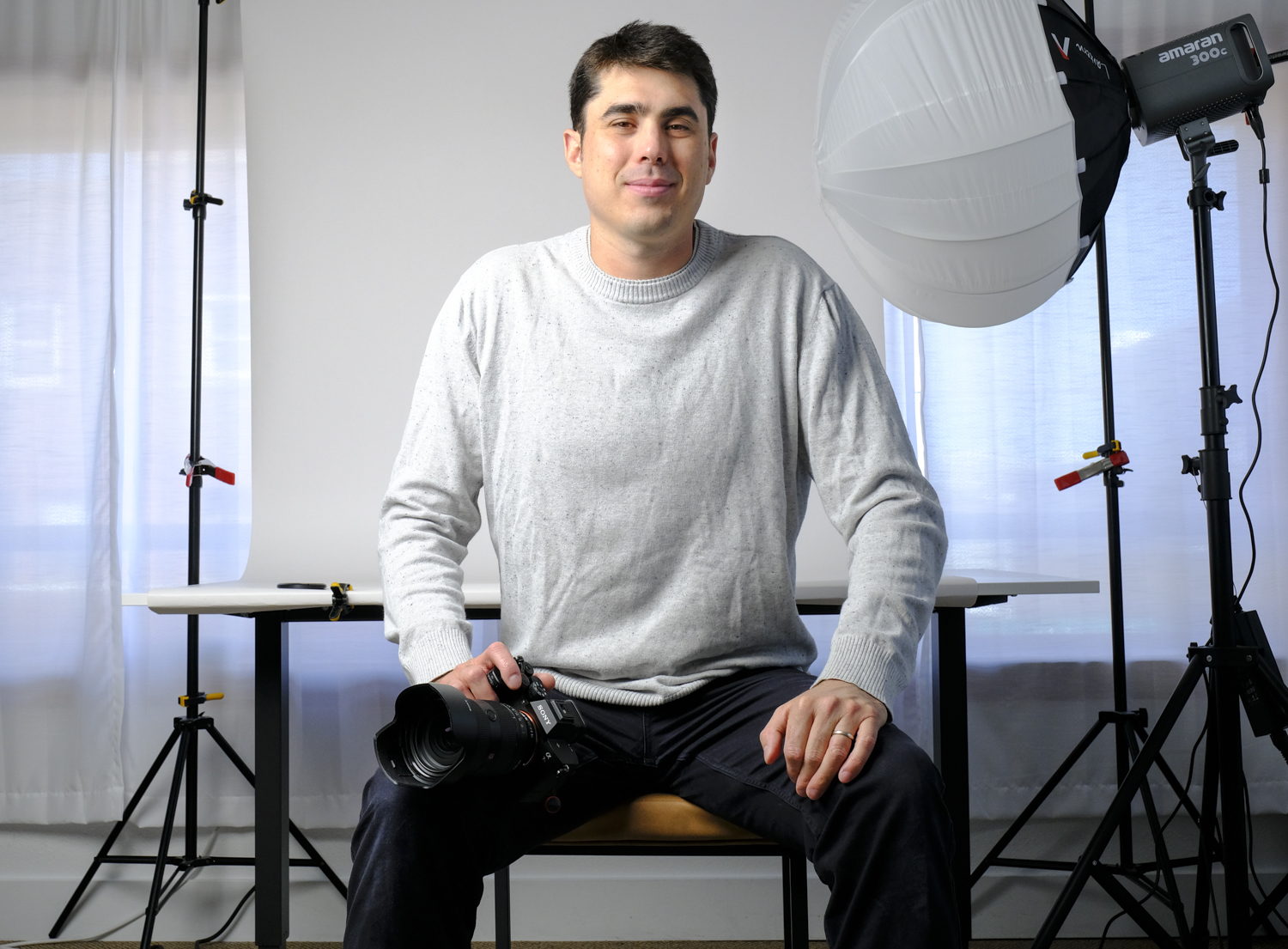

Alright – so today we’ve got the honor of introducing you to Conrad Byron. We think you’ll enjoy our conversation, we’ve shared it below.
Conrad, looking forward to hearing all of your stories today. So, let’s start with trends – what are some of the largest or more impactful trends you are seeing in the industry?
One of the biggest trends we’re seeing right now is the shift towards content that feels more personal and real. Clients are asking for short-form videos, behind-the-scenes looks, and a tone that feels like a friend talking to another friend. It’s less about the polished, overly produced content and more about authenticity and connection.
I remember a project we did not too long ago where a client was really leaning into this trend. They wanted to showcase their product in a way that felt genuine, like something you’d share with a close friend. We ended up creating a series of short, behind-the-scenes clips that gave their audience a peek into the process, the people, and the story behind the brand. The response was incredible—it resonated because it felt human and relatable.
With the rise of AI, coming across as human has never been more important. We’re seeing AI-generated content everywhere, even AI UGC (User-Generated Content) platforms popping up, and while that’s impressive, it also means that authentic, human touch is even more valuable. People can spot the difference, and they crave real connections. That’s why we focus so much on making sure the content we create feels like it’s coming from a genuine place—because in a world where AI is doing more and more, being real is what sets you apart.
The opportunity here is huge. When content feels more like a conversation than a sales pitch, it naturally builds trust and engagement. But, there’s also a challenge. Creating content that’s authentic while still staying on brand isn’t always easy. It requires a balance between being real and maintaining the professional image of the brand. We’ve had to be pretty nimble to adapt to this, but it’s been worth it.
Overall, this trend is pushing us to think differently about how we connect with audiences. It’s exciting, and it’s opening up new ways to tell stories that really resonate.
As always, we appreciate you sharing your insights and we’ve got a few more questions for you, but before we get to all of that can you take a minute to introduce yourself and give our readers some of your back background and context?
I started my career as a brand manager at one of the hottest CPG startups in Portland, OR. We were making big moves, raising over $90M in funding, and building something really special. But then COVID came along and changed everything. The startup closed its doors, and I found myself in a tough spot—no one was hiring for the kind of brand and marketing roles I specialized in.
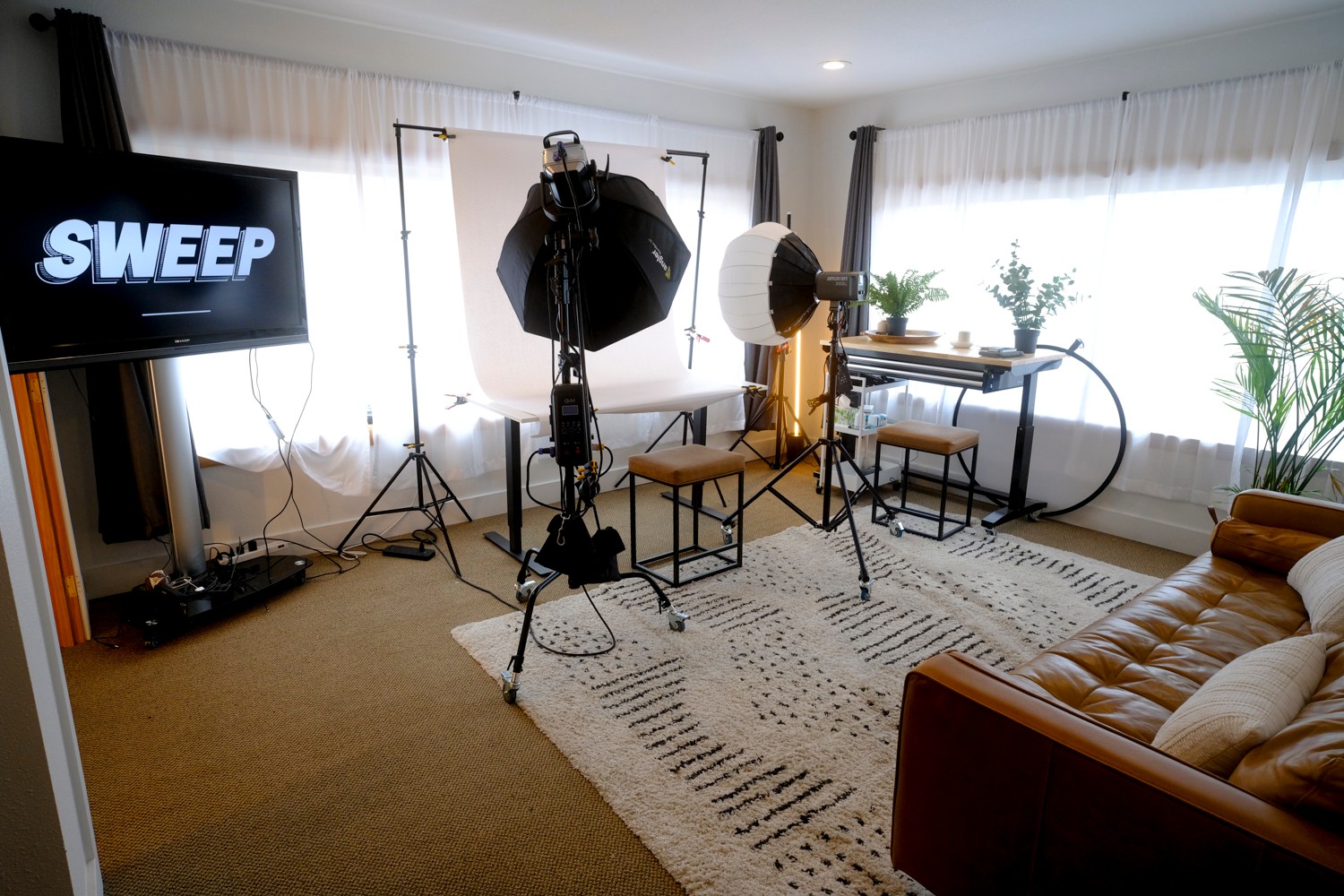
With no other option, I had to get creative. I tapped into my network and started doing what I knew best: taking photos, building websites, and crafting marketing strategies. What began as a necessity quickly turned into a new business—Sweep Creative. I realized that I could offer a unique blend of skills that combined my experience in brand management with a passion for visual storytelling through lifestyle and studio photography, as well as website design.
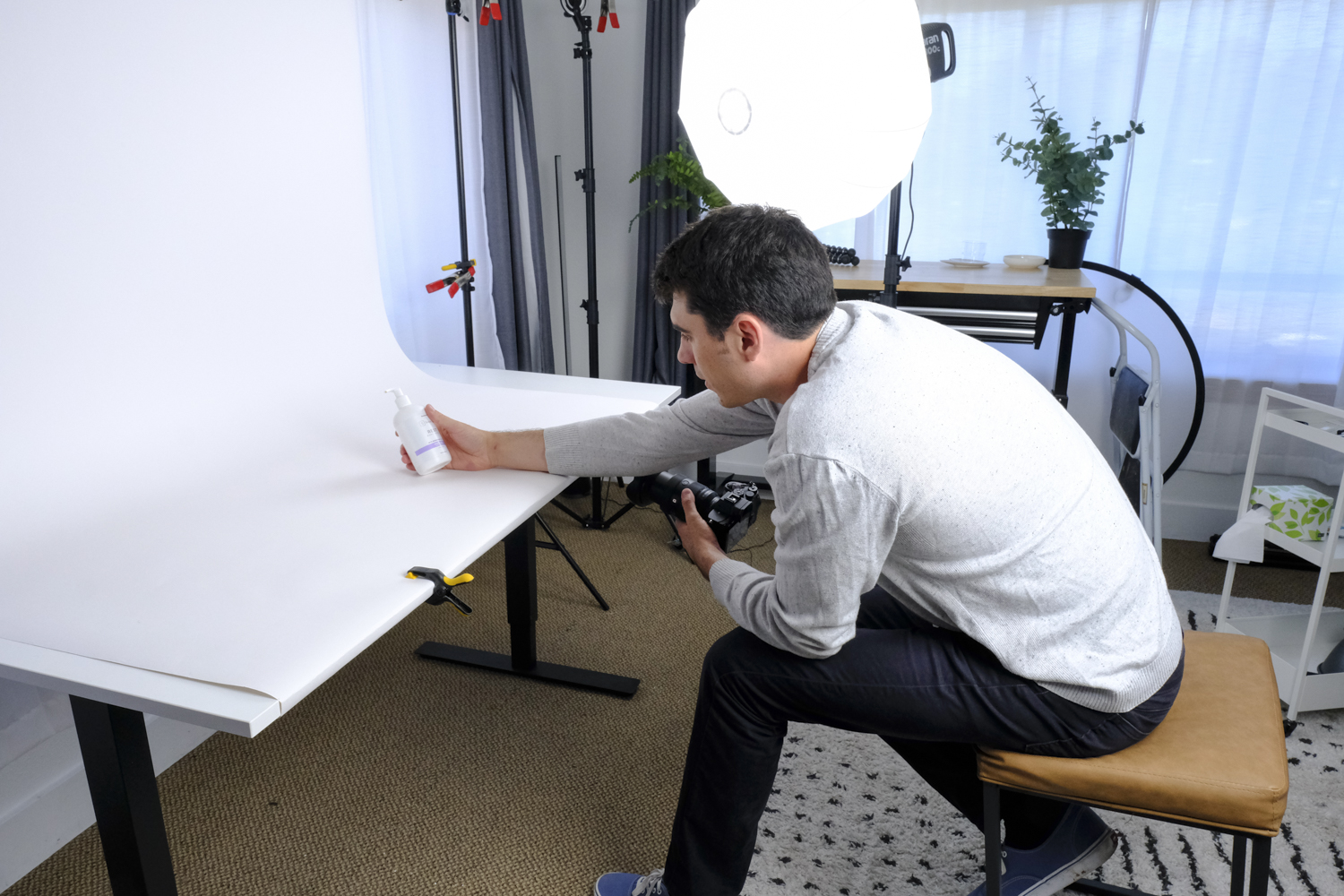
At Sweep Creative, we help brands in the CPG space and beyond stand out by creating content that’s not only visually compelling but also strategically aligned with their goals. Whether it’s capturing the essence of a brand through lifestyle photography, setting up the perfect shot in a studio, or designing a website that tells a brand’s story, we’re all about solving problems and delivering results.
What sets us apart is that I’ve been in the trenches. I know what it’s like to build a brand from scratch and to navigate through challenging times. That experience shapes everything we do at Sweep Creative. We’re not just another agency; we’re a partner who understands the pressure and the passion that comes with building a brand.
I’m most proud of how Sweep Creative was born out of adversity and how quickly we’ve been able to grow. For anyone curious about what we do, I want them to know that we bring that same resilience, creativity, and strategic thinking to every project. We’re here to help brands tell their story in a way that truly resonates with their audience, whether through stunning photography, impactful website design, or innovative marketing strategies.
Are there any resources you wish you knew about earlier in your creative journey?
It really depends on the type of creative you are, but as a photographer and someone who’s been deeply involved in the creative process, one of the biggest lessons I learned early on is the value of my network. For photographers, videographers, and others in this field, the single greatest resource is the people you know and trust.
I used to think I had to do it all myself—whether it was graphic design, video editing, or any other aspect of a project. As creatives, we often want to control every detail and make sure it has our personal touch. But I quickly realized that trying to do everything on your own isn’t just overwhelming; it can also limit the quality of your work.
The key is to collaborate and outsource certain aspects to specialists who are better at it than you are. Bringing in a top-notch graphic designer or a skilled video editor, for example, frees up your capacity to focus on what you do best and ultimately leads to a better final product. Plus, it’s a great way to share the business with close and trusted colleagues who can help elevate the project.
If there’s one resource I wish I’d known about sooner, it’s the power of collaboration. Knowing when to let go of control and trust others with specific tasks has been a game-changer for me and my business. It’s not just about lightening your workload—it’s about creating something truly exceptional by leveraging the strengths of your network.

How do you keep in touch with clients and foster brand loyalty?
Keeping in touch with clients and fostering brand loyalty is crucial, especially in the creative business. For me, it starts with having a solid system in place. I use a CRM called Pipedrive, which holds all of my contacts in a centralized location. This setup ensures I can easily tap into my existing network whenever I need to. It’s one of those tools that helps me stay organized and connected, making sure no one slips through the cracks.
Beyond that, I make it a point to post regularly on LinkedIn. It’s a great way to stay visible and keep the conversation going with clients and connections. Plus, I’m gearing up to launch an email newsletter that will share industry trends and provide company updates. This is something I’m really excited about because it’s another way to add value and keep clients in the loop.
One of the most important aspects of running a creative business is remembering that it’s a business first. The creative side is what we love, but the business side is what keeps everything running smoothly. By staying organized and maintaining regular communication, I’m able to build stronger relationships with clients and keep that loyalty going. It’s all about balancing the creative with the practical to make sure both are thriving.
Contact Info:
- Website: https://www.sweepcreative.com
- Instagram: https://www.instagram.com/sweepcreative
- Linkedin: https://www.linkedin.com/in/conradbyron
- Youtube: https://www.youtube.com/@conradbyron
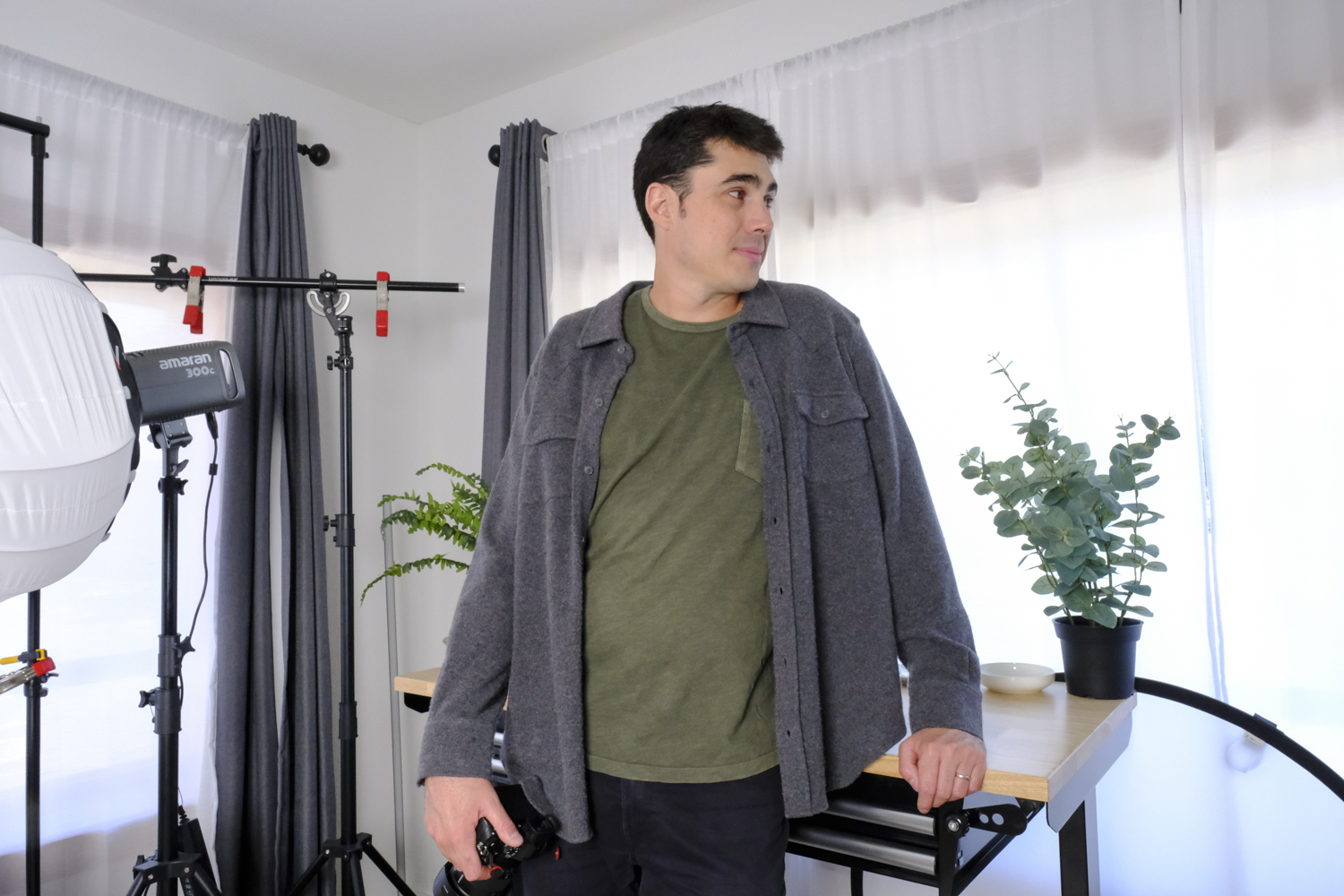
Image Credits
Images by Sweep Creative