

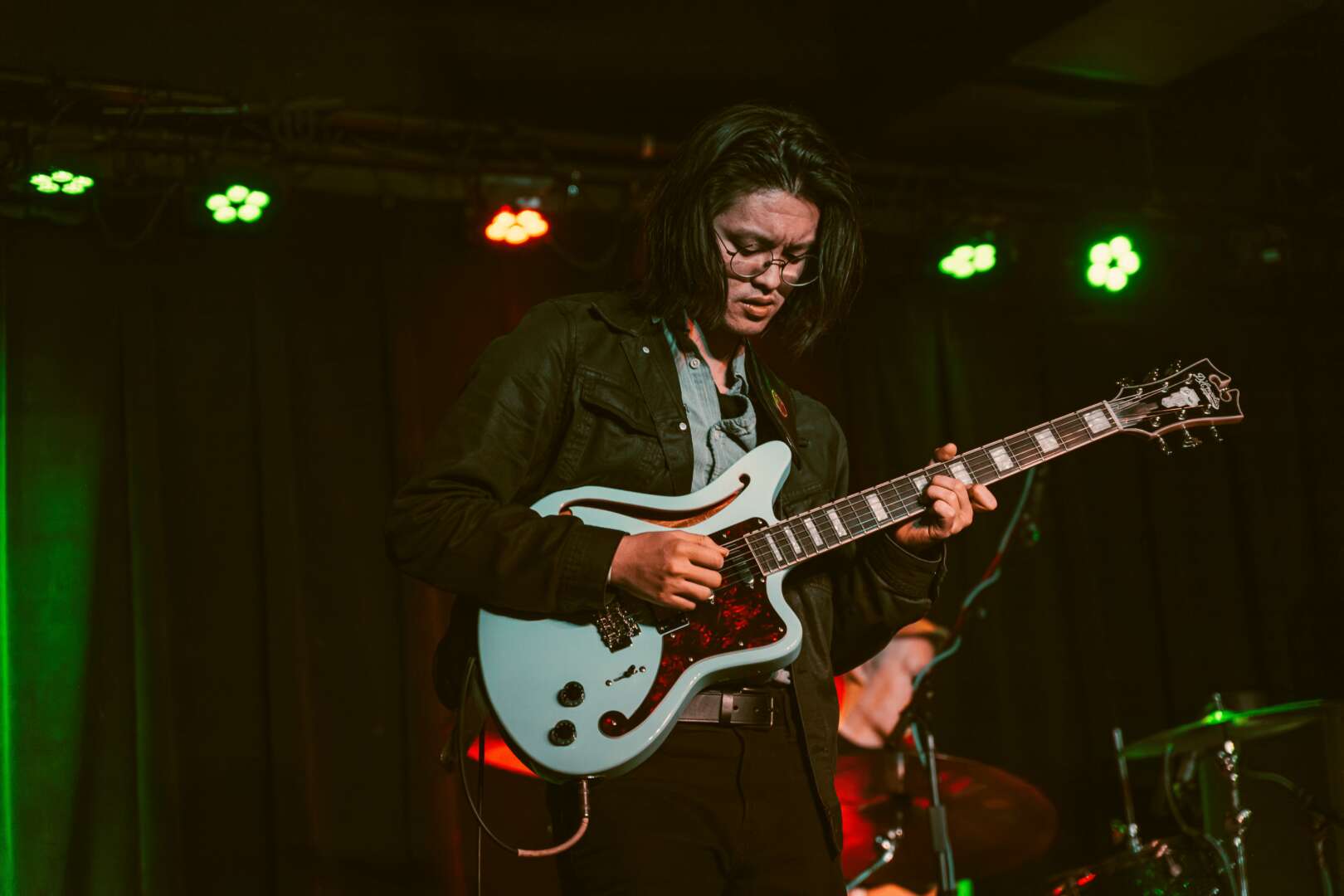

We were lucky to catch up with Conor Lee recently and have shared our conversation below.
Hi Conor, thanks for joining us today. How did you learn to do what you do? Knowing what you know now, what could you have done to speed up your learning process? What skills do you think were most essential? What obstacles stood in the way of learning more?
I started learning guitar at the end of 7th grade. My dad showed me a couple chords to get me started but for the first year, I was self taught. My primary focus was to learn songs that I liked. That made learning fun and it never felt like work. I started taking formal guitar lessons the following year and frankly, I wasn’t a great student. I had developed a lot of bad habits and going back and correcting those felt like a huge chore and required patience that I didn’t have at the time. My teacher, Darla Marty, was trying her hardest to get me to understand the important of fundamentals and I was certainly resistant. She eventually broke through to me and I ended up learning a lot. Darla knew before I did that I’d most likely go off to pursue music professionally.
In 2010, I was a recipient in the Arts Mentorship Program through the Lake Region Arts Council. I was placed with a mentor in my field of interest and got to spend the summer taking lessons with them. I was placed with a local singer-songwriter in my hometown of Fergus Falls, David Stoddard. David was a respected performer in the area and I had taken a songwriting class with him the year prior. That summer was life changing. David really challenged me to play music, not just play the guitar, which can be a tall order for a juvenile rock guitarist. He went against the grain of “rock guitar culture” and taught me to embrace space and to play what the song needs, rather than to play just to play. To this day, David is one of the primary voices in my head when I’m playing with other musicians, writing, or in a recording session.
Fall of 2011, I went off to study jazz guitar at Minnesota State University Moorhead. My teacher, Nick Fryer, was equally influential and I was once again met with the importance of the fundamentals. The beauty in Nick’s teaching was sitting across from someone who loved learning. It was inspirational and infectious. I left every lesson thinking to myself, “Wow, I have a lot to learn and a longways to go. I need to get my shit together.” My first semester of college, the guitar studio had a guest guitarist come and give a week’s worth of masterclasses and performances. That guitarist was Pete McCann, a native to the Midwest who had spent the last couple of decades making a living playing guitar on the East coast. Pete was an absolute monster on the guitar but so incredibly down to earth. He stressed the importance of learning how to accompany others – “If you get a reputation that you can make other musicians sound good, you’ll have work for life.” That stuck with me all of these years and really shaped me as a musician.
Looking back, I feel so so fortunate to have studied with so many incredible musicians and teachers. I’d say that the biggest obstacle for me was patience and my lack of discipline in certain areas. Had I really taken the time to embrace the process of learning, rather than looking for shortcuts, I wouldn’t have spent so much time trying to correct past mistakes. To this day, I still feel like I’m battling bad habit muscle memory. Most young students don’t really know how to practice in a way that promotes progress and practical application. I had many “ah-ha” moments after I graduated from music school.
I’d say the number one skill that can translate both on and off the bandstand is to play well with others. Nobody likes someone who tries to dominate the conversation or who isn’t open to other ideas. Yet there have been times that I’ve had to work with folks who are like that personally and musically – it isn’t a pleasant experience. I try to leave my ego at the door and do my best to serve the situation.
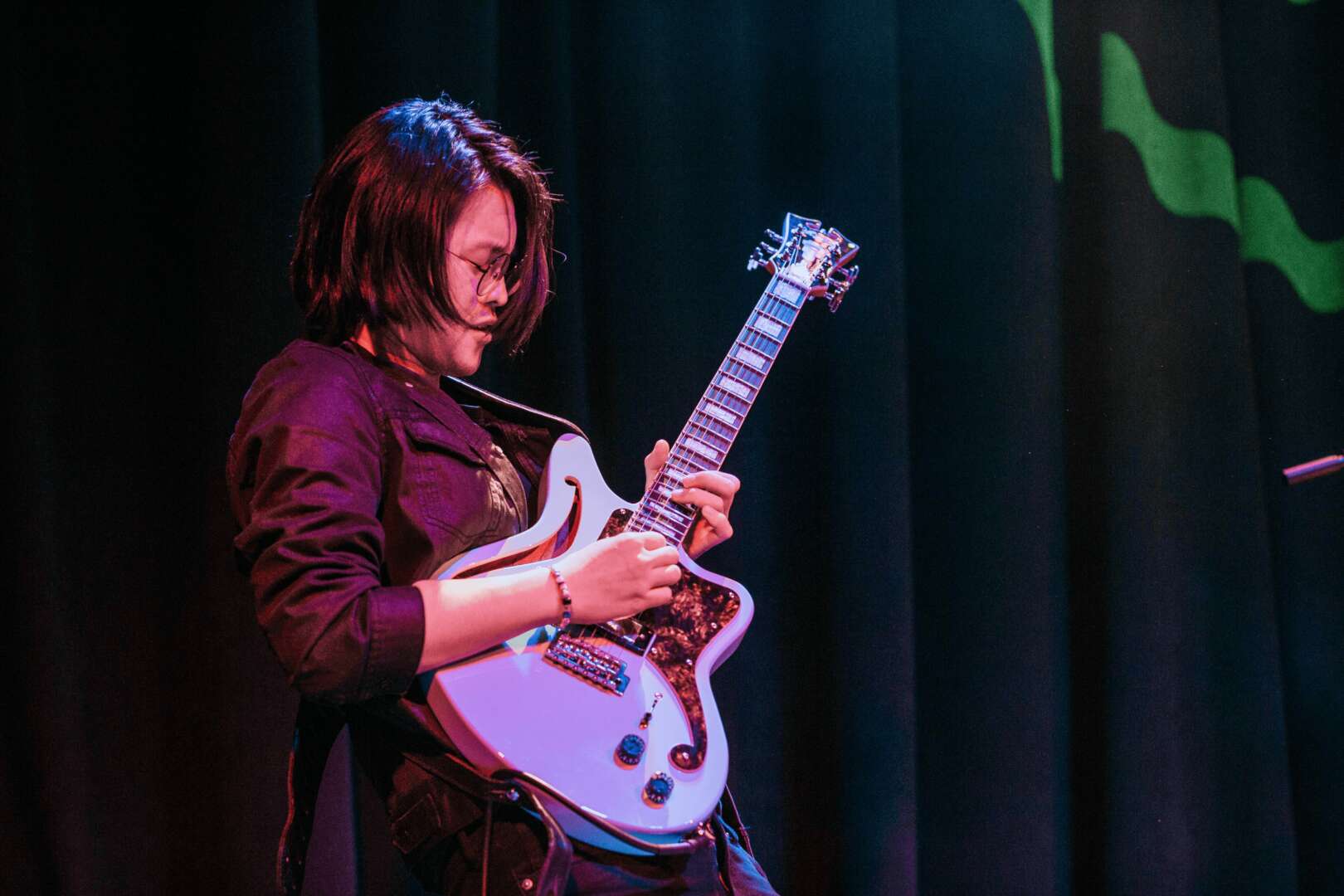
As always, we appreciate you sharing your insights and we’ve got a few more questions for you, but before we get to all of that can you take a minute to introduce yourself and give our readers some of your back background and context?
Professionally, I’ve made a living primarily as a sideman and guitar teacher. While I was learning guitar, I had many different phases where I was focusing on different genres of music: rock, metal, folk, jazz, blues, funk. In the same week, I could be playing with a Top 40s cover band, an original rock band, and a jazz combo. I’ve been fortunate to build a reputation in being versatile. This has also helped build my studio of guitar students; who all possess very different interests and tastes in the music.
I’ve been fortunate to have had many different recording opportunities with singer songwriters and band leaders. They’re typically looking for someone who can record multiple tracks for a song and try different things to see what sticks. I love working with other artists to help bring the music they hear in their head and make it come to life. Sometimes that just means recording guitar parts for them, but other times it turn into helping them arrange and shape their music. I take a lot of pride in playing in other’s original projects. It takes a lot of trust and vulnerability to bring your original music to someone and hope that they take it seriously.
Having spent so much time as a sideman has helped me be a better band leader this past year. I know what I need to supply my band in order for them to succeed. I took a long break from working on my own music. In 2022, I started writing again and released four singles over this past year. It’s felt really great to perform my own music again.
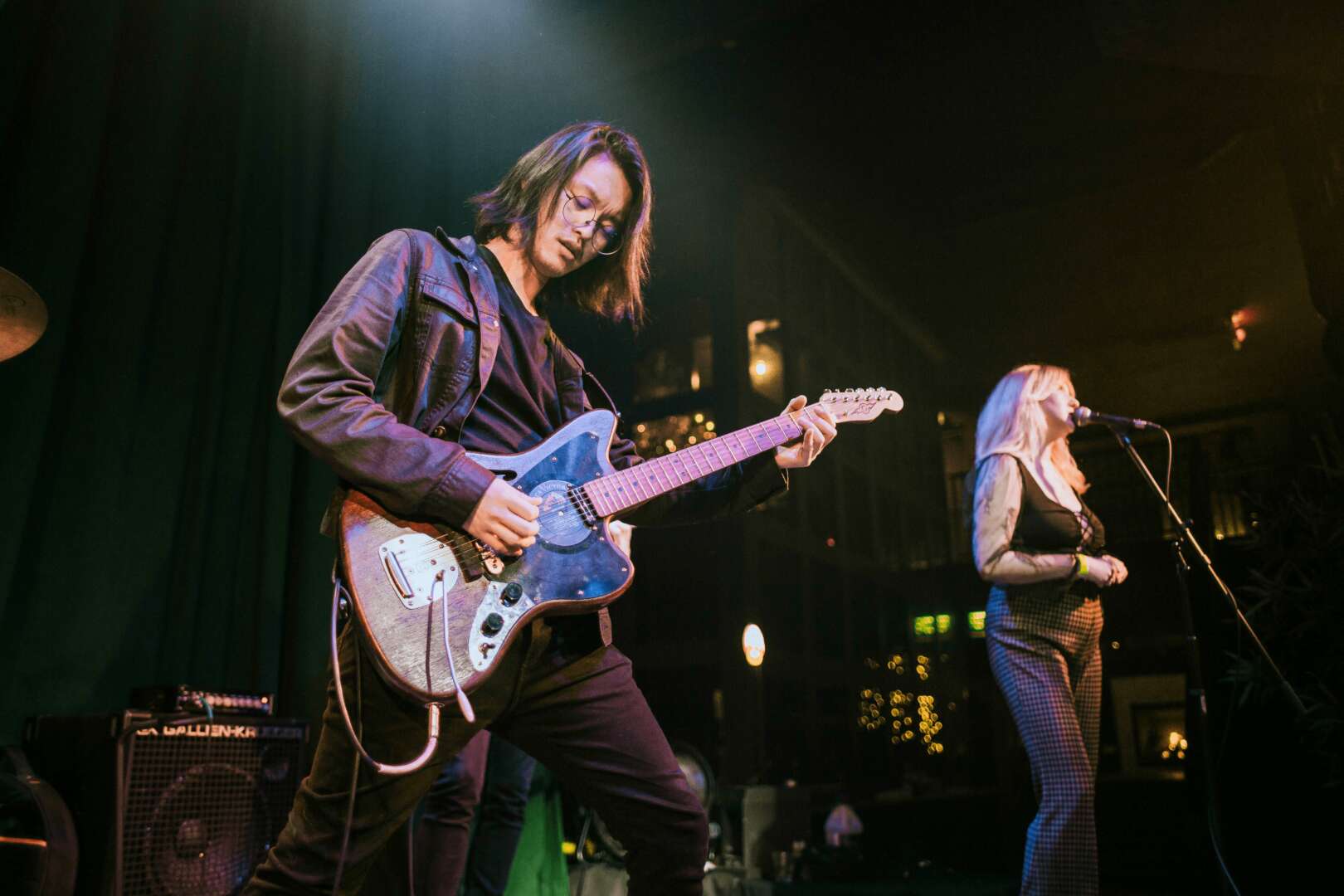
In your view, what can society to do to best support artists, creatives and a thriving creative ecosystem?
I think the two easiest ways to help support creatives is to go out to local shows/events and to share their work beyond a social media post. In 2024, we’re inundated with content and I think a lot of people are scrolling with their eyes glazed over. Personally texting someone’s song, project, short film, etc to someone and genuinely saying, “Hey, you should check this out. I think you’ll really enjoy this.” goes so much farther than a social media post. It feels so much more personal and helps expand the network of whoever you’re trying to support.
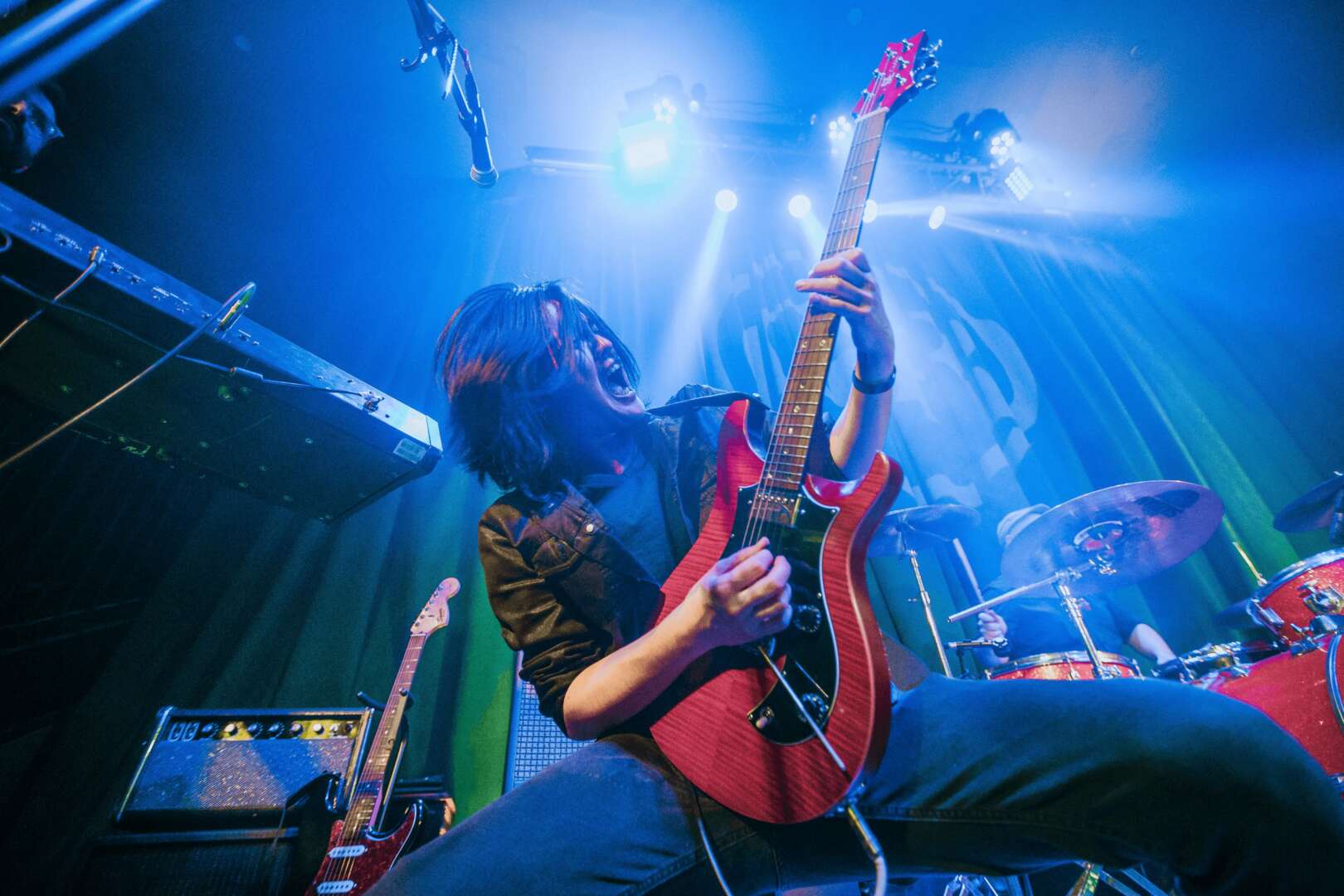
What do you think is the goal or mission that drives your creative journey?
During the COVID-19 lockdown, I was faced with a really paralyzing case of burnout. I was really unsure if I wanted to return to music, which as pretty scary. I revisited the music from my youth as a way to fall back in love with music again. I realized that along the way, I had lost a little bit of myself. I missed writing and performing my own music and wanted to take this new found drive and write again, but this time to really lean into some of my early influences. I made a playlist of my favorite songs and did a deep analysis of why I liked those songs so much. I then realized that the music that I had written prior didn’t have much in common with that list. I’m still proud of that music but it didn’t embrace my complete self Since then, I’ve focused on realigning myself and trying to be “unapologetically me.”
Contact Info:
- Website: https://www.conorleemusic.com
- Instagram: https://www.instagram.com/conorleemusic
- Facebook: https://www.facebook.com/conorleemusic
- Youtube: https://www.youtube.com/conorleemusic
- Soundcloud: https://soundcloud.com/conor-lee-music
- Other: Spotify:
Bandcamp:
https://conorlee.bandcamp.com
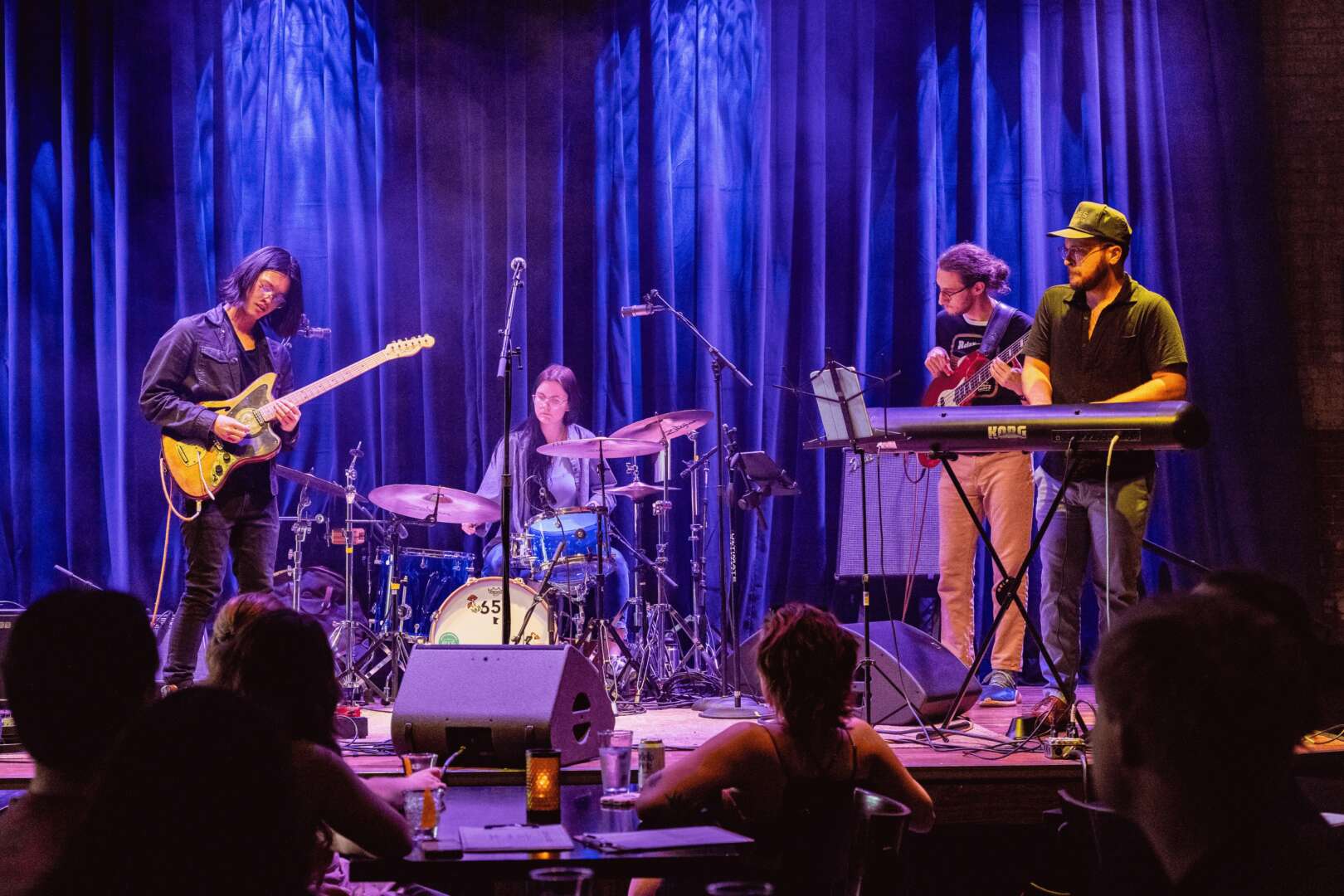
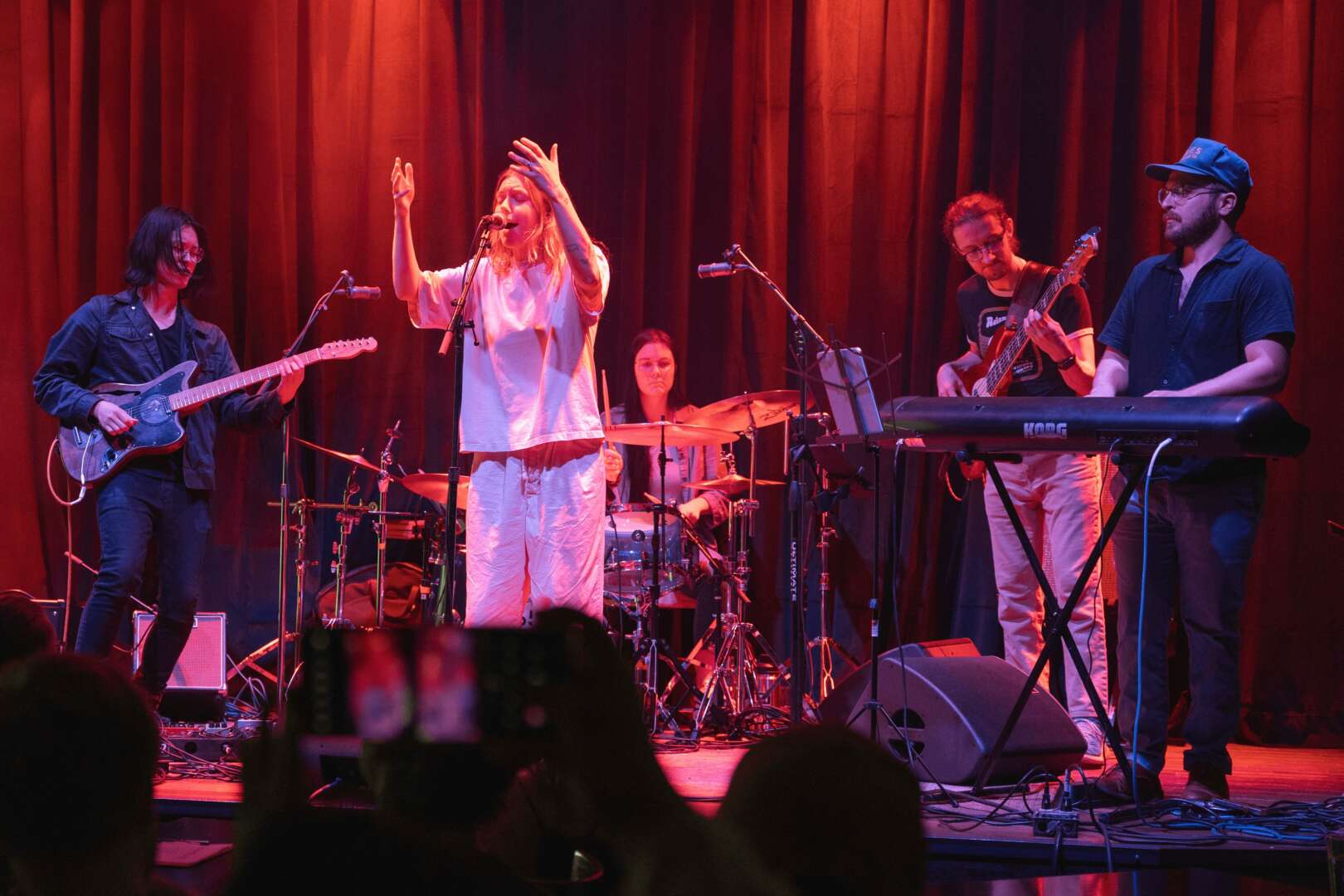
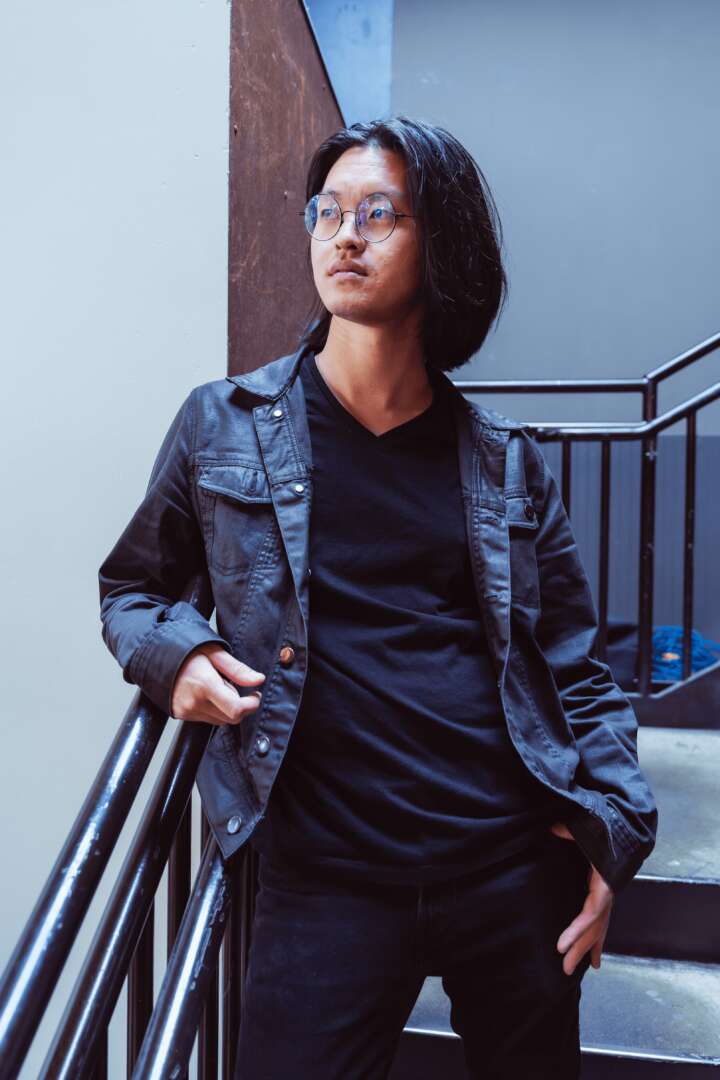
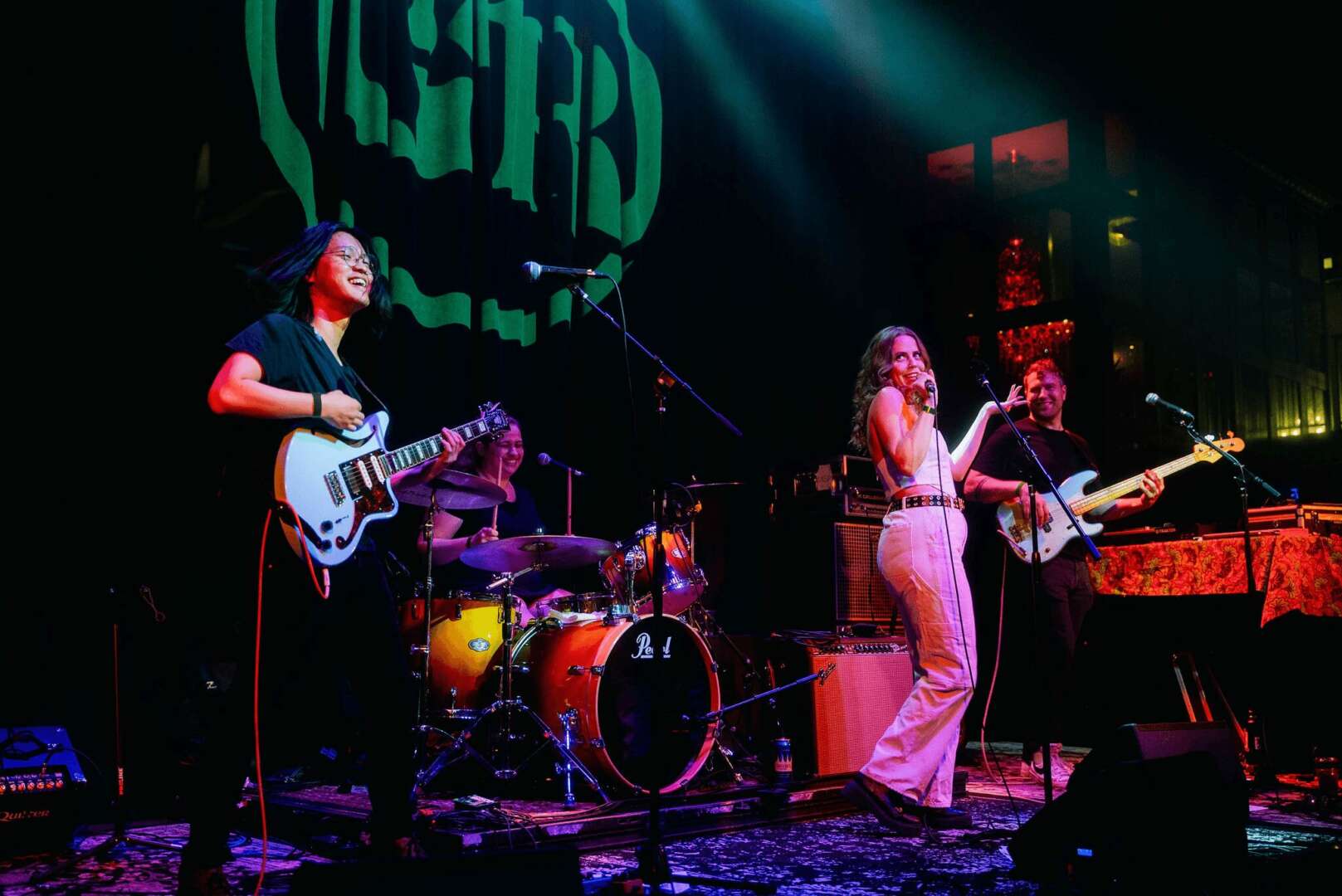
Image Credits
Madeline Elli
Adam Nantz
Sammie Jean
Michael Scott