

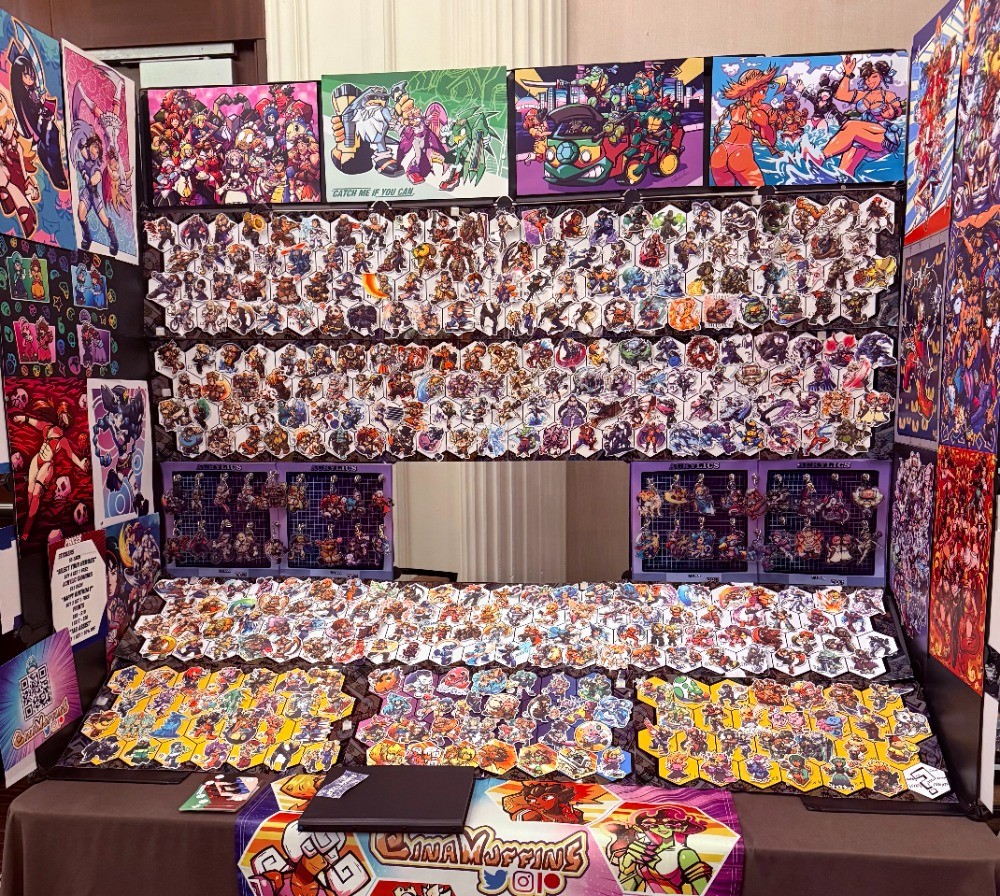

We recently connected with Connor Tones and have shared our conversation below.
Connor, appreciate you joining us today. Can you talk to us about how you learned to do what you do?
Truthfully I have been doing art for way longer than I was taking it seriously. I always had an eye for visual appeal even at a younger age. Plenty of shows and games I paid attention to were creating eye catching visuals in ways I couldn’t have even have hoped to have understood much less actually pull them off. So starting with high school, I started finding every single way I could attempt to match up with not just my peers, but the world of art as well. Art books were a fairly decent start. I found books that chronicled artistic anthologies of artists and series that I truly cared about. Seeing these lossless scans up close for myself got me to understand how their linework related to color choice and taught me composition in ways that could benefit my idea of structure. More than anything, I felt like the moment I was on the right track was changing my line art. Even at a young age, craft and cleanliness was such a constant struggle for me. Every project I had my first and second year of college I was criticized for worse craft every time. After a while, I learned to steady linework by making the lines much more thick and making the line cleanup much more crisp. After a while, mistakes and issues became a thing of the past, as folks have said my work more resembles cleaned up finished designs as opposed to chicken scratch.
Connor, love having you share your insights with us. Before we ask you more questions, maybe you can take a moment to introduce yourself to our readers who might have missed our earlier conversations?
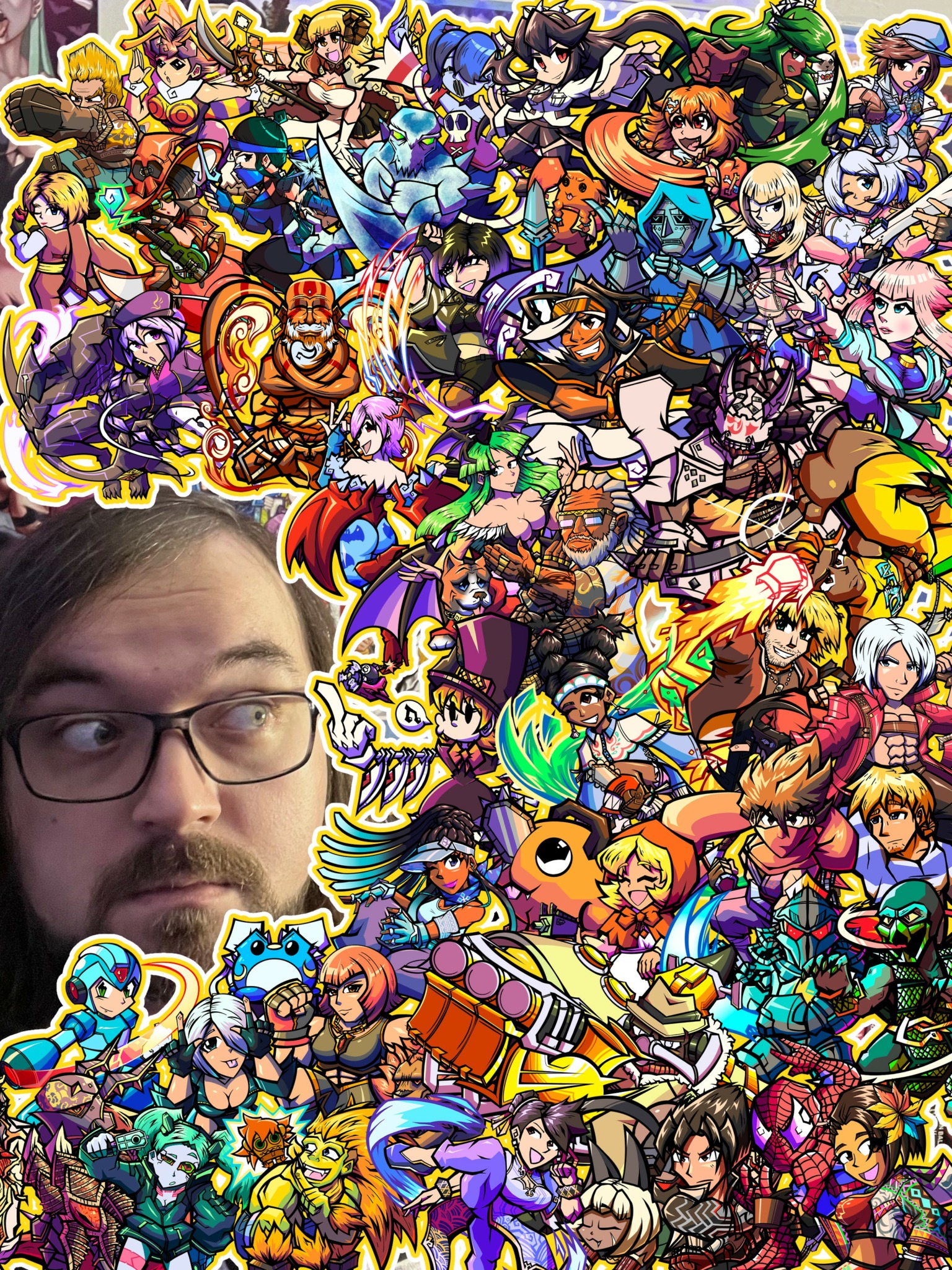
I have been a freelance digital artist as far back as 2017. My work involves creating prints, stickers, charms, and a plethora of other works for various art shows I table at. For a time, I was known completely as the sticker guy as I printed and cut all my own stickers out of my own place. Pretty soon, I was offering this service to others who also needed them.
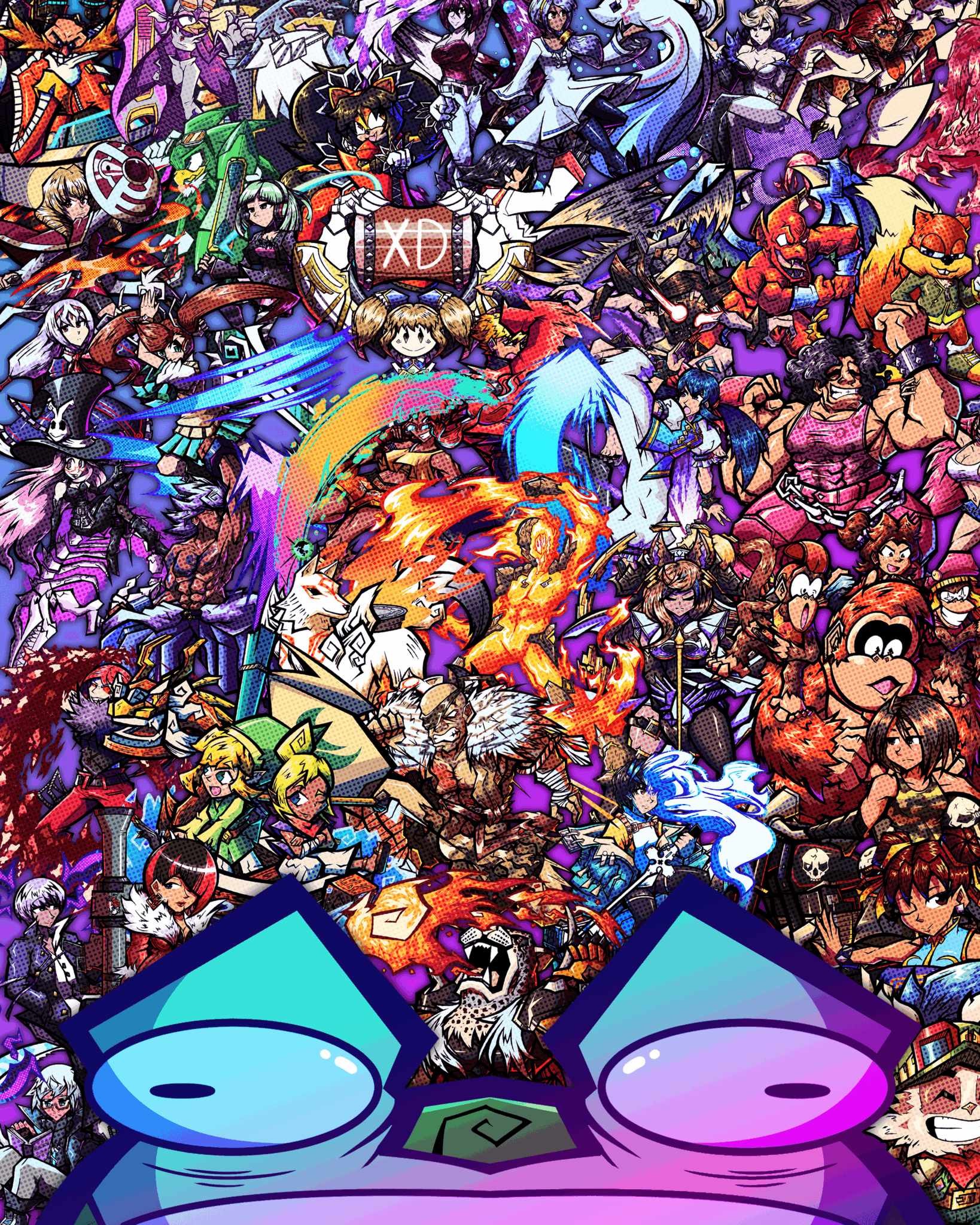
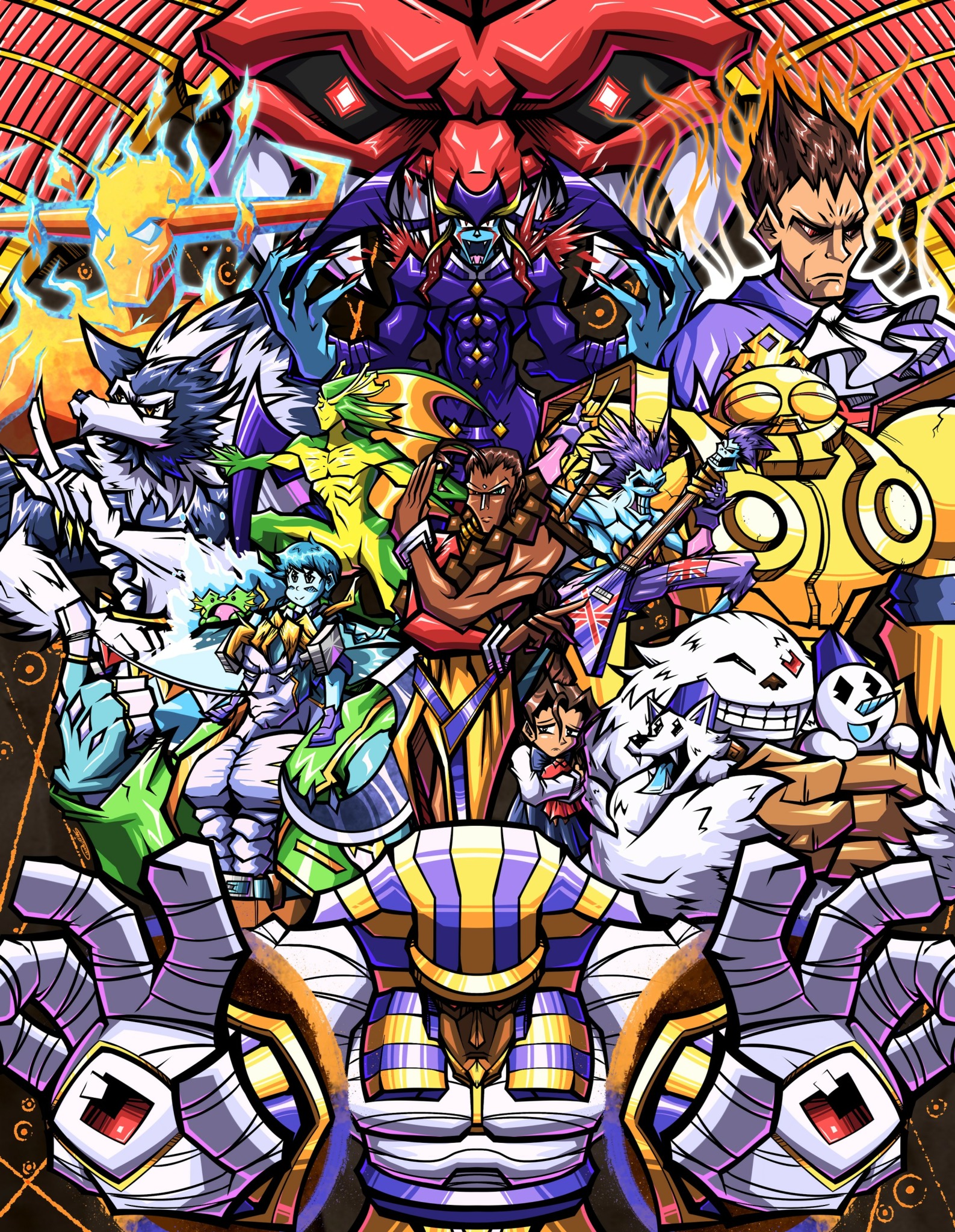
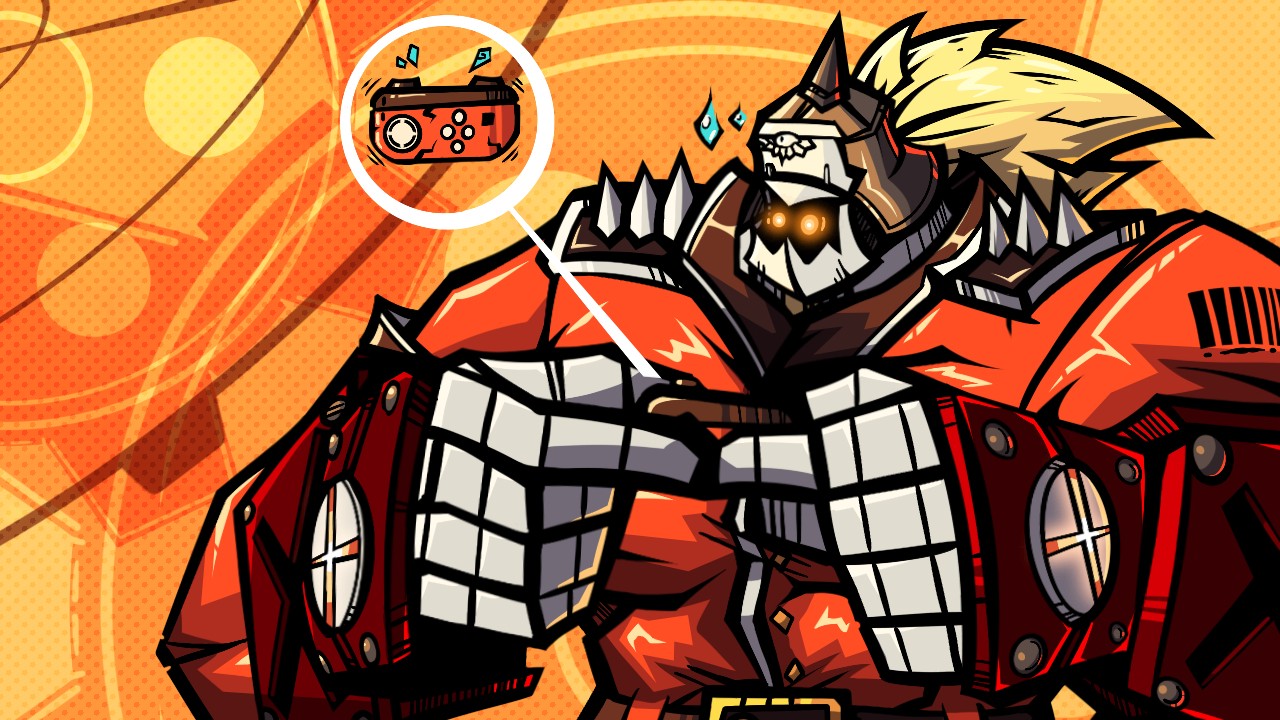
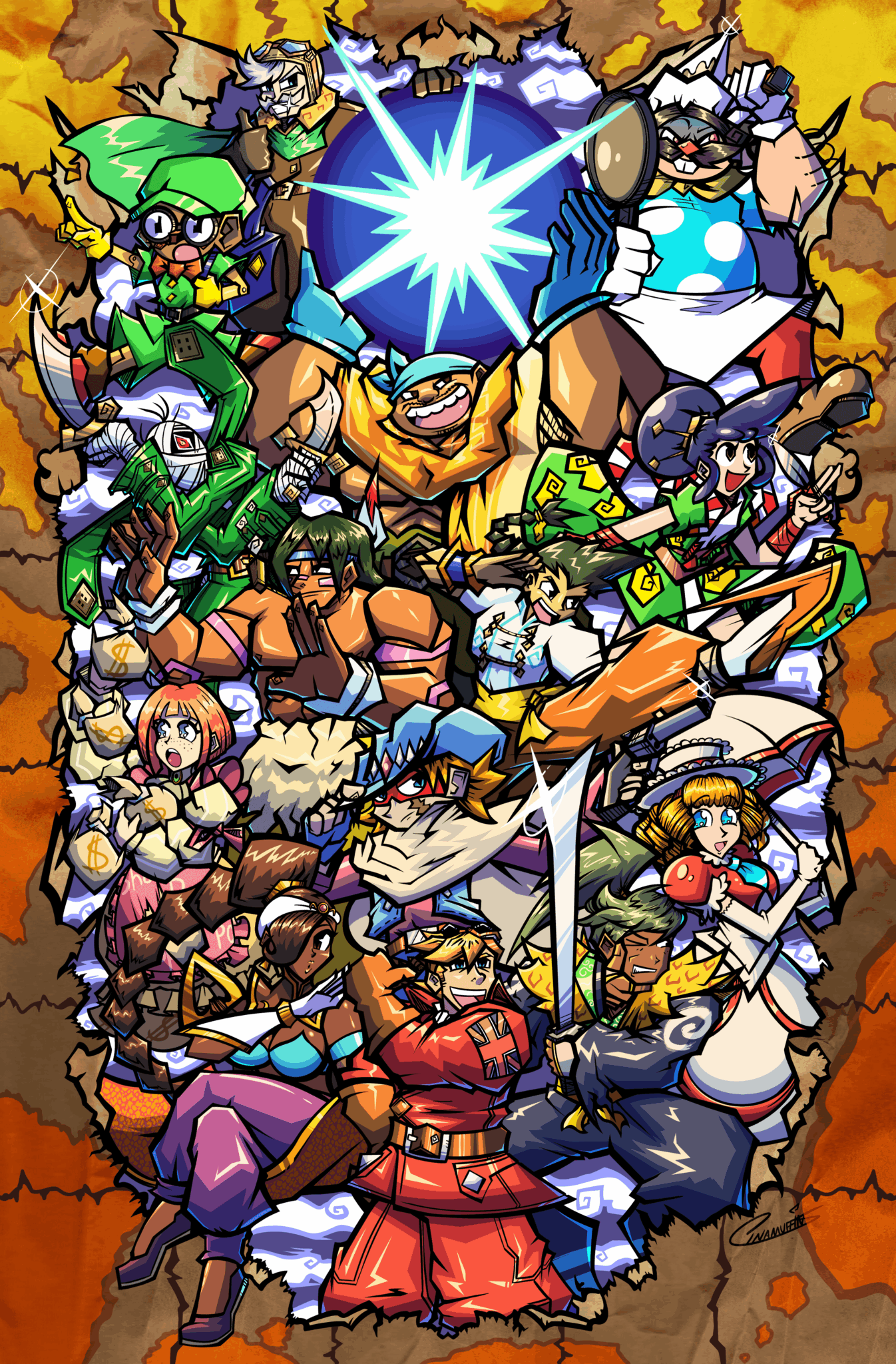
When I started drawing professionally for clients, I wanted something that I knew would help make me distinct from others in my field. I was noticing many thin lined pieces from a lot of my peers and knew that if I wanted to stand out in a way that made me proud, I had to experiment more than just follow what others were already doing much better. So I moved to making thicker lined works and more vibrant color schemes, almost something you’d see on graphic designs in graffiti. The idea is the most vibrant tags rely on a varyingly thick line structure to create a strong shape where as the interior color allows for a much more vibrant showcase of color including a range of values. If you haven’t guessed, a big moment of me discovering this was playing through Jet Set Radio when I was younger. What that game’s visual design was comprised of was 3D mesh that played around with the details of graffiti structure and morphed it into the character and world design. When characters moved, their mesh would create triangles on the back to give more emphasis to them increasing speed, and their color palettes were always unique to each character in a way that the black lines on each model separated them into perfect blocks.
When folks look at my art, I want them to see I’m capable of producing something like that. This is a structure that manipulates positive space, negative space, and color blocking to create something that looks all my own. Clients ask me to create work involving famous characters or characters they enjoy all the time. What I do is do preliminary research and see what about the character is most important to the composition. Think what pose do they find themselves in the most, what actions do they find themselves performing, and what color scheme is so important to their central design. Only having that background knowledge is how I can accurately produce the design they’re looking for but also design a composition so unique to my style.
In your view, what can society to do to best support artists, creatives and a thriving creative ecosystem?
I’m not going to shy away from this, for me and so many other artists I know it has been a time of fear and uncertainty in the creative world. Corporations are much less likely to call on artists in favor of whatever new AI snake oil is being peddled in the industry as a means to create cheap “work” and not pay actual artists. It’s hard to know what to say, but I can only say it won’t last.
The way I see it there are two things that artists run off of; caffeine and spite. Former is self explanatory, but the latter is something you see in action. Any time you see an artist defiantly showing off their work to a hoard of strangers on the internet, they are doing it for themselves and to spite every negative nitwit who ever told them pursuing this as a career is wrong. Those people need you and your support now more than ever. If you have any artist, either in your life or someone you’re following online, that you enjoy the work of, tell them. No better than tell them, put your money in their pockets and tell them to keep at it. There are artists who go their entire career or life without hearing once their work was something that inspired someone or was cherished by several people. You can be that difference for an artist when there are others who can’t.
For fellow artists, playful competition is good for keeping each other performing at your best, but you cannot see these people as villains to your growth. We need to keep art groups together and willing to help go to bat for each other. I can’t tell you how many artists I’ve seen who let petty grudges get in the way of them connecting with their peers. It’s unfortunately a toxic trait and side effect of trying to gather attention online. It’s all entirely too easy to lose track of that. You can learn so much by sharing and innovating alongside each other and propping each other up to greater heights. The artists I’ve worked with have pushed each other to produce so much more valuable work for each other, that we strengthen each other at the same time. I’m asked to participate in stamp rallies, collaborations, anthologies, zines, you name it. All of our work helps to build up each other, and I truly would be nothing without the community I’ve built throughout the years.
Any insights you can share with us about how you built up your social media presence?
My journey of building up myself as an artist requires me to delve into another aspect of my life. I’m a member of my Houston Fighting Game Community. Street Fighter is my favorite series ever, and it helped to build what I wanted to make as an artist and creative. In 2018, my good friend ViciousShadi helped me out by offering to share a table at my first ever Texas Showdown; a local annual tournament in the Houston area. From there, my work started to pivot towards making art the community resonated with. Pretty soon my art was the gateway to discussing these games with people I was initially concerned to talk to. Soon enough, I was starting to meet like minded artists in the field of games as well as community members who would come to be some of my longest lasting friends.
I feel this growth of people I could trust and collaborate with also lead to the creation of my place in online circles. As more shows popped up, the larger my audience started to grow. I actually prefer that to just getting famous off of one specific piece. It meant that I was growing an audience in a healthy way. It was a group of folks who just enjoyed what I had to offer and I enjoyed having conversations with them. I didn’t have as many issues as I felt like I would have just navigating algorithms and creating work I really didn’t care for just for the approval of people I might not even understand.
I usually keep to a hard and fast rule; Whatever I draw I have to actively care about it in some way. If I don’t, then I feel like it shows. My compositions aren’t the strongest whenever that happens. I feel like that’s the most accurate advice I can give. Your work is something you put your soul into. If you can’t recognize yourself in your work, find ways to make your work entirely yours. The right people will see your efforts and support you in your endeavors.
Contact Info:
- Website: https://cinamuffins-art.squarespace.com/digital-art
- Instagram: https://www.instagram.com/cinamuffins/
- Twitter: https://twitter.com/Cinamuffins
- Youtube: https://www.youtube.com/@Cinamuffins
- Other: Bluesky: https://bsky.app/profile/cinamuffins.bsky.social
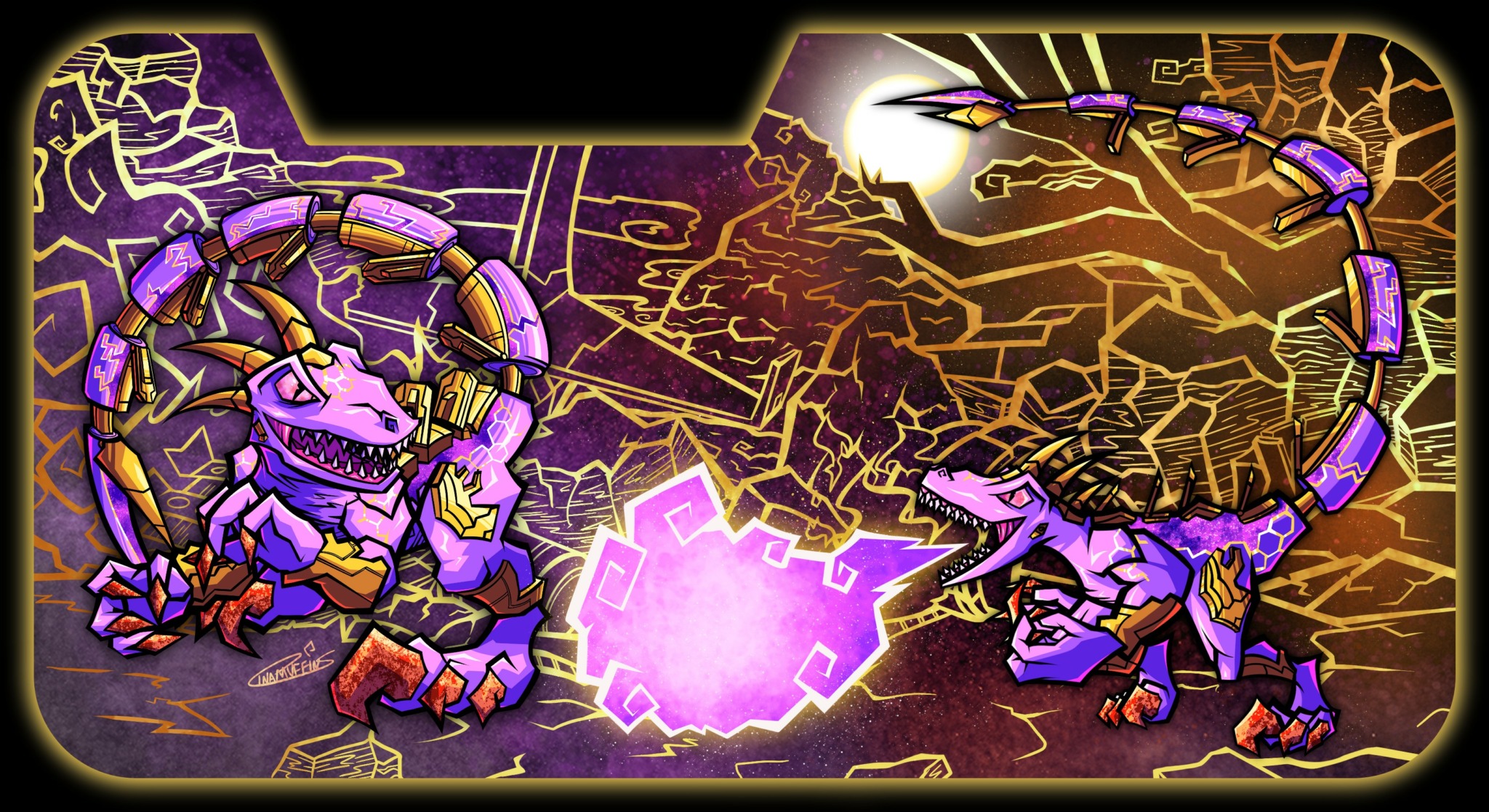
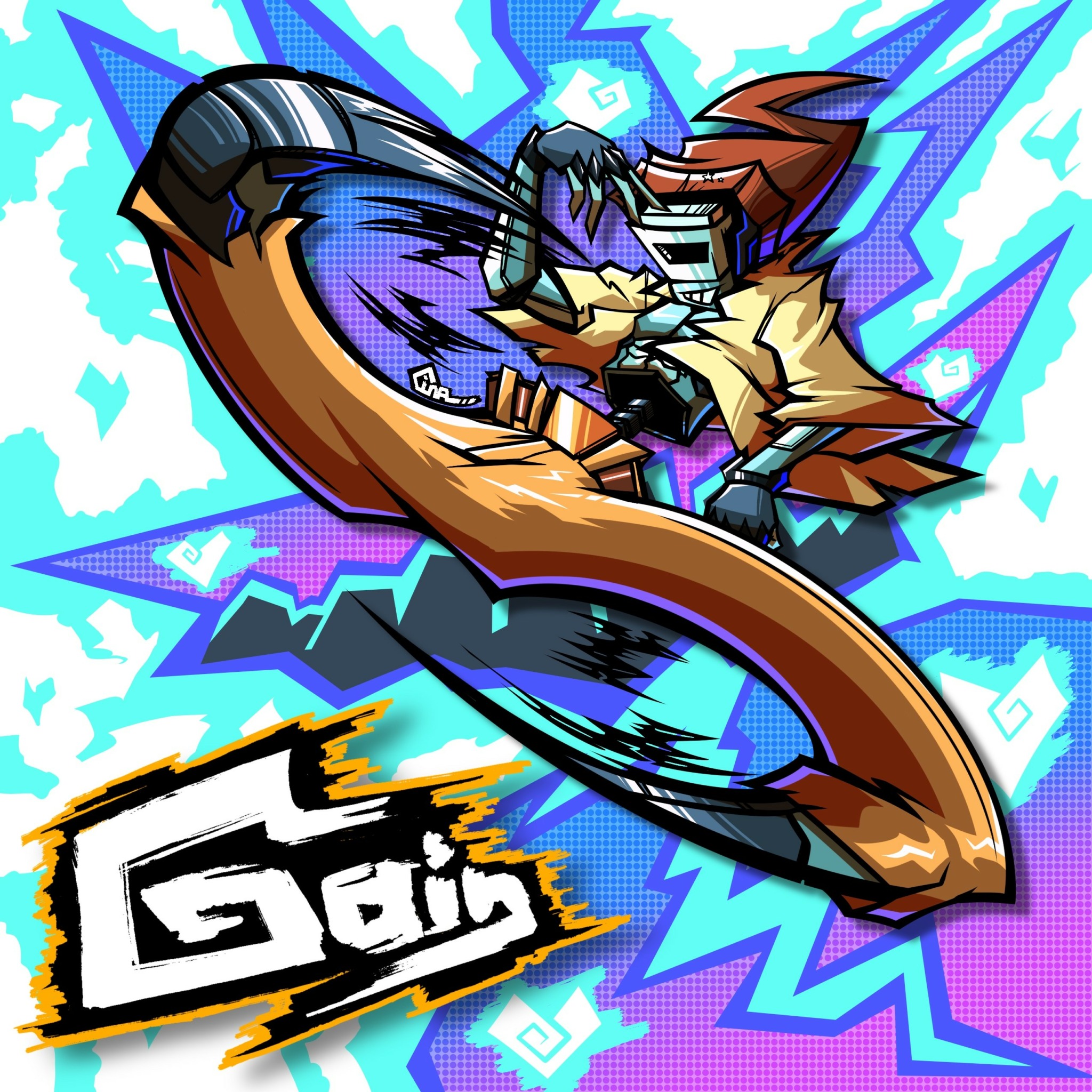
Image Credits
N/A I took all the photos and the pieces are ones I’ve drawn