

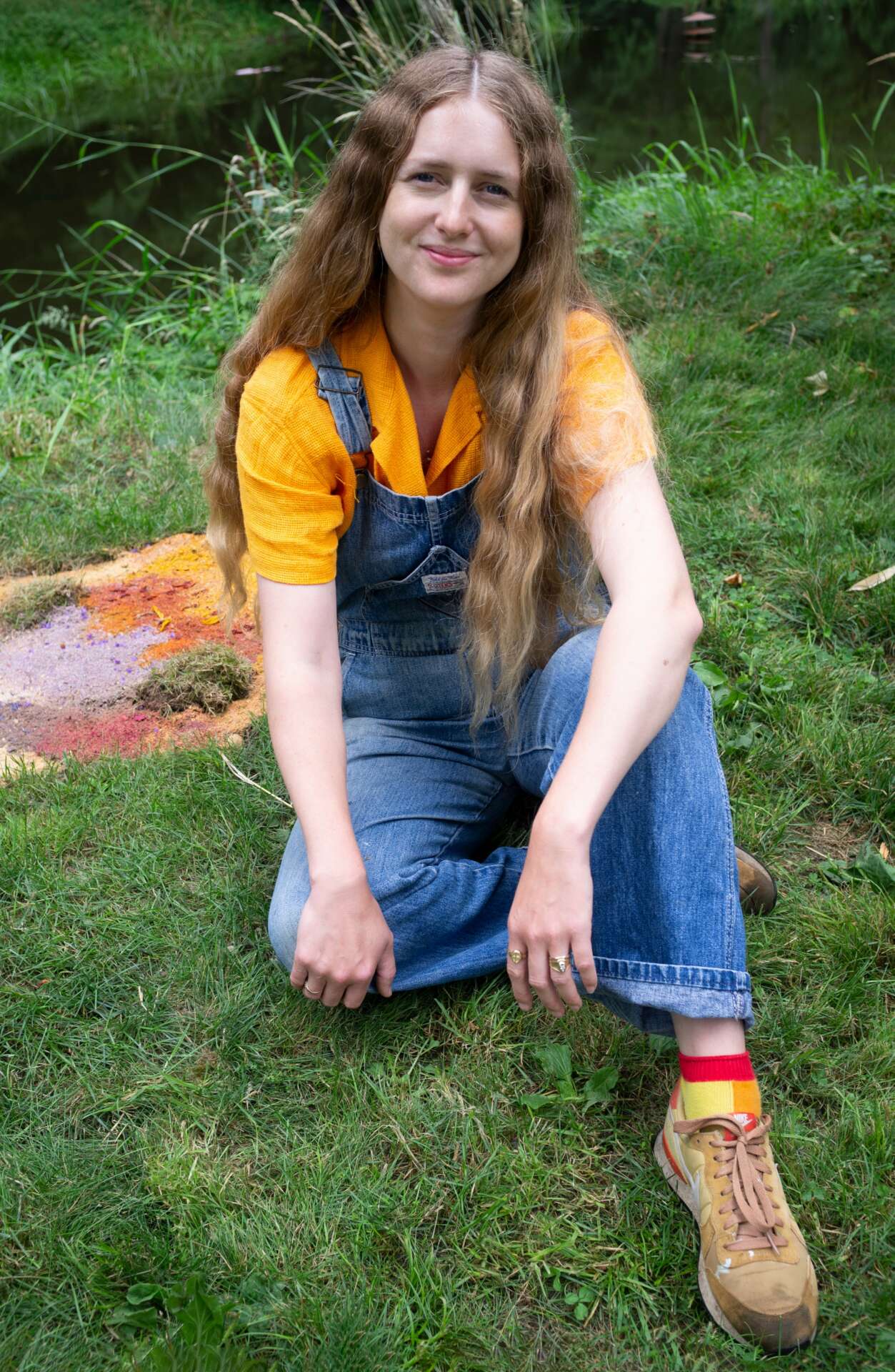

We were lucky to catch up with Colleen RJC Bratton recently and have shared our conversation below.
Hi Colleen RJC, thanks for joining us today. Can you open up about a risk you’ve taken – what it was like taking that risk, why you took the risk and how it turned out?
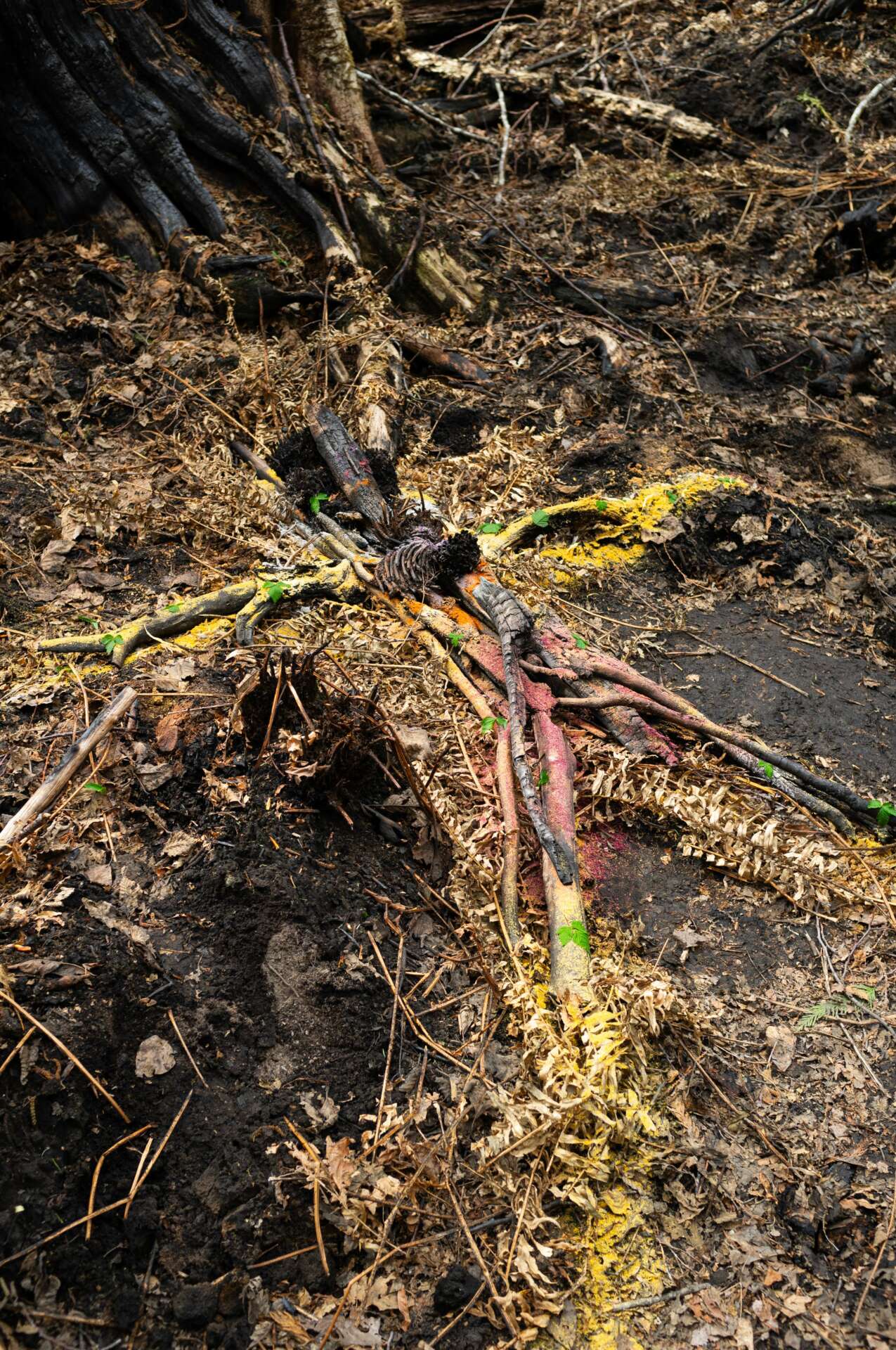
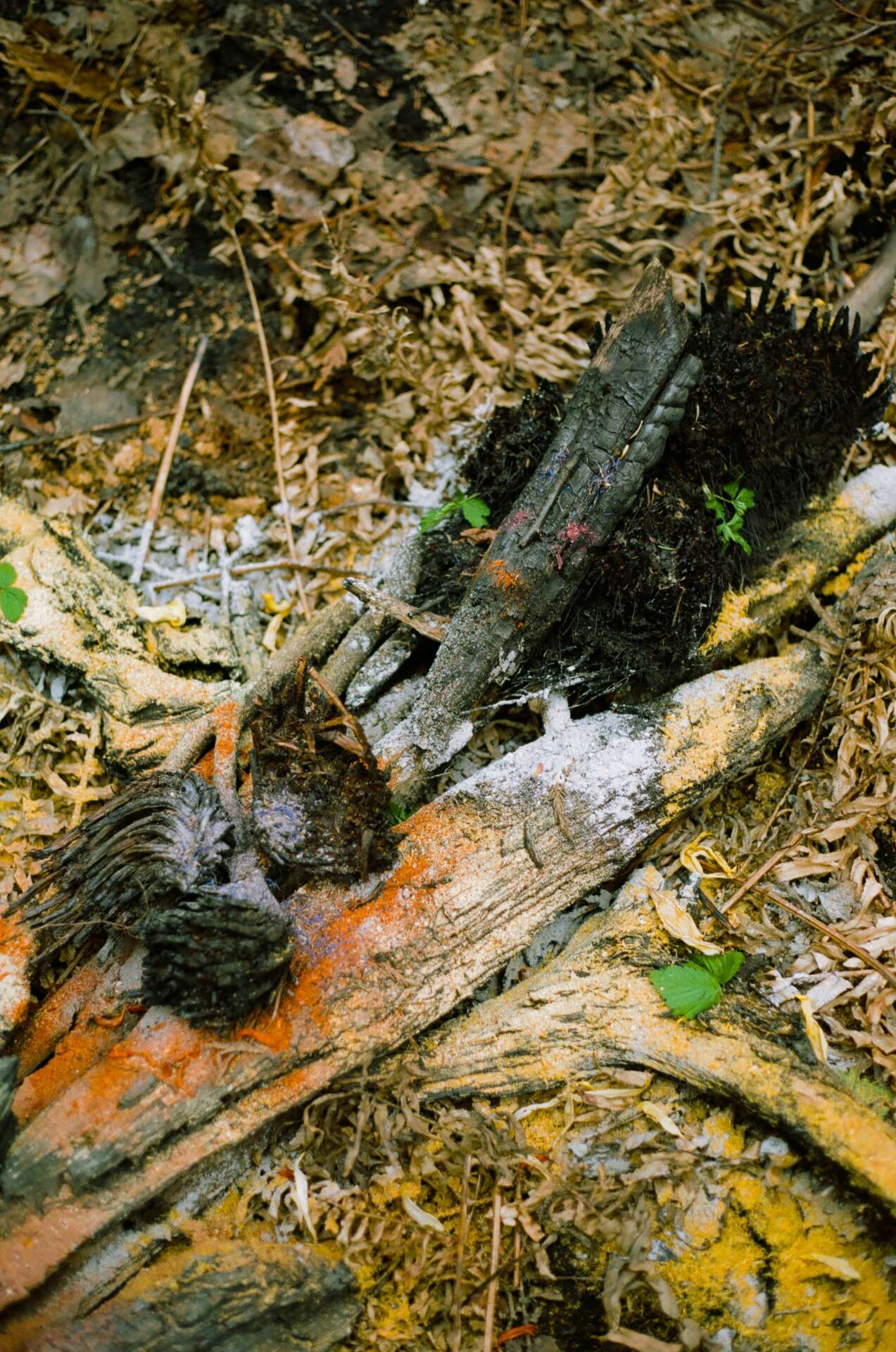
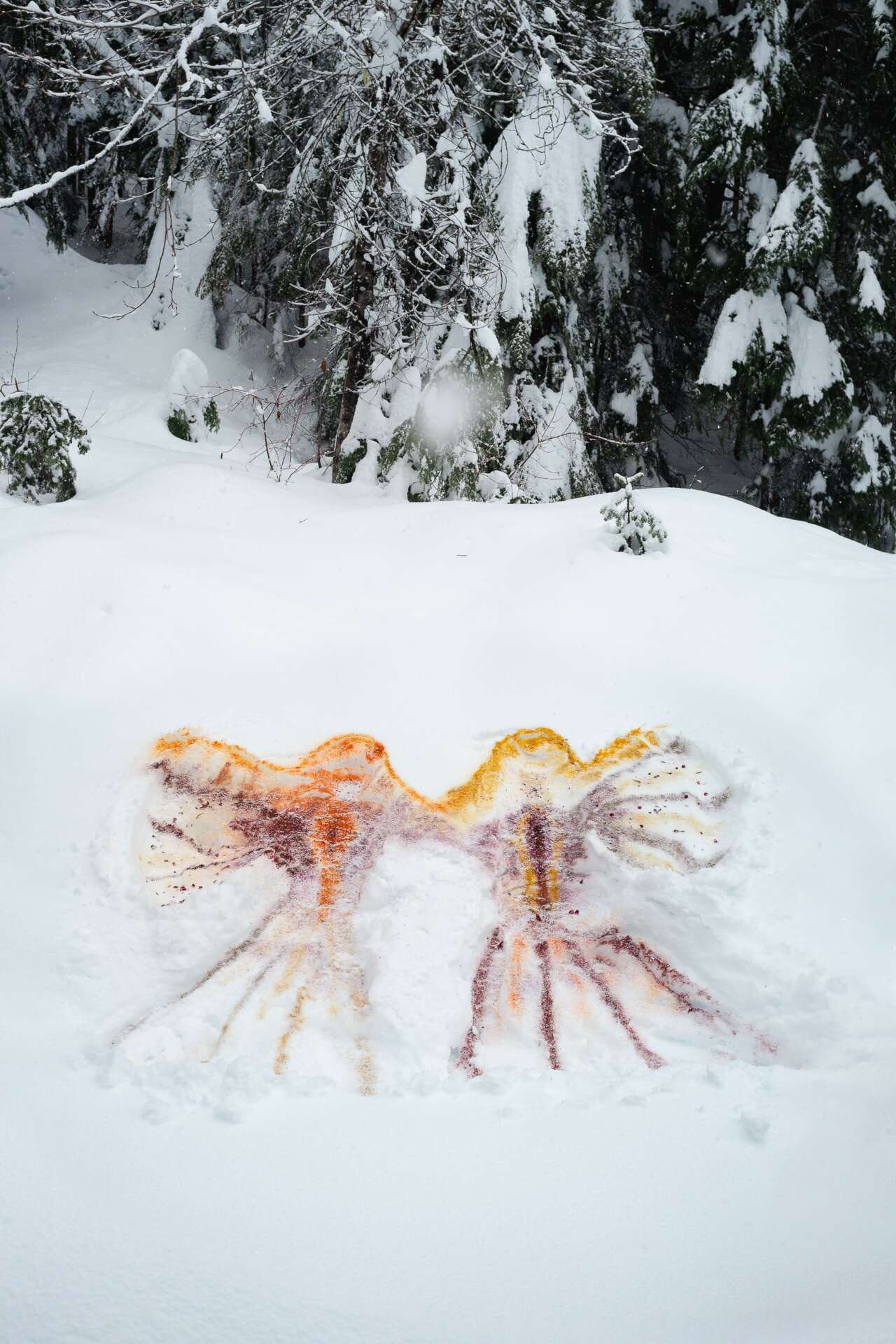
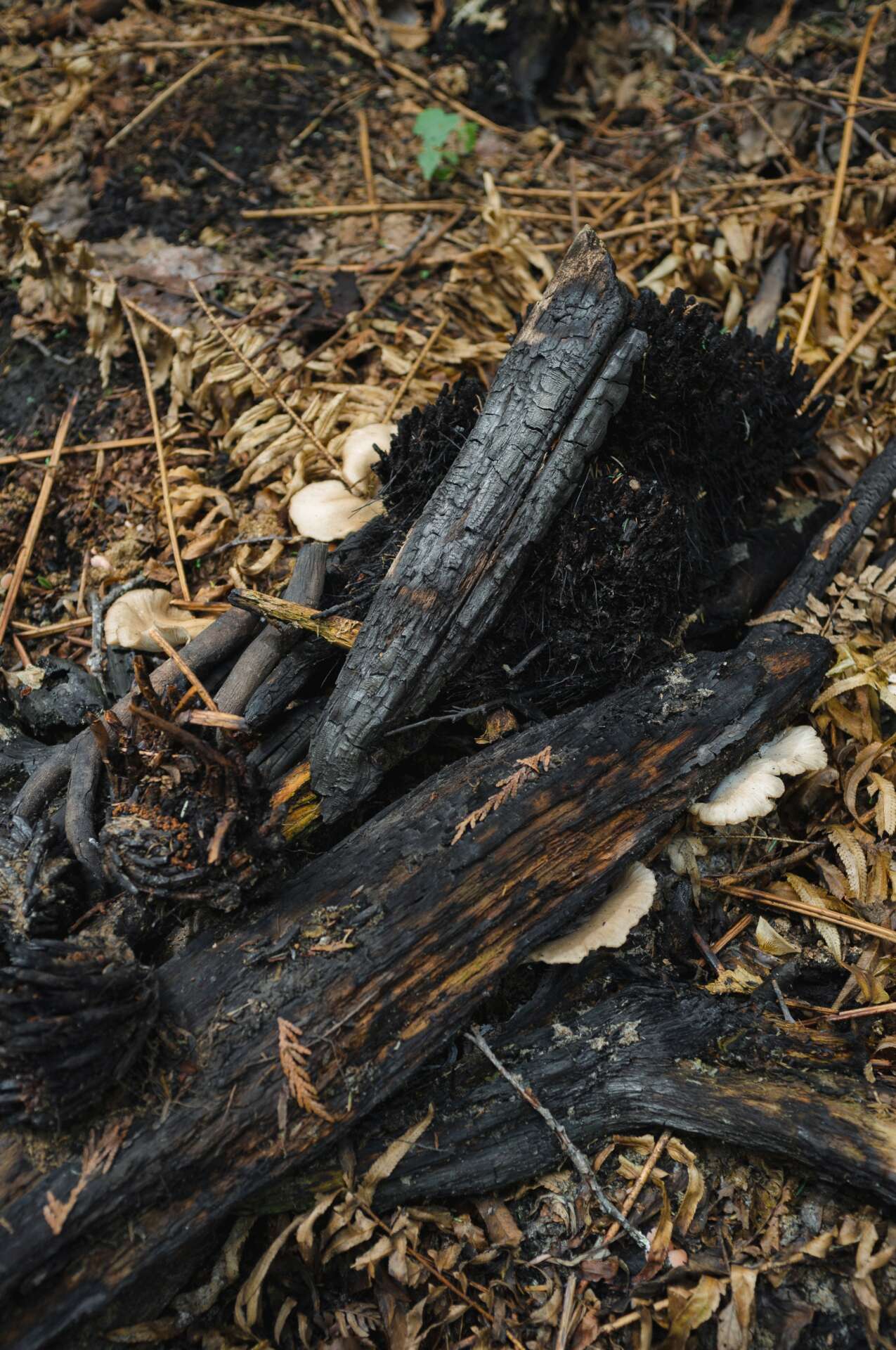
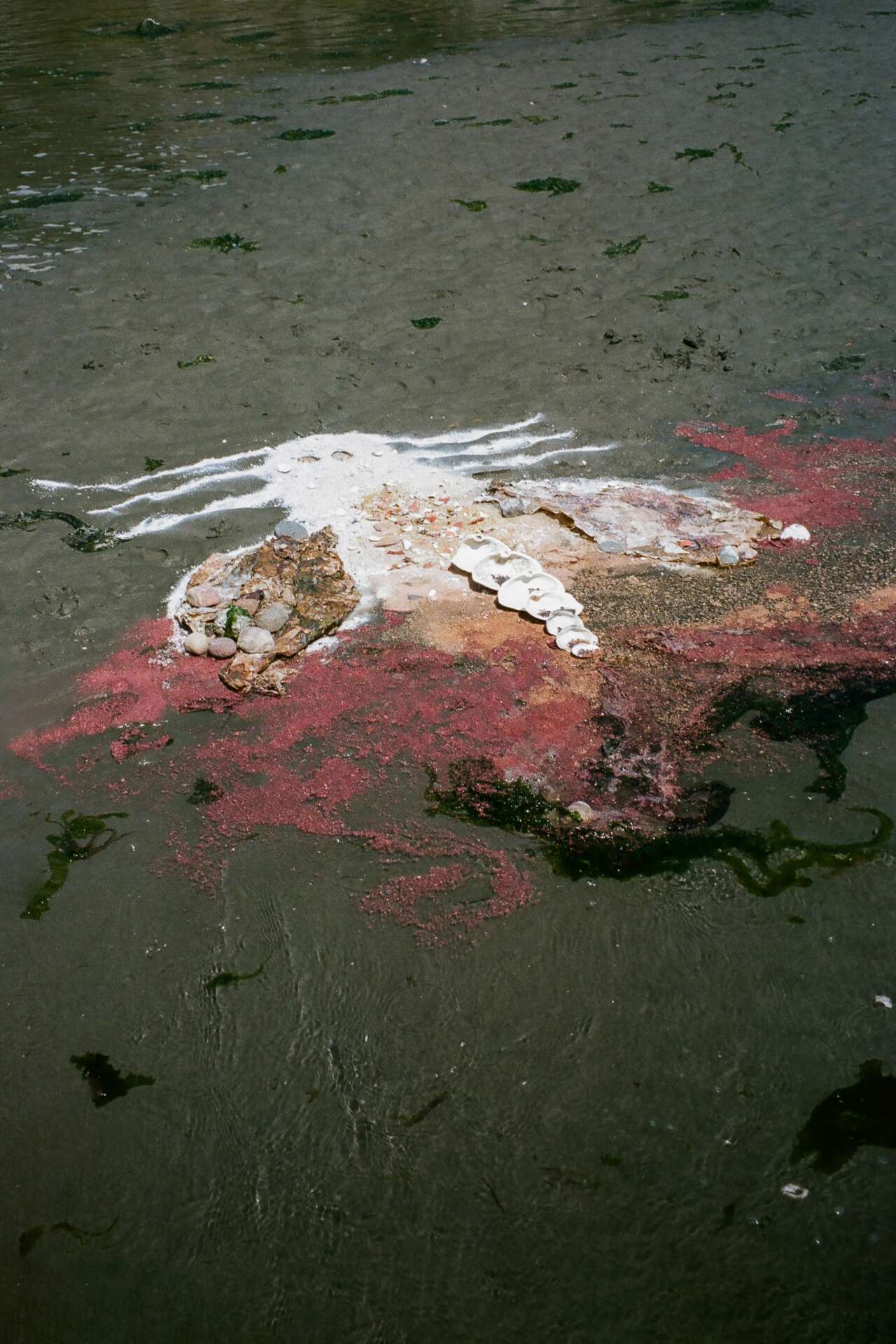
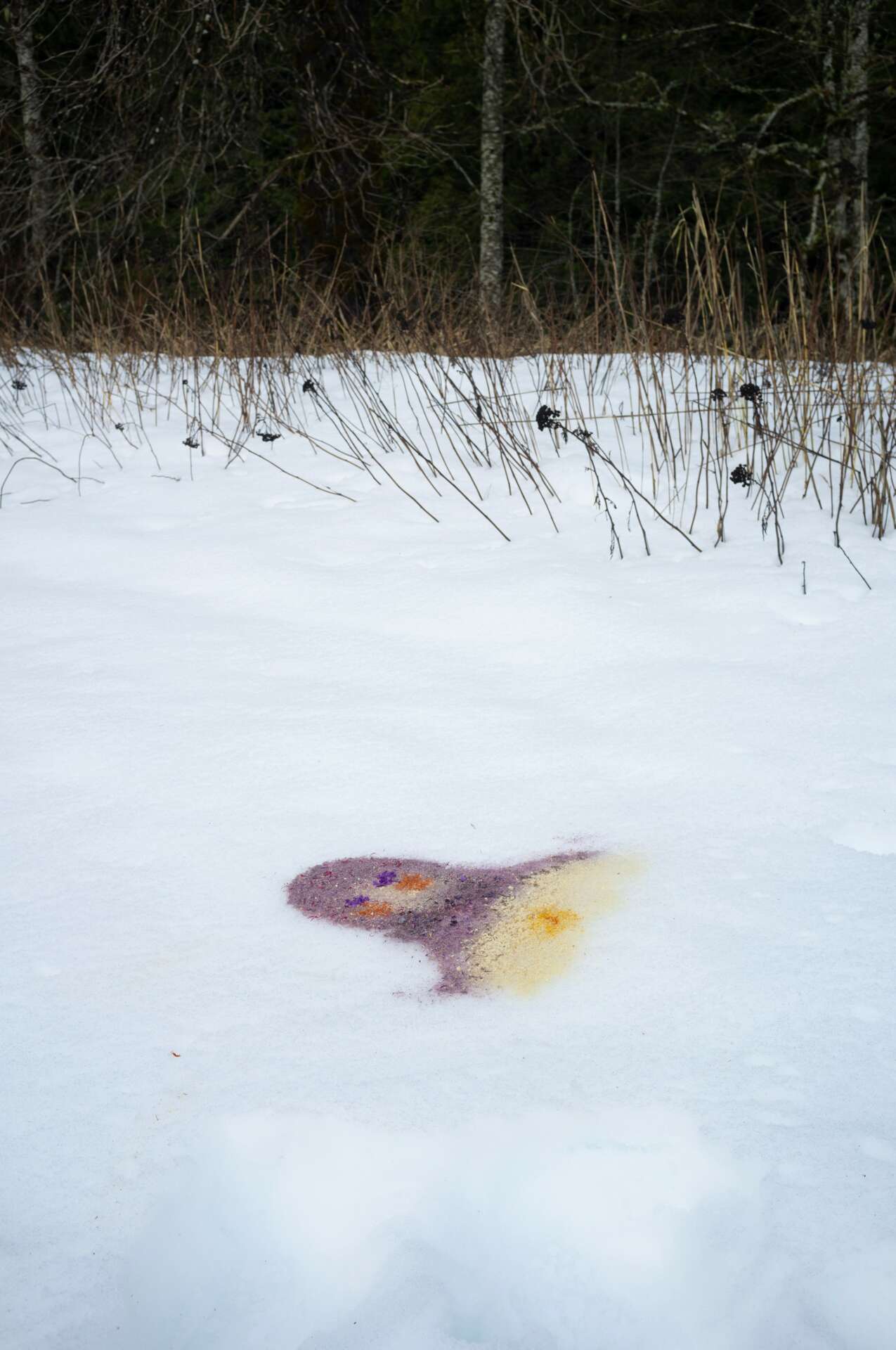
In the winter of 2022, I felt a strong push to explore a completely new form of making, one that implemented a serious devotion to a more sustainable practice. At the same time as this inclination, I was learning more about green burial options like human composting. First legalized in 2019, in my home state of Washington, human composting offers a less environmentally taxing alternative to cremation or embalming. It also acts as a recognition of the symbiotic relationship between our bodies and the rest of the natural world. I wanted to create a visual metaphor for this process and the idea that our bodies are akin to composting flowers, dissolving seaweed, rotting logs, and melting snow – all decay and return to the earth.
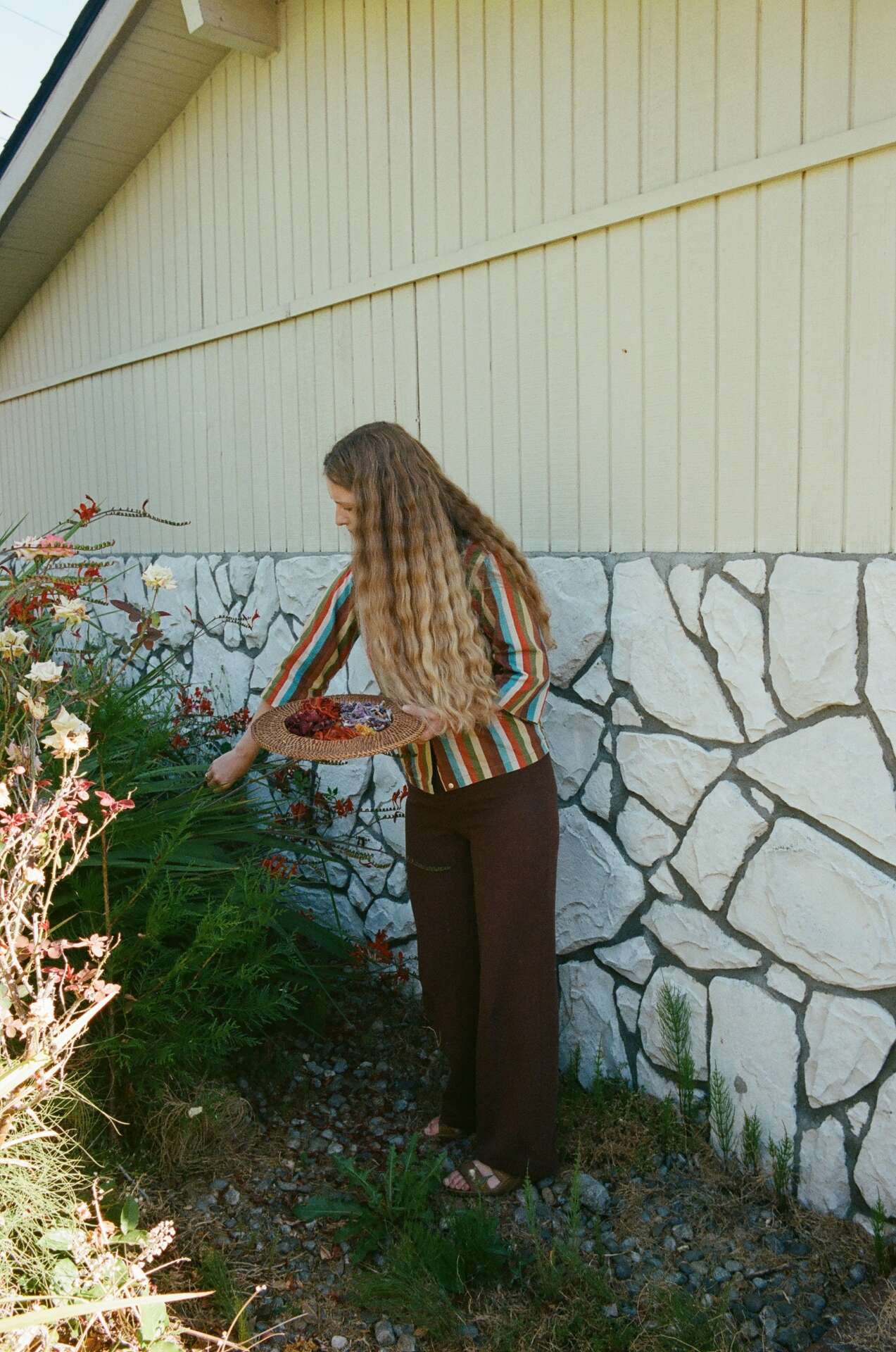
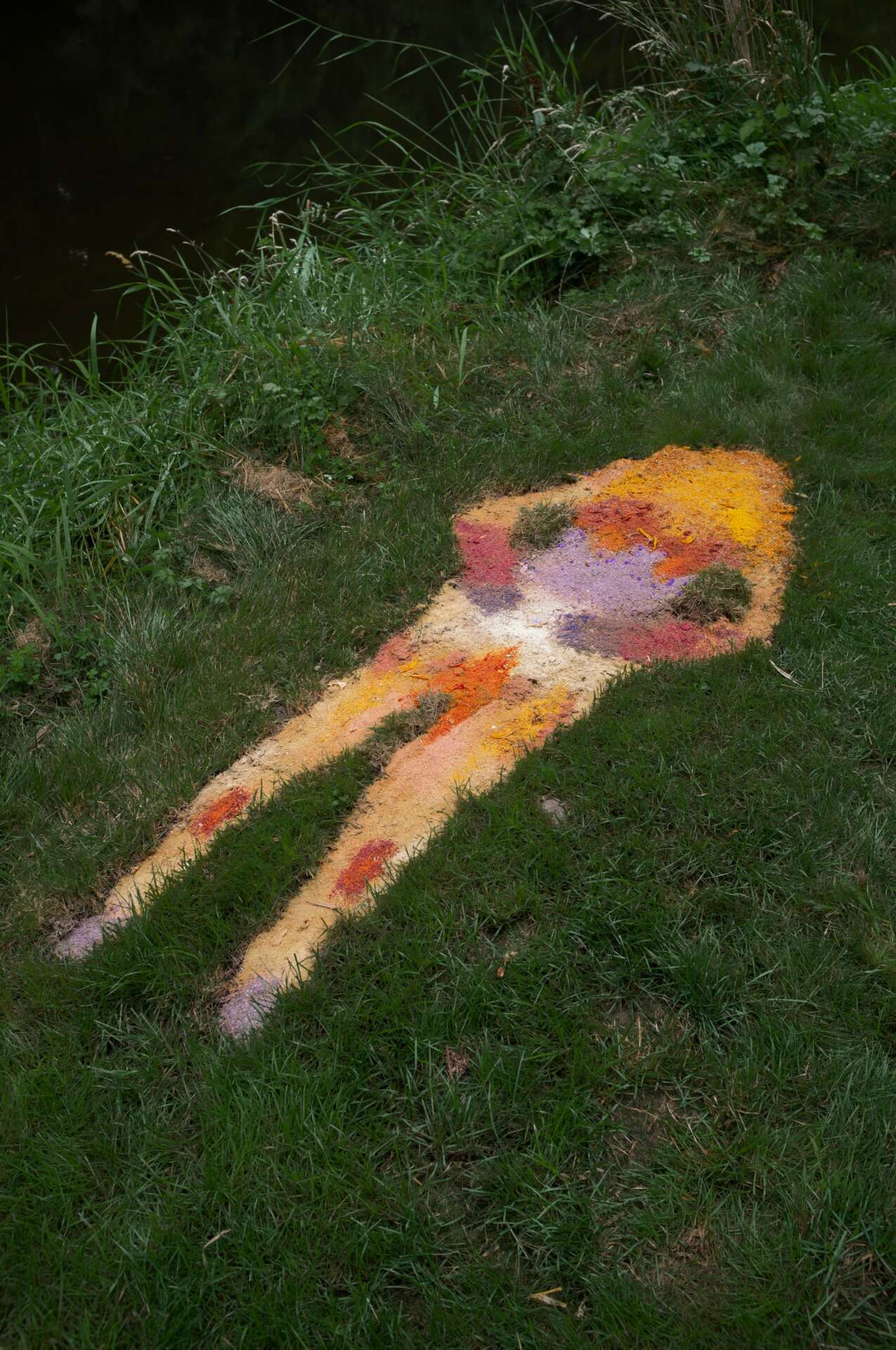
And so I went in a seemingly completely different direction from the sculptural practice I’ve held for the past seven years. I responsibly gathered raw materials from the earth: flowers, seashells, seaweed, wood, etc. and reconfigured them into outdoor ephemeral drawings. The first piece, Memento Mori, was comprised of ground flower petals gathered from my garden and gifted bouquets. Inspired by the works of Ana Mendieta, the figurative work faded with the sun and eventually was overcome by the farmland’s grass. The impact of this piece on viewers was tremendous. I had so many people reach out to me to let me know how much it meant to them. The risk had been completely worth it. Since then, I’ve completed six other drawings in various locations and will have a major exhibition entitled Edgeless Burial at 4Culture Gallery in Seattle, Washington during the month of February 2024. I can see this endeavor expanding and continuing for many years to come.
As always, we appreciate you sharing your insights and we’ve got a few more questions for you, but before we get to all of that can you take a minute to introduce yourself and give our readers some of your back background and context?
My name is Colleen RJC Bratton and I’m based in Seattle, Washington a part of the Coast Salish land. I’ve been a practicing visual artist for over ten years, and work in variety of mediums. For the past nine years my focus has been sculptures and installations that highlight the relationship between the human body and the rest of the natural world. Originally from the desert side of Washington state, I grew up exploring the temperate drylands with my father, a landscape photographer. At Seattle University, I studied both visual art and philosophy so that I could have both the manual and critical thinking skills to aid my practice. For years I worked in the service industry as well as in and out of museums and galleries before deciding in 2015 to pursue art full-time. I’ve always been an extremely driven person, who values community building and holds a do-it-yourself kind of mentality. That’s the main reason I joined SOIL Artist-Run Gallery in 2017 as a member and curator. SOIL has been around since 1995 and is a vital, experimental, non-hierarchical institution in the region. It affords me the opportunity to be a creative that gives back by running an exhibition space free from the restrictions of a commercial gallery space.
This might sound strange, but I’m most proud of my convictions. I suppose another way to say it would be my philosophy on life. I feel strongly about our responsibility as the human race towards the rest of the natural world. What I offer others is the alternative perspective, one that looks to the natural world as inspiration, not just aesthetically, but for how we can function in our day to day lives. When you’re entrenched in a capitalistic society, this can be extremely difficult. But I believe it’s what we need in order to pivot towards a more sustainable, and ultimately livable, future. My studio practice can serve as an example of that, where I implement over 80% found material into what I make. I’ve shifted my day-to-day life to shop second hand or biodegradable as much as I can, from the fabric I source from the thrift store to the flower petals I gather for drawings. It’s a retraining of my consumer habits that has taken time, but was well worth it.
Any resources you can share with us that might be helpful to other creatives?
I wish that I had known earlier about second hand materials and the places you can source them. There are the Goodwills and Value Village of the world, but there are also more and more locally-based second hand material shops popping up all the time. The sheer amount of second hand materials there are at our fingertips is astounding. For example, here in Seattle there are second hand shops for a variety of needs. Building supplies? There’s Second Use, Ballard ReUse, Earthwise Salvage, and more. Crafting supplies or art supplies? There’s Seattle ReCreative. Just to name a few. Then there’s the resell apps: OfferUp, Craigslist, ebay, online auctions and estate sales. The learning curve to go from using new materials to second hand materials was not very steep. Sure, there were some sacrifices I had to make, but I think it ultimately made the work more interesting.
Can you tell us about a time you’ve had to pivot?
When I became a mom almost three years ago, everything had to shift: my life, my business, my studio practice, etc. The key was knowing this ahead of time, and communicating with my partner in life about our expectations, fears, desires, etc. We laid out a plan that made sense logistically and financially so that there could be a healthy balance. For me, I knew that I wanted to eventually have our kid be in a socially stimulating environment with other people their age, learning and growing in a community setting. I also knew that my practice requires big chunks of time to get things done. Logistically, when my child was super young, they were at home with me and I would work when they napped twice a day. Then, when that nap shifted to one and became shorter and shorter, they started school. It was a transition that made sense to me. My partner and I have a shared goal of supporting one another’s life outside of our family. We see the value in that autonomy and its ability to enrich the moments when we are together. Super practically, we have a shared calendar and when something comes up outside of work hours, we put it in the calendar (hopefully well ahead of time) and if the other partner needs to watch the kiddo, we have designated emojis that comically notify them about this need. For example, my husband’s emoji is an alien head, so when I want to go out to art walk one week, I’ll fill in the times in the calendar and write “👽 Art Walk”. It’s been a super helpful tool for us to use. Outside of the practicality, and because I’m a proud mama, my kid has enriched my practice in so many ways. Their ability to see the world in a different way than I do is so precious to me. The drive to protect their future only increases my level of dedication to creating works of great and conscious impact.
Contact Info:
- Website: www.colleenrjcbratton.com
- Instagram: @colleerjcbratton
Image Credits
Megan Brady (just for the image of me with a striped shirt standing in front of a yellow house picking flowers)