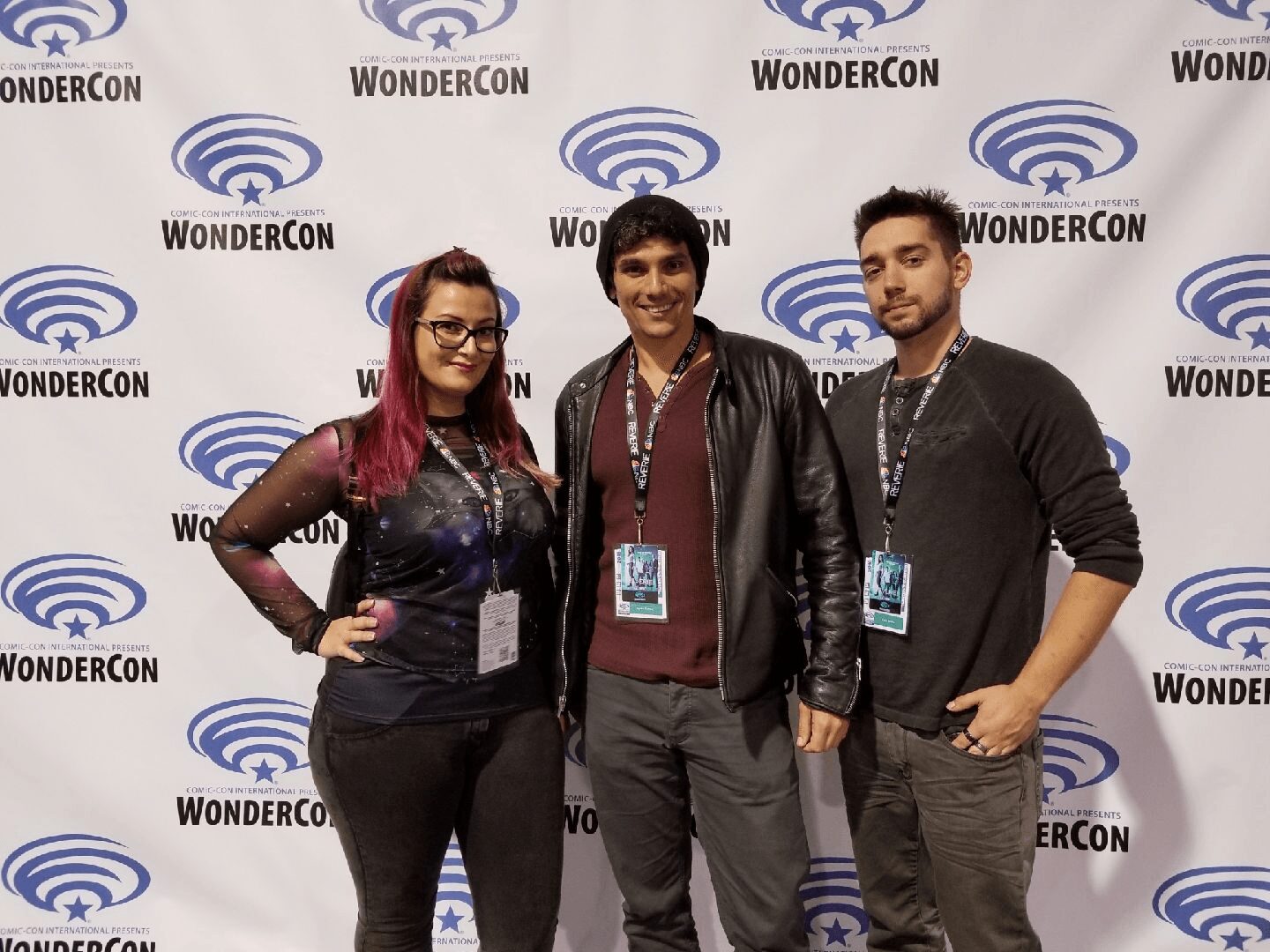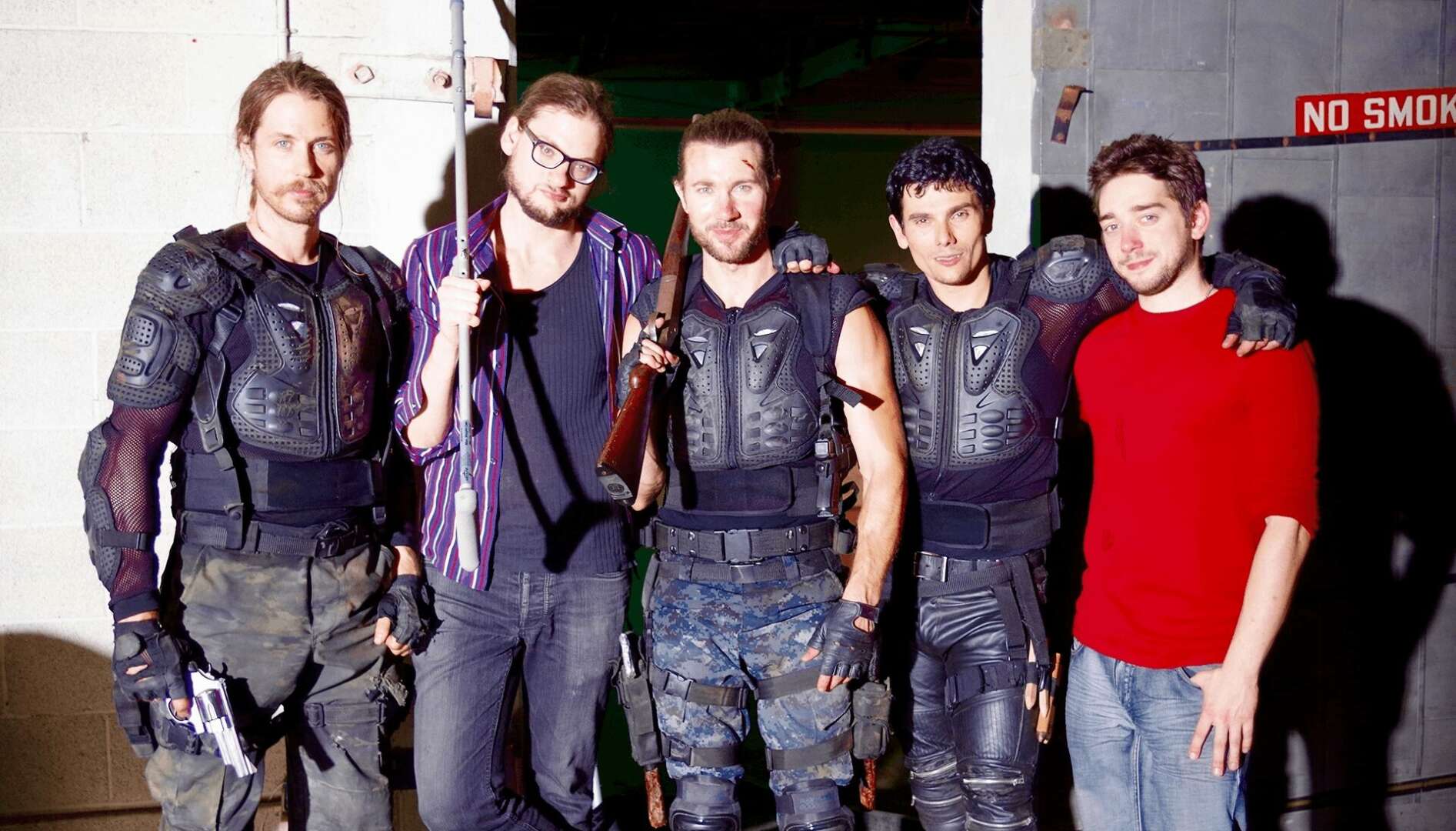

We recently connected with Colin Waite and have shared our conversation below.
Alright, Colin thanks for taking the time to share your stories and insights with us today. We’d love to hear the backstory behind a risk you’ve taken – whether big or small, walk us through what it was like and how it ultimately turned out.
Moving to LA wasn’t a tough decision. In fact, it was probably one of the easiest ones I’ve ever made. But it wasn’t without risk. I didn’t know anyone when I moved down here. I didn’t grow up with any connection to the film industry. I knew I liked storytelling. I knew I liked writing. And I knew I liked movies. But I did not know a damn thing about how to turn that into a job.
During my senior year of high school we took these career tests to help us think about what the future might hold. The results were pretty standard stuff: teacher, doctor, cop, lawyer, journalist. All pragmatic careers, all viable careers, but for whatever reason none of them spoke to me. I was envious of my classmates who knew what they wanted to do, like be a dentist or a lawyer. They seemed so certain, so locked in. I was never one of those kids. Sure, I had thought about it but I never really saw myself doing any of those jobs and being fulfilled.
One thing I thought would be cool though? A writer. Now how could I do that? Hell if I knew. But somewhere along the line, I connected a love of writing with a love of movies, and thought, well, Hollywood sounds like a fun way to make a living. Sure, it’d be work. But it would be different; not that kind of work that felt like a job. It certainly wouldn’t be “normal”. It could be fun, it could be exciting. But more importantly, it spoke to something inside of me that wanted more.
Eventually that voice got so loud that I had to do it. I didn’t want to do anything else. I don’t know if you’d call it a dream or ambition or ego or naivety —
probably a combination of all of that — but once I decided I was going to make the move, there wasn’t anything that could have convinced me otherwise. So I packed up everything I had into my Honda Civic and drove to LA to pursue a crazy dream. That was 15 years ago.
Since then, I’ve been fortunate to be able to do what I set out to do and meet a lot of great people while doing it. It hasn’t always been easy, but I wouldn’t have it any other way.
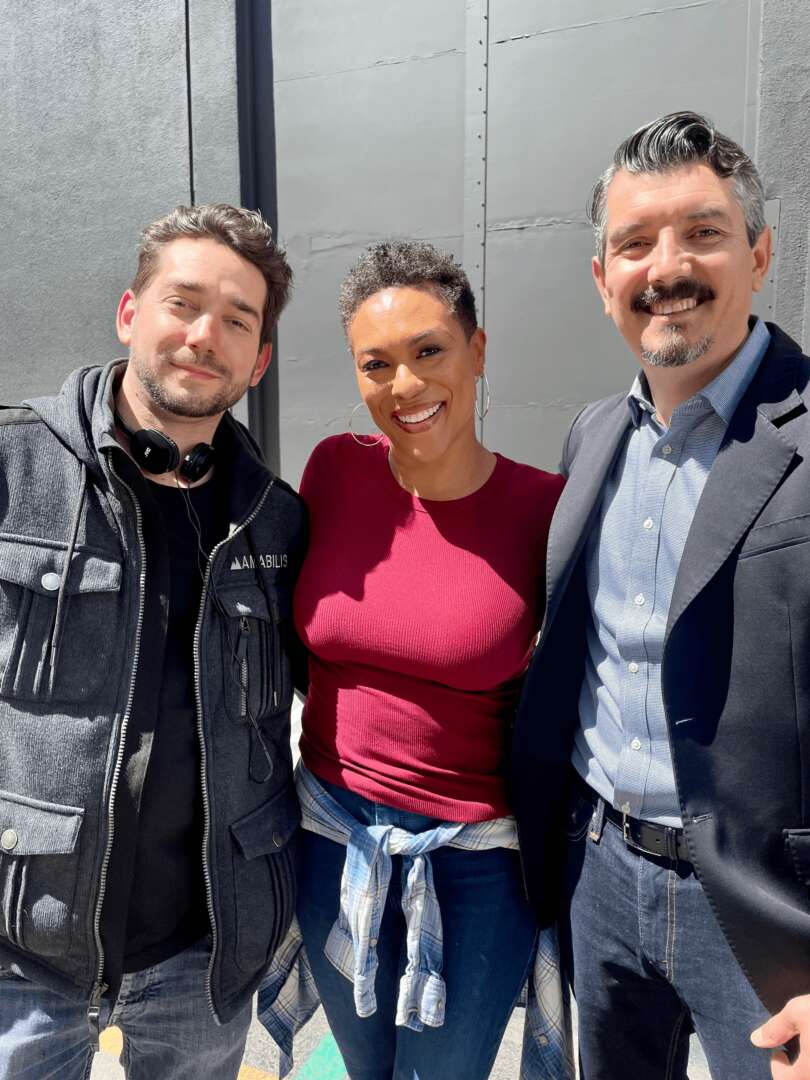
Colin, love having you share your insights with us. Before we ask you more questions, maybe you can take a moment to introduce yourself to our readers who might have missed our earlier conversations?
Of course. I’m a writer living in Los Angeles. Primarily working in the screen trade, where I’ve had some modest success. “Success” is really just another way of saying people still tell you they like your work. I’ve had scripts optioned. I’ve had Academy Award winning actors and writer/directors attached to my work. To me the real success is still being able to wake up every day and do what I love: write.
For the last ten or so years I’ve also been working in television writers rooms where I’ve been blessed to be able to learn from and collaborate with so many incredibly talented writers, directors, actors, and crew members — many of whom became close friends. Writing on TV shows like BEL-AIR and EMPIRE helped me grow as a person and as a writer, and the experiences there taught me the work it takes for a script to become the finished product that you watch at home.
And while working on other’s people’s shows has been an education experience I’m forever grateful for, I’m still driven by this need to write my own stuff. So when I’m putting in work on a TV show during the day, I’ll make time to write — mostly film and TV screenplays — either in the morning before the writers’ room starts or at night after I get home.
When I’m not working on a show, I’ll take a different approach. Being solely focused on your own stuff is a different kind of schedule and rhythm than being in a writers’ room. But it is a JOB, and I try to tackle it as such. I’m working for myself. That means unless I’ve got meetings scheduled or something else going on, I’m sitting in front of the computer to write between 8AM and 5PM.
For me, starting with that attitude is the best way to write and get from one day to the next on a project. That said, not every day is the same. Sometimes there’s one project that’s my main focus, or sometimes I’ll switch from one project to another if I get stuck and want a change of pace. For me, it’s helpful to be working on multiple projects because you can’t control the fire, but you can control the irons you put into it. Sometimes I’ll stop early when I know what I’m going to write the next day, so I can refill the well and be ready to dive back into it in the morning. And sometimes — and this is important to say — sometimes I’m thinking a lot about what I’m going to do before I do it. This is called procrastination and it’s the crutch of every writer. It can manifest itself as research, or a YouTube rabbit hole or cleaning the dishes. We lean on it to help us figure out what the hell we’re doing. Even if you’re not thinking about it, you’re thinking about it. And eventually, after the amount of time that’s necessary to figure it out passes, the fog of war fades and you sit back down and the writing comes back.
There are some days where I don’t get as much done as others. But the important thing, to me anyway, is putting myself in a position to do the work in the first place. I know I won’t be writing anything if I don’t put my ass in the chair and do it. I know this perspective might sound a bit draconian when talking about “art”. But if someone hires me to do a job, they’re expecting results and not excuses about not being struck by the muse yet, so it’s the approach I try to take.
Of course, you don’t want to force anything. But it’s a lot easier for me to take this approach every day, take a day off to relax if I need to, and then pick-up where I’ve left off rather than try to carve out time to write in an already full schedule.
My job at the end of the day as a writer is to write. It is not “write when I feel like it and hope things will get done eventually”.
Leigh Brackett describes being a screenwriter as needing to be a very good journeyman plumber. You need to put the parts together, she said. And if you’re able to inject something worthwhile while doing that then you’ve done as much as can be expected of you.
Writing may not be a true blue collar job. But for me, I have to make the time if I want to do my job as a writer. And once I’ve made that time, I do my best to show up ready to work.
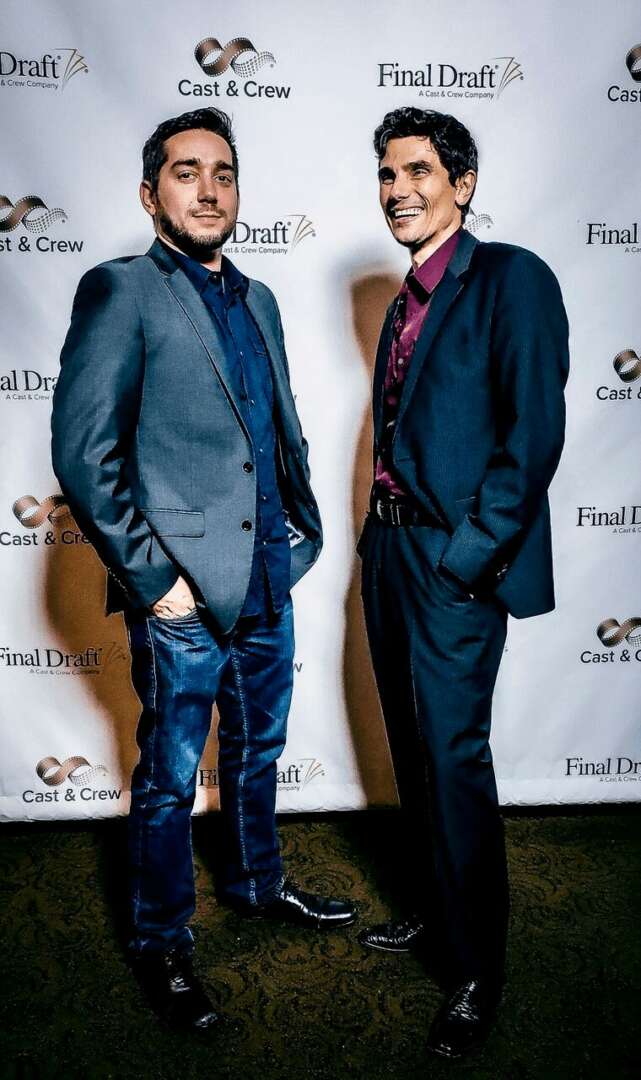
How about pivoting – can you share the story of a time you’ve had to pivot?
When I first moved to LA, I thought that delivering a good script was all that mattered.
And while this is still very true — as they say, it all begins on the page — I found that success wasn’t just about what you wrote, but it was also about how persistent and tenacious you could be.
So in that regard, I had to pivot my way of thinking and approach.
This was not easy for me. I’m not a very gregarious person by nature. When it came to writing, I wasn’t a salesman. I had experience in sales, but it was generally for products and services that sold themselves. People wanted them already and I just had to facilitate the transaction using a general savvy and business acumen that wasn’t too hard to figure out. Learning to sell myself was another matter entirely. It meant knowing deep down who I am and what I’m about and what I bring to the table. It also meant being undaunted in the face of dismissal or getting turned down or if things didn’t work out. I just had to turn the page. Onto the next.
If someone were to ask what the most important trait or quality a writer needs to have in order to succeed, people might say talent or a sharp wit or keen intellect or a robust vocabulary. All those things are great. Shit, I wish I had them. But if you ask me, resiliency is the most important.
There’s a lot of rejection in the business of being a writer, which is like a cousin to the actors’ experience of rejection in the pursuit of their own craft. For writers, this rejection manifests itself in different forms that will test you on whether or not you wish to stay the course. Here’s one example:
People you meet will find out you write and they’ll be so impressed by your decision to pursue such a difficult endeavor. After all, what are the odds it’ll work out, right? But people in LA that you meet professionally are generally polite so they’ll ask to read your stuff. Perhaps they’ll even want to offer opinions and thoughts. You’ll be flattered and tell them — of course you will send it over right away. And when you get home, after you’ve painstakingly gone over your email, rethinking every syllable and probably rewriting it a couple times so that the message is just the right blend of grateful, confident, and casual, you’ll hit send and off into the digital ether your screenplay goes.
Then you wait.
And wait.
And then you’ll wait some more.
The truth is, most people would rather watch a two-minute clip than read a screenplay. I can’t blame them for that. Reading can be a chore. It IS a chore. And if the person who you’ve sent your work to reads for a living and is trying to get through countless scripts per week, then the last thing they want is another 100 pages or more getting added to their pile. It would be naive to call Hollywood a meritocracy, but if there is one aspect of the business that strikes me as democratic, it’s the fact that pretty much anyone would rather not read one more script if given the choice.
So eventually you might need to follow up after a while. It’s important when you do that you do so politely, understanding that there are strains on their time and — guess what — reading your script is not their priority. The self-awareness here is important because nothing is going to turn someone off more than dealing with a self-important writer. That’s my two cents anyway.
Hopefully you eventually get a read from the person. Or maybe after six months of you following up and them never responding you decide it’s a dead end to let it go.
Resiliency.
It’s important not to take any of this personally. It has nothing to do with you or your writing. And, if it does, you’d best forget about it and move onto the next person.
You need to have the memory of a goldfish. If you get hung up on the things that go wrong, you won’t be making any space in your life for things to go right.
That might sound super woo-woo, wishy-washy and for that I apologize. But to my earlier point…
Resiliency.
That is what you need.
On the road to life – at least one as a writer – there is no exit. If you want to make it to the end, you can’t get off. You need to keep the wheels turning. You need to be able to keep going.
Now if this is starting to feel like a Tony Robbins self-help speech I apologize. My point here is that there will be a lot of speed bumps and road blocks and walls that appear. That’s life.
The choice we all have to make is whether or not we are motivated enough to keep going, despite the things that happen.
Validation is important for us to believe that we’re on the right path. But believing in yourself is just as important.
There are many examples of people not understanding something right up until the moment it becomes successful, and then all of a sudden everyone gets it and believes in it and will tell you that THEY knew what was going to happen before anyone else did.
Which is why it’s important to believe what you’re putting out there because when you first start out it’s really only you who sees it.
You need to be confident, but not cocky or arrogant. You can’t be above receiving feedback or advice. You need to be able to take all of it in and learn from it, changing what you need, but at the same time making sure you’re holding true to the tenets of what made you write the damn thing in the first place. And no matter who you have in your corner, you need to advocate for yourself twice as hard.
You need to be… resilient.
Resilient in your beliefs — both in your work and yourself as a writer.
Are there any books, videos or other content that you feel have meaningfully impacted your thinking?
I grew up renting books and movies from the library. Anytime I saw TERMINATOR, ALIENS, STAR WARS or RAIDERS OF THE LOST ARK sitting on the shelf, I’d grab it and watch it again. Films like CAT BALLOU, KING KONG, CLASH OF THE TITANS, and JASON AND THE ARGONAUTS were favorites as well. I didn’t realize it then but I was developing a certain taste for the kind of stories I liked watching and wanted to tell. I started finding more and more stories that I responded to. A lot of them ended up being older movies because I would read about what inspired the filmmakers I was watching, so I’d look for those books and movies too. I’ve always been a fan of history. Wanting to learn from artists who came before me is something that I’ve always found myself drawn to. I’ll find something that I like and I’ll want to learn more about it; who made it, where did they come from, who were their influences. You get the idea.
So to that point, many works that have had a profound influence on me are ones that I’ve discovered by working my way backwards. I’ll give you an example. I was in my early-20s when I read a script called THE GHOST AND THE DARKNESS by William Goldman. Now this is kind of embarrassing but at the time I didn’t know who William Goldman was. If you had asked if I knew of any of his work in novels or films — The Princess Bride, Butch and Sundance, All The President’s Men, Misery — yeah I had heard of them or seen them but their author was unknown to me. Such is the case with many writers when it comes to the general public I expect. But I digress…
Reading the GHOST AND THE DARKNESS left an impression on me like few scripts had up to that point in my life. Of course, the writing is top tier. Goldman is a master of his craft. But it was the way that he formatted the script that stood out and fascinated me. The entire script is written without any traditional sluglines. And in doing so, the story had a pacing and flow on the page that was like nothing I had ever read. Quite honestly, that remains the case to this day. Seeing the way that Goldman commanded the page, and took the reader on the story that he wanted to tell them by guiding them through scenes and drawing their attention to certain moments on the page has influenced my writing ever since.
After discovering this, I worked my way backwards through his work. His book, “Adventures in The Screen Trade” is a must read for any screenwriter, along with his followup book, “Which Lie Did I Tell,” and other essays he wrote about Hollywood. His way of casually talking to his reader is both entertaining and informative, and many of his insights on the business of Hollywood remain relevant to this day.
And some quick hits on a few other works:
THE SIMPLE ART OF MURDER by Raymond Chandler. Most people know Chandler through the iconic private detective Phillip Marlowe in his debut novel “The Big Sleep”, but this lesser known critical essay was published in The Atlantic Monthly in 1944. While on the surface it serves as a literary critique on the English detective story, it becomes a larger commentary on general storytelling practices and how important it is to avoid a lack of realistic characters or plot. He also talks about contrivances and formulas and the need to move beyond them; all things that a writer must consider when crafting their story.
SAVE THE CAT by Blake Snyder. This feels like a screenwriting book that always gets suggested to writers who are starting out. I found the way it explains structure to be interesting, and it was helpful for me to read, think about what it had to say, and then completely disregard all of it. People say you need to know all the rules before you can break them, so taking what you want from these “screenwriting manuals” and then forgetting the rest is a valuable way of figuring out and learning to trust your own storytelling instincts. Speaking of instincts…
THE ART OF DRAMATIC WRITING by Lajos Egri. I profess that sometimes I write more by instinct and then develop characters and their stories through rewriting. I “find it” as I’m going. But similar to the above mentioned book, this one – particularly the first section on THEME – offered perspective on writing that I found helpful, especially when asking and answering questions about the story I am trying to tell. Actors, directors, and executives will want to know “what is your story about?” and being able to articulate this with a simple generalization on theme can answer questions put an end to many long conversations before they really begin.
THE DEAD EMCEE SCROLLS: THE LOST TEACHINGS OF HIP-HOP by Saul Williams. I first became aware of Saul through a movie he acted in called SLAM. His ability to hold my attention through his words and performance is something that I’ve always tried to emulate in my own writing, no matter what the medium. Similar to screenwriting, poetry is about being economical with words. You are trying to deliver a message to your reader in the simplest way possible. One of the best examples I’ve see of this has been in Walter Hill’s screenplays (THE DRIVER, THE WARRIORS, HARD TIMES, ALIEN). There is a craftsmanship to forming verses that leave your audience in stunned silence from the ferocity and emotion you display and evoke within them. If you can harness that for a screenplay, I think you’ll find the work will be better for it.
There are so many other things that have inspired and influenced me that I would be here all day talking about them, but the takeaway from this is find the writing that speaks to you and then learn more about where it came from and who influenced those writers.
Going back into the past was a great way for me to learn more about the kinds of writers I liked and wanted to emulate. It was the best schooling I could have possibly received.
The wealth of knowledge from the people who have done it before you is staggering. Sure, a lot of it might not apply. It’s on you to take what you can from it and learn. And in doing so you’ll find your own style.
For someone who didn’t grow up around Hollywood or with the notion that writing was a viable career until later in life, that’s one of the best ways I’ve been able to figure out who I am on the page and, in some ways, who I am as a person.
As Raymond Chandler once wrote: “Down these mean streets must go a man who is not himself mean, who is neither tarnished nor afraid… He must be a complete man and a common man and yet an unusual man. He must be, to use a rather weathered phrase, a man of honor—by instinct, by inevitability, without thought of it, and certainly without saying it. He must be the best man in his world and a good enough man for any world…The story is this man’s adventure in search of a hidden truth, and it would be no adventure if it did not happen to a man fit for adventure.”
I’m not sure if my life in Hollywood quite lives up to that, but I’ll sure as hell try to as long as I’m drawing breath.
Contact Info:
- Instagram: https://www.instagram.com/colin_waite/