



Alright – so today we’ve got the honor of introducing you to Colin Mustful. We think you’ll enjoy our conversation, we’ve shared it below.
Colin, thanks for taking the time to share your stories with us today What’s the backstory behind how you came up with the idea for your business?
I began my writing career as an academic historian. During my Master of Arts program in history, I learned about the critical importance of citations along with all the corresponding rules and standards for using them. After completing my MA program, I couldn’t imagine sharing history without providing detailed citations that could act as a map for readers and future researchers. But it was also shortly after completing my MA program when I realized that fiction has a wider audience, and a more powerful influence on readers, than traditional nonfiction. I wanted my work to reach that audience. That’s why, in 2010, without any real understanding of the genre or its industry, I began to write my first historical novel.
Writing and publishing my first novel was a long and challenging process. When I couldn’t find a publisher, I self-published. Shortly after self-publishing, I found a publisher who wanted to publish my novel. They sent me a contract promising to put forth $27,000 for the design, distribution, marketing, and publishing of my book. In return, I had to provide them with a $4,000 retainer fee—a fee they would return after I sold 1,000 copies. This, I later learned, is called a Vanity Press. They make big promises but don’t deliver. I won’t go into all the details, but my experience with Tate was a bad one and in 2015 I terminated my contract with the company.
Despite all this, I continued writing. In 2014, I self-published my second book “Grace at Spirit Lake.” In 2016, I self-published my third book, “Ceding Contempt”, while republishing my first novel under the new title, “Fate of the Dakota”. While self-publishing, I used what I learned from my experience publishing with Tate to help my books reach their audience. For example, I retitled my first book because it was originally titled “Thy Eternal Summer”, which is a Shakespeare quote. That didn’t make much sense because Shakespeare would not appear to my target audience. Additionally, I learned a lot about building an online presence, utilizing social media, and identifying and reaching out directly to my target audience. All of this helped me to create a marketable public persona that I used to help sell my books.
But, I still had more to learn. In Particular, I had to learn more about the craft elements of fiction. Until this point, I didn’t truly understand how to utilize the elements of fiction to engage my audience and help them learn what I hoped they would learn. I was relying too much on my background in history. This meant that my stories had too much information and not enough character development and other important fiction elements. One way I discovered this, was from the comments of editors who always challenged me to change my writing in ways I didn’t feel comfortable. One example that sticks out in my mind, was that they told me fiction can’t have footnotes. And, in many ways, they were right. My stories weren’t working. That’s why, in 2017, I went back to school to get a Master of Fine Arts degree in creative writing with a concentration in publishing. During the program I learned an incalculable amount about how to use the elements of fiction to enhance stories, engage audiences, and reach readers with your message. Also, through a two-semester internship with Howling Bird Press, I learned a lot about the inner-workings of a literary press.
In 2019, after receiving my MFA, I published my fourth novel. But this time I published under my own imprint, History Through Fiction. I chose to publish under my own imprint because I believed strongly in my niche of historical fiction—one that combines elements of fiction and nonfiction. I still hold strong to the values of academic history while also striving to reach a larger audience through fiction. In my view, historical novelists do just as much research as academic historians, so why wouldn’t they share that work through some form of transparent citations. With this niche in mine, I combined my experience publishing with my new knowledge in storytelling, to open my imprint to public submissions making it into a literary press called History Through Fiction. Since then, I have continued to learn more and more about storytelling and publishing. It has not been an easy journey, but I believe I am on the right track.
Colin, love having you share your insights with us. Before we ask you more questions, maybe you can take a moment to introduce yourself to our readers who might have missed our earlier conversations?
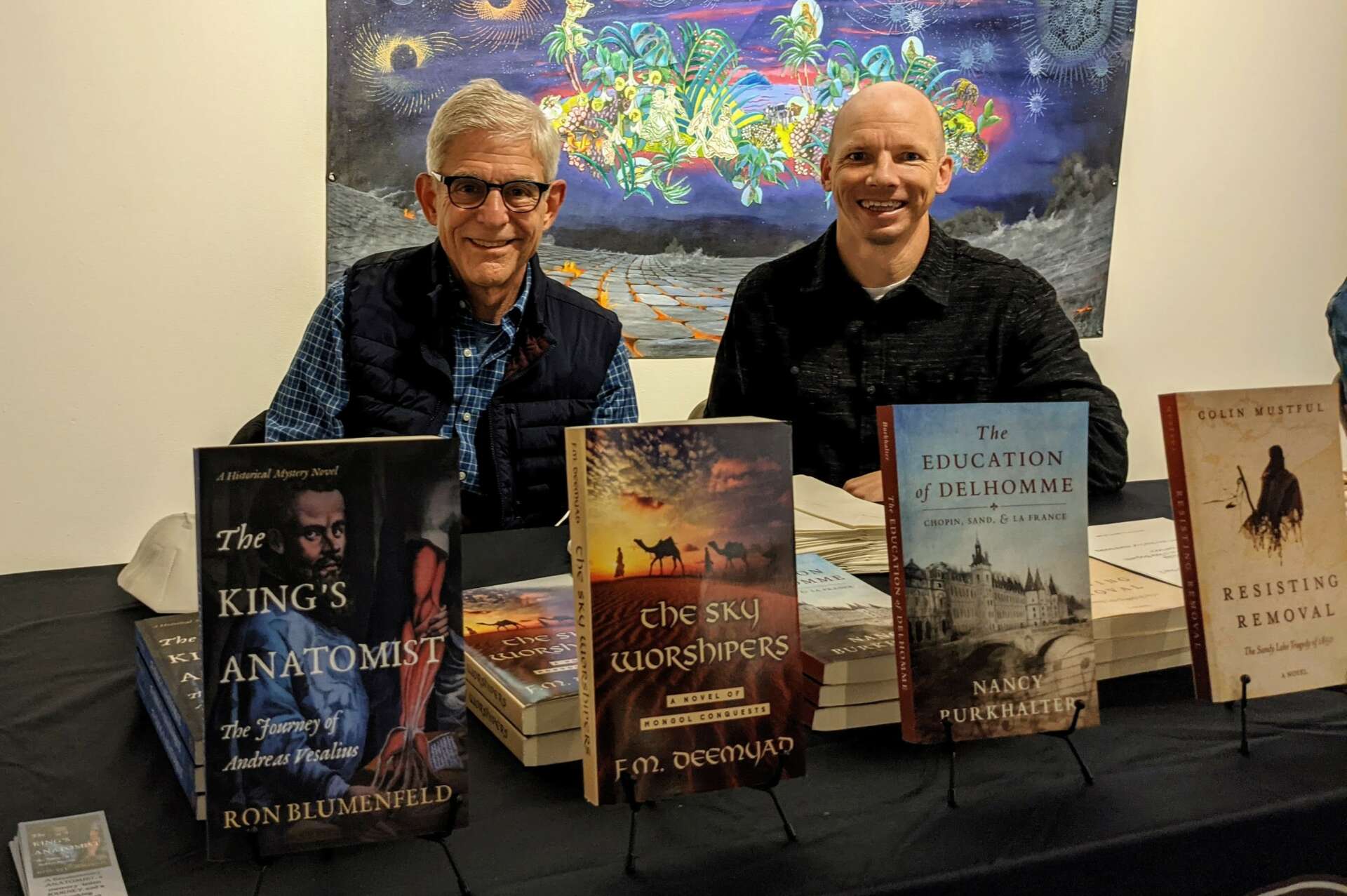
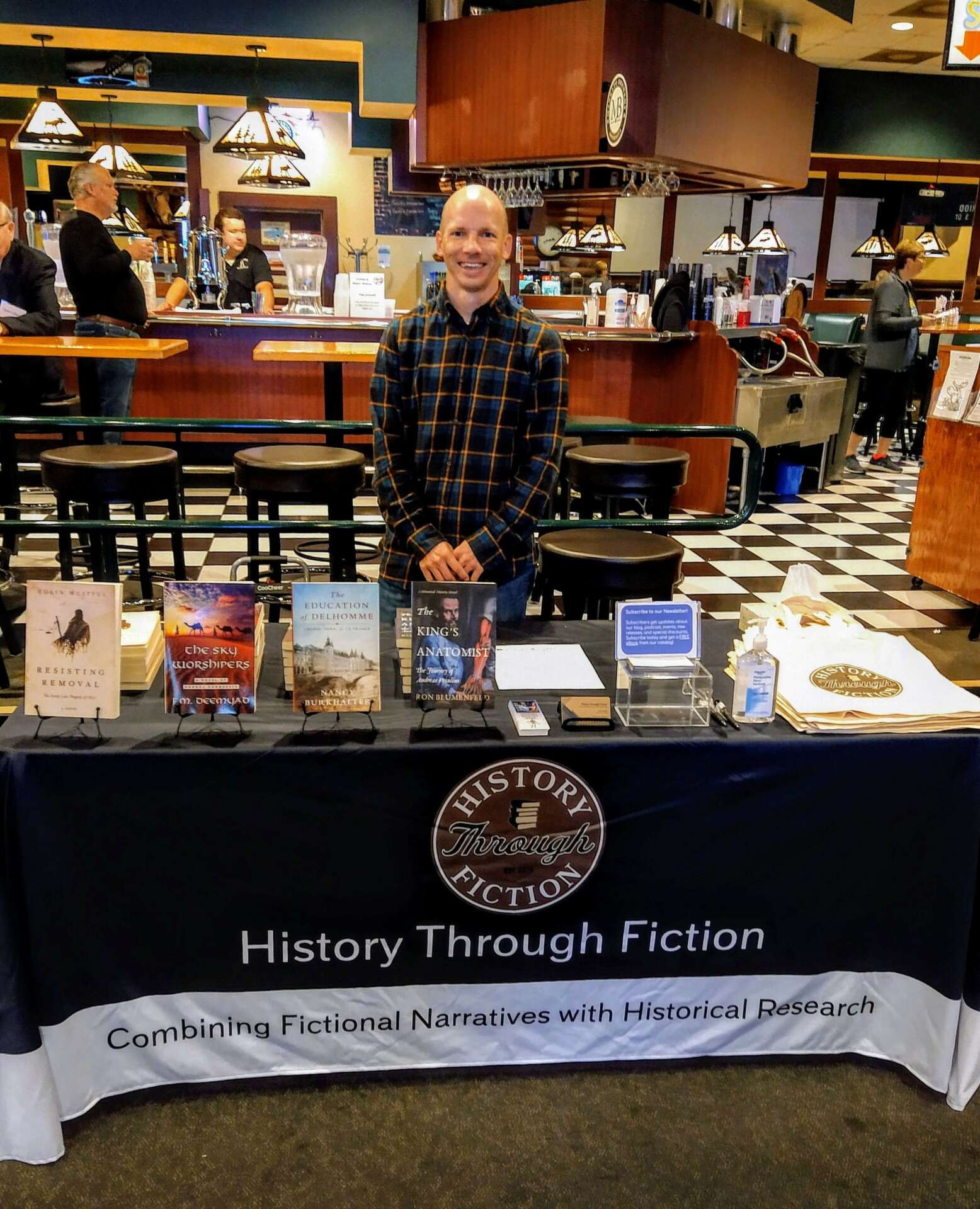
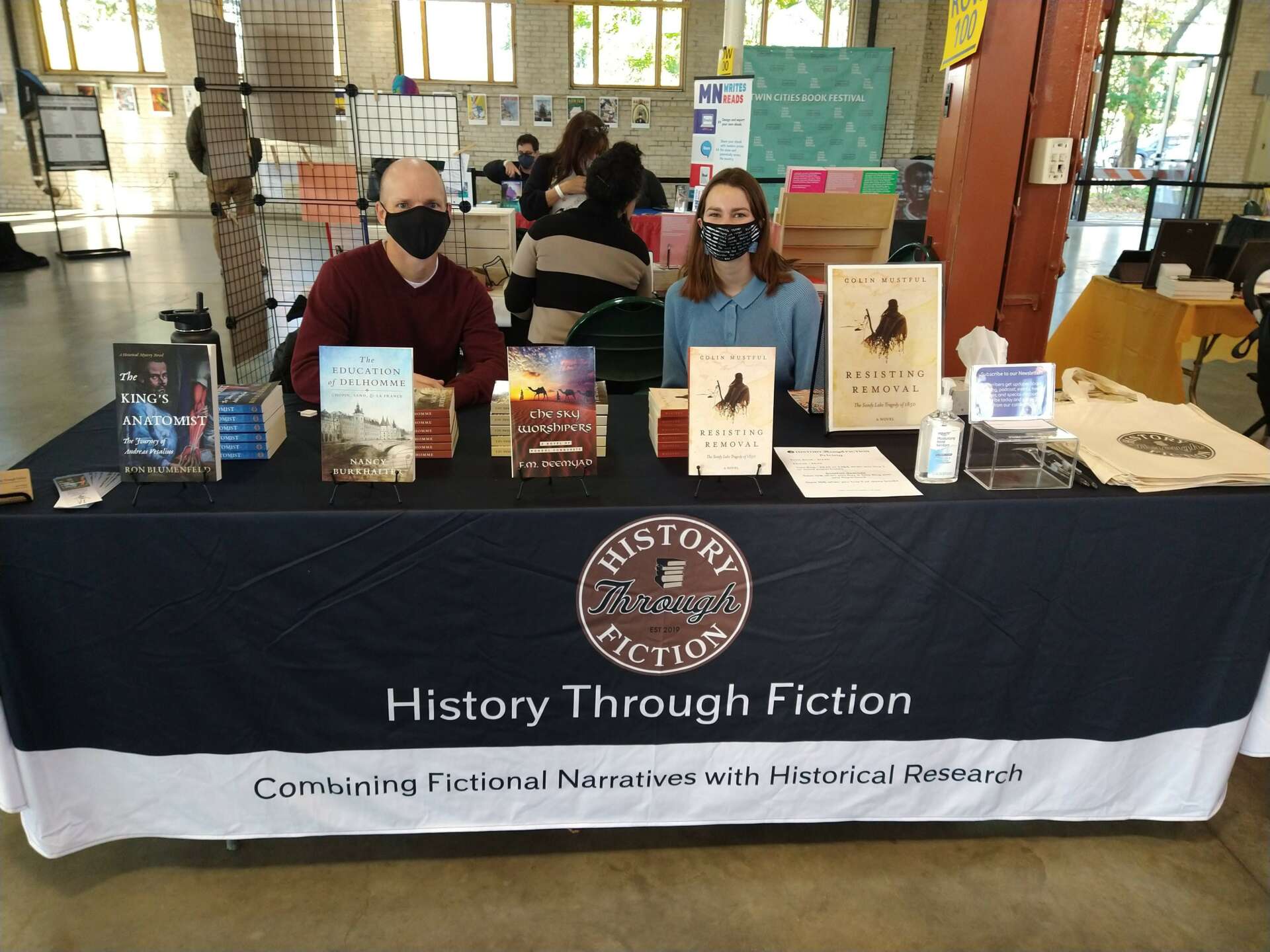
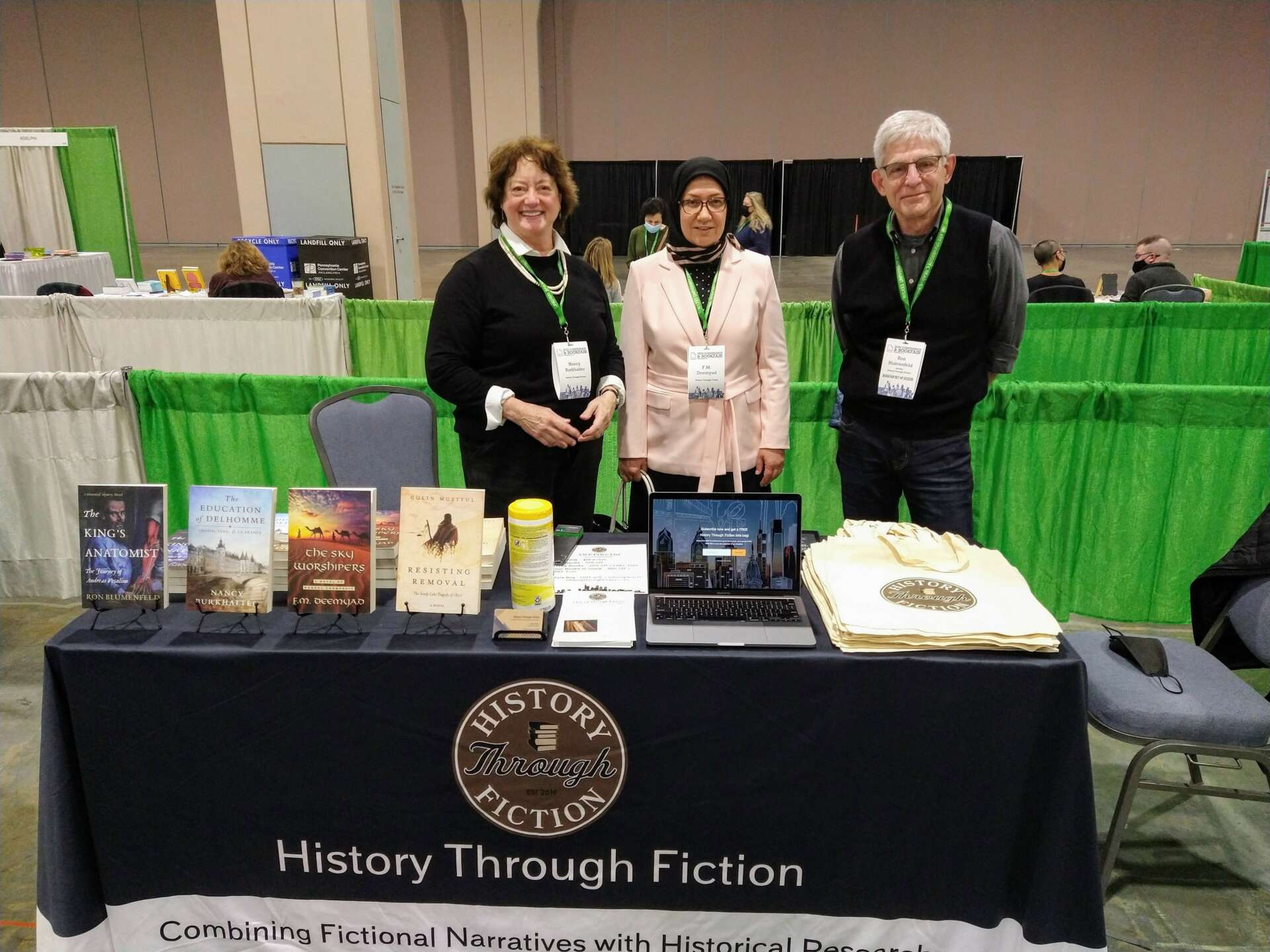
I am the founder and editor of History Through Fiction, an independent press publishing high quality fiction that is rooted in accurate and detailed historical research. As publishers of historical fiction, we seek to provide readers with compelling narratives that also act as valuable historical resources. Our books, though fictionalized, include important primary and secondary source materials that are disclosed to readers through a variety of traditionally nonfiction elements such as footnotes, endnotes, or a bibliography. This way, readers may enjoy a fictional narrative while also examining the historical foundation upon which that narrative is based. By combining elements of fiction and nonfiction, our authors provide readers with an immersive experience that is both entertaining and educational.
We are a traditional, royalty paying press that does not charge the author any fees. Since launching the press in 2019, we’ve grown to include more than just novels. We publish short stories to our member-only content area, we host a podcast, we host a virtual author panel, we have a blog, and we interact regularly with our audience on social media. We are really proud of the positive reception we’ve received from readers, authors, and other industry members. We hope to continue our growth while sharing more and more great historical stories with the world.
We’d love to hear a story of resilience from your journey.
As much as I enjoy my work as a writer and publisher, it has never been a profitable endeavor. To support myself over the years I have continually worked a variety of jobs while using nights, weekends, and early mornings to pursue my passion. Currently, I work as a special ed para professional in a local high school and a pizza delivery driver. The tips I make as a delivery driver help fund my writing and my press. I owe a huge debt of gratitude to all the good tippers out there!
How’d you build such a strong reputation within your market?
This is an easy one. Our reputation hasn’t grown from awards, accolades, or high sales numbers. It’s grown from supporting other authors and publishers and highlighting their work. By helping others in our industry, we’ve created a positive reputation for ourselves. People want to be on our platform. They want to be a part of our platform. That really helps us create and maintain our legitimacy while continuing to grow our audience.
Contact Info:
- Website: https://www.historythroughfiction.com/
- Instagram: https://www.instagram.com/historythroughfiction/
- Facebook: https://www.facebook.com/HistoryThroughFiction/
- Linkedin: https://www.linkedin.com/in/colinmustful/
- Twitter: https://twitter.com/HtFiction
- Youtube: https://www.youtube.com/channel/UCs90owKQfr995etjEn7R2xw/
- Other: Pinterest: https://www.pinterest.com/historythroughfiction/