

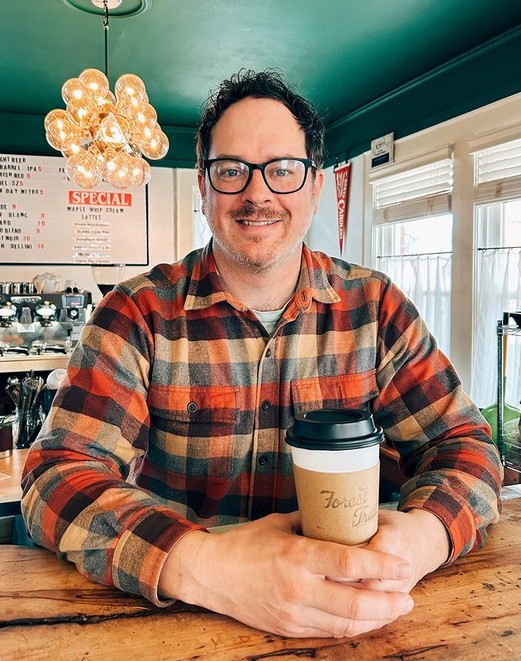

We’re excited to introduce you to the always interesting and insightful Colin Hughes. We hope you’ll enjoy our conversation with Colin below.
Colin, thanks for joining us, excited to have you contributing your stories and insights. Owning a business isn’t always glamorous and so most business owners we’ve connected with have shared that on tough days they sometimes wonder what it would have been like to have just had a regular job instead of all the responsibility of running a business. Have you ever felt that way?
I’m incredibly happy to be a business owner. I spent a lot of time as an employee in the past and it has it’s benefits but having the final say is rewarding in a way I’ve never experienced before.
For many years I worked as a sales manager in the ready-to-drink beverage space, most recently for a few breweries and brewery conglomerations. Once a month, sometimes more often, I would be asked to work events. Beer events. Essentially what that would entail was securing two kegs, driving an hour away, using a partially broken jockey box to keep the beer lines cold, and setting up 2 hours before the event starts. You then sit around for 2 hours, or more likely you stand around, waiting for the event to start.
At first, for an hour or 90 minutes, people will come up to you and ask you questions about the beer and the brewery and you will pour them samples in a tiny cup provided by the event itself. After that 90 minutes was up most of the people who come up to you are drunk, they get too close, and scream, in that drunk way, “what IPAs do you have? I want one. And don’t be afraid to fill it all the way up.” Every now and again they’ll feign interest in your pitch on why they should come visit your brewery but it’s clearly just passing the time it takes you to fill their glass. Oh, also if you don’t bring stickers, they hate you.
5-6 hours later you run out of beer and you stay there telling people; “Sorry, we ran out” but you don’t leave because the festival won’t allow you to leave.
You do this almost every weekend in the summer and it’s miserable. But the part that makes it truly unpleasant isn’t the customers or the festivals rules, it’s that nothing comes from these events. Nothing. You get zero customers. You gain zero followers. And most breweries use these events as a way to get rid of kegs they’re having a hard time selling.
I once asked a boss why we do these events and he said; “Because you have to.” And I pressed, and pressed, and eventually he told me it was because it was something that everyone did and because everyone did it, we should do it too. It “looks good to the other breweries.”
I promised myself, when I became the final decision maker, that; “because everyone has always done it this way” would never, alone, be a sufficient answer to any question. It’s important to understand that there is a collective pooled wisdom in some of these decisions but just being tradition isn’t sufficient. We still work 40 hour work weeks despite modernity creating a landscape wherein one can accomplish 40 hours of work from the 1980’s in, I’m guessing, about 15 hours? Maybe less.
Every new decision, every time a person bucks a trend it is a risk. An investor can always come back to a brewery and say; “why aren’t we doing beer events? We need to be doing beer events!” and that decision maker needs to be able to stand there and say the reasons they are not participating. In my opinion, for this example, there are 50 better ways to promote a brand and just because they are not traditional doesn’t make them ineffective. Also, when every brand does the same exact promotions, it’s a cloudy soup where nobody stands out.
I’m willing to be wrong and I’m happy to admit when I am wrong. We’ve tried a million things than haven’t worked out exactly as we intended but I learn from my mistakes as well as learning from the mistakes of tradition.
Colin, love having you share your insights with us. Before we ask you more questions, maybe you can take a moment to introduce yourself to our readers who might have missed our earlier conversations?
I started a lawn care company when I was 8 years old. I tried to start a record label at 22. I started a custom furniture business. I started a tee shirt company. I was a freelance writer and comedian for 12 years. I have an extremely high risk-tolerance and I am very comfortable with failing, for better of for worse.
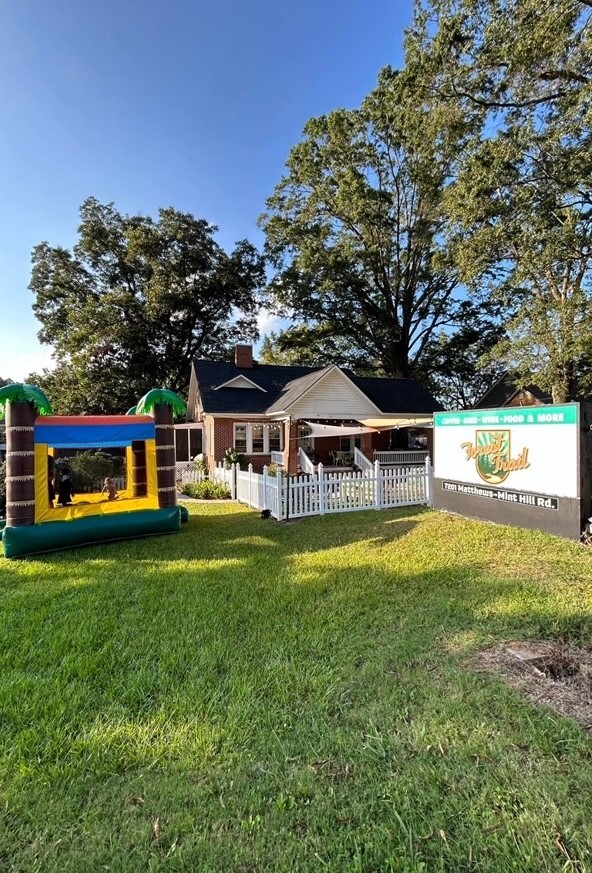
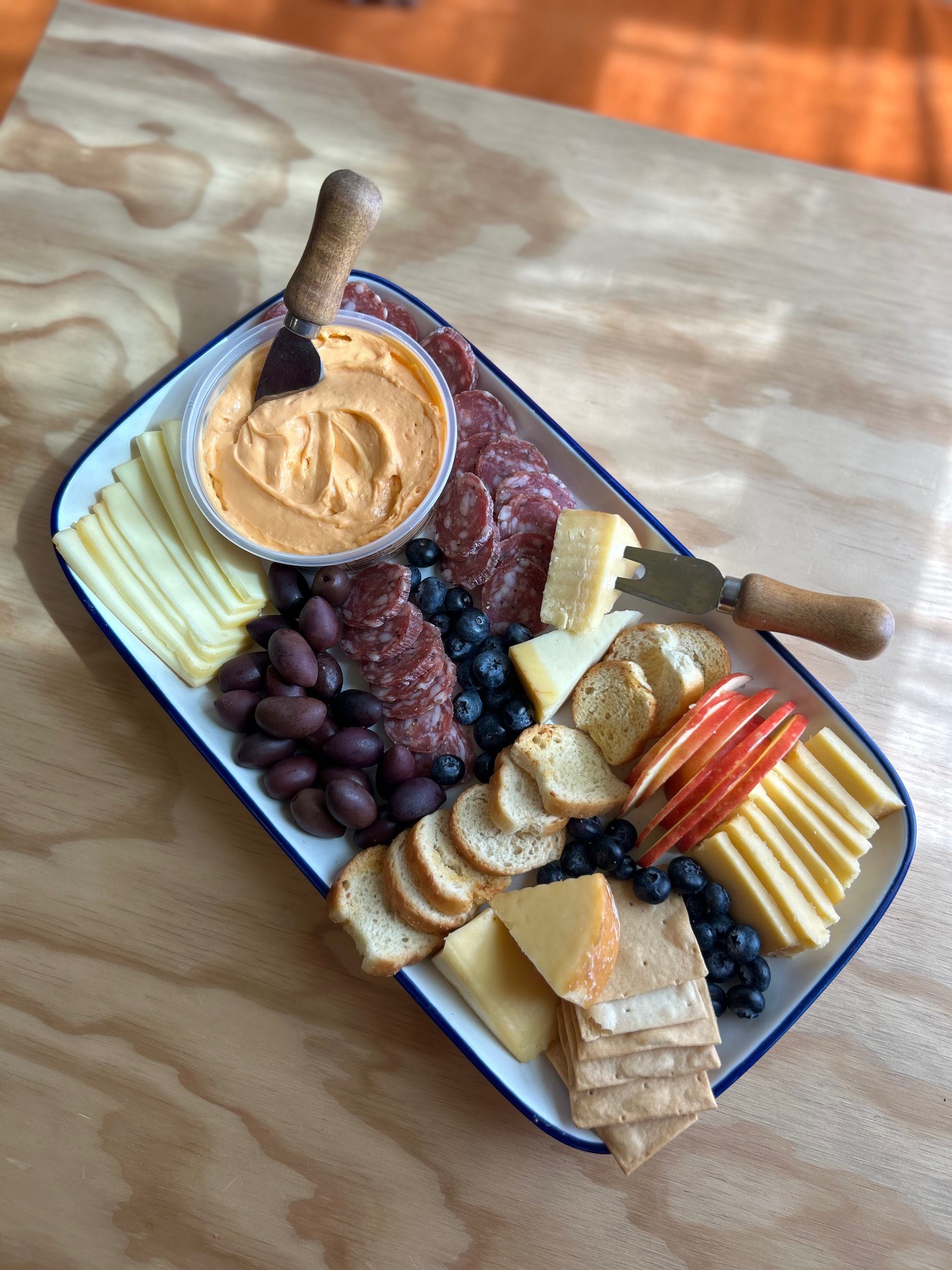
When we started Forest Trail House we bought the equipment from the people who were in the space before us and the concept; a coffee shop with a liquor license, has not really changed, on paper. But the execution of the idea is completely different from theirs was. The space was in desperate need of a cleaning and it needed to be in the hands of someone with restaurant experience. We took, what was a sleepy coffee shop, that smelled musty, looked filthy, and was filled with Facebook marketplace furniture that had all seen better days, and transformed it into a modern coffee house, natural wine and craft beer modern bodega shop type of feel.
Being in a small suburb of Charlotte a lot of former customers have come in and thought that it was just a name change but as soon as you walk in you can tell that something is vastly different. Overcoming the past reputations has been a challenge for us. But we are so proud that we have been shown nothing but love from the people of Mint Hill.
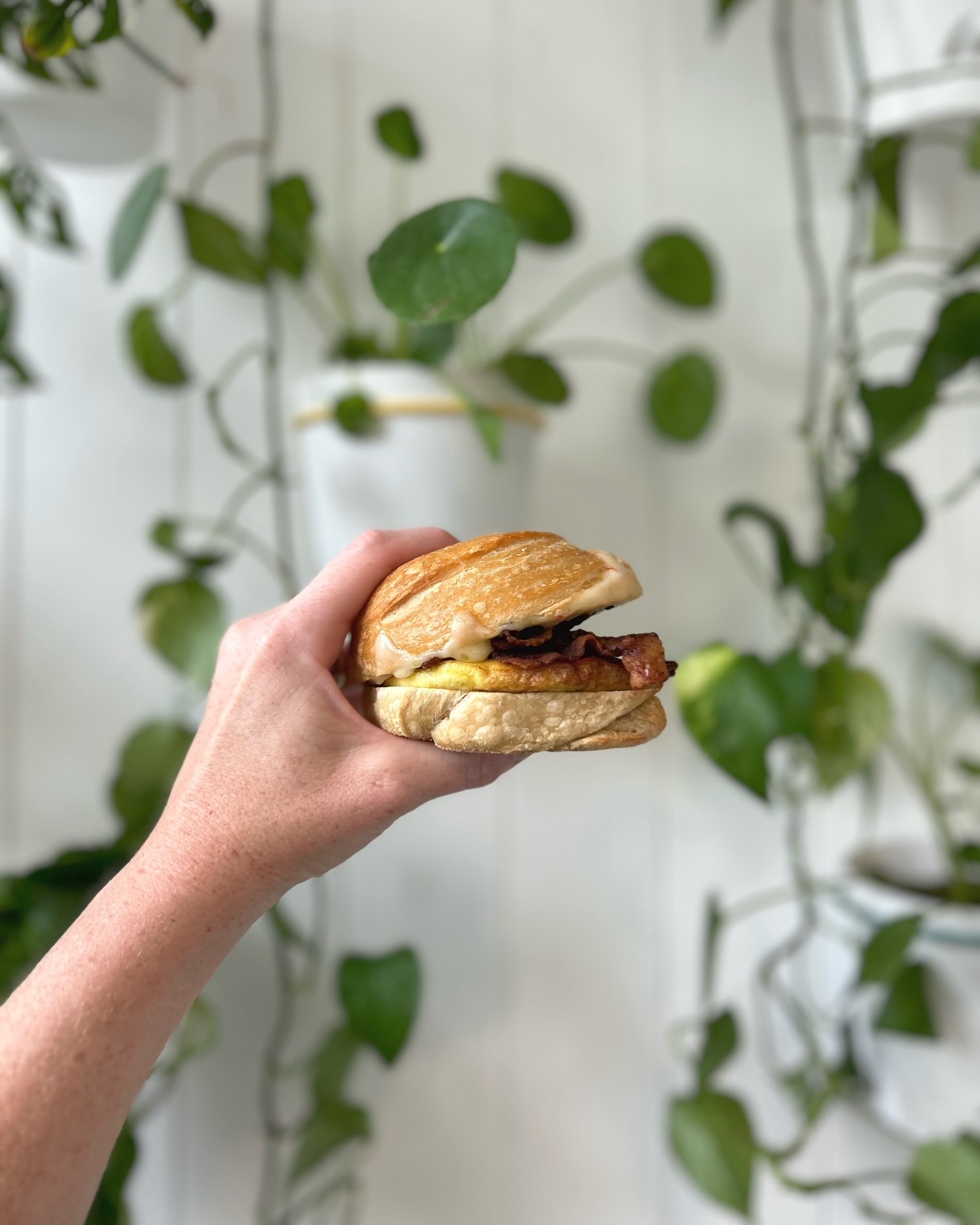
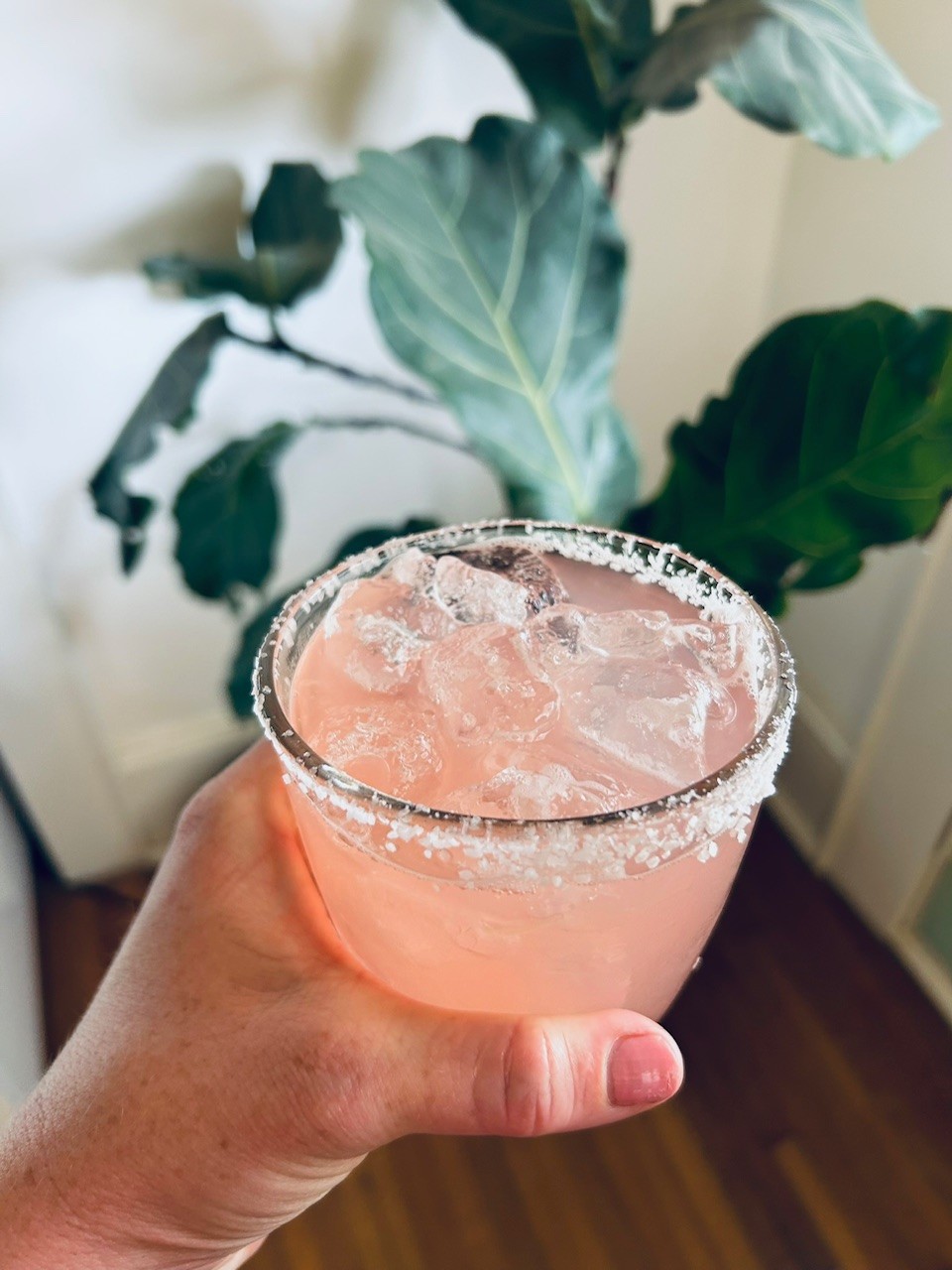
It’s rare that a day goes by without someone thanking us for the transformation. Thanking us for keeping a shop here. And thanking us for raising the standards of the shop from top to bottom. From the way we clean to the products we use. Taking it from Sam’s Club food to food we bake on site. Going from stained recliners to modern built in benches. Transitioning from single serve wine cans to natural wine and freshly crafted cocktails. We are proud of the glow up.
All of this is not to say that we are perfect or that we’ve made every correct decision along the way. We certainly have not. But I’m incredibly proud of the risks we’ve taken and the modernization of this 103 year old home. And I’m sure, in 12 months, I’ll look back at this and think; “we weren’t even close when I was saying that!” But that’s how my wife and I operate. We continually look to hold each other accountable, grow, and get better at everything we do. And we will always put in the work to impress and please our customers.
How do you keep your team’s morale high?
I allow my team to make decisions and I try to never micromanage. My staff ranges from 19-25 years old. We are some people’s first job and some people have worked for coffee shops in the past, but nobody has ever baked to the degree in which they bake now. Many of them are in school still. They are all adults.
Personally, I feel like when I was 26 it was the biggest leap I had into adulthood but part of that was my getting a job where I was treated like an adult. I treat my employees like they’re adults. Because they are adults.
A lot is made of what generation you were born into, and rightfully so on some levels. The technology you did or did not grow up with certainly plays a role in what your capabilities are but I think every generation shares the want to feel heard, seen, and safe. That’s my goal as a boss.
If you don’t feel safe you won’t produce ideas. If you don’t feel heard you won’t bother to state those ideas. And if you don’t feel seen you’ll disappear into yourself.
Treat your employees like co-workers when you can and like subordinates when you have to. I genuinely hate telling my employees when they’re doing something against the culture we are trying to create here and I love nothing more than pulling an employee aside and telling them they’re crushing it! Because I know that about myself I try to balance it out for myself. If I have to have a “come in here, you’re screwing up” meeting I try to have a “can I tell you how awesome you’re doing!” meeting as well – or even just a text.
Having a 4 year old has helped me learn so much about being patient and also about how powerful positive reinforcement can be in helping to see the desired results.
When I say treat them like co-workers I don’t mean that I get into their personal lives all I mean is that when we are coming out of a rush I empathize with how difficult they can be to get through. I commiserate when we’re slow and it’s boring. I let them check their phones without harassing them, I just try to understand that they are going through life, this is a cafe and it’s not their dream job. It’s my dream. They’re helping me with my dream. Not the other way around. So I try my best to keep that in mind. We’re a stepping stone for them and if, at some point, they look back on their time here fondly and learned something that helps them down the road I will be supremely proud of that.
We’d love to hear a story of resilience from your journey.
We started our lease in July of 2023. The previous occupants of our building left in mid June. We had 2 weeks before the clock started running on us owing our rent, paying our employees, etc. And we didn’t take on many initial investments. We had one investor and we put in our own money. We didn’t start this business because we are rich and vanity told us nobody could be as successful as we could be – we started it because I believed we could make it work and I slowly convinced my wife. Although, it’s entirely possible that I’m still convincing her.
We had, essentially, 14-18 days in which to gut a 1500 square foot home, clean it like it had never been cleaned before, paint every wall and ceiling, kill off mold in some places, build out every bench and chair, obtain the furniture we weren’t making, get everything put back together, and clean again. We also had to have our inspections done during that time. And last and most important, we had to still be parents to our daughter. Though, admittedly we traded parenting off and it was one parent parenting and one parent painting/sanding/cleaning/etc.
It was an intense time. My wife kept saying that I should take a break and that I couldn’t keep working 18 hour days of physical, manual labor. And each time I would remind her; “there’s no ARMY of people who are coming to help us. It’s just us.”
Since that first few weeks the amount of work has never really changed. The nature of it has, it’s gone from physical to mental and it really shows on my belly. But the resilience you need to own a company is ever-present. If someone calls out for us, it’s me who comes in. If our espresso machine is broken, I fix it. If our toilet isn’t working, that’s on me. If the huge pecan tree out back destroys our ramp, I have to pressure wash it. When the state wants their liquor report, that means I’m locked in my office for 18 hours finishing that.
Resilience is a strange thing to call it though. I look at it more like an unwillingness to fail at this. Every other time I’ve failed it was me who suffered in the end. I failed to live my dreams as a comedian because I didn’t work hard enough at it. I failed with a tee shirt company because I had no idea how to market it. I’ve failed at many things and every time it’s affected me and that’s really it. This time is different. If I fail, 7 employees lose their jobs. A town of 20k loses their coffee shop. Kevin loses his workspace, Elizabeth loses a respite from daily Mom life. Jim, Renee, Stephen, Brittany, and Gary lose their Saturday morning coffee club. Blair and Tyler lose their Thursday night trivia.
When I started to frame this business as a service to the people we serve failure was no longer a possibility. Resilience doesn’t feel right to me. It feels like an obligation and as long as I can put one foot in front of the other I can walk into this place and give every part of myself to make it a success. Failure isn’t even shutting down, failure is my having to work every shift to save payroll and continue to keep the doors open. That’s failure and if that happens I will do just that until the ship rights itself.
Contact Info:
- Website: foresttrailhouse.com
- Instagram: /foresttrailhouse
- Facebook: /foresttrailhouse