

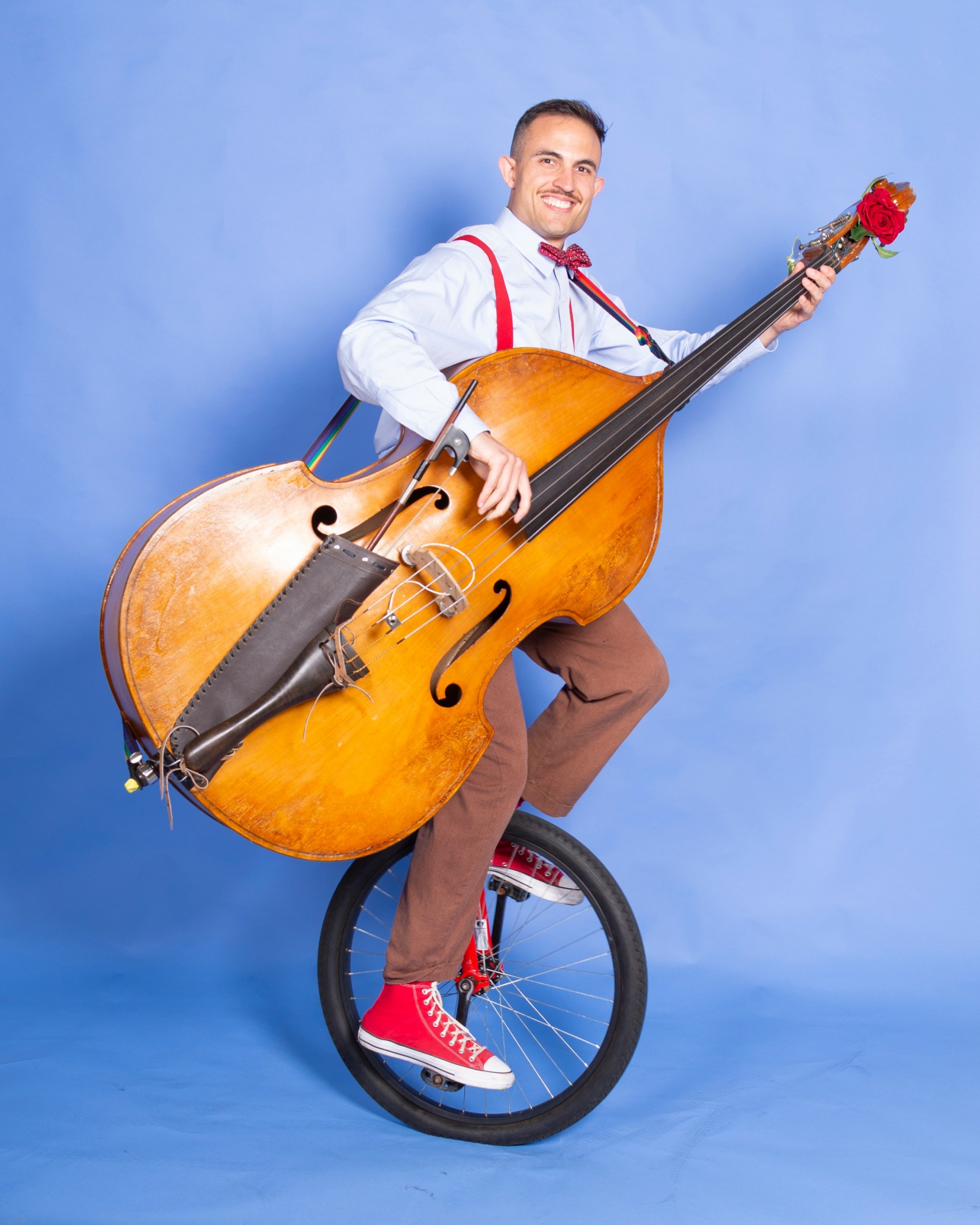

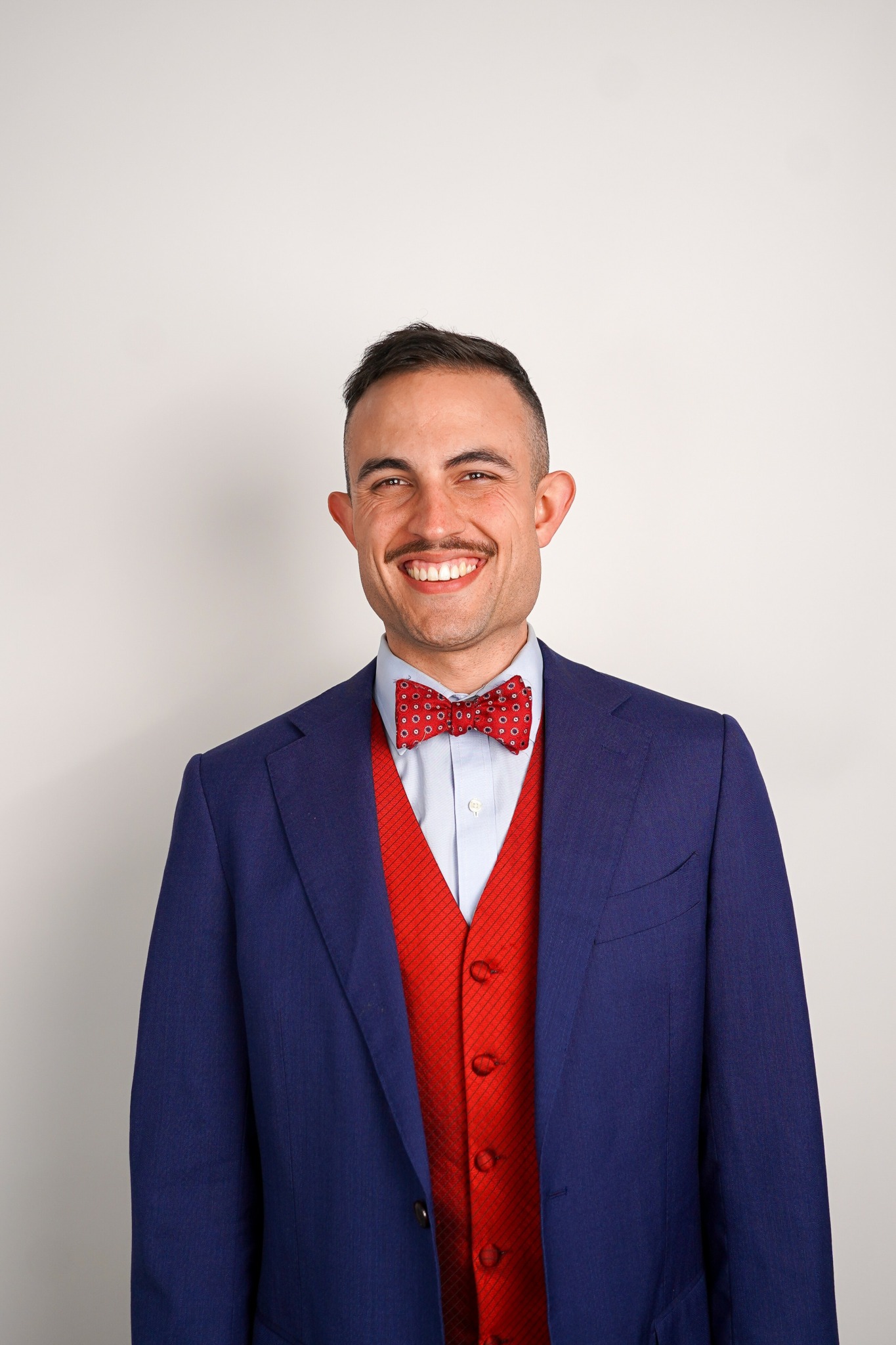
We’re excited to introduce you to the always interesting and insightful Colescott Rubin. We hope you’ll enjoy our conversation with Colescott below.
Colescott, looking forward to hearing all of your stories today. The first dollar you earn is always exciting – it’s like the start of a new chapter and so we’d love to hear about the first time you sold or generated revenue from your creative work?
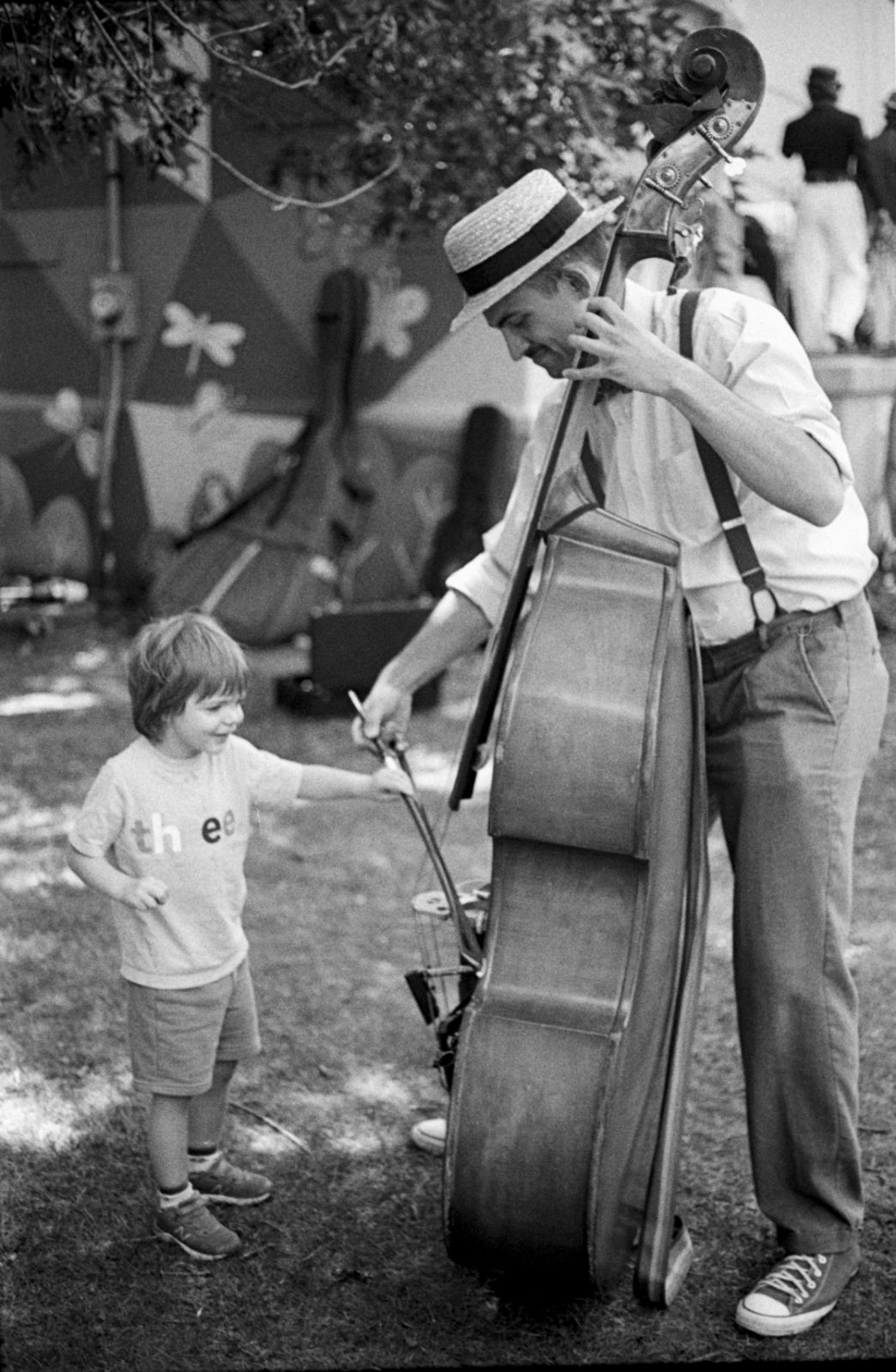
I became a professional performing musician when I was 16 years old by busking on the streets of Portland, Oregon in the dead of winter. I would take the bus with my double bass to the handful of winter farmers markets around town and play swing music there with a friend or two. Because the weather was not great, we were usually the only musicians out there and we did alright in tips from what I remember. I was extremely motivated to work because my family was in poverty for much of my childhood and I wanted to use my tips to buy groceries for myself and my little brothers. It felt empowering to gain autonomy as a teen in this way, and fulfilling to contribute to my family during tough times. I’d often rise early on Saturday mornings after late jam sessions the night before.
The market vendors loved the music and the extra patrons we attracted, so we would often be tipped in whatever products they sold. One time we played between a fruit stand and an egg stand, and I was tipped in a watermelon and a dozen eggs. That day coming home on the bus, I carried the watermelon, the eggs, and my double bass without dropping them and then we had watermelon omelettes for brunch. Eventually I became fascinated with juggling and multitasking in my performances, and I wonder if those seeds were planted in those days, carrying so many instruments and odd items on public transit all the time.
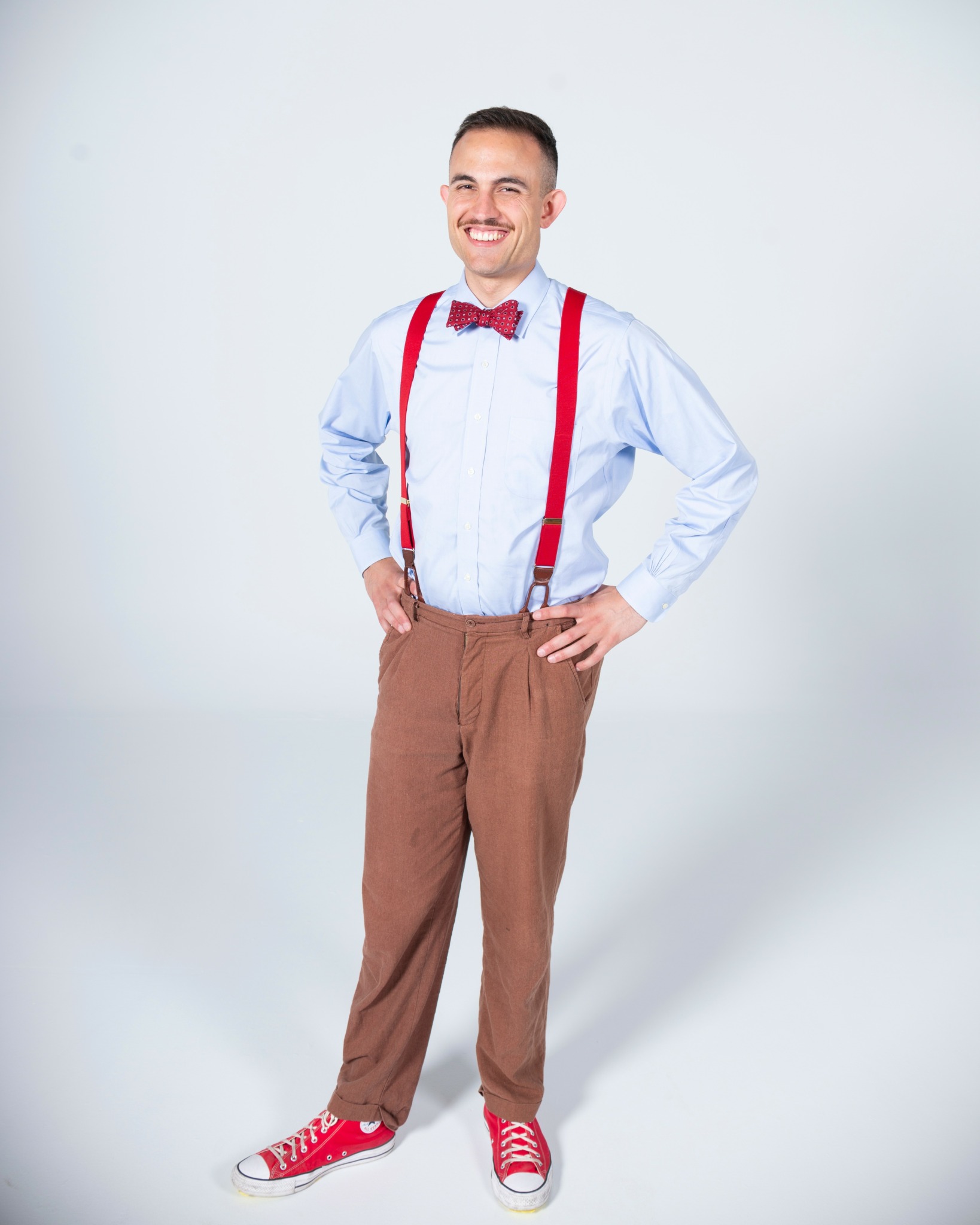
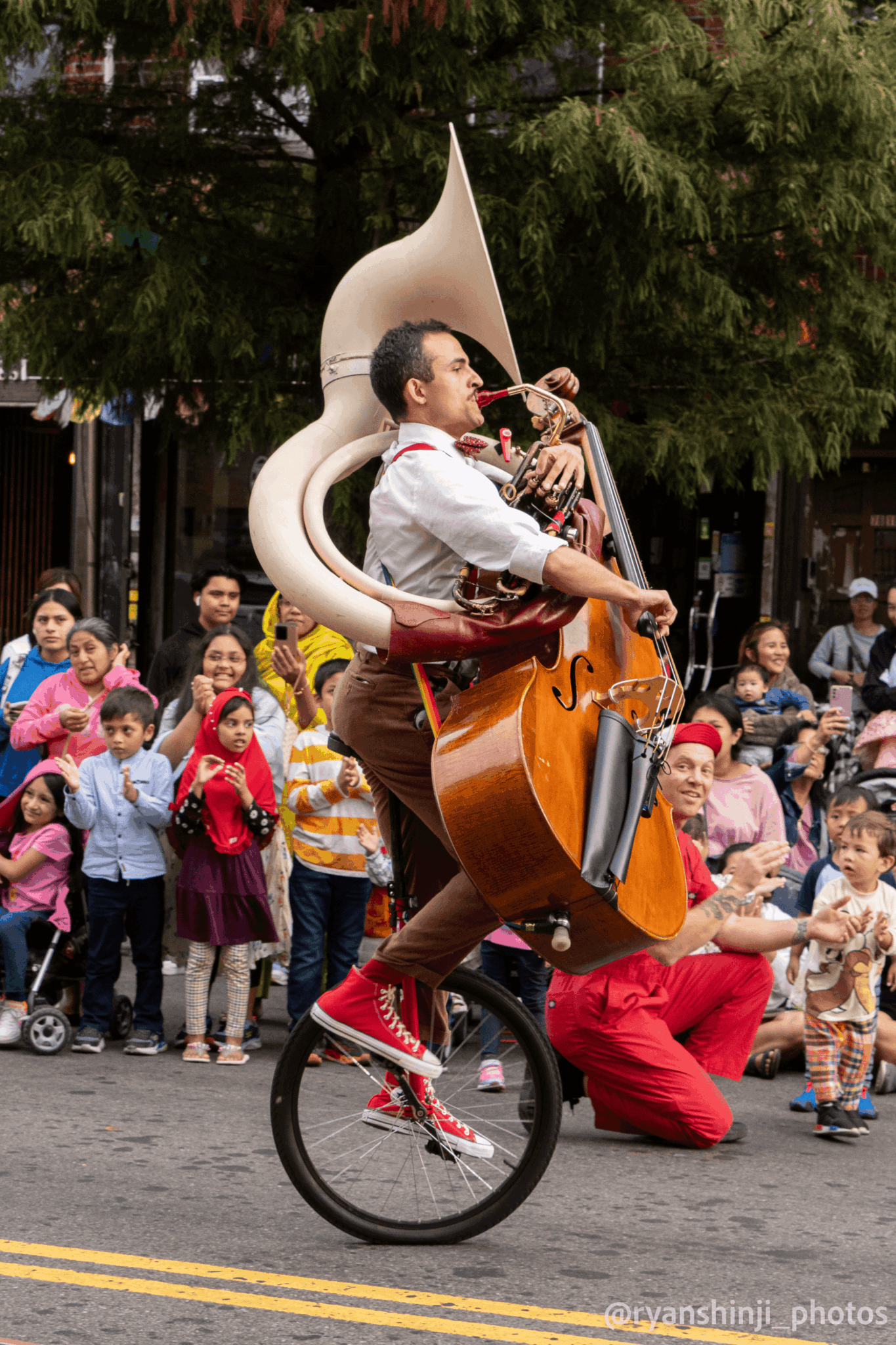
As always, we appreciate you sharing your insights and we’ve got a few more questions for you, but before we get to all of that can you take a minute to introduce yourself and give our readers some of your back background and context?
I am a time-traveling creole circus musician & children’s entertainer. I combine playing bass, tuba, trombone, guitar, kazoo, and other instruments with unicycling, acrobatics, and unusual circus skills to give joyful performances that are as entertaining visually as they are musically. The core values of what I do are full self-expression and healing for all people. More often than not, these go hand in hand in my performances. The audience is first, always. It wouldn’t be possible for this to be my job without them, but more importantly, expression is one of those strangely paradoxical resources that you have more of the more you share it and give it to others. Music is just like love in that way. Every moment of connection with another through music or whimsy is like a precious jewel in our memories.
I got into show business first as an accompanist. By playing useful sideman instruments, I was always in demand since age 10, but not as a leader. Eventually, I wanted to learn to conquer the front of the stage, so I became a bandleader, then a singer, then a songwriter, then a show producer, and finally a circus artist. Each time I take on a new skill, it is to bring more magic to my audiences. I think that’s what sets me apart from other musicians trained in the jazz & classical world. What I am most proud of is every moment I’ve had a positive impact on a child. Inspiring or healing a child in any way makes an immeasurably profound difference in the world, and that is why I see the greatest possibility in being an entertainer, educator, and mentor to children.


Can you tell us about a time you’ve had to pivot?
In 2017, while I was a student at music school, I developed a bad case of tendinitis in both arms for almost a year. During that time, I was unable to play any instruments without pain, and I couldn’t write or type or carry things heavier than a pencil without pain and severe discomfort. I had a bit of an identity crisis not being able to play bass, especially because I was attending Berklee College of Music on a full scholarship to do just that. After an extreme depression lasting many months, not having any idea how long my recovery would take, I finally reached the breaking point and stopped caring.
Out of that dark place, I found a space of tremendous creativity, and reinvented myself by doing every activity I could think of that didn’t require arms. I joined a musical theater troupe, played kazoo 3 hours a day, took acting classes, improv comedy classes, started songwriting, ballet dancing, and practicing bass in my mind. I also went on an intense wellness journey to heal myself, getting into tai chi, qi gong, Alexander Technique, meditation, body mapping, physical therapy, acupuncture, massage, running, and long walks through the park.
When I finally regained my arm strength, I added all my new skills to my ability to play instruments, and found I had actually become the entertainer I had been dreaming about becoming for years. When you don’t care about the results and are entirely focused on the process, whatever that might be in the moment, true magic can happen. Looking for silver linings is a way of life that I will never give up, and this was one of the greatest reminders that when we experience loss of any kind, it reminds us what really matters.
How did you build your audience on social media?
I hated social media for the longest time, and was reluctant to even get a Facebook account for years. I finally got one to be able to chat with international friends, and still resented its pervasiveness in the world of arts and culture. My relationship with social media transformed however when I realized the positive difference I could make by using it actively was so much greater than the fear of the harm it could do. It is technology, and just like any other technology, it can be used for good or evil. By avoiding it altogether though, and any new technologies, we are failing to make use of all the resources at our disposal to make the biggest difference in the world.
Once I stopped caring about whether I was posting the “right” kinds of things, I suddenly had a lot of success with my videos. I stopped caring about whether my look was professional, whether my performances were perfect, or whether my videos would even be watched by anyone. Of course, my biggest video with millions of views that got me scouted for American Idol was just me messing around with a couple instruments in my living room, trying stuff out. It’s essential to separate the judgmental mind from the flow state creative mind when creating content. Just create, and if it sucks, that’s okay. If it brings you joy, it will bring others joy too. If it resonates with you, it is guaranteed to resonate with at least one other person, and if you make a difference for just one other person, you are a success! A healthy relationship with yourself is much harder to grow than a social media following, but once you have that, the other comes much easier.
Contact Info:
- Website: https://colescottrubin.com
- Instagram: https://www.instagram.com/colescottrubin/
- Facebook: https://www.facebook.com/ColescottRubin/
- Youtube: https://www.youtube.com/@colescottrubin
- Other: Spotify:
TikTok:
https://www.tiktok.com/@colescottrubin
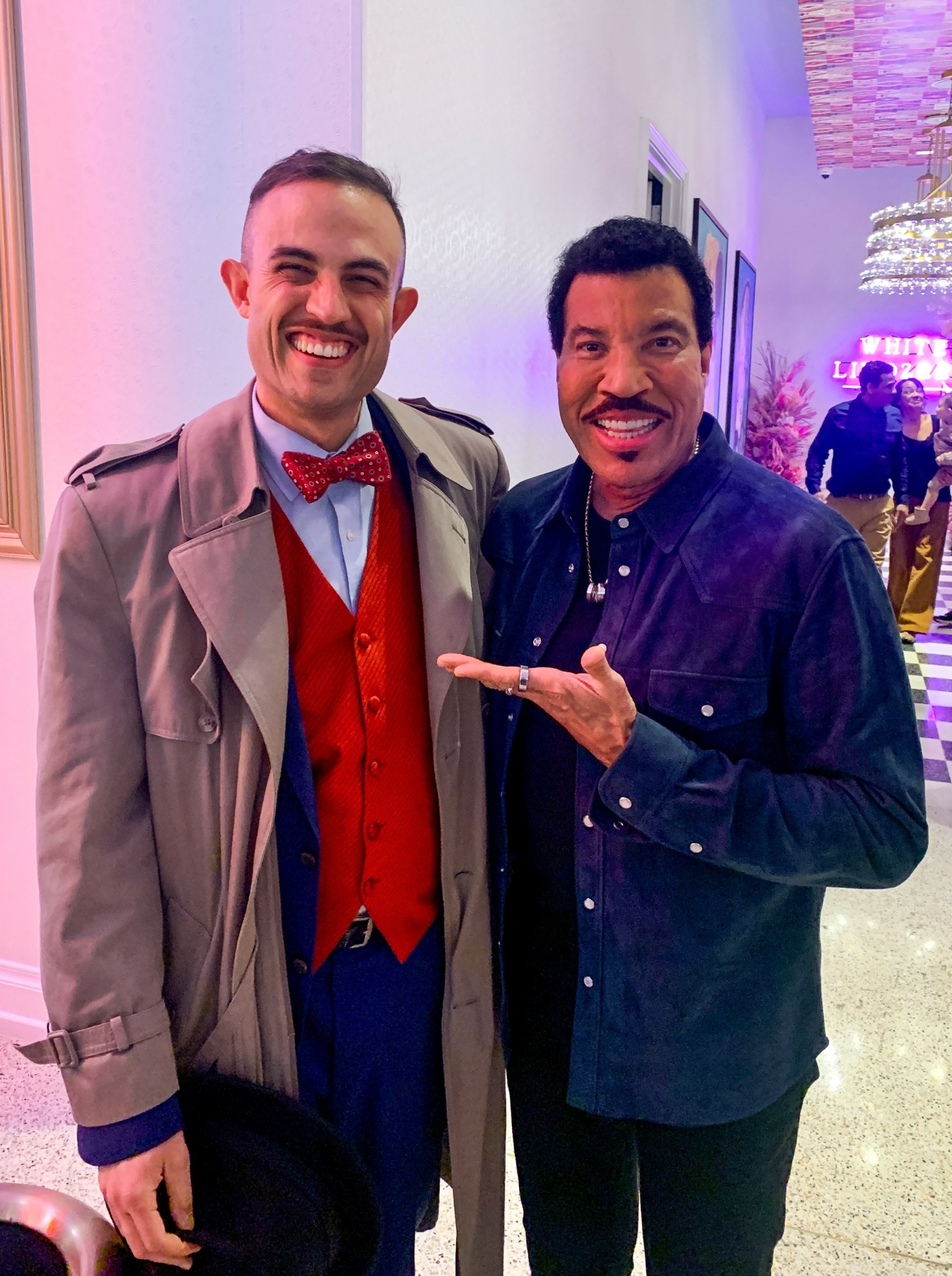
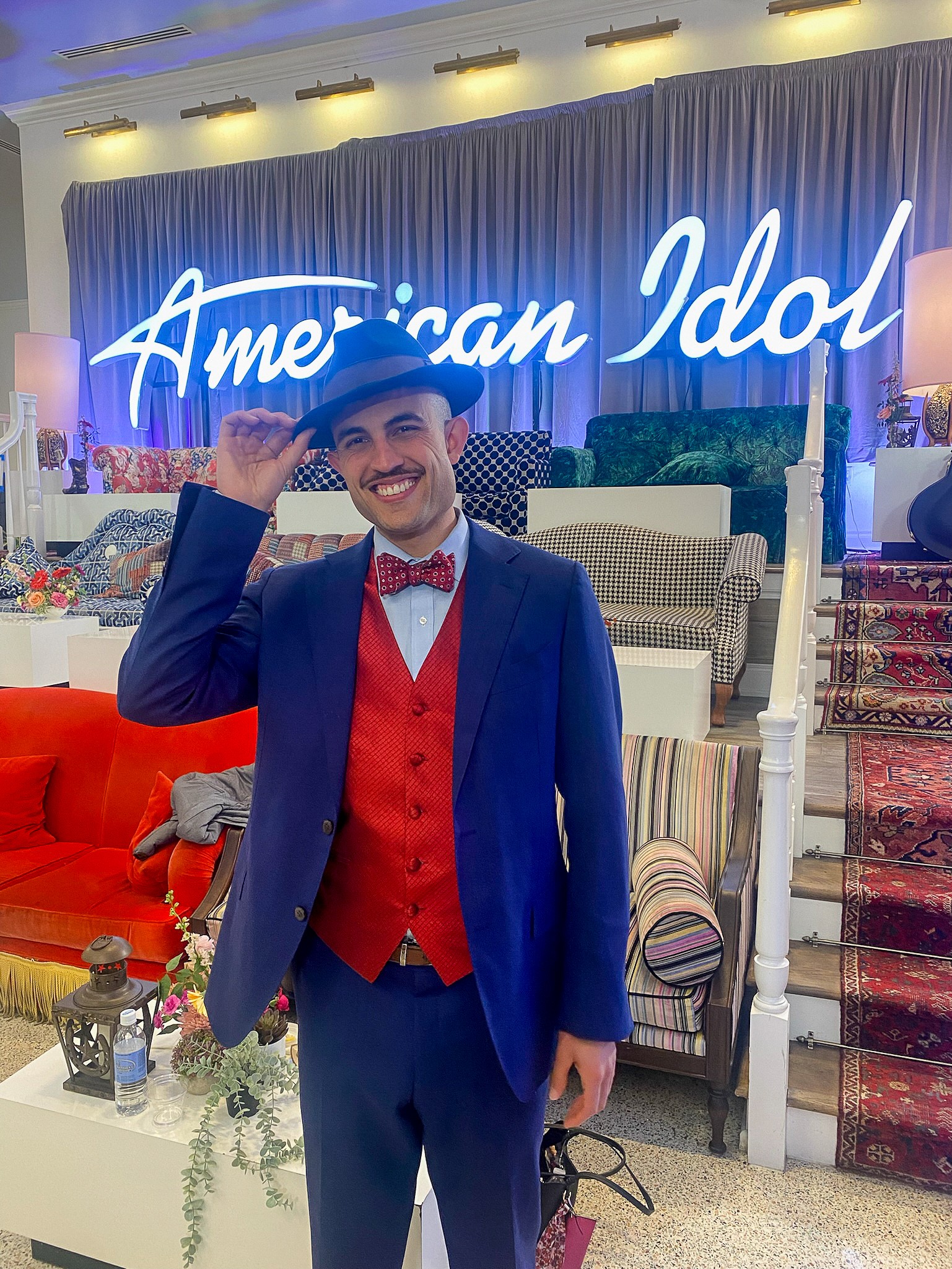
Image Credits
All image credits are in the photo file name. If there isn’t a name there, it was a selfie or uncredited person.