



We recently connected with Clayton Guiltner and have shared our conversation below.
Clayton , thanks for joining us, excited to have you contributing your stories and insights. What’s been the most meaningful project you’ve worked on?
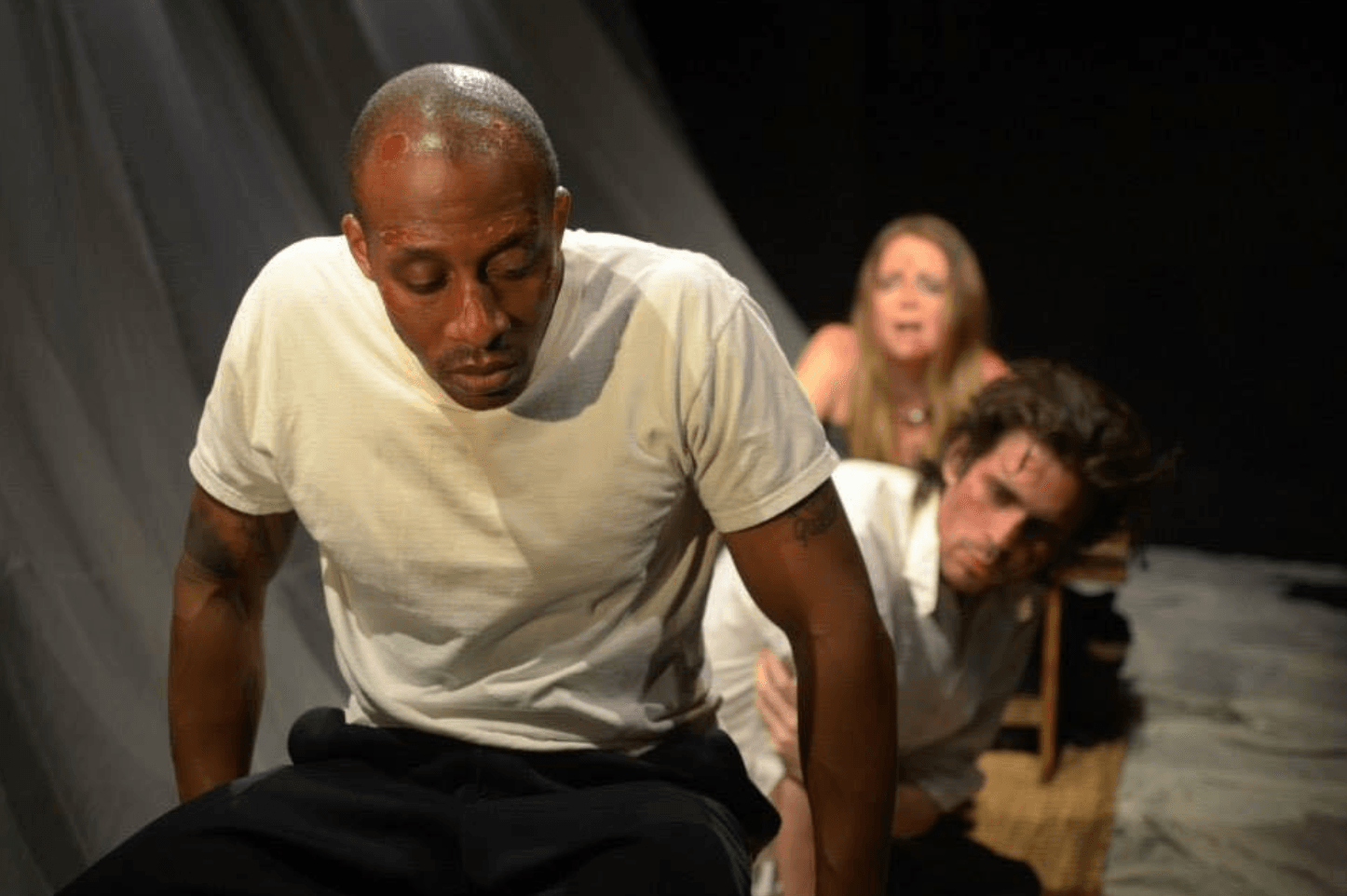
Every project I’ve worked on, regardless of size, has been meaningful. Each production takes on a life of its own—guided by experience but always touched by a certain magic. One of my most significant projects remains Thirst by Eugene O’Neill, which I produced and directed in 2013. I discovered the play in a collection of O’Neill’s early one-acts and was immediately intrigued by its setting: three survivors stranded on a life raft in the middle of the ocean, battling the elements and their own inner demons.
I began the process of raising money to produce the play and quickly started a casting call in New York. Hundreds of actors submitted for the three roles, and I was able to book three skilled performers. I was fortunate to have a talented assistant director come on board, as well as a stage manager.
The play takes place over the course of a few days on this small life raft, which posed major challenges for stage movement and blocking. I wanted the raft to feel small and restrictive, like a prison cell with no means of escape. I knew that the designers would be crucial to making the story clear, and that the audience would have to suspend their disbelief in a significant way. O’Neill wrote beautifully, much like a novelist, but this was a play meant to be seen, not just read. Every nuance and detail O’Neill provided had to be brought to life on stage. I was fortunate to have a high-caliber scenic designer, lighting designer, and costumer join my team.
Every time I’ve directed a play in New York City, there has been a special, almost magical energy that I haven’t experienced elsewhere. It’s difficult to describe, but I believe there’s something unique about creating theater in a city with such a rich history in the art form. The caliber of actors, designers, and crew is unparalleled. Often, they are highly educated and skilled, and their professionalism is evident even from the initial interview. The focus and drive of New York talent are both inspiring and energizing. My production of Thirst was magical from the beginning, and working alongside a small team of innovative artists and performers remains a memory I cherish.
Beyond the challenge of staging such a confined, cinematic environment on a small New York stage, the play’s themes of survival and fate versus free will resonated deeply with me. It mirrored my own journey as an artist. In this industry, when we’re pushed to the edge, we must ask ourselves: do we flee, or do we fight? I’ve seen colleagues burn out or take shortcuts, while others, like me, continue to fight, no matter how difficult the circumstances. O’Neill’s characters reflect these struggles, and in Thirst, I saw a story worth telling.
The production was held in a venue in Times Square, just steps from where O’Neill was born, 100 years after he wrote the play—a connection that felt almost fated. The show sold out each night, drawing audiences with a deep appreciation for theater. Although it didn’t make me famous, it shaped me into a better director and storyteller.
O’Neill’s writing had captivated me long before I directed his work. His plays are riveting, with characters that grapple with the best and worst of human nature. His dialogue draws you in, and his exploration of survival and human behavior makes his characters universally relatable. Thirst allowed me to bring that raw exploration of human resilience to the stage, reminding me of the power of storytelling and the unique challenges and rewards of this art form.
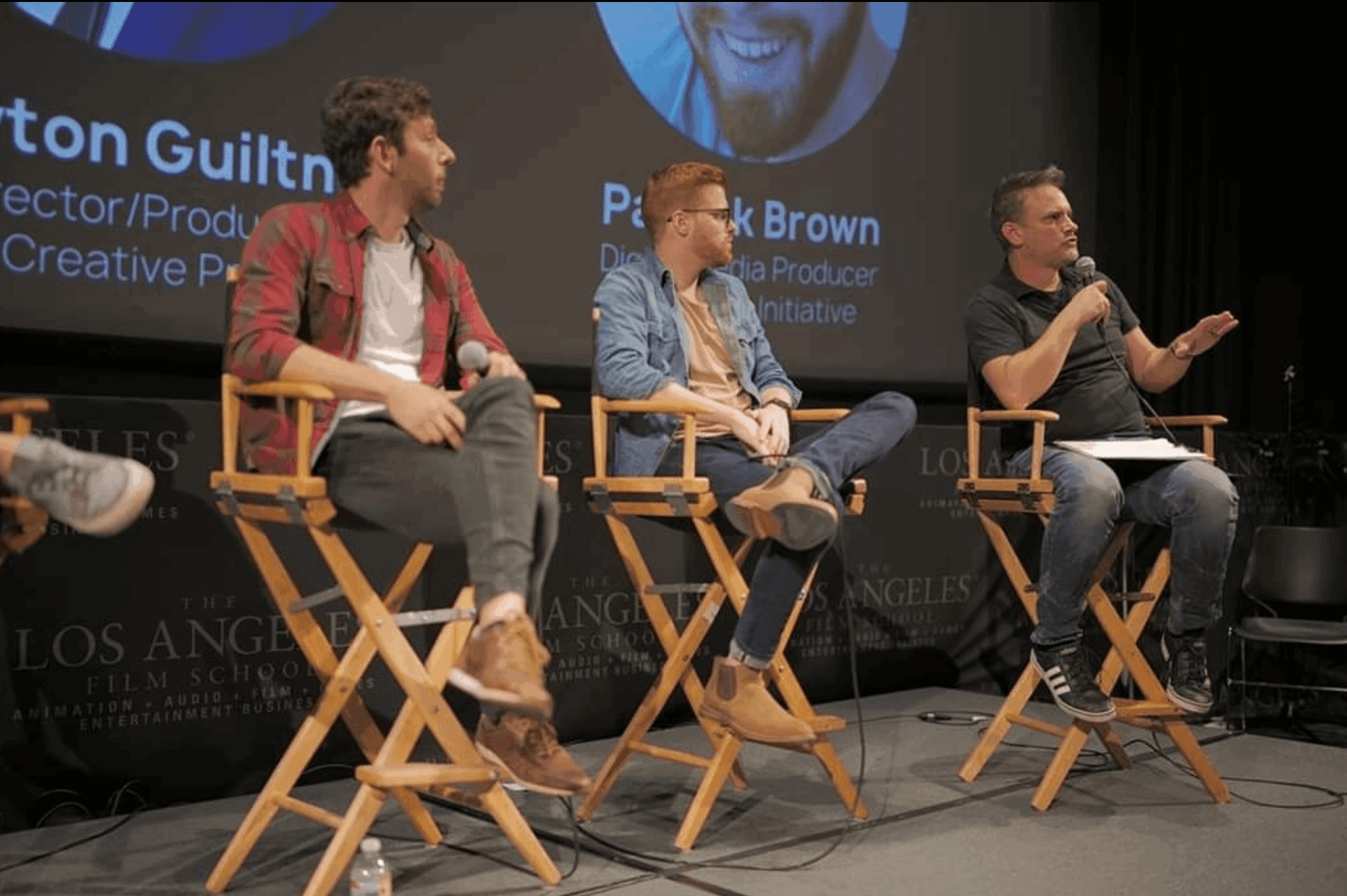

As always, we appreciate you sharing your insights and we’ve got a few more questions for you, but before we get to all of that can you take a minute to introduce yourself and give our readers some of your back background and context?
I’m a producer, director, and writer for stage, television, and film. My career began with a passion for storytelling and performance, which led me to pursue a formal education in the arts. With a Bachelor of Arts in Theatre, a Master of Arts in Business Leadership, and a Master of Fine Arts in Directing, I’ve always strived to bring a combination of creativity and professionalism to all of my work. I began my career as a classically trained actor, touring nationally with the Act One Drama Company, before transitioning into directing and producing, which has become my primary focus.
I am the founder of GC Films LLC, a Los Angeles-based production company. Over the years, I’ve had the privilege of developing and producing award-winning projects, including the films The Prevalence and Some Things Private, both of which have reached global audiences. My original TV series Finding Miles has been featured internationally, in countries like the U.S., U.K., Germany, and Japan. My most recent film “Hope’s Hollywood Christmas” is being released on Amazon this holiday season. I also have another film, Nexus Day, currently in production and two feature films in development.
What sets me apart is my versatility and experience across various mediums—whether it’s stage, television, or film. My background in both performance and leadership, coupled with hands-on experience in every aspect of production, from development to post-production, gives me a holistic view of the storytelling process. I’ve also had the opportunity to teach and mentor the next generation of artists as a college professor in courses such as performance, directing, writing, entertainment business, and leadership.
One of the things I’m most proud of is my work as a member of the Directors Unit at the renowned Actors Studio. It’s a place that has not only shaped me as a director but also allowed me to collaborate with some of the most talented actors and creators in the industry. Having been mentored by greats such as Martin Landau and Lou Antonio, I’ve learned that a disciplined approach combined with a deep passion for the art form can produce truly remarkable work.
My productions, from stage works like The Hairy Ape and The Mountaintop, to films like A Candle for My Mother (winner of the Cynopsis Short Form Video Award), and television projects such as Velvet’s House Party and Portrayals, reflect my dedication to creating meaningful and compelling stories. I aim to produce work that not only entertains but also resonates with audiences on a deeper level.
What I want potential clients, collaborators, and fans to know is that my work is always driven by a commitment to excellence and a deep love for the craft. Whether it’s helping a project come to life from script to screen or bringing a play to the stage, I approach every project with the same level of passion and care. At the heart of everything I do is the belief that storytelling has the power to connect people, spark conversations, and inspire change.
I’m excited to continue creating new and innovative projects, collaborating with talented individuals, and contributing to the industry in meaningful ways.
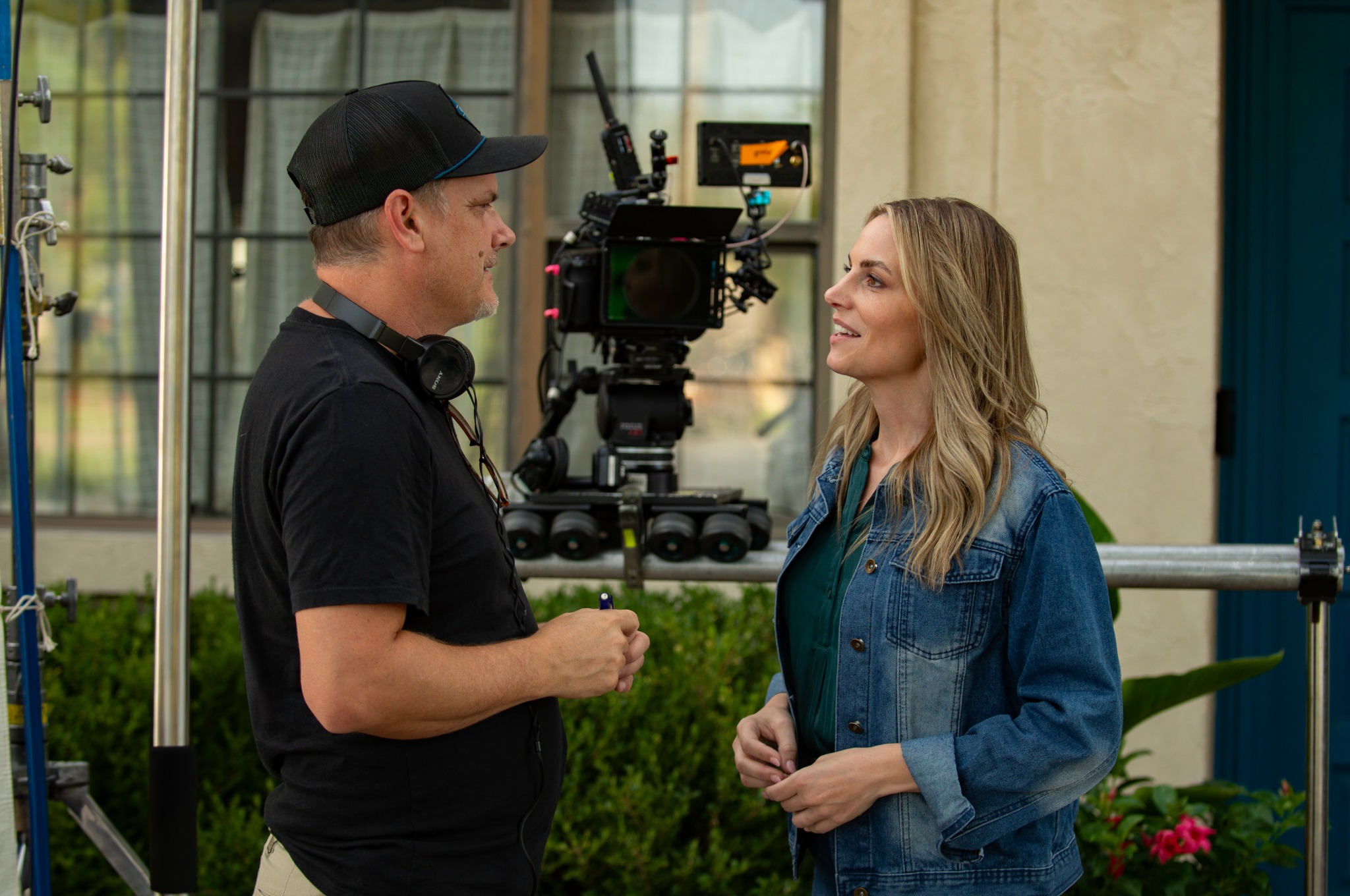
Is there something you think non-creatives will struggle to understand about your journey as a creative? Maybe you can provide some insight – you never know who might benefit from the enlightenment.
The biggest thing I think that non-creatives struggle to understand about my journey as a creative is that mastery takes time and an immense amount of sacrifice. The arts are a unique profession. For those of us who dedicate our lives to creative fields—whether it’s theatre, film, or music—there’s passion, sacrifice, and constant growth involved. But many don’t realize the depth of commitment it takes. This can lead to frustration when someone new to the field assumes they’re on the same level as a seasoned pro after just a few classes.
I like to think everyone has a creative side. Whether it’s the accountant planting flowers on the weekend, the manager streamlining work systems, or the teacher making lessons fun—creativity shows up in all kinds of ways. But there’s a big difference between someone who enjoys it as a hobby and someone who pursues it as a career. When creativity is your career, it comes with financial hardship, personal sacrifice, and years of training. It’s not just about passion—it’s about the grit to keep going when the challenges pile up.
When I celebrated 30 years in this profession, I realized just how much I’ve given—years of study, financial struggle, and even relationships. It’s frustrating when people who haven’t walked that path don’t see the difference between a hobbyist and someone who’s spent a lifetime perfecting their craft.
This isn’t about arrogance. It’s about recognizing that mastery takes time and sacrifice. Just as a first-year medical student isn’t on the same level as a seasoned doctor, the same applies in the arts. Behind every great film, play, or song are countless hours of learning, failure, and hard work.
So, to anyone new to the arts: stay humble, stay curious, and be ready for the long haul. The creative journey is full of rewards, but it requires dedication, patience, and a relentless pursuit of excellence.

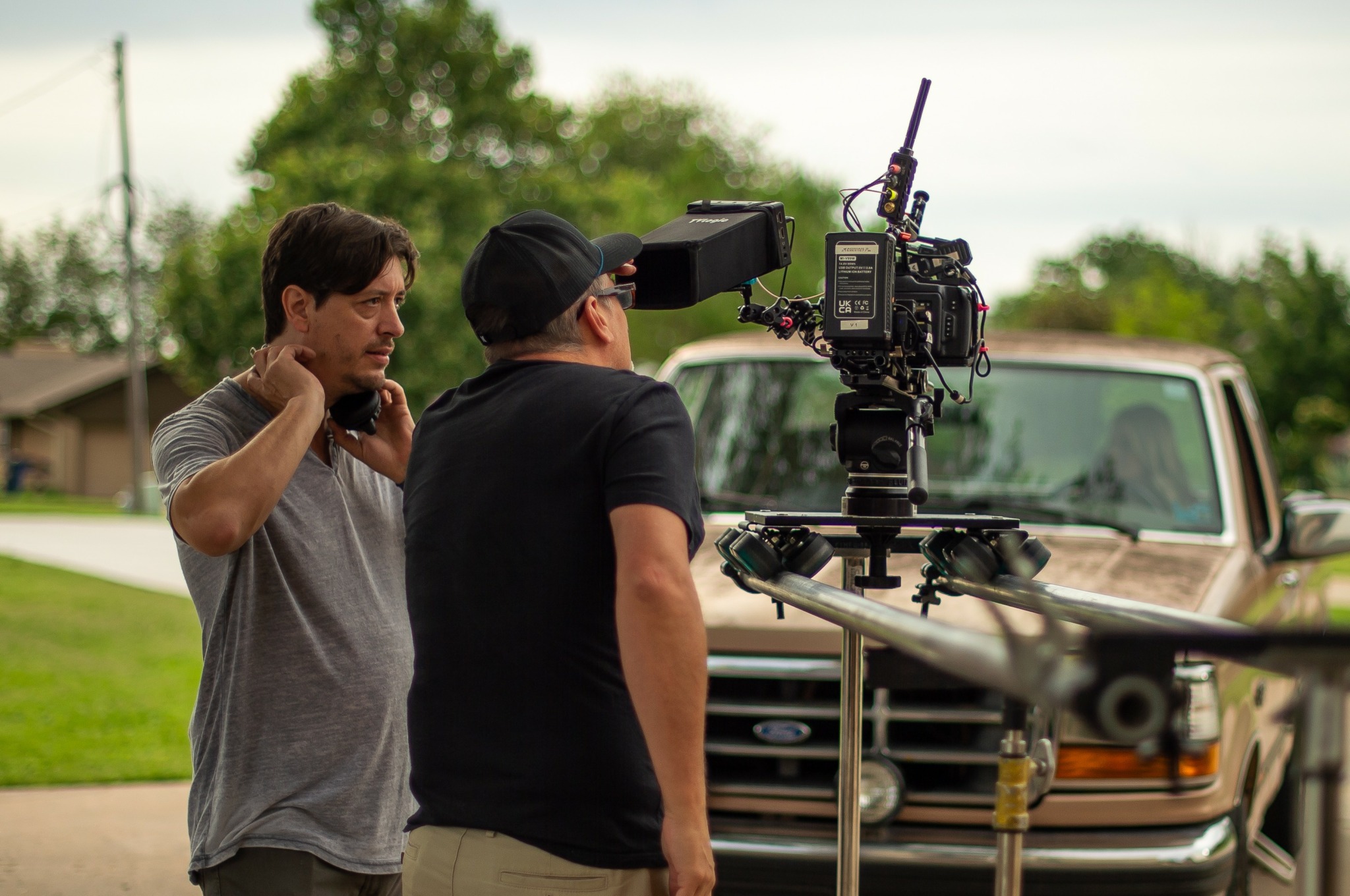
Are there any books, videos, essays or other resources that have significantly impacted your management and entrepreneurial thinking and philosophy?
There are three books that have been both fascinating and instrumental in my journey of producing creative work and building a business. The first is Artful Making by Robert Austin and Lee Devin. This book explores how those of us in the creative arts have been mastering what corporate leaders strive for: operating on a shoestring budget, unifying diverse teams to create innovative products, and overcoming obstacles under tight deadlines. The second is Good to Great by Jim Collins, a classic in business literature. While it’s primarily focused on corporations, its core principles about what elevates companies from good to great are incredibly relevant to any field. It sheds light on the barriers that hold us back from growth and innovation and highlights warning signs that, if addressed, can lead to success. Lastly, Leadership in Organizations by Gary Yukl has deeply influenced my leadership in producing and directing. The chapter on “sources of power” has been a lifelong study for me and something I apply every time I lead a project.
We live in an age of audiobooks, YouTube videos, and podcasts, all great tools for growth. However, I come from a generation where books were the primary source of knowledge, so I suppose I’m a bit old-school in that regard.
Contact Info:
- Website: https://www.guiltnercreative.com
- Instagram: claytonguiltner
- Linkedin: Clayton Guiltner
Image Credits
Haley Earls Photography