
We’re excited to introduce you to the always interesting and insightful Claire Smith. We hope you’ll enjoy our conversation with Claire below.
Claire, appreciate you joining us today. One thing we always find fascinating is how differently entrepreneurs think about revenue growth and cost reductions – both can be powerful ways to improve profitability. What do you spend more of your time and energy on?
Growing sales and cutting expenses are two different mindsets – one is expansive and filled with possibility of what could be if enough people say yes while the other is practical, cut and dry and can slip into a mode of scarcity. I find that both are necessary but at different stages. Tenera Grains has never spent wildly out of control and most people would say we don’t spend enough but the expenses have to reflect the actual cash coming in the door. A few years ago we ran out of money and had to take off whatever rose colored glasses we were looking at the business through. We had to let go of a distributor who accounted for 30% of our revenue but wasn’t profitable. We let go of our broker who wasn’t bringing in enough sales. We shut down production and moved manufacturing partners because the cost was too high and because of that, we were out of inventory for months and not making any sales. That phase of cutting costs and getting to even more bare bones than before meant we were actually cutting customers who weren’t profitable and were miserable to work with.
Once costs were under control and we moved into profitability for the first time, we started looking at growth. What channels have the best profit margin? What does it take to get more of those customers? We ended up adding consulting because of the experience I have in the industry and now it’s projected to bring in more than our products which have been in market for 7 years. Growing revenue is important but the economics have to make sense at a small scale before you grow.
And for the love please include a living wage (!!!) for yourself in your costs.
Great, appreciate you sharing that with us. Before we ask you to share more of your insights, can you take a moment to introduce yourself and how you got to where you are today to our readers.
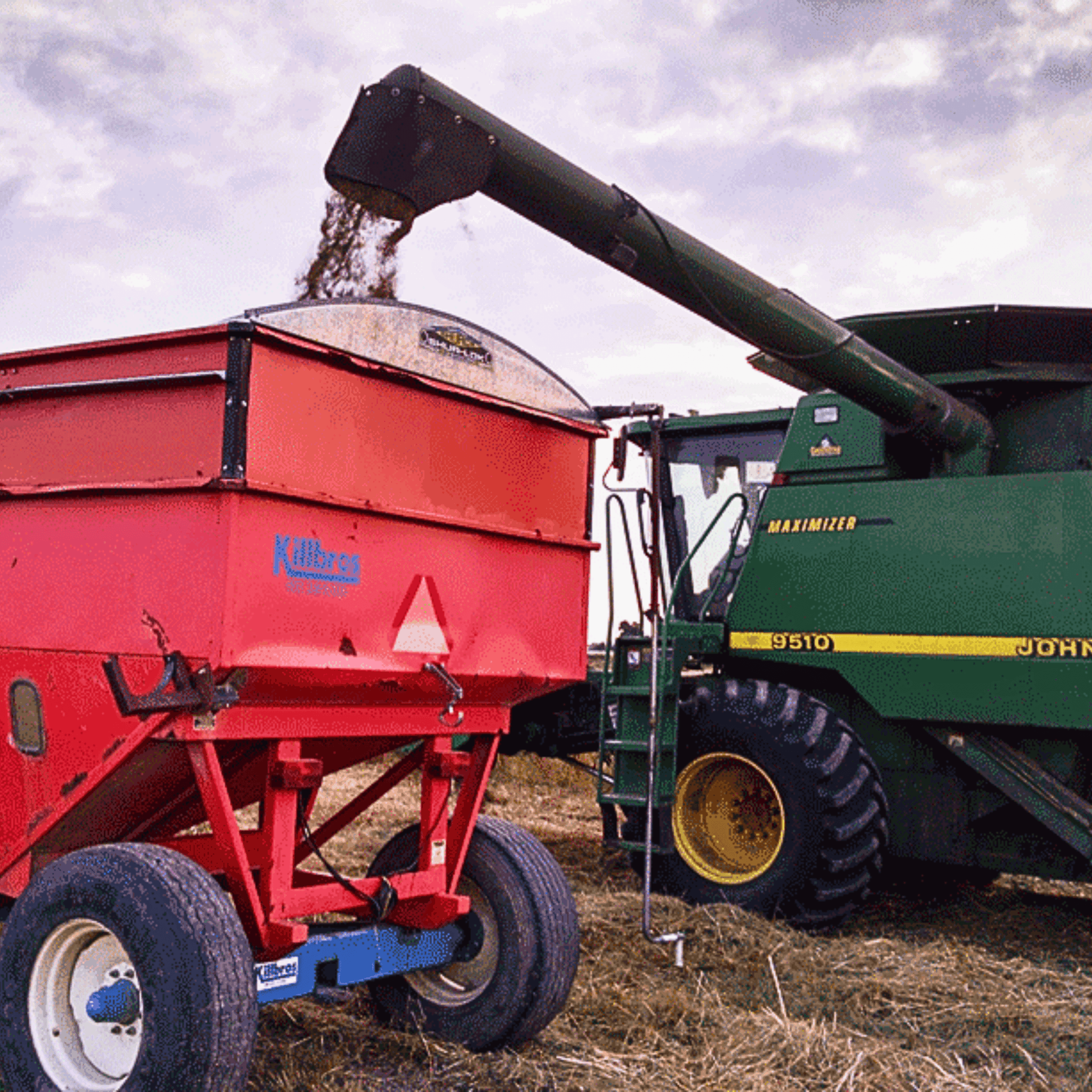
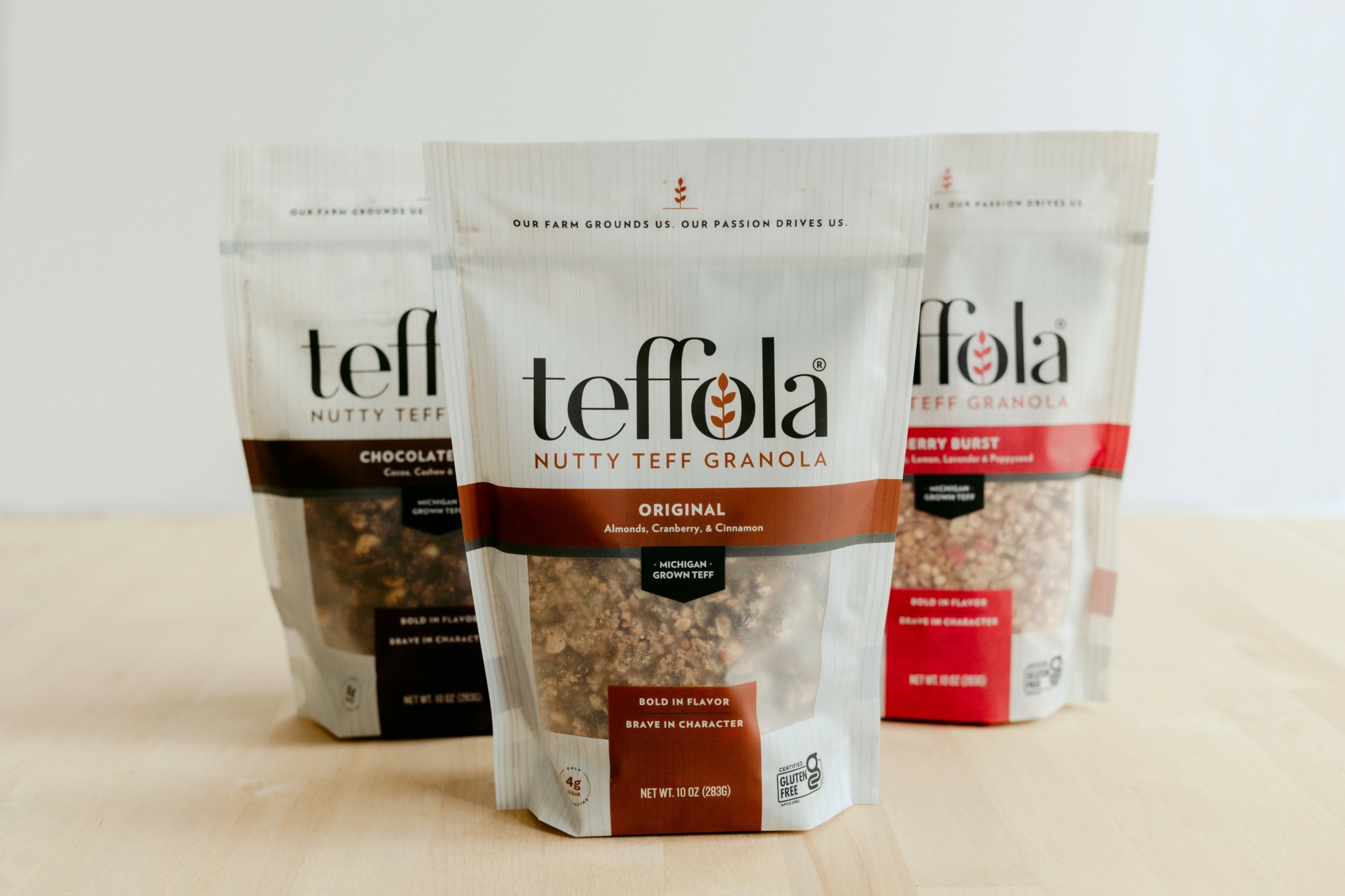
I’m the founder, owner, operator of Tenera Grains! We started the company when my dad started growing teff, an ancient grain originating in Ethiopia, and buckwheat as an alternative to corn and soy. Teff and buckwheat are nutrient dense, gluten free and super flavorful grains that haven’t been genetically modified. We planted 33 acres of teff the first year and even though it spontaneously rained during our first harvest, we managed to figure out how to get it harvested, cleaned and milled into flour. After selling the teff flour on Amazon for over a year, I wanted to introduce the grain to more people in a familiar way so I came up with a teff granola or Teffola! The first bag of Teffola sold was on Etsy then I grew to farmers markets, local markets, an online store and more.
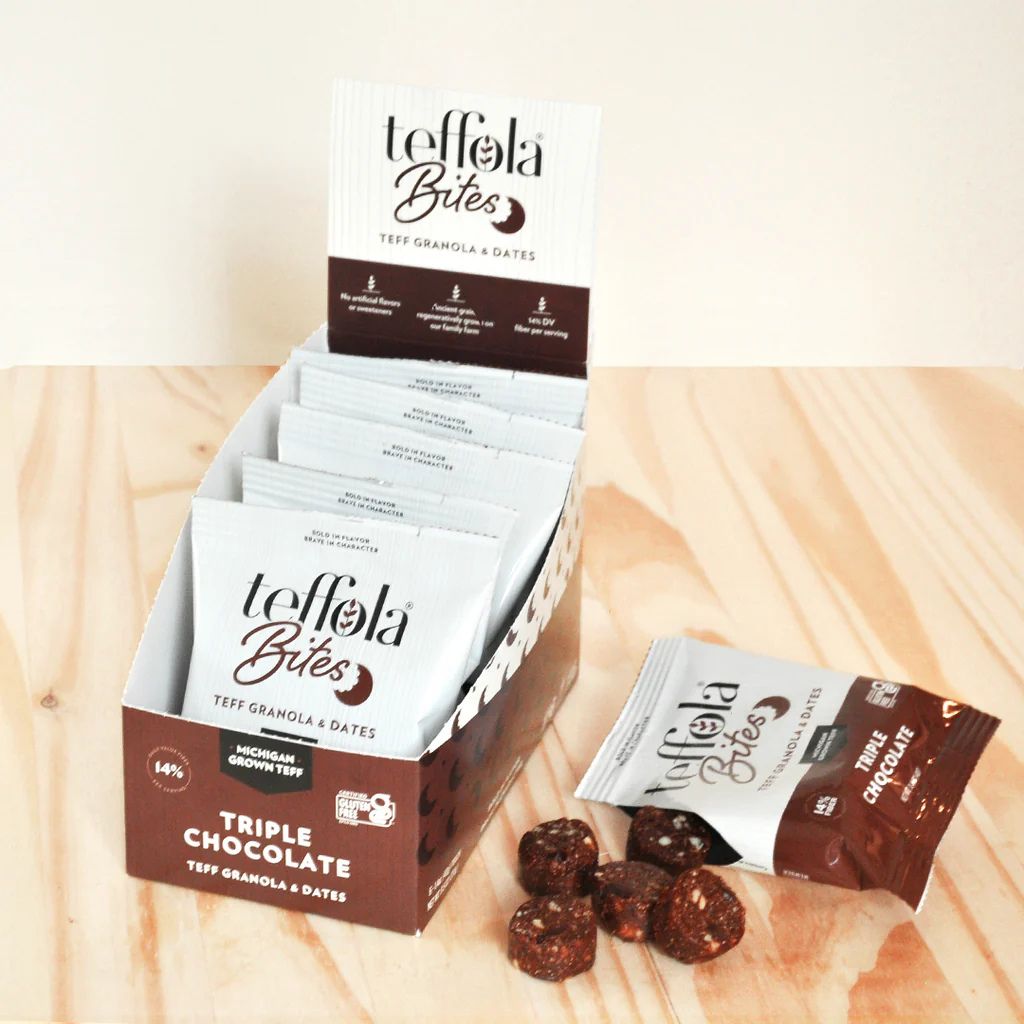
We sold one flavor of Teffola for more than 3 years before introducing more flavors. Eventually we added Teffola Bites, Teffola mixed with dates and cut into bite sized snacks, when customers were asking for Teffola on the go.
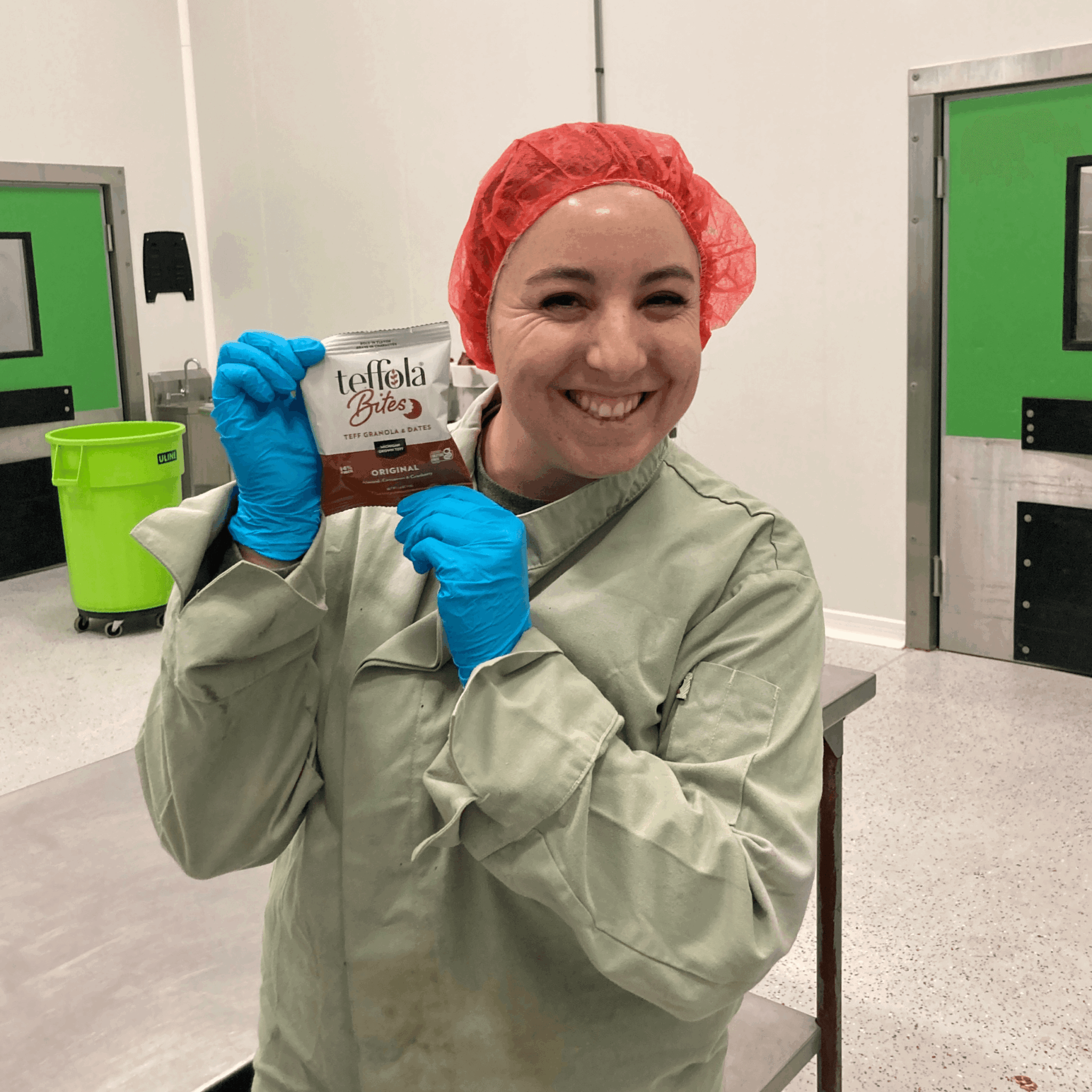
We’ve been around 7 years so there have been a few diffferent phases of the company. Right now the product side of the business is still pretty small (see previous thoughts on growth vs cutting costs!) but we’re profitable and that’s a more stable place to grow from. I started consulting with farmers and processors who are interested in diversifying their revenue channels. What’s unique about my perspective is that I understand the farmer, processor, and manufacturer and retailer point of view so I speak the languages of all four (yes they are different). My clients appreciate my energy and out of the box thinking. If I hear something on a podcast thats interesting, I’m cold calling or cold emailing the host looking for an introduction.
I’m most proud that we’re still here operating an elevated food brand through a pandemic, running out of money (many times) and so many hard days. I also want to add that while I have an incredible support system, I am not married and that has it’s own unique challenges. I always wanted to read more stories with founders that were at a similar life stage to me and couldn’t find them.
Learning and unlearning are both critical parts of growth – can you share a story of a time when you had to unlearn a lesson?
A story I told myself and something I think a lot of people believe is that we’re not doing enough to make our businesses successful. I didn’t know this was something I believed all the way to my core until I left social media. I didn’t delete anything because the business still needed access but I stopped checking personal and professional accounts cold turkey.
Turns out that being shown other people’s highlight reels day in and out isn’t great for mental health. I slowly started to rebuild confidence in what I was doing instead of constantly comparing where I was to my peers. The root system of negative beliefs about myself was so deep that the longer I’ve been away from socials, the more impact I see.
Can you share a story from your journey that illustrates your resilience?
I raised a friends & family round at the beginning of the pandemic and then a year or so later decided to try raising a Seed round. For those who aren’t in the fundraising world, that usually means you’re talking with wealthy individuals or funds that write checks under $100,000. It was incredibly hard work and more rejection than I’ve ever faced. I was talked down to, given conflicting advice constantly and told over and over again (by older men who never raised money but invest for a living) that they’ve been in my (young female in 2022 running a food business) shoes.
I pitched on the podcast The Pitch which is like Shark Tank but podcast version. It was so much fun and they all said no. I was ghosted by people who said they’d invest and were on my list of advisors. The worst was a fund who led me on for months only to tell me at the 11th hour that I needed 6 months of runway (that means 6 months of expenses) in the bank and the fund they would be investing from didn’t actually have any money. She told me “you’re out of money. what are you going to do?”. That was the worst meeting.
Through it all, my mental health just got worse and worse. After every meeting or call, I felt like garbage. I knew I wasn’t doing everything perfectly so I used that to justify how I was being treated. As most stories go, there came a point where I couldn’t keep going. So I stopped fundraising. I let go of our broker who helped us with sales. I fired our distributor and left our manufacturing partner for another much smaller one. We were out of inventory for months so orders weren’t going out. I swallowed my pride and got a second job working with a farmer and it turned out to be one of the best decisions I made.
Because I was forced to stop everything, we added consulting services to our company which now account for more than half of our revenue. Because I added consulting, I’ve realized how much I love doing this kind of work. Because I want to spend more time in consulting, I seek the most efficient and effective sales channels for Teffola. Because I find more streamlined revenue, my costs are low and profit margins are high.
I look at my path and am really proud that I’ve chosen the anti fragile path. To be fragile is when you’re like glass and you break with a stressful event. A resilient response is like a rubber band, you’re stretched and it’s uncomfortable but you go back to where you were before. To be anti-fragile, you have to be a muscle. You’re broken down but then you come back stronger.
Contact Info:
- Website: https://www.eatteffola.com
- Instagram: https://www.instagram.com/eatteffola
- Linkedin: https://www.linkedin.com/in/claire-smith-64a8804b/