



We’re excited to introduce you to the always interesting and insightful Claire Marie Lim. We hope you’ll enjoy our conversation with Claire below.
Hi Claire, thanks for joining us today. How did you learn to do what you do? Knowing what you know now, what could you have done to speed up your learning process? What skills do you think were most essential? What obstacles stood in the way of learning more?
My journey into music technology — and music at large — began with a thirst for exploring new creative fields. Though no one in my family was a professional musician, I grew up surrounded by music: jazz, pop, rock, classical, and more, thanks to both sides of my family. As a teenager, I started listening to contemporary pop, punk, Korean pop, and experimental electronic music on my own. My passion for new sounds kept me exploring different styles and fed my hunger for unique sonic textures.
Still, I didn’t know being a “music technologist” could be a real job until much later. After studying at the National University of Singapore, I attended Berklee College of Music, where I dove into electronic and dance music, which many of my friends were into. Artists like Disclosure and TOKiMONSTA inspired me to go deeper into live electronic performance. Thanks to some amazing professors, I eventually developed skills in production, engineering, composition, performance, sound design, and ethnomusicology.
Looking back, I could have learned faster by being less afraid of not knowing and more willing to ask questions. Early on, I felt pressure to prove myself, especially as a woman of color in male-dominated spaces. I worried that asking too much would make me seem less capable. I’ve since learned that asking thoughtful questions, especially after doing my homework and due diligence, is key to growth. As an educator now, I encourage students to embrace that mindset: to be unafraid of uncertainty and to see vulnerability as part of the creative process.
I think the most essential skills I’ve developed are resourcefulness, collaboration, and tech fluency, all of which I heavily use in my work today. Just as important is the ability to self-direct — to identify gaps and seek out knowledge. That mindset has carried me through building my artist project dolltr!ck, launching shows for other artists, and stepping into education with the smol prof.
One of the biggest obstacles I faced was access — not just to equipment, but to mentorship and representation. When I first entered music tech, I rarely saw people who looked like me, which made it harder to feel like I belonged. I often had to figure things out alone before building meaningful connections. This is why community and education are central to my work now. Through teaching and performing, I try to create inclusive spaces where emerging creatives can build confidence and see themselves reflected in the industry.
Claire, before we move on to more of these sorts of questions, can you take some time to bring our readers up to speed on you and what you do?
I’m Claire Marie Lim — a music technologist, electronic musician, educator, and creative consultant. My professional activities include serving as a designer and playback engineer for live shows, producing and writing for other artists, creating sounds for music programs, and collaborating with music companies to test and develop hardware and software products. I also work under two identities: dolltr!ck as an artist, and the smol prof as an educator. Originally from Singapore, I’m now based in the United States, working at the intersection of music, creative technologies, and education.
I never planned on working in electronic music when I was younger, but after training in classical piano and flute as a child, I became fascinated by production, sound design, and live performance design. My endeavors have led me to collaborate with international award-winning artists and groups such as Nona Hendryx (Labelle), Alphabet Rockers, Lizzo, Dua Lipa, Wang Leehom, and Cirque du Soleil. I’m also a certified trainer and professional with Ableton, Bitwig, Apple, Roland, and other organizations.
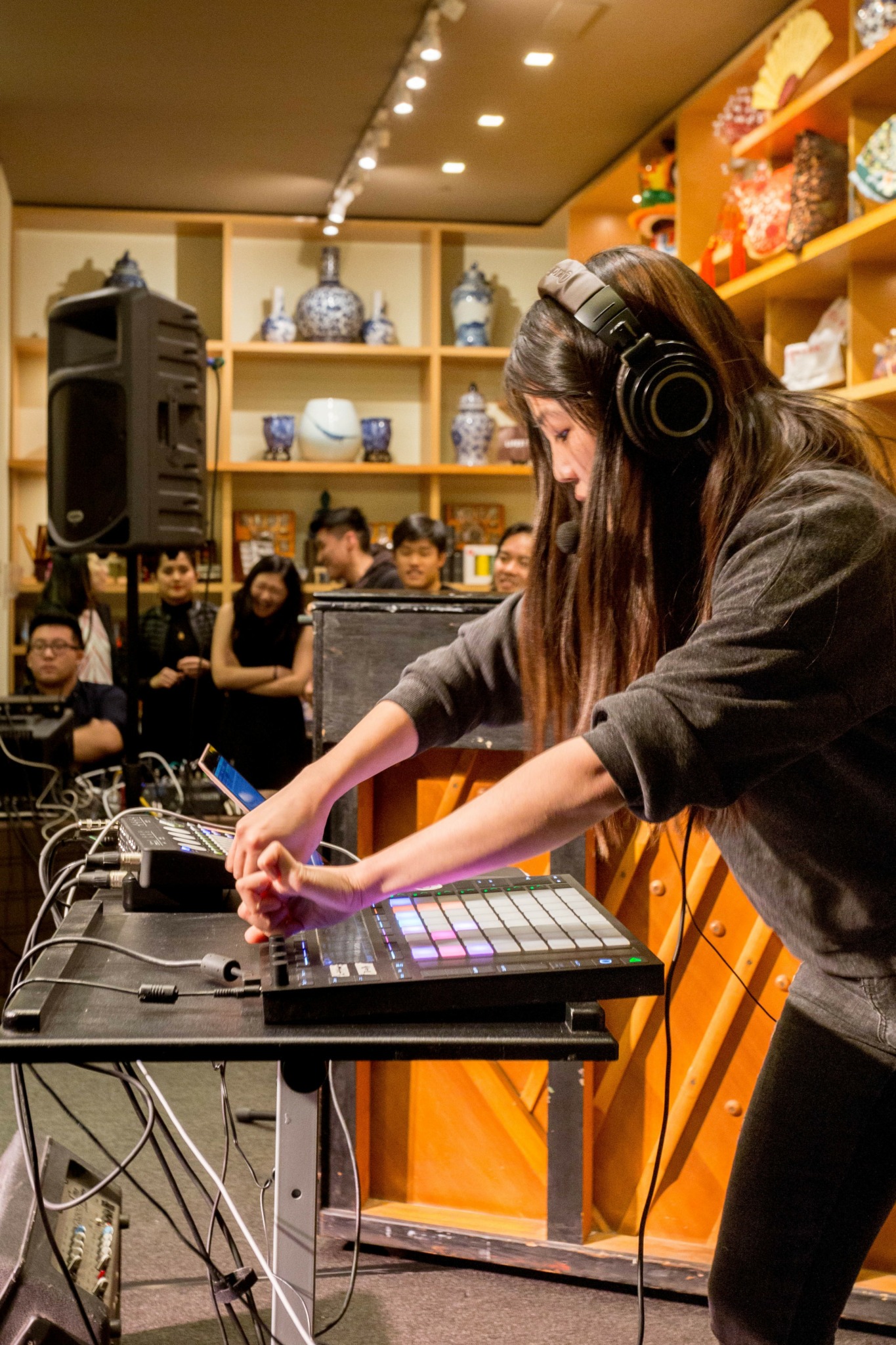
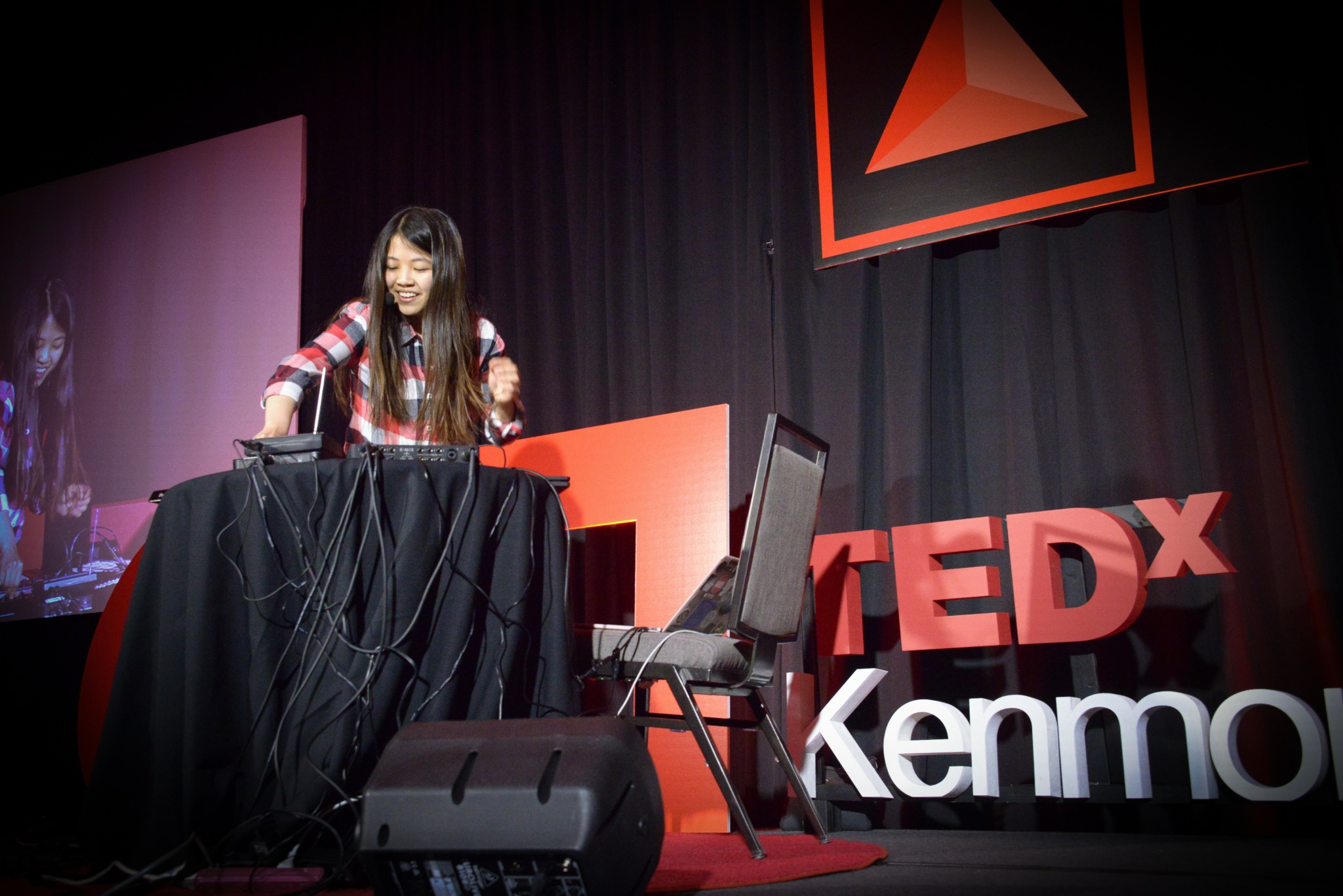
As dolltr!ck, I create original electronic music and content, including live performance videos and production tutorials, and I specialize in live sets that feature vocals and controllerism. As the smol prof, I teach a variety of music technology topics in both K–12 and higher education settings, including at Berklee (Boston and NYC), the City University of New York, and Harvard, mentoring students at all levels.
Whether on stage, in the studio, or in the classroom, my goal is to offer an inclusive, approachable path into electronic music. I help others build live rigs, release music, and engage creatively with technology, and I’m passionate about building spaces where underrepresented voices feel seen, heard, and supported. At the core of everything I do is a belief that electronic music can be empowering, joyful, and community-driven.

Is there something you think non-creatives will struggle to understand about your journey as a creative? Maybe you can provide some insight – you never know who might benefit from the enlightenment.
One thing many non-creatives I’ve met struggle to understand is how much unseen labor goes into sustaining a creative career, especially one like mine that spans both the artistic and technical sides of music. From the outside, people might see the performances, videos, or teaching moments and think, “That looks fun!” And it is, of course, but it’s also layered with constant research, learning, planning, emotional investment, and often a lot of intense hustling.
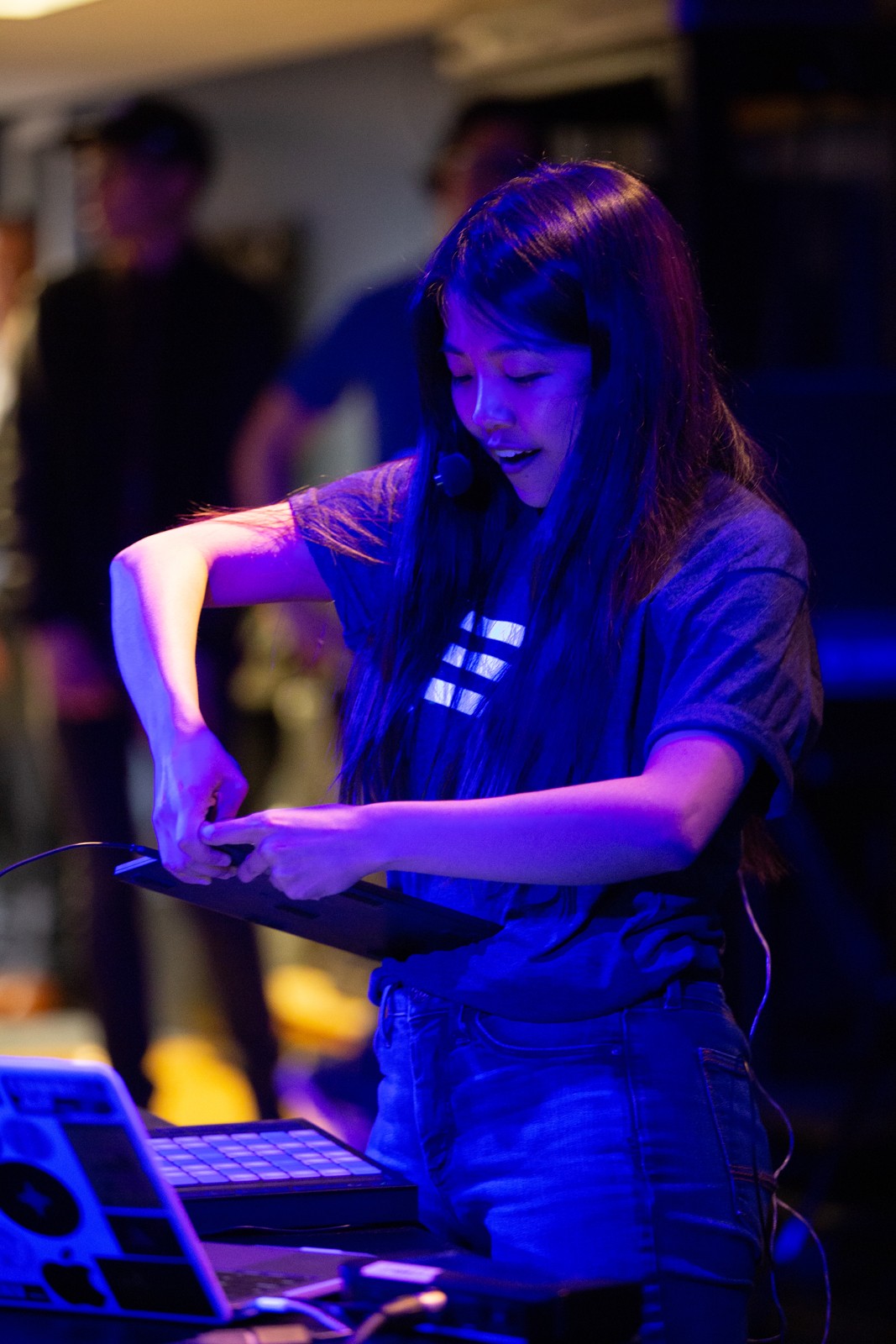
For example, when I design a new dolltr!ck live set, it’s not just about pressing buttons or tweaking sounds however I want during a live performance. It involves hours of trial and error, adapting systems for different use cases, solving problems with gear compatibility, and often navigating imposter syndrome as an artist. It can be a huge challenge to make everything look enjoyable and effortless on stage.
There is also a myth that creativity “just happens,” but in my experience, having a creative practice is deeply intentional. Many non-creatives have asked me about the so-called magic of making music, but I don’t wait for inspiration to strike at random. Though I’m sometimes lucky when an idea comes easily, more often I show up regularly to iterate, reflect, and refine my work. What many don’t see is that creative work is strategic and rigorous in this way — it’s precisely because of that process that I find it so rewarding.

Is there a particular goal or mission driving your creative journey?
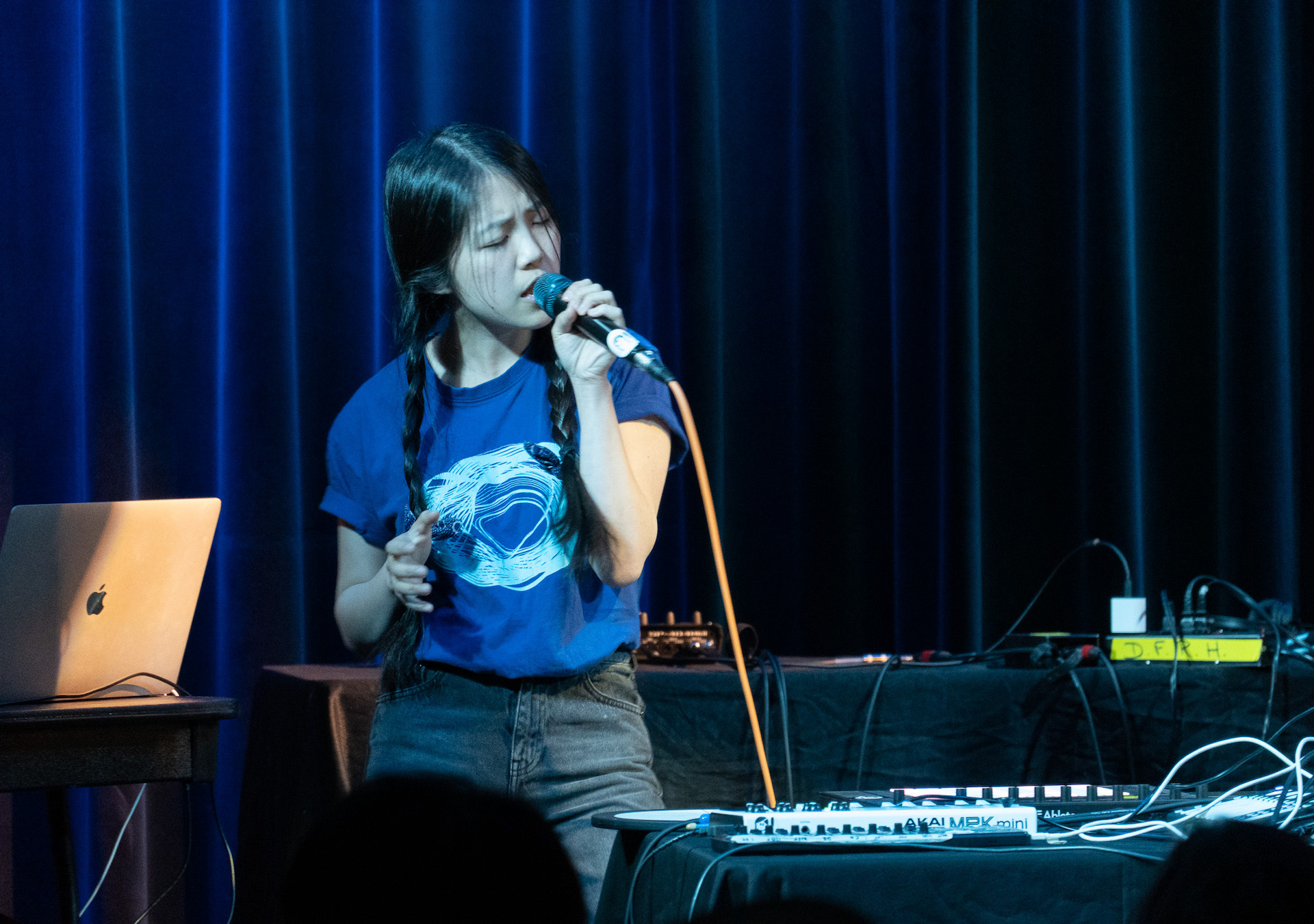
A central mission driving my creative journey is to create meaningful, inclusive spaces where underrepresented voices — especially women and Asian-identifying youth — can feel empowered and seen. This commitment is deeply embodied in my project “Colors of Us”, which I began developing through the Queens Council on the Arts’ Artist Commissioning Program a few years ago, and which I continue to evolve through new iterations today.
“Colors of Us” was designed to fill cultural gaps within the Queens community by connecting with and uplifting female-identifying youth of Asian descent through electronic-based music creation. The project blends sonic storytelling with community engagement, aiming to inspire confidence, celebrate identity, and open new pathways for creative expression.
More broadly, my creative goal is to leverage music technology and education as tools for empowerment. I want to help individuals from diverse backgrounds not only access creative skills, but also find their unique voices in spaces that haven’t always reflected them. Whether through my music as dolltr!ck, my teaching as the smol prof, or collaborative projects like “Colors of Us”, I strive to use my resources to build bridges between art, culture, and community.
Contact Info:
- Website: clairemarielim.com, dolltrick.com, thesmolprof.com
- Instagram: @dolltrick, @thesmolprof
- Facebook: facebook.com/dolltrick, facebook.com/thesmolprof
- Twitter: @dolltrick, @thesmolprof
- Youtube: @dolltrick, @thesmolprof
- Soundcloud: soundcloud.com/dolltrick, soundcloud.com/thesmolprof
- Other: Bandcamp: dolltrick.bandcamp.com
Linktree: linktree.com/dolltrick
Spotify: https://open.spotify.com/artist/1aqhiunipMdTly6kvb6w8p
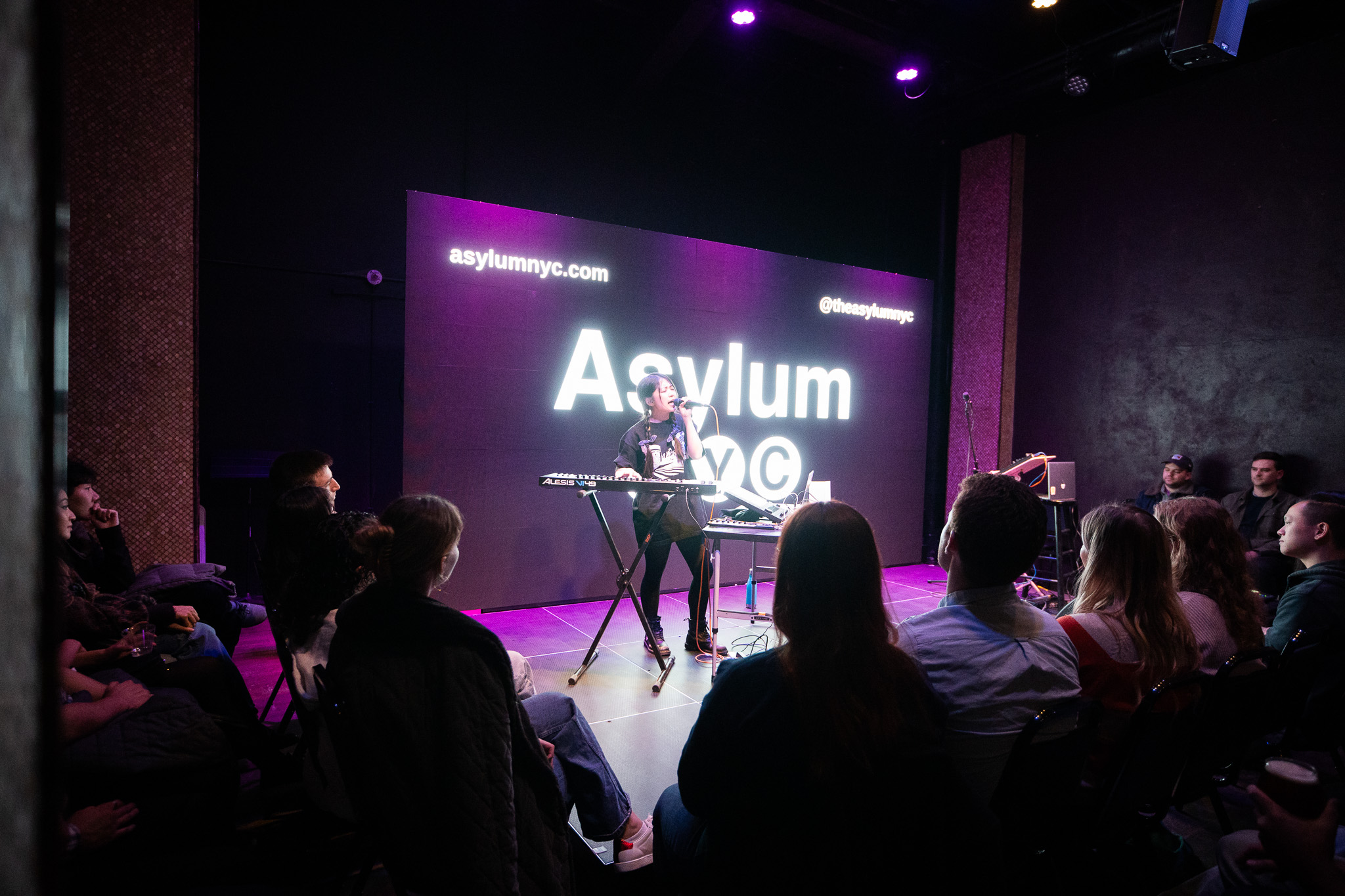
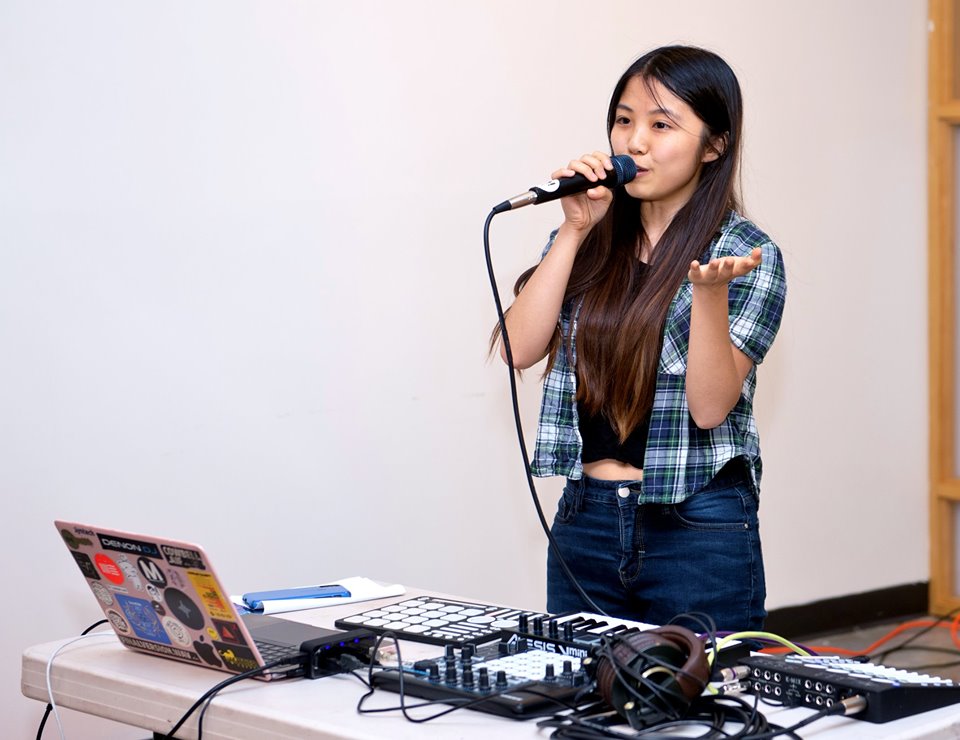
Image Credits
Jesse Nebres
Ariff Danial
Karen Elliott Greisdorf
Photo Excellence_718-670-3256
Mike Spencer