

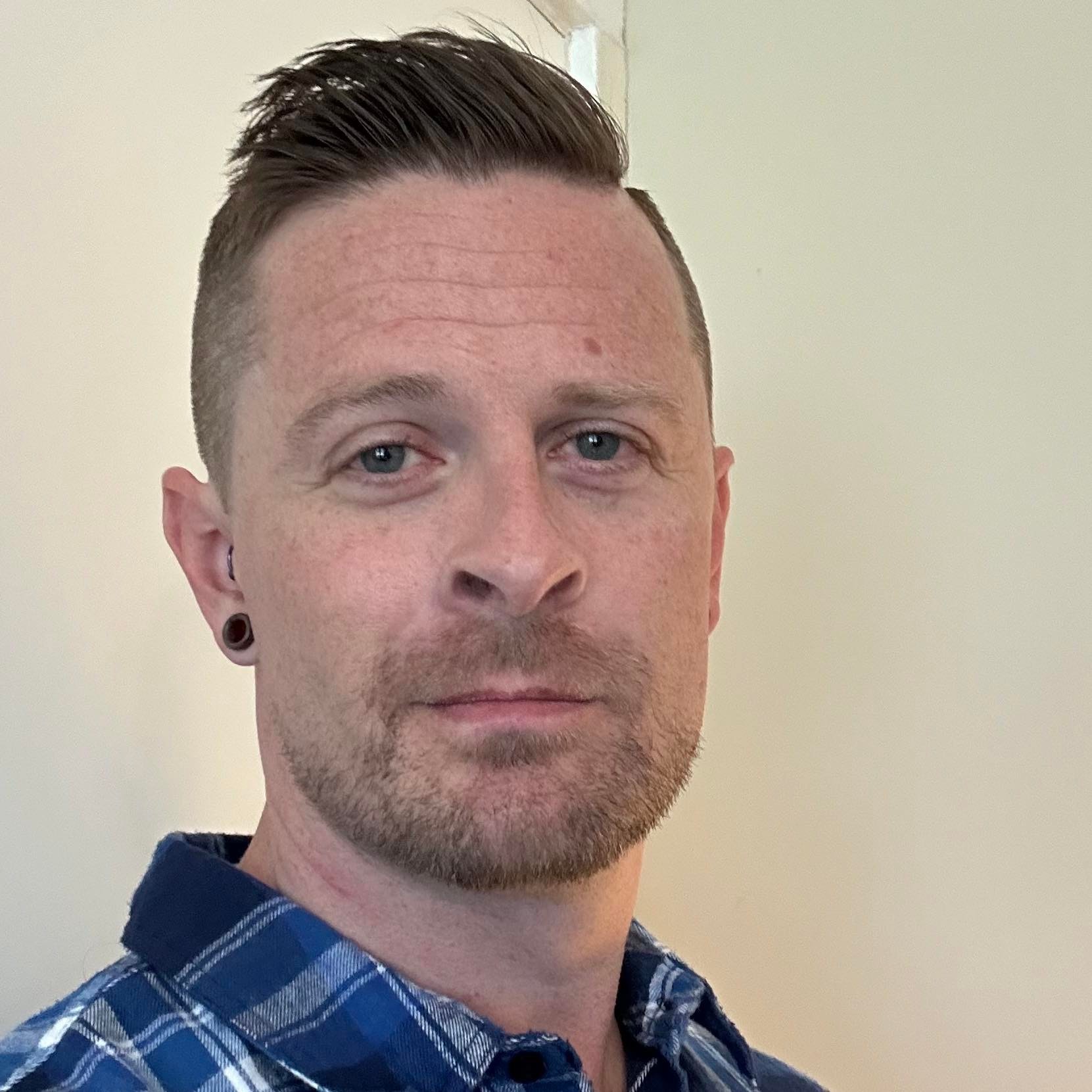

We’re excited to introduce you to the always interesting and insightful Ciahnan Darrell. We hope you’ll enjoy our conversation with Ciahnan below.
Alright, Ciahnan thanks for taking the time to share your stories and insights with us today. Let’s start with the decision of whether to donate a percentage of sales to an organization or cause – we’d love to hear the backstory of how you thought through this.
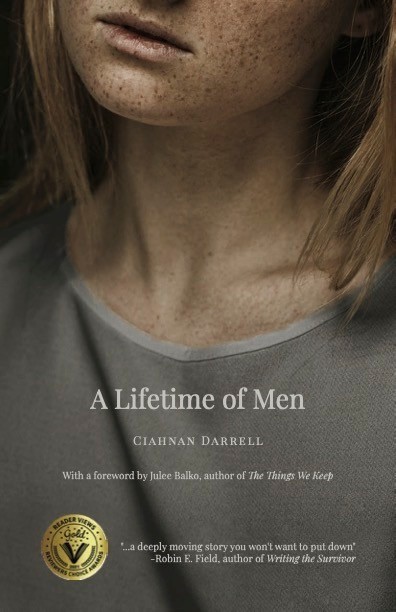
I chose to donate a percentage of the sales of my first novel, A Lifetime of Men, to Girls Inc., an organization dedicated to providing advocacy, education, mentorship, and training to young girls. Given the pervasive inequality that conditions women’s experience in all areas of society, Girls Inc.’s commitment to creating a pro-girl environment that implements through programs designed to prepare girls for independent life is a necessary and exceptional corrective to present injustice.
Girls Inc. provides advocacy that “focuses on the needs of girls from low-income communities and girls facing challenges such as those based on sex, race, religion, ethnicity, immigration status, disability, socioeconomic status, sexual orientation, and gender identity.” Areas of emphasis within this focus include National Policy and Advocacy Platform, Sexual Health, Safety, and Autonomy, Equitable Access to Education, Voting Rights and Civic Education, and Mental Health and Wellbeing.
Girls Inc. is committed to respecting the dignity of each human being; recognizing and supporting the strength in every girl; and appreciating, embracing, and advancing diversity through efforts anchored in accountability and brought about by collaborative action. Such values are indispensable to any effort to achieve a more just and equitable world.
A portion of the proceeds from my second novel, Blood at the Root, is earmarked for Creative Changemakers,* an educational program under the umbrella of Creative Visions. Creative Visions is inspired by the life of Dan Eldon, a 22-year-old Reuters photojournalist who was killed in Somalia in 1993. After his death, his mother and sister, Kathy and Amy Eldon, discovered 20 journals bursting with collages, reflecting his adventurous spirit and his life as a creative activist. Determined to capture Dan’s life as an artist, adventurer, and activist, Kathy and Amy launched Creative Visions in 1998 to support other creative activists.
In the spirit of Dan Eldon, Creative Changemakers empowers youth to use their voices, innate talents, and the power of media to become changemakers in their communities and the world through curriculum designed to inspire global citizenship while helping students develop 21st century skills. Their lesson plans blend education on human rights and the United Nations Sustainable Development Goals with arts, media, and storytelling to create a transformative learning experience, encouraging both educators and youth to take creative action around the issues of our time.
*Previously known as Rock Your World
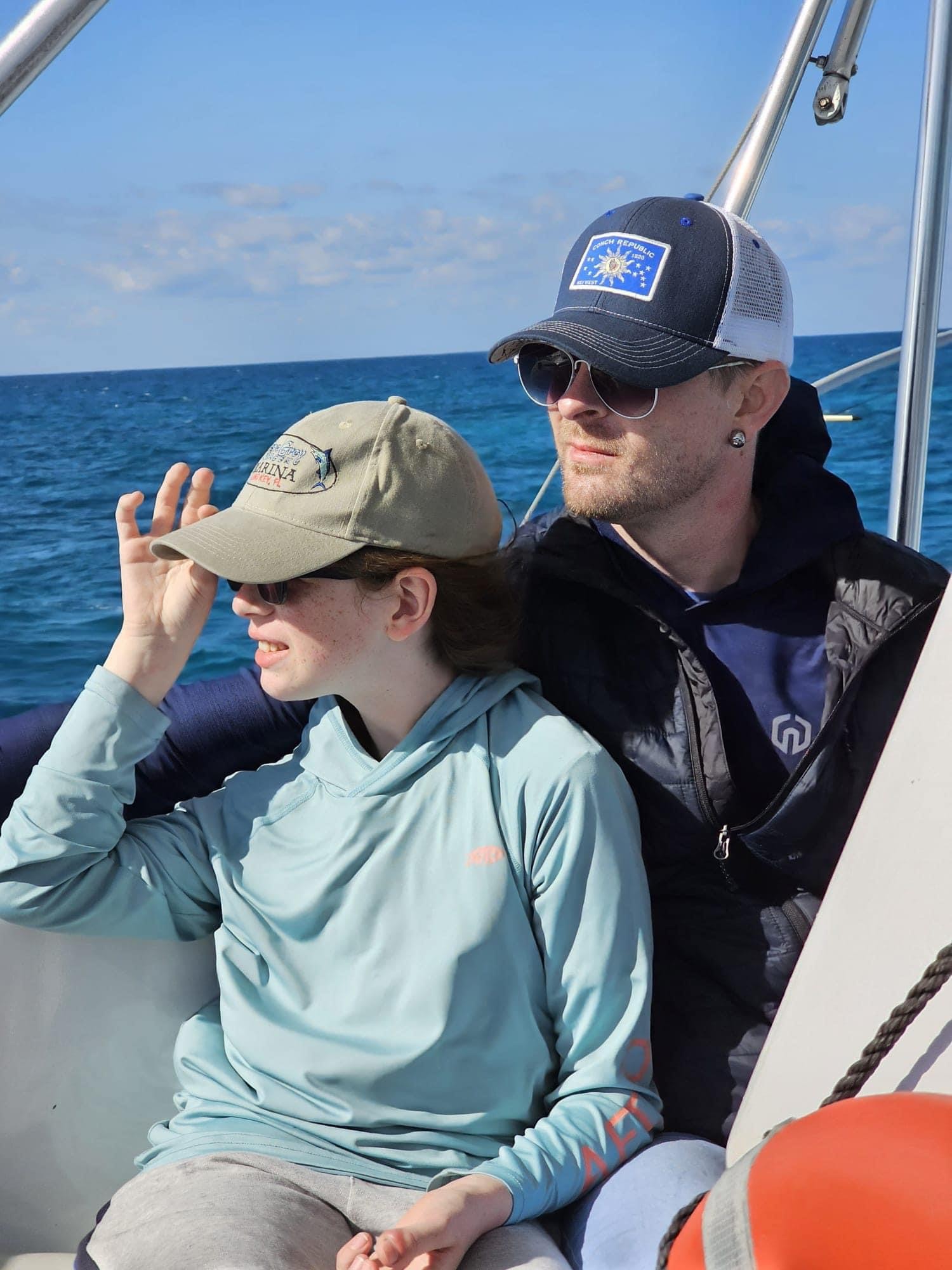
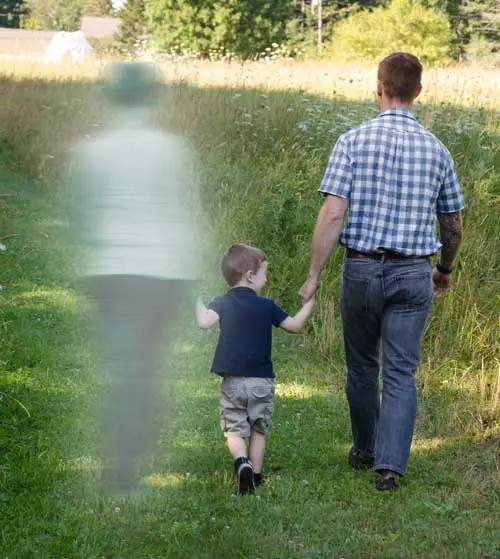
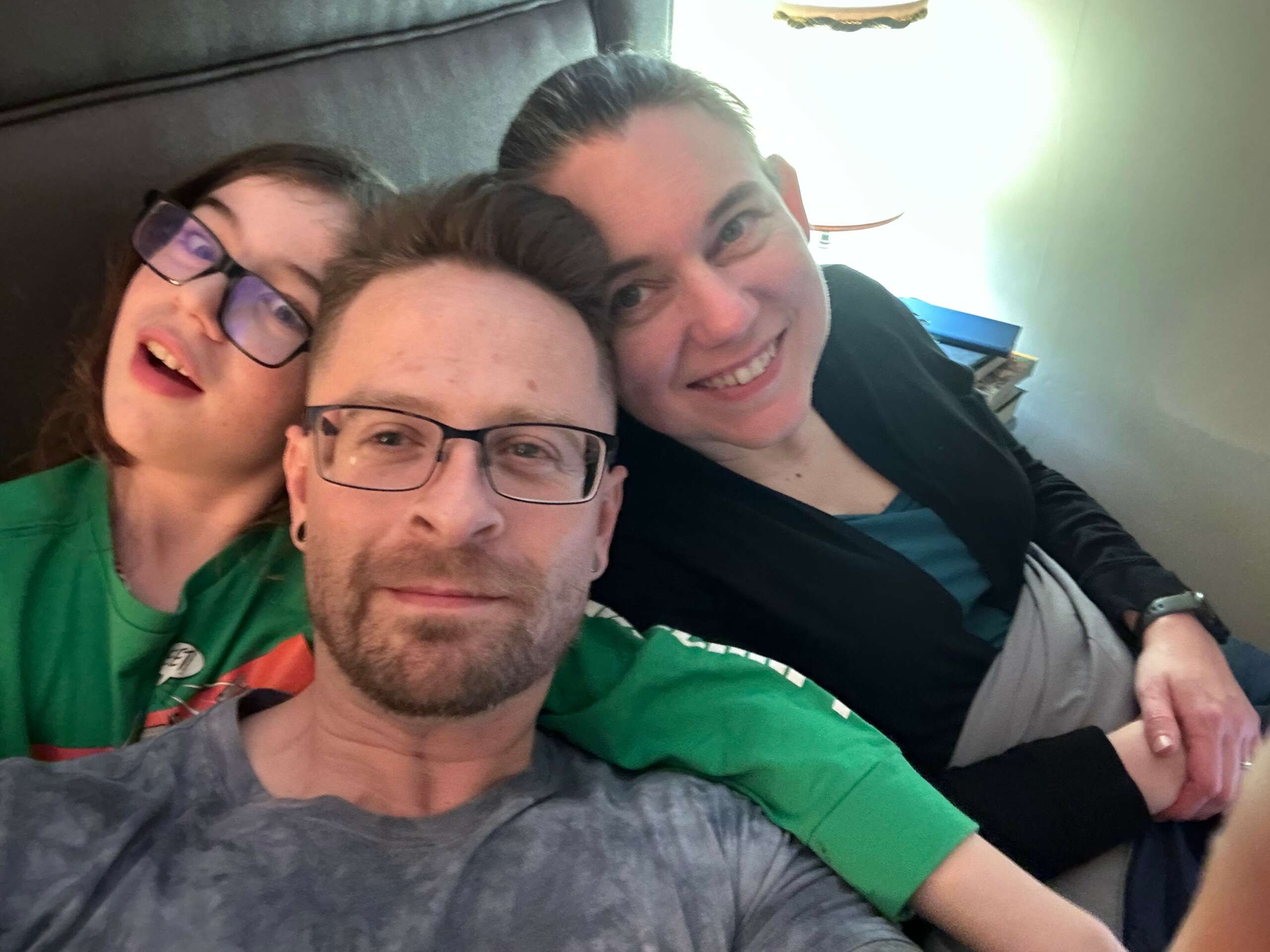
Awesome – so before we get into the rest of our questions, can you briefly introduce yourself to our readers.
My parents saw to it that I grew up steeped in literature. One of my earliest memories is of my mother reading to me from Leaves of Grass, and I have equally fond remembrances of my father reading to me from Homer’s Odyssey and other mythology, so while I was never told to write, I took to doing so early in life, and have used fiction and poetry to feel my way through the world ever since. People at once captivate and baffle me, and writing allows me to turn an eye toward their machinations and attempt to understand something of what I observe, a habit accentuated by my graduate studies at the University of Chicago, Stony Brook University, and the University at Buffalo, where I learned to hone my novelist’s eyes according to the disciplines of philosophy and critical theory and their insights into the structural realities that condition human life.
Iris Murdoch writes, “Love is the perception of individuals. Love is the extremely difficult realization that something other than oneself is real.” Grounded in love, I believe that literature can illuminate truth which edifies and instructs individuals in their effort to live well and justly, and I am deeply committed to that process. which is to say that I write fiction which aims to draw the reader into a deeper consideration of the world in which she lives and moves in the hopes that it will trigger a visceral recognition of the patterns and forces that shape reality as she knows it.
Story makes this possible. A novel, as I see it, constitutes an author’s disciplined, long-form attention to her characters and the connections that locate them within the abiding world, rendered in an aesthetic narrative form that raises images in which readers might recognize themselves. Succinctly, engaging literature is an exercise in picturing and understanding human situations.
Both of my novels exhibit a concern for those marginalized within society, an interest born of my own inclinations and sharpened in the course of my graduate studies. A Lifetime of Men focuses primarily on three women who refuse to abide by the dictums of a patriarchal society: Bo, an investigative reporter working in the Depression era; Pan, an orphan; and Tolan, a high schooler exploring her sexuality. Similarly, Blood at the Root tracks the torsions of race and class that shape American society refracted through the lens of a performance artist who offers himself as a sacrifice of atonement for America’s racial sins. I am at pains in both books to render living, breathing characters and images of the society that shapes them in an attempt to gain insight into the conditions of different modes of being. In Lifetime I ask what it means to be a woman living in a male-dominated world, while in Blood I pursue an understanding of race, how it works, who it affects, and the ways in which it produces certain structural relations and violence.
Ultimately, my writing is anchored in the conviction that, as James Wood writes, “Literature makes us better noticers of life; we get to practice on life itself; which in turn makes us better readers of detail in literature; which in turn makes us better readers of life.” I write in the hopes that the images I raise might edify my reader by allowing her to come to a deeper recognition of the truths of the world in which she lives and moves.


We’d love to hear a story of resilience from your journey.
For most, the writing life itself is, at least in part, an exercise in frustration. Writers labor in earnest, investing tens of thousands of hours in the development of their craft and the creation of their texts while facing down the statistical truth that the majority of authors will fail to garner more than a handful of readers, that the odds are stacked against them writing a best seller or winning awards or achieving notoriety.
My story of resilience, then, relates not so much to a single event or a Damascus moment as to an ongoing process of evolution by which I come to understand and remind myself that I have to be(come) the source of my own affirmation. The value of my creative output lies not in the outcome of my writing, but rather in the process of producing it and its impact on my own art and vision. Nietzsche writes that “The essence of all beautiful art, all great art, is gratitude,” by which he means the deep and textured appreciation of the world that presents itself in every moment of being. Writing as art, then, is adjudicated by the extent of its transformation of the acuity of one’s vision, such that those who have previously been unseen and unheard come into sight, speaking truth to power rather than critical or financial success.
Writing as art is a matter of personal growth rather than superficial, exterior stimulation. An author who’s sold twenty books will want to sell twenty-one; an author who’s won an award wants to win another, more prestigious award. But an author who is grateful in the Nietzschean sense, who strives to hear and to see, produces art.
Akira Kurosawa says, “To be an artist means never to avert one’s eyes.” This, then, is the form of resilience I have known and strive imperfectly to maintain: a daily practice of writing, observing the world around me with a keen, unwavering eye, and reminding myself that it is largely immaterial whether or not my novels sell especially well. I keep a notebook as a record of my growth, writing down thoughts and struggles so that I can measure where I am against where I have been.
Resilience, I have found, is a matter of habit and focus.

Looking back, are there any resources you wish you knew about earlier in your creative journey?
A writer must know, above all, why she writes. Coherence stems from purpose, and purpose from one’s commitment to convictions arrived at by great effort, and for that reason I wish I’d discovered Iris Murdoch’s The Sovereignty of Good earlier in my creative journey. The book stands as the most elegant articulation of the importance of love and literature to the project of living I have encountered, and no text has exerted so great an influence over my writing as Sovereignty, or done so much to help me understand why one writes, and writing’s peculiar power.
Murdoch writes that “[i]t is in the capacity to love, that is to SEE, that the liberation of the soul from fantasy consists,” and that “the proliferation of blinding self-centered aims and images'” can be countermanded only by “attention to reality inspired by, consisting of, love.” This is to say that her notion of writing coheres around a project of love that stems from the conviction that the diversity and complexity of human life demand a practice of aesthetic self-discipline that will enable writers to see beyond egoistic illusions and resist the temptation to remake the world and those they meet in their own image.
Love, then, is inextricable from vision, and in Murdoch’s estimation, the pursuit of vision commands literature, which she defines as “[t]he most essential and fundamental aspect of culture… an education in how to picture and understand human situations.” Writing this, Murdoch reinserts literature into the realm of everyday life with such elegance and insight that I understand my purpose in writing with a scalding clarity. As a writer, I am called to live in a state of conscious receptivity to humanity and habitat, to observe and to make pictures, and having made them, to scrutinize them, asking myself if anything of what I’ve written or drawn resonates deeply. I’m impelled to watch, create, regard, and repeat, and thereby, to see with increasing clarity.
“We can only learn to love by loving,” and thus we say that the coherence of a writer’s production stems from its organization around the purpose to love, where love is understood in terms of its commitment to “the extremely difficult realization that something other than oneself is real.”
Simply put, prior to reading The Sovereignty of Good, I didn’t always know why I was writing, or what I hoped to accomplish in doing so. My writing drifted apart from itself, and suffered from a lack of unity, of internal cohesion. Insofar as I subscribe to many of Murdoch’s premises, the book’s greatest gift was its articulation of a concept of writing that reunited literature with daily life and advocated a discipline capable of addressing the whole range of human endeavors. One need not ascribe to the particularities of Murdoch’s philosophy, but understanding how they fit together has enabled me to write more vibrant, holistic, and integrated texts
Contact Info:
- Website: ciahnandarrell.com
- Instagram: ciahnan_quinn
- Facebook: https://www.facebook.com/CiahnanQuinnDarrell/
- Linkedin: https://www.linkedin.com/in/ciahnan-darrell/
- Twitter: @CiahnanQuinn
- Other: email: [email protected]