

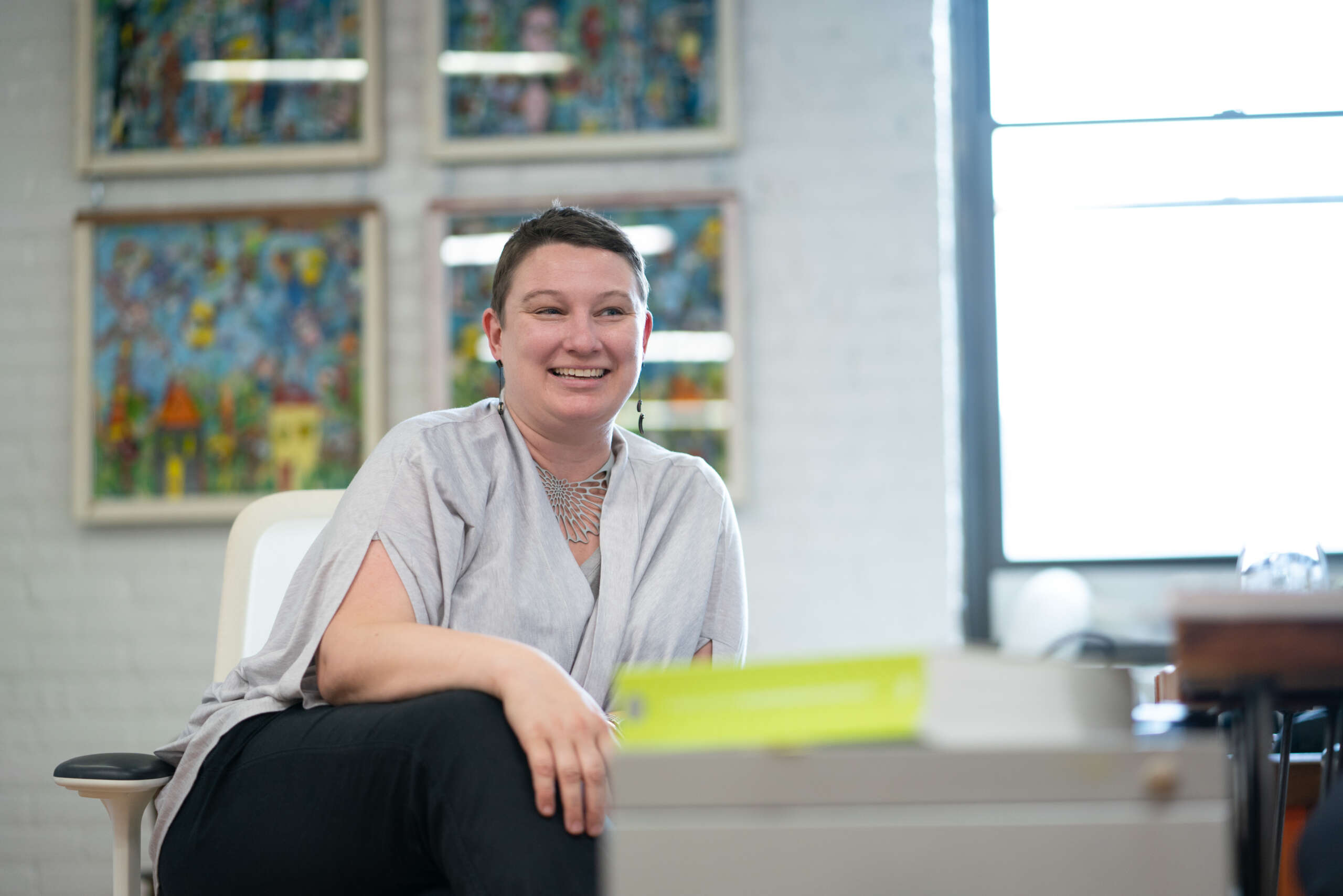

We’re excited to introduce you to the always interesting and insightful Chyanne Husar. We hope you’ll enjoy our conversation with Chyanne below.
Alright, Chyanne thanks for taking the time to share your stories and insights with us today. We’d love to hear the backstory behind a risk you’ve taken – whether big or small, walk us through what it was like and how it ultimately turned out.
With a firm name like HUSarchitecture, you’d think the majority of our employees would be architects. Our firm is a bit unconventional because most of our work has a strong focus on sustainability and assessments over traditional architecture. We started to expand work outside of architecture after struggling to find architects that could span all of our firm’s areas of focus. We took a risk at a new business strategy and started hiring non-architects.
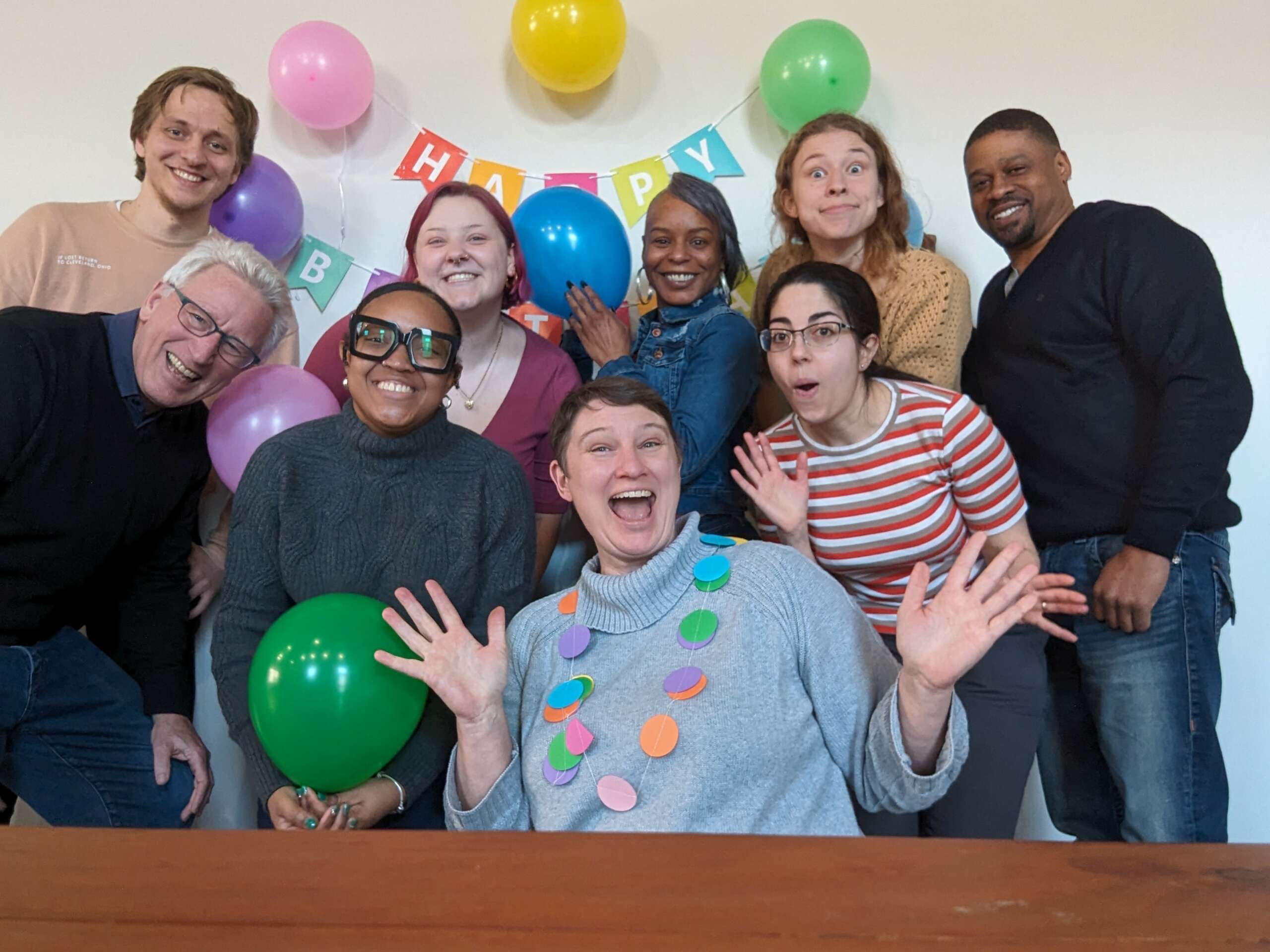
Architecture usually requires between five to seven years for an accredited degree, three years of work experience and seven exams for licensure. There’s an inherent risk in hiring someone without this background, but we’ve been strategic in how we craft a workforce with transferable skills. We have developed some intense training programs within our office and are committed to helping our entire team grow in the process.
The risk in hiring non-architects has paid off in helping us see the direction we want our firm to take. We want to break down barriers to entry in the architectural world by offering non-architects the opportunity to participate in the building of their communities.
Great, appreciate you sharing that with us. Before we ask you to share more of your insights, can you take a moment to introduce yourself and how you got to where you are today to our readers.
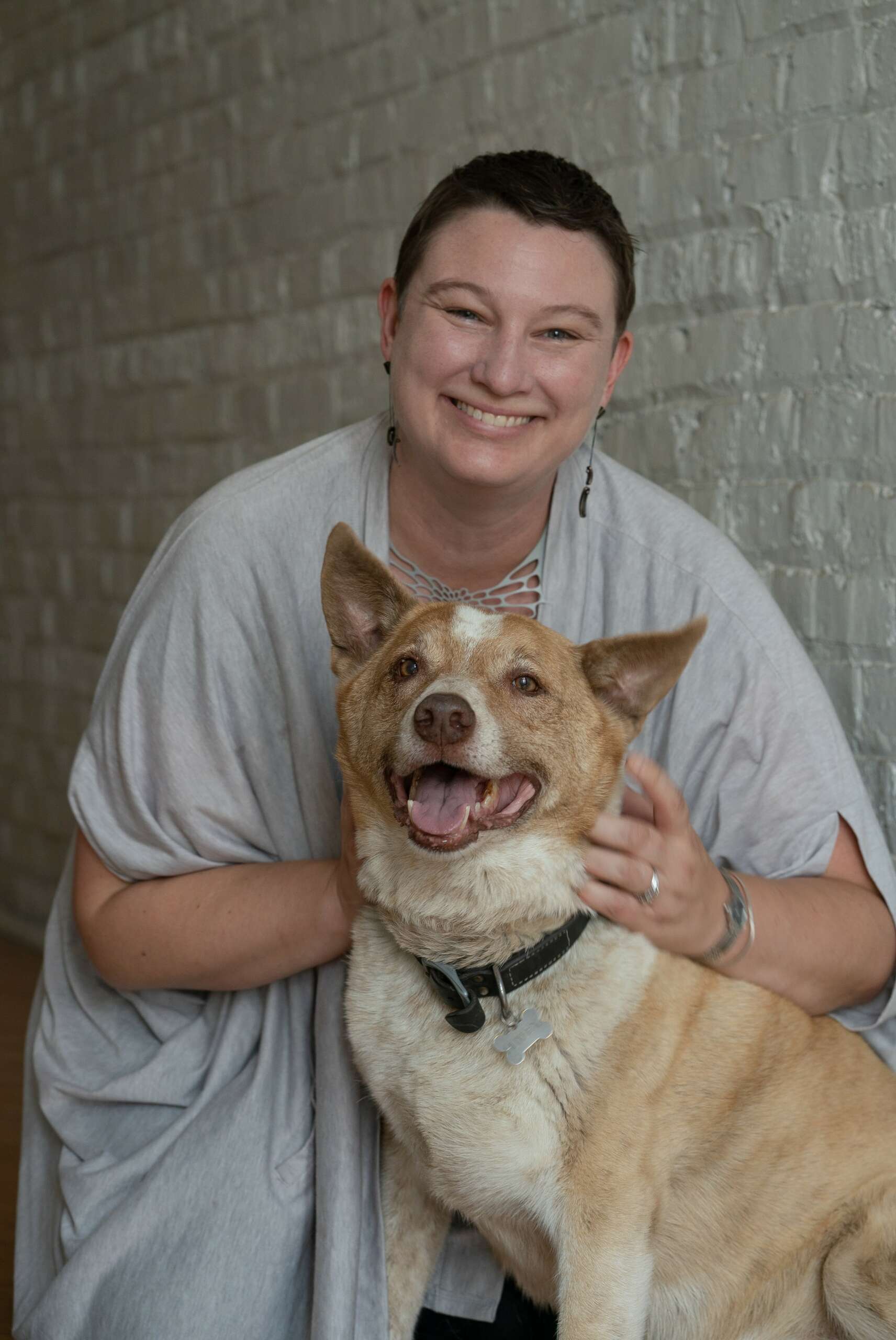
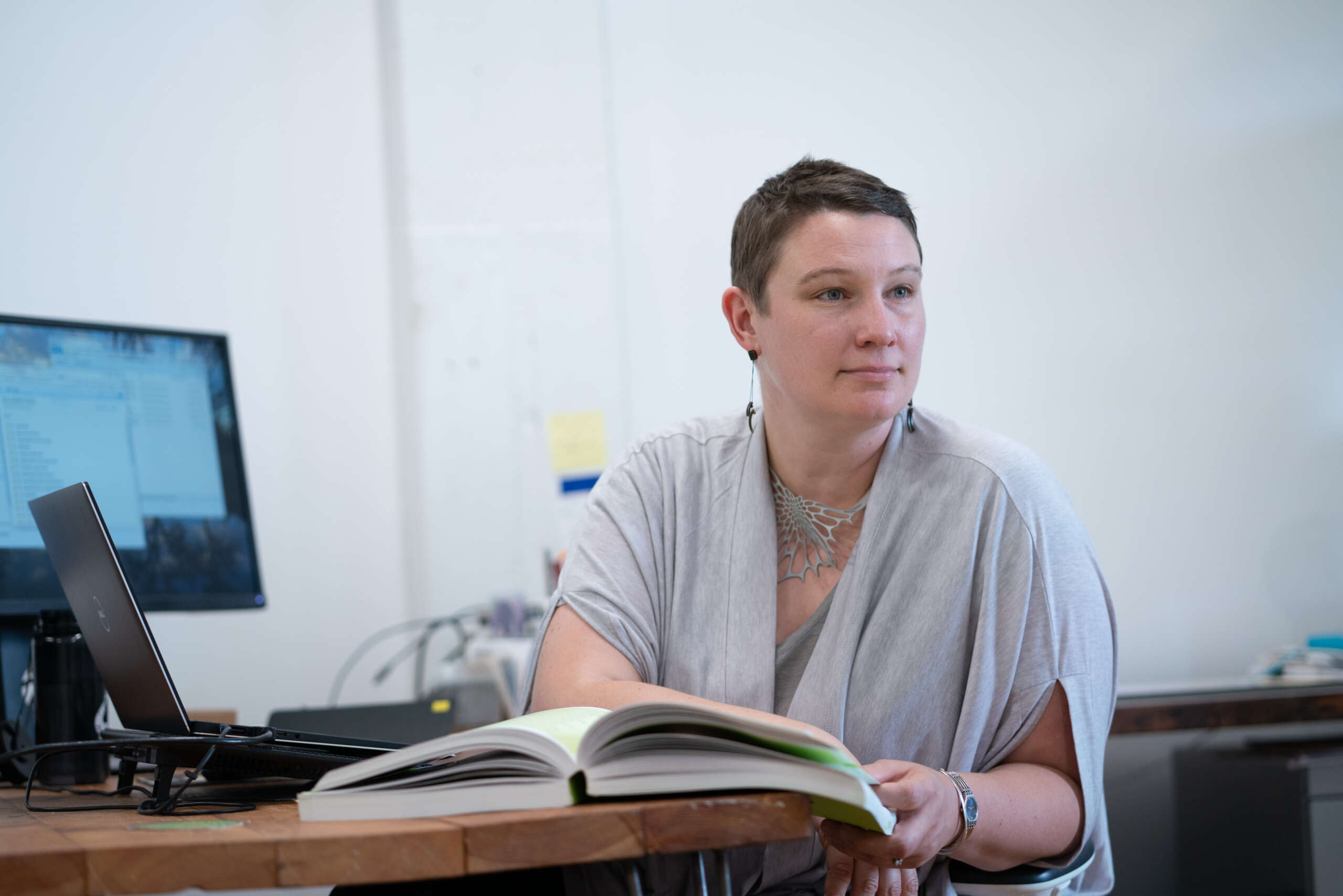
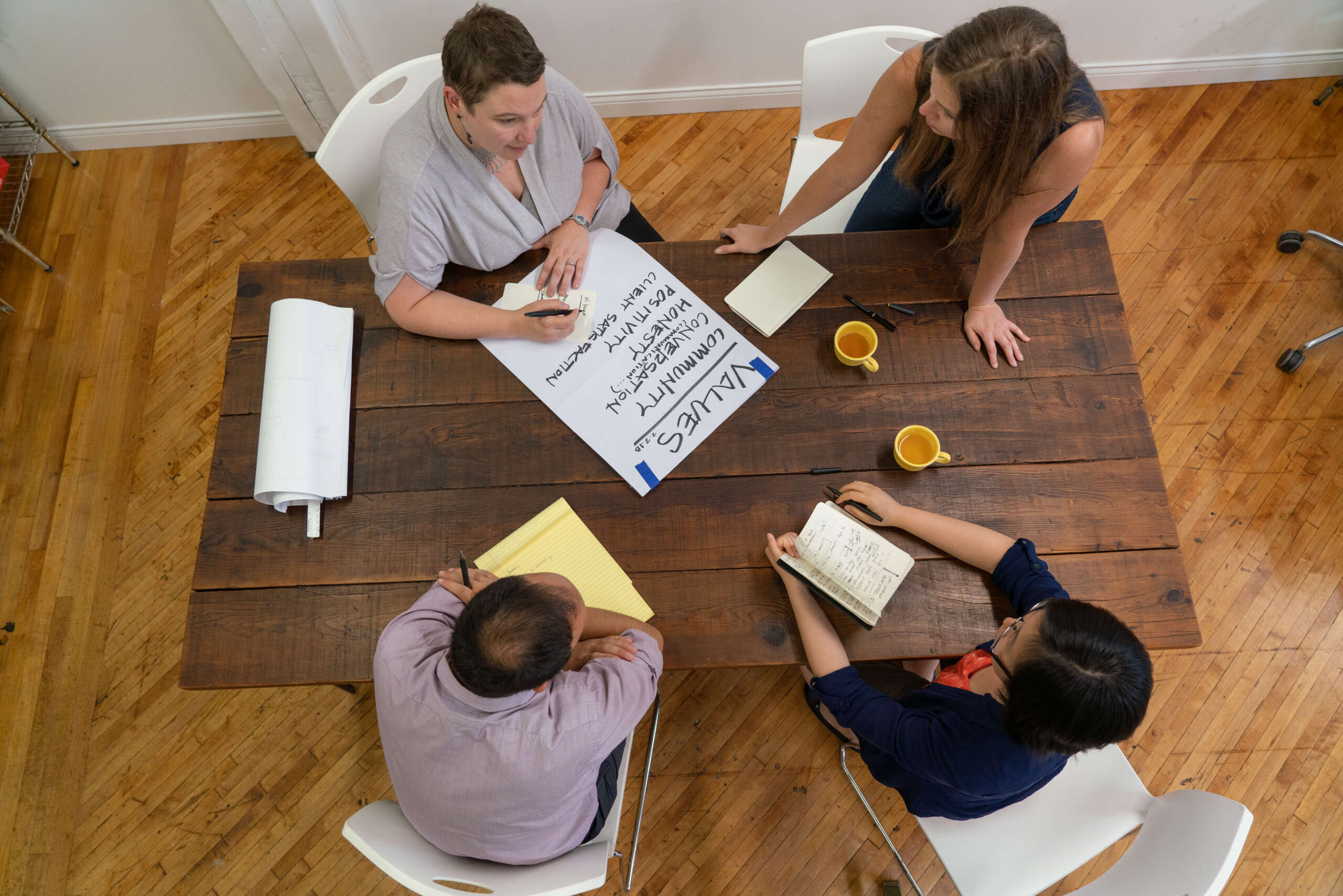
I’m Chyanne Husar, Owner and Principal of Architecture and Sustainability at HUSarchitecture, a sustainably minded architecture firm based in Chicago. I called it HUSarchitecture because my last name Husar (Pronounced: “Whose–Are”) invites us to ask “Whose Architecture is it?” The firm’s name has always reflected to me one of our core beliefs that both organizations and communities should have a say in the spaces they interact with every day. We do our best work when we ask ourselves HUS/Whose architecture are we creating & why? Since starting this firm in 2010, I have had the immense pleasure of seeing it grow from my passions and ideas and expand into the mission and values because of the inspiration brought by the full HUS team. In its progression, HUS has changed from its initial identity as an architectural firm to become a loyal partner for mission-aligned organizations, with a specialization in fostering equitable and sustainable environments within communities. As a team, we are committed to reflecting the same equitable and inclusive principles within our firm.
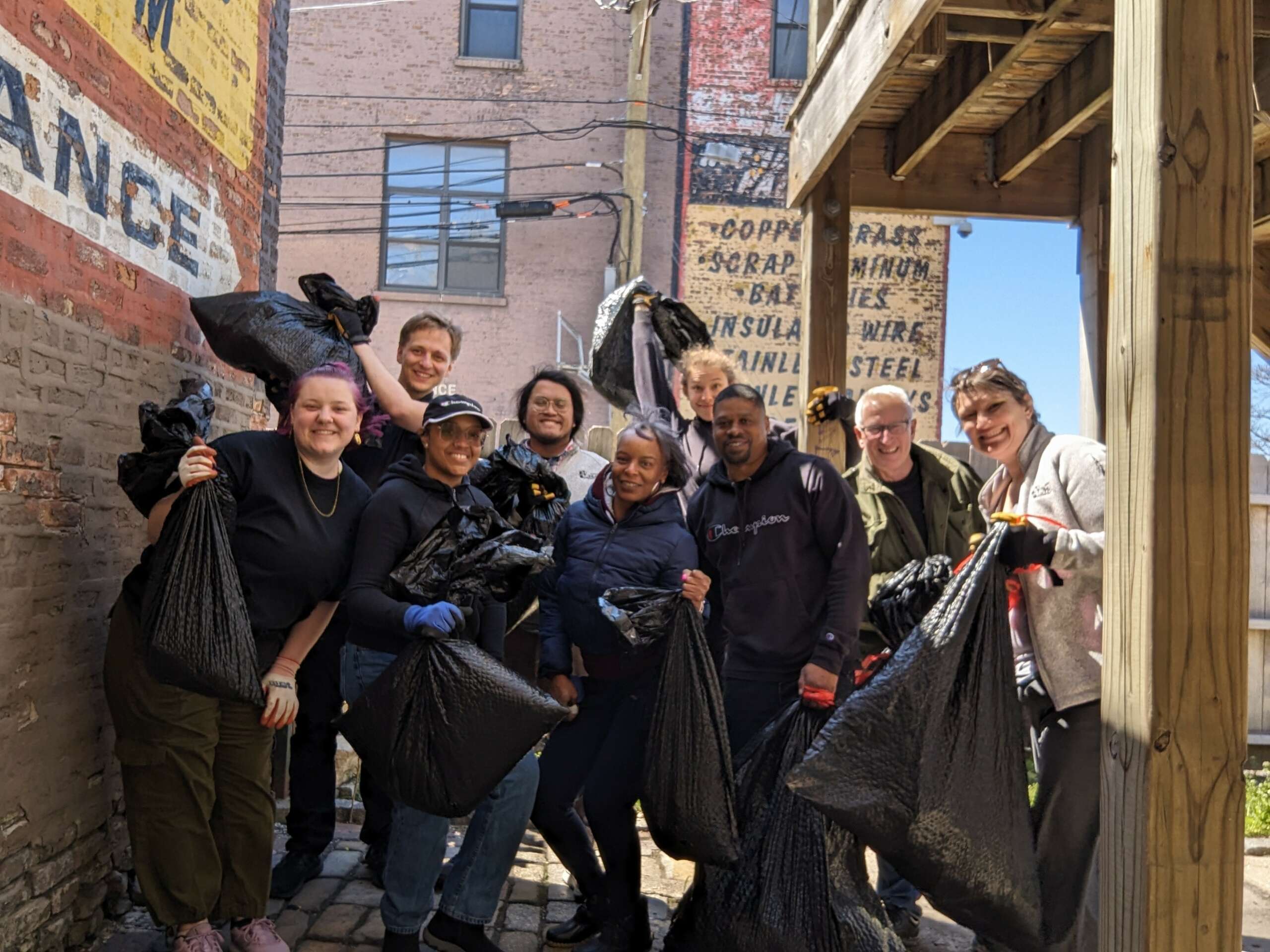
HUSarchitecture started from a belief that high-quality design and architecture could be accessible to our communities and sustainable for the environment. As our company has grown we have done work for businesses, homeowners, and public institutions, focusing on opening the doors to our industry rather than excluding people from it. We bring technical expertise and understanding to the increasingly complex field of sustainability management and administration, and we do so in a way that inspires and engages the community around us.
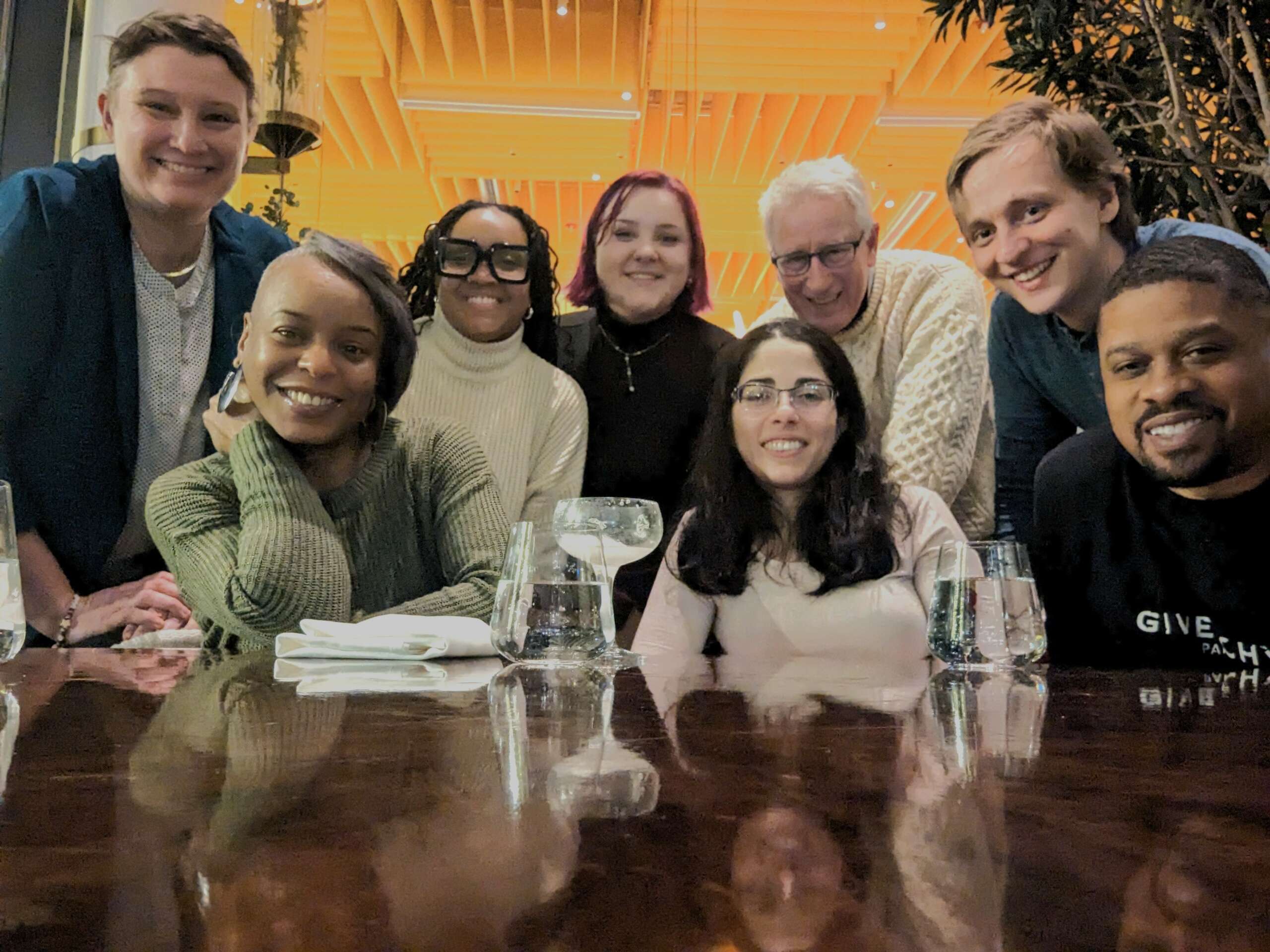
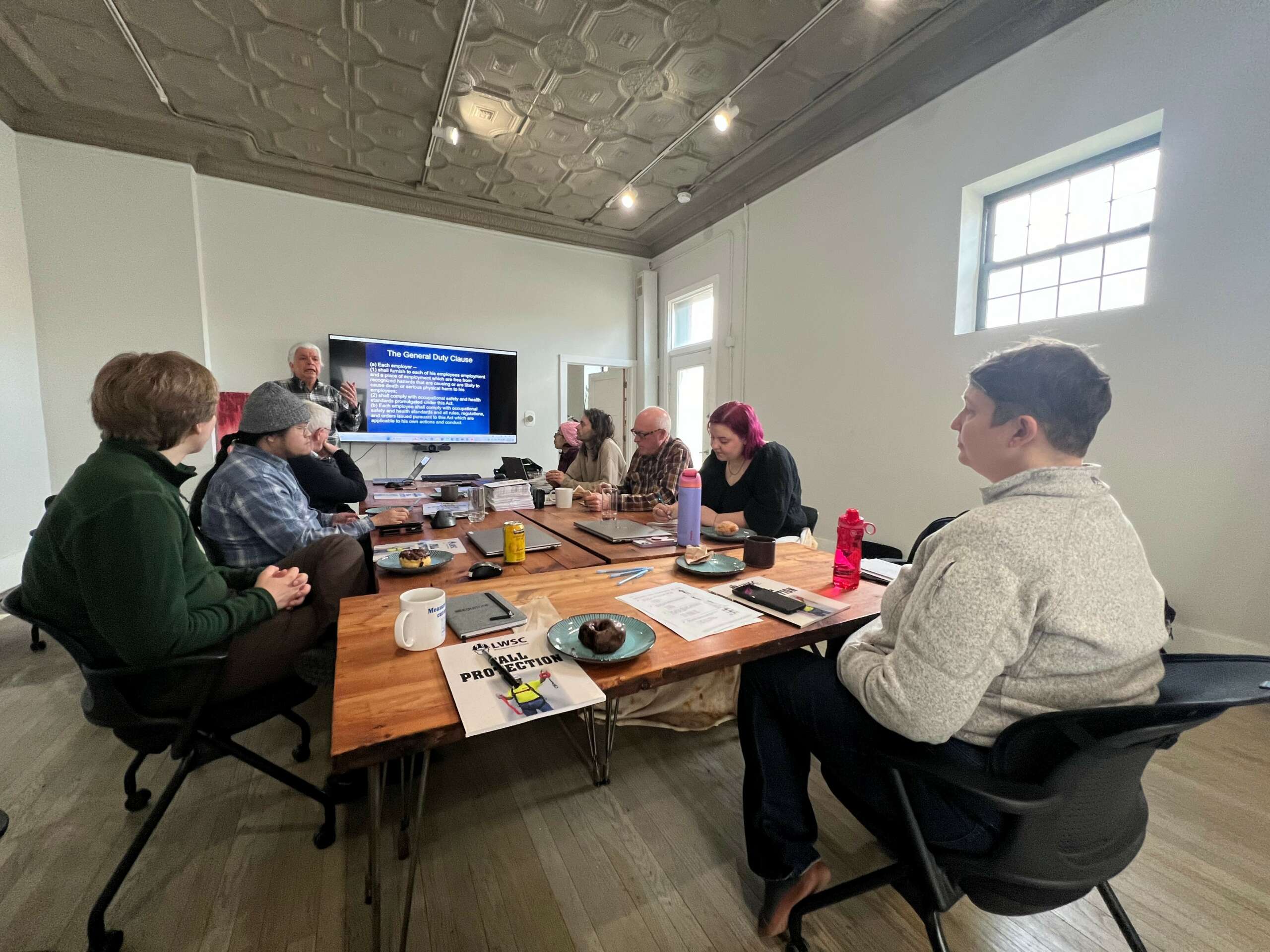
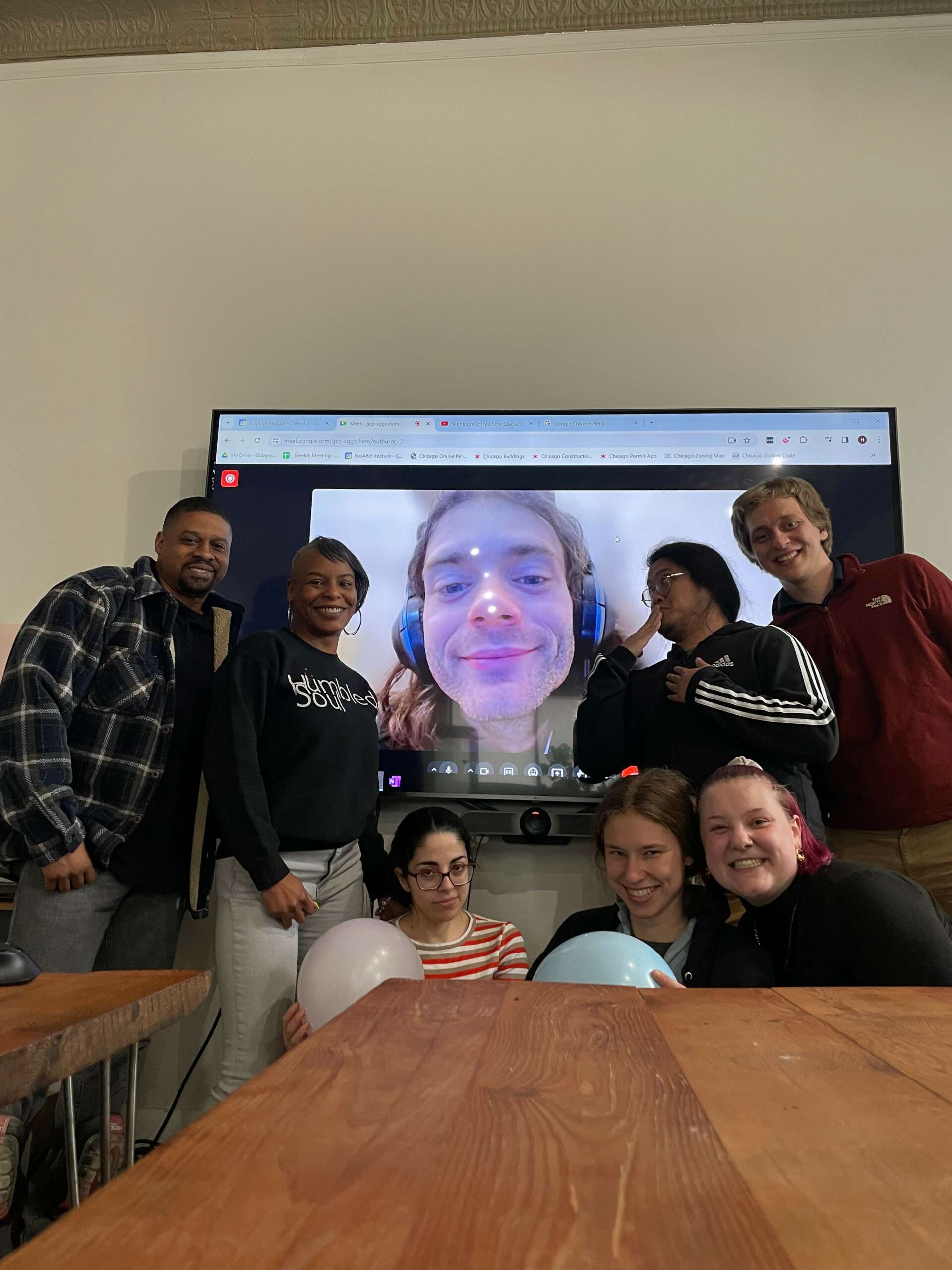
Can you tell us about what’s worked well for you in terms of growing your clientele?
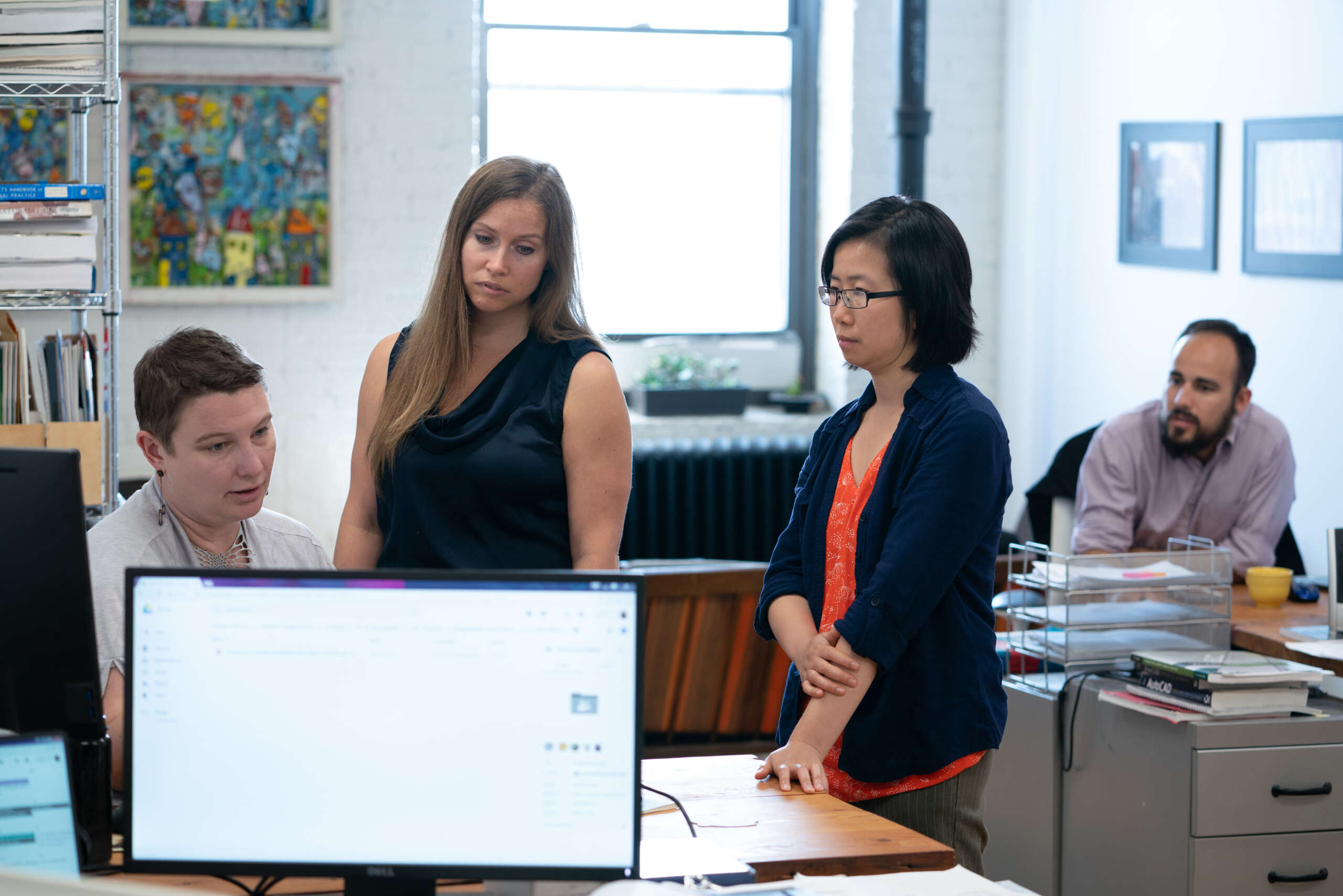
In the last 14 years of business, it has been only in the last seven that we’ve had enough clients to support staff. The foundation in clientele was developed by sticking with what we know. I came from a background in large scale work which is hard to break into as a small firm so I started as a subcontractor. Leaning on diversity requirements as a WBE and a HUD Section 3 business concern really gave us a strong start. We have cultivated 82% of repeat clients who now return not for our diversity compliance but because we’ve shown our value-add to their projects. Respect goes a long way – we want to work with good people, in good working conditions, and with people who will respect each other. As a lot of the work we do is project management based, on any single building project we could be coordinating between 7 to 30 different contractors, architects and subcontractors. We encounter a lot of different personalities and a lot of people with different work motivations and values than us. In order to maintain good working relationships AND maintain a meticulous account of sustainability measures, we make sure we keep our egos in check – we know that the work isn’t personal and we just want to serve a greater good. By holding to this, we can enjoy the work we’re doing and (almost all of the time!) people enjoy working with us too.
Good attitudes can only go so far. We also prioritize our workforce training by reinvesting profits into staff certifications and topic specific bootcamps. With a stronger, more capable staff we can bid for more diverse and lucrative projects. Staying updated on latest industry trends – like Building Envelope Commissioning (BECx) and Environmental Savings Performance Contract (ESPC) – we’re going deep into sustainability’s core, discovering what makes our projects impactful and financially beneficial for us and our clients.
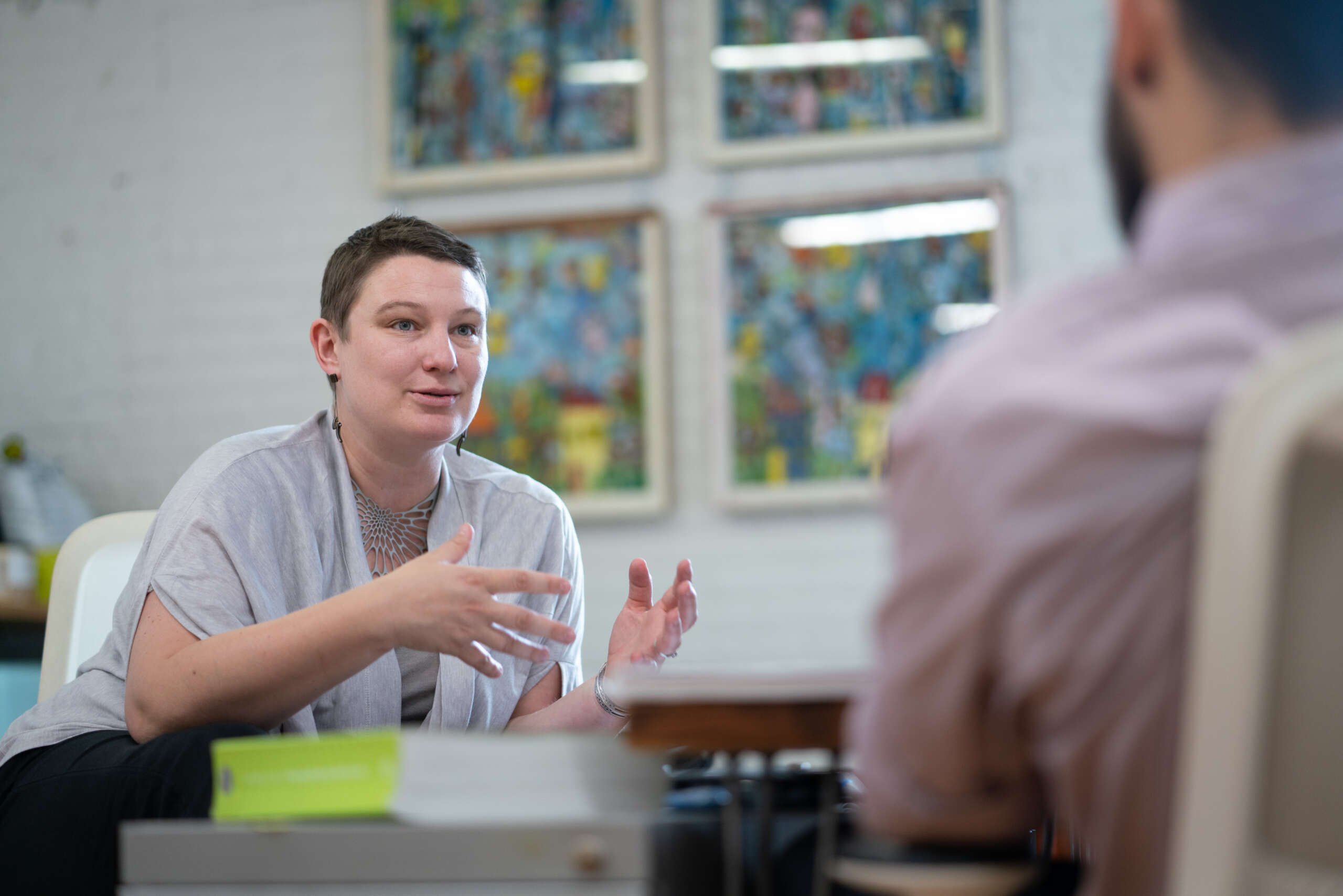
Can you share a story from your journey that illustrates your resilience?
Architecture can be a challenging business which is part of why I love it. We’re part designer, engineer, project manager, and psychologist for our clients. We have to be mindful of so many moving elements from client’s needs to latest material studies, structural elements, sustainability advancements etc and it takes a lifetime to really master. Needless to say, it can be an overwhelming process for a client trying to make their vision a reality on a limited budget. Designing and creating buildings takes a lot longer than most people expect. Even though I try to be as upfront as possible when beginning a project, there are oftentimes unforeseen delays that are outside of the owner’s or the project team’s control. This can be really disheartening and frustrating for everyone involved.
I have found that the resilience to bounce back from these tough times comes when we focus our efforts on projects that really align with our values. If it’s a project you really believe in, it puts any challenge in perspective. When we believe in what we’re doing, we have momentum. Of course, when you’re starting out, that is easier said than done. Oftentimes you don’t have the flexibility to pick and choose your projects based on your values. Sometimes the job that pays the bills is the temporary value you need which can help you be more selective down the road. But wherever we are, as long as we continue to work toward our values, we will see growth.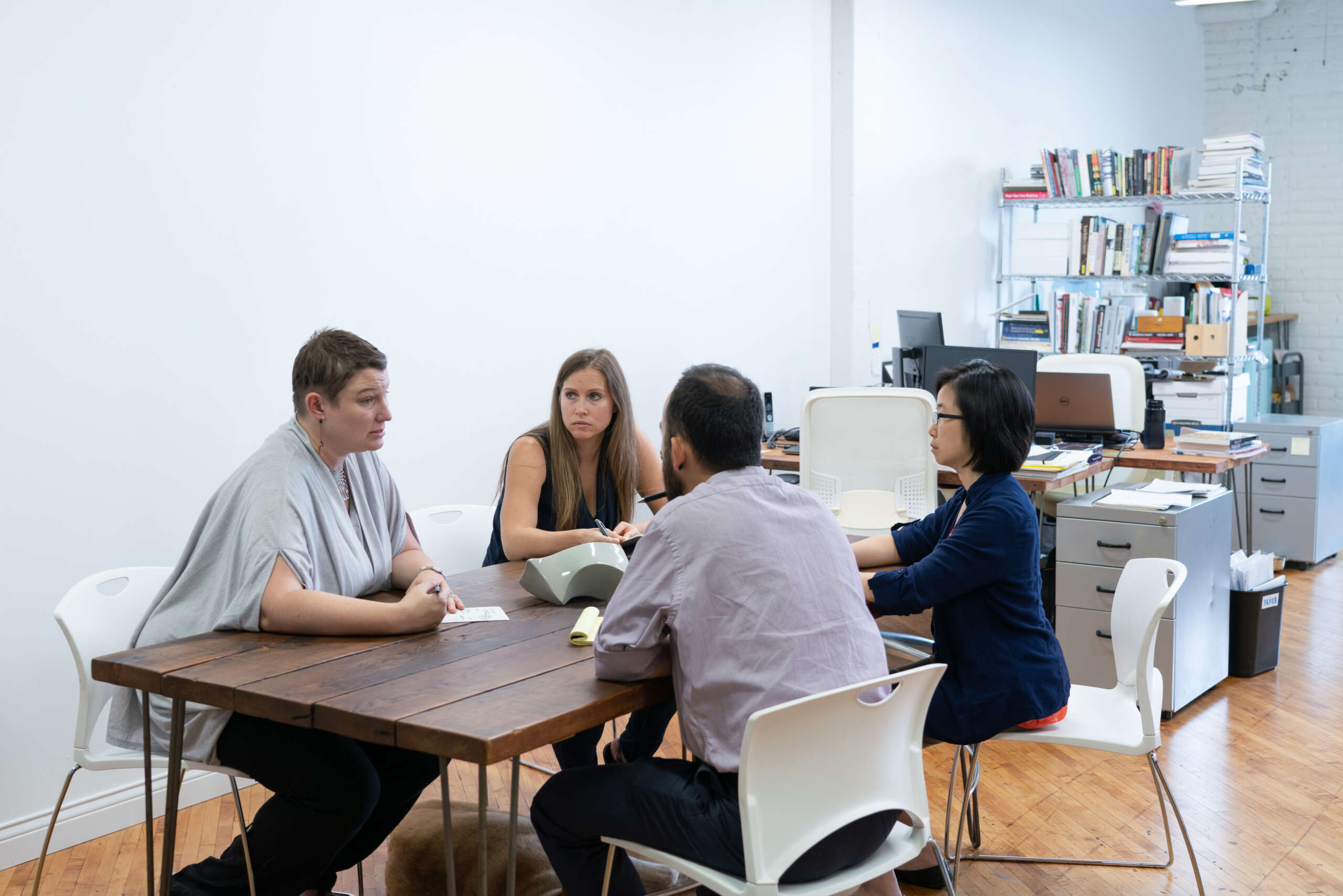
Contact Info:
- Website: HUSarchitecture
- Linkedin: HUS LinkedIn