



We were lucky to catch up with Christopher Smith recently and have shared our conversation below.
Christopher, looking forward to hearing all of your stories today. Let’s talk legacy – what sort of legacy do you hope to build?
25 years from now i want to be known as one of the best recording engineer in Michigan. Ive been working hard, building up my resume by working with some of the most elite artist in the state and country. In the process i’ve reach the billboard charts three times and i’m hoping to chart a thousand more times. I think that i have only scratched the surface in my career, I want people to look at my discography and be amazed at the amount of work that i’ve done. Hopefully the audio nerds out there will listen to my work and appreciate my different style and techniques that i used when i mix. I hope that my legacy will inspire young engineers to break the norms and test the boundaries when it comes to mixing, because i think thats the only way to truly find your own style.
Great, appreciate you sharing that with us. Before we ask you to share more of your insights, can you take a moment to introduce yourself and how you got to where you are today to our readers.
I started engineering in 2014, i had dropped out of school and i really didnt know what i was going to do next. I had a friend that would freestyle all the time and he wanted to start recording but didnt know how to go about it. I suggested that i would learn how to record so that we could start making songs. We recorded our first song, it was alot of fun and i really enjoyed the process so from that day i knew that was what i wanted to do.
Im proud of how far i’ve came because it was very long road. Considering that im a self taught engineer, I never would’ve thought that id be in the same room with a lot of the people that i’ve worked with. In the beginning i felt like engineers that went to university looked down on engineers like me that our self taught. Some of them feel like because i didnt get a degree in this field, that we cant do the job. I always used that as motivation, i really wanted to prove them wrong. Its important to tear down that stigma because its absolutely not true and i am living proof. I love to point out that i didnt have to go to university to make the billboard charts.
My favorite thing about working with bigger artist is, how big some of the songs get. I love looking on youtube and seeing songs that i’ve worked on have 5 or 10 million views. By those songs getting that many streams that means that alot of people out their really appreciate my work and they like the product that i make. Thats the part that really satisfies me and helps me a sense of purpose.

Have you ever had to pivot?
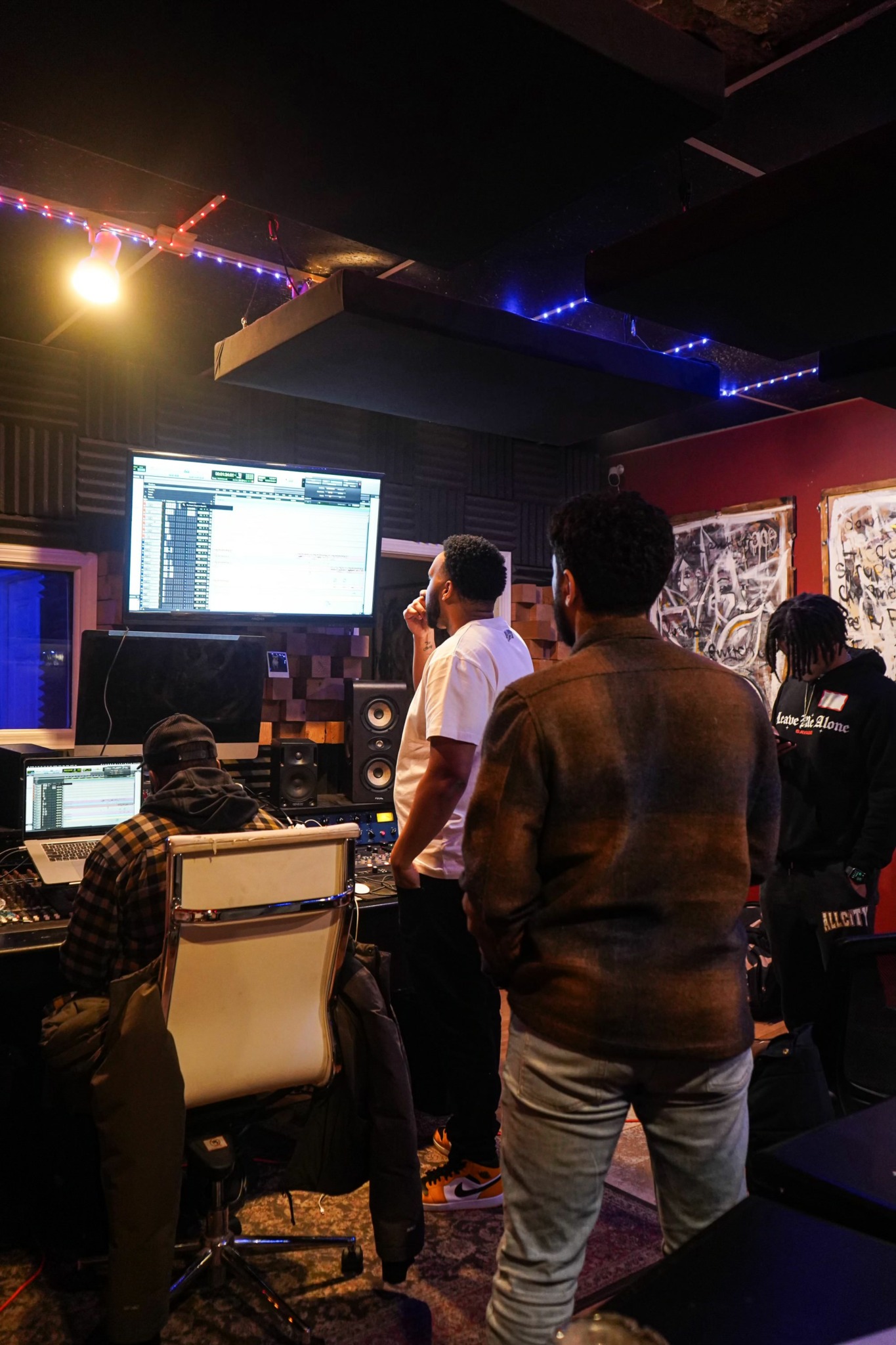
I think the most crucial pivot i have made in this business, is when i decided to be a full time engineer. The reason why, is because, when i started making music, i was primarily a producer/beat maker. I did some recordings but rarely and they weren’t that good. Over the years i had gotten good at making beats, i had alot of smaller placements but i wasn’t making any real consistent money off of my music. That was a real problem for me. I was coming to Get Fresh Studio as a client and over time me and Micheal Seger (Owner) developed a relationship and he allowed me to intern under himfor about 3 months. I realized that engineering was a more professional career with a better pay structure. I was paid well and consistently for my sessions and their was plenty of room for growth and as a bonus, it didn’t take away from me making beats, in fact, it helped me sell more beats. Another hard part about this transition is actually learning the art of recording. Beat making and engineering are similar but are very different crafts. I didn’t know how to use pro tools or how to use any of the equipment. It was tough to grasp at first but luckily for me, get fresh already was an established studio that provided plenty of time for me to lock in and learn. Once i got comfortable with the studio and the equipment, all i had to do was to apply my musical knowledge and skills to my work, and the rest was history.
What’s been the most effective strategy for growing your clientele?
The biggest thing that has helped me is just simple word of mouth. Fortunately for me when i started, i was already known for making beats so when i transitioned to being a full time engineer, i already had a decent clientele. From there it just grows, if you’re good at what you do it should just happen naturally. When my clients post on instagram or even show their friends a song in person, if the song is good, they usually will ask “who produced this” (or something close to that) and then “boom” the mental connection as to where they need to go to make a hot song has been made.
I dont do much marketing. I just make a post everyday on my instagram letting my clients know that i am available to work. Sometimes i will DM old clients that i havent worked with in a while and check in on them. I’ll ask them how theyve been and if they had been working on any music lately. Im either met with “no, not really” or others might say, “yeah i have been working on this song but i just havent had time to finish it”. Either way, its a perfect opportunity to plant seeds for them to record with you. I think the key here, is to always let the clients know that you are always available to help them as much as you can. By taking the time to DM them, you are reenforcing your relationship and making that mental connection that when they are ready to record, you are the guy that they need to call.
Contact Info:
- Instagram: @bi6chris
- Facebook: Bi6chris
- Twitter: @bi6chris
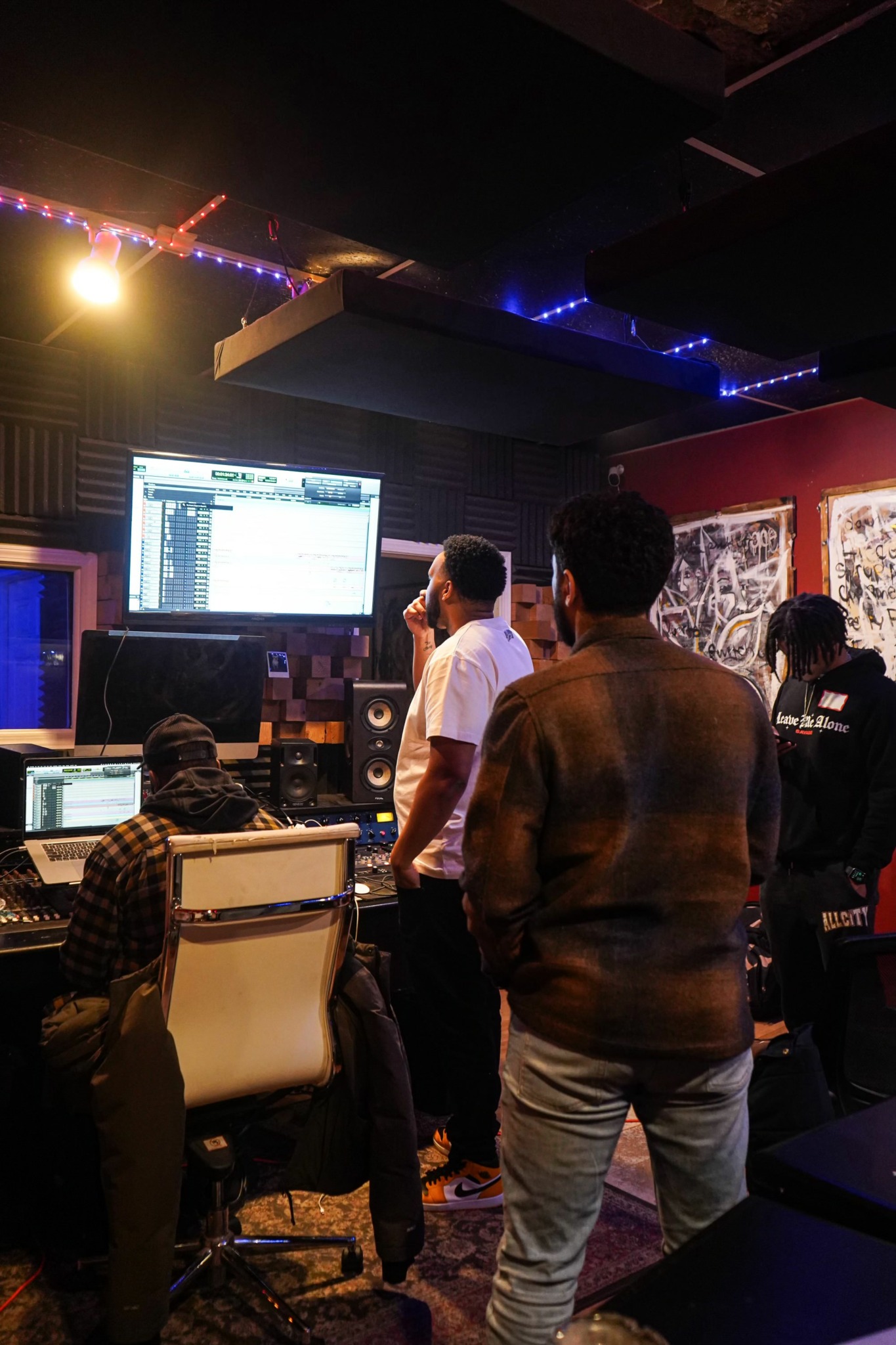
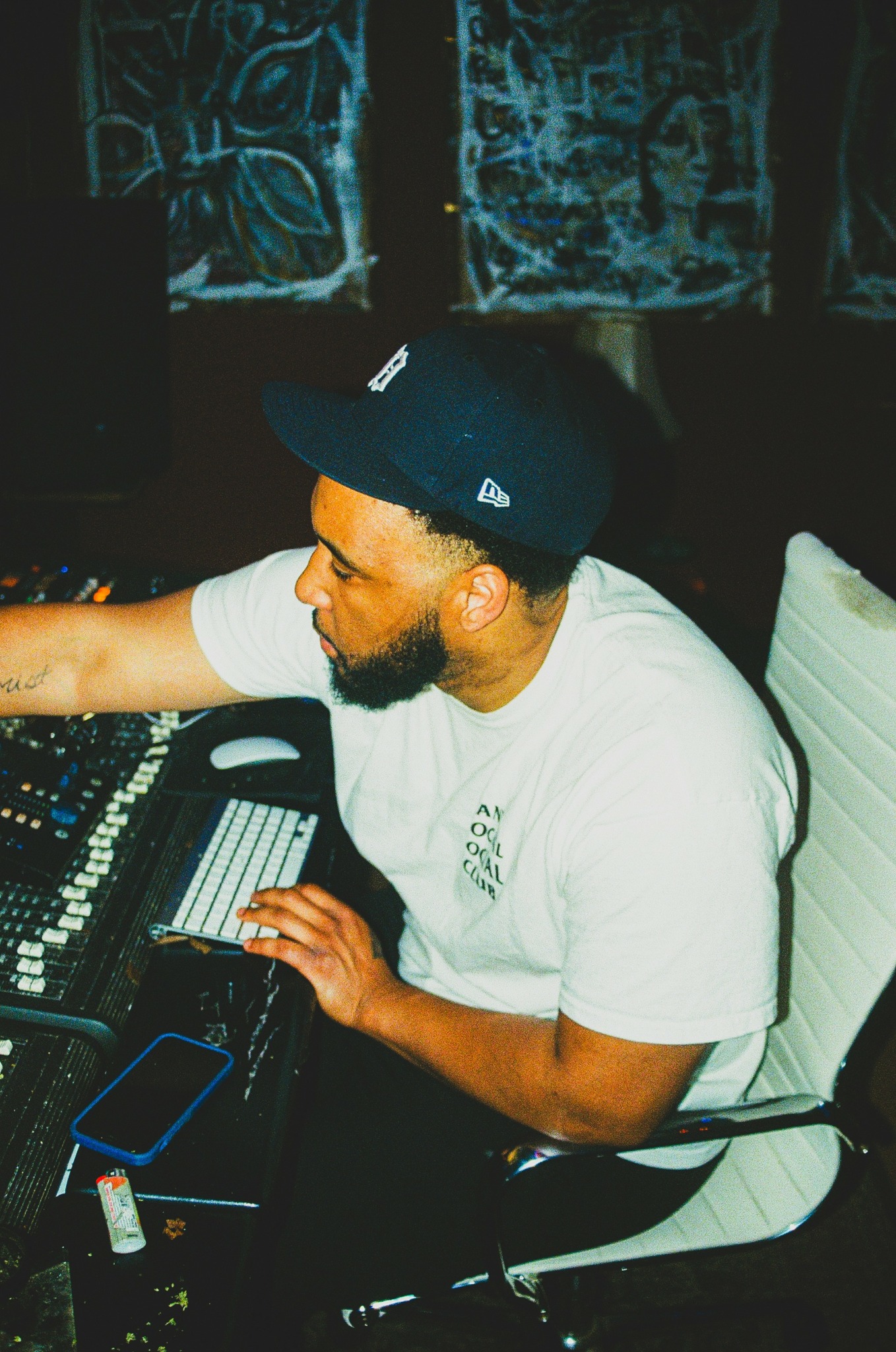
Image Credits
@whereisdevv._
@freebands.mal