

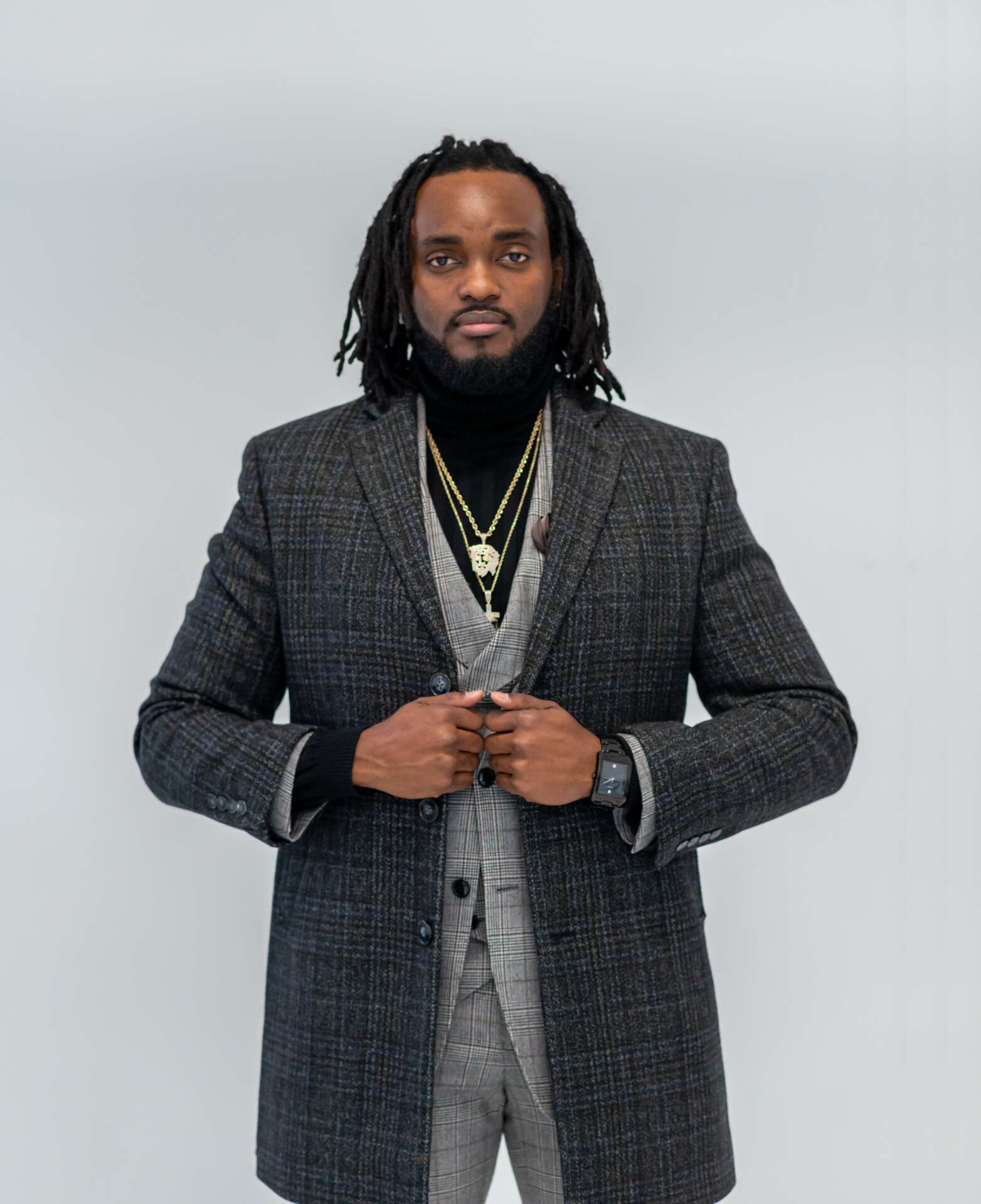

We’re excited to introduce you to the always interesting and insightful Christopher Mathieu. We hope you’ll enjoy our conversation with Christopher below.
Alright, Christopher thanks for taking the time to share your stories and insights with us today. So, naming is such a challenge. How did you come up with the name of your brand?
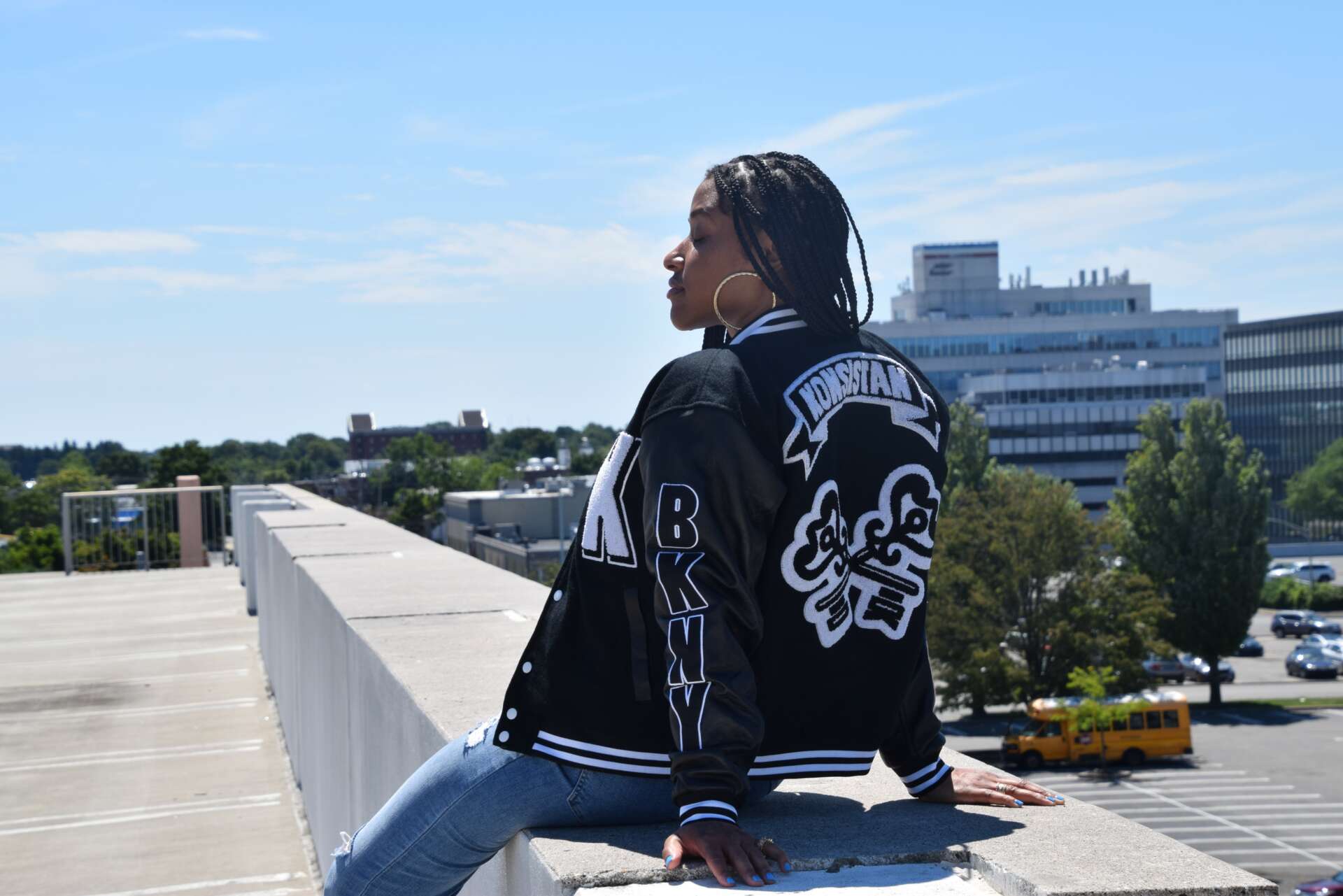
The brand idea was always something I wanted to create, but I was unsure what I wanted to name it, and I wanted the name to be meaningful and have longevity as my brand grew. Me and my girlfriend at the time were brainstorming one day when she asked what the word consistent translated to in Haitian creole. I’ve always lived by the word consistent, and because my previous Instagram handle included the word, it made sense for it to remain a part of the brand. Konsistan Brand was birthed shortly after. So, shout out to Shellon for helping to materialize my idea.
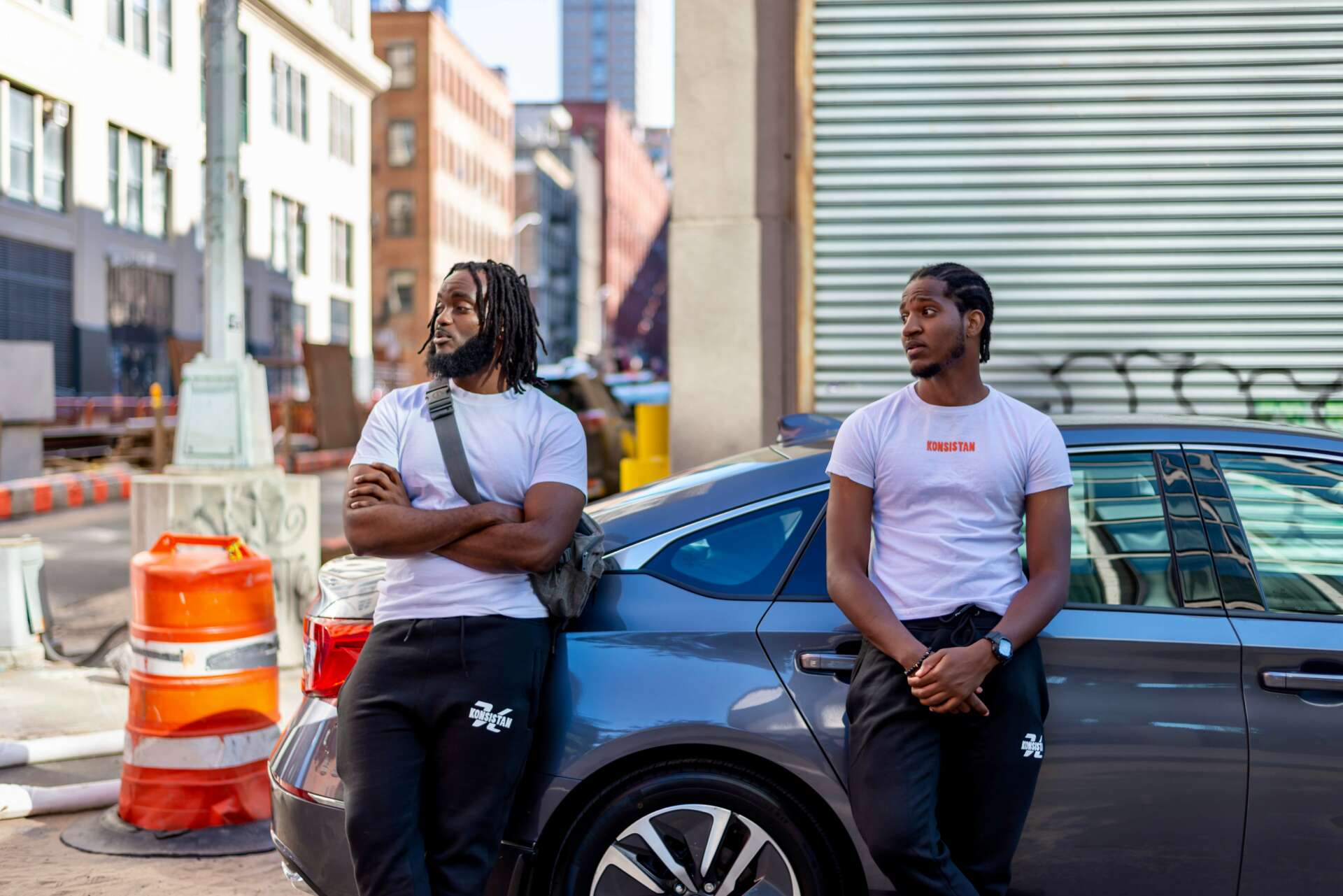
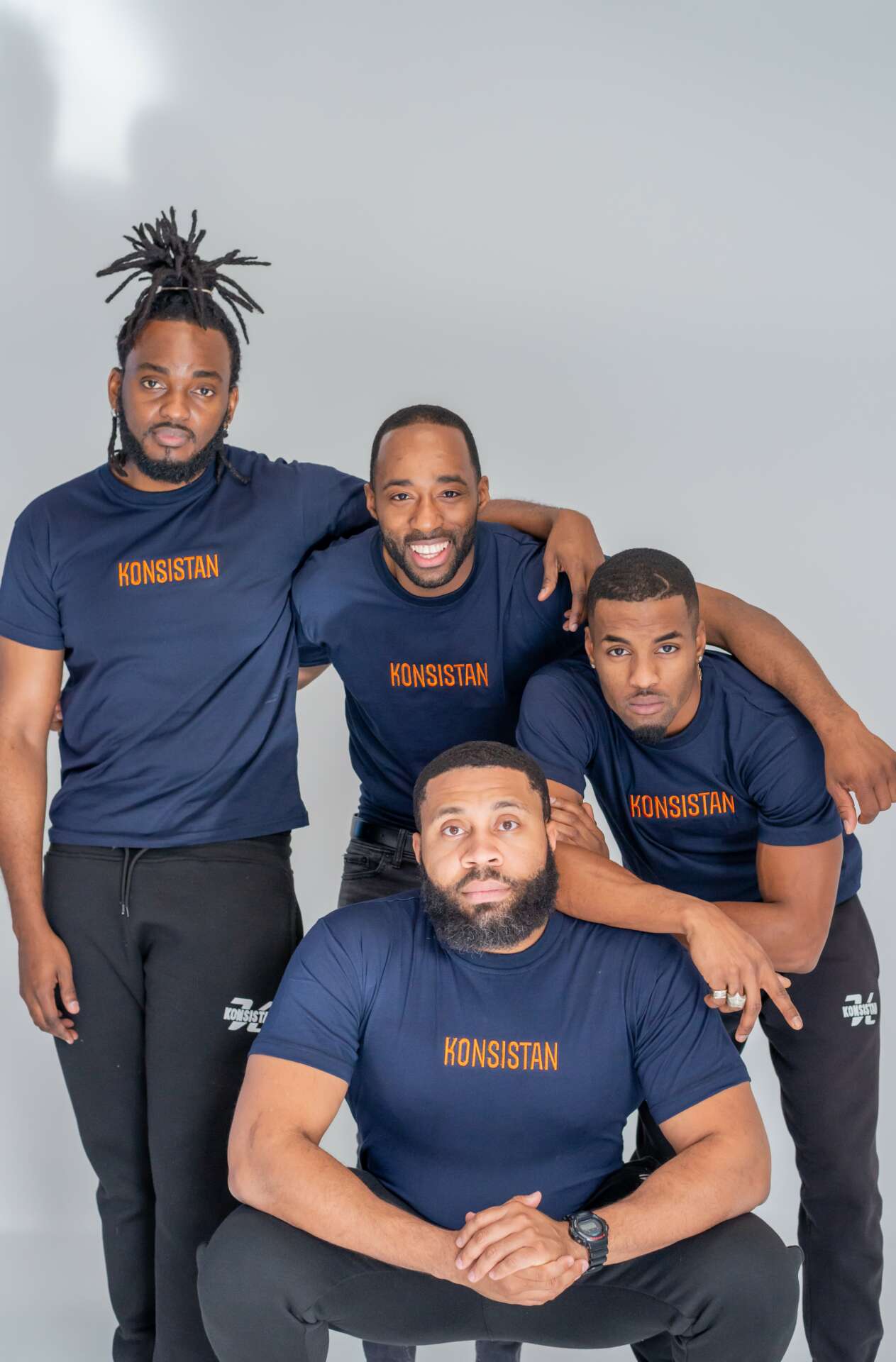
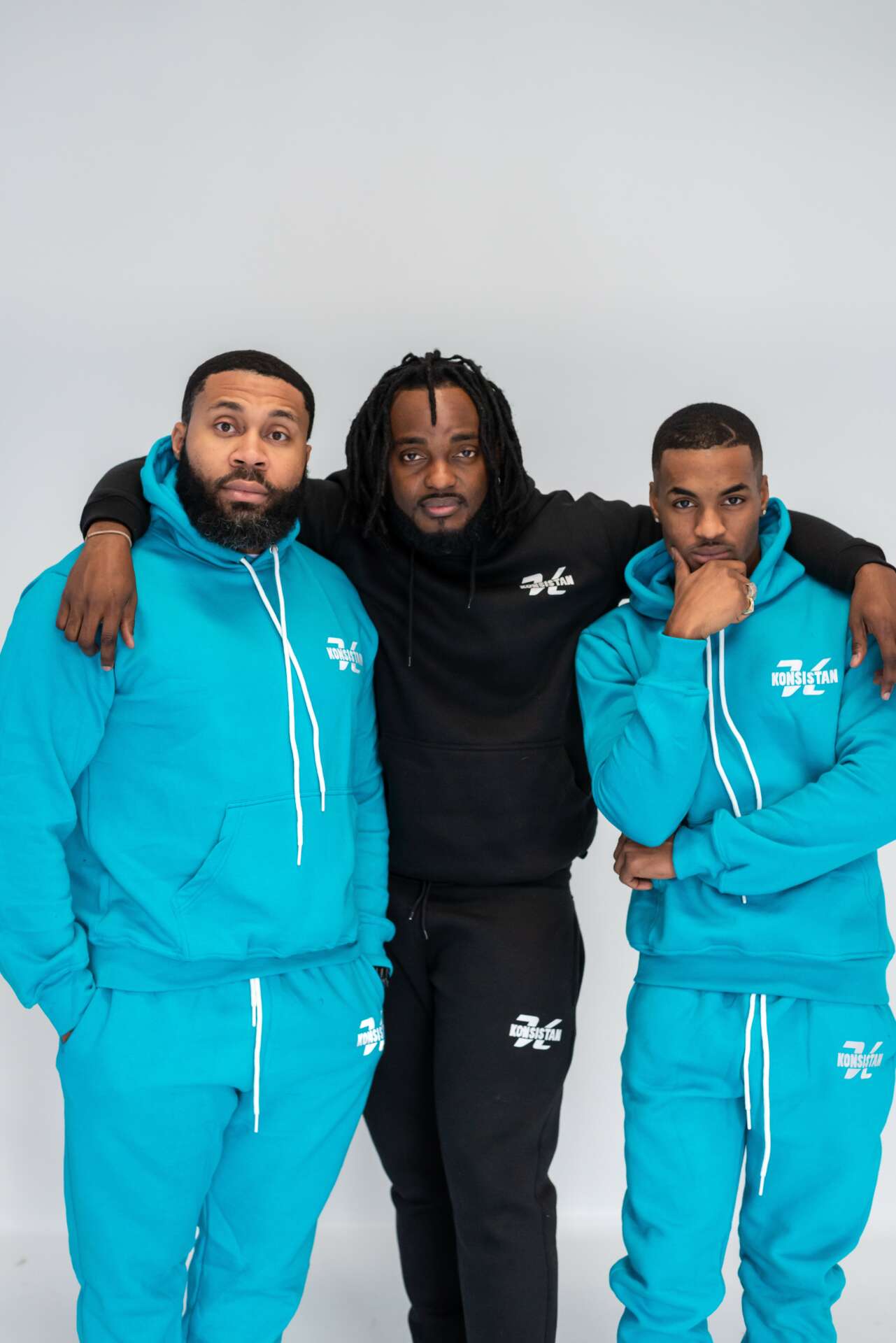
Christopher, love having you share your insights with us. Before we ask you more questions, maybe you can take a moment to introduce yourself to our readers who might have missed our earlier conversations?
It would be cool to start with, “I was a typical kid born and raised in these Brooklyn streets,” but I don’t think I was. Reflecting on my life, I realize that I was always different. I am the youngest of four and nine years younger than my third eldest brother. Having grown up in a family of boys, I have always been aggressive. The wide age gap often left me alone but sparked my interest in their interests. Their muscular physiques influenced me to play sports and physically prepare myself to become as muscular as them. Most of them played basketball almost daily, but it didn’t spark my interest the way football did: the aggression, physicality, and workout sessions required to be in shape. Although my high school football days were gruesome, I was consistent and pushed through. As an adult, the gym became my domain, and the word “Konsistan” (consistent) became my motto. It applied to everything I did, especially when I became a personal trainer. I wanted to show others that getting in shape required consistency, whether you were motivated or not.
That led me to create a clothing line to promote my message. I thought that beginning with T-shirts would be easy since I didn’t have experience in the fashion industry, and I quickly learned that it was more intricate than I thought. I studied fashion by seasons, style, and trends from the customers’ perspective.
Since then, I moved on from being a personal trainer, pursued my bachelor’s degree in Architectural technology, and built a fascination with designs and building structures. I learned to value the beauty of space and tools, such as Adobe programs. At that moment, it became clear that the brand was more significant than just fitness.
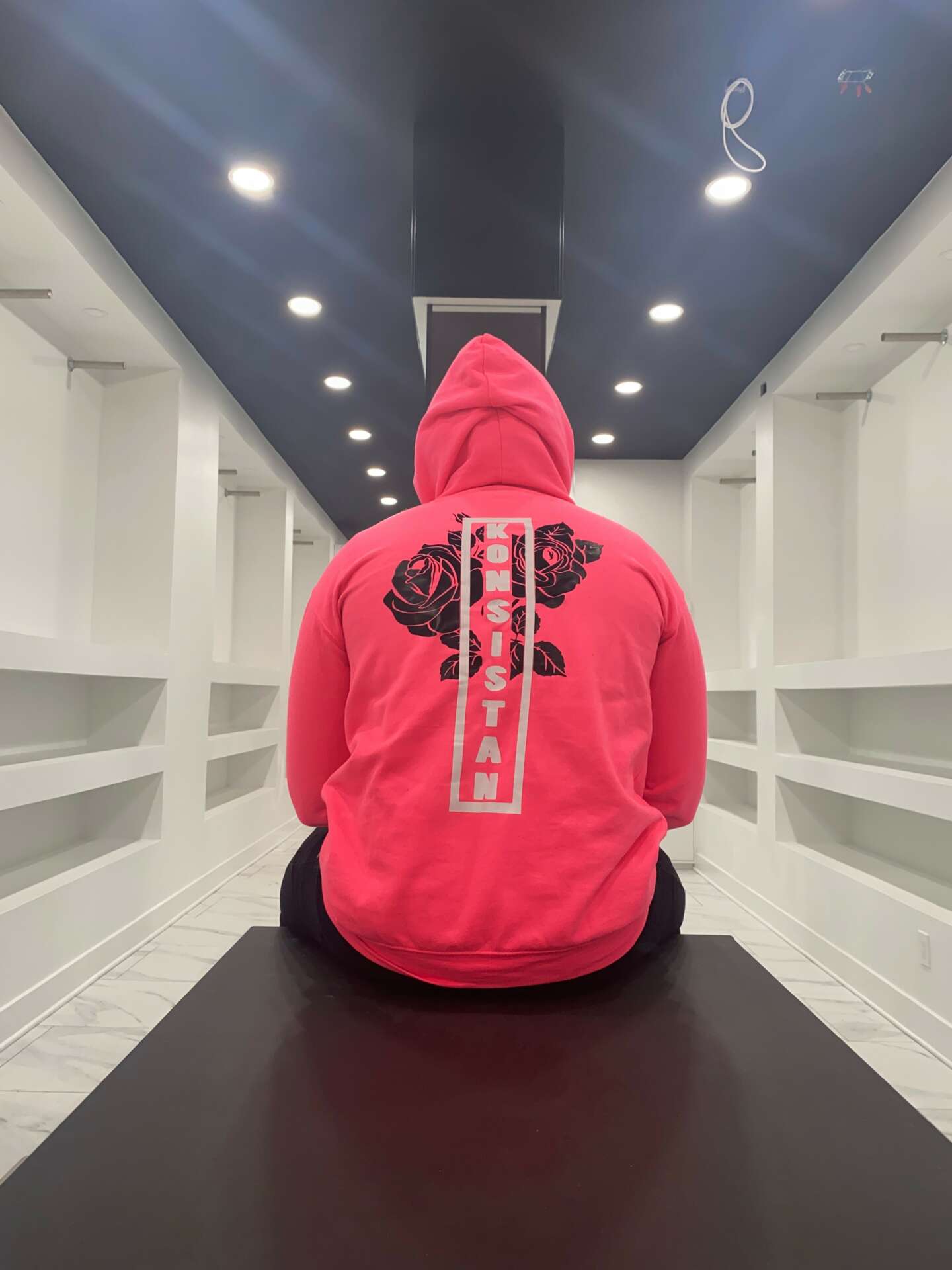
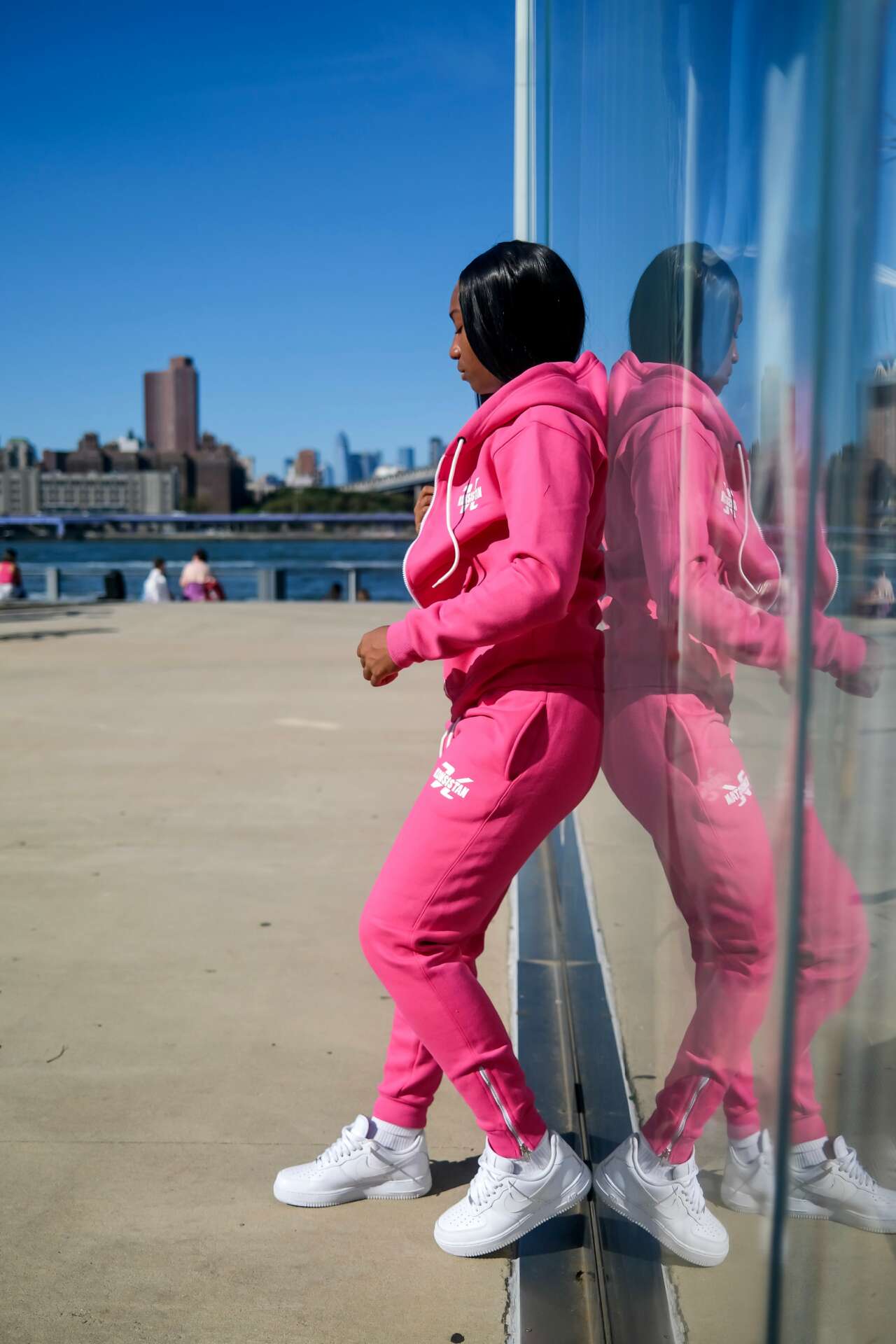
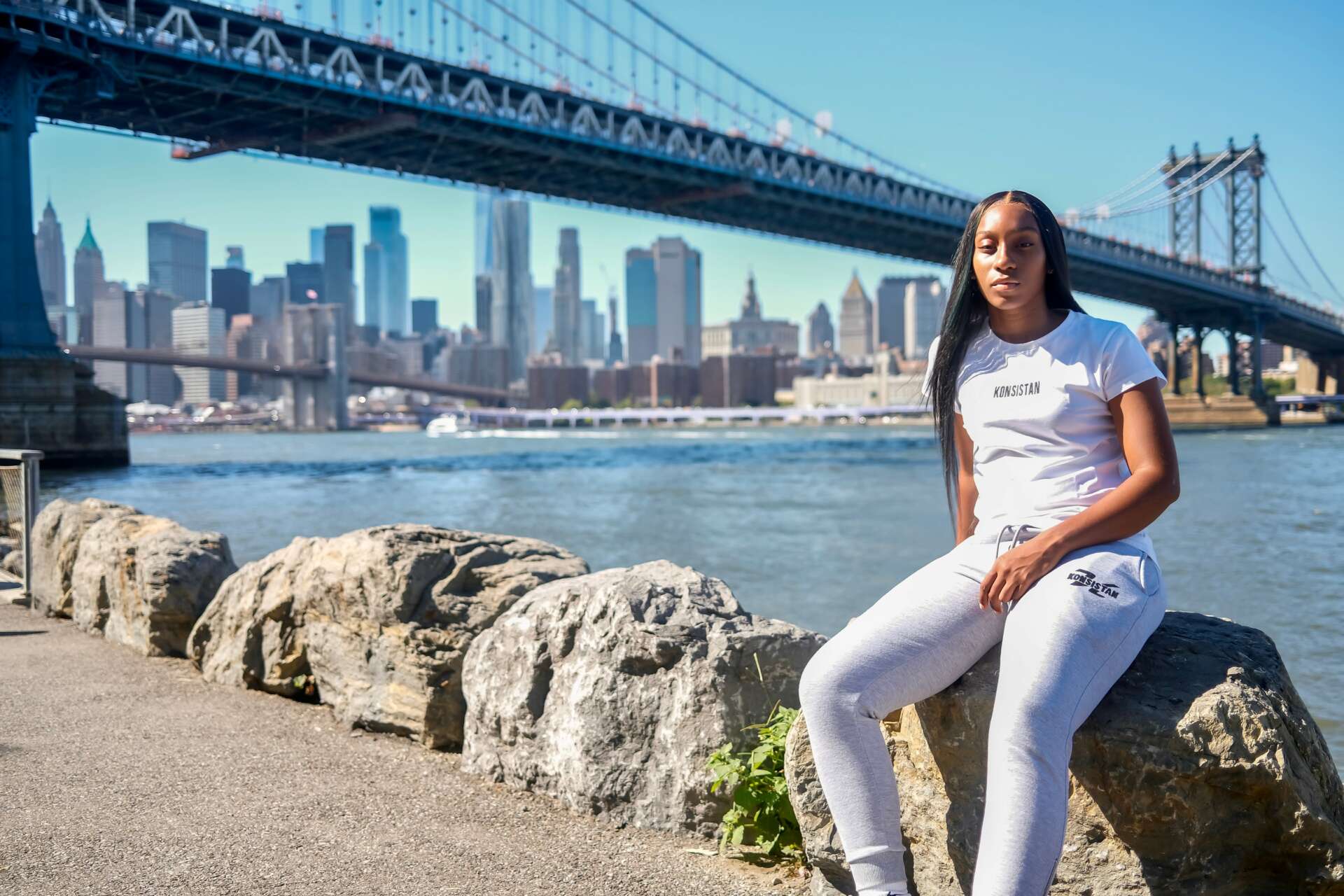
We’d really appreciate if you could talk to us about how you figured out the manufacturing process.
Manufacturing your product is not for the weak, but that’s to be expected with any new venture. It requires you to be resourceful, especially when capital is low. At first, I didn’t know where to start. I acquired extensive Photoshop and Adobe Illustrator experience while majoring in architecture and realized I could transfer my unique designs to my garments. There were local companies in New York City that sourced the materials and made the pieces, but they charged me an arm and a leg. So, I sourced the materials myself, although it was labor-intensive. I watched videos on printing, heat pressing, embroidery, and screen printing for hours to decide which process was the most efficient and sustainable. It came down to heat pressing and vinyl.
Next, I needed to purchase the equipment. I scoured through Google and found a bundle on eBay. It was the vinyl cutter machine and starter kit used for printing on T-shirts. I went to Manhattan in the garment district, purchased some garments, and replicated what was in style then. However, I don’t recommend copying because not only may it pose a legal matter, but because it is not unique, it may not successfully sell because it has been seen everywhere. You, as the designer, must have integrity and vision and create original designs.
It took some time to properly set things up because I wasn’t happy with the product. I wanted perfection from the jump, which hindered me, but did not stop me. I made insane mistakes and wasted so much money due to my victory rush, but it helped me slow down and grasp the process. Eventually, I mastered the process, but it was still labor intensive, and I could not keep up with the demand. So I thought, “how could I make this process quicker and maintain excellent quality?”. I went back to the drawing board and discovered Alibaba. I contacted some manufacturers that could create the products and compared prices with production time. Communication was not always the best because of the time zone differences, but I made sure I first ordered samples to test the quality before purchasing a big order.
The greatest lesson I learned was time management – Always anticipate errors and plan for your seasonal launches, manufacturer’s sampling, processing, production, and shipping time. But most of all, remain consistent.
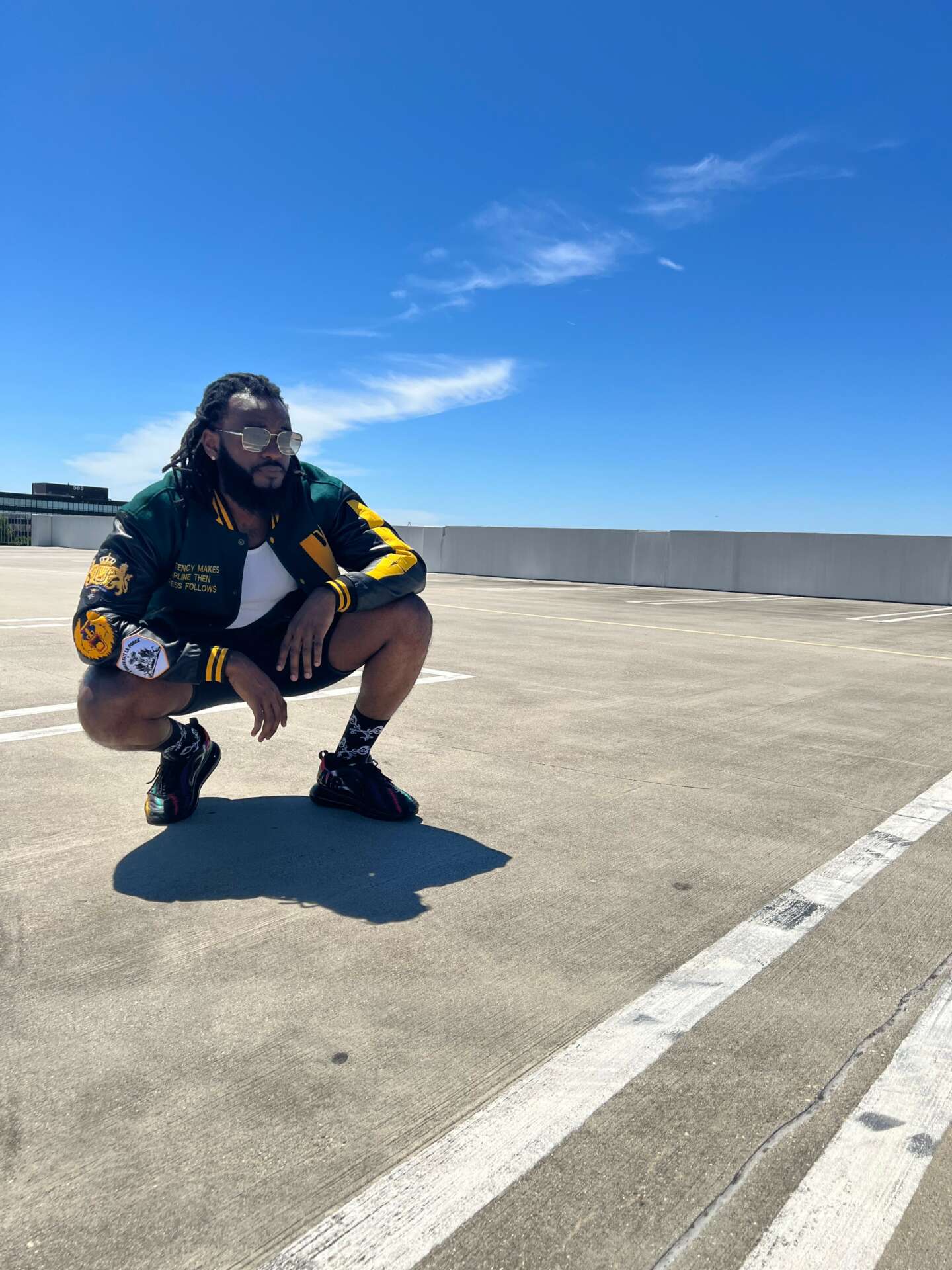
We’d love to hear your thoughts about selling platforms like Amazon/Etsy vs selling on your own site.
I decided to purchase my website to sell my products because they offer greater flexibility to create and customize products. However, sites such as Amazon or Etsy are great starting points.
For the more experienced creators in the clothing industry, creating your website and finding a manufacturer will allow the flexibility to create.
Contact Info:
- Website: konsistan.com
- Instagram: @konsistan.brand
- Linkedin: https://www.linkedin.com/in/mathieuchristopher/
Image Credits
STEPHEN BLAISE JAVON GODWIN DIANDRA MYERS DAVIAN MYERS TREVER DAVIS JAMALL THOMPSON