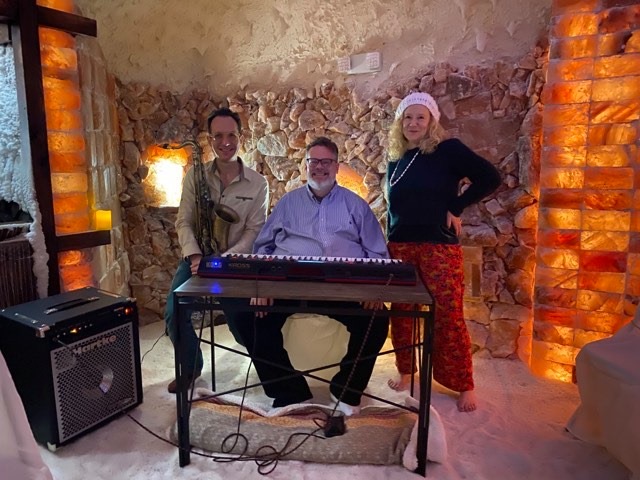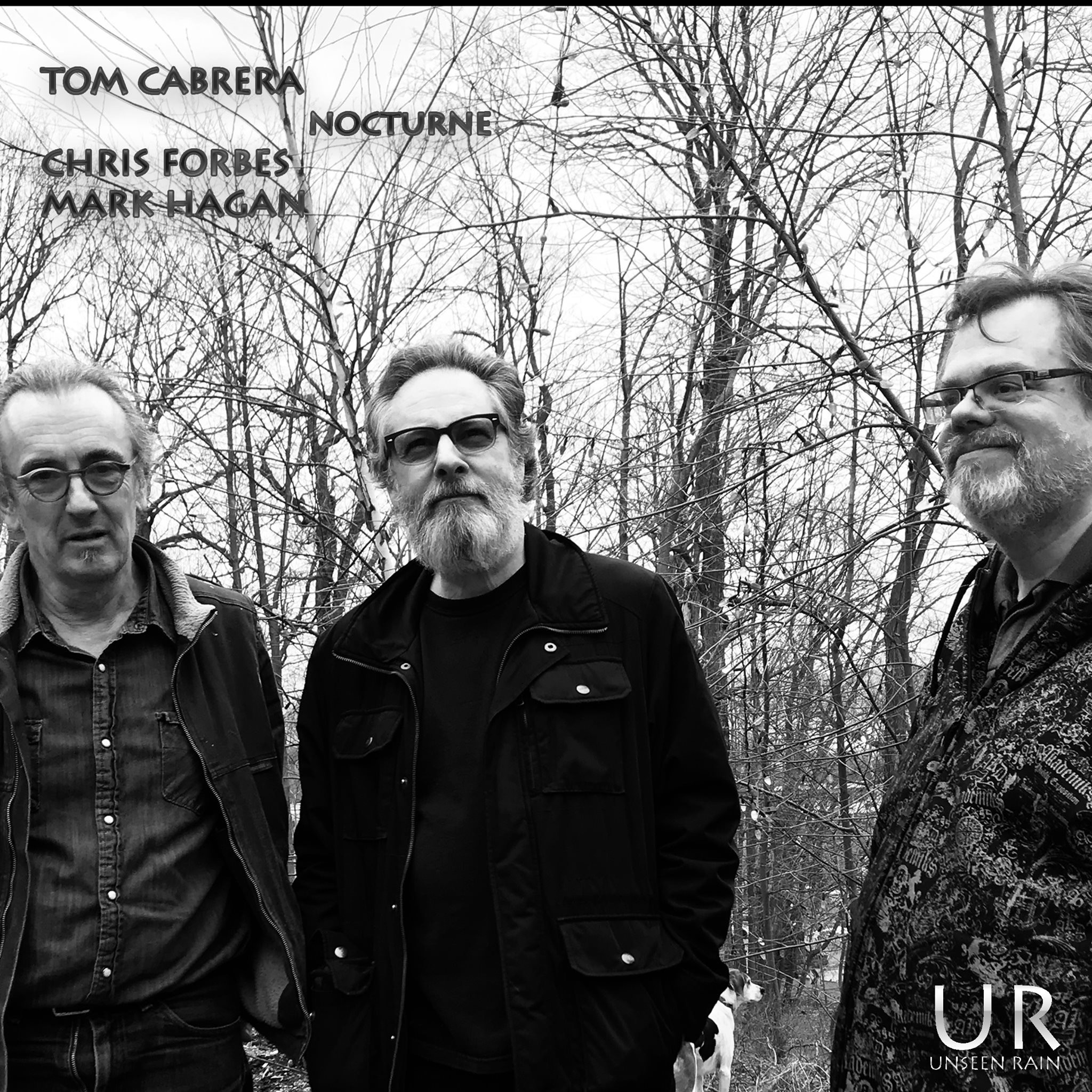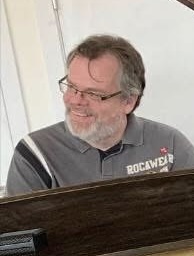

We’re excited to introduce you to the always interesting and insightful Christopher Forbes. We hope you’ll enjoy our conversation with Christopher below.
Christopher, thanks for joining us, excited to have you contributing your stories and insights. Are you happier as a creative? Do you sometimes think about what it would be like to just have a regular job? Can you talk to us about how you think through these emotions?
I’ve never seriously entertained the idea of not being a creative artist, but at the same time I’ve consciously made the choice not to derive my primary income from either composition or from playing music. Teaching has afforded me the freedom to write and perform what I want, where I want without have to compromise stylistically. And in my job in particular I still do a lot of composition, mostly in children’s and student musical theater.
That said, several times in my life the demands of my teaching and education jobs have sucked up a lot of my time and I find myself resentful, at least a little. For instance, the job I currently have is directing the music for a three programs that span K-12 grade. As part of my responsibilities I help produce three major shows a year along with three less large shows. Almost all the music in these shows are original, either mine or student generated work. For the first fifteen years or so that I worked here I pretty much gave up composing my own notated work. For the first three years or so in the job I’d even given up doing much improvisation work. I’d convinced myself that perhaps the creative work of my life might turn out to be the music I composed for LifeLines. But in 2011 I had a major health scare and I returned to work feeling that my creative life needed to be more of a priority than it had been. So I began performing a lot more. In 2020, during pandemic this expanded to resuming notated composition. I downloaded Note Performer and began writing orchestral and chamber works again.
Now I have found the creative work/life balance for me at this age. I still work a fairly rigorous schedule, especially during show times, but I make sure to perform several times each month and record several albums a year either as a side pianist or my own projects. It helps to record for a smaller label (Unseen Rain) with its own studio and very trusting attitude toward my wide ranging concepts. Albums have run the gamut from straight ahead jazz trio to large scale pieces and even an upcoming project that unites freely improvised piano and drum duets with manipulated fixed media electronics.
And perhaps best of all, I’ve created a pretty strict composition schedule for myself. I get up early every morning and try to get in two hours of composition before going to work. I started this in November of 2024 and have continued almost every day since. As a result I’ve added two new substantial pieces to my catelogue and am working on two more, including a projected 70 minute song cycle. This feels like a really workable plan and I’m excited with the results.
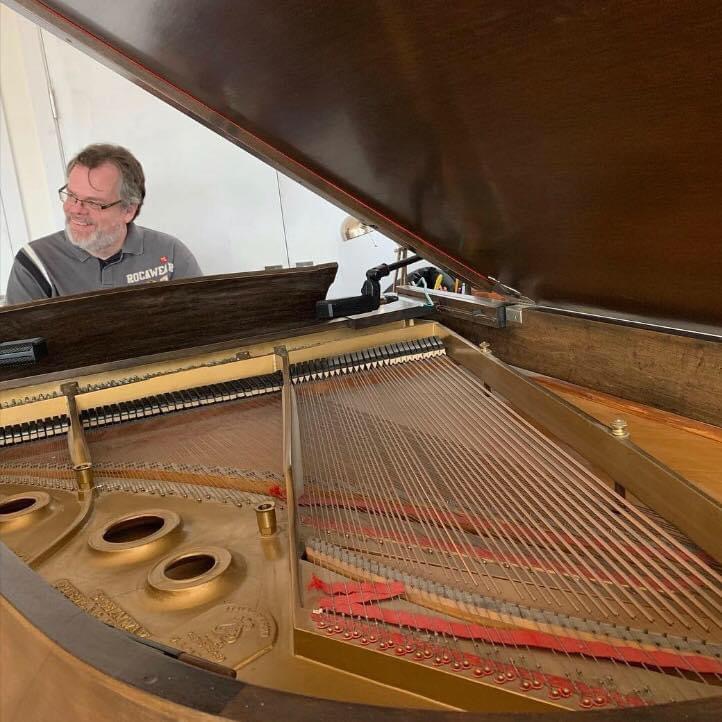
Christopher, before we move on to more of these sorts of questions, can you take some time to bring our readers up to speed on you and what you do?
I’m a creative improvising musician and composer. I began improvising and writing as a young music student, writing my first pieces when I was 8 or so. In my teenaged years I got bitten by the jazz bug, particularly the improvised music of pianists like Cecil Taylor and Keith Jarrett. A national award from Downbeat Magazine brought me to Berklee College of Music where I majored in Traditional Composition, and a Master’s degree at the Juilliard School where I studied with composer David Diamond.
My career began in Washington DC where I spent time composing choral and theater music, music directing theater and cabaret shows and playing in jazz clubs while teaching elementary and middle school music. One of the highlight was creating an original music RoadRage in collaboration with playwrte/poet Elizabeth Pringle and the IN Series concert series.
In 2000 I relocated to Chicago where I rediscovered my love for avant Garde jazz as well as composition. I continued to collaborate with other artists including creating, in collaboration with the Chernin Center for the Arts, Deeply Rooted Dance and novelist Ken Kesey, a full evening-length dance/theater piece based on Kesey’s children’s book, The Sealion.
The bulk of my career has been spent in New York Citywhere I relocated in 2003. I have spent a lot of time in the down town creative music scene where I have collaborated with musicians like Matt Lavelle, Ras Moshe, Jason Hwang and Steve Swell among others. I have arranged music for cabaret vocalists, written three children’s musicals a year for the past 20 years, played in several Vision Festivals, and had regular gigs at clubs like Tomi Jazz.
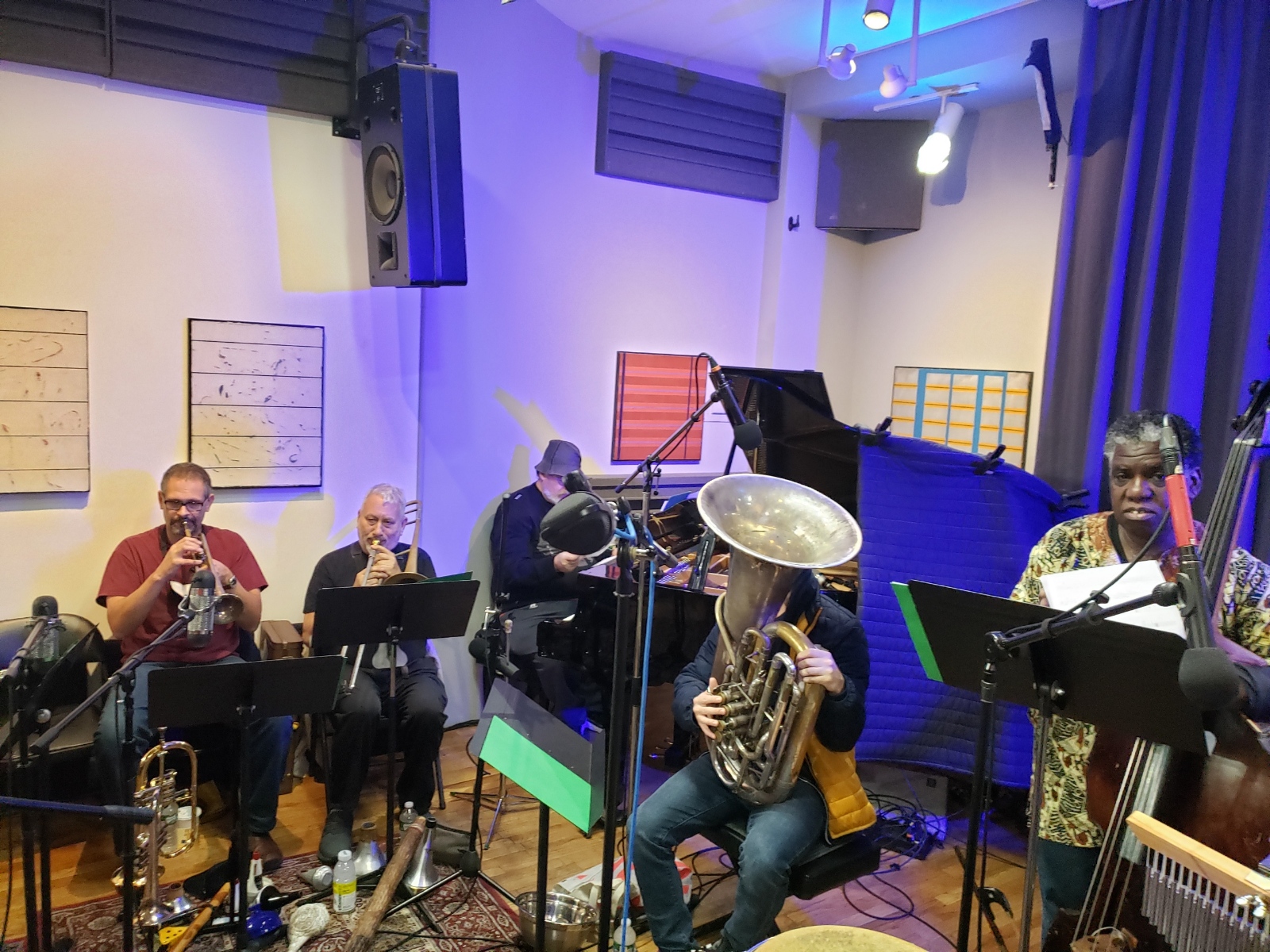
Is there a particular goal or mission driving your creative journey?
My creativity is best seen as a contemplative’s engagement with the social and spiritual values of the larger society. I believe that art can wake up the soul to its own beauty and power as well as to the dire needs of our increasingly out of balance world. Art that doesn’t wake the listener up, move them, make them uncomfortable, and finally change them in fundemwntal ways is art that I’m not interested in engaging with.
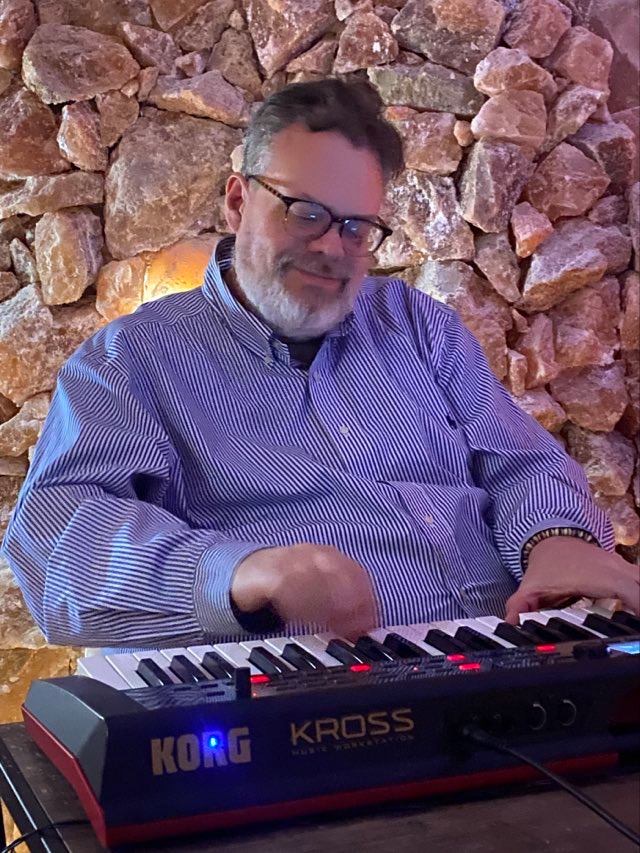
How did you build your audience on social media?
One of the things that’s really increasingly meant a lot to me as a creative artist has been the presence of social media. I had been a social media user since the early 2000s and in fact consider people I’ve interacted with on media to be genuine friends. But in 2016 I started using media more consciously. It had started as a reaction to the 2016 election. My sister and I had been on opposite sides in that election and my first Facebook live jazz post as a peace offering to her. I immediately saw great potential in the medium and began to work my way through the Great American Songbook two songs at a time. I would make this a mixture of performance and education by introducing each standard with a spiel about the composer, the song, or anything else relevant. I kept this up as a twice a day discipline for a good four years.
In 2020 the internet became an even more important tool for me. With the drying up of live performance under lockdown musicians had to find new ways to collaborate. I started creating performance videos with several groups including my jazz trio. I also became more involved in online composer groups, eventually serving as one of the hosts for an on air composers forum with comments that we held on zoom and twitch. Through this I’ve met a number of really great composers and musicians and kept up my drive to write.
Contact Info:
- Instagram: @christophergordonforbes
- Facebook: https://www.facebook.com/share/1L1CZ3Erqf/?mibextid=wwXIfr
- Youtube: @chrisforbes3352
- Soundcloud: https://on.soundcloud.com/SKdS4qYmzVAuSvytOl