



We recently connected with Christopher Corvan and have shared our conversation below.
Hi Christopher, thanks for joining us today. We’d love to hear the backstory behind a risk you’ve taken – whether big or small, walk us through what it was like and how it ultimately turned out.
For most of my life, my focus wasn’t on myself. It was on raising my kids. I became a father young, at 21, and for nearly two decades, my world revolved around making sure they had what they needed. My dreams? Those sat on the back burner, gathering dust while I did what had to be done. Then, at 38, I took a risk most people would have thought was too late to take. I decided to chase the life I had always wanted.
Starting House of Void was a leap into the unknown. I had no capital, no safety net, just a lifetime of stories in my head and a burning need to create. I wasn’t some bright-eyed 20-year-old with limitless energy and time ahead of me. I was a grown man who had spent years sacrificing, making ends meet, and putting others first. But I knew if I didn’t take the chance now, I never would.
House of Void was just the beginning. I threw myself into writing, publishing, and storytelling. I became an author, finally putting my words into the world after years of pushing that dream aside. But I didn’t want to just build something for myself. I wanted to create a space where other creatives could connect and grow. That led me to start the Creative Catalyst Cafe, a community built to support artists, writers, musicians, and dreamers of all kinds.
From that, Dripping Creativity was born. The podcast became an extension of the cafe, a way to showcase the creatives who were part of it. I wanted their voices to be heard, their stories to be told, and their work to be seen. It wasn’t just about my journey anymore. It was about shining a light on others who were taking risks of their own.
The odds were against me. I was stepping into an industry where money talks, connections matter, and the creative world often feels like it is built to keep outsiders out. But I refused to let that stop me. House of Void, the Creative Catalyst Cafe, and Dripping Creativity became my way of proving that it is never too late to start. It is never too late to build something from nothing. It is never too late to tell your story.
The journey hasn’t been easy. There were nights I wondered if I had made a mistake, if I should have played it safe, if I should have just accepted that my time had passed. But every time doubt crept in, I reminded myself of one thing. I had already spent years giving my all for others. It was time to give something to myself.
Three years later, everything I built is still growing. It is still a fight, still a grind, but it is mine. And if there is anything I have learned from this risk, it is this. There is no such thing as “too late.” The only time it is truly too late is when you decide it is.
As always, we appreciate you sharing your insights and we’ve got a few more questions for you, but before we get to all of that can you take a minute to introduce yourself and give our readers some of your back background and context?
I’m Christopher Corvan, an author, multimedia producer, and founder of House of Void and the Creative Catalyst Cafe. My work spans across storytelling, publishing, podcasting, and community-building, all with one core mission: creating spaces where creativity thrives.
My journey into this industry was not the typical path. Creativity has always been in my blood. My father was a Calgary filmmaker who taught me everything about directing and producing, showing me the power of storytelling through film. My mother, my hero, raised me with unwavering strength. She taught me how to be a good person with a good heart and how to stand my ground. Between them, I learned the balance of artistry and integrity. I learned how to create while staying true to myself.
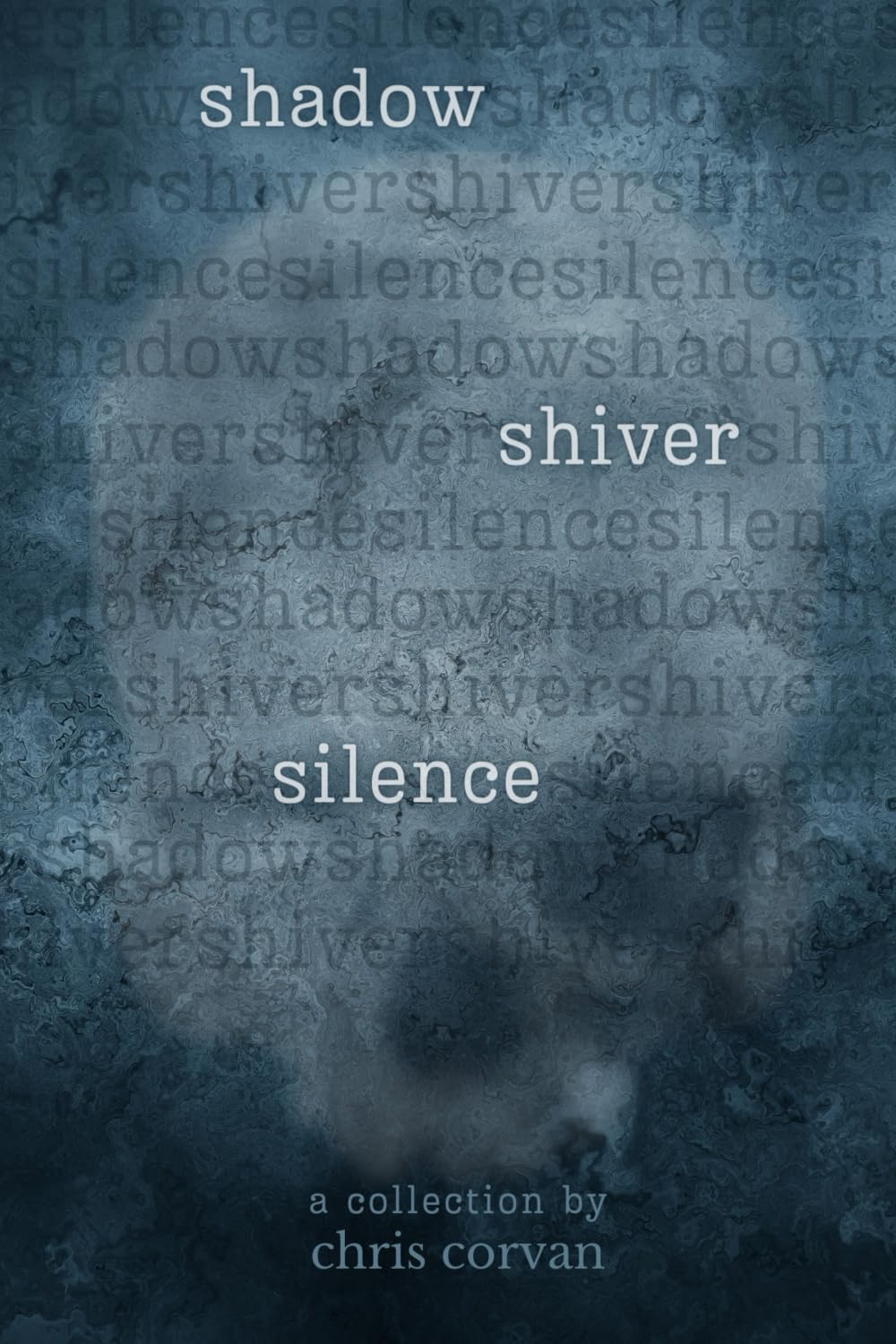
For most of my adult life, my focus was on raising my kids. I became a father at 21, and for nearly two decades, their needs came before anything else. Writing, storytelling, and creative pursuits were things I told myself I would get to one day. But life has a way of reminding you that time waits for no one. At 38, I made the decision to stop waiting. I founded House of Void, my publishing and multimedia production company, with the goal of telling the stories that had been locked in my head for years. Since then, I have written and published books, built platforms for creatives, and expanded my work into multiple forms of media.
Beyond just my own storytelling, I wanted to build something for other creatives. That is where the Creative Catalyst Cafe came in. It started as a simple idea: a space for creatives of all kinds to connect, collaborate, and share their work. But it quickly grew into something bigger. The cafe is now a hub for artists, writers, musicians, and filmmakers looking for a supportive and inspiring community.
Out of that, Dripping Creativity was born. It is a podcast designed to showcase creatives and highlight their journeys. I wanted to create a space where artists could talk about their work, their struggles, and the passion behind what they do. It is not just about surface-level promotion. It is about digging into what makes creativity so powerful and why it matters.
What sets my work apart is the heart behind it. I know what it is like to feel like you are starting too late, like the world has already moved on without you. I know how hard it is to carve out space for yourself when you do not have money, connections, or a traditional path into the industry. Everything I create, whether it is a book, a podcast episode, or a platform for creatives, is built on the belief that creativity is for everyone. It is never too late to tell your story.
I am most proud of the fact that I built all of this from nothing. No funding, no industry backing, just sheer determination and a refusal to let my dreams die. And what I want people to know, whether they are a reader, a listener, or a fellow creative, is that their voice matters. Their stories matter. And if they are willing to put in the work, they can carve out a space for themselves, just like I did.
At the end of the day, my work is not just about books, podcasts, or a creative community. It is about reminding people that their art has value, that their dreams are worth chasing, and that creativity is not just for the privileged few. It is for all of us.

How can we best help foster a strong, supportive environment for artists and creatives?
The simplest answer? Value art the way it deserves to be valued. That means recognizing that creativity is not just a hobby or a side project. It is work. Real, meaningful work that takes time, energy, and skill. A thriving creative ecosystem needs more than just admiration. It needs investment. That means paying artists fairly, funding creative spaces, and making sure that resources for creatives are accessible, not gatekept behind privilege and wealth.
We also need to shift the way we talk about creativity. Too often, artists are told to “get a real job” or that their work is only worthwhile if it goes viral, makes millions, or fits into some commercial mold. But art is not just about profit. It shapes culture. It challenges perspectives. It gives people a reason to feel, to think, and to dream beyond the limits of their reality.
A thriving creative ecosystem is built when we stop seeing art as something separate from life. It is woven into everything we do. And when we support it through money, opportunities, and simple respect, we do not just help artists. We create a richer, more meaningful world for everyone.
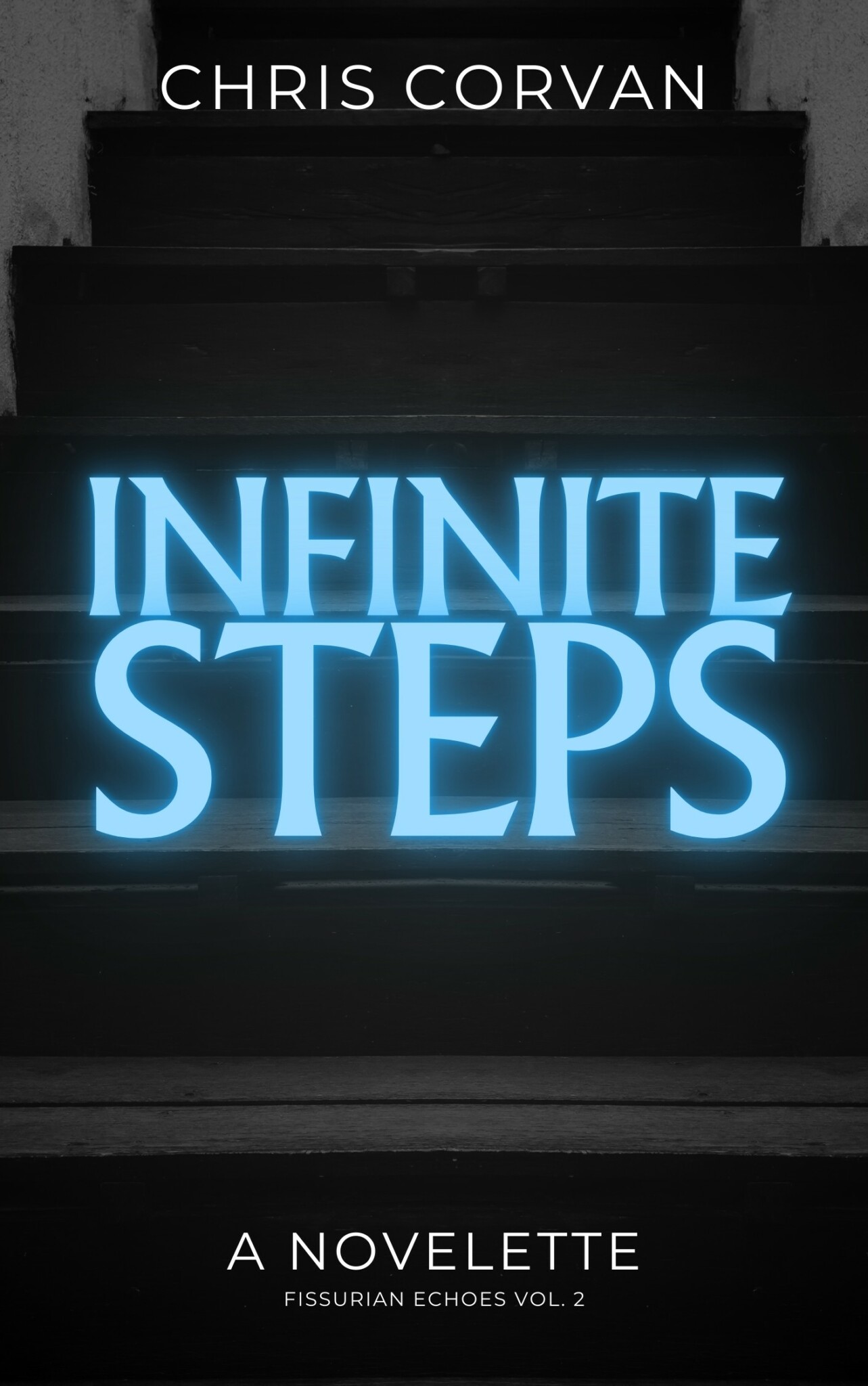
Is there something you think non-creatives will struggle to understand about your journey as a creative?
The biggest thing? The weight of it.
Being a creative is not just making things for fun. It is carrying worlds inside you. It is waking up in the middle of the night with an idea so loud it will not let you sleep. It is pouring your soul into something, knowing full well that some people will never get it. Some will ignore it. Some will tear it apart. And yet, you keep creating because the need to express yourself is bigger than the fear of failure.
A lot of non-creatives assume that the struggle of being an artist is about money, and while that is definitely a huge part of it, the deeper struggle is emotional. It is battling imposter syndrome every single day. It is putting your heart into something and then watching it go unnoticed. It is feeling like you are screaming into the abyss, wondering if anyone actually hears you. And yet, it is also the thing that makes life feel alive.
Being a creative is not a choice in the way some think it is. Sure, you can choose to pursue it as a career, but the need to create? That is something deeper. It is wired into you. You can try to ignore it, but it will never stop calling you back.
For those who do not live in that world, it can be hard to understand why we do this, especially when the odds are against us. But to a creative, the real question is, how could we not?
Contact Info:
- Website: http://creativecatalystcafe.com/ or https://thehouseofvoid.com/
- Instagram: https://www.instagram.com/creativecatalystcafe/ or https://www.instagram.com/chrisofthevoid/
- Linkedin: https://www.linkedin.com/in/chriscorvan/
- Youtube: https://www.youtube.com/@CreativeCatalystCafe
