



We caught up with the brilliant and insightful Christopher Barili a few weeks ago and have shared our conversation below.
Alright, Christopher thanks for taking the time to share your stories and insights with us today. Earning a full time living from one’s creative career can be incredibly difficult. Have you been able to do so and if so, can you share some of the key parts of your journey and any important advice or lessons that might help creatives who haven’t been able to yet?
The great thing about where I am with my writing career is that I don’t need to earn a living through my writing. I support my writing habit through my day job as an intelligence analyst for the DoD. That job lets me pay my bills, and takes the pressure off me as a writer. I don’t have to “make it” at any given time. The day job also makes me appreciate the opportunity to write stories and have people read them.
My father was an art teacher who used to do paintings and sculptures in his spare time. One day he stopped and took up photography instead. A year or so later, I asked him why. He said, “I spend all day doing art for other people. Why would io want to come home and do the same thing again? That moment stuck with me, and made me realize that perhaps sometimes our creative pursuits have to happen outside our day jobs.
Maybe someday I’ll want to earn my living through writing, but for now, I can sit back and enjoy how it touches my readers without making it a job I have to do if I want to keep the heat on.
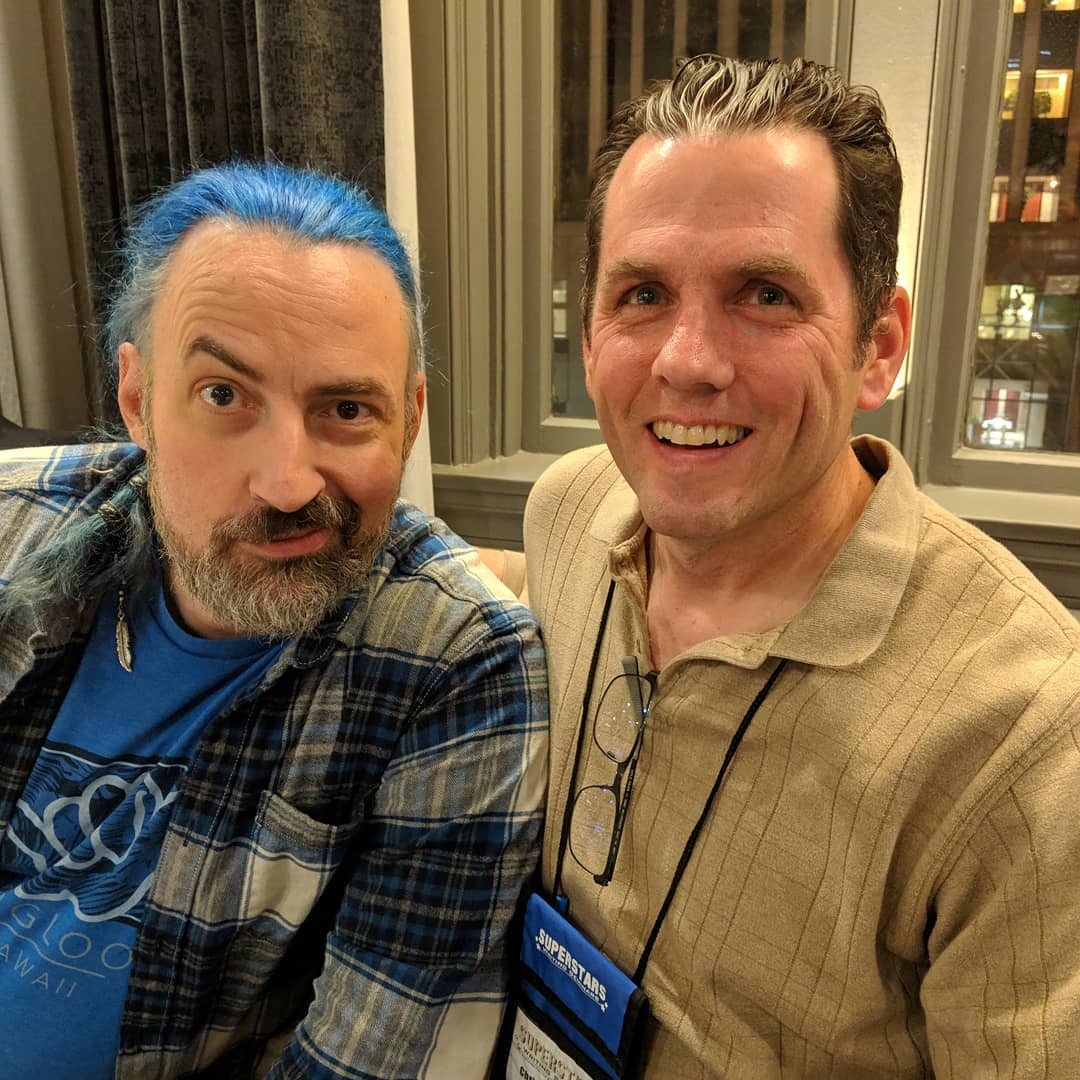
Great, appreciate you sharing that with us. Before we ask you to share more of your insights, can you take a moment to introduce yourself and how you got to where you are today to our readers
I started writing stories when I was in my early teens. I’d read Tolklien’s four books, and while the characters, settings, and plots pulled me in and would not let me go, but I kept thinking something was off, something could have been better. Then I picked up Devid Eddings’ first book, Pawn of Prophecy, and it hit me what I could do better–or at least differently–than Tolkien’s: language. Many casual readers had told me they found Tolkien’s books “thick” or “tough to read.” So I fell back on Eddings, and again I was hooked.
By the time my junior year was complete, I had written The Unreal Key, a typical first-time epic fantasy novel. I’d written two drafts: a crude one done in pencil, followed by the “final draft” typed on an IBM Selectric II typewriter. Handing that to my teacher had a profound effect on me. I had completed a work, a full-length novel!
Fast forward to 2013, when I enrolled in the Western State Colorado University’s Master of Fine Arts in Creative Writing. What I liked about this program was that unlike other MFA programs, it focused not on literary fiction, but genre fiction. Things like fantasy, science fiction, and horror. That program turned my writing career around, and I ended up selling thirteen short stories, self-publishing three novellas in the Hell’s Butcher series, and selling two novels (both of which began their lives as my primary and backup thesis ideas for the MFA.)
During the first summer residency, the professor (a best-selling genre fiction author himself) asked each student what genre we wrote in. For me, that was fantasy. “Great,” he said. “Write me a western short story.” And he did the same with every other student making them write in a genre outside their comfort zone. The story I wrote was titled “Yellow,” and turned into my first fiction sale, and since then, I have sold fiction in every genre except thriller.
Now that high schooler who only wanted to write fantasy has been published in every main genre except thrillers. If you’re wondering where to find my stories, here is a list of them, their lengths, and their genre:
Smothered, Supernatural Romance, Stand-alone novel.
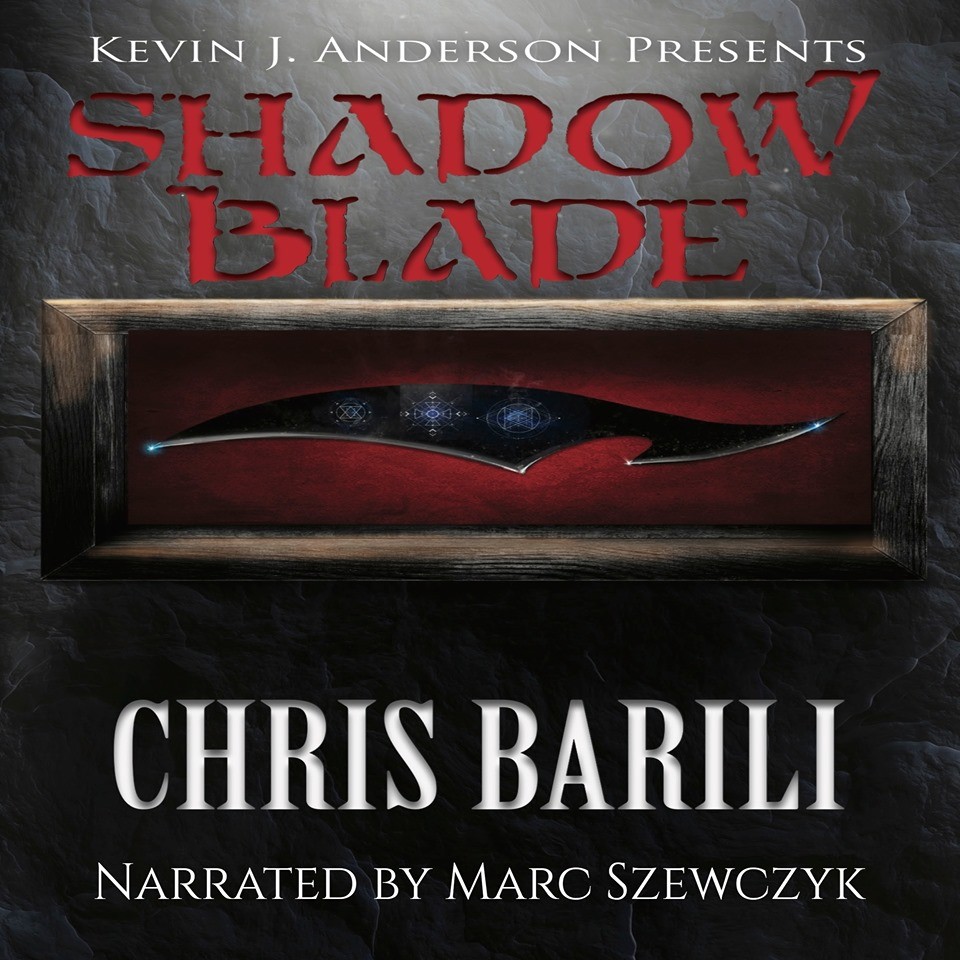
Shadow Blade. Fantasy. Novel.
Guilty. Dark Fantasy, horror. Novella. Prequel to the Hell’s Butcher series.
Hell’s Butcher Series: Hell’s Marshal,Hell’s Butcher, and the forthcoming (this summer) HEll’s Sire. All dark fantasy/horror.
Any resources you can share with us that might be helpful to other creatives?
There are quite a few things I wish I’d known about earlier in my career, but two stand out from the others.
First, I wish I’d known about the Master of Fine Arts in Creative Writing (Genre Fiction) program at Western State Colorado University. As I said above, this program did more to help me become a better writer than any other resource.
The second resource is the Superstars Writing Seminars, run by best-selling author Kevin J. Anderson (who lives in Monument) and a group of best sellers. SSWS teaches something the MFA program only touches on — the business of writing. Through that program, I learned how to pitch a story, which helped me sell Shadow Blade. It taught me how to avoid bad contracts, how to do taxes on royalties, and a dozen other things I would have had to learn the hard way, otherwise. And most importantly, SSWS connected me with a “tribe” of writers dedicated to helping one another out. That is crucial for a writer, and has gotten me through some sticky times.”


Question not found
Many non-creatives struggle to grasp that writing is, in fact, a job, and that authors (or painters, musicians, etc) deserve to be compensated for the hard work they put into their products. I can’t tell you how many times I’ve heard someone say, “Art should be free” or “stories shouldn’t be for profit. It makes for bad stories.”
This is, of course, complete and utter nonsense. It’s a lofty opinion often held by academia, which scoffs at commercialization of art.
But artists create goods, just like people make cars, furniture, computers, and other things in response to demand. Writing–and all art–does the same thing. Fiction, for example, can provide escape, enlightenment, entertainment, joy, and so on, and thus creates more or less demand for that type of story based on what readers are after at a given time. And we should be paid for those products in accordance with prevailing demand.
My advice to non-artists who have this opinion? I’d ask if they thought Michelangelo painted the Sistine Chapel for free? Of course not. His work was commissioned by Pope Julius II in 1508. It was a commercial transaction, just like an author selling a genre novel.
My advice to writers facing this attitude–don’t sell yourself short. Don’t give away your work (unless it’s for a promotion), and don’t sell it for less than it is worth. After all, you have created a product, and deserve to be paid for it.
Contact Info:
- Website: www.authorchrisbarili.ink
- Instagram: authorchrisbarili
- Facebook: https://www.facebook.com/chris.barili/
- Twitter: @authorcbarili
- Youtube: ShakeNShred
1 Comment
Jeff Baker
Bravo, Chris! Good to hear you’re still plugging away!