


We caught up with the brilliant and insightful Christine Aaron a few weeks ago and have shared our conversation below.
Hi Christine, thanks for joining us today. Can you walk us through some of the key steps that allowed you move beyond an idea and actually launch?
The best example of how I went from idea to execution is a project I began years ago called The Memory Project. I had applied for and received an individual artist Arts Alive Grant (part of a regrant program of the New York State Council for the Arts through Arts Westchester). A requirement of most grants involves the artist offering an open studio, a lecture or workshop. Instead, I decided to use the grant for a community art project.
My work explores themes of memory, loss and the fragility of human connection. My idea for the project is reflected in its project statement: “People living and working in their communities carry the life, personality and essence of those spaces. Life experiences and the memories we hold shape who we are and how we experience the world. Neighbors living and working side by side, often don’t know one another. Given the rapid pace, busy schedule and demands of life, it is not often that we have an opportunity to sit down and listen to one another and be heard ourselves. This project aims to bring people together through a project of sharing memories.”
The Memory Project asked community members to share a significant memory of their choosing. The memories could be shared orally or in writing. To ensure the privacy of all contributors, handwritten and audio recorded memories will remain anonymous, and will not be attributed to or paired with names or any identifying information. The memories would then be incorporated in an installation on an ongoing basis.
At that time, I was participating in a professional critique class (and still do) which was invaluable in addressing the many ideas I had and the ways in which I wanted to create a project that would welcome contributions. It was a long and bumpy learning process. I needed to understand and learn so many aspects of doing a community project. I created informational materials both in Spanish and English since the community had a large Spanish speaking population. I learned how to use social media to speak about my project and to get the word out that I was looking for people to share their memories.
With the assistance of a close friend and colleague, I created a dedicated website TheMemoryProject.space as a landing point for anybody interested in the project. I developed promotional materials, including a postcard that I left in many local businesses, along with strips of hand torn paper and pens on which individuals could share their memories. I distributed these materials at cafes, art gatherings, libraries, nursing homes, dual language community centers and outside community events.
I learned very quickly that without a” face” people were wary to participate. Understandably they wanted the opportunity to meet me, ask questions, find out how their memories would be used. They wanted some control over the process. Thus, I started announcing on social media and through flyers that I would be present in various locations with the materials on which participants could write their memories and encouraged participants to come by. At these locations, I explained the project and gave examples of memories already contributed. I gave people the option of being anonymous or having their name listed as a contributor but in no way attached to the memory that they contributed. I found that people really wanted to share, to be part of a conversation, but also needed to protect themselves from perceived judgment or criticism. I provided a dedicated phone number for people to dial in and record a memory. In addition, I sent out material packages when requested, and provided a stamped, addressed return envelope so that people could contribute from the privacy of their own homes.
I was so busy troubleshooting and figuring out the logistics, I had not considered the impact reading these memories would have on me. The first group that I read slayed me. I felt honored and moved by the memories shared and became acutely aware of the trust that contributors placed in me. It became even more important for me to use them thoughtfully and with respect.
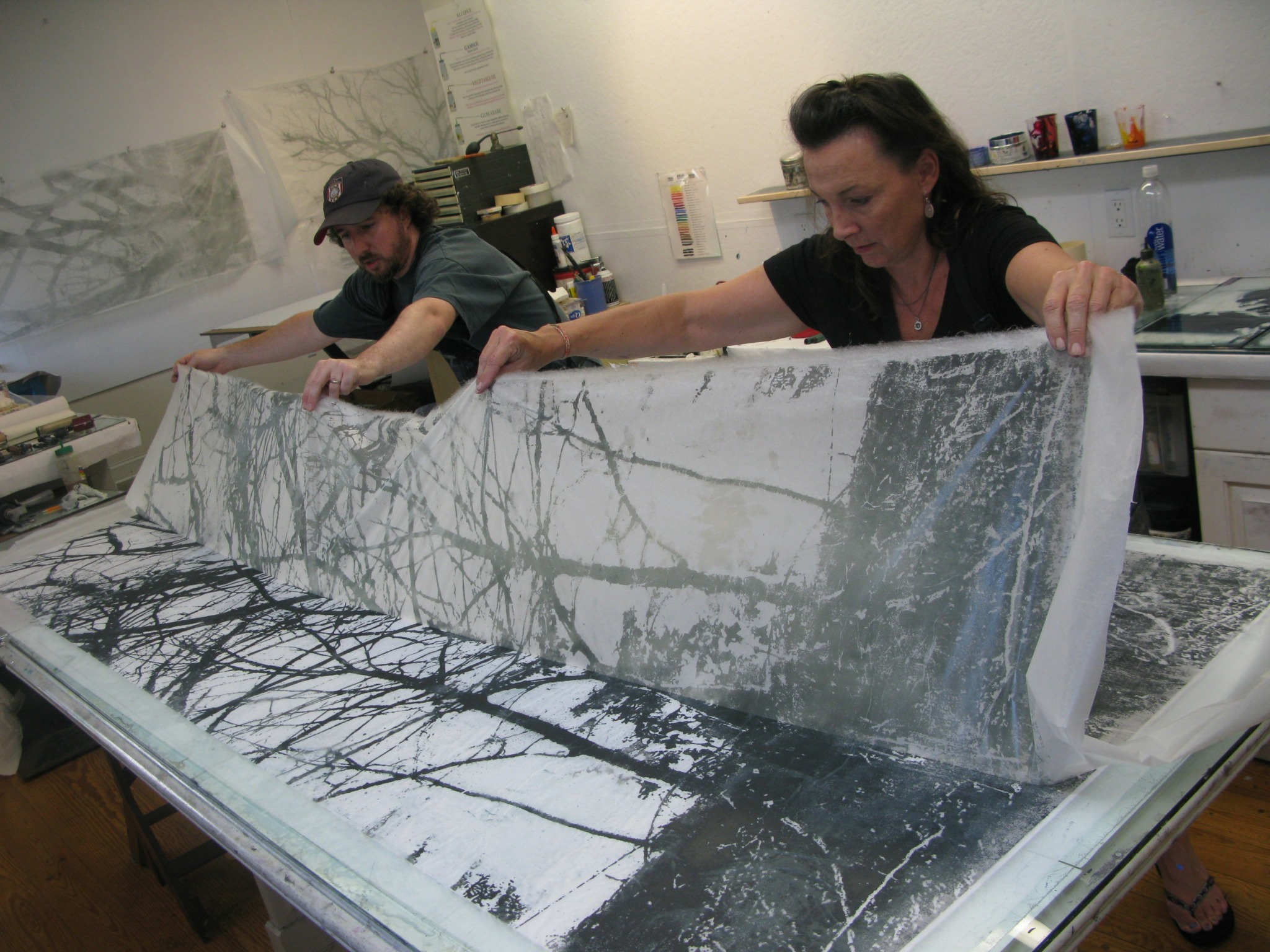
Once I had the memories gathered, I needed to decide how to present the work in the exhibition space. Because I wanted the visitors to actively engage with the memories I needed to consider how visitors would move around it within the space, how best they could read and listen to each other’s memories in an immersive way. I had the voice recorded memories playing in the gallery, as well as on portable CD players with headphones people could put on to listen to the memories while they wandered the gallery. I coated the translucent strips of paper with a sheer layer of encaustic medium (wax), which straightened the feather light strips and made them easier to read. Since the ceiling was so high I bought specially sized window screens and used fishing line and hooks to hang the strips. I also printed some of the memories onto 9 foot by 3 foot long translucent gampi panels. This was a time-consuming endeavor, using enlarged copies of the handwriting, inking them up and hand transferring them onto the fragile paper. This way visitors were able to be surrounded by and walk amongst them. Air currents gently moved the strips and panels as if in response to those moving through them. Other memories were handwritten on hand torn printmaking paper sized to fit into a vintage library card catalog. On the night of the opening, and the days following, I watched with pleasure as visitors read the memories, laughed, and grew quiet, shared ones that were personally meaningful with others in their group. One of the most gratifying things I found was watching people come in, read a memory, and react with empathy, recognition, or understanding. Often, they then chose to contribute a memory of their own.
I am proud of this project. The dedicated website is an ongoing, living site as memories from each iteration are added. On it you can read the handwritten memories and listen to the voice recorded ones and learn how to contribute your own. The Memory Project debuted at Mamaroneck Artists’ Guild (Larchmont, NY) in 2017. The Memory Project then traveled to and had a second iteration in Thousand Oaks, California, at the California Museum of Art, Thousand Oaks, CA in 2020-2021. Many more memories were added to the project which are now on the website. My hope is for this project to continue to travel, and to provide a safe space for people to come together to share, listen to and read of each other’s experiences as well as to recognize our commonalities rather than our differences.
Christine, before we move on to more of these sorts of questions, can you take some time to bring our readers up to speed on you and what you do?
Art is a second career for me. I have a master’s degree in social work and for more than 10 years I provided counseling to emotionally disturbed children, adolescents and their families at a residential treatment center. I grew up in a family that encouraged creative endeavors. Sewing, sketching, painting, crocheting, making costumes, handmade cards and gifts. In college I took a couple of art classes and tried making stained glass planters. Art was always something I sought out but never considered as my own path. That changed when my youngest child was a year old and I took a watercolor class at a local Arts Center. Within a year I started experimenting with poured inks and acrylic and took classes at the Center for Contemporary Printmaking (Norwalk, CT). I worked at my craft, read as much as I could, went to museums and galleries. Applied to and started getting accepted into juried art exhibits. Learned about and experimented with different mediums. I realized that creating art fed my innate curiosity, challenged me intellectually and emotionally, and was something I wanted to pursue seriously. At that realization, I took steps to a become a full-time working artist. I went from being a full-time social worker, to doing psychological testing for a colleague, to working in a friend’s boutique jewelry shop to pay for rent on an outside studio and my supplies, while allowing me dedicated time to create art. I am very fortunate that I do not need to support myself or family with my income but it was important to me that my art career was self-sustaining.
Equally important to me was to discover what I wanted to say with my work and how. Through workshops, professional critique groups, extensive reading, I discovered the main themes underpinning what I create. My work investigates loss, memory and human fragility. I create sculptural installations using natural materials and mark making processes in which traces of the hand remain.
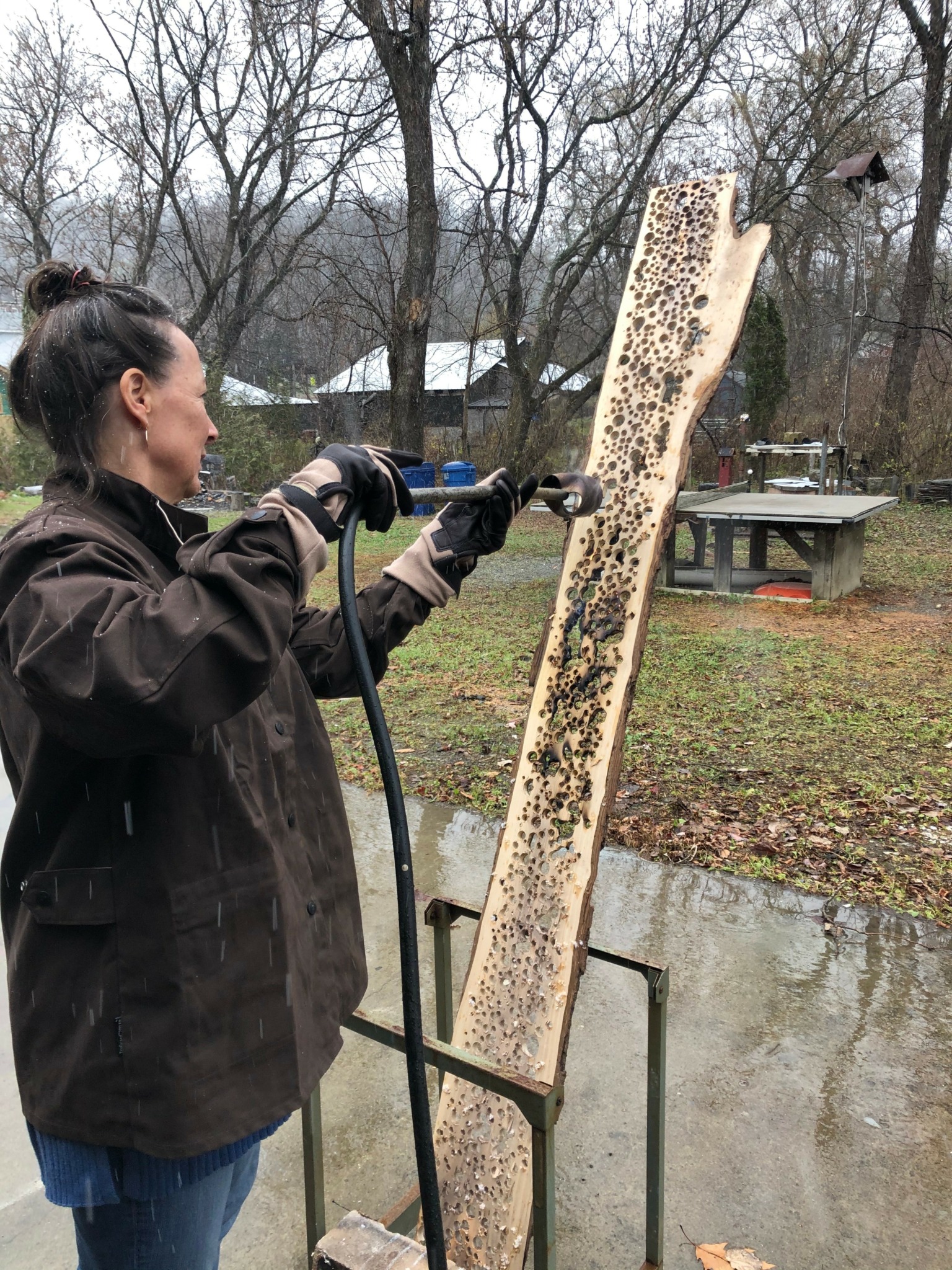
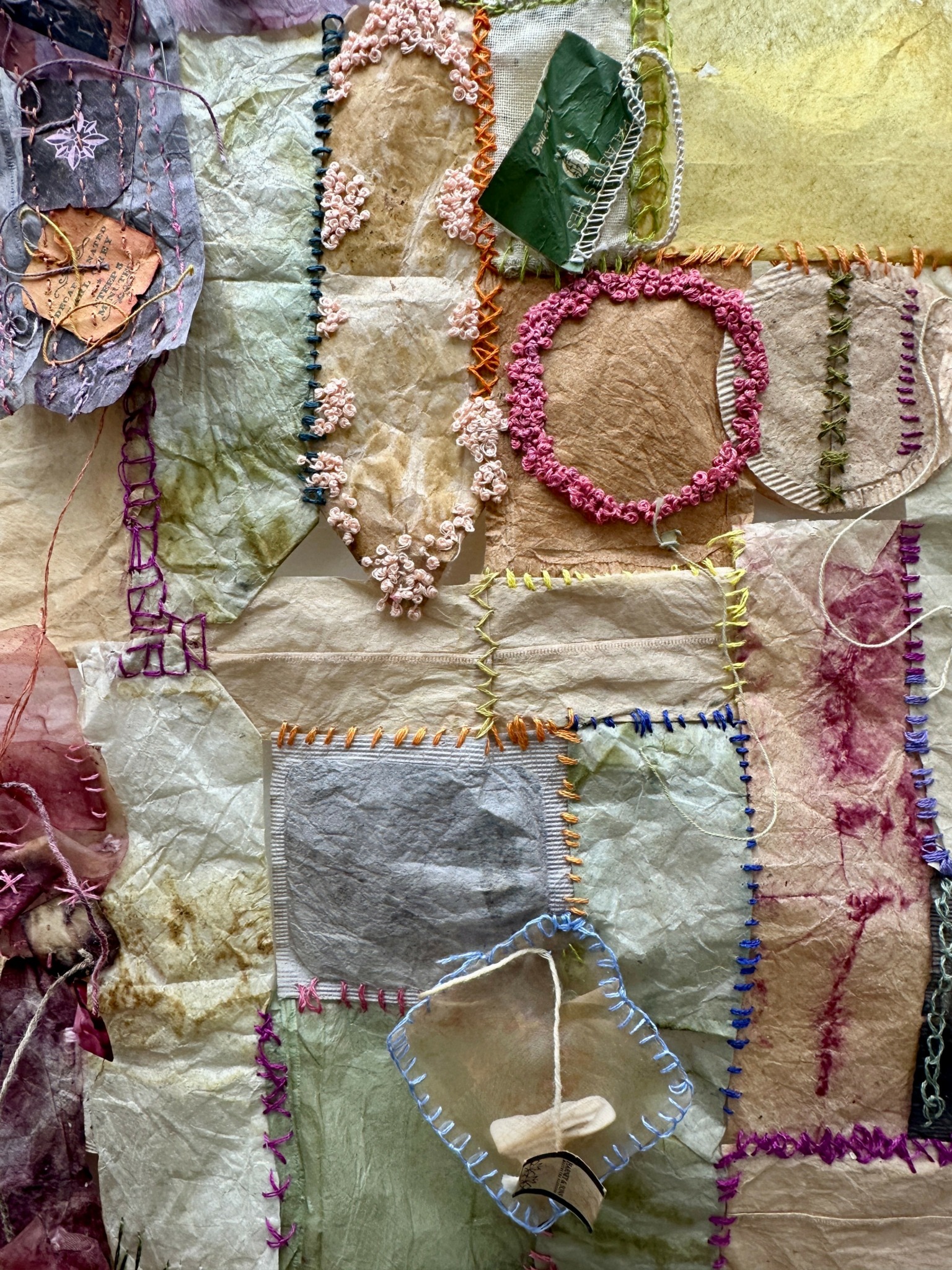
Repetitive mark making with woodburning tools and torch, drill and hand stitching, illustrate and create visual evidence of loss. Hand dyed, stitched silk cocoons and tea bags, embedded handmade paper, burnt book pages and abaca sheets, natural and collected ephemera, accumulate as recorded data. Cast light and shadows through burnt holes act as physical evidence of lives lost.
Obsessive marks record thousands of deaths due to covid, scorch marks overlay accepted written truth with unintelligibility, and reference loss of home in maps of mass migration. In the tradition of women’s work, I stitch to reclaim and repair, piece, layer and collage together into a fragile whole what remains. My work makes visible experience that is intangible and indelible and makes visual the beauty found in fragile, intimate, imperfect and pieced together objects.
The art community has been essential to my growth as an artist, and I believe it is important to give back. I am actively involved in and on the board of local community art centers and organizations. I volunteer in many capacities, including as an exhibition juror, hanging shows, presenting workshops and artist talks, supporting other artists and sharing what I have learned. I better understand where my work fits within and how my work can contribute to the larger art conversation.
Can you share a story from your journey that illustrates your resilience?
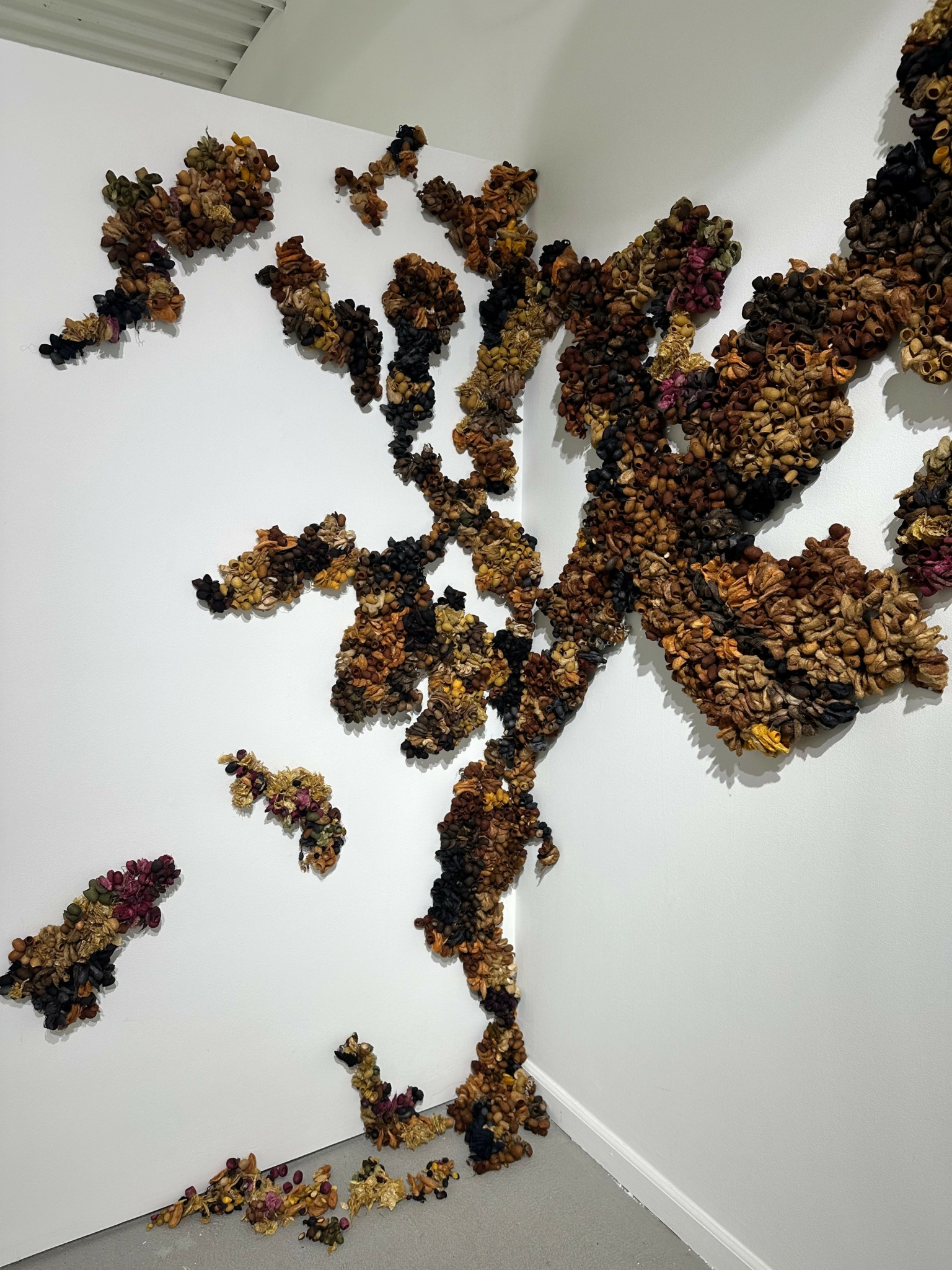
In early 2020, I was experimenting in my studio with some empty silk cocoons. A fellow artist had a few at a previous workshop and I was intrigued by them. Thinking about their references to nesting, growth, beginnings and endings, I had started to hand dye and stitch them together. As the COVID pandemic reached global proportions, the political unrest in the country ratcheted up, opposing views on immigration, Black Lives Matter movements and the concept of “alternative” facts I felt overwhelmed. Watching the news I was inundated with charts mapping numbers of those contracting the virus, deaths due to the COVID virus, movements of human migration, polls reflecting a divided nation. The rapid-fire way news travelled, both real and fictive, science and superstition, were represented creating connections and divisions. I imagined masses of cocoons spreading across walls and onto ceilings and floors representing
The first time I presented the cocoons to a professional critique class in which I participated, the response was lukewarm. I had a single mass of sewn-together cocoons hung in a clump. There were not enough of them to convey how I imagined an installation in my mind’s eye- cocoons stretched, as if self-propagating, across large expanses, blotting out parts of the wall behind. Despite the tepid response, the vision in my head remained strong and I persisted.
During the COVID stay-at-home orders, I started in earnest, hand dying and stitching together hundreds of empty eri and bombyx mori silk cocoons. I dyed them in small batches with various types of tea and coffee, oak gall, sunflower and walnut ink. I had little wall space on which to experiment. When Arts Westchester (White Plains, NY) put out a call for an exhibit Together apART: Creating During Covid, I made do with the cocoons I had, arranging a small section of them on the wall and spreading onto the floor. I submitted the photo with a description of a full installation in my application. I was thrilled to have Emergence selected.
I got busy stitching and dying. By the day of the installation, I had several shopping bags of stitched together sections. I was excited to see my vision come to life! When I arrived, I was surprised to have been given a dedicated freestanding wall measuring approximately 10 feet by 10 feet. I immediately knew that what I had so far was not going to be enough to have the visual impact I imagined. I wanted the work to be insistent, spreading in many directions and onto the floor. I spent several hours hanging the sections that I brought, visually trying to maximize their impact with their placement. I photographed what I had up and sketched out where the sections were and what areas I needed to cover.
I asked the exhibit curator if I could come back on three days later to finish installing, explaining that I wanted to cover more of the wall. The exhibit was to open later in the week, and I appreciated that she trusted me to follow through as I promised, rather than give me a smaller space for the work I already had.
My head buzzed with excitement and not a little panic. I had to obtain thousands of cocoons, greater quantities of tea, coffee, walnut and oak gall inks. Figure out ways to dye and dry the cocoons more quickly in order to be ready to stitch together. Turns out the oven on a low bake setting worked like a charm! I also needed help! I was able to hire an artist friend and colleague to come stitch with me and we stitched for hours side by side, as I continued to dye and dry the cocoons. The last two nights before I was to return to the gallery, I pulled all-nighters. Something I had never done in college or graduate school! I amassed almost as many cocoon sections as were already hung. Exhausted but determined I spent another day adding to, tweaking and finishing the wall. I stepped back at the end of the day with much satisfaction. The work held the wall and spoke to what I wanted it to speak to, and I was very proud it.
The work has been shown in several other exhibitions since, the most recent being at the Hudson Valley Museum of Contemporary Art (HVMoCA) in Peekskill, New York. Each time I exhibit the work I expand it and the installation at HVMoCA was no exception. I had more space than ever before including two corners. And like at ArtsWestchester, as I was installing, I decided I needed more. I spent another two days up late dying and stitching, even stitching cocoons together as I was hanging them the final day in the space to create the most impactful installation. This version of Emergence was beautiful, intriguing and not a little unsettling. Exactly as I had envisioned so many months before.
Any stories or insights that might help us understand how you’ve built such a strong reputation?
There are several things that contribute to my reputation as an artist. Foremost is my commitment to expressing my unique voice, using quality materials and always creating the best work I can. I am not a prolific artist, but I am a thoughtful and intentional artist, and I believe in the work I am creating.
I think visibility aids in the development of my reputation. I maintain a curated presence on the internet, from my webpage to social media posts, to being interviewed on podcasts. I write a blog, Studio Muse, that describes and illustrates my musings in the studio, the materials, mediums and processes I use, providing an intimate look into my studio practice. I regularly send out newsletters to my supporters with updates about exhibitions, studio visits and current work. I actively participate in several arts organizations and have presented at various conferences, including the International Encaustic Conference, and The New York Print Club. I was invited to jury a joint exhibit of the California Society of Printmakers and the Studio Art Quilt Associates which will travel to different venues for five years.
I firmly believe that volunteering and being an active member of the local art community is important. For this reason, I have participated on boards of arts organizations but also have done all kinds of work necessary for the organization to perform its mission – from hanging exhibits to acting as a jurist to fundraising. I support other artists by sharing my resources and techniques, offering advice when asked, and actively commenting on and offering feedback in social forums. I share disappointments and rejections as well as my successes because it is a more honest portrayal of what an artist faces daily. One of the podcast interviews I did was with Alyson Stanfield, fab founder of Art Biz Success on “Risk, Rejection and Resilience” to address just that. I go to art openings, buy art when I am able, and delight in the successes of other artists because I recognize that those successes do not limit my own.
Lastly, I am reliable. If I say I will have a project ready it will be ready or if I say I’m going to hang an exhibit I will be there to hang the exhibit. All my artist colleagues know that if I commit to do work, the work will get done in a timely manner and will be of high quality. In all these endeavors, I strive to honor the deadlines and the interests of those who are asking for my input. At base, though I care deeply about my work, I care equally about being an active, kind and supportive member of the art community.
Contact Info:
- Website: https://www.christineaaron.com/
- Instagram: https://www.instagram.com/christineaaronart/
- Facebook: https://www.facebook.com/christine.s.aaron
- Other: The Memory Project website: https://www.thememoryproject.space/
Studio Muse Blog: https://www.christineaaron.com/blog
Risk, Rejection and Resilience Podcast Interview; https://artbizsuccess.com/rejection-aaron-podcast/
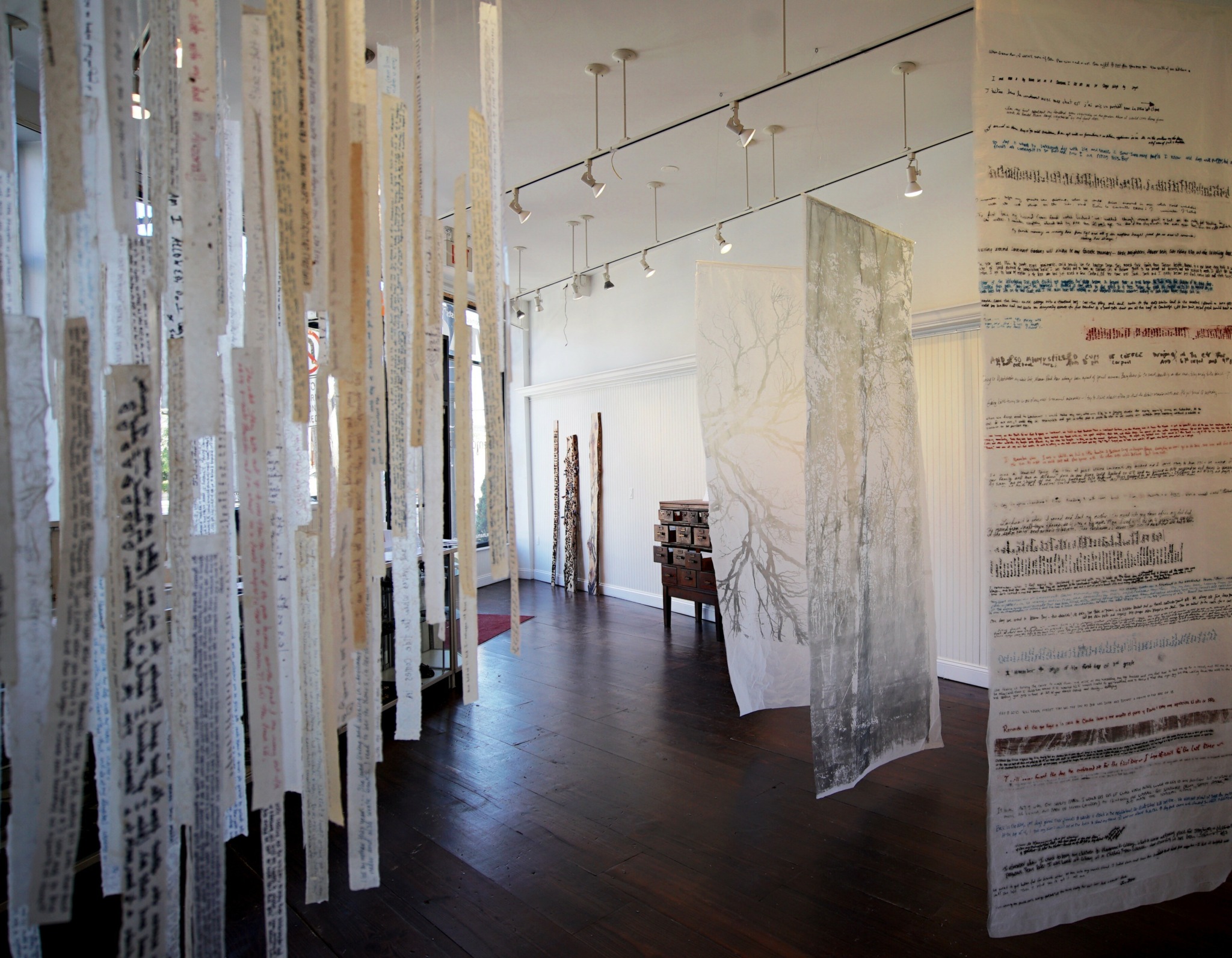
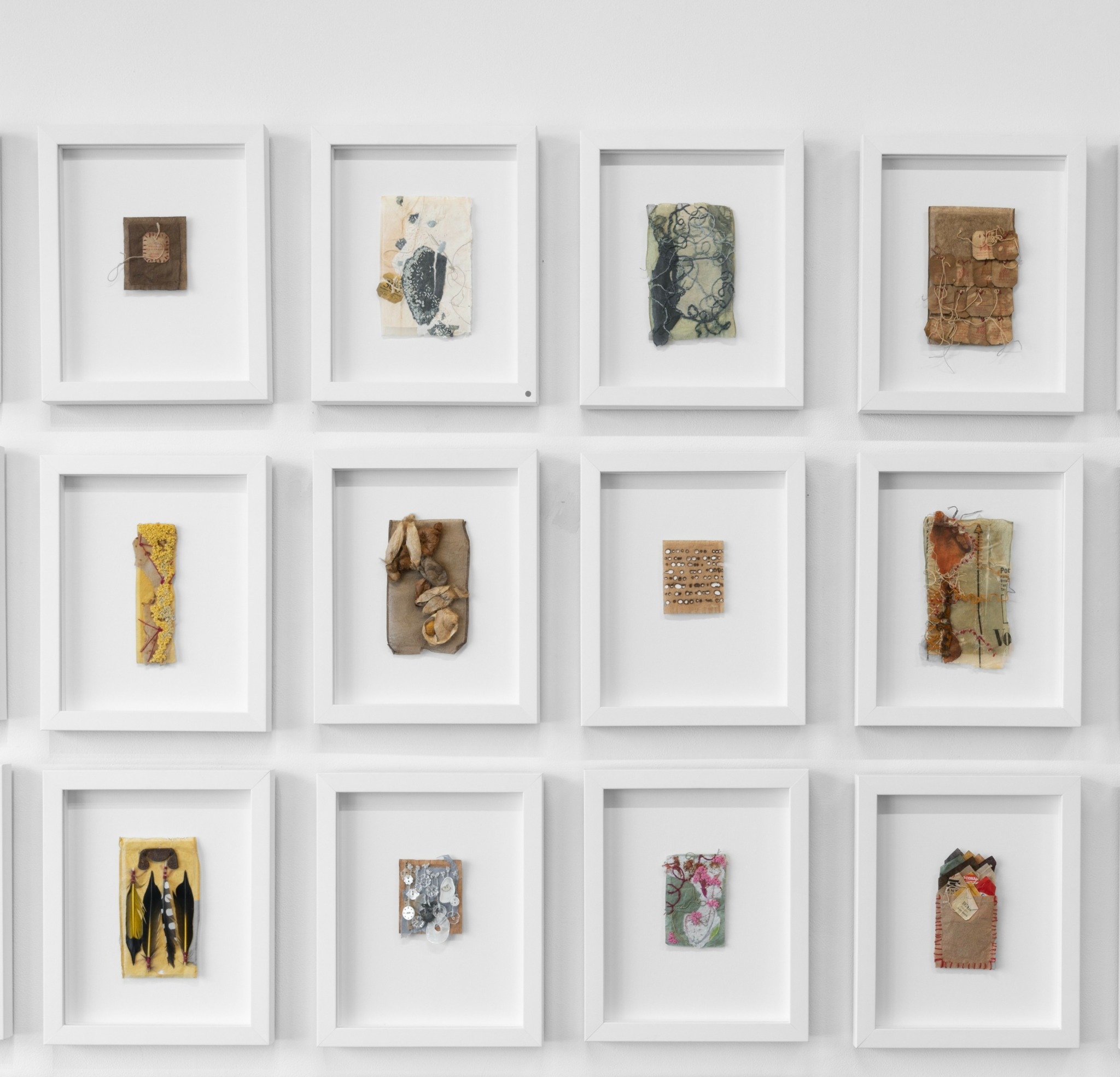
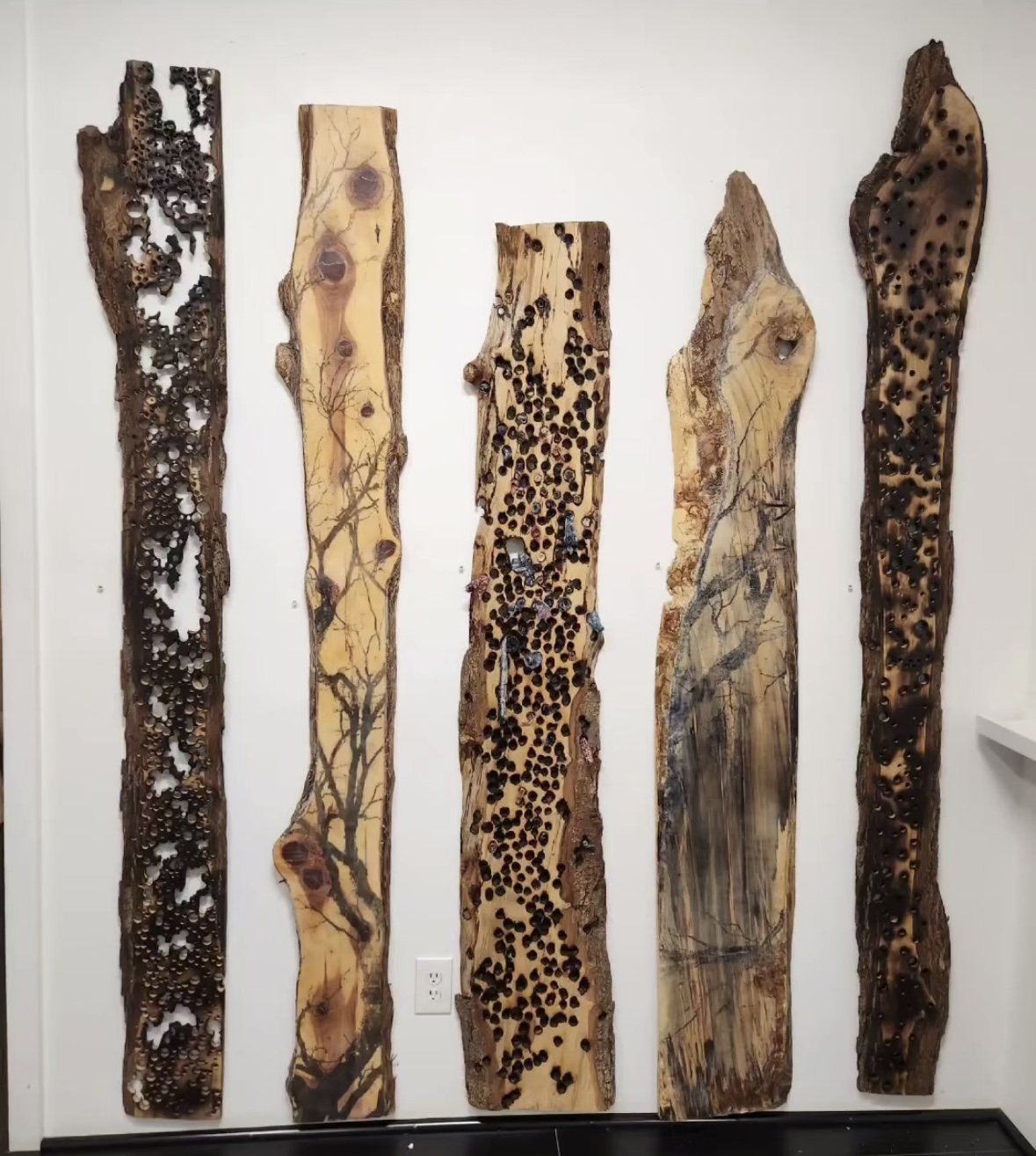
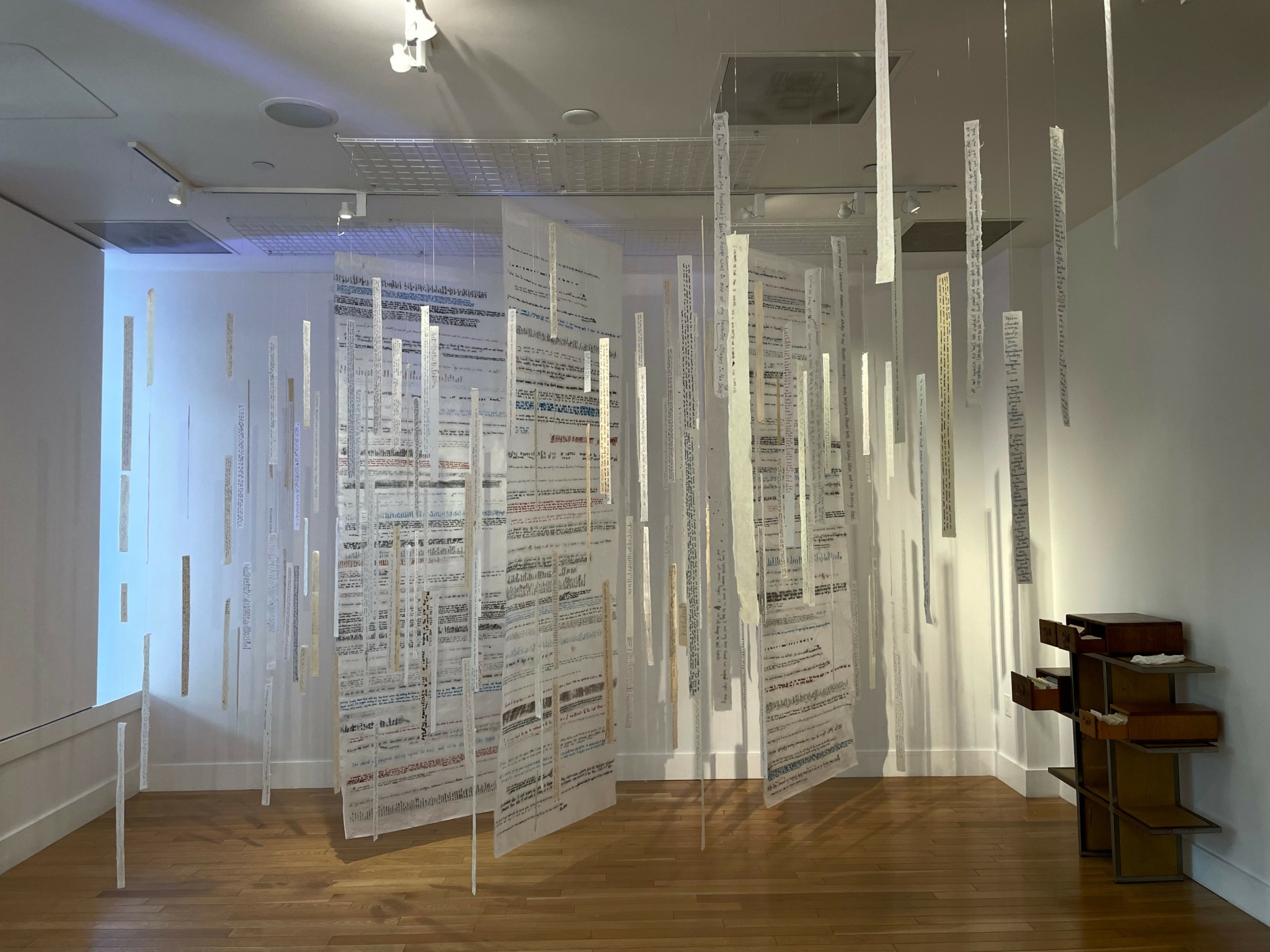
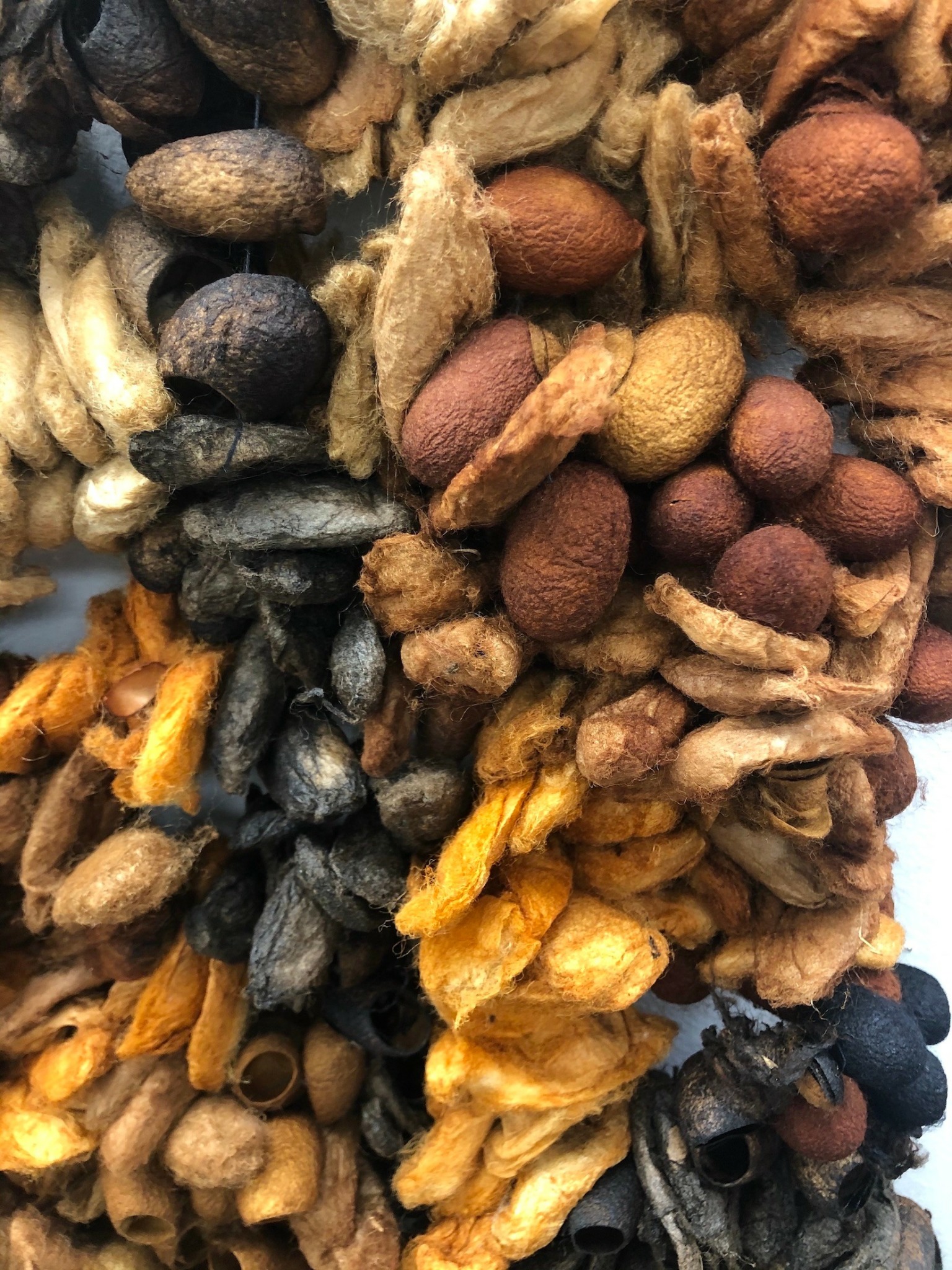
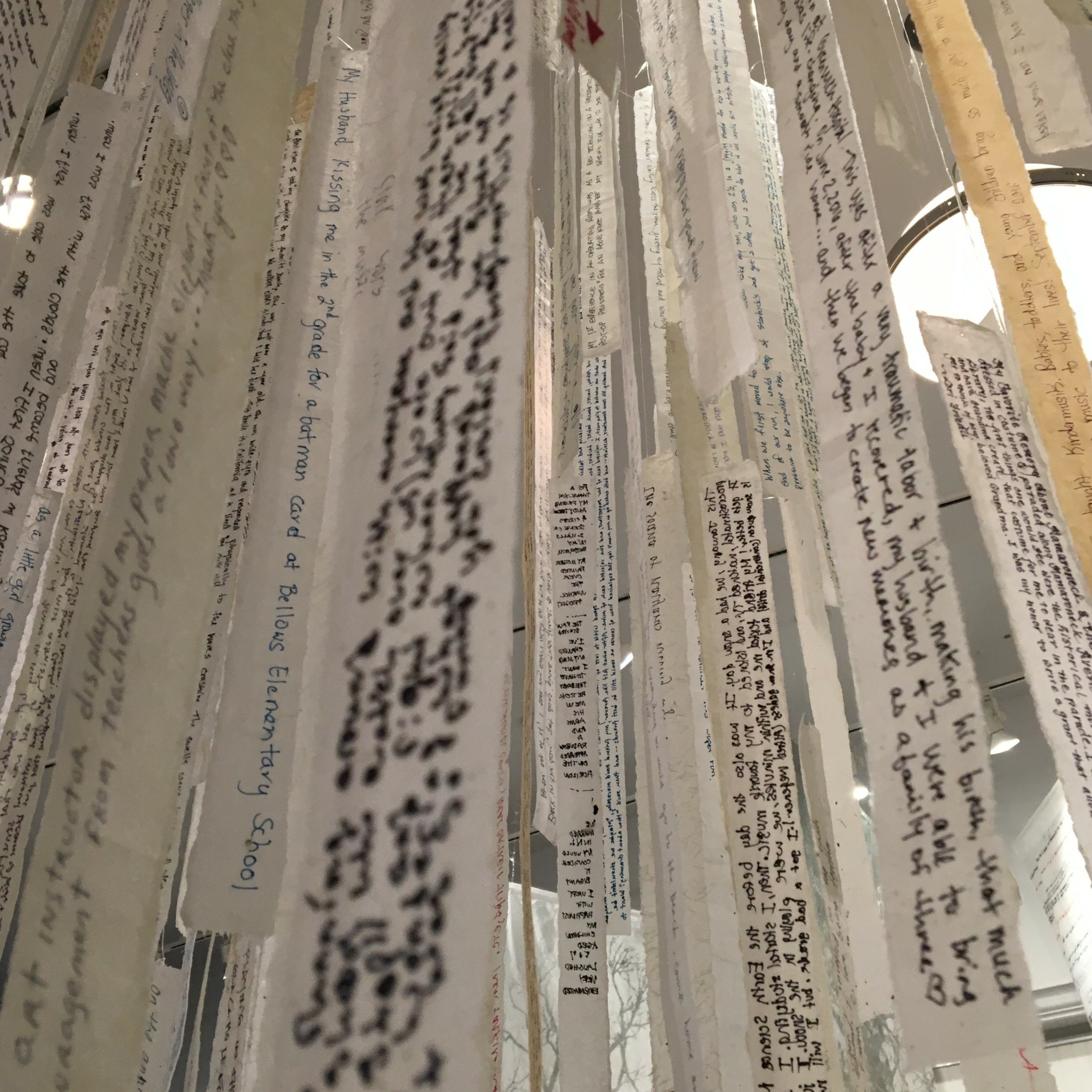
Image Credits
Kristin Kiraly Photographer
Christine S. Aaron