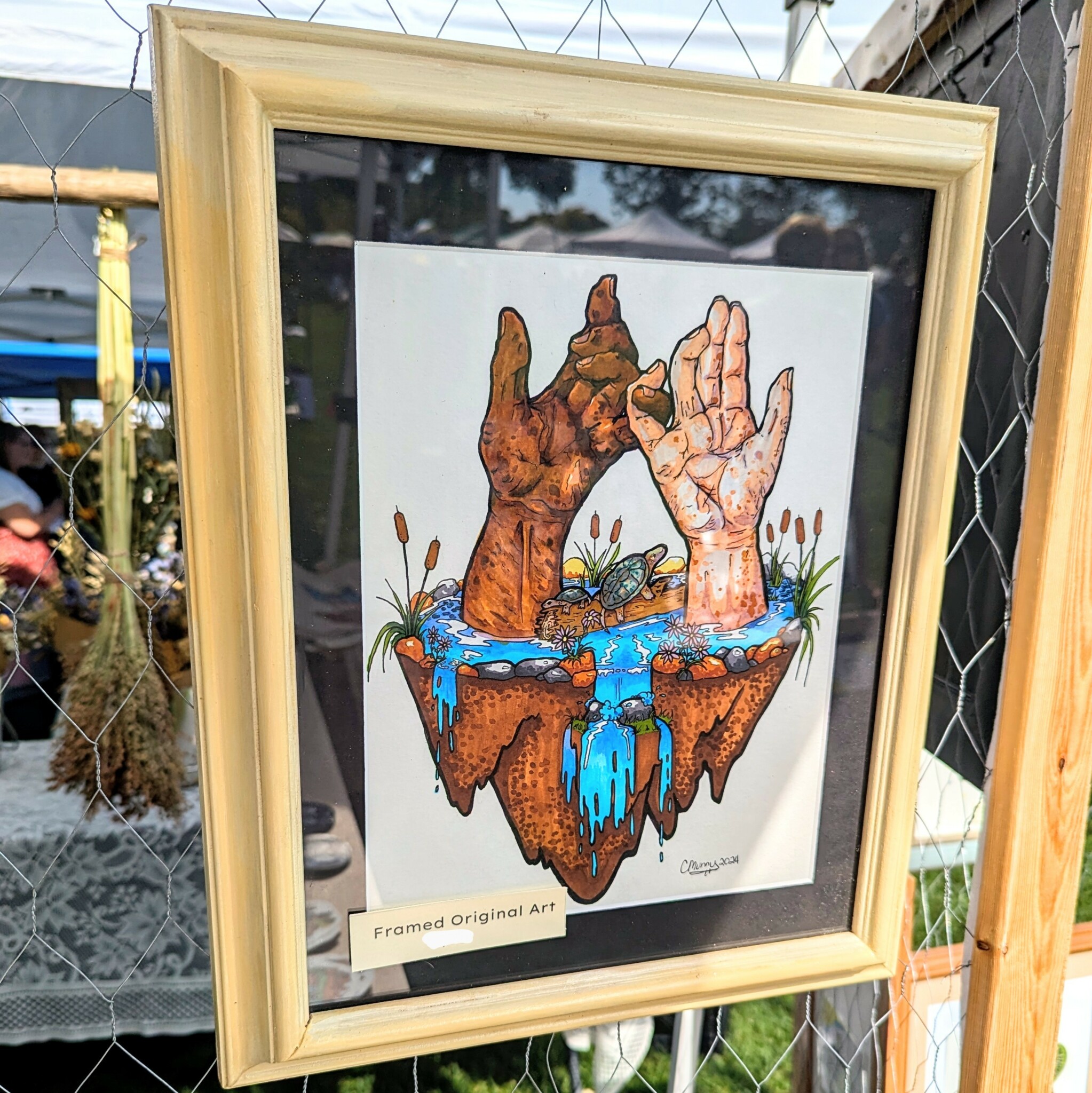
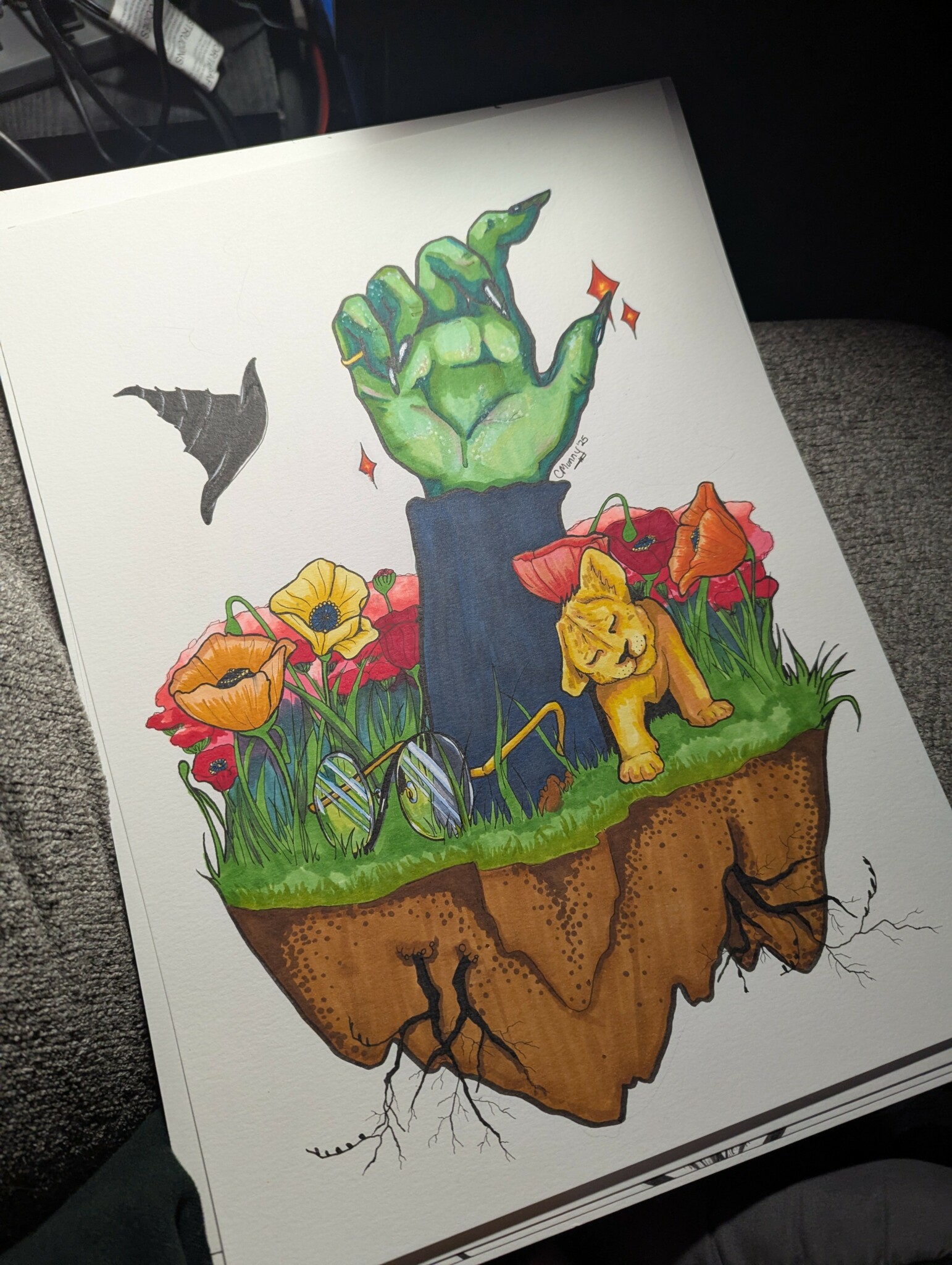
We were lucky to catch up with Christina Munny recently and have shared our conversation below.
Christina, thanks for joining us, excited to have you contributing your stories and insights. Do you feel you or your work has ever been misunderstood or mischaracterized? If so, tell us the story and how/why it happened and if there are any interesting learnings or insights you took from the experience?
I genuinely feel that my interests were mischaracterized as a child and young adult, which has led me to be a more observant, empathetic, and thrifty creator. I think this has also predisposed me to being hyper self-critical and unsure of myself, which has been something to grow through. To make the story more plain, I had a lot of out-there ideas as to what I wanted to be when I grew up and I would deep-dive on the ideas of tattoo artists, illusionists, ventriloquists, etc. in my early years, much to the dismay of my guidance counselors, grandparents, and other adults in my life. I want to give a shout-out to my mom here because, along with a handful of my teachers throughout the years, she was the main person telling me, “You can be anything you want to be, just work hard to get it,” and that messaging is all it took to float my belief in finding the perfect “fit” for my weird personality all the way through my early twenties. When I got to high school, my guidance counselor was very unimpressed with my latest career idea: set building and design. I didn’t care if I ended up in theatre, building exhibits for museums, or making fun outdoor pieces for theme parks, I just knew I wanted to make big, weird art and set design seemed like the way to do that. I spent my entire young adulthood with a plethora of people telling me, “Hmm, I don’t see you being successful in that,” and, “Do you even have any experience building things?” I was a kid. Of course I didn’t have meaningful experience yet; this was the period in my life where I was meant to gather experiences, try things out. All I knew was that I LOVED my carpentry mini-courses in middle school and I wanted to make more things. Unfortunately, the adults who didn’t share my vision for my future would steer me to take home ec classes rather than the woodshop, welding, and technical classes I requested and, as a result, the closest I got to the school’s workshop would be a Photoshop and video editing course. I would also join the school’s Rube Goldberg club, but as I was taking 9 classes every day with no study hall and working after school, I had no free time to prioritize another club or hobby. As I’m from a small town, I believe with some certainty that the adults who couldn’t find it in themselves to support what I advocated for as a career path were suffering from internalized misogyny. I think my out-of-the-box ideas gave a lot of those nay-sayers an outlet to push their own ideas of who I ought to be, gave them the opportunity to dismiss me as naive, foolish, or soft. I internalized a lot of that doubt. Something I remember vividly is someone who I loved dearly asking me, “And what are you going to do when you fail?” I’m going to get up, shift my approach, and try again. Try something a little different. Pivot. I started going to college for set design and then pivoted to a business degree. The self-doubt had been drilled into me and some stumbling blocks in my life during my first couple years of college seemed to hammer in the ideas that I was too naive to be on my own, that I shouldn’t have trusted that I could take care of myself, let alone build a career. In hindsight, those stumbling blocks were part of the college experience. Most people will go through situations like I did and they will come out the other side, just like I did. I graduated with my bachelor’s degree in digital marketing during the covid lockdowns and, despite being an “essential worker,” found myself bored, living alone, and needing a project to work on. This is where my photoshop and video editing course from high school came in handy: I started a YouTube channel. That channel has seen many pivots in its 4 years of existence so far as I’ve grown through a lot of my self doubt and grown to understand how my artistic qualities fit in my ever-evolving lifestyle. Two and a half years ago, I was blessed by my partner with the opportunity to quit my then-full-time job to become a part-time homemaker, part-time artist. That change has required me to explore my motivations for making, pivot the ways in which I make money and create art, and forgive myself for the ways in which I believed people when they told me I couldn’t trust my own instincts when it came to my career. Only recently have I had the opportunities to explore carpentry, play with new materials, and dig into why I wanted to be a set designer as a teenager. The ways I was limited as a teen and young adult forced me to make things with strange materials, like recycled bottles and free trash, and forced me to be creative in how I fit the act of making into my schedule. I also feel that I met people in my artistic communities who I never would have met through traditional artists groups or networking socials because I was pushed to pursue obscure hobbies and spaces in order to find an outlet for my weird brand of creativity. I’m so grateful that I was able to build skills such as empathy and observation of the human condition in all its forms because of the path I’ve taken. This path has also led me to not fully know who I am or how I’m meant to create. It’s in this moment of constant pivoting and new iterations of my art that your interview finds me.
Christina, before we move on to more of these sorts of questions, can you take some time to bring our readers up to speed on you and what you do?
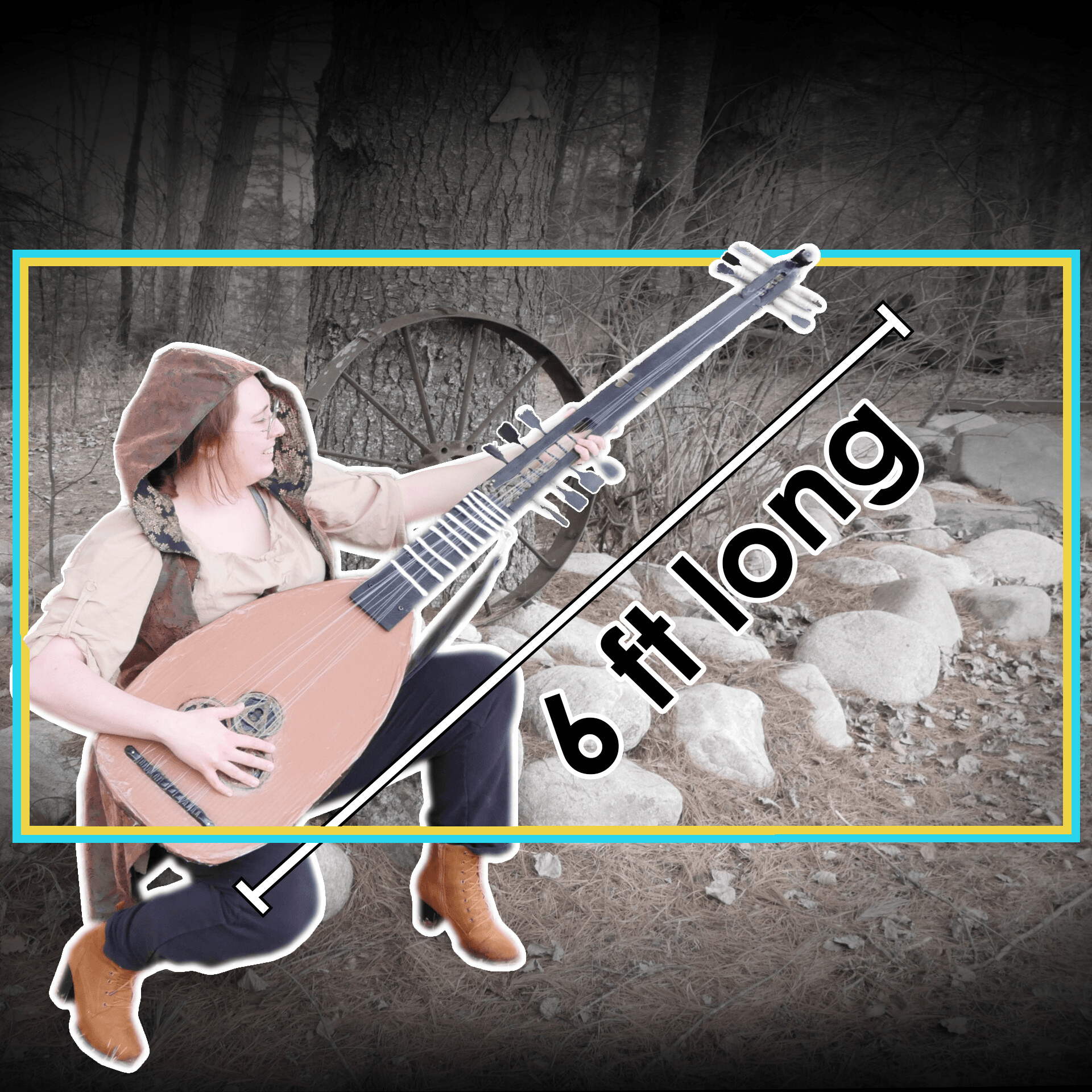
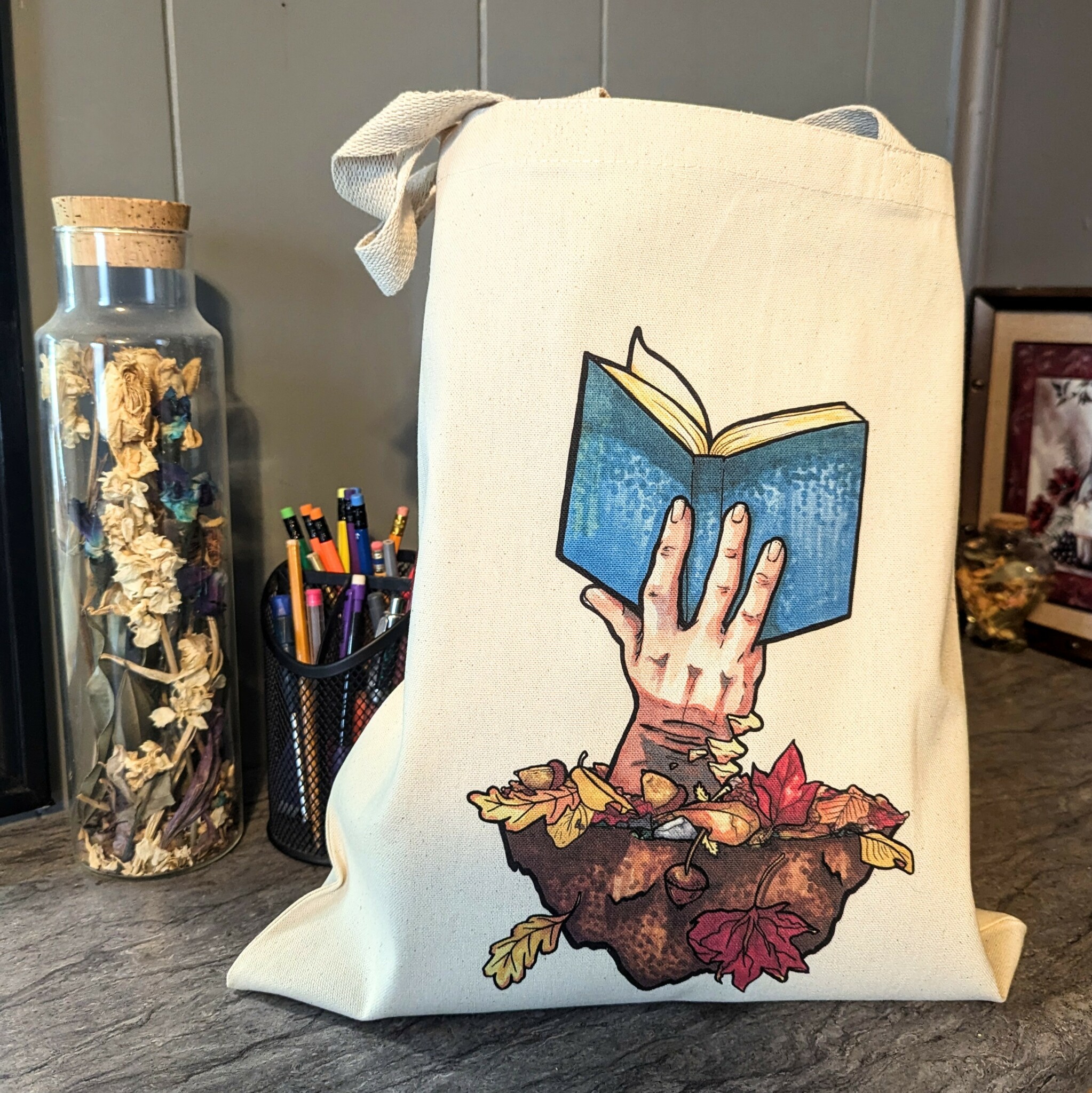
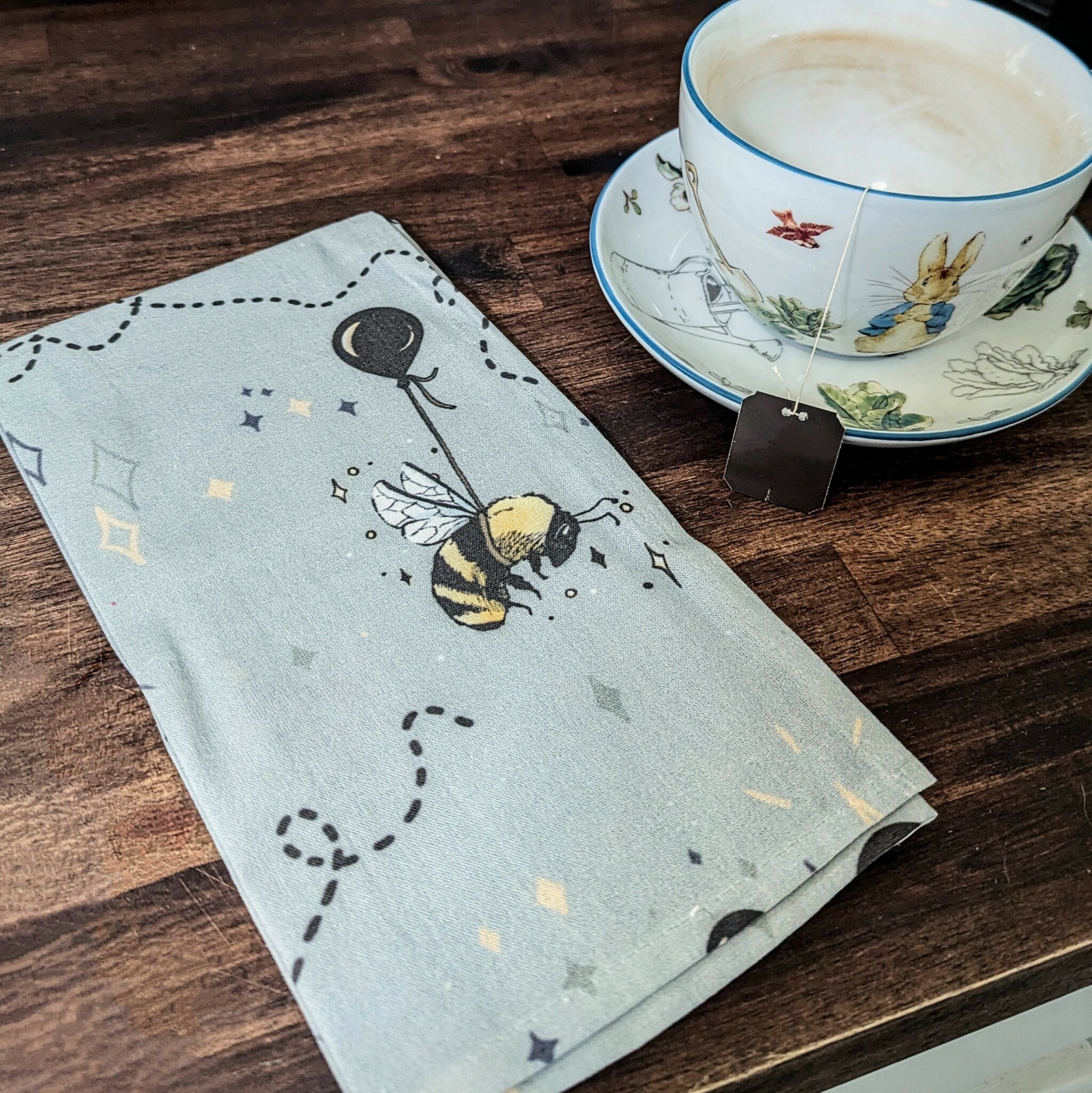
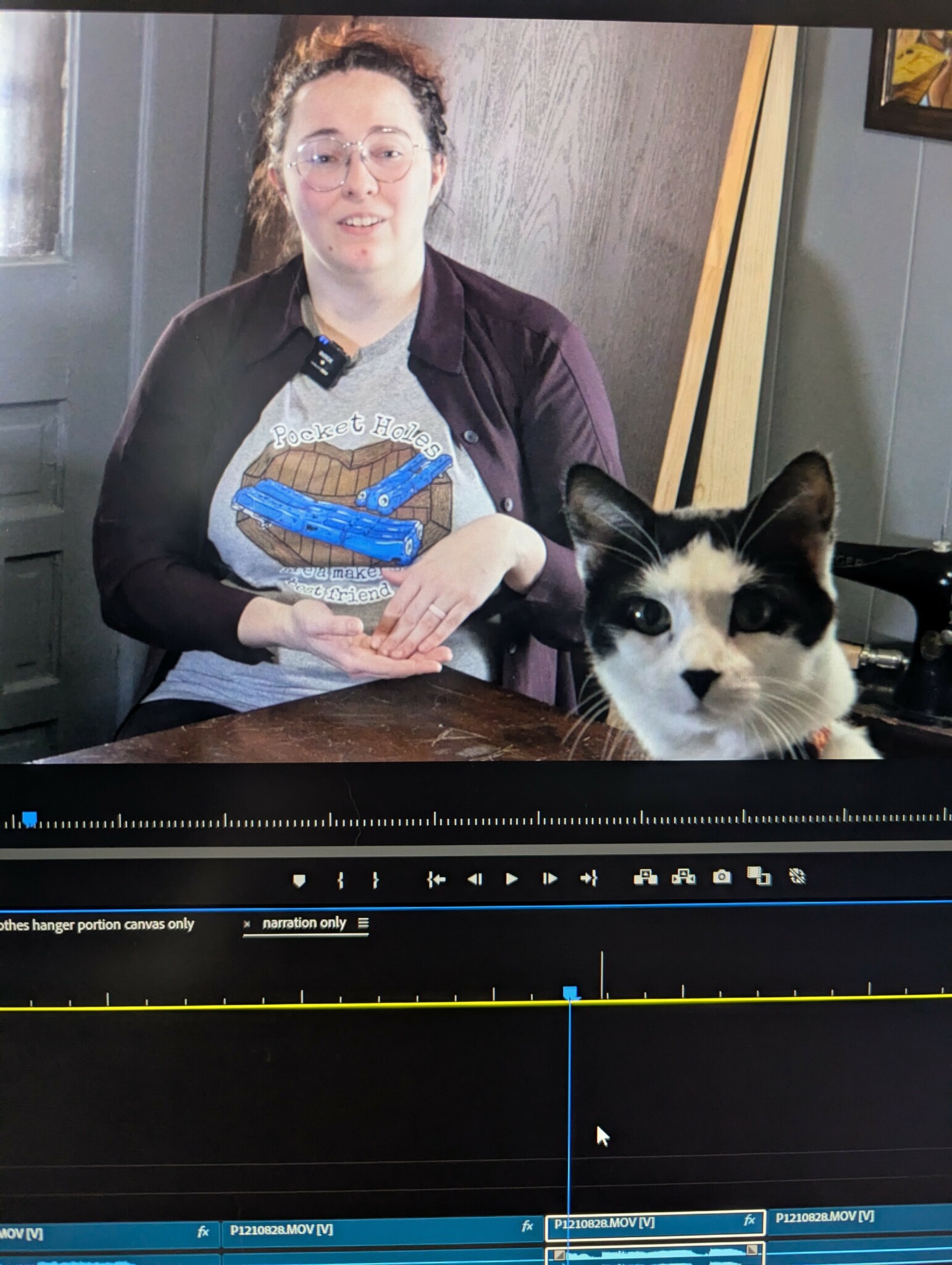
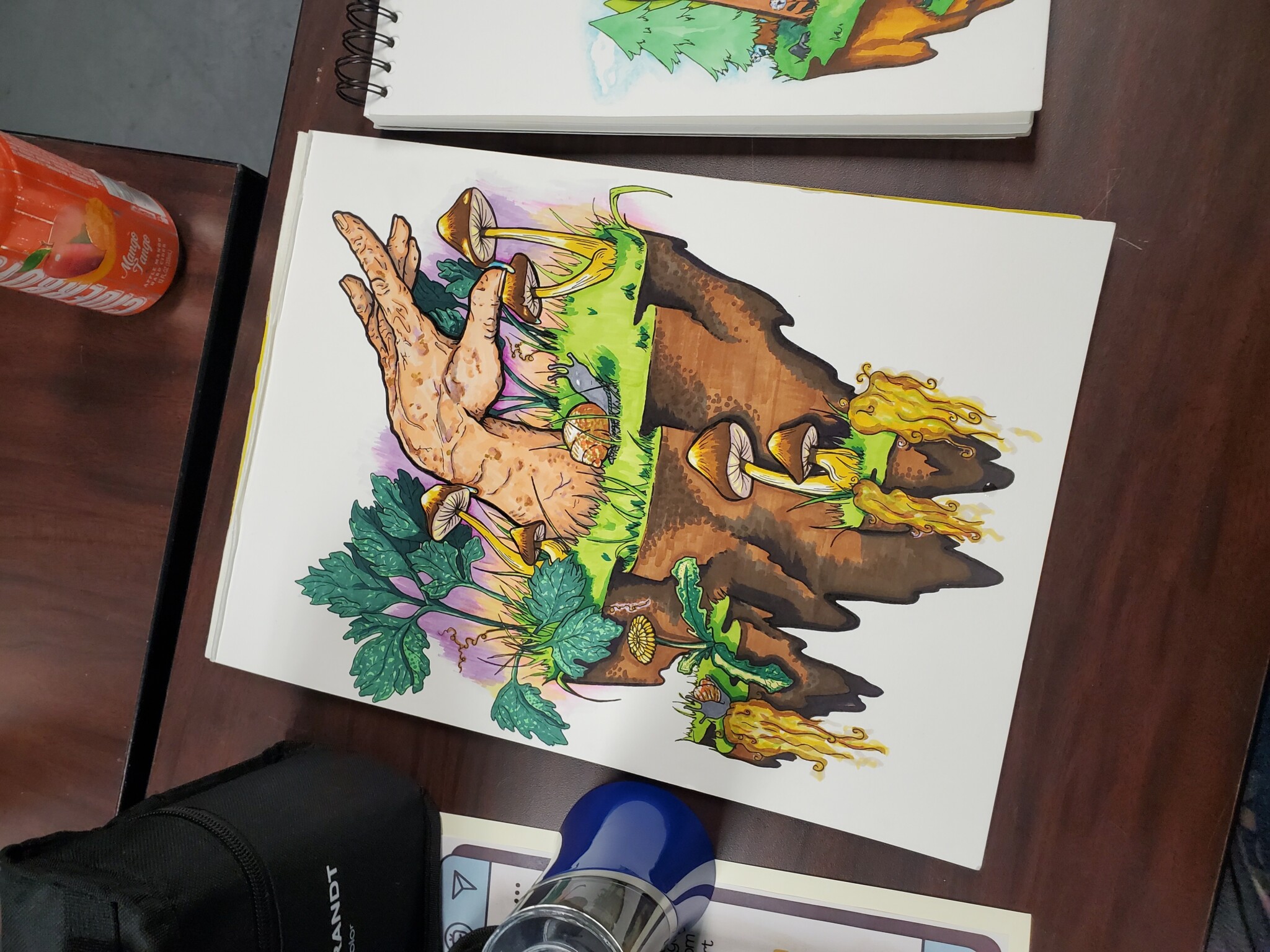
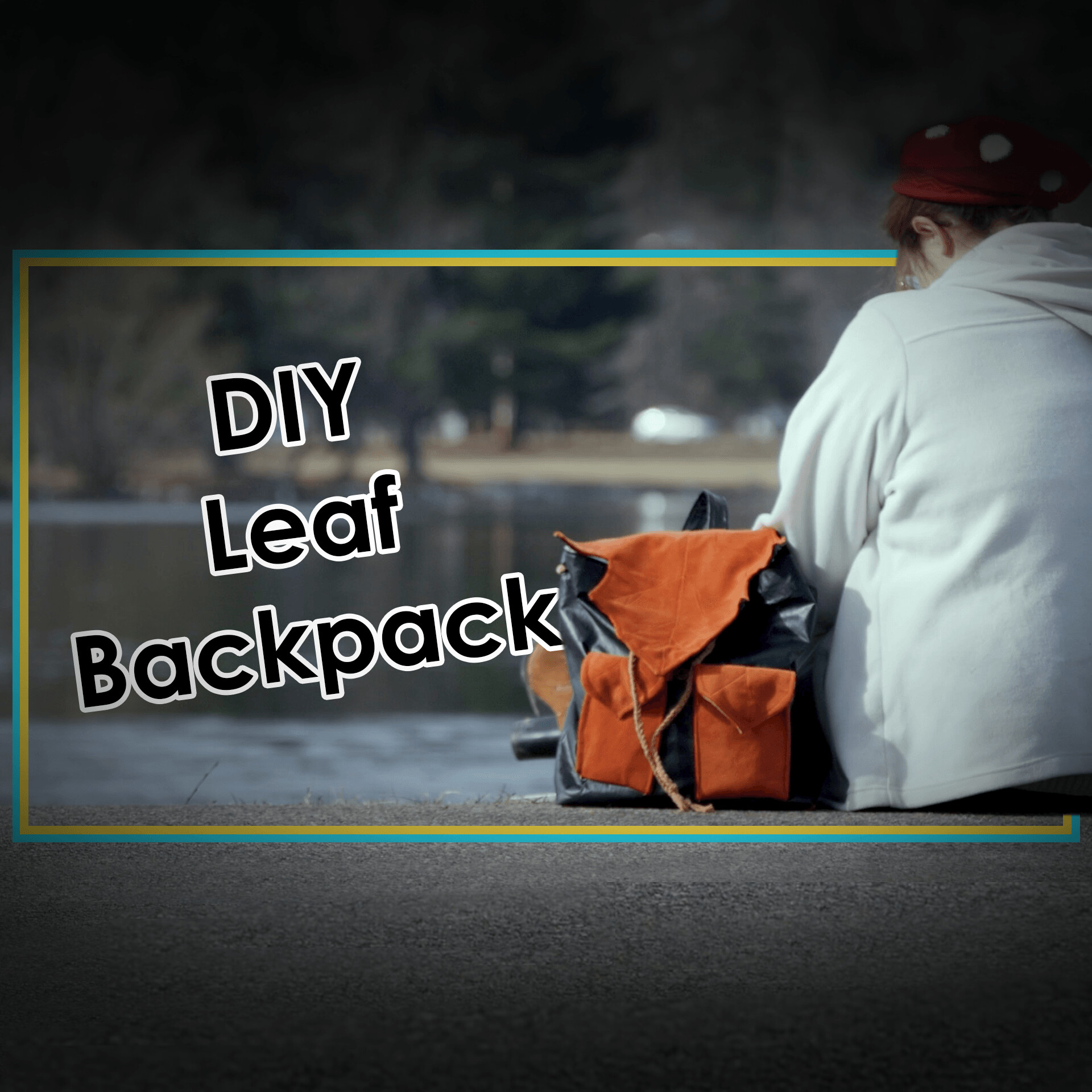
As you can tell from the last question, I have a lot of “why”s as to my business’s existence. One of those “why”s is that I held professional positions in the escape room and haunted attraction industries throughout and after college. During that time, I built and designed sets and props and managed teams of actors and game masters. While building, I explored a lot of methods that are commonplace to those industries to make textures on objects and found that foam is a huge go-to in these industries. I used a lot of artistic techniques that I’ve found out over time are really bad for your health, such as burning foam to sculpt it or handling resin in your one-bedroom apartment because it’s too cold outside to work with the material in the open air. As a result, I’ve made it a mission of mine to introduce other newbies to more eco-friendly materials that won’t leave a person with lasting damage to their bodies and to educate people on making informed decisions as to the materials they handle in their creation process. It’s one thing to have someone tell you, “Oh yeah, just use this product – it makes the process so much easier” and another thing to have someone educate you on the pros and cons of a product and how you can avoid negative health effects if you use an alternative material. As a result, I’ve become very passionate about using paper clay (a paper mache paste version of air dry clay) and having my art printed on eco-friendly fabric products, such as totes and tea towels. My YouTube channel explores these themes with my own whimsical, fantasy-genre flair. I’ve made projects such as a faun leg costume, a giant lute for my friend’s cosplay, mushroom jars, mimic chests, and much more. Recently, I’ve started providing PDF instructions for each project I make for free on my Patreon as well, so others can imitate the art I’ve made in their own style. I really want people to come away from my work – both my physical art and my YouTube videos – with a sense that the misfits and weirdos of the world are celebrated and encouraged here.

Are there any books, videos, essays or other resources that have significantly impacted your management and entrepreneurial thinking and philosophy?
I love this question! I’m an avid reader and I have two resources to point out for creatives and non-creatives alike: The first is “How to Keep House While Drowning” by KC Davis. This book isn’t specifically about creating – it’s about how to set up your house and your spaces to be functional and work with your brain rather than against it to accomplish care tasks like cleaning, cooking, brushing your teeth, or showering. My household is full of disabled people (myself included) and I needed this book first and foremost to help me manage the part-time homemaker side of my life. I went from brushing my teeth three or four times a week and never having clean clothes to brushing and flossing at least once per day and always having enough clothes to get through the week because of this book. On a creative level, a person can take the overall themes of this book and apply them to make motivating yourself to work on projects, create a workflow, and manage your business easier. The umbrella idea of this book is to eliminate friction in your spaces so that it’s mentally easier to start the flow of your day and keep your momentum. KC Davis has a host of amazing ideas to make that happen around your home and it only takes a little brainstorming to nudge those ideas into useful concepts in your workspace. The second resource I want to bring up is Adam Savage’s, “Every Tool’s a Hammer.” I love Adam Savage from his days at Mythbusters, but his book made me fall in love with his journey even more. In the book, Adam walks you through the little and big ways he’s had to learn lessons as a maker, whether it’s about the quirks of specific tools, how to manage emotions and expectations around a job, or even how failures can redefine how you interact with yourself in the workshop. He has many iconic and personal stories in the book and I can’t recommend it enough, especially as a companion to “How to Keep House While Drowning”, as Adam’s themes of workshop flow and experimentation in his tool spaces really speak to KC Davis’s philosophies.
Do you think there is something that non-creatives might struggle to understand about your journey as a creative? Maybe you can shed some light?
I feel that non-creatives unnecessarily mystify me and my creative folk. What I mean is that I see my creative work as just that: work. It isn’t magical – I worked hard to hone my skills and I continue to work hard to build them into a business. In a way, I think that this idea that art is a magical process that just happens to special people contributes to the popularity of AI art generators. As if the AI can get the lay-folk closer to this artistic magic, but realistically, it can’t – the AI will never generate something truly new because it lacks the unique perspective of a human. Everyone has a unique perspective and therefore I feel that anyone can be artistic. It’s just a question of whether each person wants to spend their time putting in the work to be an artist, to hone skills and experiment with materials, or if they’d like to leave that labor to others. In that way, neither artists nor the AI generators that are stealing their techniques are mystical in any way. The difference is that the artists have put in the time. I also think this mystification leads people to misunderstand the fact that, at least in my personal experience, art is mentally taxing. In high school, I would become incredibly exhausted doing a small 4-inch by 6-inch piece of art for a class and found myself unmotivated to draw for days afterward. It took years of building up that tolerance and drawing regularly – just like exercising – to make drawing a sustainable activity. I still find myself exhausted after a full day of drawing, though, and I should – it’s a very technical process and demands skill. That’s worth pointing out because if you’re a person who’s always said, “I can barely draw a stick figure,” and refused to pick up a pencil, you should know that art is hard and takes time to develop just like any other skill. If you want it, it is accessible to you.
Contact Info:
- Website: https://www.ubdraws.com/
- Instagram: https://www.instagram.com/ubdraws/
- Facebook: https://www.facebook.com/ubdraws/
- Youtube: https://www.youtube.com/channel/UCe2DUqcO7nIK62gofM2f8ZA
- Other: https://patreon.com/ubdraws