

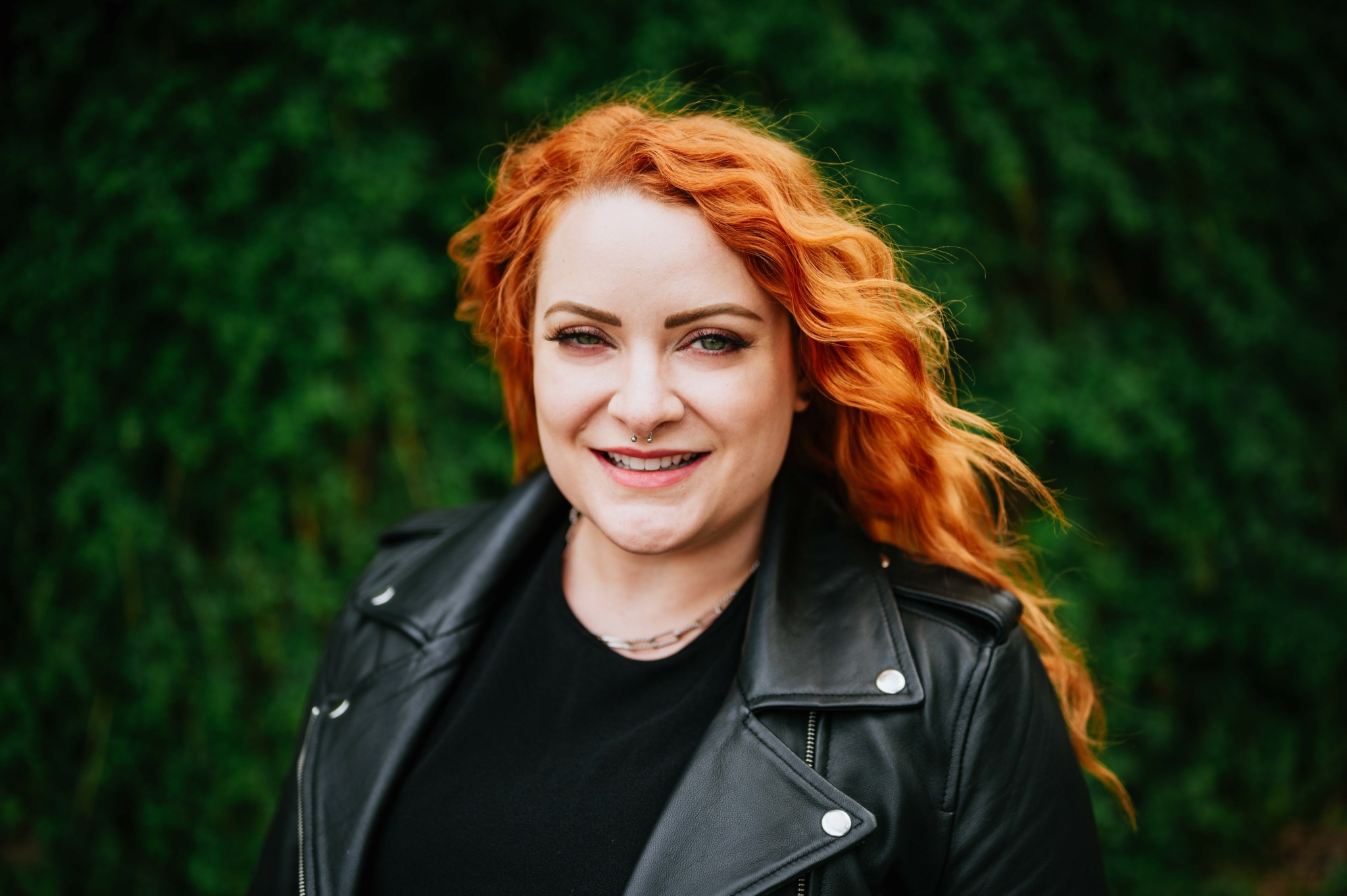

Alright – so today we’ve got the honor of introducing you to Christina Hornyak. We think you’ll enjoy our conversation, we’ve shared it below.
Hi Christina, thanks for joining us today. How did you learn to do what you do? Knowing what you know now, what could you have done to speed up your learning process? What skills do you think were most essential? What obstacles stood in the way of learning more?
I’m primarily self-taught, with support from school art classes. I started winning Crayola art competitions as young as eight, but growing up in a rural area where art wasn’t seen as a “real job” limited my access to guidance early on. If I’d had more direction and support, I could have developed faster. Thankfully, I had art teachers who recognized my drive and helped me explore different mediums and techniques, which allowed me to grow by experimenting until I found what I truly loved.
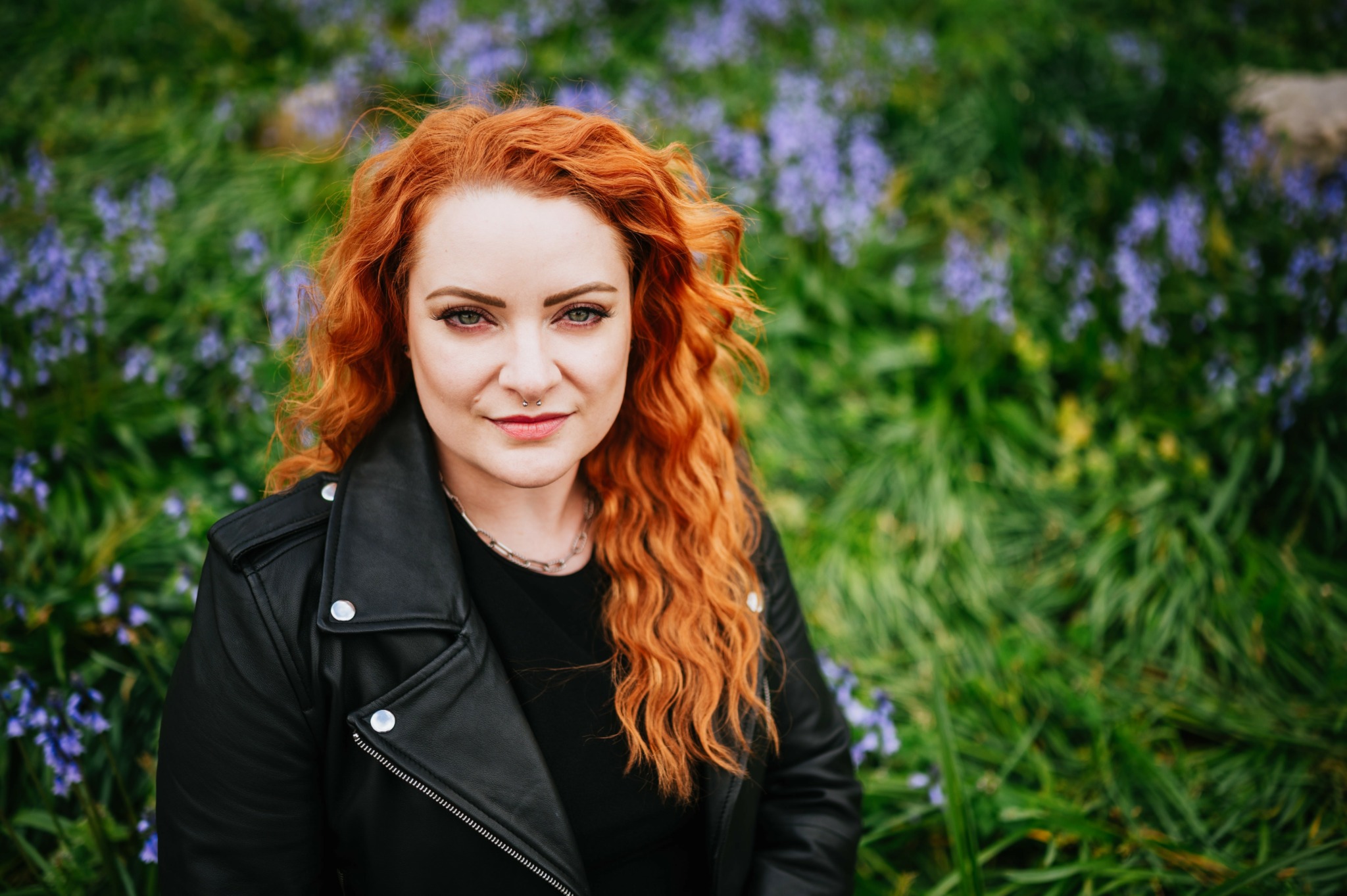
Christina, love having you share your insights with us. Before we ask you more questions, maybe you can take a moment to introduce yourself to our readers who might have missed our earlier conversations?
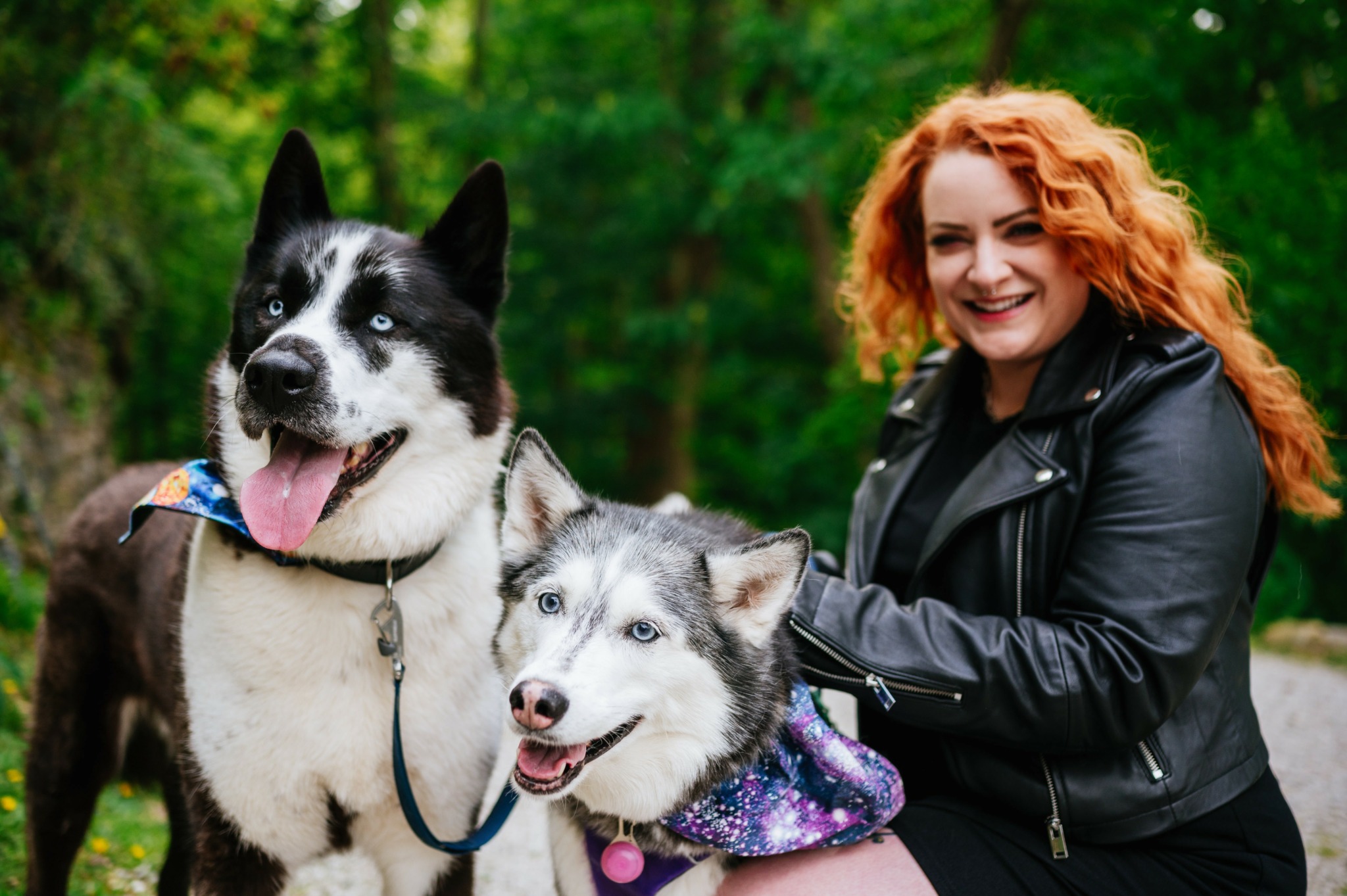
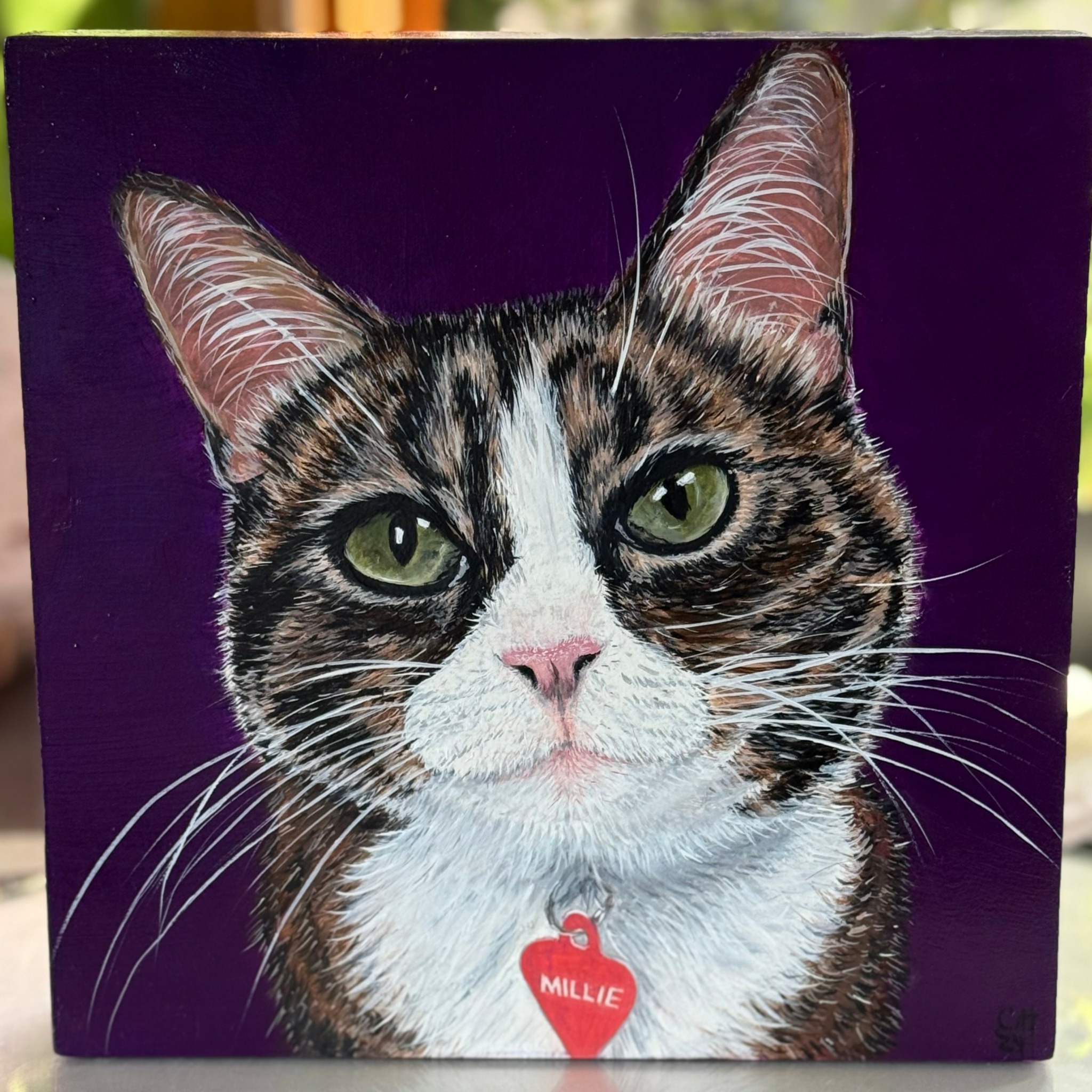
I’m from rural West Virginia, where art has always been my first love and greatest outlet. Today, I specialize in paramedical tattooing, primarily helping people regain their confidence after trauma or surgery through restorative tattoo work like 3D areola tattoos and scar revision. I also create custom oil paintings, with a focus on colorful, glossy pet portraits painted on thick, gessoed boards. Lately, I’ve been exploring nature scenes as well, especially native mushrooms, reflecting my love of insects, plants, and the natural world.
My work helps people heal emotionally and physically, whether it’s through paramedical tattoos that restore a sense of wholeness or through art that allows someone to commemorate, grieve, or celebrate a beloved animal companion. I think what sets me apart is my ability to blend fine art with care-based service. I’m proud that my business not only offers artistic expression but also solves real, personal problem, especially in an underserved area like Appalachia, where access to high-quality, trauma-informed paramedical tattooing is limited.
More than anything, I want people to know that my brand is about meaningful, intentional art, whether it’s on canvas or skin. I don’t believe in rushing the creative process. I care deeply about each person’s story, and that’s reflected in everything I create.
What can society do to ensure an environment that’s helpful to artists and creatives?
One of the most impactful things society can do to support artists is to buy local art. Instead of decorating with mass-produced prints from big box stores, consider investing in original pieces from local creatives. Often, the price point isn’t much different but the value is immeasurably higher. You’re not just buying décor; you’re supporting someone’s craft, time, and story. I believe our homes should feel like personal museums, filled with meaningful, one-of-a-kind pieces, especially those made by friends, loved ones, or artists in our communities. It’s a beautiful way to celebrate creativity and keep the local arts ecosystem thriving.
What’s a lesson you had to unlearn and what’s the backstory?
One of the biggest lessons I had to unlearn was hustle culture. The idea that you have to constantly push yourself, chase instant results, and stay busy to be successful. That mindset led me straight into burnout, to a level that affected my health and happiness. I had to relearn patience and understand that meaningful, lasting work, especially in a creative field, takes time, rest, and intention.
I also had to unlearn the belief that art isn’t a “real” or full-time job. Growing up in a rural area, that message was everywhere. But once I gave myself permission to treat my art as something worthy of time, energy, and structure, everything changed. Making space for it wasn’t just a career move, it was essential for my sense of fulfillment and purpose.
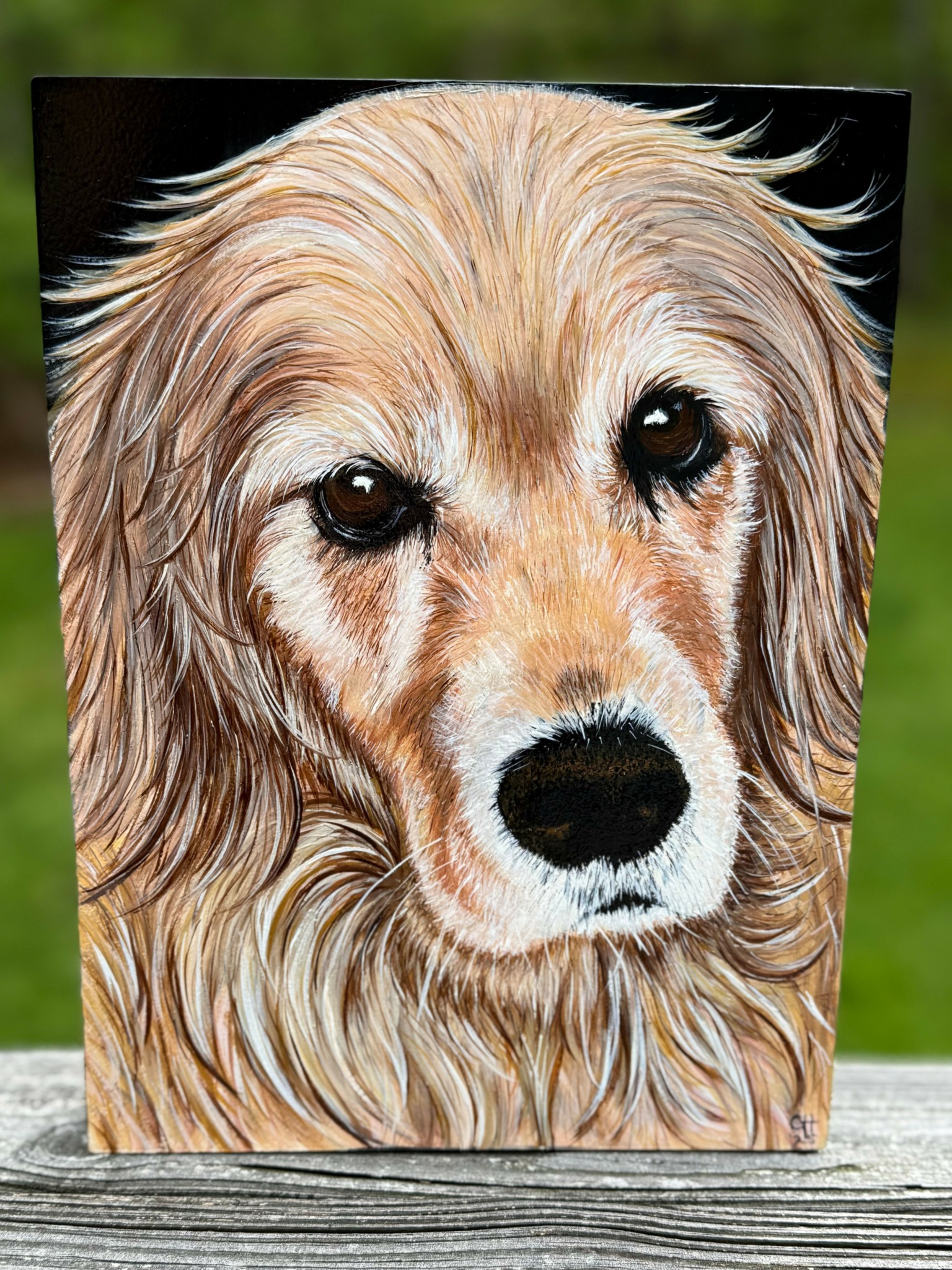
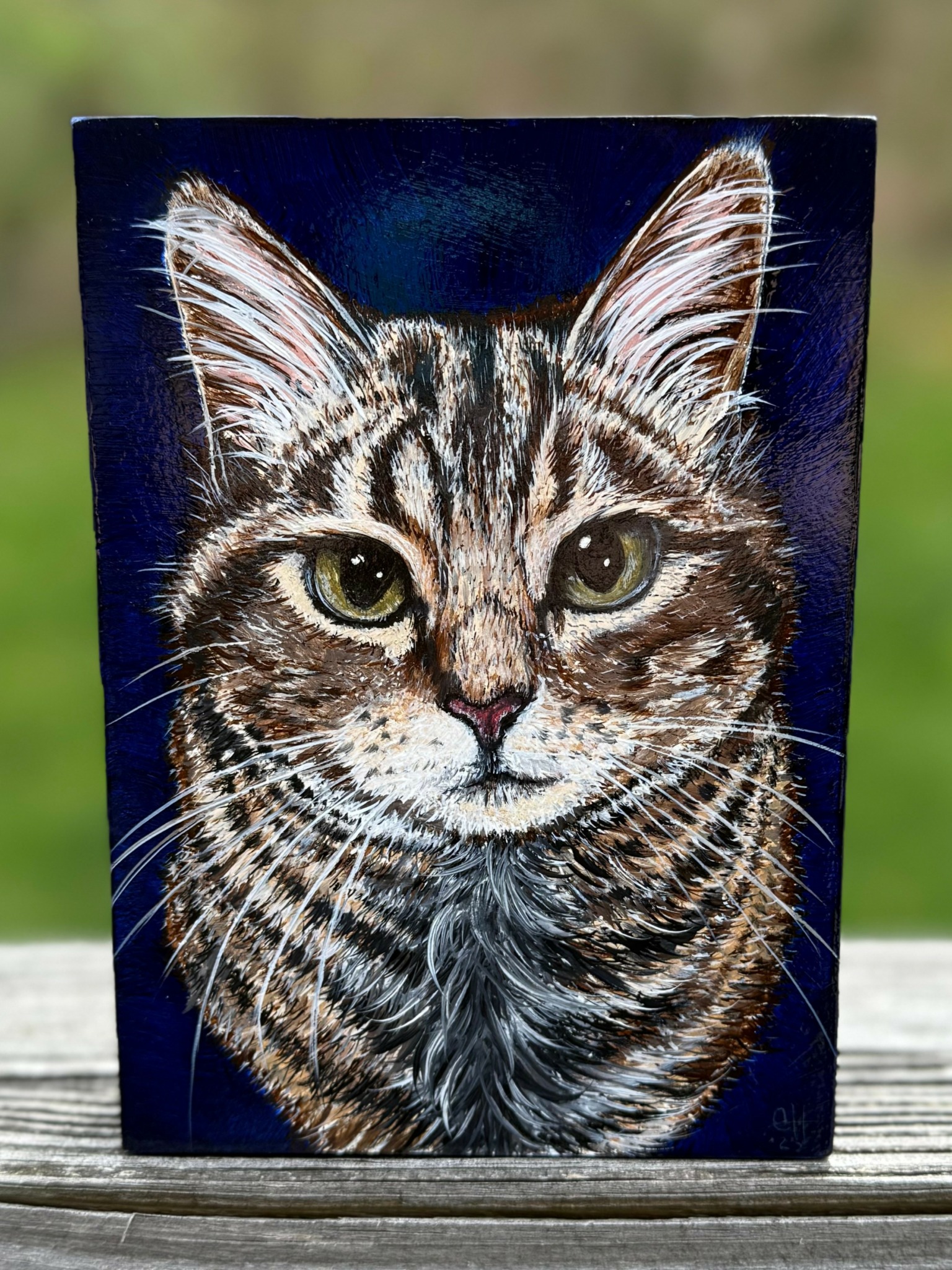
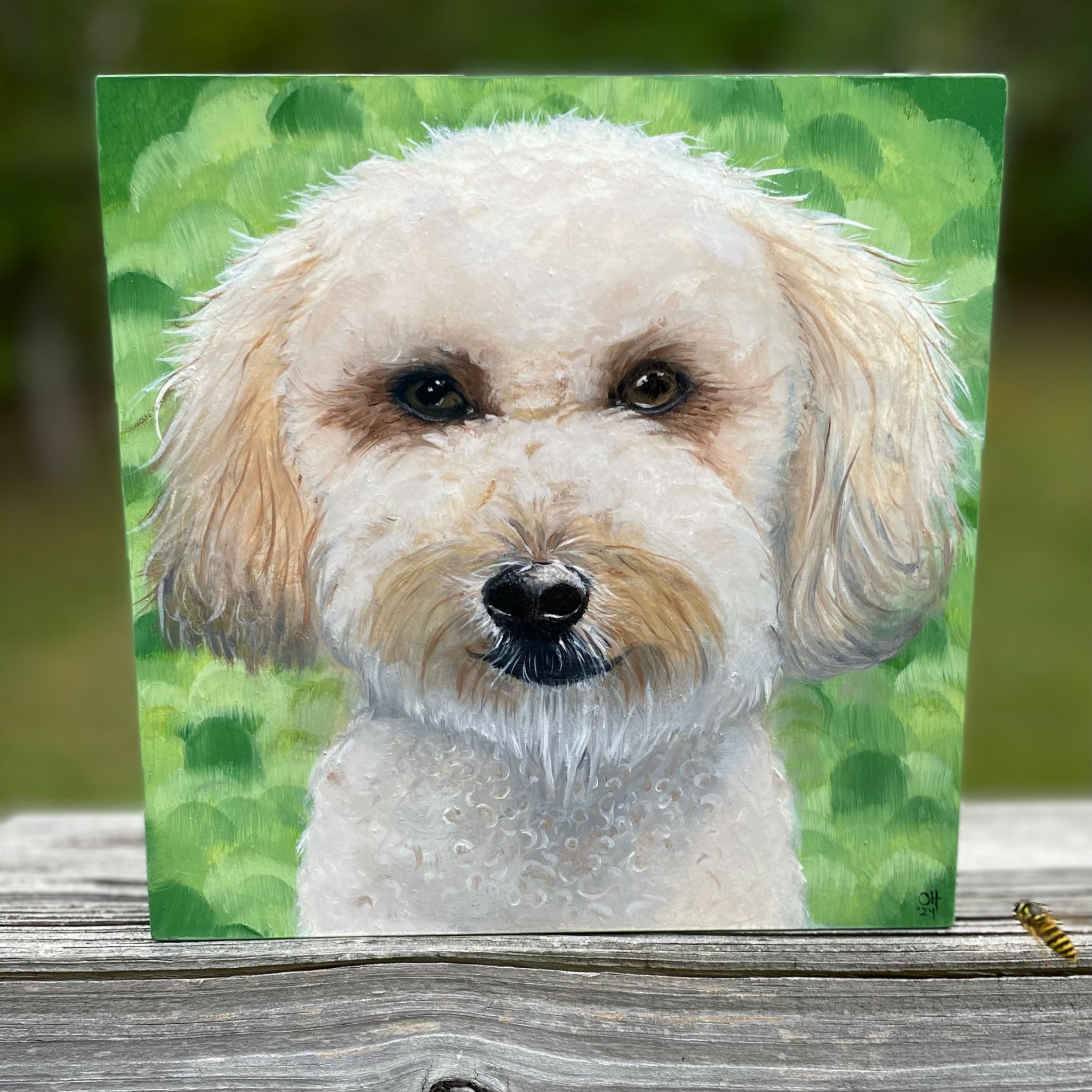
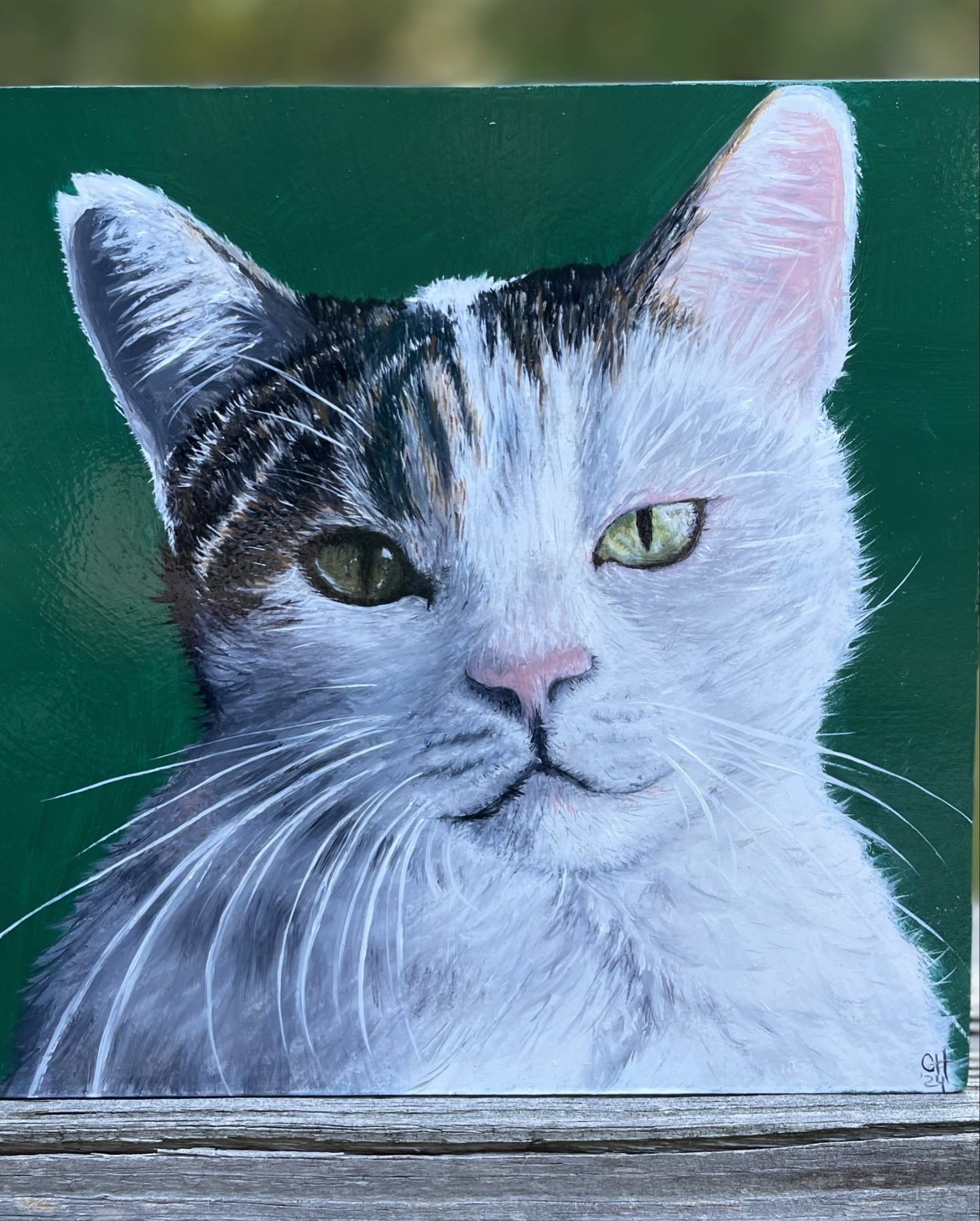
Image Credits
The Oberports, Self