
We caught up with the brilliant and insightful Christina Highfield a few weeks ago and have shared our conversation below.
Christina, appreciate you joining us today. How did you learn to do what you do? Knowing what you know now, what could you have done to speed up your learning process? What skills do you think were most essential? What obstacles stood in the way of learning more?
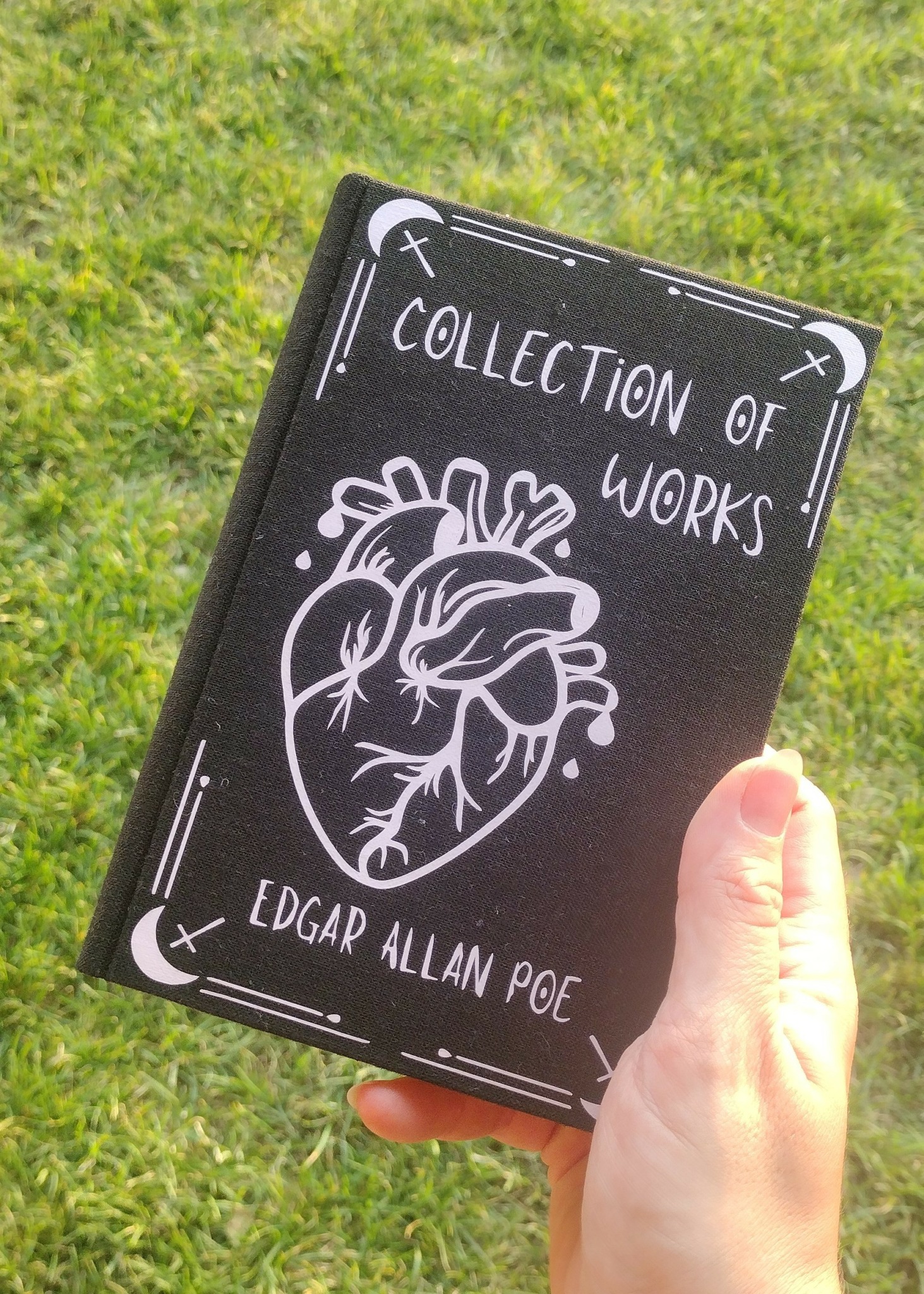
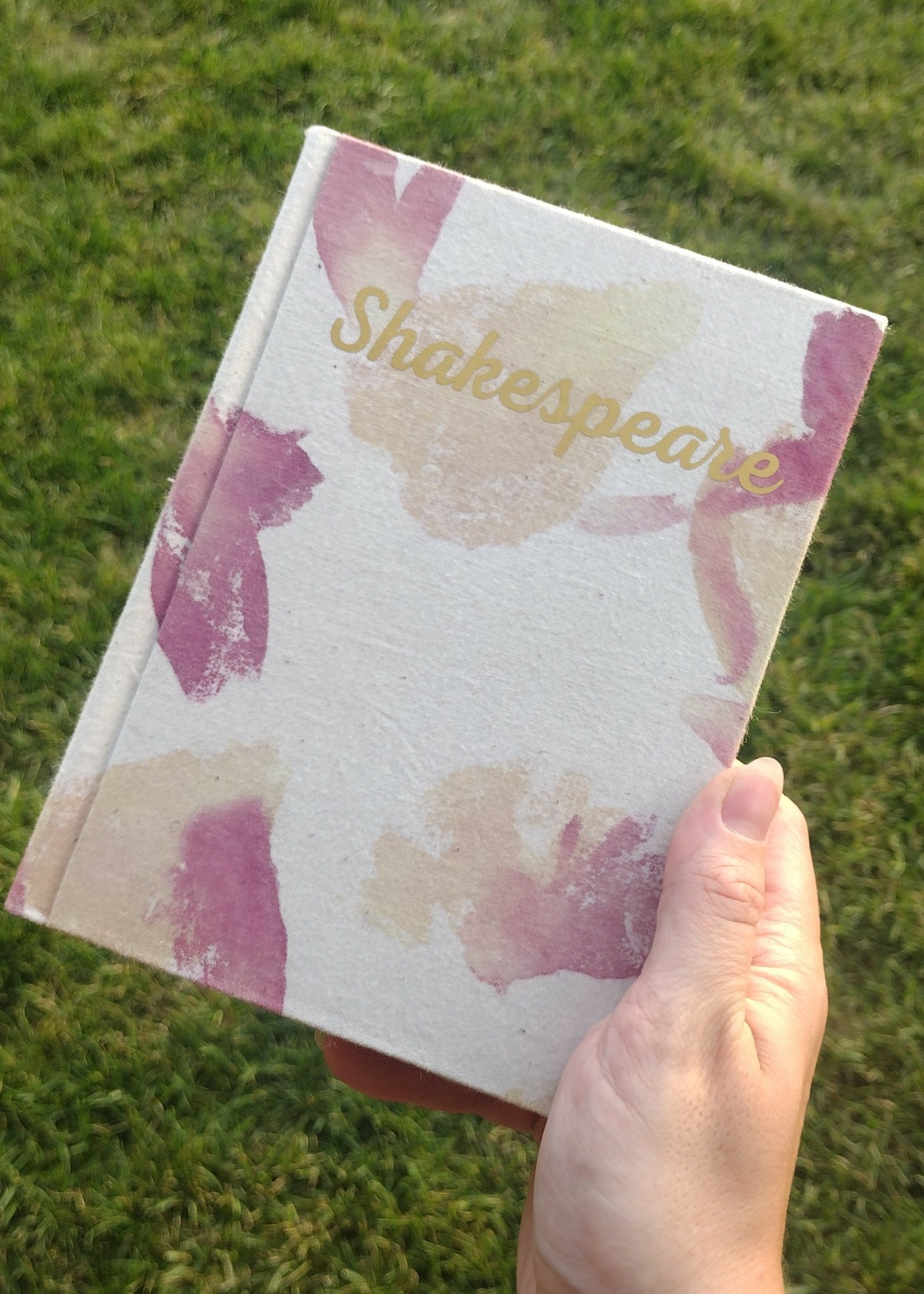
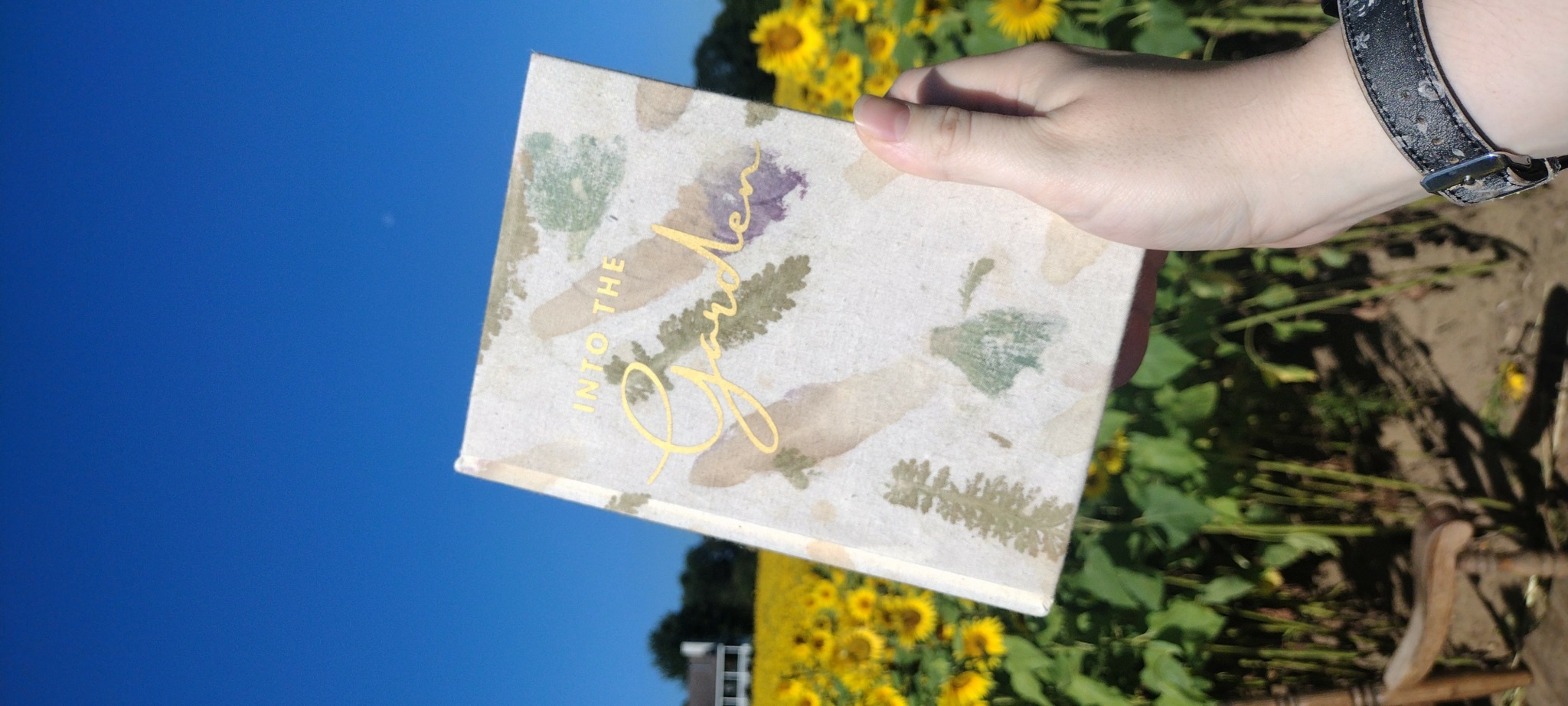
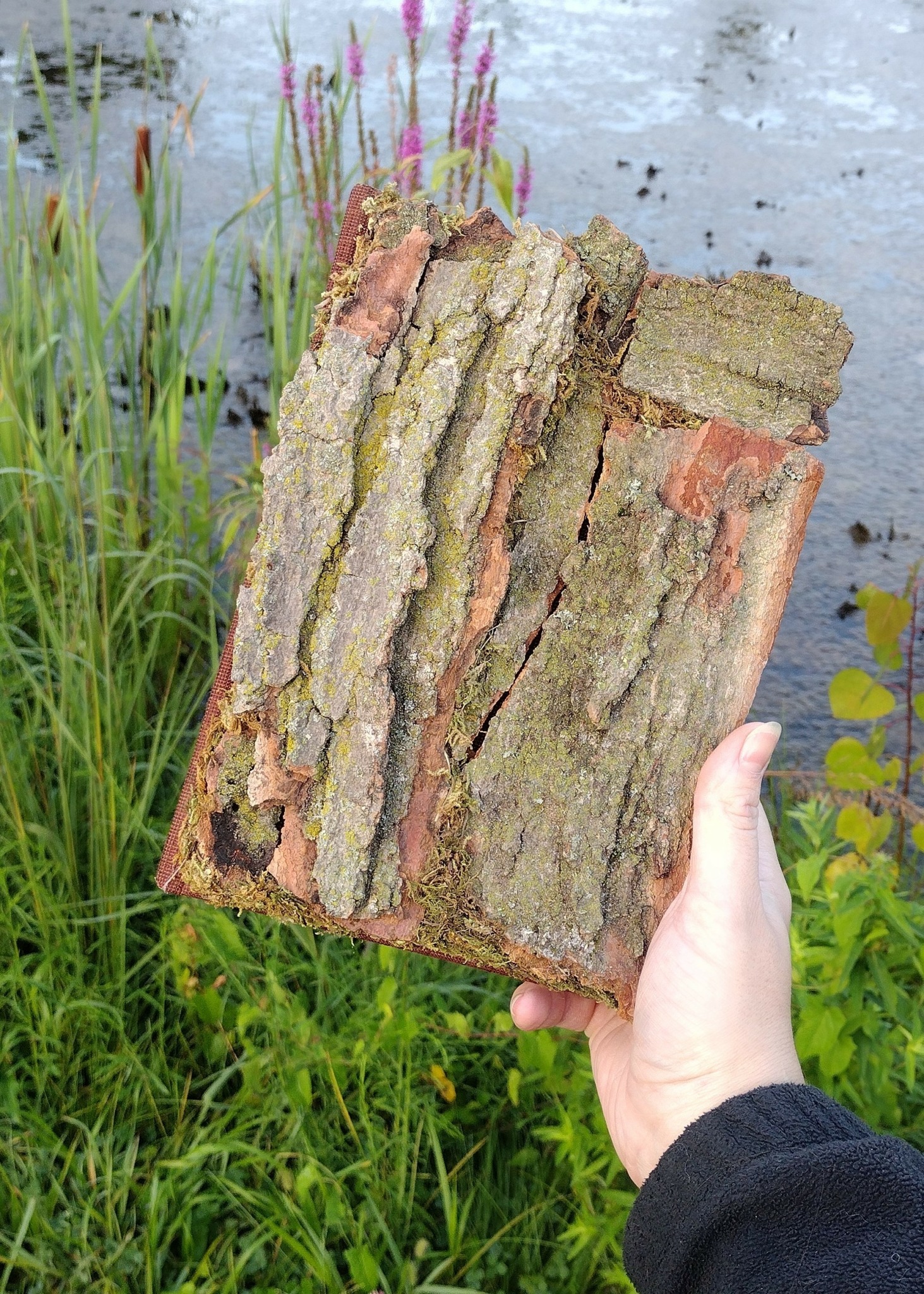
I learned bookbinding mostly through Youtube videos. I saw a reel of someone making a journal and I thought what if I used the old book covers I have laying around. I spent a few days watching various videos to learn the techniques required for coptic bound journals. Once I started, I was hooked. I spent about a year making only coptic bound journals before trying to fully case in a journal with an intact book cover. From that point on it just sort of spiraled into what I do now, which is making custom books and book covers. I think the biggest obstacle was teaching myself through videos because sometimes they didn’t always show the process to do every technique. More often than not I would use books that were falling apart to understand the mechanics of how a binding style was incorporated into a book. It took a lot of trial and error, and it still creates challenges with every new project I decide to tackle. I think that’s what keeps it new and exciting though. There’s always something new to learn and a way to perfect the craft even more.
Awesome – so before we get into the rest of our questions, can you briefly introduce yourself to our readers.
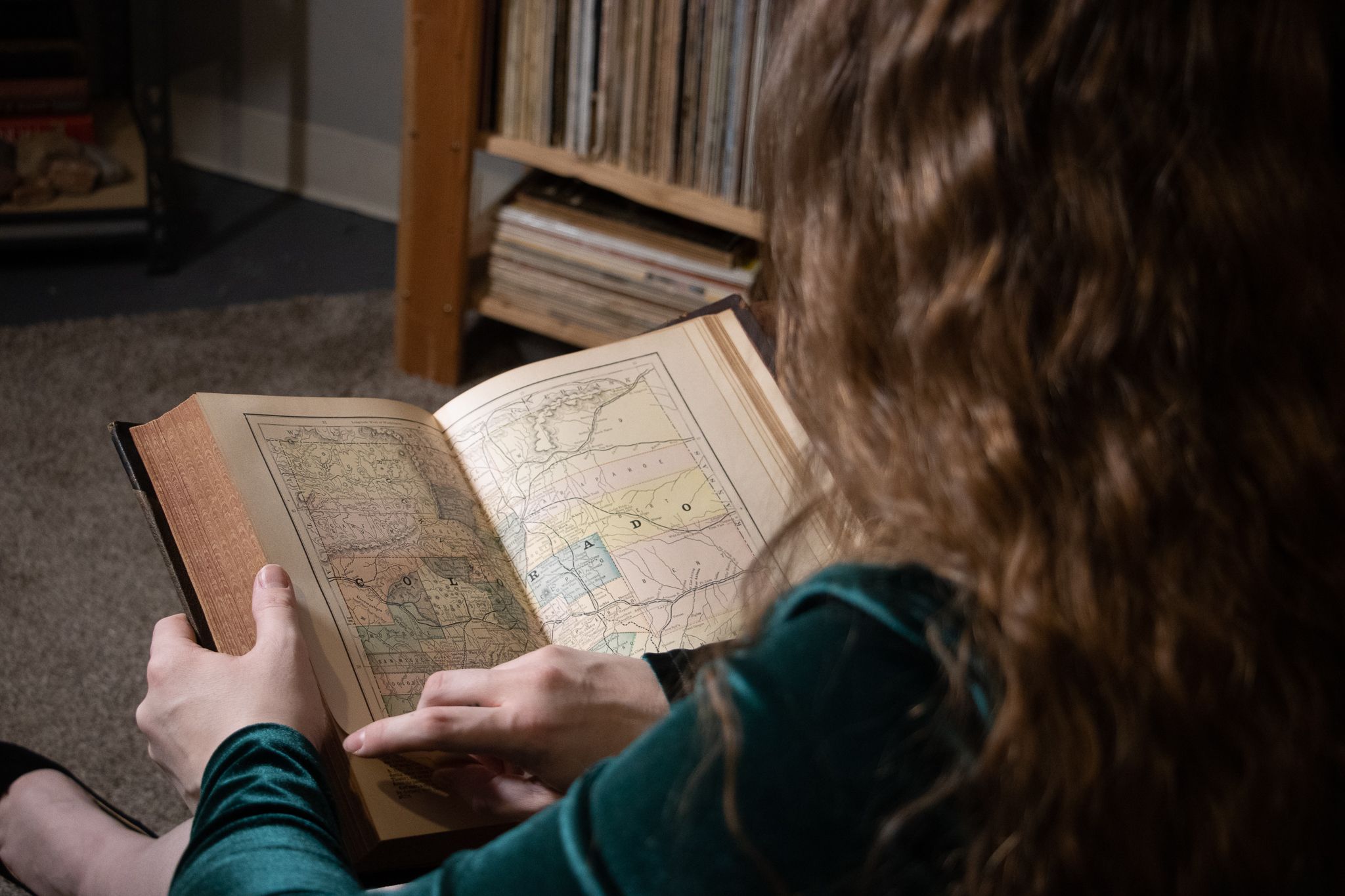
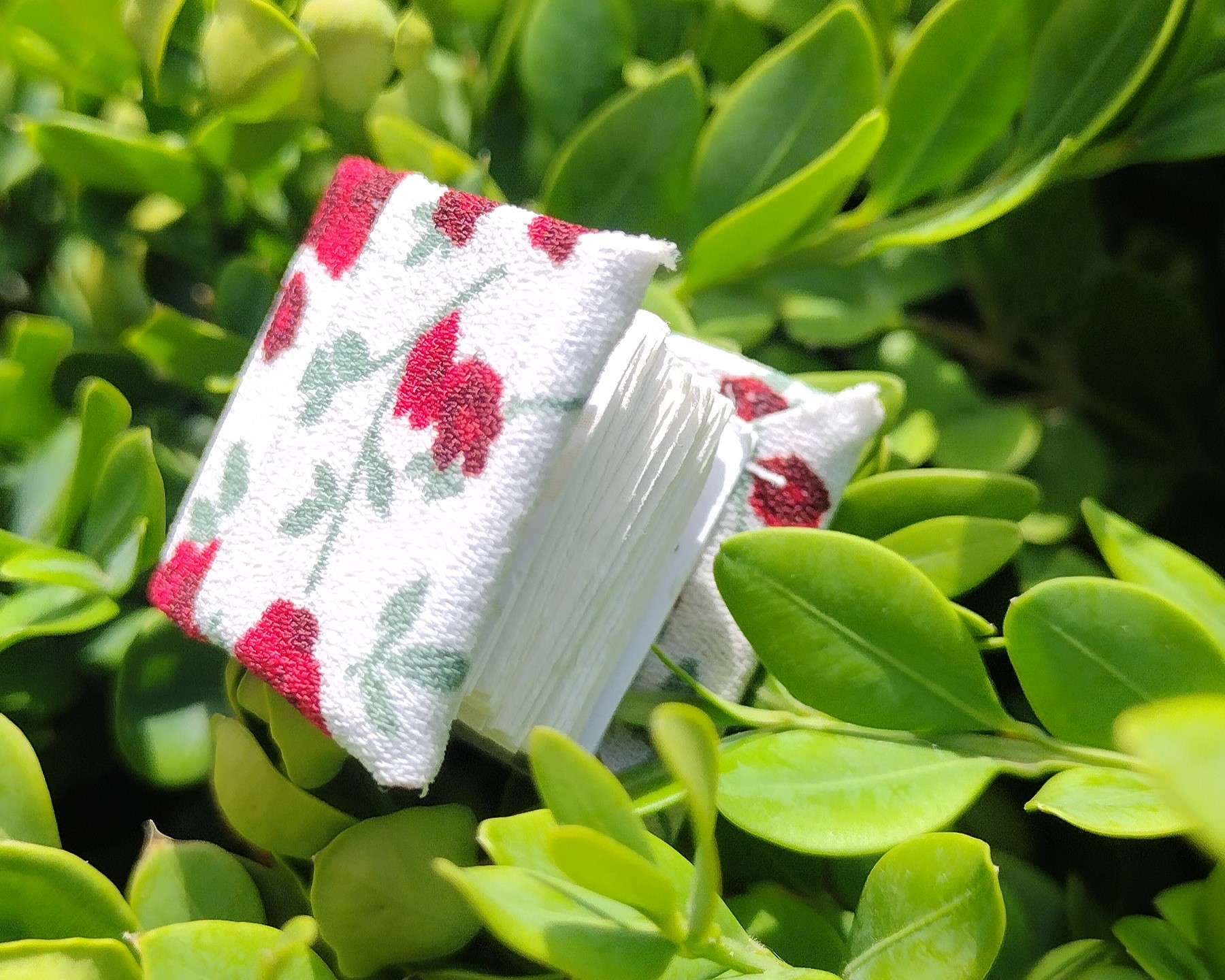
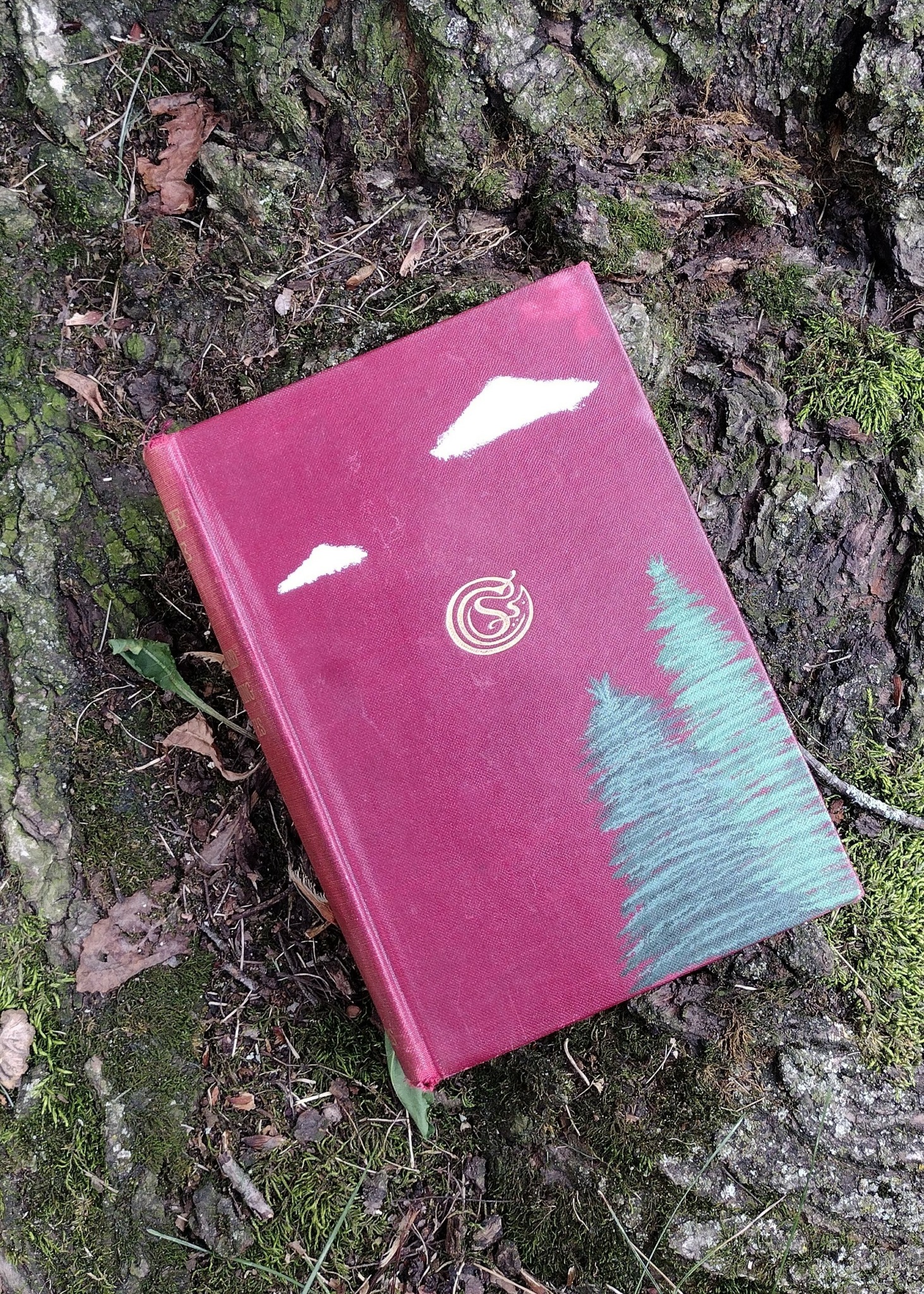
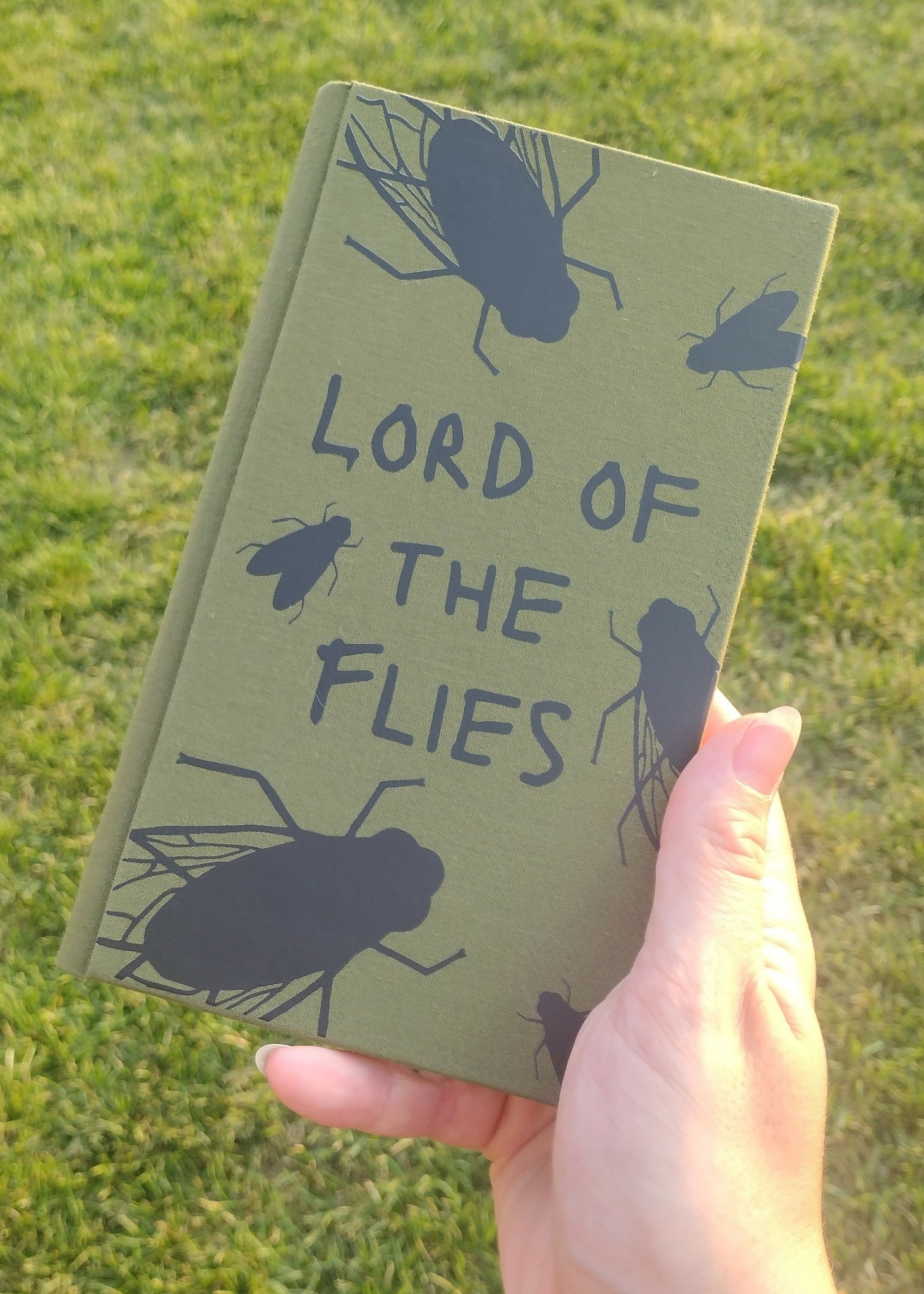
I am a local bookbinder and artist in southwest Michigan. I started off re-selling vintage books and quickly came to the realization that many books were being thrown out, either from damages or from no longer being needed. It was heartbreaking seeing box after box lined up at the end of driveways every garage sale season. I would save what I could but was confused on what to do with the damaged ones. Throwing them out seemed silly and against what I was trying to do, which was saving books from the landfills. I hoarded the books for the longest time until I decided to get creative with them. I started using old pages to create new paper, I used old book covers to make journals, I even created new book covers to bring old books back to life. I have truly gone through every possible paper craft you can think of using old books that were destined to be scrapped. If I could find a way to re-use the materials, I was going to do that before I ever threw out a book. I even began incorporating original art into my creations and that has really made this process all the more exciting.
Over the last year, BookField has really blossomed into something new. I wouldn’t even consider it a bookstore any more but instead a safe-haven for damaged books and a place where new books are born.
What’s the most rewarding aspect of being a creative in your experience?
I think the most rewarding aspect of being a creative is seeing the final product. When an idea pops into my head, I usually quickly sketch it down in my journal. It might sit there for days to weeks, sometimes even years, before I finally get around to making it a reality. The reasons it sits varies but I always feel that when a project is ready to come to fruition it will make its self known. When I finally decide to work on an idea, that’s when the exciting part happens. I love the thrill of working on something new. New projects will always present their own collection of challenges and frustrating moments but when it finally clicks together; that’s when the magic happens. I’ve been bookbinding for about 5 years now, but sometimes a creative project will hit you in a way that makes you think “wow, I can’t believe I made that”. The more challenging a project is, the more rewarding it feels for me. Its a sigh of relief that the struggles for the specific art piece are over but also this moment of bliss as you reveal in your creation. It feels extra rewarding when others see the vision that you’ve created.
What do you think is the goal or mission that drives your creative journey?
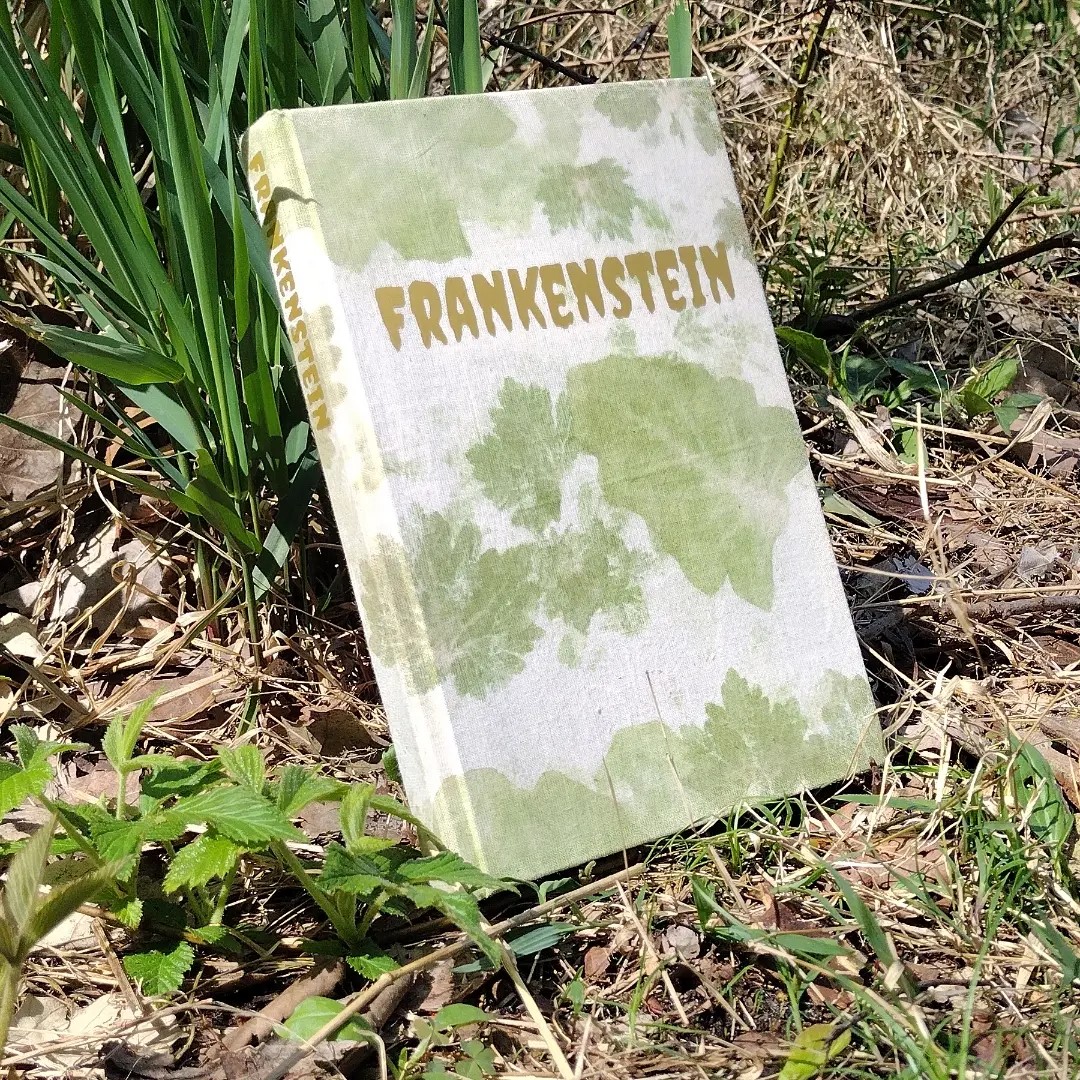
The current mission driving my creative journey is the same as the one that drove me to opening BookField; saving books from the landfills. As BookField grows and evolves to something more than a bookstore, the mission is always at the forefront of my mind. Saving books from the landfills touches on two things that are very important to me; literature & the environment. How do I create art but also keep books and the environment at the center of attention? It can be challenging. When creating new art, you’re going to create waste. It’s inevitable. The real question is what do you do with the waste? This is a question that comes into play in any industry. What do you do with the waste? This is the question that plays on repeat in my head every time I create something. The question that plays on repeat when I think about how do I expand to a point that’s sustainable for me but also for the environment. It plays a huge role in how I create but also what drives my inspiration for my art. The majority of what I create gives a nod to the natural world or literature. As BookField evolves more into a creative place, I never want to forget what it’s all for. I make it a point to create art with the scraps leftover from larger projects and I advertise that because that should be the norm. That we use our “waste” before it actually becomes waste. The mission drives everything I do and create and how I create it.
Contact Info:
- Website: https://www.etsy.com/shop/bookfield/
- Instagram: https://www.instagram.com/bookfieldbooks
- Facebook: https://www.facebook.com/BookFieldBooks/