

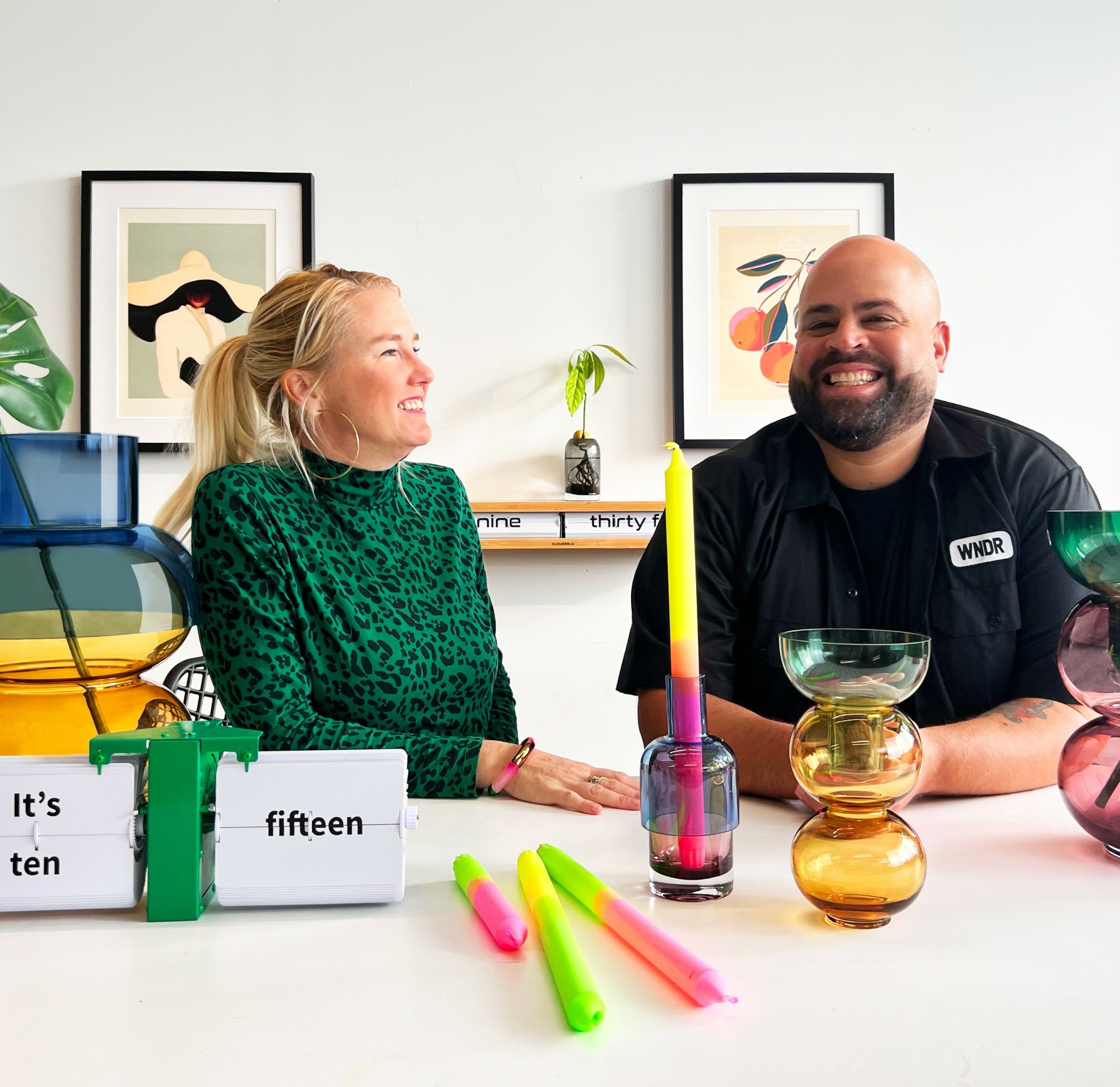

We caught up with the brilliant and insightful Christian Jimenez a few weeks ago and have shared our conversation below.
Christian , looking forward to hearing all of your stories today. Are you happier as a business owner? Do you sometimes think about what it would be like to just have a regular job?
I absolutely love being a business owner. I work way more now than I ever did before, but the flexibility to implement my ideas and tackle new challenges is incredibly rewarding—even if it means still handling the obligatory boring tasks. There’s nothing like the happiness of a big win; it feels so significant because you know it truly matters. That win might mean we’re eating well this week, and that kind of direct impact is hard to replicate elsewhere.
Of course, I’ve thought about walking away—leaving it all behind to work for someone else, earn a solid commission check (probably more than I’m making now), and avoid dealing with all the fires that constantly pop up. But those moments of doubt never last long. The tough tasks and headaches only make the victories feel that much bigger. For now, the upsides far outweigh the downsides, and I wouldn’t trade the journey for anything.

Christian , before we move on to more of these sorts of questions, can you take some time to bring our readers up to speed on you and what you do?
Here’s a polished and structured version of your response:
I started my journey in the home décor industry as a sales representative for a décor line. While working there, I had the opportunity to meet many incredible people, including the head designer of the company, who was based in Europe. Fast forward a year or two, and our connection grew stronger. I eventually made the decision to move closer to her to explore our relationship further.
During that time, she continued working as a head designer, while I navigated a variety of jobs, even working with a few competitors along the way. Eventually, I returned to the original company where she worked, but unfortunately, the business went under. This unexpected turn of events led us to an idea: with my strong client relationships and her design expertise, we decided to create something of our own. With a little help from my mom’s retirement account, we took a leap.
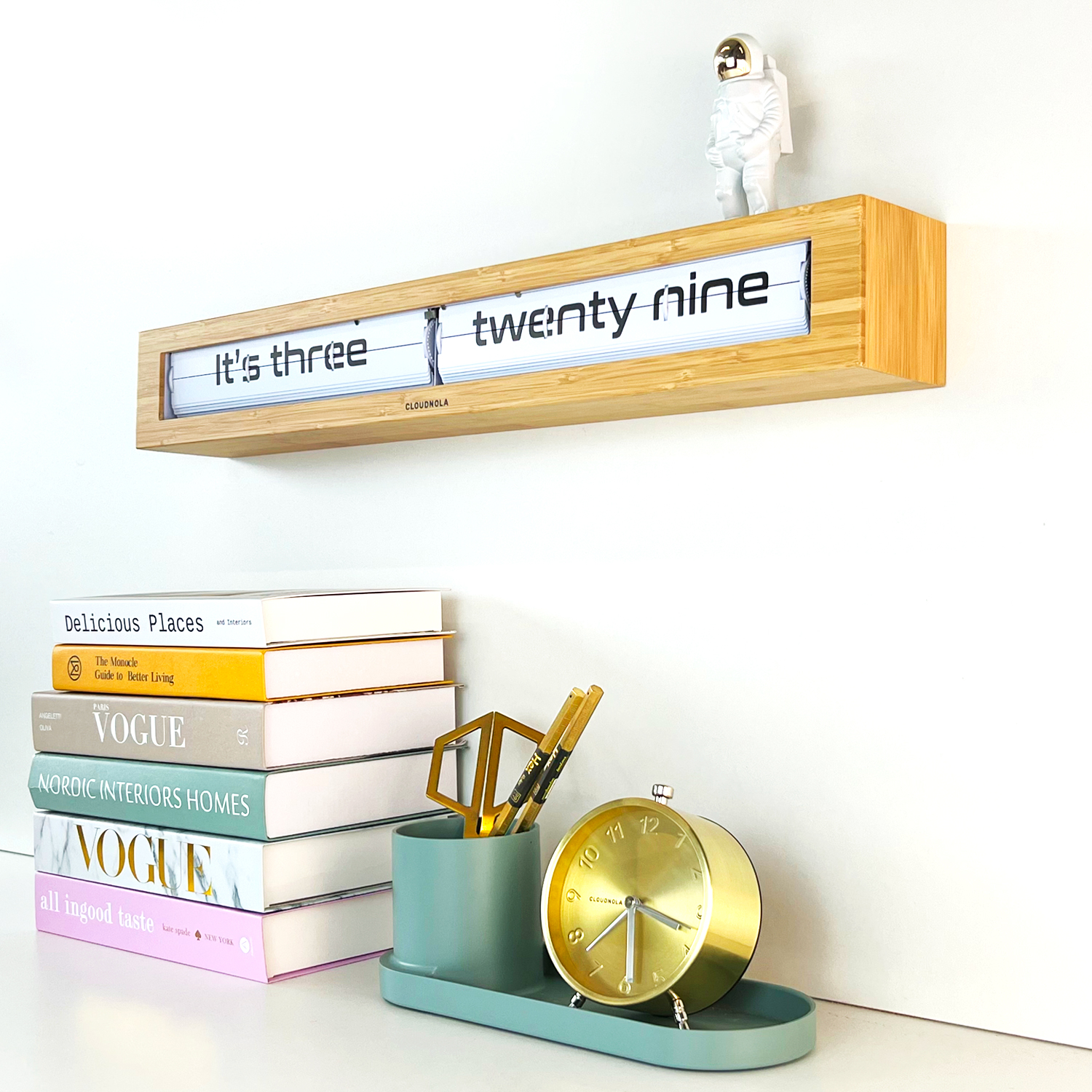
My partner designed our first line, and I focused on sales. We began with clocks, later expanding into mirrors, and today we’ve also found great success with vases. Learning from the mistakes of other companies, we built a lean and flexible business centered around a philosophy we call “Functional Art.”
What sets us apart is the purposeful functionality we embed in every design. For instance:
Mirrors: They are reversible, allowing you to flip them upside down and instantly change the way they reflect light—without any extra effort or hardware.
Vases: These are versatile, featuring a wide opening for bouquets and a smaller opening (achieved by flipping the top) for single buds or plant propagation.
Clocks: Our designs are made to fit seamlessly in any space—they can be hung or placed on a shelf, offering flexibility for different environments.
Drinkware: Our cups are double-walled, keeping drinks hot or cold for longer.
We aim to create pieces that not only look beautiful but also offer practical solutions for our customers’ spaces. This approach allows our products to adapt and grow with them, whether they’re redecorating, reimagining their home, or simply refreshing their surroundings.
What I’m most proud of is how far we’ve come as a small, independent business. From a simple idea to a collection of thoughtfully designed products, every piece is made with care and intention. It’s been a journey of creativity, resilience, and learning—and we’re excited to continue bringing functional art into homes and offices around the world.


Can you share a story from your journey that illustrates your resilience?
This year has been a true test of resilience for our business. We took several bold steps to accommodate growth: hiring two new employees (something we had been hesitant to do before), transitioning to a new accountant, and moving to a larger warehouse with the promise of better operations. Unfortunately, almost everything that could go wrong, did.
One of the new employees turned out to be completely unproductive, while the other took advantage of the system, leaving work undone. Considering our team consisted of only five people, having 40% of our workforce fail was a massive hit. On top of that, the new European accountant never fully got up to speed and even changed our accounting system mid-year. For weeks, I couldn’t even invoice customers, which forced me to create a new site just to keep operations running.
To make matters worse, the new warehouse that was supposed to streamline our logistics proved to be unreliable. They not only misrepresented their capabilities but also charged astronomical shipping rates—for example, a $700 sale resulted in a $645 shipping charge. Can you imagine?
Faced with these challenges, we had to pivot quickly. We let go of the new employees and automated several systems to reduce the workload. Thankfully, our trusted former accountant agreed to take us back, helping us regain financial stability. To address the warehouse issues, we made the tough decision to fully close our B2B operations in Europe. This meant transferring all European stock to our U.S. warehouse and shutting down the European warehouse entirely.
Even with all these setbacks, I found time to learn Facebook advertising and focused on growing our B2C operations in the U.S., achieving an incredible 275% year-to-date growth.
This year has been full of hurdles, but we made it work. It’s a testament to our ability to adapt, problem-solve, and keep pushing forward—even when the odds were stacked against us.


Can you open up about how you funded your business?
Here’s a polished version of your response about funding your business:
Funding has been one of the biggest challenges for our business, and it’s an area where we’re still working to get ahead. Initially, we were fortunate to have help from my mom, whose support carried us much further than we had expected. Later, Renee’s dad also stepped in to assist, along with smaller loans from family and friends.
However, as we grew, we faced the need for additional capital and had to turn to “predatory loans” with astronomical interest rates and credit cards. These were calculated risks—we knew we would still make a profit, though sadly, less than if we had access to more traditional funding options.
Fortunately, we’ve progressed to more feasible lines of credit, and Shopify, our website provider, offers excellent loan options that we’ve taken advantage of. This has allowed us to start seeing more of our profits stay within the business rather than going straight to lenders.
That said, we’re not completely there yet. We still need to move away from reliance on credit cards and loans and focus on becoming more self-financed. The structure of our business and its buying-and-selling cycle makes this a challenge, but I’m confident we’ll get there.
One day, I hope the majority of our profits will stay with us, allowing us to grow even further without the weight of high-interest payments holding us back.
Contact Info:
- Website: https://cloudnola.com
- Instagram: https://www.instagram.com/cloudnola
- Facebook: https://www.facebook.com/Cloudnola/
- Linkedin: https://www.linkedin.com/company/cloudnola
- Youtube: https://www.youtube.com/channel/UCuh0wVWrLmi4J4ua3xse5EQ






Image Credits
Cloudnola