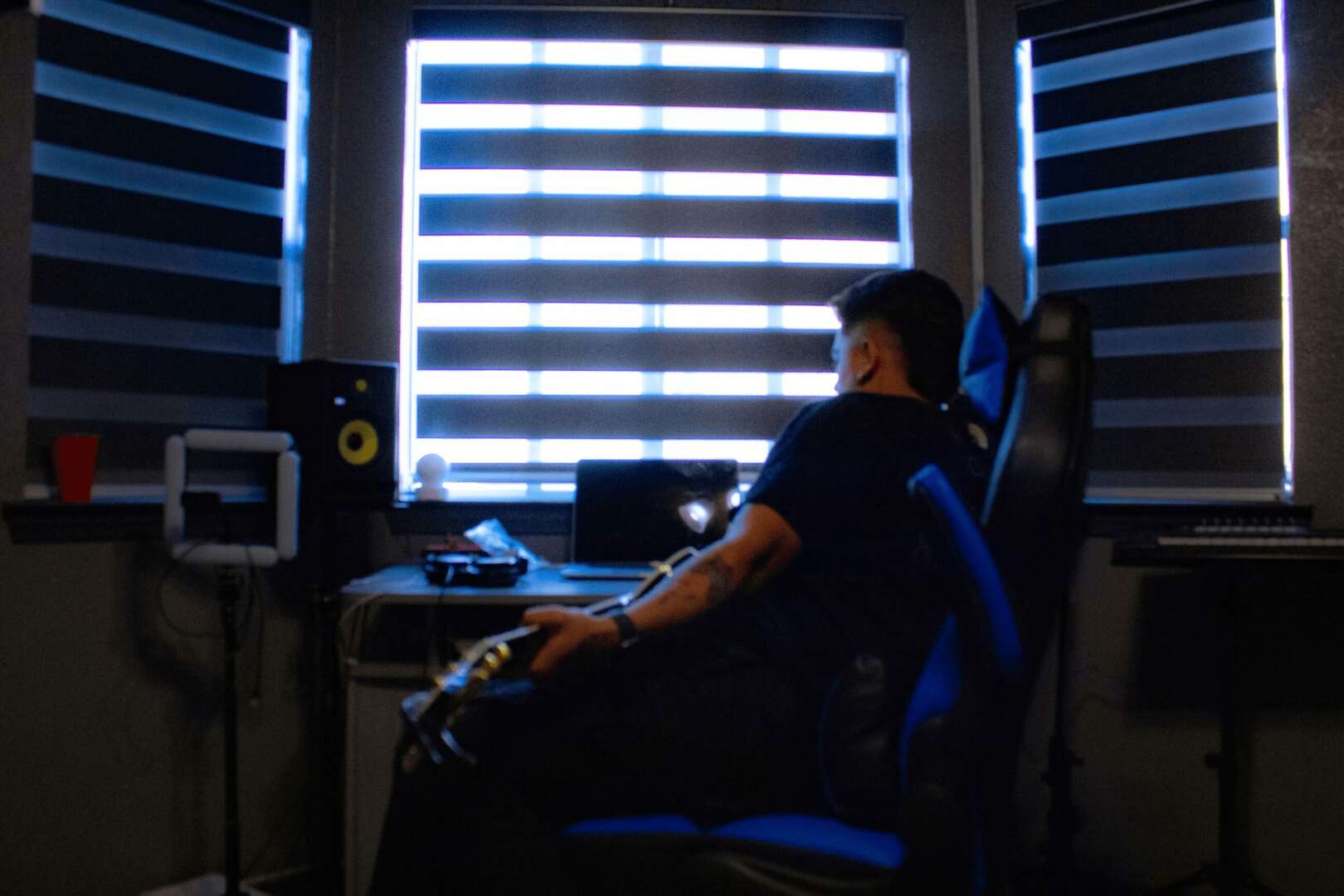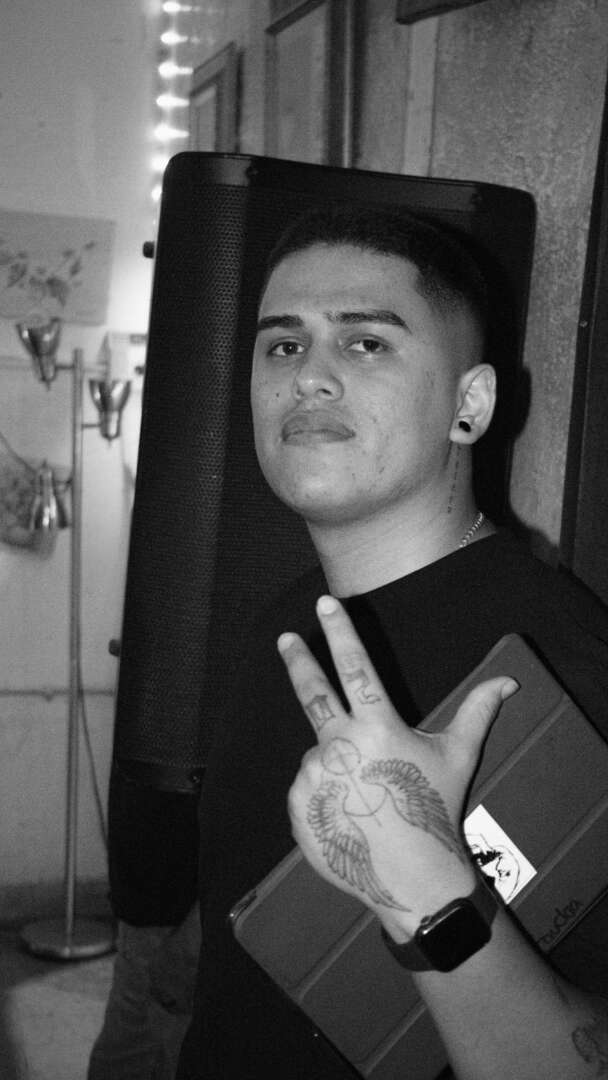

We recently connected with Christian Faudoa and have shared our conversation below.
Christian , thanks for taking the time to share your stories with us today Coming up with the idea is so exciting, but then comes the hard part – executing. Too often the media ignores the execution part and goes from idea to success, skipping over the nitty, gritty details of executing in the early days. We think that’s a disservice both to the entrepreneurs who built something amazing as well as the public who isn’t getting a realistic picture of what it takes to succeed. So, we’d really appreciate if you could open up about your execution story – how did you go from idea to execution?
Becoming a business owner does not happen from one day to the next, in fact I am still in the early process of it. I decided to start Faudoa Productions when I graduated from The Los Angeles Recording school. I obtained my music production degree and felt I was ready to take over the industry. At the time I had no job, no income, and no drive. What I did have was 2 speakers, 3 XLR cables and a small mixer. I knew I had nothing to lose and everything to gain. I have to admit, having no money was definitely a crucial factor as to why I decided to start this business. I decided to run some ads on my Instagram account along with Facebook marketplace. Little by little I picked up a few clients, down the line some of them became my friends. I quickly made a name for myself amongst bands, everytime they see me behind the mixer their faces light up! I also learned that word of mouth is your best publicity. For the first few months it was continuous learning, from new mixing techniques, cabling components, and learning the ins and outs of my equipment. As time passed, I ended up having to get a day job because events were not cutting it, it was gaining some momentum, just not enough. I started working for Encore Global, an A/V company where I learned a whole lot about sound, video, lights and other aspects of production. It is one hell of a challenge balancing out my own business with a day job. There are times where you sleep 5 hours and there are times you do not sleep at all. One of the biggest pieces of advice I ever heard was “run the show as if you were the one signing the check at the end of the day”. I focused on live sound for about a year before I started offering my recording, mixing, and mastering services to other people. I am still working on building up my in-studio part of the business, this one will be a bit more of a challenge because of how much competition there is. Maybe one day I will look back at this and laugh! Overall, people see all the expensive equipment that I have bought and mastered through the years, however, this business started with very little gear!

Great, appreciate you sharing that with us. Before we ask you to share more of your insights, can you take a moment to introduce yourself and how you got to where you are today to our readers.
Initially, I decided to pursue my career in the production to apply all that knowledge into my own personal music project. I like to be involved in ALL aspects of my musical career, it helps understand and communicate what you want and need with other professionals. This industry can be challenging for both the operator and the client. Sometimes things change last minute and it is my job to ensure the job gets done.
My customer service, attention to detail, and flexibility is what I think has kept my clients around. It is always reassuring when bands and fans praise my work during shows.
How did you put together the initial capital you needed to start your business?
I initially started with my Guitar Center credit card. That is how I bought the bundle of gear I started with. A lot of what I make gets reinvested into gear, gasoline, maintenance for my truck, and also my truck payment!
Always keep an emergency fund in your back pocket but do not be afraid to invest everything. However, DO NOT buy gear you don’t know how to use. Don’t buy things you wont get the most out of just because they look cool. Another big piece of advise is “do not upgrade until you feel the limitations”.
I have had some of my best shows with a super small mixer, the most important thing is to know how to use it.
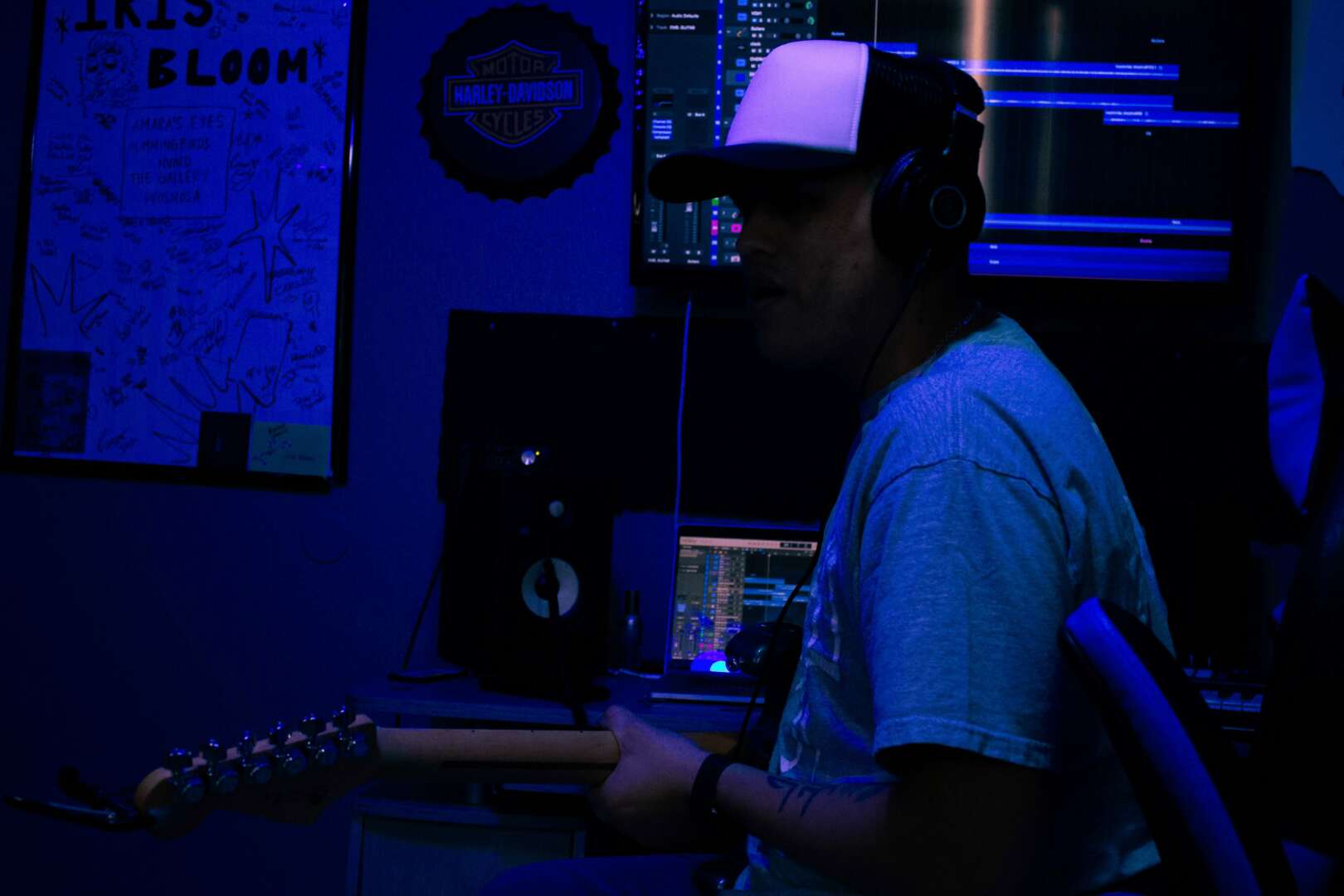
How’d you build such a strong reputation within your market?
Customer service. No matter how good you are people won’t want to work with you if your customer service sucks! Often, professionals will take the guy who is willing to learn and get along with everyone over the know-it-all who is always in a bad mood.
Contact Info: