

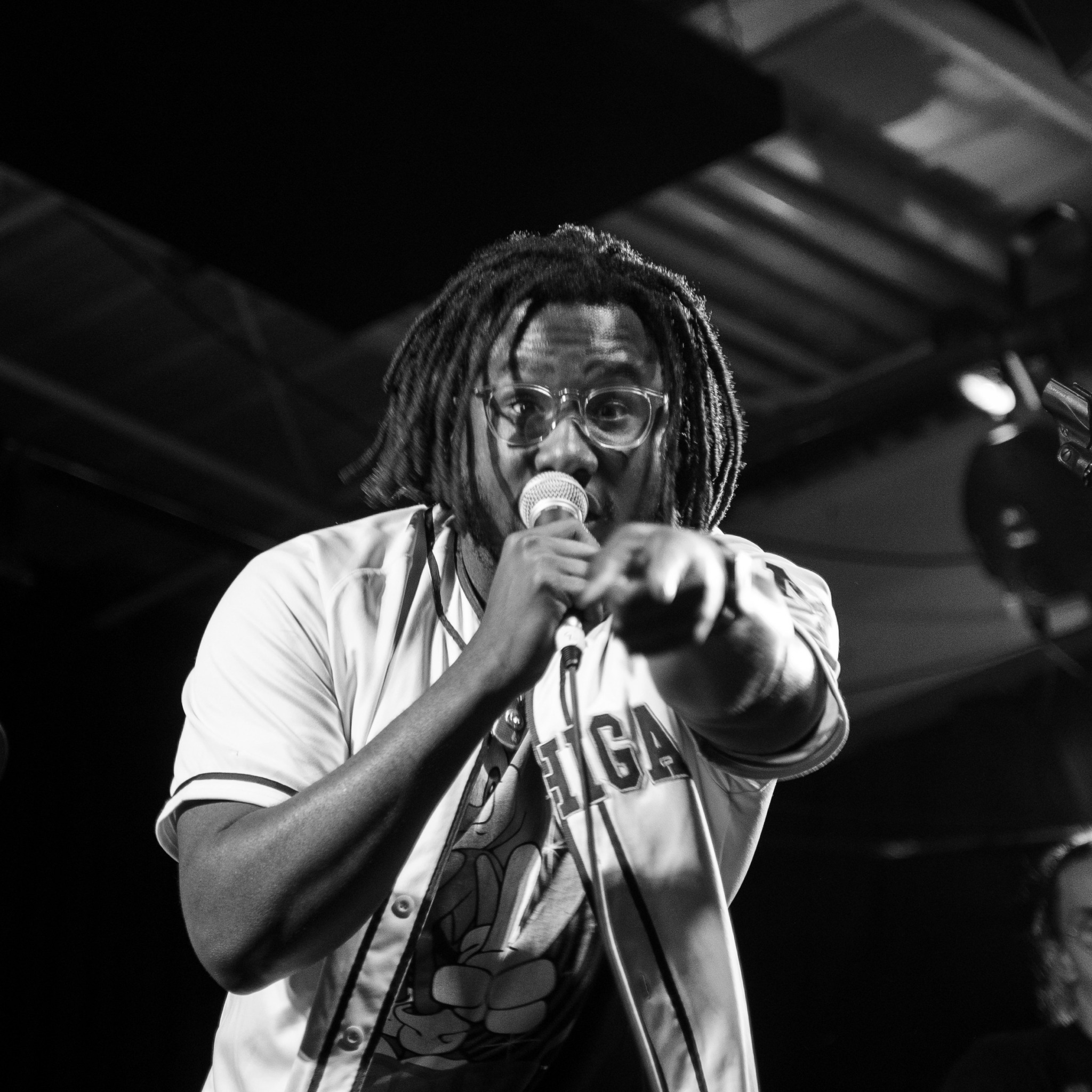

We were lucky to catch up with Christian Charley recently and have shared our conversation below.
Christian, appreciate you joining us today. Can you talk to us about how you learned to do what you do?
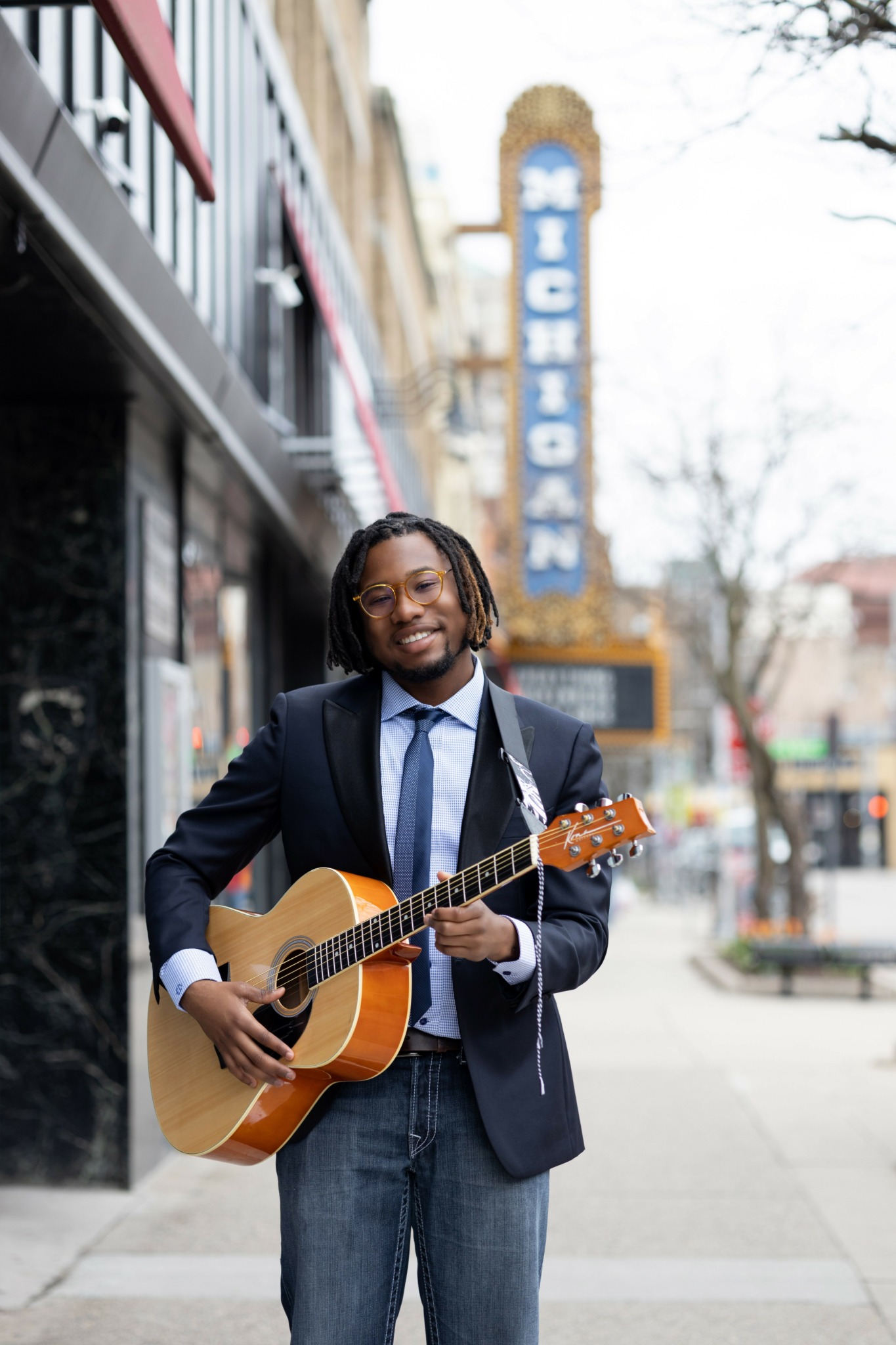
My family signed me up for piano lessons when I was only 4, and It was the perfect foundation instrument to lead me into learning more about music. Around the age of 8, I started lessons for guitar, and my level of attention was even lower for that than piano. Guitar was not an instrument that I found myself gravitating to very often, if ever. I tried many times to learn it, but from learning how to structure my hands to form chords to knowing how quickly I had to move my fingers to play a simple melody, my young self just found no pleasure in learning it. At the age of 9, I stopped taking piano lessons, and it was between this age and 10 that I started to discover my skill for learning songs by ear. There were many times I would listen to a song I enjoyed and then proceeded to try and translate that song on piano, and even though it wasn’t perfect, I learned that I enjoyed this method of learning music much more than simply looking at a spreadsheet of notes. At the age of 11, I learned how to play the drums and many other percussion instruments, and THIS truly spoke. From the age of 11 to 18 I devoted myself to playing drums and percussion, for school and for local bands around the city.
Knowing what I know now at the age of 25, and now being a much more experience musician and producer, I do wish I prioritized the importance of practicing my instrument at an early age. I was always a procrastinator as a kid, and I think most of that was due to not finding the joy of playing and making music until an older age. In this sense, it would have aided in gaining the skills that I have now just a little bit earlier, or at least, I’d like to think that to be the case.
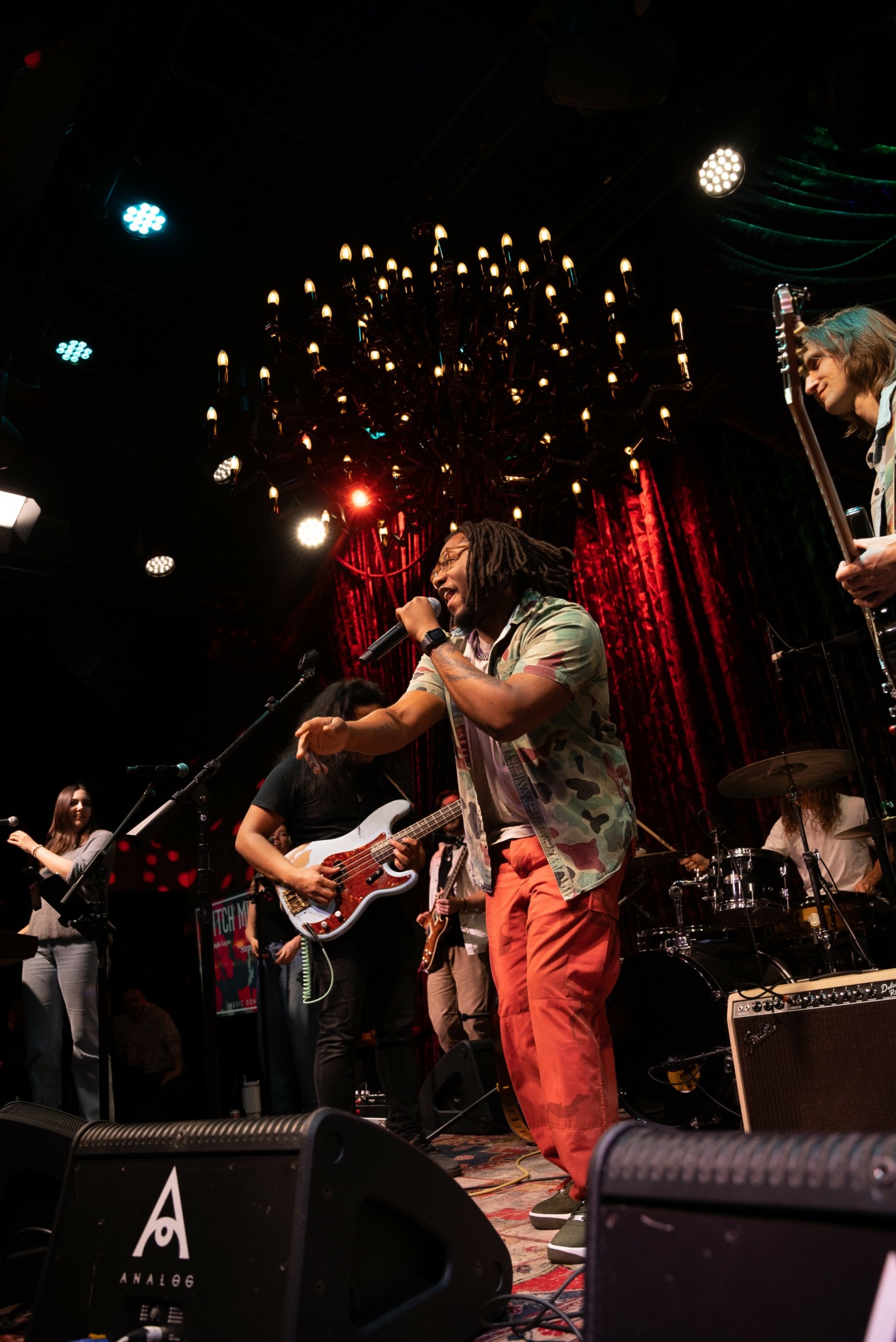
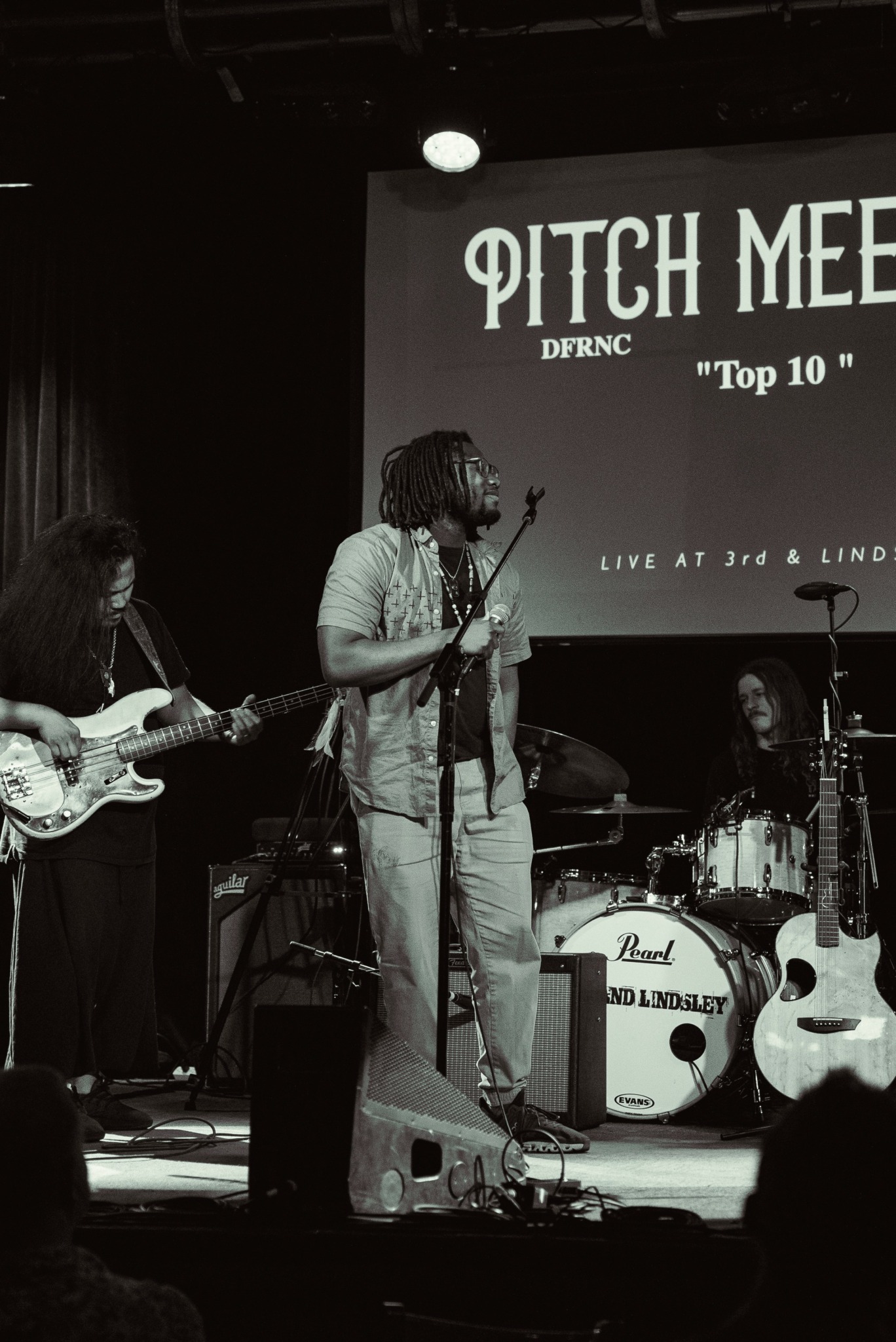
Great, appreciate you sharing that with us. Before we ask you to share more of your insights, can you take a moment to introduce yourself and how you got to where you are today to our readers.
According to my family, I’ve always had a knack for creativity, and ever since I was young, I knew that music was always something that I gravitated to as an expression of myself. Whether that was remembering the specific beat of an RnB song that my dad played in the car while driving me to school, or rapping the entire Left Eye verse in TLC’s “No Scrubs”, or even playing the air drums to the breakdown of Phil Collins’ “In the Air Tonight.” Music has always filled me with joy and wonder and curiosity, but it ultimately wasn’t something that I took seriously until I was 17.
When I turned 17, it was time to decide what I wanted to do with my life. I thought about taking the safe route and pursuing electrical engineering or com-sci, since it would’ve guaranteed me a multitude of positions for work, but my parents simply asked me “what do you wanna do with your life?” It hit me then and there about how much love I had for creating, whether it was music or videos or events. I simply enjoyed making things, and I knew I wanted to make music for the rest of my life. This was also the time that I created my artist name DFRNC (pronounced “Difference”), and I began learning how to turn some of the poetry I had written into raps. I wrote my first song ever called “Momma Said” to an instrumental version of Drake’s song “Best I Ever Had.” With my life goal now set, I applied to the University of Michigan for Performing Arts Technology, and for the next 4 years, I studied there on how to be a producer, a songwriter, and a sound engineer. I then graduated in 2022 with a bachelor’s degree in Performing Arts Tech and a minor in Performance Management.
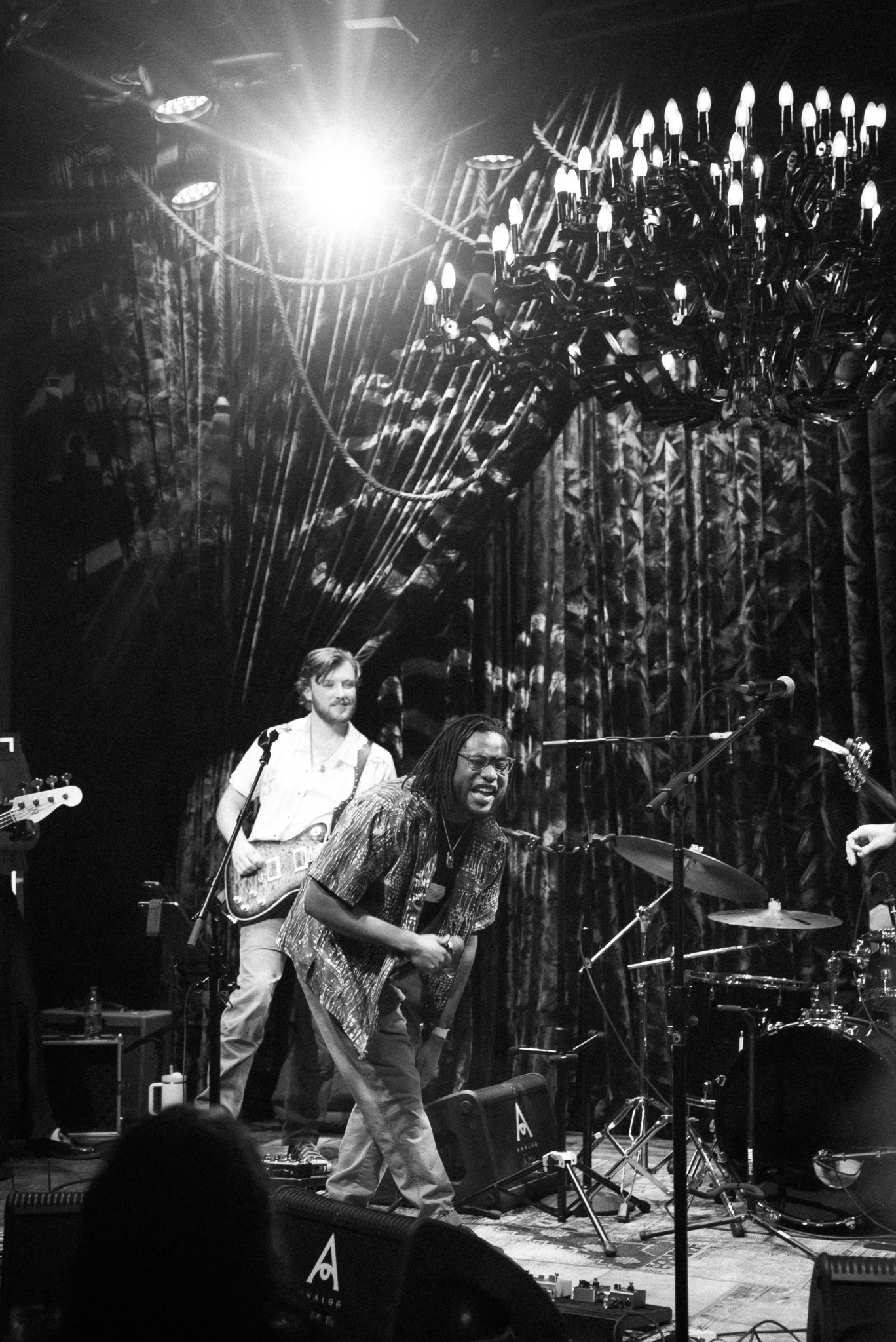
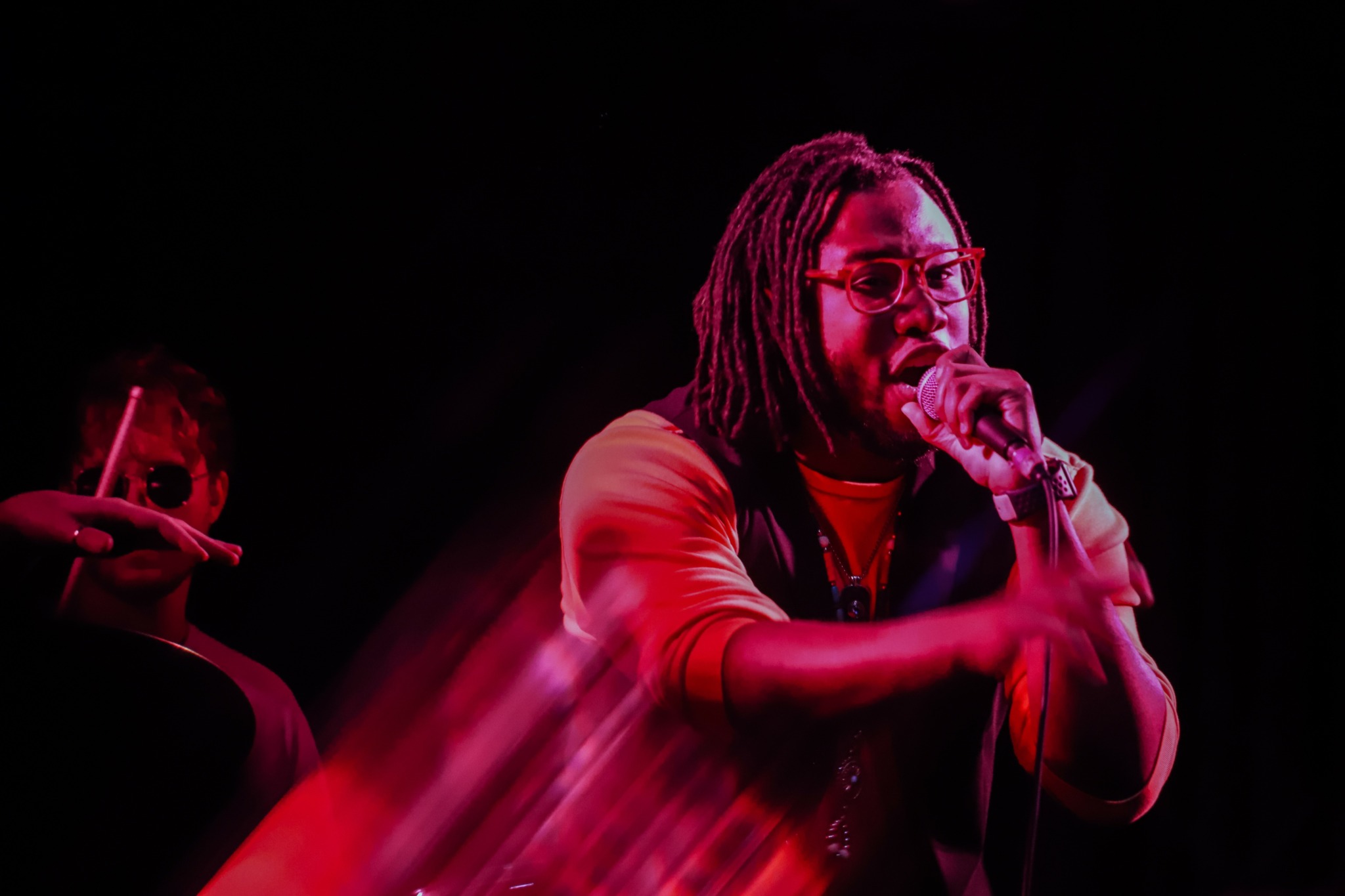
Because I’ve always gone against the grain, I intended to do so with the music that I made as well. Ever since I was a teenager, I noticed that the music in mainstream media, specifically hip hop and r&b, was starting to become repetitive. People started making the same things over and over again. Every beat had fallen into the category of trap, and every lyric was about either sex, money, or drugs. In my opinion, the evolution of those genres no longer had the passion that they used to have, when people told stories with their lyrics, and instead just simply did what worked for fame and fortune. I believe I can change that, and I don’t want my music to follow the trend. I wanted to create worlds, visions that people could see and hear, while also maintaining a certain level of skill and creativity in my wordplay. My music isn’t something you can throw on in the club and just dance to. My music is something that you have to listen to in order to understand.
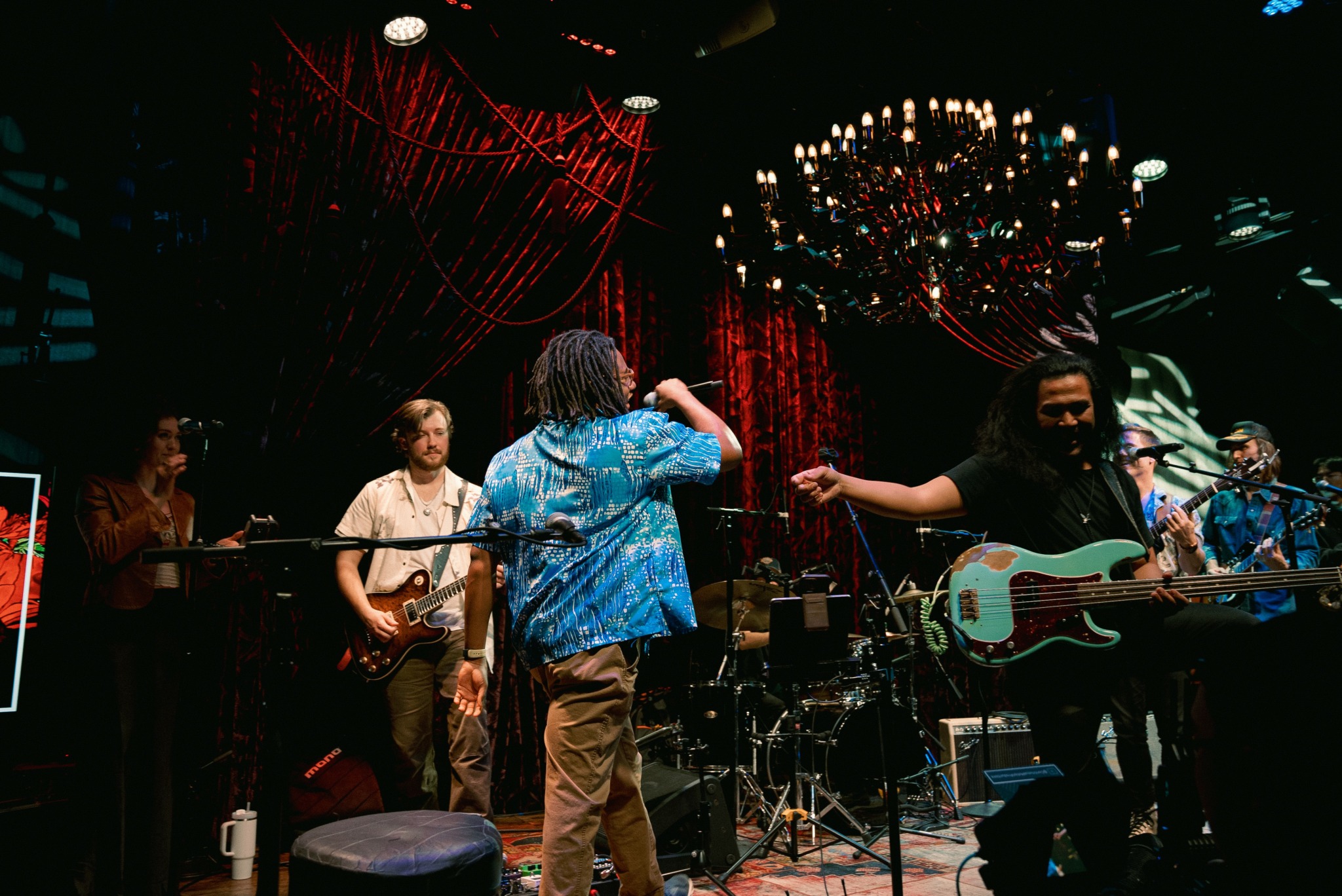
Let’s talk about resilience next – do you have a story you can share with us?
It definitely hasn’t been a smooth road. 2022 was probably my toughest year, especially because I was in a toxic relationship that drained me. I lost my love for music and sacrificed so much of myself for someone who didn’t truly care. The relationship reminds me of a quote from a character named Red from the book Steelstriker that says “Love is a dangerous drug, and in many ways, it can trap you and make you do things that can destroy you, and sometimes, you do it anyway.” Once I broke free, I had to rebuild who I was and rediscover my passion for music—it wasn’t easy, but I’m proud of myself for getting out.
On top of that, I’ve dealt with severe flat feet my whole life, and by the end of 2022, my ankle was collapsing. After seeing a specialist, I learned that surgery was the only option to avoid long-term damage. So, in early 2023, I had a triple fusion surgery and spent almost 7 months recovering. During that time, I couldn’t walk or create, which was frustrating, but thankfully, the surgery was a success, and by the end of 2023, I was back on my feet.
How can we best help foster a strong, supportive environment for artists and creatives?
I think the most important topic for us to talk about in society when it comes to creativity is how people view these kinds of careers. Many people don’t see these creative and artistic pursuits as “jobs” and are confused as to why we would enjoy such a journey. This is evident in questions such as “do you make enough money doing that?” or “do you have any other jobs?” Society should learn and aid in the understanding that a creative ecosystem is just as important, if not, more important, than a corporate ecosystem. Making art of any kind is a job, learning how to turn your creativity into a business is a job. Just because it’s not always a stable 9-5 does not take away its value to society, and many people need to understand that. The best thing that society can do to support artists and creatives in this economy is take an active roll, both through finance and media, to share the work that artists and creatives do. If your friend is an artist or musician, share their song on instagram. If your friend makes their own clothes, buy them. If your friend enjoys editing videos, ask them to interview you. It takes a village to make a creative ecosystem thrive, and it cannot thrive through words alone.
Contact Info:
- Website: https://christiancharley13.wixsite.com/profile
- Instagram: https://www.instagram.com/dfrncaco3
- Youtube: https://www.youtube.com/@dfrncaco3/featured
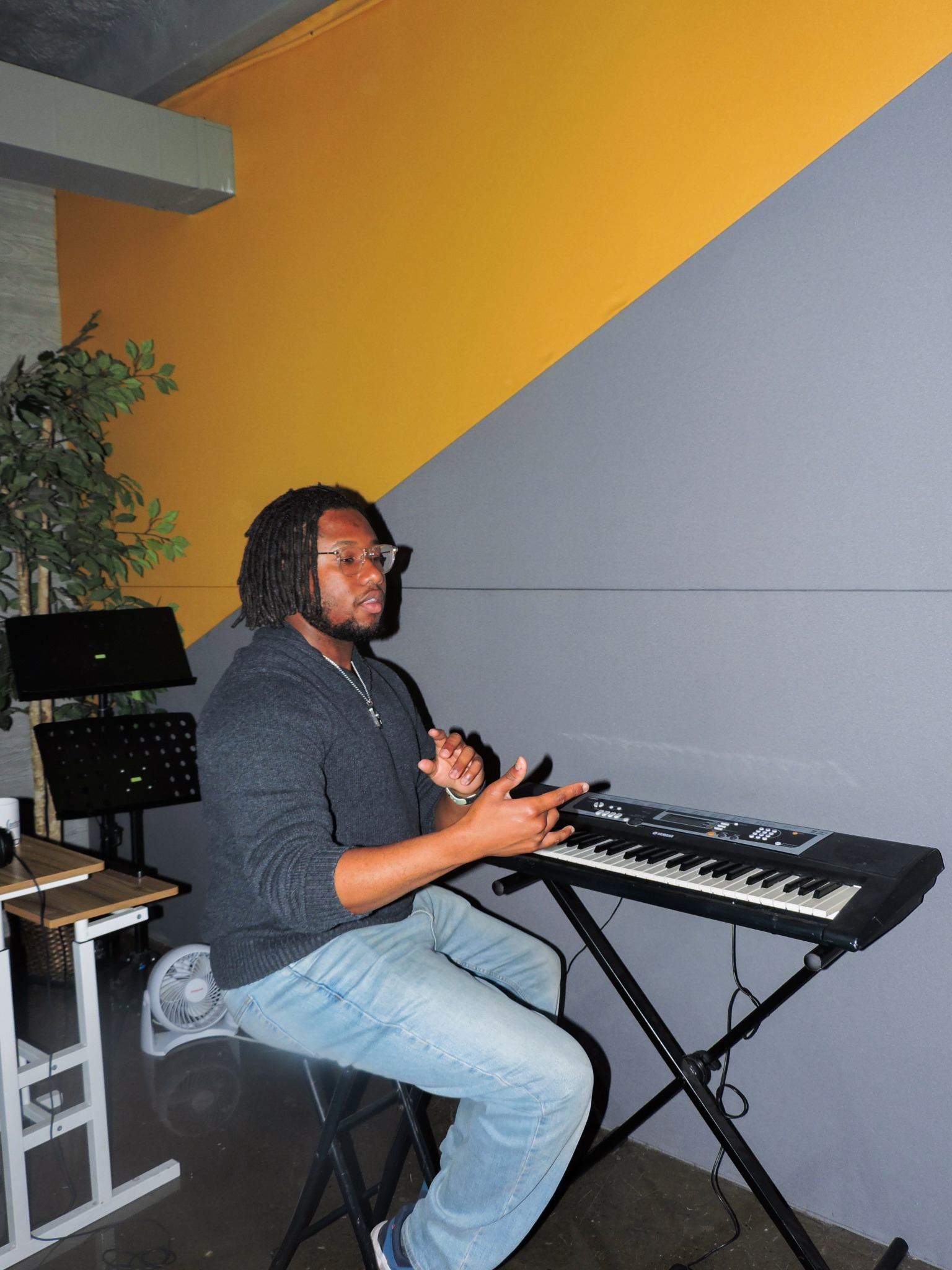
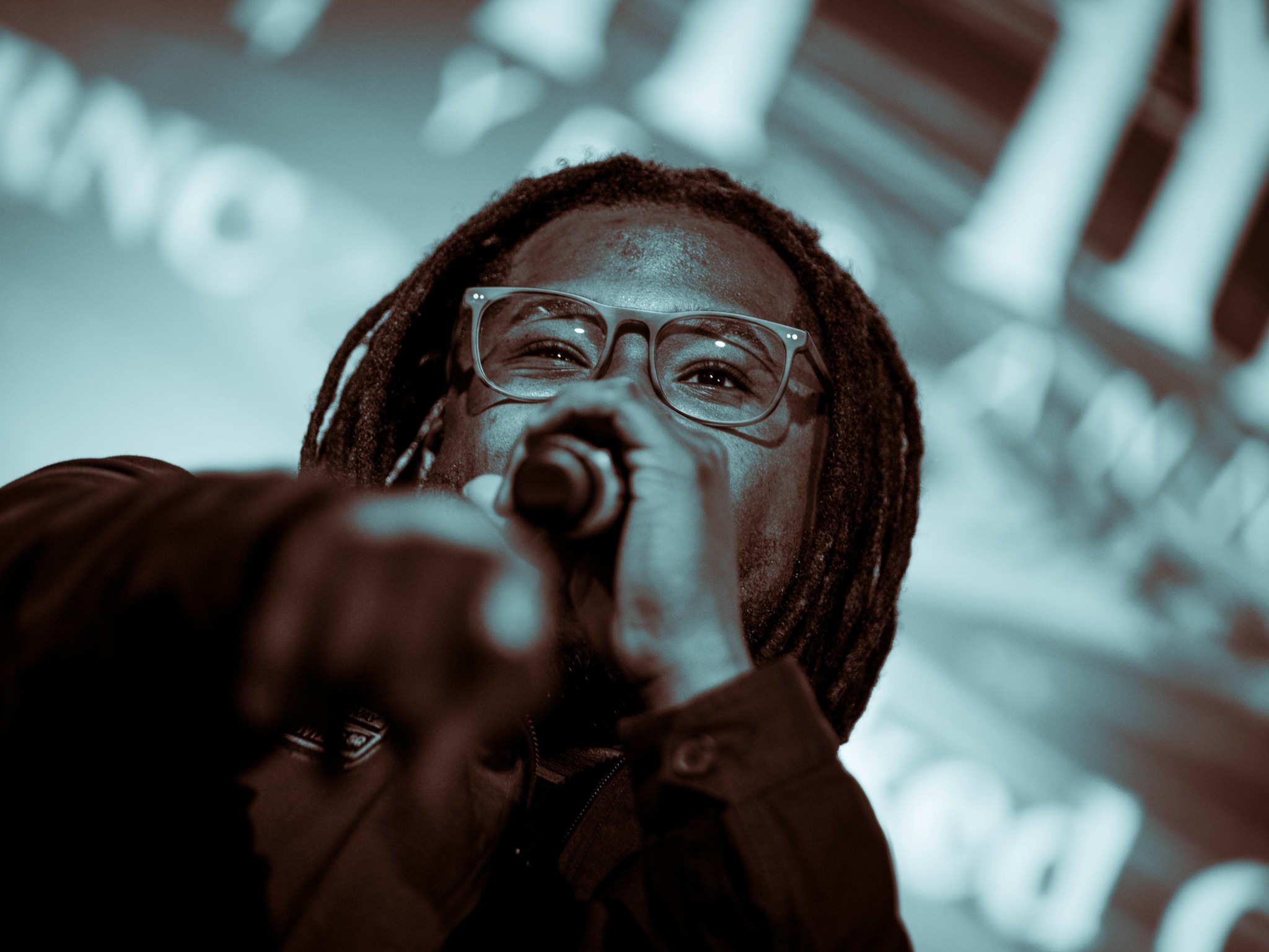
Image Credits
Jamie Glasgow (jsg_photo)
Sarah Jean (sarahjeanphoto)
Shalena (leosage_images)