

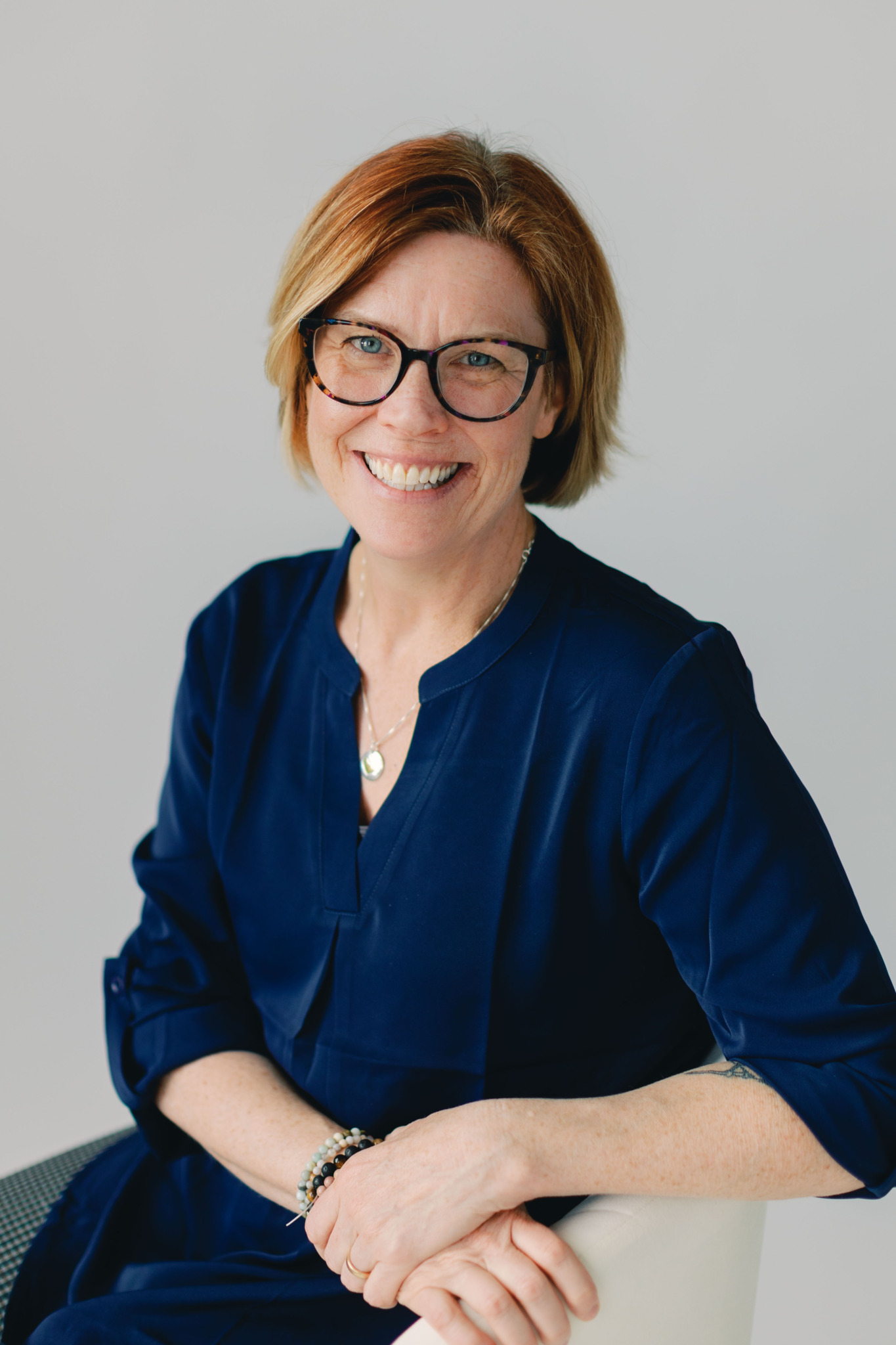

We recently connected with Chrissy and have shared our conversation below.
Chrissy, appreciate you joining us today. It’s always helpful to hear about times when someone’s had to take a risk – how did they think through the decision, why did they take the risk, and what ended up happening. We’d love to hear about a risk you’ve taken.
A defining moment of risk-taking that paid off came in 2018, when we began working with Dakota County Juvenile Services, supporting youth experiencing complex trauma rooted in systemic racism, poverty, and a lack of access to mental health care. While we had years of experience using mind-body practices to support people in crisis—both children and adults—we weren’t sure how these tools would translate within a juvenile corrections setting.
We knew this was a high-acuity environment and listened carefully to staff concerns about whether youth would be open to participating in mindfulness-based groups. We were honest about our own uncertainty and proposed we just give it a try.
True to the spirit of our work, we approached it as a collaboration—one rooted in our understanding that we are simply guides, and it is the individuals within the organization who must take the lead.
What happened next affirmed our core beliefs. Together with staff and youth, we shaped the groups to be relevant and responsive—centering power, voice, and choice, which are essential elements of trauma healing. We learned that when mind-body practices are offered alongside clear, science-based explanations of how they regulate the nervous system, even the most reluctant or resistant participants are open to trying them.
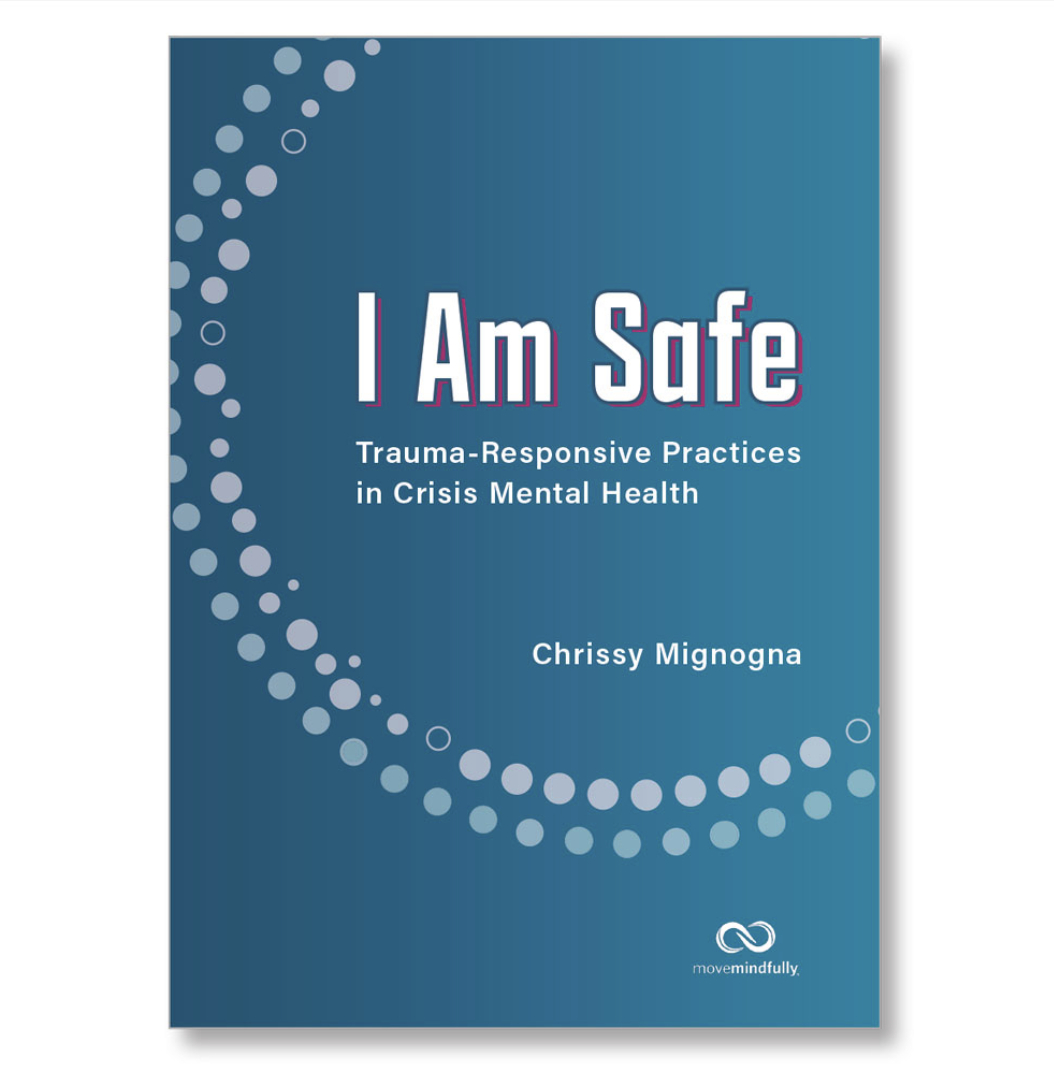
That initial risk led to something far greater. The youth began using these practices between our sessions to manage anxiety, improve focus, and sleep better. Their willingness and engagement inspired my book, I Am Safe: Trauma-Responsive Practices in Crisis Mental Health, and helped us realize: these tools belong anywhere people are facing struggle—schools, community centers, juvenile services, hospitals, and beyond.
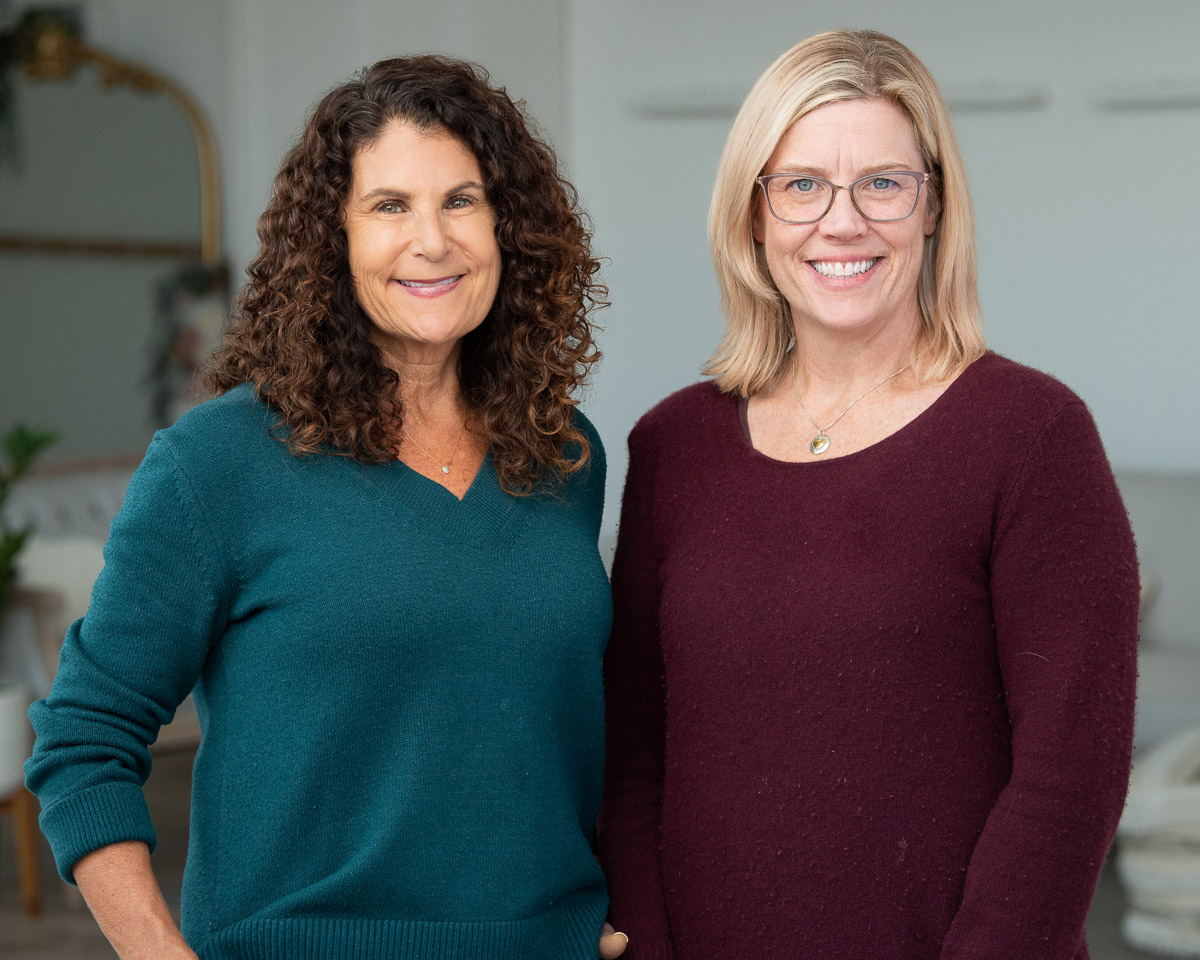
Chrissy, before we move on to more of these sorts of questions, can you take some time to bring our readers up to speed on you and what you do?
Kathy Flaminio, founder and CEO of movemindfully: I began my career as a school social worker in Minneapolis Public Schools while also working in the fitness industry. Fifteen years in, I found myself deeply burned out and questioning whether I was truly reaching young people in meaningful, lasting ways. The turning point came when I realized I was offering what I call “chin-up” interventions—talking, problem-solving, offering support from the neck up—when so much of what youth were carrying lived in their nervous systems. Trauma was in the body. That’s when my two worlds—mental health and movement—began to merge. I’ll never forget the moment I stood in front of a group of students and said, “We’re done talking. We’re going to try something different.” And the rest is history. That pivotal shift led me to take a sabbatical, partner with organizations to bring mind-body practices into schools, hospitals, and therapeutic settings, and eventually incorporate my company in 2009—1000 Petals, now doing business as movemindfully®. Then Chrissy joined the organization and shortly after we started our first contract in crisis mental health at University of Minnesota Masonic Children’s Hospital. Together—with a team of dedicated contractors—we’ve worked to bring the science of mindfulness, movement, and social-emotional learning into simple, accessible, trauma-responsive practices. We partner with communities to support real, transformational change.
Chrissy Mignogna: My journey into this work began in early education after becoming a yoga teacher in 2009. I quickly discovered that the same mind-body practices I was teaching adults were incredibly effective with my own young children—helping them self-regulate, manage big emotions, and build resilience. Inspired by this, I began offering sessions at local childcare centers, working with children as young as one year old. From there, I partnered with Kathy Flaminio, founder and CEO of movemindfully, to bring these practices into Pre-K and early childhood special education classrooms. As our work grew, I began supporting Kathy’s efforts across K–12 schools and eventually took on a leadership role in our teaching in crisis mental health environments. That’s when our partnership with juvenile services began—and when my book, I Am Safe, started to take shape. This guidebook is intended to assist anyone wanting to share portable mind-body coping skills with individuals in crisis—whether as a standalone group or integrated into all the other supports in place. What sets us apart is that the framework and practices in I Am Safe are not theoretical. They’re grounded in over a decade of hands-on experience in care settings that support individuals with complex needs—including special education, juvenile corrections, and inpatient and outpatient treatment programs—across child, adolescent, adult, and older adult mental health units. I’ve witnessed, time and again, how simple, accessible, science-based mind-body strategies can be life-changing—even in the most challenging circumstances. The driving question behind I Am Safe has always been: Why wait? Why wait until someone is in crisis to teach them how to feel safe in the moment, reconnect with their body’s innate wisdom, and remember their inherent worth? These tools should be available long before the breaking point. That belief continues to guide everything I do. That’s exactly what I Am Safe is designed to do: offer a practical, adaptable guide for sharing coping skills with those in crisis—anywhere, anytime.
Other than training/knowledge, what do you think is most helpful for succeeding in your field?
Failure! The most meaningful learning I’ve experienced while sharing mind-body practices to support public mental health—especially in schools and crisis settings—has come when things didn’t go as planned. Making mistakes, owning them, and being willing to grow from them is what qualifies me to share I Am Safe with the world. I remember one day at juvenile services, I walked into a group and the youth present that day said, “We don’t need your group today. We like you, but this group just isn’t for us.” My first reaction was defensiveness—but I took a breath and said, “Hey, can we just talk about it for a minute?” And then I listened. What I heard changed everything. That group told me emphatically: “We don’t do yoga.” That moment helped me realize something important—while some of these practices may overlap with yoga, what I’m really sharing is the ability to use the mind-body connection to support yourself in times of struggle. And you don’t need to want to do yoga to access that. Even more than that, I learned how essential it is for young people to take the lead. I’m not the expert—they are. I’m just a guide. The group—the individual—knows what’s relevant and what’s going to work for them in that moment. That group taught me so much. Thankfully, I listened.
How’d you meet your business partner?
Kathy and I met when she was teaching a yoga class at a local gym. I loved her classes and felt like she was speaking directly to what I cared most about—finding ways to support myself through times of struggle and extending that same care to my family and the families in my community. One day, I took a leap of faith and asked if she thought I should become a yoga teacher. She encouraged me wholeheartedly, and from there, our relationship grew—first as mentor and mentee, then as boss and employee, and most importantly, as dear friends. For the last decade, we’ve gone on a weekly run together—rain, snow, or sunshine. It’s become another expression of our shared belief: that movement and being in community are powerful forms of healing.
Contact Info:
- Website: https://move-mindfully.com/i-am-safe-book
- Instagram: @movemindfullyconnect
- Facebook: @movemindfullyconnect
- Linkedin: https://www.linkedin.com/company/movemindfullyconnect/
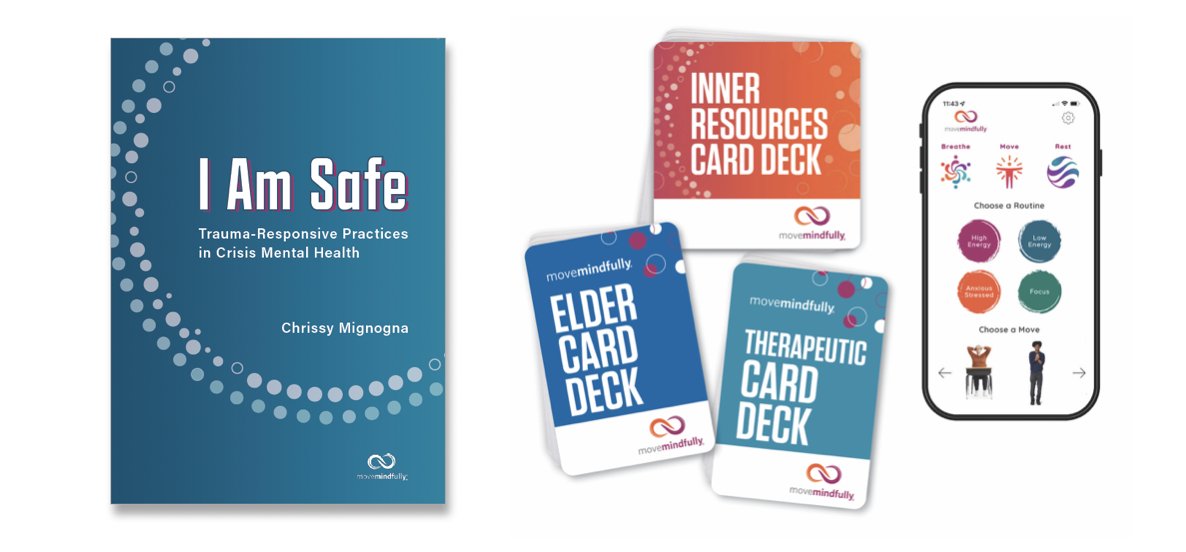
Image Credits
We own all images shared with you.