

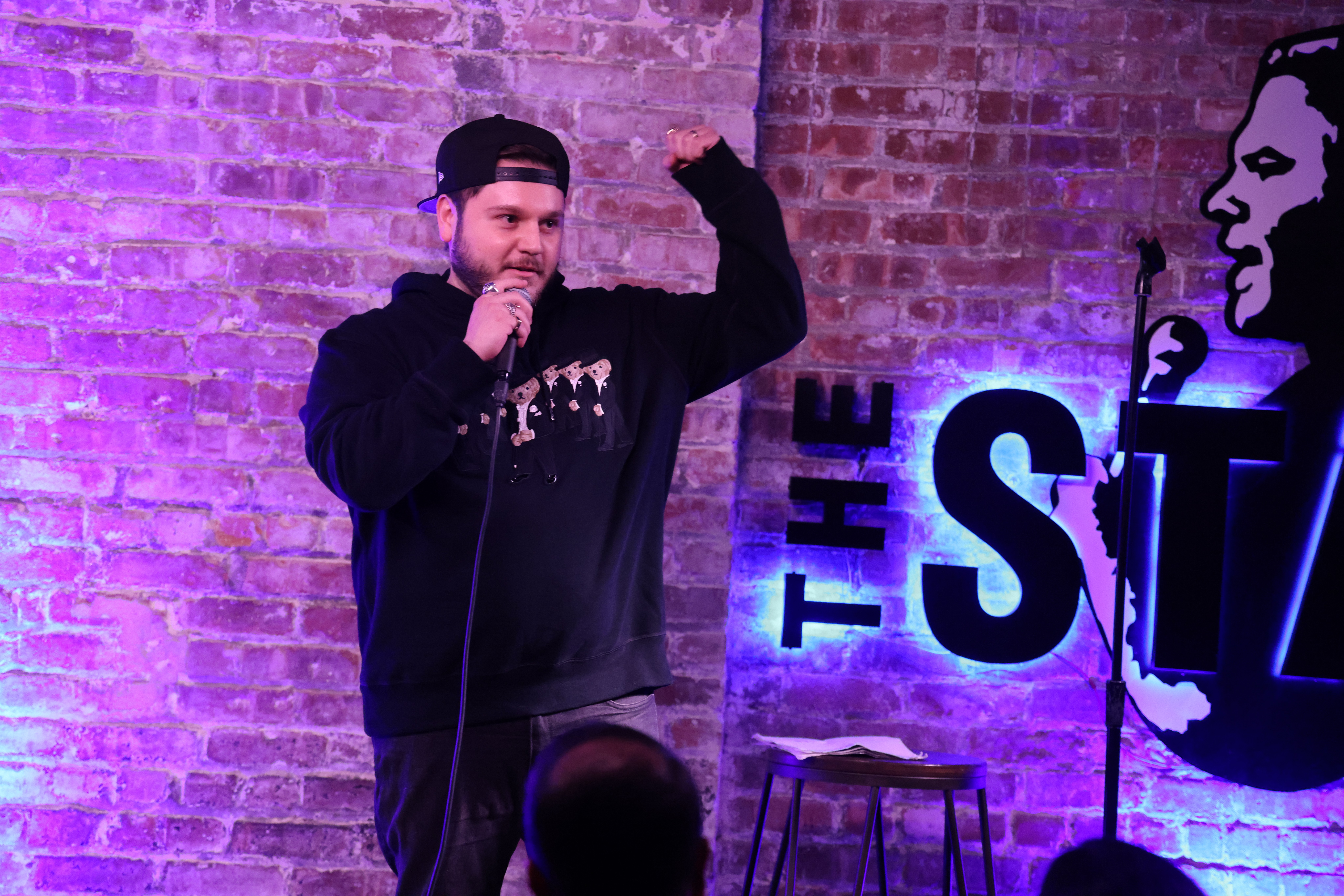

We were lucky to catch up with Chris Tos recently and have shared our conversation below.
Hi Chris , thanks for joining us today. How did you learn to do what you do? Knowing what you know now, what could you have done to speed up your learning process? What skills do you think were most essential? What obstacles stood in the way of learning more?
My formative years were filled with attempts to elicit laughter from friends, family, and even teachers, using everyday situations as fodder for humor. This practical application of comedy was my first foray into understanding what resonates with different audiences.
As I entered my teenage years, my fascination with stand-up comedy took a more serious turn. Icons like Mitch Hedberg, Dave Chappelle, and Robin Williams became not just sources of entertainment, but subjects of study. I dissected their performances, understanding the mechanics behind their delivery, timing, and how they crafted a narrative.
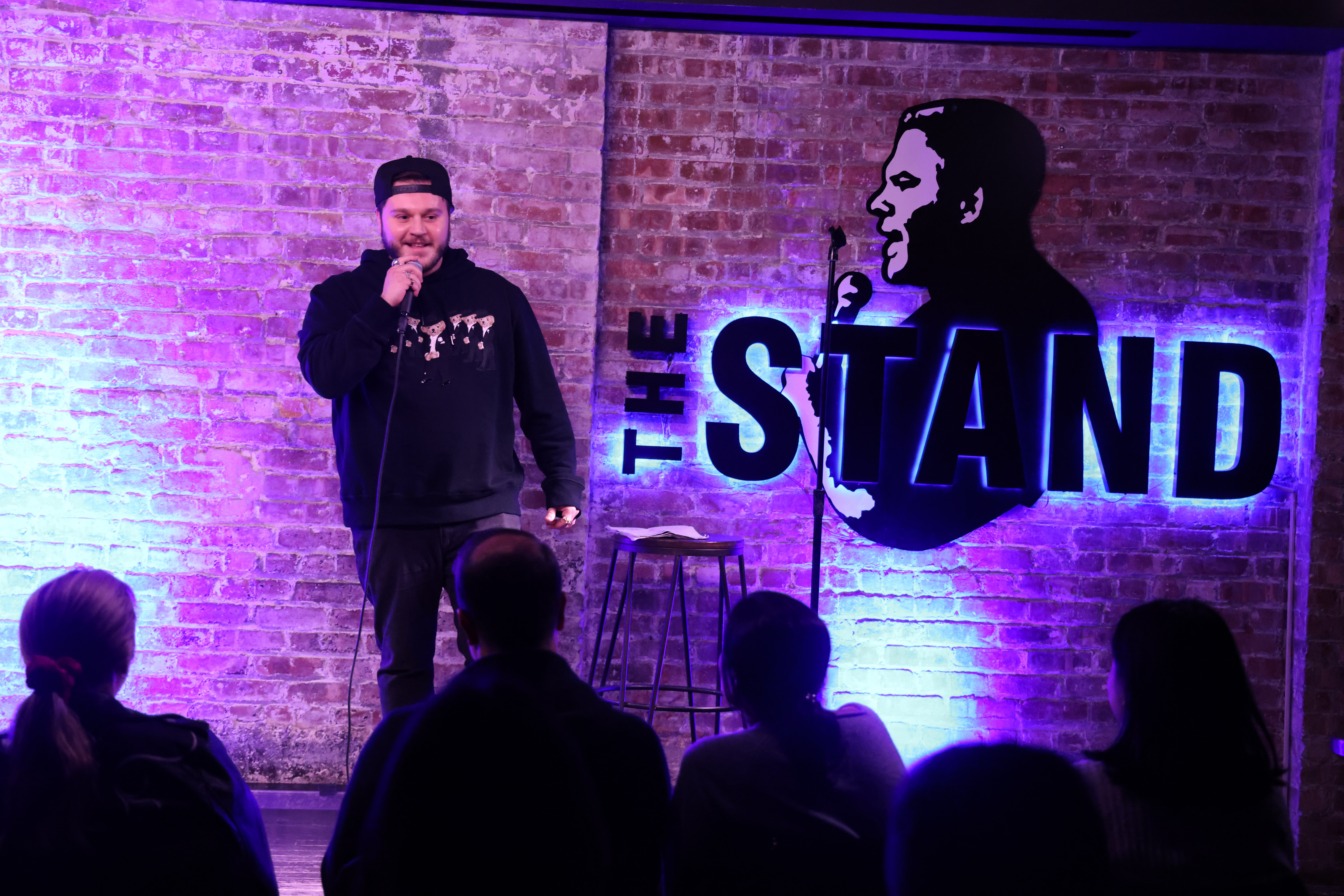
However, it was the actual doing—stepping onto a stage and performing—that cemented my learning. I realized that theoretical knowledge of comedy is one thing, but the real education comes from live performance. The immediate feedback from an audience is both exhilarating and educational. It taught me resilience and the importance of adapting on the fly.
In hindsight, starting stand-up earlier could have accelerated my growth. The stage is a crucible for refining your act, and more time spent in front of an audience would have sharpened my skills faster. The essential skill in this journey has been the ability to learn from every performance, successful or not. Analyzing what worked and what didn’t, without letting ego get in the way, has been crucial.
My obsession with improvement has led me to scrutinize my performances rigorously, always looking for areas to enhance. This, coupled with the willingness to experiment and adapt material live, has been central to my development as a comedian. I’m one of those where I write best on stage or trying to make people laugh in social settings.
The primary obstacle in this path has often been the scarcity of opportunities to perform. Stage time is invaluable and not always easy to come by. However, the rise of social media has partially mitigated this, providing a platform to test material and engage with an audience beyond the traditional comedy club setting.
In summary, the journey in comedy has been one of constant learning, driven by a mix of natural inclination and deliberate practice, with live performance being the ultimate teacher.
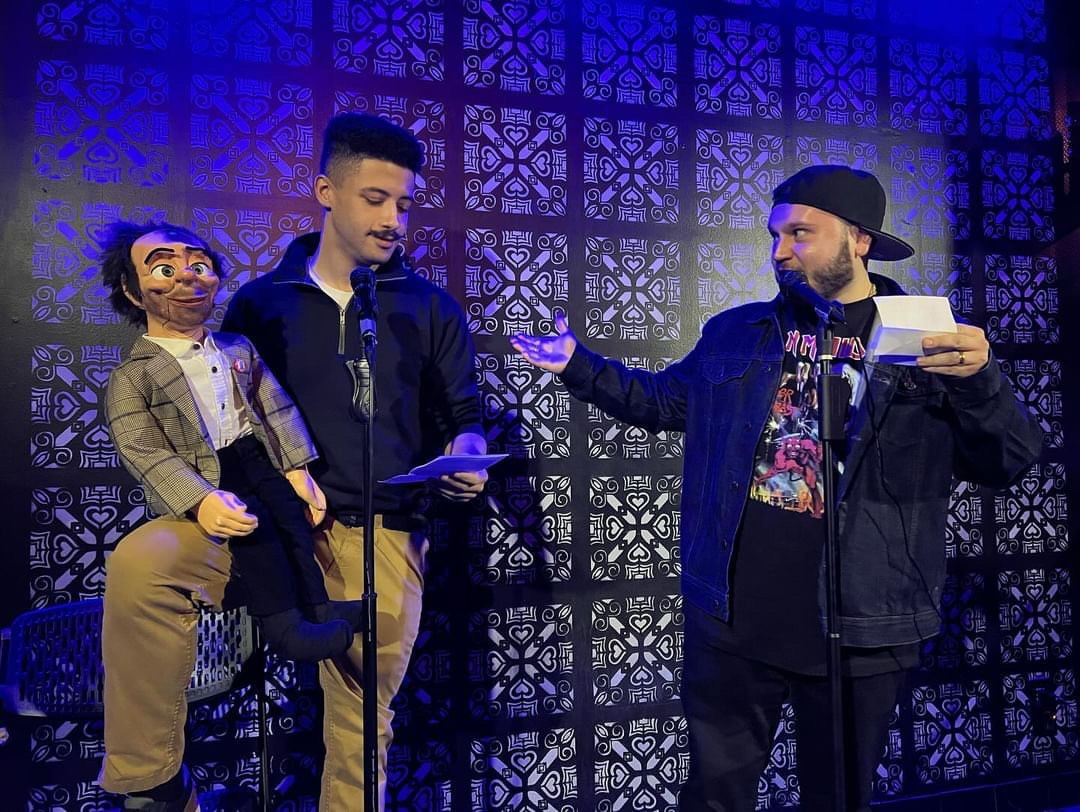
Chris , love having you share your insights with us. Before we ask you more questions, maybe you can take a moment to introduce yourself to our readers who might have missed our earlier conversations?
I’m Chris Tos, a comedian who likes storytelling. This love for narrative crafting was evident even at the tender age of 12, a period that also marked my foray into the comedic arena, fueled by a burgeoning proficiency in computer technology.
I was the witty one in my circle, not exactly the class clown, but someone whose intellect and humor were acknowledged by teachers and peers alike. This penchant for creativity found an outlet in drawing and creating comic books, a medium through which I could channel my humorous observations.
One of my earliest ventures was a comic series titled “The Killby’s,” a Kirby parody, characterized by their mischievous, somewhat edgy antics—a reflection, perhaps, of my early exposure to “The Simpsons” and “Dragon Ball Z.” This series, especially a memorable episode featuring an adventurous crossover with “Barney the Dinosaur,” was a hit among my friends, reaffirming my knack for comedic storytelling.
As my skills with technology advanced, I delved into voice soundboard prank calls and anime dubbing, eventually leading to the creation of “The Full Metal Alchemist Parodies” on YouTube during the platform’s nascent days. These parodies, much like the popular works of Team Four Star and Yugioh Abridged, resonated with a wide audience, amassing significant viewership.
My creative journey continued through college and onto platforms like Vine and Instagram, where I shared sketches and comedic content. A brief hiatus from stand-up comedy, following an initial setback, ended when a friend, Dr. Jud Krosney, encouraged me to step back onto the stage. Since then, I’ve been active in the New York City comedy scene and on social media platforms like TikTok and Instagram, where my content, including viral hits like “How to Find an Emo Kid in a Crowd,” “Going Super Saiyan 2 in public” and more continue to gain traction.
With aspirations to reach the comedic heights of legends like Robin Williams and Dave Chappelle, and to join the ranks of esteemed Greek comedians like Yiannis Pappas and Stavros Halkias, my comedy draws heavily on pop culture, as well as Greek, Albanian, and nerd culture influences. My ultimate dream involves gracing the stages of SNL, headlining my own show, making my own movies and tv shows, and embarking on real comedy tours. As I continue to secure gigs and with my videos surpassing 80 million views, the dream of breaking into the big leagues feels increasingly within reach.
For now, I’m open to perform pretty much anywhere and also offer creative and advertising consultancy services as well as video production.

Is there a particular goal or mission driving your creative journey?
Yes, it’s a silly one and a reference to one of my bits. I want to build my career to the point where I can be the next Adam Sandler. First I need to get booked more, but eventually I want to be able to produce whatever movies I want, and have my friends in them.
How did you build your audience on social media?
People always ask me this, so now I’m supposed to reveal my secrets?
Navigating the world of social media as a comedian boils down to embracing the lighter side of things and not getting too wrapped up in your own head. Surprisingly, this seems to be a tall order for many. My approach is pretty straightforward: if it makes me chuckle, it goes online, and I make it a point to keep the content flowing regularly. There’s a common apprehension among comedians about sharing their bits online, fretting over burning material. My take? Just go for it. The likelihood of your online audience and your live audience overlapping is slim, and on the off chance it does happen, those in the know usually get a kick out of experiencing the jokes in person, amplifying the laughter in the room.
Committing to a schedule, say posting 2-5 times a week, is like throwing darts in the dark – you never know when you’re going to hit the bullseye. It’s a rare breed of comedian that manages to go viral, and even rarer still are those who can do so across both stand-up and sketches. I consider myself fortunate to have struck a chord in both arenas, which I believe speaks volumes about my range and genuine persona, encouraging people to hit that follow button when they stumble upon one of my viral moments.
But the hustle doesn’t stop online. When I’m on stage, I’m all in – it’s ‘crush it or bust’ for me. Post-show, I make it a point to mingle, seeking out audience feedback and sharing a moment with potential fans. A simple gesture like handing out a cool sticker along with an invite to follow my journey can turn a casual viewer into a loyal fan. It’s these personal touches that foster a community of engaged supporters, ready to ride along on this comedic journey.
Contact Info:
- Instagram: https://www.instagram.com/christoscomedy?igsh=MW4zbzIxZzE1c3J1eA%3D%3D&utm_source=qr
- Youtube: https://youtube.com/@BrotakuOfficial?si=efx1gs6krpBbunQ5
Image Credits
Laughing Buddha Comedy