

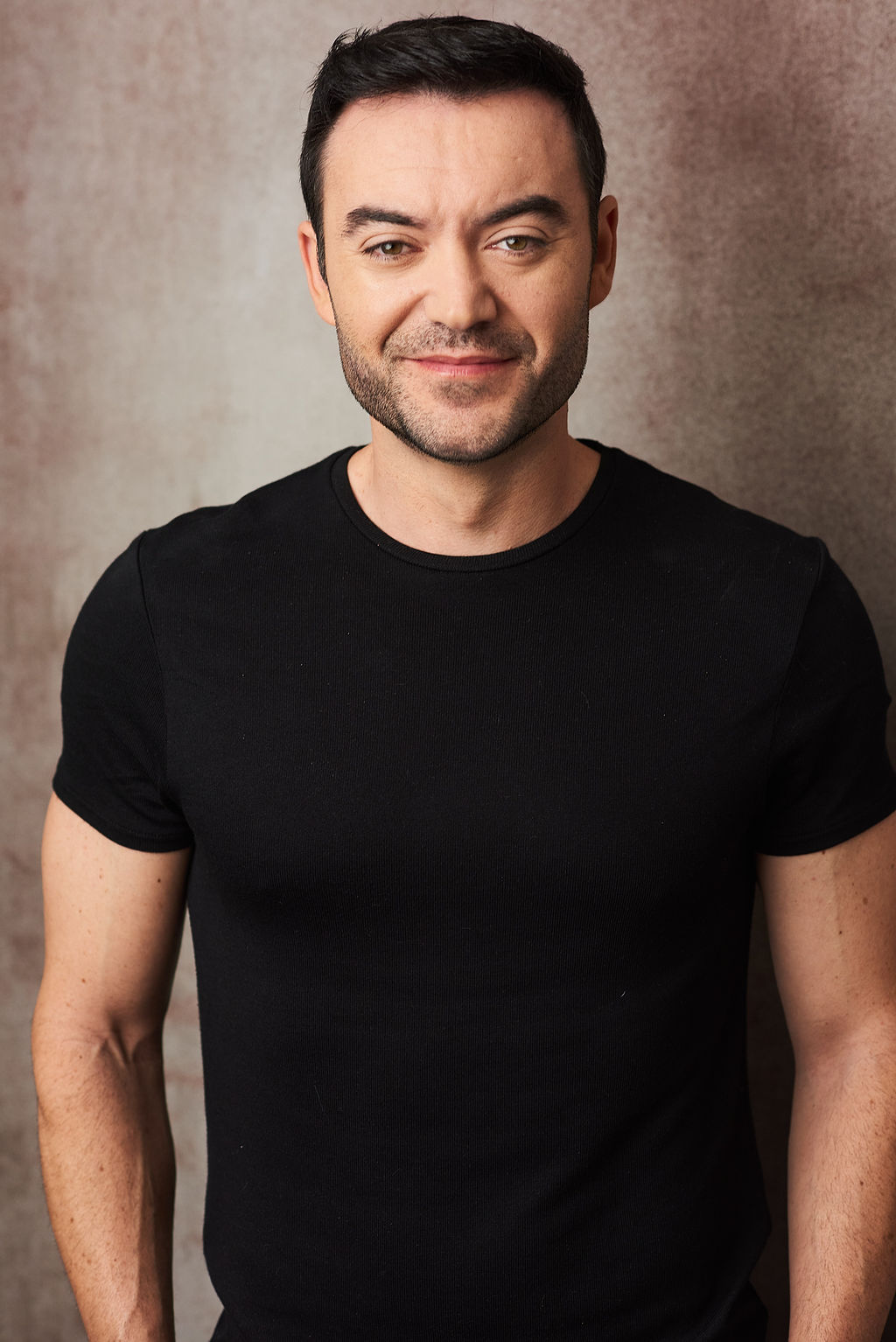

We recently connected with Chris Levine and have shared our conversation below.
Hi Chris, thanks for joining us today. How did you learn to do what you do? Knowing what you know now, what could you have done to speed up your learning process? What skills do you think were most essential? What obstacles stood in the way of learning more?
There are countless ways to approach the craft of acting and writing—both are art forms, yet they’re very distinct from each other. When it comes to acting, I often share a story from an acting class I attended about 10 years ago. My acting coach at the time, Will Wallace, was working with two girls on a scene where they were lounging by the pool, drinking and chatting. They were having a hard time capturing the feeling of “being drunk.” To demonstrate, Will picked up one of their champagne flutes, delivered the lines while wandering around, and then set the glass precariously on the edge of a table—so close to the edge that it was almost certain to fall. Now, you might wonder why this matters. But consider this: in an acting class, we’re all usually very cautious with real props because the last thing anyone wants is broken glass on the floor. But a drunk person at brunch doesn’t care at all about a fragile champagne flute, right? That moment, when Will fully committed to the scene and character without regard for the real-world consequences, was a revelation for me about what acting truly is—complete commitment to your character, no matter the circumstances. I tell the story better in person, but I hope this conveys the essence. Is this the only way to approach the craft of acting? Certainly not. Everyone will have their own moment when they feel they’ve grasped what acting is or should be, but at the end of the day, it’s about listening and reacting to the other characters and dialogue.
As for writing, I feel like I’ve been creatively writing my entire life. My mom still has notebooks filled with stories I wrote—everything from epic touchdowns to love letters, all fueled by my wild imagination. As an adult, after earning a marketing degree, much of my work involved creativity and writing. After spending more than five years in that field, it was a natural progression to start writing screenplays and eventually children’s books. You can study writing and learn about the three-act structure and “save the cat” moments that make audiences feel comfortable, but there’s no exact formula. The key is to keep us entertained—and watch out for spelling mistakes!
Great, appreciate you sharing that with us. Before we ask you to share more of your insights, can you take a moment to introduce yourself and how you got to where you are today to our readers.
For those who may not be familiar with my work, I’m Chris Levine, and I consider myself a storyteller at heart. My journey into the entertainment industry began over a decade ago when I made the leap to move to Los Angeles and pursue acting. But early on, I realized that to truly stand out in an industry crowded with talent, I needed to evolve beyond just acting. This led me to expand my skills into writing, producing, and even editing my own content.
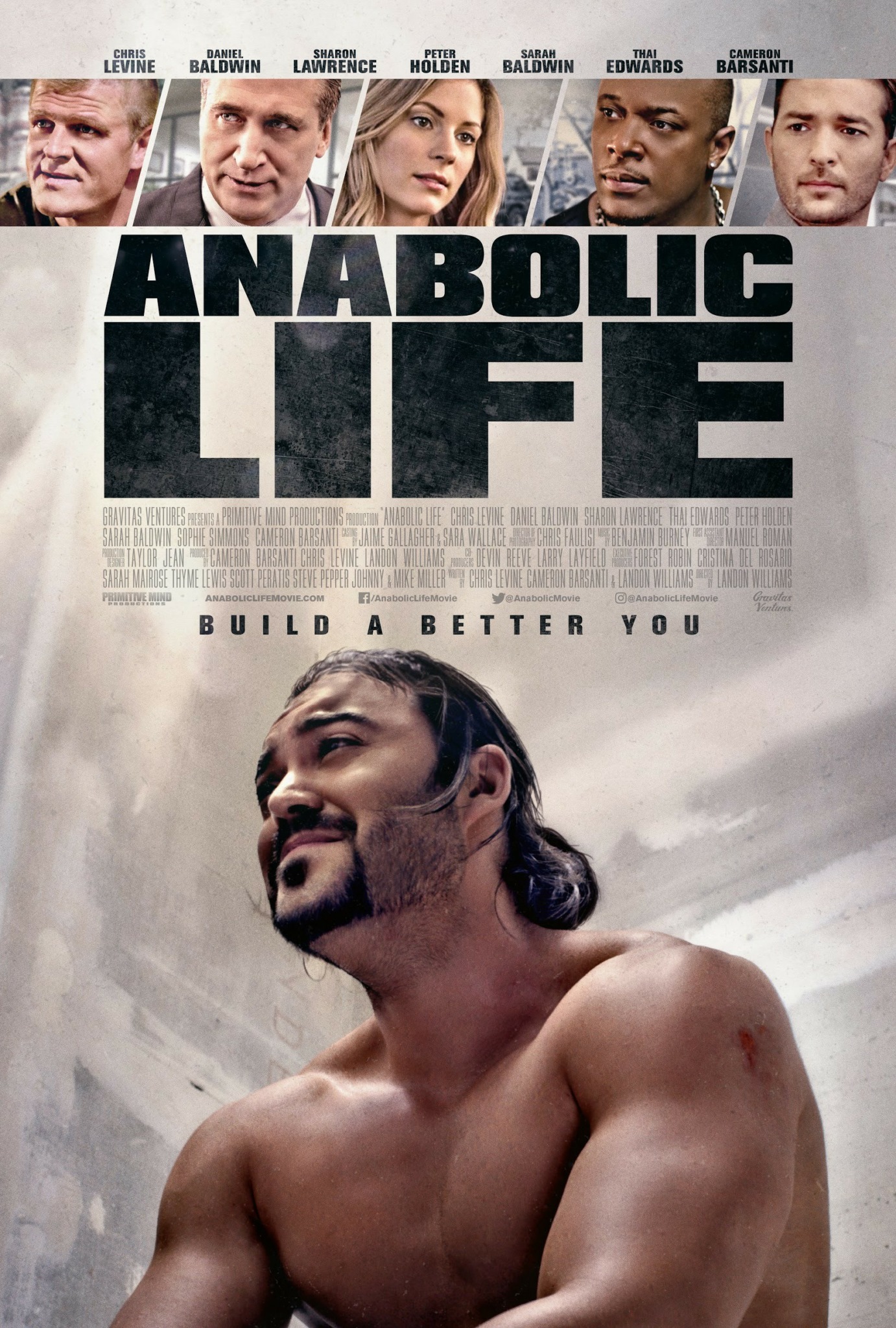
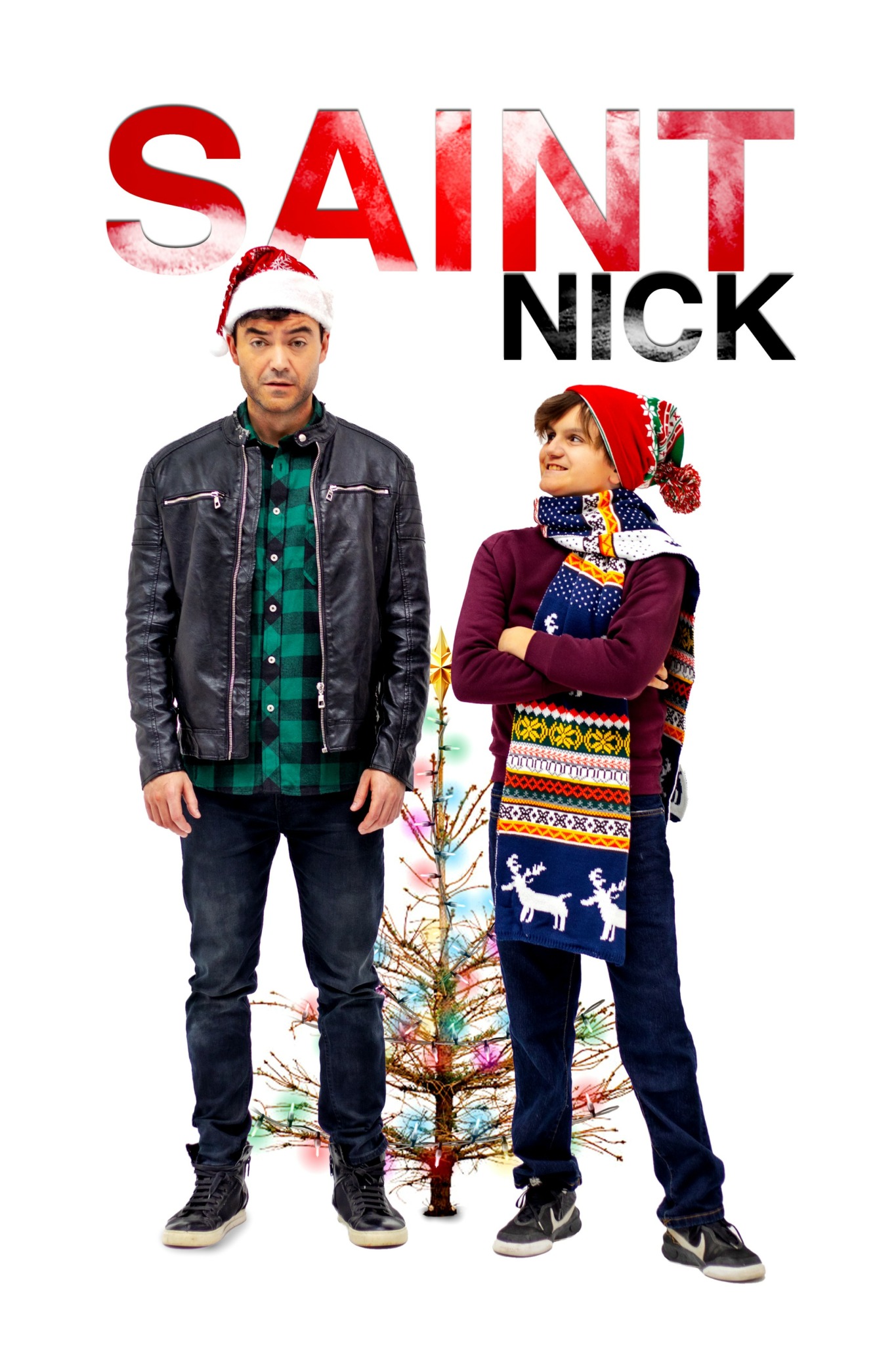
My creative work spans various mediums, including feature films, short films, and children’s books. I’ve written and produced projects like Anabolic Life and my upcoming Christmas movie Saint Nick. I also ventured into writing children’s books, with Dinosaur Discoveries and Jurassic Terrors being released this year. What sets me apart is my ability to create entire projects from the ground up—writing, producing, and bringing stories to life. I’m not just an actor; I’m deeply involved in every aspect of my projects.
One of the things I’m most proud of is my ability to constantly evolve and take on new challenges, whether it’s producing a big-budget national commercial or self-publishing a children’s book. My career has been a journey of continuous learning, and while it hasn’t always been easy, I wouldn’t have it any other way.
For those looking to work with me or follow my journey, I want you to know that my work is driven by a passion for storytelling and a commitment to creating content that resonates on multiple levels. Whether you’re watching one of my films, reading one of my books, or collaborating on a project, you’ll always find a dedication to quality and creativity at the core of everything I do.
What can society do to ensure an environment that’s helpful to artists and creatives?
For us indie filmmakers, financial support is a huge deal. We thrive on grants and subsidies that help us push creative boundaries without constantly worrying about budgets and fees. Tax incentives for investors could also draw more funding to our projects, giving us a bigger playground for our ideas. Having assistance at the state level with those types of things would really allow us to focus more on creating and less on selling our soul to find financing..
Education is another big piece of the puzzle. More workshops and seminars where we can learn from experienced professionals would be incredibly valuable. It’s all about refining our skills and understanding the nuances of our craft. Plus, these gatherings are great for networking, which, as we all know, can open up fantastic opportunities.
Then there’s exposure. We need more platforms catered to good storytellers where our work can be seen. Film festivals and online streaming services are crucial because they help us reach wider audiences and gain the recognition that can propel our careers forward. It’s also about building a supportive community that values and champions local films. When local businesses and audiences back us up, it really boosts the whole ecosystem.
Lastly, the lifestyle of a filmmaker can be pretty erratic. Health services and welfare systems that cater to our unique needs would make a huge difference. It would mean we could focus on our passion without sacrificing our well-being.
Pushing for these changes can create a thriving environment that supports creativity and allows us as filmmakers to tell our stories in the most impactful way.
Is there a particular goal or mission driving your creative journey?
My creative journey is really about leaving a lasting mark on the world of art for future generations. It’s not just about telling stories; it’s about shaping narratives that entertain, enlighten, and inspire. Whether I’m delving into the psychological depths in a horror film or sparking curiosity with children’s books about dinosaurs, each project is a brick in the legacy I aim to build. This mission drives me to explore diverse narratives and continuously evolve as an artist, ensuring that the art I create today resonates and influences the artists and audiences of tomorrow. My hope is that my contributions will be remembered and that they will inspire future creatives to tell their own stories, pushing the boundaries of what art can achieve.
Contact Info:
- Website: https://onlychrislevine.com
- Instagram: https://instagram.com/onlychrislevine
- Facebook: https://Facebook.com/onlychrislevinefb
- Twitter: https://twitter.com/onlychrislevine
- Youtube: https://www.youtube.com/@onlychrislevine
- Other: margoneilpictures.com
jurassicterrorsbook.com
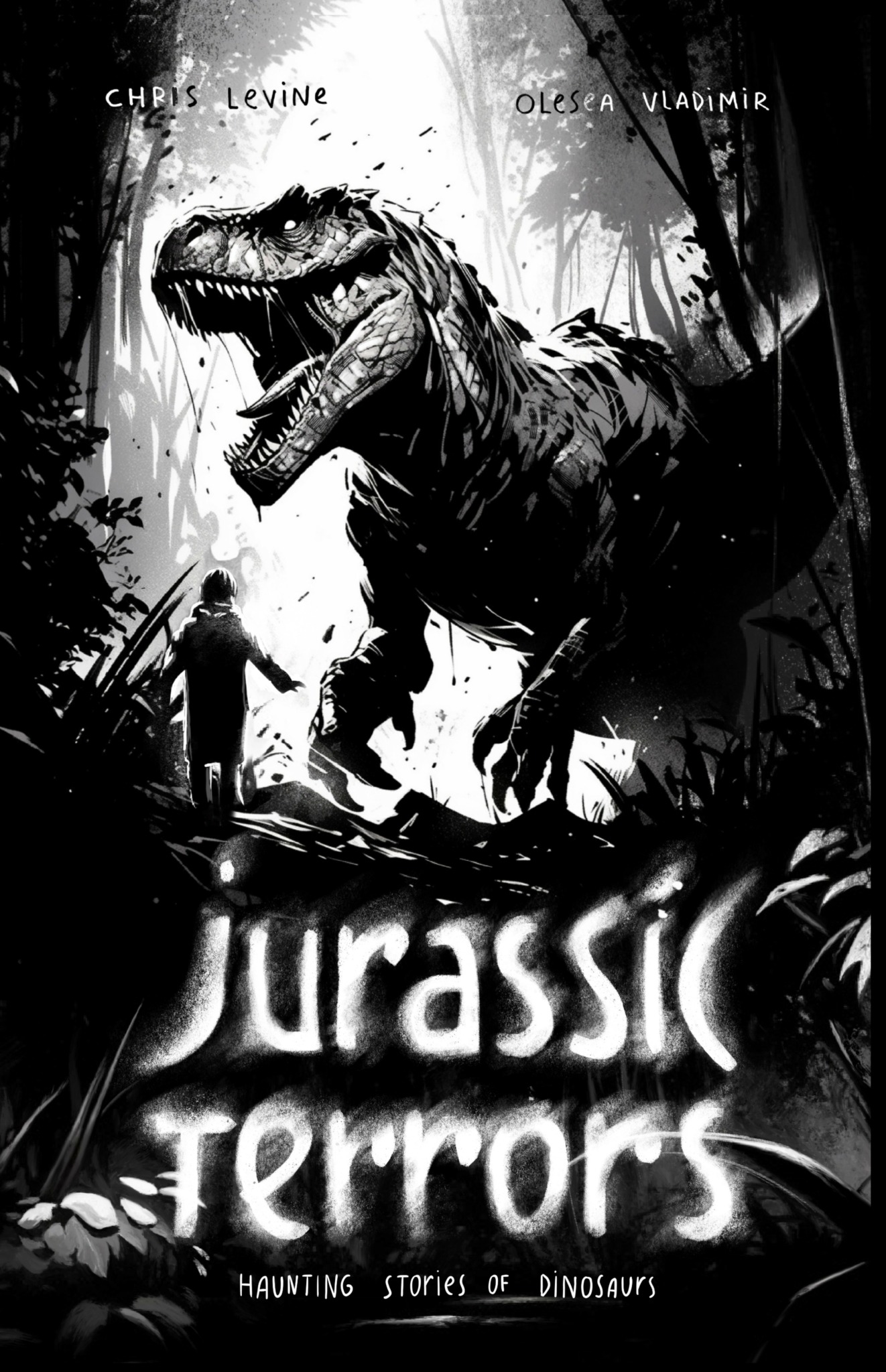
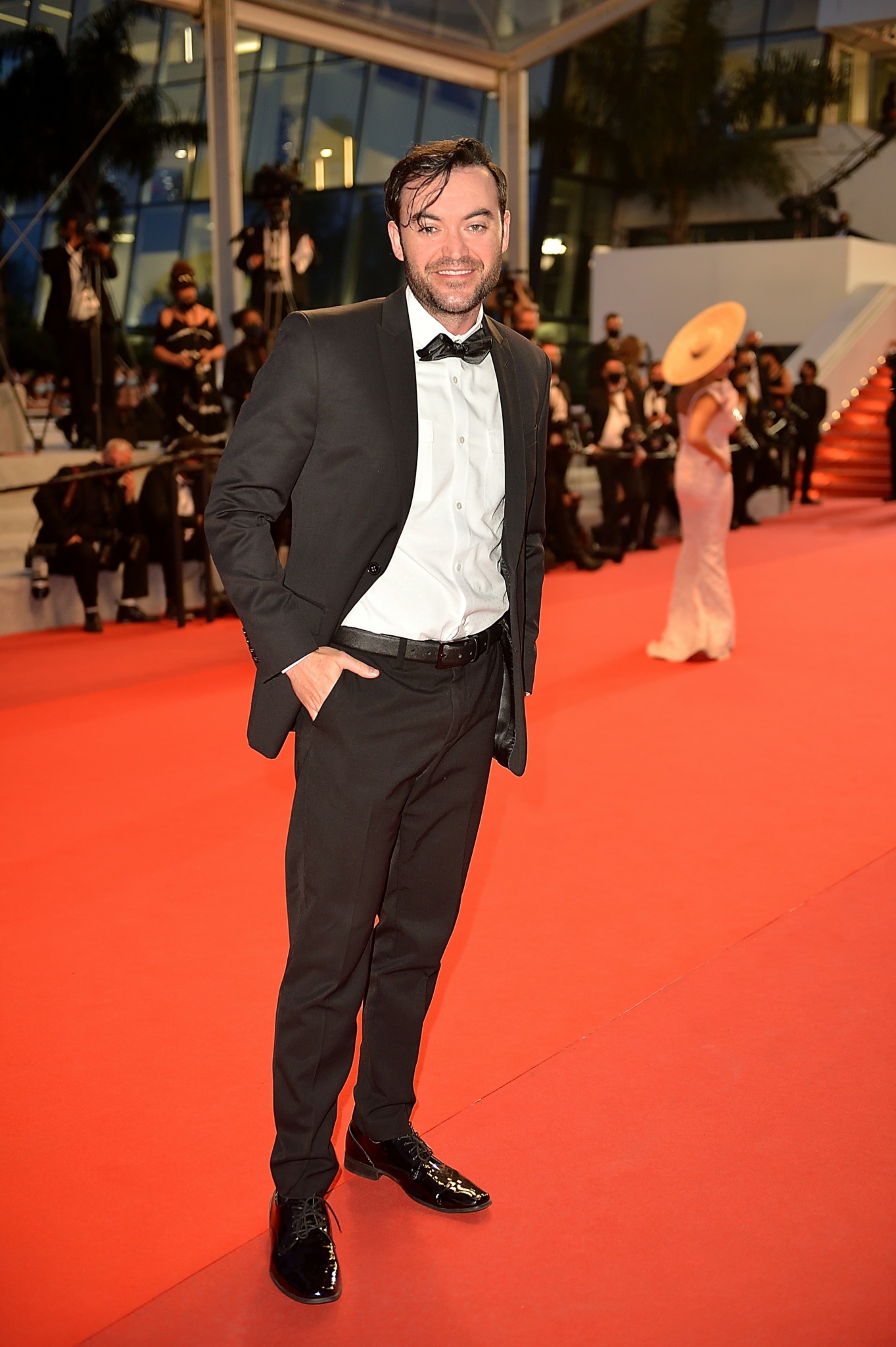
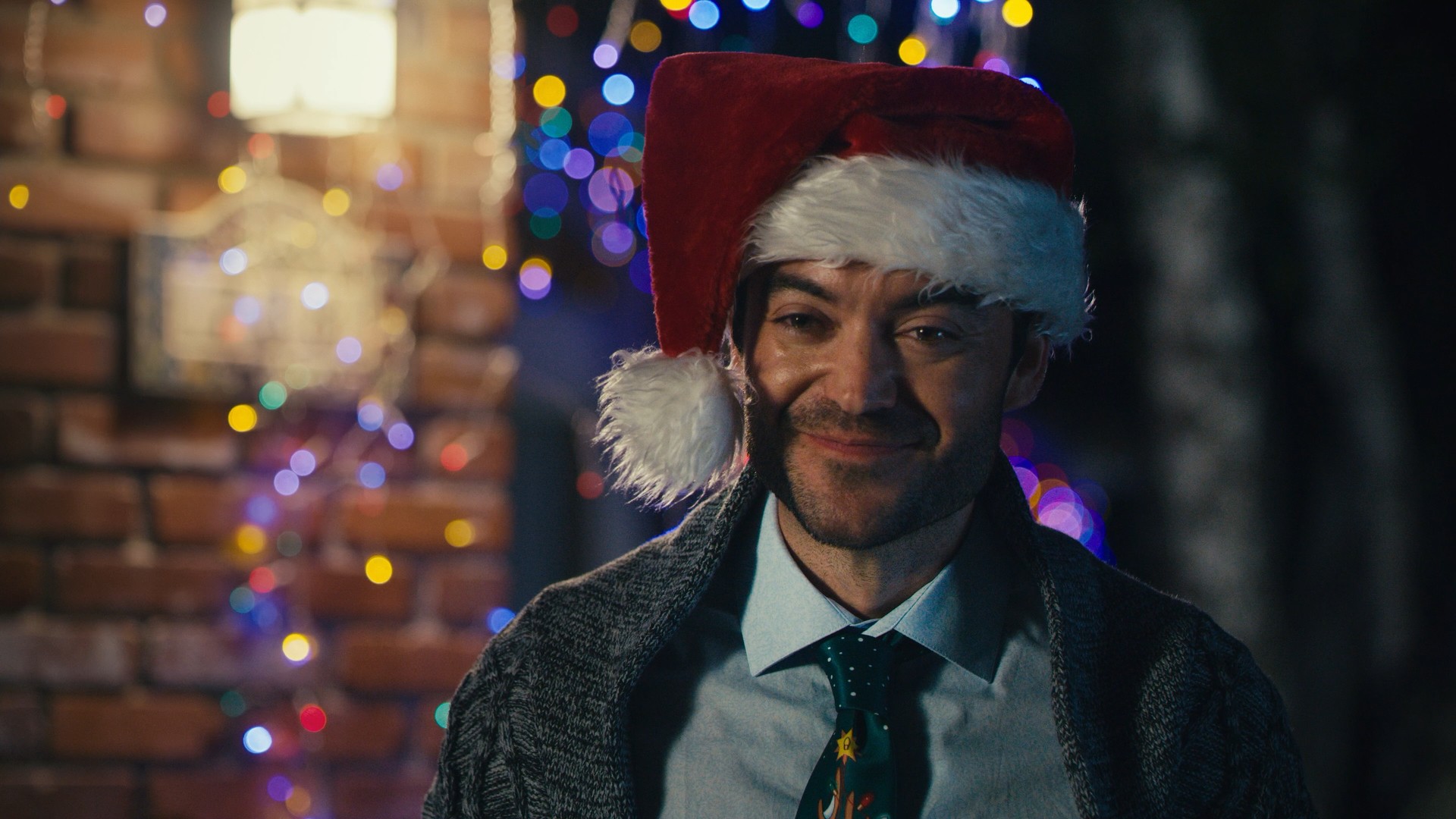
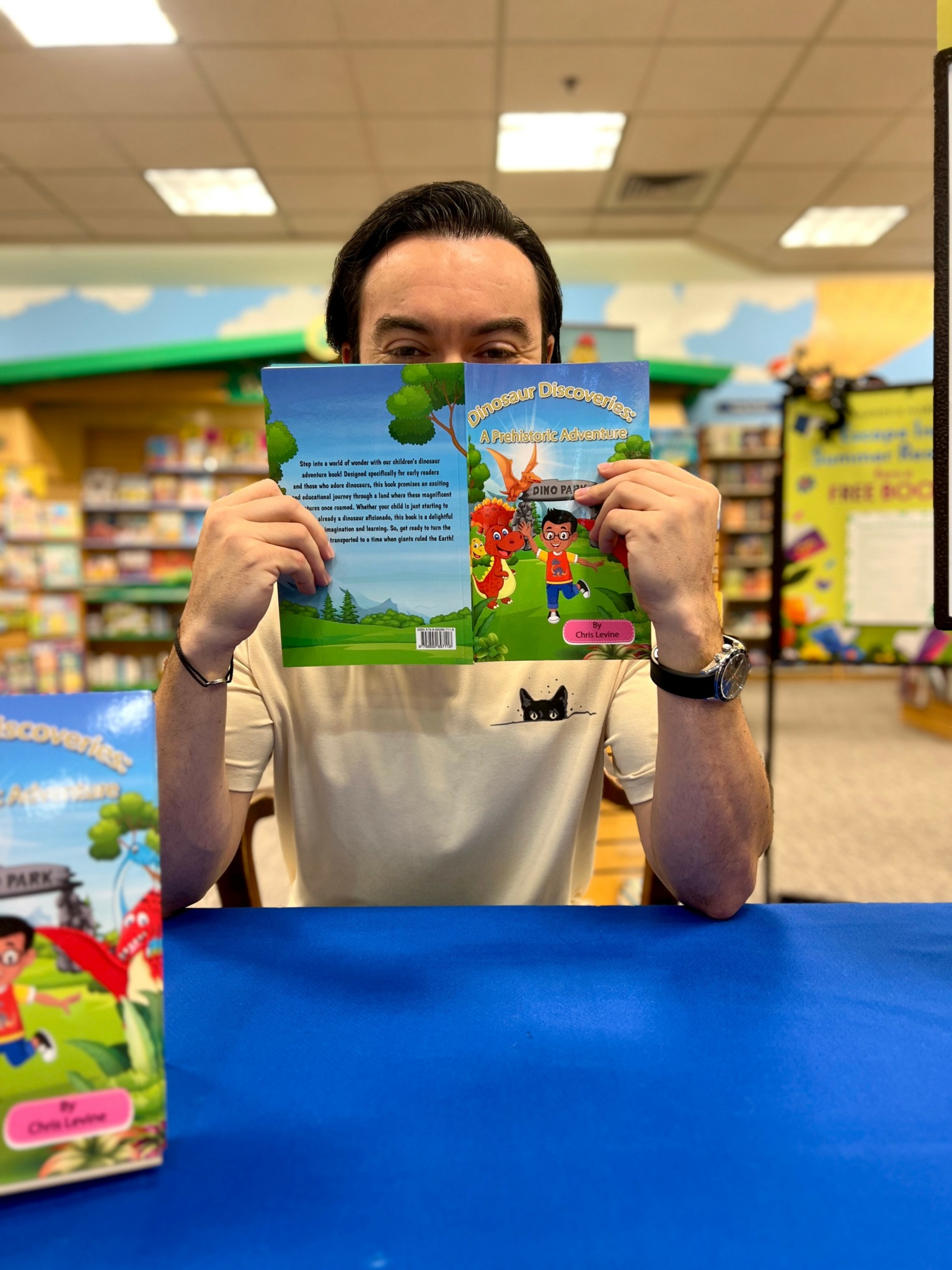
Image Credits
David Muller Photography