

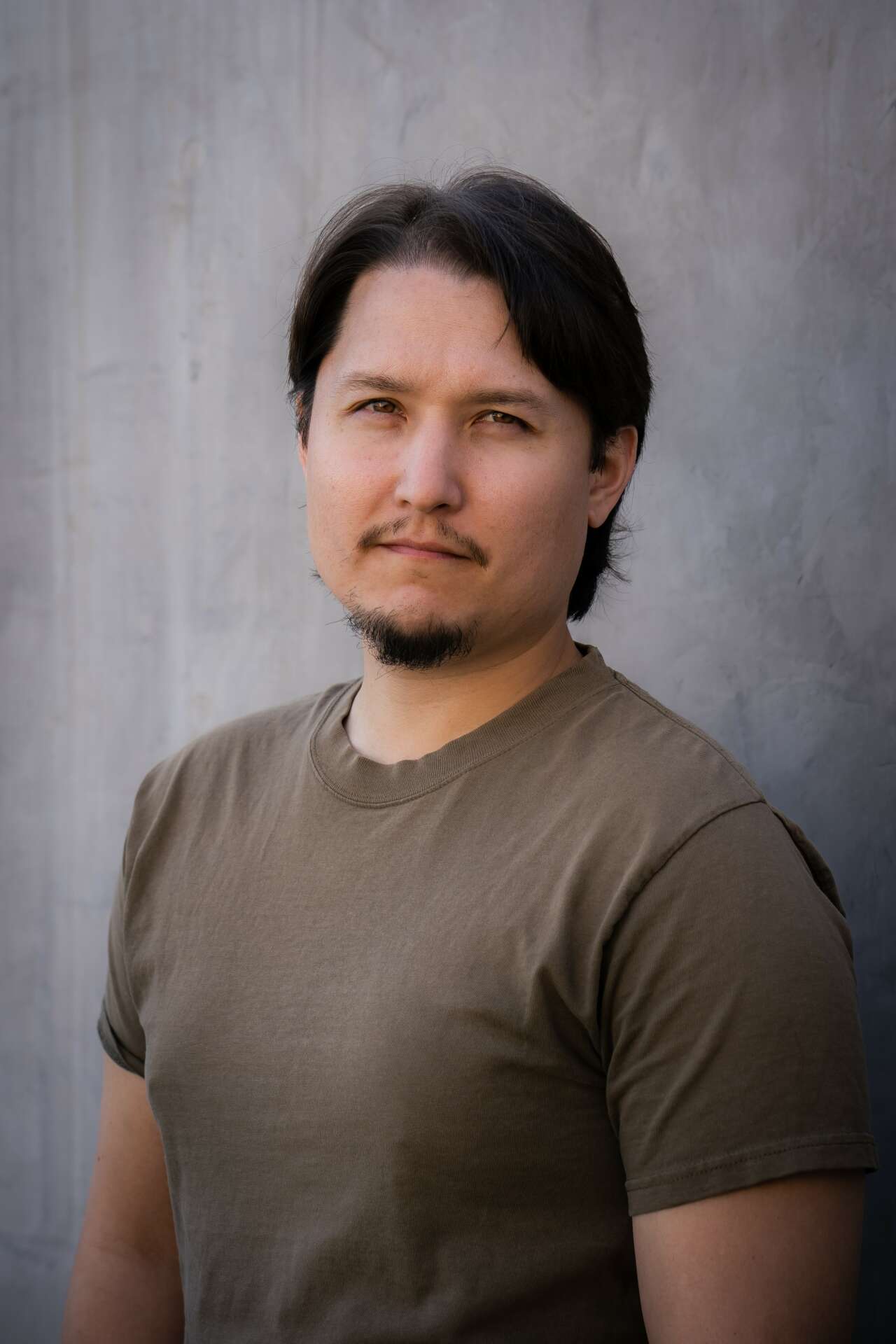

We were lucky to catch up with Chris Kato recently and have shared our conversation below.
Chris, appreciate you joining us today. Are you happier as a creative? Do you sometimes think about what it would be like to just have a regular job? Can you talk to us about how you think through these emotions?
“Happy” feels like a loaded word! (laughs) It’s a grind. But I can’t imagine doing anything else and the thought of leaving my art behind is unbearable. That conviction is what convinces me that this is what I’m meant to be doing no matter how hard it gets or how long it takes. Nothing worth having is easy. Every time I think about leaving it all behind to get a regular job, I just get depressed. I’m resigned to the fact that I’m a creative and if I worked a regular nine-to-five, there would be an emptiness that I would never be able to get over.
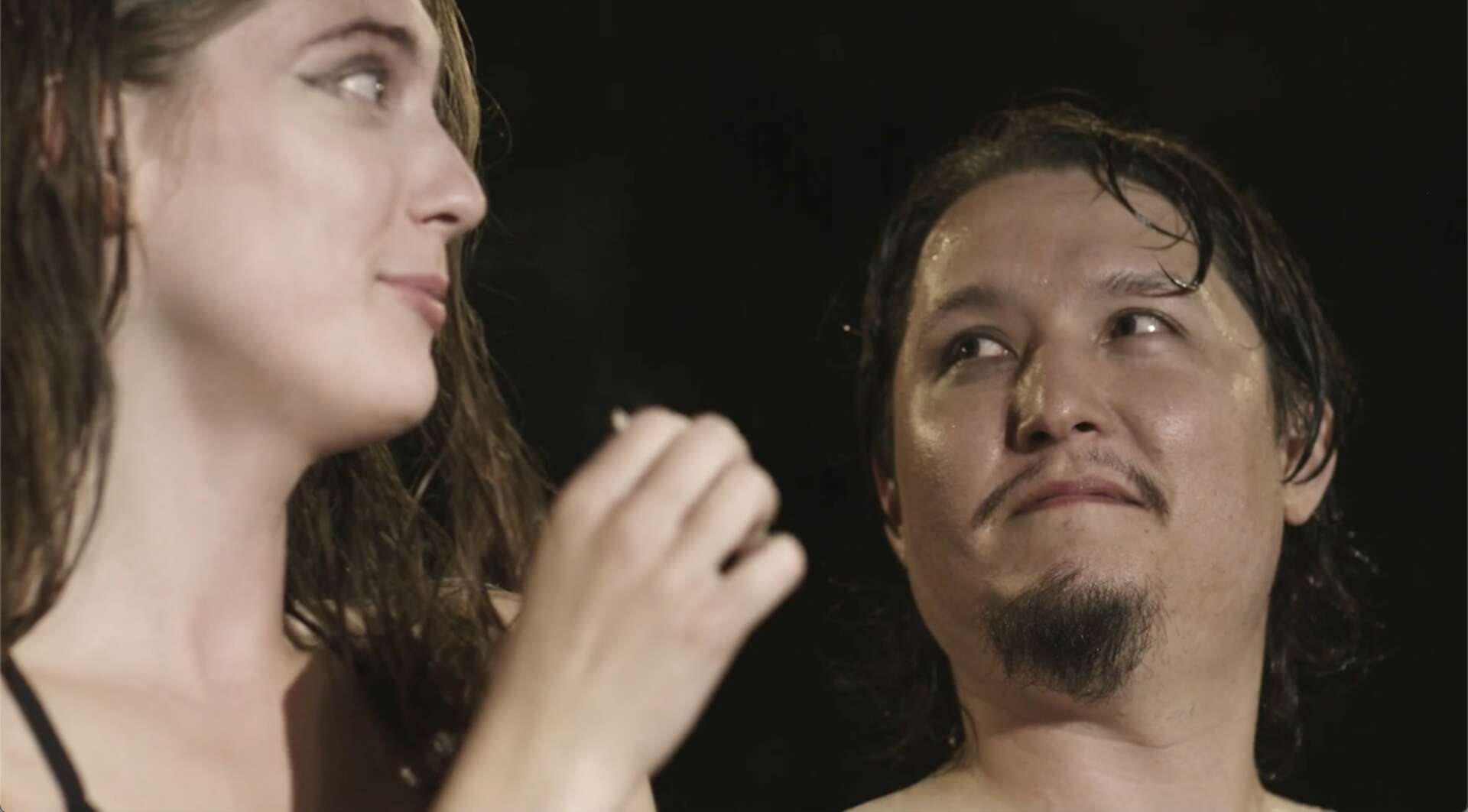
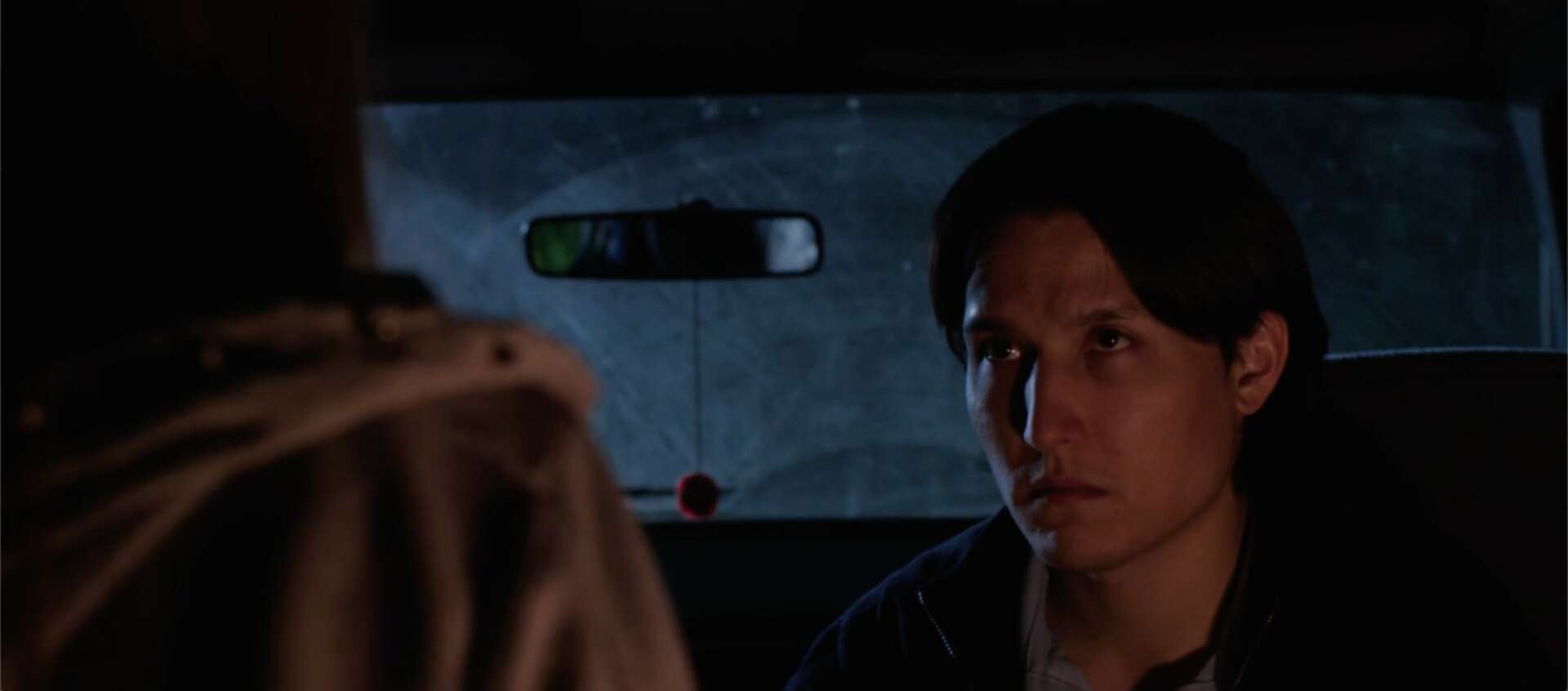

As always, we appreciate you sharing your insights and we’ve got a few more questions for you, but before we get to all of that can you take a minute to introduce yourself and give our readers some of your back background and context?
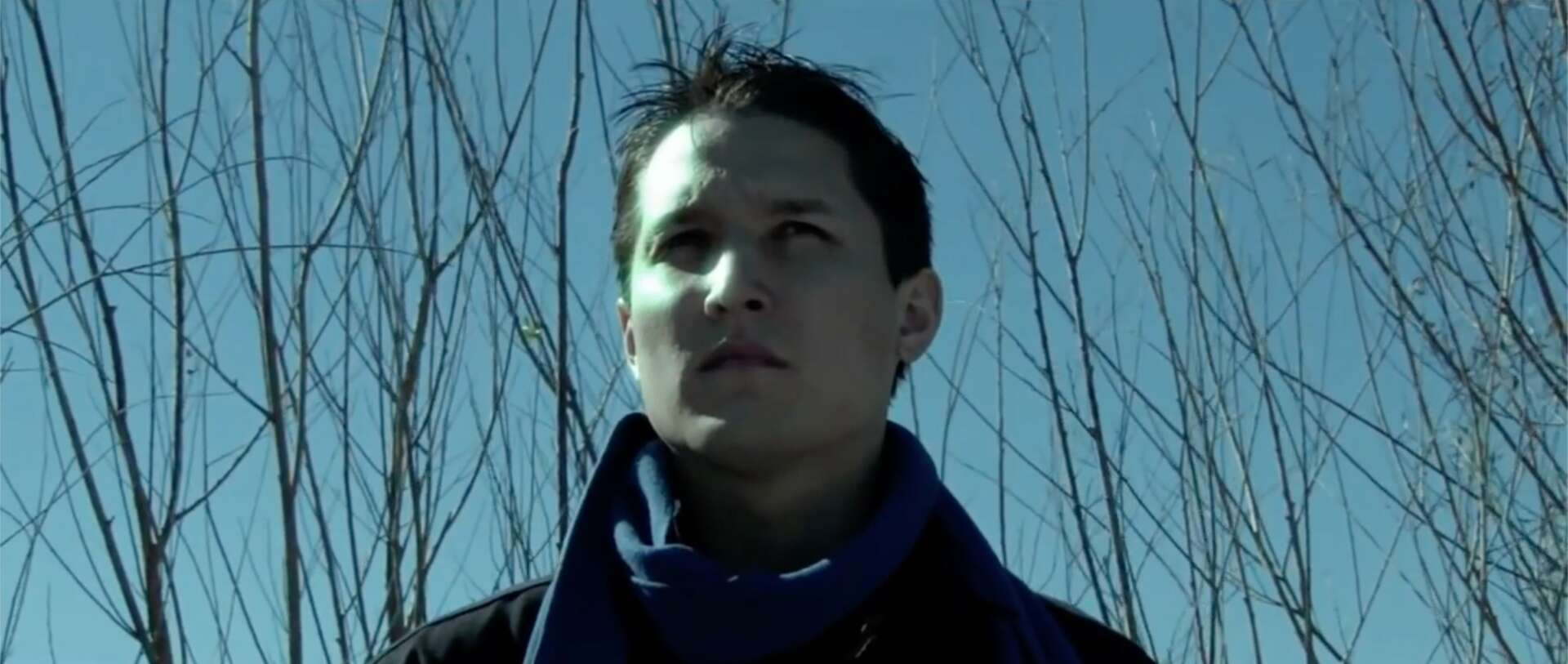
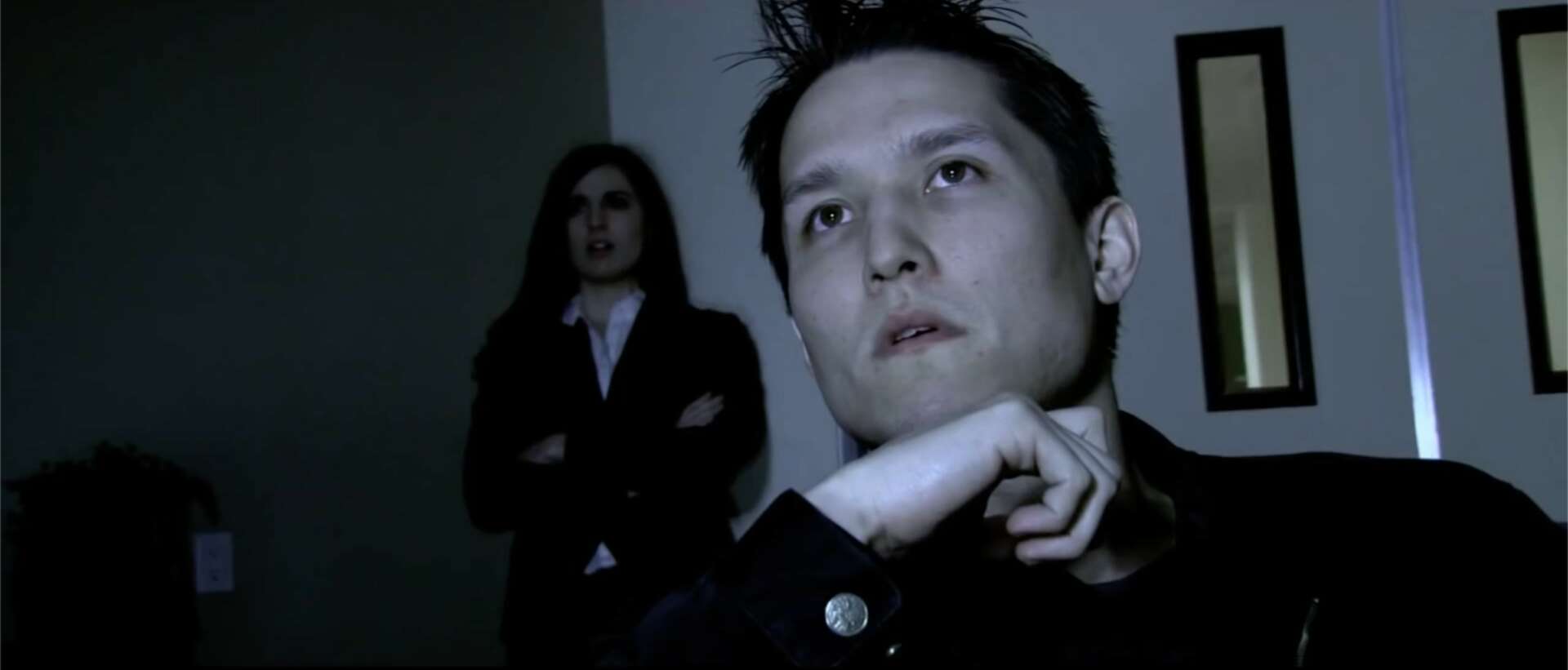
I’ve been an actor for coming up on twenty years now. I’ve been a storyteller for even longer. Since I was a little kid, I was writing short stories, most of which wound up unfinished because I hadn’t learned any discipline. As a frustrated actor, you’re kind of at the mercy of whatever comes your way, and it’s not always the most fulfilling work. I started writing to create the roles I wanted to play. Then I started directing to cast myself in those roles. Then I started producing to get those projects made. I never took to producing well. I always found it as a necessary evil, but there are people who love it and far better at it than I am, so God bless them for that. But acting has always been my number one ever since I was doing impressions as a child. My parents signed me up for acting classes and I met my mentor, Jeff Celentano, at a school called The Performers Academy down in South Orange County, California. The rest is history. I got the bug, met so many influential people, some of whom I’m privileged to call friends. What I’ve learned by doing it all this time is sometimes sticking it out is the hardest part. Of all the talented people I went to that acting school with, I’m one of the only ones still active in it. People I never thought would back out of the industry have found other passions or pursuits. I don’t blame them for it. You asked if I ever thought of leaving it all behind and getting a regular job, everybody has different limits. For some, the craving for stability is too strong. For others, they just find something else that they would rather be doing with their time. Neither is invalid. Those of us that stick around are crazy to do this. The opportunity for success is so slim and the business is so brutally apathetic. But I haven’t met my limit yet and the drive to keep creating is sustaining me because I can’t imagine a world where I can’t tell these stories. And it’s easy to compare yourself to others and get frustrated with how your career turned out, that you wish you were further along and more successful, but if I take a step back and look at everything I’ve accomplished, I recognize that the actor I was when I first started would be blown away at what I’ve achieved. I’ve seen myself on the big screen, on network TV, gone viral online, gotten standing ovations on stage, worked with recognizable name actors, and received multiple awards. That’s a success by any unit of measure.
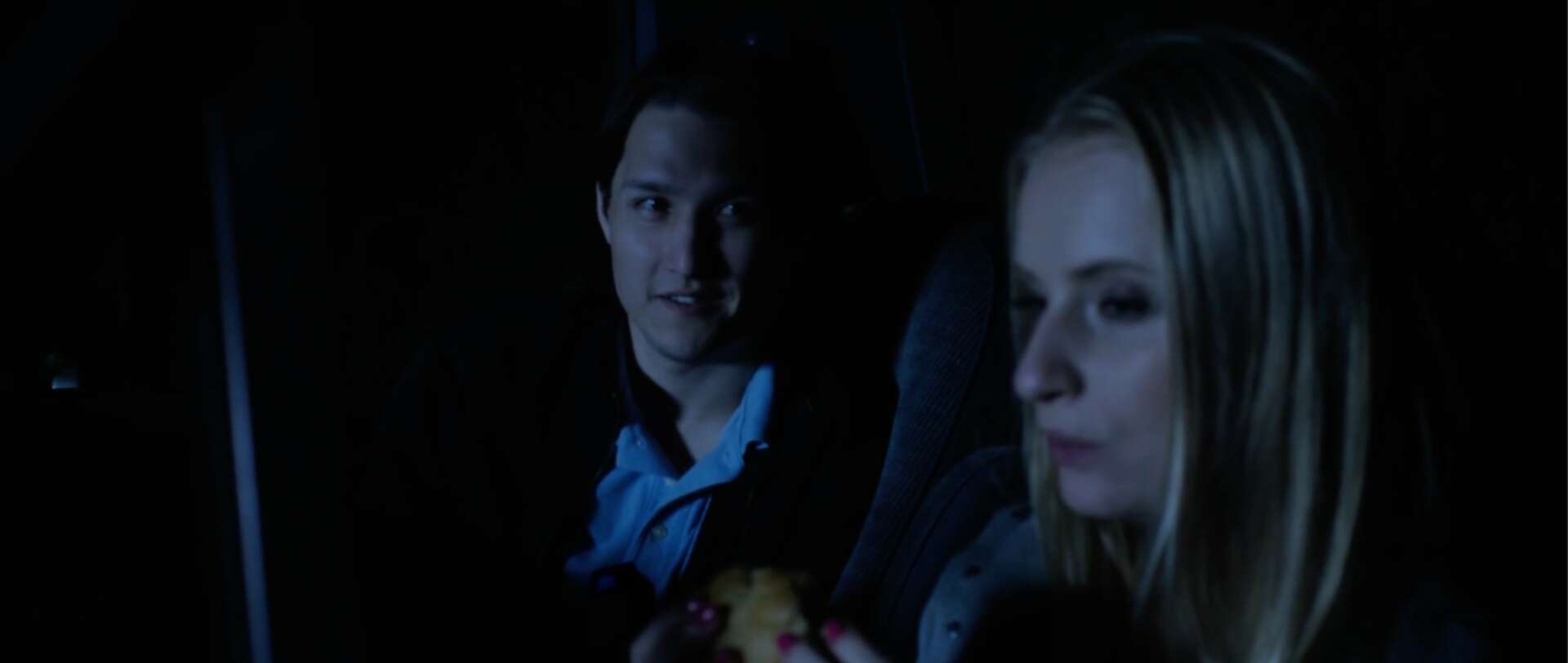
Is there something you think non-creatives will struggle to understand about your journey as a creative? Maybe you can provide some insight – you never know who might benefit from the enlightenment.
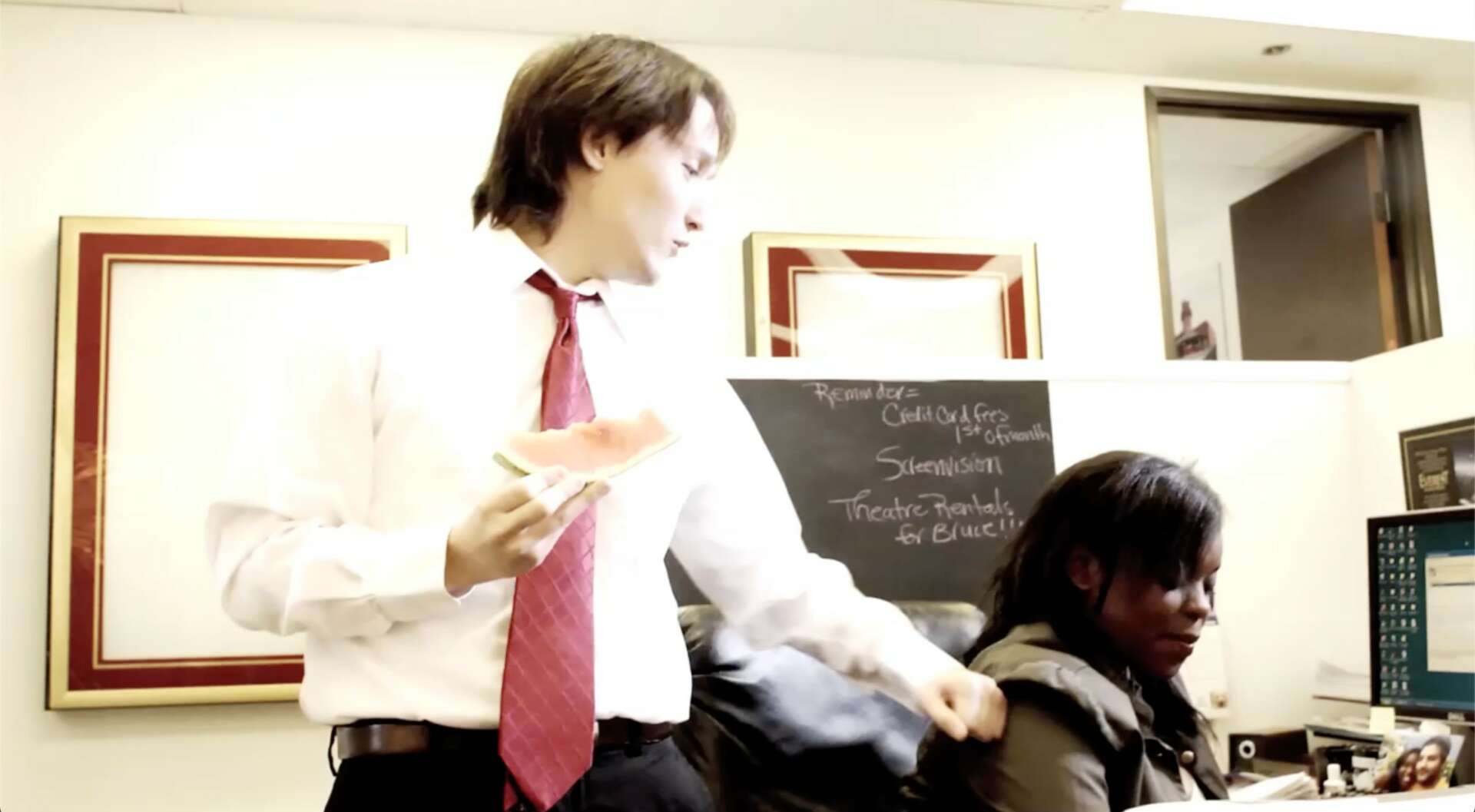
I think the biggest misconception that non-creatives have toward creatives is that it’s easy. In school, you see people take acting or film classes because it’s an “easy A.” Then they find out how much work it actually is, and how vulnerable you are when you present something that you created to an audience. Because the industry is seen as flashy and fun, it’s something a lot of people want but not a lot of people are willing to work for. All that glitz and glamour comes at a cost. It’s very fulfilling (and scary) to release a finished product into the world. But that’s also only ten percent of the actual job. The other ninety is hustling trying to get the next one, and the one after that, then finding out the project you were working on isn’t getting made anymore, or you’re being replaced. Then it’s headshots, workshops, and trying to stay relevant. And in some cases, if you are super successful, you sacrifice your anonymity and your life becomes public record. I think anybody can be a storyteller but it comes down to passion and drive. Can you tell a story that people want to hear, and are willing to pay to hear it? Creativity is very arbitrary but that also illustrates how difficult it is to get anything taken seriously. You, your mother, your neighbor, and your neighbor’s aunt all have a story to tell. Why should someone take the time to listen to yours and not theirs? Nobody has time for all of them. The other misconception is that artists get paid too much. Less than one percent of actors get paid obscene amounts of money, and those are the ones you’re paying to see. But the rest of the cast list, all the actors you’ve never heard of that pop up, maybe a third of them make a living from acting. The rest supplement their income by taking on another job, myself included. And in this business, just looking for the next job is a full-time job. The final misconception about creatives is that everyone’s a critic, but they don’t necessarily point the finger in the right direction. Hardly anyone blames producers or studios for bad movies even though most of the time, this is the case. That idea you had that would’ve made the movie better? Chances are, the writer, director, and/or one of the actors thought of it and for one reason or another, either budgetary, political, or just strong-armed, creatively, it didn’t materialize. A lot of times, marketability is more important than good storytelling – not to the filmmaker, but to the people looking to make their money back. To be clear, producers and studios are not always the reason for bad films. In fact, there are instances when they save films from poor directors. And sometimes the blame lies exactly with who you think it lies with. But for the most part, writers write the best script they can, hand it off to a director who has a different vision for it, who then has to deal with the money people who like to inflict their opinions on directors that don’t have final cut written into their contract. The directive is not always “make the strongest choice for the betterment of the film.” It’s “we need two big explosions, a car chase, a sex scene, two scenes with nudity, and a catchphrase for the trailer.” And it’s the job of these journeymen writers and filmmakers have to make that work and try to tell the best story they can within that framework. Believe me, this is most often the case. Only the biggest directors like (Christopher) Nolan, (Steven) Spielberg, (Quentin) Tarantino, (Martin) Scorsese, can do what they want. And remember also that Spielberg had trouble financing “Lincoln” and Scorsese had trouble financing “Killers of the Flower Moon” and “Silence” and even “The Irishman” despite the big names attached to those films. I think I answered the question. If not, I vented. (laughs)
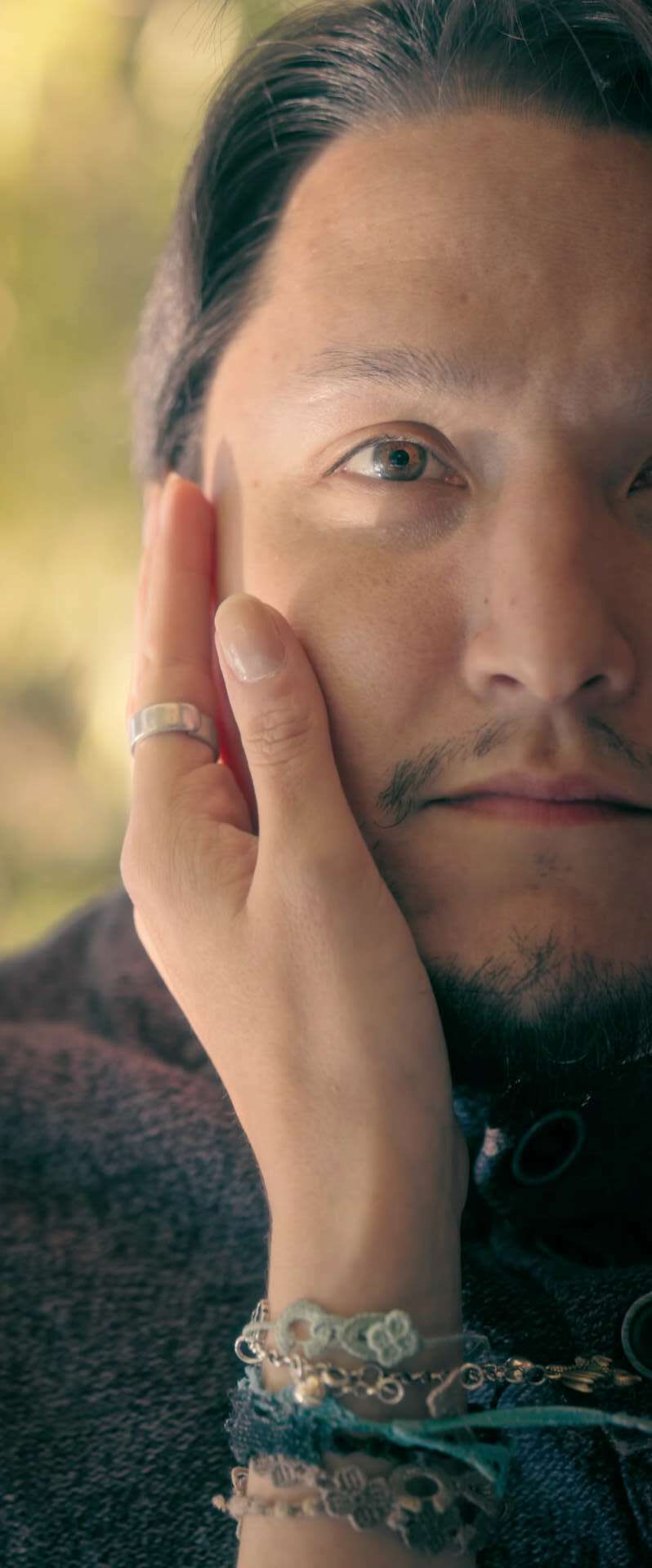
In your view, what can society to do to best support artists, creatives and a thriving creative ecosystem?
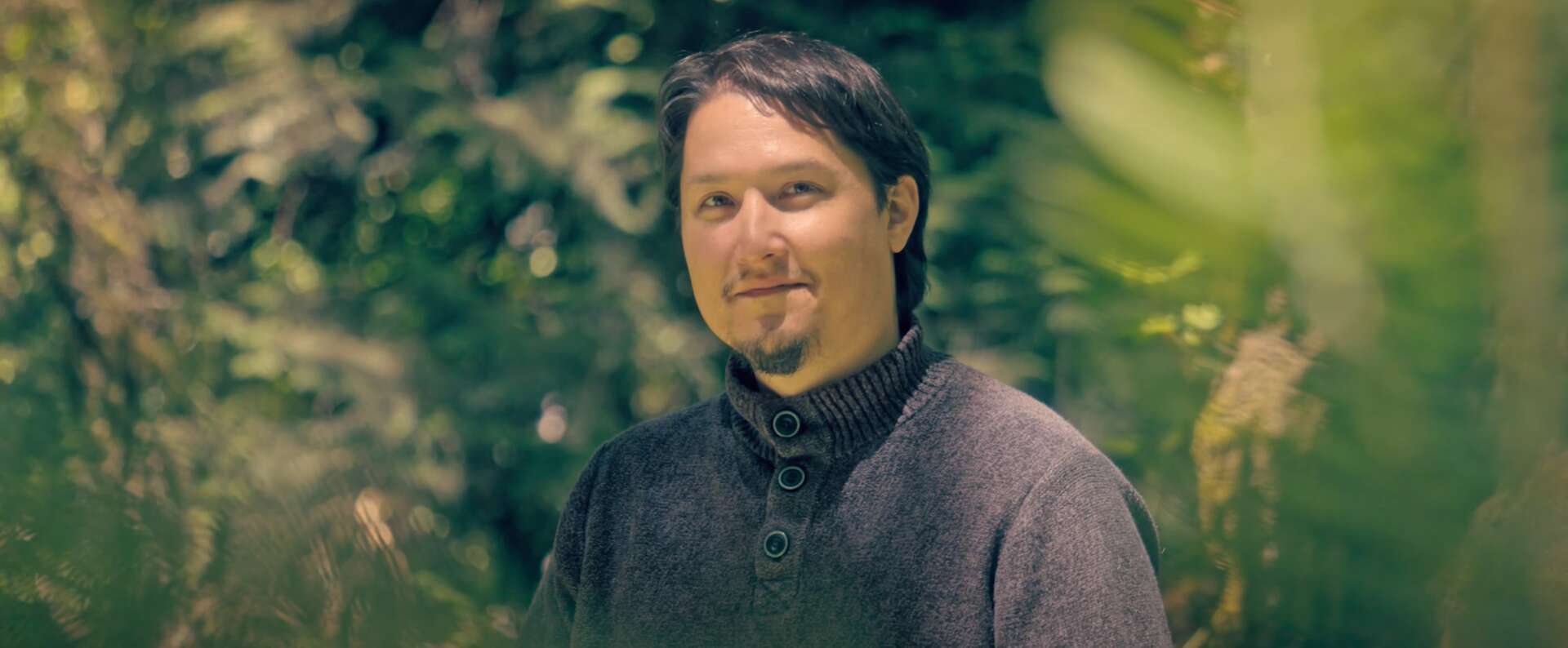
The best thing society can do to support artists, especially struggling, independent ones, is to pay for their work. Money is just about the only thing that talks in this business, and that includes free streaming services like Tubi and sitting through the ads. That’s just as good as paying for it. In fact, sometimes filmmakers get a better deal from ad revenue than they do when you rent or buy on demand because that buy-on-demand service will take a larger portion. But there’s so much entertainment out there that it’s tempting to want to pirate or torrent people’s work. The problem is that doesn’t lead to profits, which doesn’t help numbers, which means as far as the distributor is concerned, the filmmaker didn’t do their job. This causes that filmmaker to continue to struggle to find work because their work wasn’t considered a success even though a million people watched it illegally. Then the fans of it wonder why so many people watched it and they don’t get a sequel, and it’s because they didn’t make enough money on it. On a more specific level, go support the stuff that you want to see. If you’re tired of Hollywood remaking things and generating sequel after sequel, stop going to see those movies and they’ll stop. The idea of hate-watching something only benefits the people making the stuff you hate to watch. And if you want to see more female or BIPOC-generated content, or more rom-coms or horror films, or the latest movie by your favorite filmmaker, make sure to catch it when it’s on the big screen. Don’t wait for streaming. This encourages them to make more of what you love. It’s pretty simple. Money talks so show out to support what you appreciate and don’t bother with the stuff you wish they’d stop making. Believe me, there are enough fans of every superhero that they don’t need you to hate-watch those movies with them. And if one day there aren’t, then the market has spoken.
Contact Info:
- Website: chriskato.com
- Instagram: https://www.instagram.com/actorchriskato/?hl=en
- Facebook: https://www.facebook.com/actorchriskato/
- Twitter: https://twitter.com/actorchriskato
- Youtube: https://www.youtube.com/channel/UCq_hfUmeeoCerChiPR_wqxQ
Image Credits
Maya Zibung Jones