

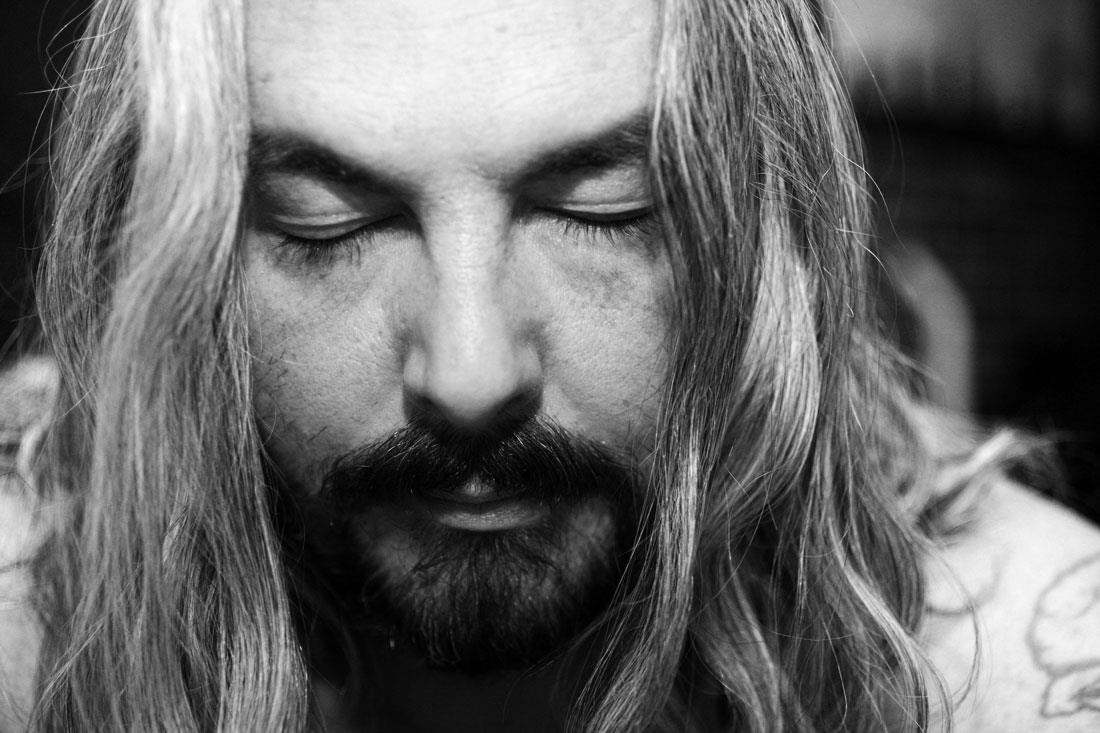

Alright – so today we’ve got the honor of introducing you to Chris Jenkins. We think you’ll enjoy our conversation, we’ve shared it below.
Hi Chris, thanks for joining us today. Can you tell us about a time that your work has been misunderstood? Why do you think it happened and did any interesting insights emerge from the experience?
I feel like both I and my work have been misunderstood for most of my life. From being the introverted bookworm as a kid to being the “bad boy of tech” in my career, people have often misinterpreted my attitude or intentions as standoffish, arrogant, negative, or aggressive, even when I was trying to help or connect in some way. That’s been especially obvious in the last ten years of my career, when as a manager, owner, or adviser, I give “tough love” assessments of a business condition that needs work, or a business idea that has serious flaws, and some folks take that as a personal attack on them.
While I do my best to keep my advice or review as tightly connected to data points and the specifics of a plan or idea as possible, I’ve found that people tend to hold their beliefs so closely to themselves that any criticism or contradiction is taken personally. It’s been a huge challenge trying to navigate that in my relationships with people, especially given my introverted nature.

Awesome – so before we get into the rest of our questions, can you briefly introduce yourself to our readers.
At 24, I was already an ex-con who was desperately trying to find a way forward in my life that used my skills to make money in a NON-felonious way, but painting, digital media, and poetry didn’t seem to offer many paths to paying the bills. When I discovered technology, through learning about Microsoft networking, I realized that my little puttering around on a computer had taught me a few things, and that I had a real knack to picking up new tech. My natural analysis skills were incredibly useful in systems with fixed rules; tracking down anomalies within those systems came easy to me. Over the years, technology analysis became business analysis then became organizational analysis, and the things that helped make me good at tech allowed me to flex as an entrepreneur, advisor, and investor. And all things considered, I am pretty damn proud of that growth along the way.
The thing is, so many of the things that I used to be passionate about (in the arts, in particular) got lost along the way. I had that sense of manqué that all born artists have when they’re blocked from having their creative outlets. When I was 19, I’d wake up in the middle of the night and run out to the living room and start painting, on fire with inspiration. That sort of spontaneous creative energy disappeared when I was locked into a 9 to 5 for years, and it took a serious toll on my mental health for a while.
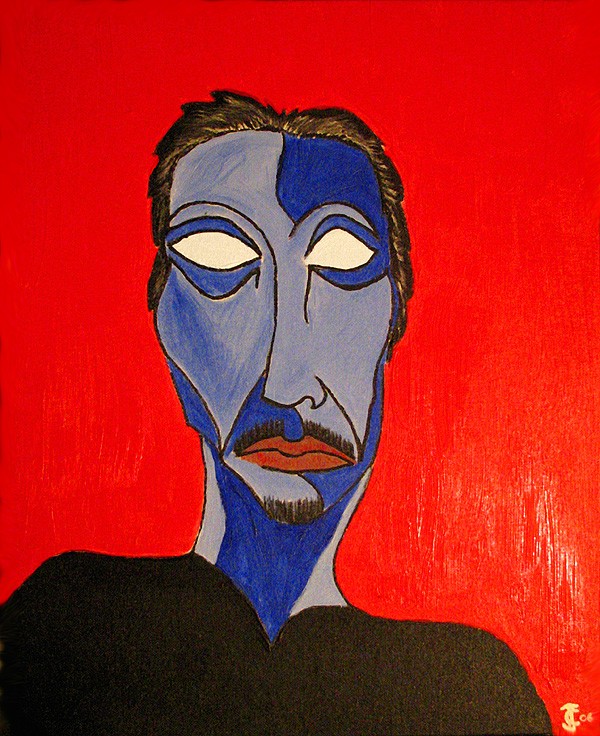
Now that I’ve achieved some of my business goals and worked myself into a place where I’m starting to have more flexibility, I’ve been slowly working my way back into allowing room for those moments, and taking time to build creative outlets for myself. I’m specifically working on blending everything in my experiences into mixed media art, tying poetry, painting, sculpting, and photography into projects that are both traditional and technological, while deeply expressing the wild soul which has been caged up all these years.
For example, in the current project I’m working on, I’m publishing a collection of dark poetry using handcrafted HTML pages which tie back to NFTs representing each of the individual pieces I write. That sort of three dimensionality which is possible now really excites me.
We’d love to hear your thoughts on NFTs. (Note: this is for education/entertainment purposes only, readers should not construe this as advice)
I think digital proof of asset ownership is a huge leap forward in what’s possible for artists, but that it hasn’t really fully evolved yet. The use of generative and AI created NFTs has in some ways cheapened the idea of digital art, but the market is still so nascent that we haven’t seen what the end result will be for artists who are simply using the NFT tech to sell physical and digital 1 of 1 artwork that is hand crafted. To me, that’s the most exciting opportunity: every collection I work on, I can present digitally and sell digitally without ever needing to do a “Gallery” showing, and what’s more, I can use NFTs on more than just visual arts. For example, tying each poem or collection of poems to an NFT.
It also fundamentally prevents forgeries, in that if I have an originating wallet, and the NFT is proof of ownership of the authentic piece, you only own my art if you own that specific NFT which traces back to my originating wallet. What’s more, NFTs allow royalties for the creator, so every single time that NFT is sold from one person to the next, I can collect a commission as the originator.
I don’t think many artists have really grasped what’s possible with that, and why it matters. The abuses of art in the NFT marketplace up til now haven’t done a good job of demonstrating how well they will work for artists in a mature marketplace.
Is there something you think non-creatives will struggle to understand about your journey as a creative?
One of the things that’s always held me back in self expression is that non-creatives often struggle to understand the difference between the idea of the art, and the internalization of it. I can’t remember the number of times that I’ve published a poem on Facebook, for example, and then had people DM me to ask if I was OK. This is particularly true because I touch on a lot of darker subjects in my work, around areas that people don’t often feel comfortable themselves expressing their thoughts on. Because I’m putting these things out in public, when they wouldn’t unless they were in crisis, it makes them worry for me.
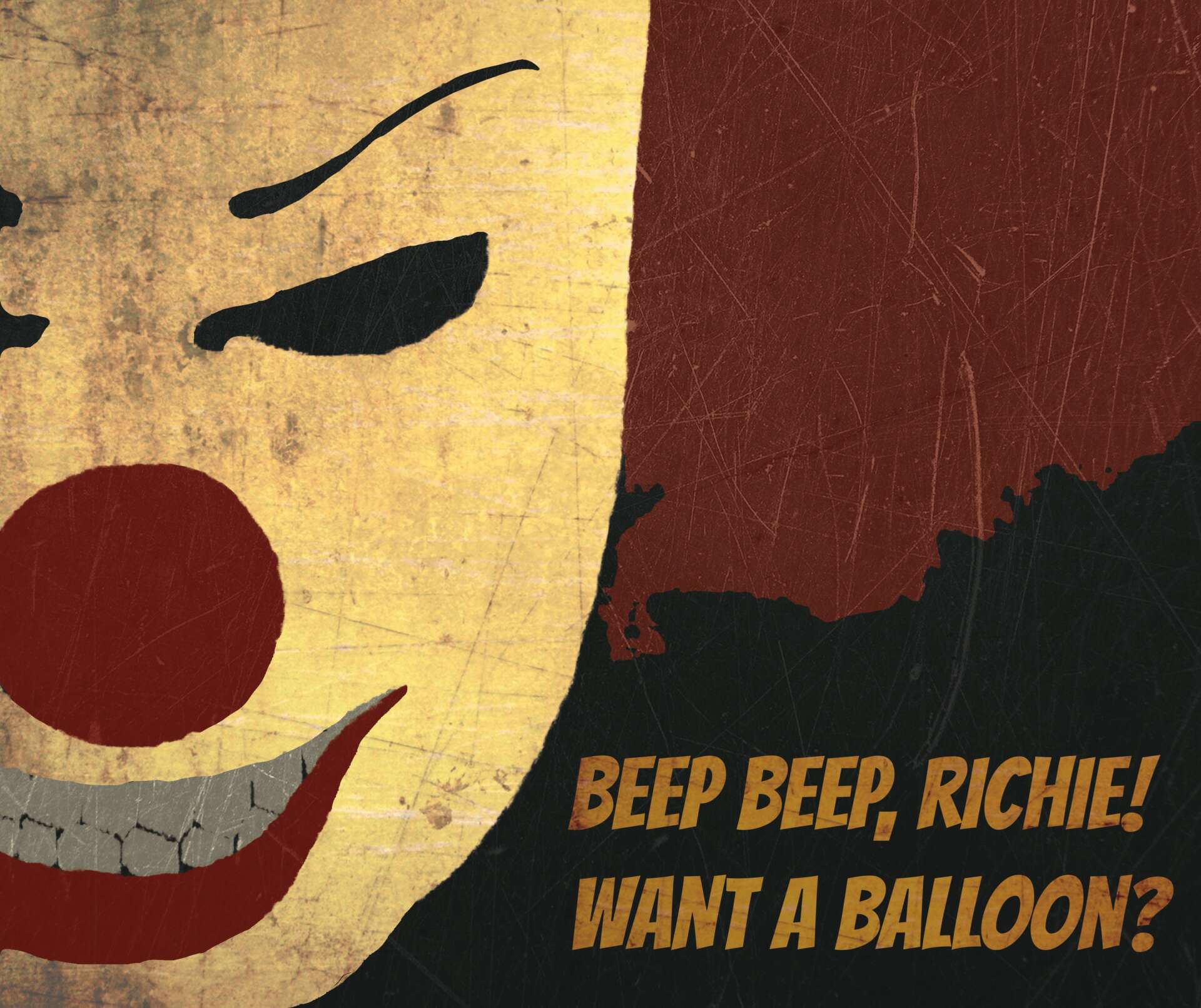
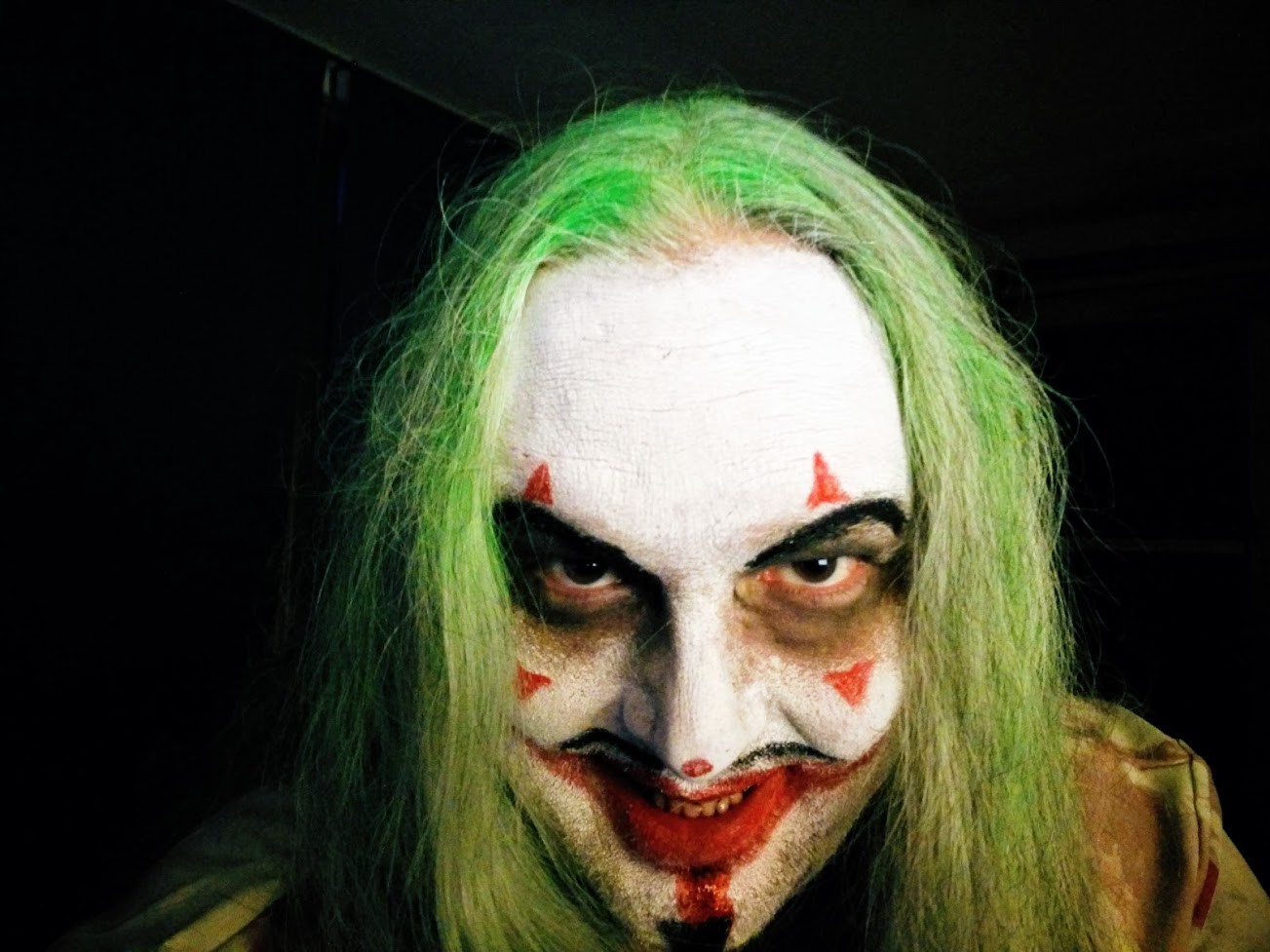
They don’t understand that the act of expressing this way IS my therapy; it’s what makes those internal struggles bearable. By giving them a shape and form through visual art or written words, I exorcise the demons, so to speak. When I’m struggling the hardest, I don’t have a way to let those things come out in a healthy manner, but if you’re seeing it, it means I’ve already dealt with it for myself. When I create horrors through FX in my costumes, or paint monsters, or write about things like having been assaulted, what the public is seeing is the end result of already having struggled through the process of coping with those things. The very act of creation is me saying “Hey, I made it through that, I’m (more or less) OK, and here’s what that journey looked like.” There have been plenty of times in my life when people were right to be worried about me, but it’s not when I’m publishing.
Contact Info:
- Other: [email protected]