We caught up with the brilliant and insightful Chris Collins a few weeks ago and have shared our conversation below.
Chris, looking forward to hearing all of your stories today. Can you share a story about the kindest thing someone has done for you and why it mattered so much or was so meaningful to you?
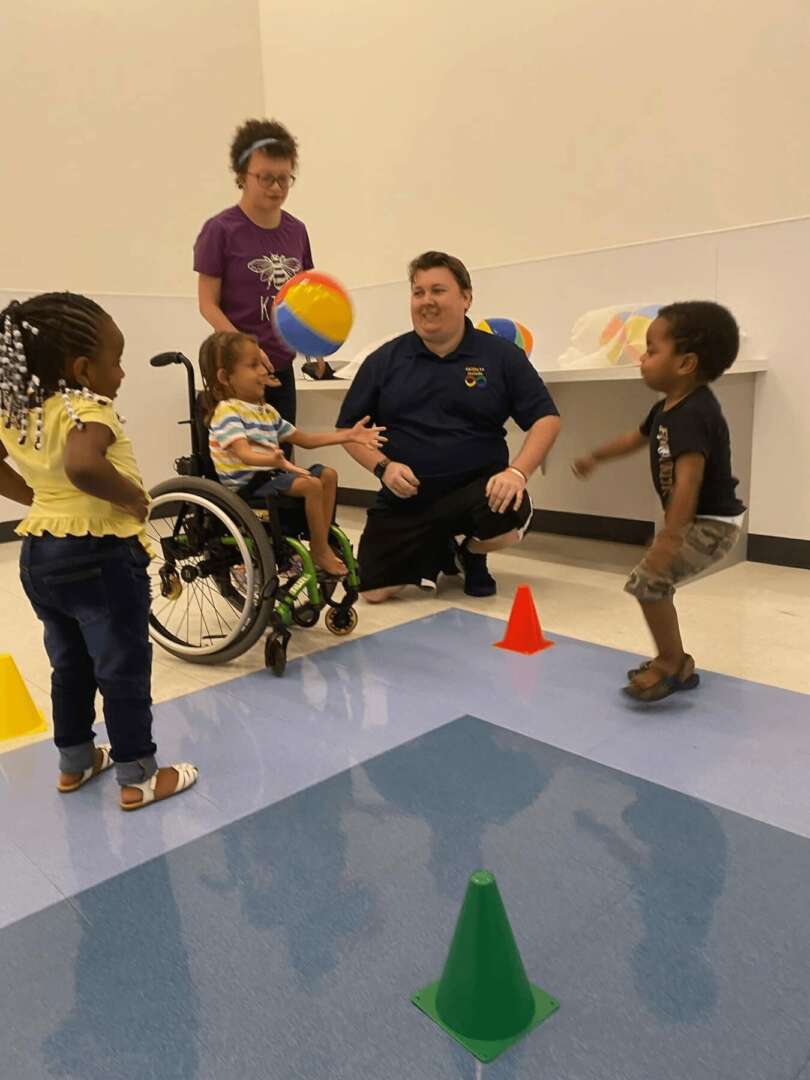
In March of 2023, I was notified of a grant award that would allow me to take Ability to Include full-time with a pilot program teaching social skills, language, and literacy to children with special needs through team sports. Serendipitously, there is a local event, Lakewood Ranch’s Music on Main, that takes place the first Friday of every month, and a charity is selected to be a beneficiary. The organization for April (for Autism Awareness Month) had dropped out and they were trying to find a last-minute replacement. I was contacted and thrilled, but also a little panicked.
This was a great opportunity to raise unrestricted funding to support administrative needs as I took this venture full-time, but there was a problem. Organizations that are selected need 15 to 20 staff to work the event. As a brand new venture, I had no employees but also felt as though it was too good to pass up.
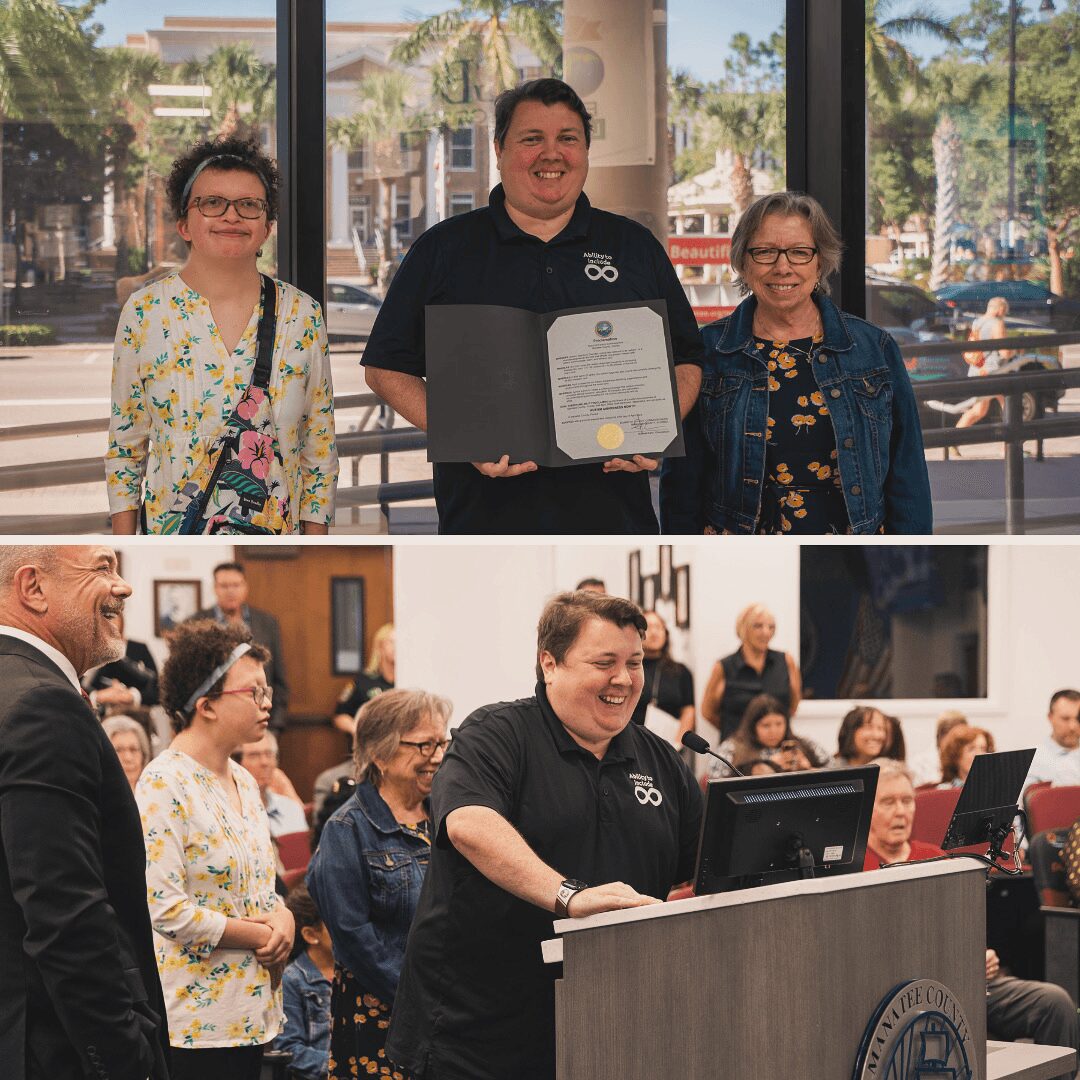
I probably should not have been surprised because I know I am extraordinarily privileged to have such a great group of friends I have known since childhood, but I was still stunned at the support that came out to volunteer to help raise funds. All told, we brought in $5,000 and none of it would have been possible without the selflessness of 20 of my friends and family who, despite the short notice, showed up. I distinctly remember looking around on several occasions and being overwhelmed with this immense feeling of gratefulness. Those friends and family continue to support Ability to Include, but that first Friday of April 2023 will always stand out to me as an act of overwhelming kindness and vote of confidence.
Chris, before we move on to more of these sorts of questions, can you take some time to bring our readers up to speed on you and what you do?
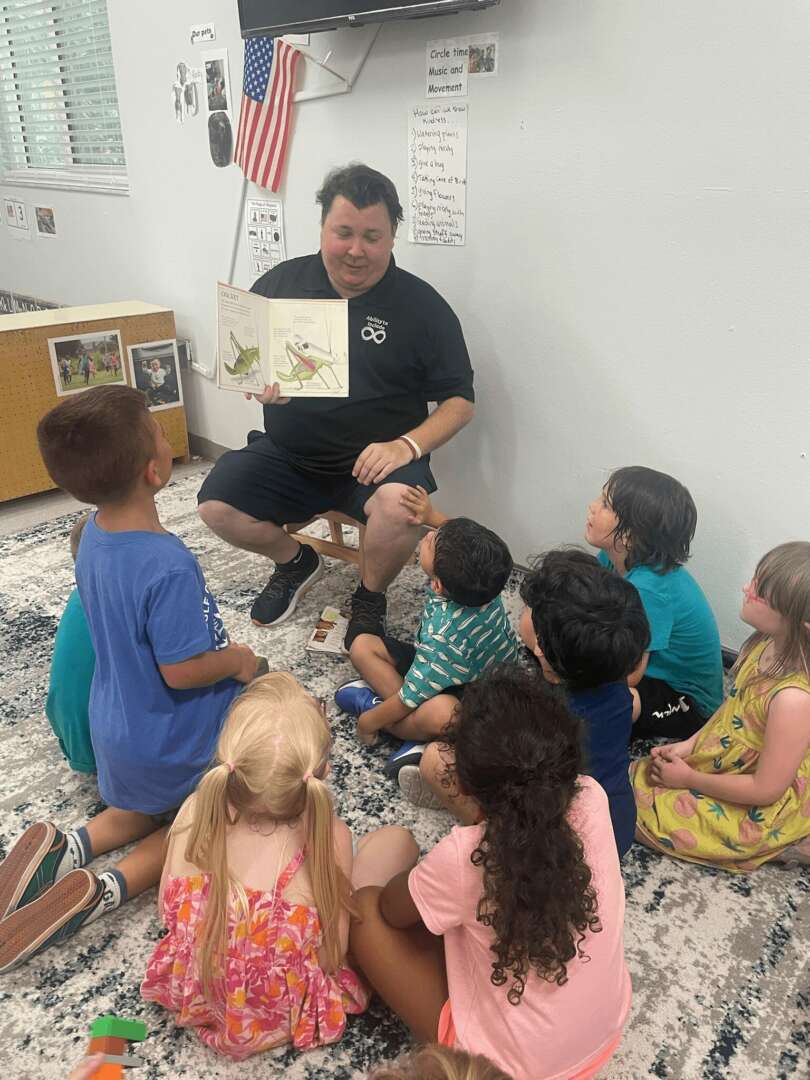
I was born and raised in Sarasota, FL, and always planned to stay a lifelong resident in this area and give back to my community. Since education and soccer were two immutable features of my childhood, for as long as I can remember, I was positive the way I’d give back was as an educator and soccer coach. My parents, aunts and uncles, and many of the people I most looked up to as role models and mentors worked as educators and soccer coaches.
I’ve had lots of small entry points into the industry since high school: I started babysitting children with special needs in 2006 (and volunteered as a soccer coach to children with special needs), I got my first soccer coaching license in 2008, I started working as a preschool teacher in 2013, began working in a preschool inclusion classroom in 2015, and worked in applied behavior analysis in 2018.
Possibly one of the most pivotal moments for me was being hired at my alma mater State College of Florida, with their foundation. I had only just graduated with my bachelor’s in Early Childhood Education and had no significant grant writing or fundraising experience to speak of. Still, the executive director, Cassandra Holmes, went out on a limb to bring me on board and taught me a great deal about donor stewardship and the philanthropic community.
Our mission at Ability to Include, is to strengthen learning and leisure opportunities for children and adults irrespective of ability or circumstance. We accomplish this through social skills and recreational activities, professional development, and caregiver education. Most importantly though is our commitment to “irrespective of ability or circumstance”, and it is what sets us apart from other disability services.
An unfortunate side effect of disability services is insurance and government funding are how most organizations can provide these services. So, an entire community that preaches inclusion is in fact, astonishingly exclusionary. Whether it is soccer, basketball, or yoga that we use as a vehicle to teach social skills, all children can benefit from it. Families shouldn’t be burdened with exhaustive paperwork and doctors’ appointments to benefit, nor should students be excluded because they don’t have the “right” diagnosis. Imagine if you could not access the subtitles on your TV without a formal medical diagnosis, appropriate insurance, a co-pay, and proof of hearing deficits, despite its usefulness in a multitude of other reasons and circumstances.
Grant and donor funding affords us the flexibility to provide services to any child who may benefit from it. We maintain that a skill deficit due to a diagnosed disability or familial strife at home shouldn’t matter when they have a shared solution and service. I am incredibly proud that I have served a diverse group of children in the classroom and community, no matter their abilities or circumstances, and that I’ve done that while remaining aligned with our donors’ and grant funders’ wishes while delivering the results we set out to achieve.
Let’s talk about resilience next – do you have a story you can share with us?
I feel as though there is more overlap between resilience and stubbornness than most of us care to admit. While the latter often carries a negative connotation, sometimes our shortcomings are our best tools in overcoming life’s obstacles, even if those obstacles are of our own making. There was no defensible reason why I shouldn’t have done well in school, but I never prioritized my education and instead relied on my ability to skate by while making my social life my central focus. Long story short, from 2008 to 2011 I attended State College of Florida and Tallahassee Community College before arriving at my dream school, Florida State University, where I was sure I would become a high school social studies teacher. Two years later I was on academic probation and eventually dropped by the college due to grades not improving.
I was beyond devastated, with only myself to be upset with, and I was at a loss for what to do next. After over 5 years of college, I was officially a dropout. I ended up taking a job at a preschool in Tallahassee working as an assistant teacher in the 3-year-old classroom. A little over a year later I moved back to Sarasota, where I continued working with preschoolers but this time with an inclusionary preschool, with both children with special needs and typically developing children. I eventually worked myself into other positions in the organization, overseeing the summer camp and respite programs.
I wanted to finish college more than anything, and I wanted to do it as a Florida State Seminole. I re-enrolled with State College of Florida, at the same school where my college journey began over a decade earlier. Of course, it would have been much easier to have finished my bachelor’s degree the first time around since this time, I was now a parent to two children with special needs, coaching competitive soccer, and working full-time. But this was also where my stubbornness turned into determination, and I was taking the maximum course load each semester to complete my degree as soon as possible.
As graduation approached, I still felt as though I hadn’t atoned for dropping out; I didn’t feel the fulfillment I had anticipated. I still wasn’t a Florida State Seminole, and I wasn’t sure if I’d ever be, but I decided to try by applying to grad school. In my application’s statement of purpose, I wrote about the resiliency I saw in my two stepchildren every day. Here I had been, for so many years, allowing myself to continue to be my only obstacle in completing my college education while they regularly overcame more adversity each day than I experienced year to year.
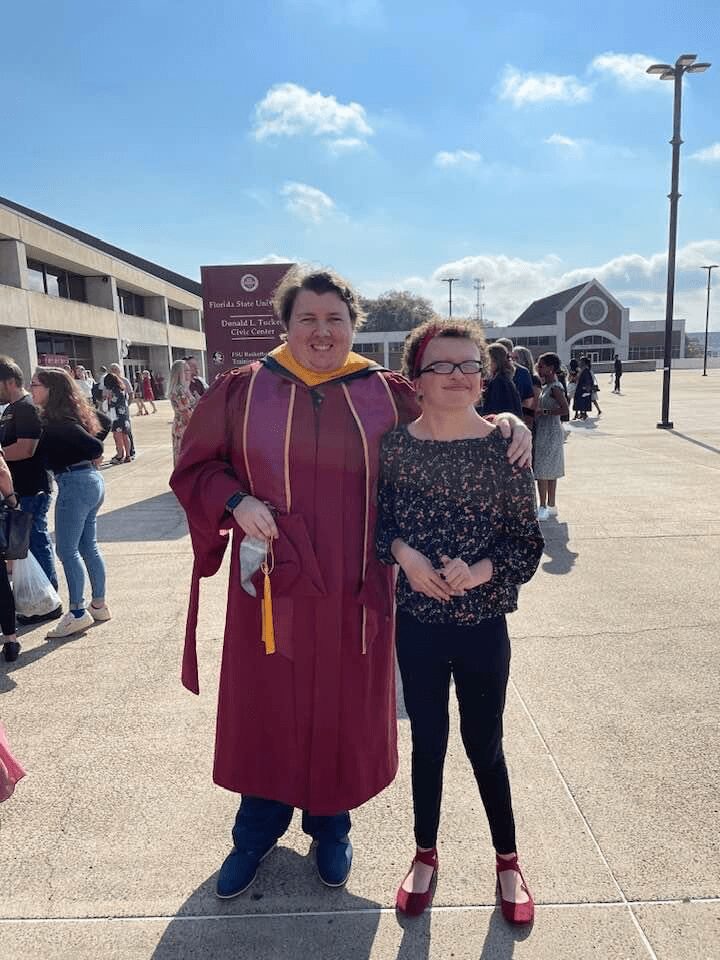
So, I am not sure where the stubbornness ends and the resiliency begins, but I managed to return to the University that dismissed me for poor academic performance and complete my Master of Public Administration. It was one of my proudest moments to return to Tallahassee for graduation and I was so grateful that I could share that moment with my family, partner, and exceptional kids.
Putting training and knowledge aside, what else do you think really matters in terms of succeeding in your field?
Seek to explain and seek explanation.
The first part is about committing to transparency and communication. It doesn’t matter if it is your direct reports, your clients, or business partners, we live in a world where information is at our fingertips and I believe it has made us all hungry for knowledge, including wanting to understand why something is happening. Even a short explanation of why a co-pay is raised, or why you can’t call that family back, it all goes a long way, especially if the decision is an unpopular one. I have found this true of myself, and others, that it is a lot easier to accept bad news when given an explanation. Furthermore, it forces some introspection in the decision-making process, “do I feel comfortable explaining the why to stakeholders?”.
The second half, “seek explanation”, is about not making assumptions about someone’s intent. We shouldn’t assume a parent or boss isn’t answering an email because they have it out for you, when a perfectly adequate explanation is they just haven’t seen it.
This general rule is a great way to maintain relationships and social capital that is foundational to entrepreneurial success.
Contact Info:
- Website: https://abilitytoinclude.org
- Instagram: @abilitytoinclude
- Linkedin: https://www.linkedin.com/in/chriscollinsabilitytoinclude/