

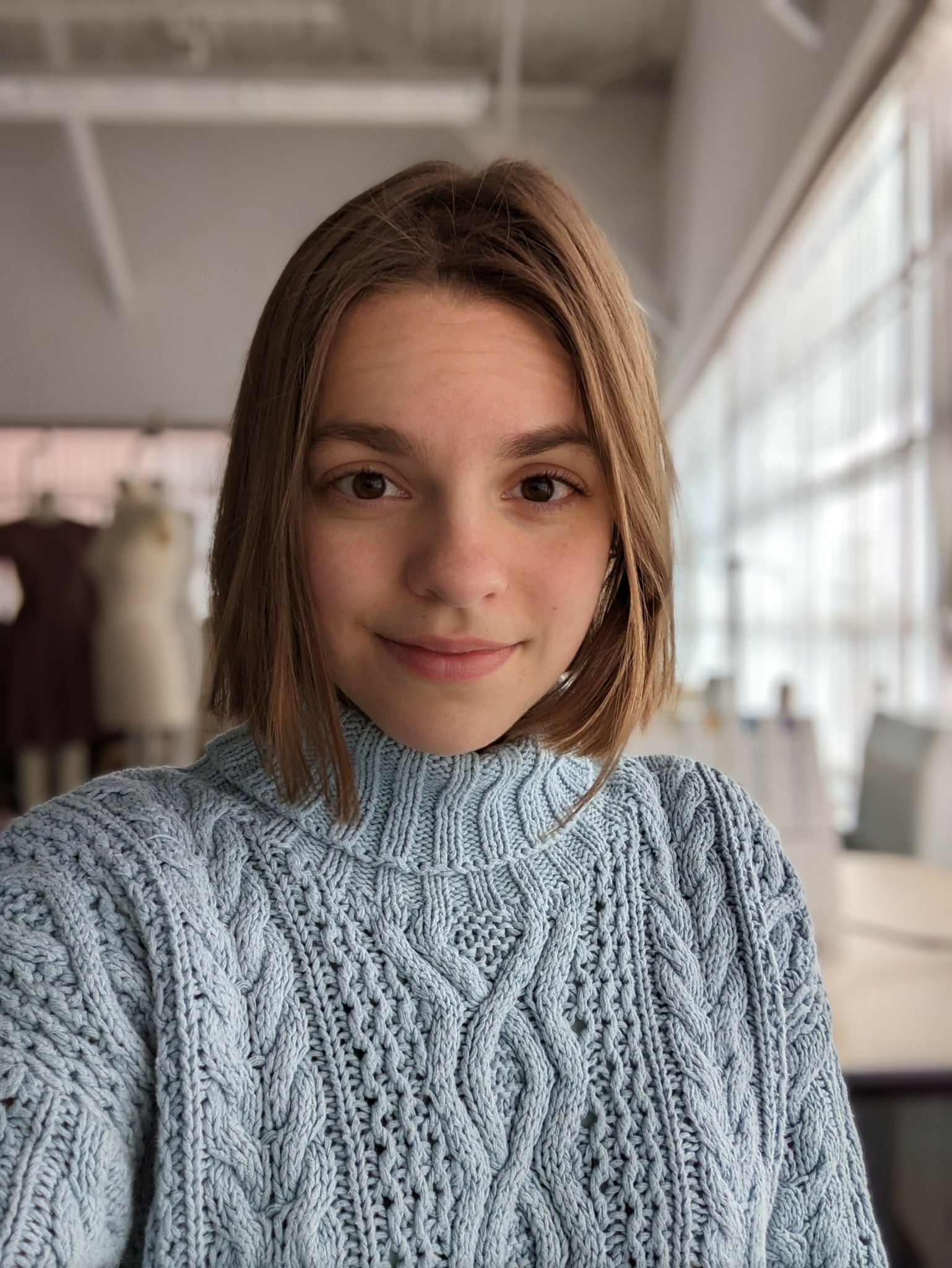

We’re excited to introduce you to the always interesting and insightful Chloe Satern. We hope you’ll enjoy our conversation with Chloe below.
Alright, Chloe thanks for taking the time to share your stories and insights with us today. The first dollar you earn is always exciting – it’s like the start of a new chapter and so we’d love to hear about the first time you sold or generated revenue from your creative work?
The first time I had the idea to sew something was inspired by handmade dolls my grandmother had made for my mother when she was little, then passed down to me and my sister. These dolls with their embroidered faces and handmade clothes entertained us more than any toy, and we played with them longer than we knew was socially acceptable. I loved their character and one day I had my mom help me make a tiny pink doll with a red dress. While it would be a few years before my grandmother taught me to sew properly, and this project was never durable enough to actually play with, it opened so many creative windows. By the time I was in high school, my sewing skills improved enough that those windows became doors, and I entered our local craft fair with a dozen dolls I made and three times as many outfits. I sold my first doll half an hour in, and I was ecstatic. Not only did I have the thrill of getting handed money for something I made, but it was so fun to think about my doll becoming a child’s favorite toy, and for them to treasure it the way me and my sister had treasured our handmade dolls. I sold nine dolls that day, most with one or two outfits to go with it, and each sale had the same thrill. In the nature of our small town, I was sent two pictures of children enjoying my dolls in the next weeks. This expirience encouraged me to keep pursuing sewing; my craft had been validated as something that could make me money, but also enrich the lives of the people it touched.
As always, we appreciate you sharing your insights and we’ve got a few more questions for you, but before we get to all of that can you take a minute to introduce yourself and give our readers some of your back background and context?
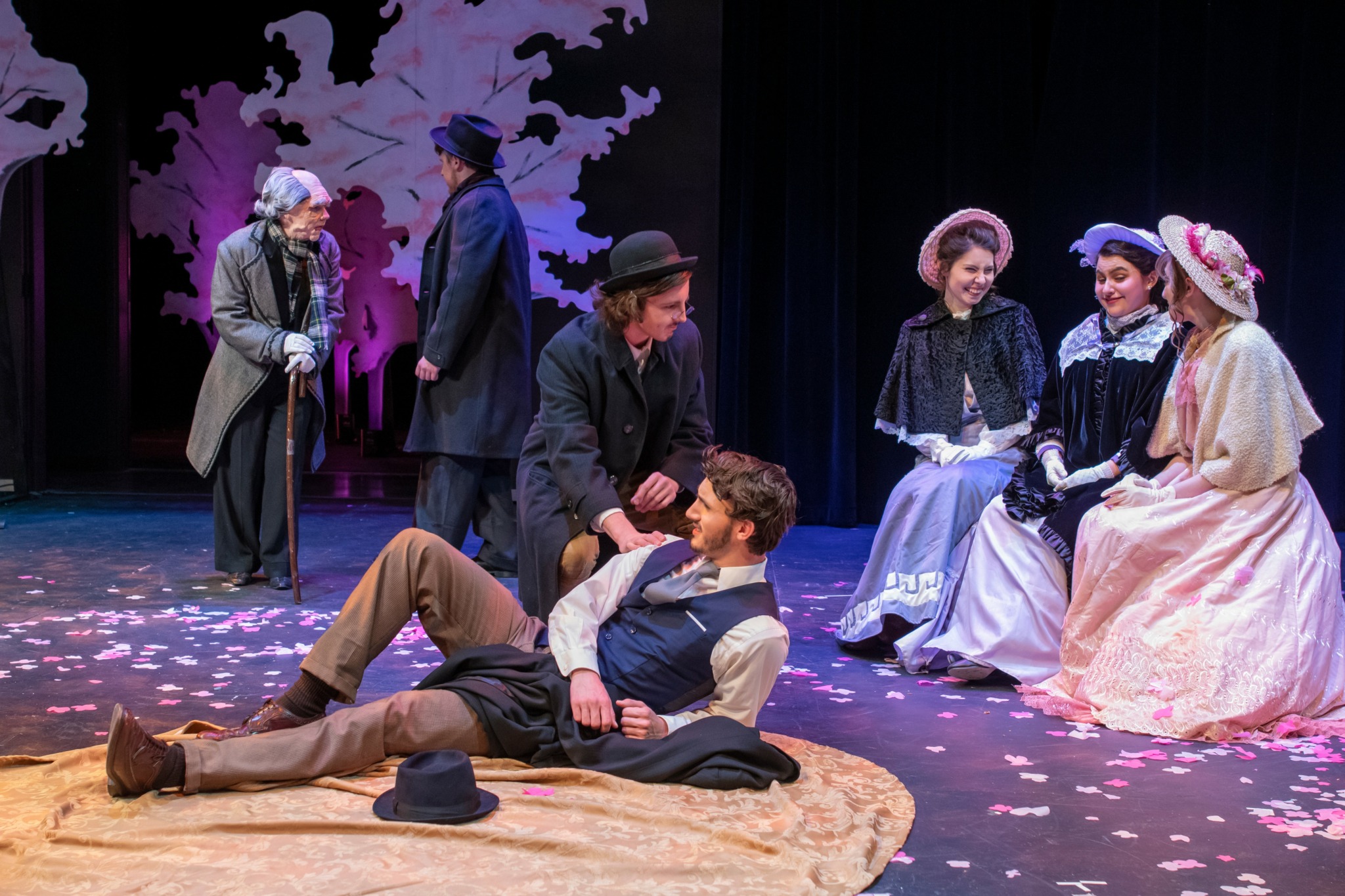
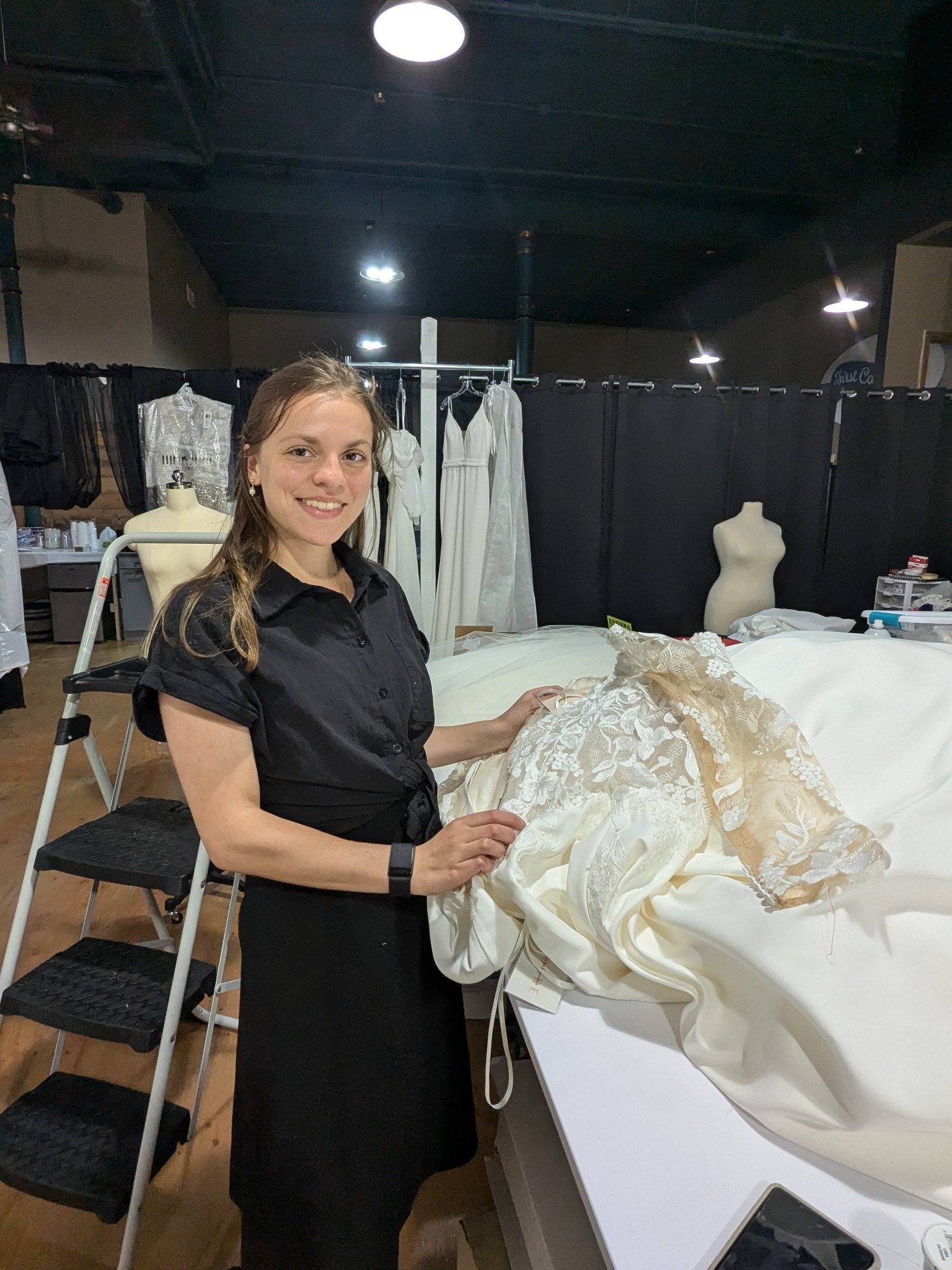
From the time I started making dolls to sell at craft fairs when I was a high school student, sewing has grown into a passion of mine. From an internship in fashion to wedding/formal alterations, I’ve sought it out in any form. When costuming theatre in undergrad, I realized I found a niche that clicked. So now, still a student, I am attending Utah State University’s theatre design master’s program with aspirations to become a professional costume designer and maker.
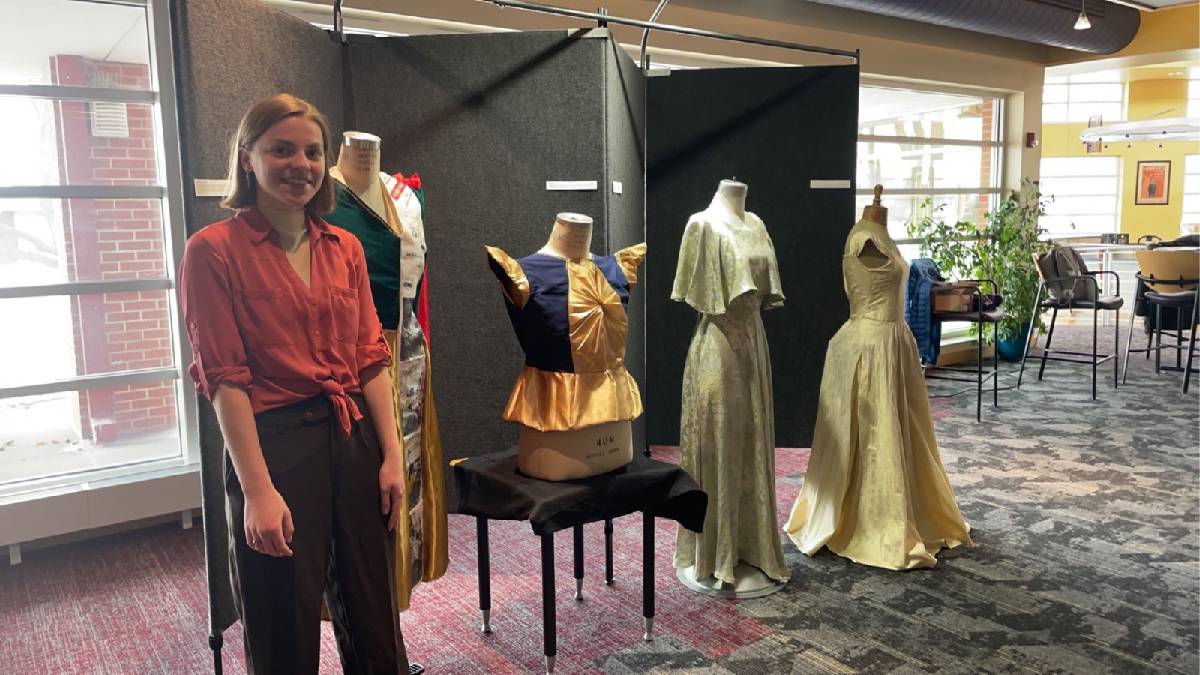
So far I’ve only worked in theatre, but I am interested in exploring costumes for film in the future. With past and current shows that I have designed for and worked on, I love the experience of collaborating with a director and creative team to focus on telling the best story we can. While I enjoy design on occasion myself, one of my favorite things is to be handed a design and have to explore how to make it a reality. Choosing which patterns to use, alter, or draft is part of the creative puzzle to be pieced together. The fabric and trim details add to it, and sewing brings it altogether. It’s a process I love, and hope to get to continue throughout my career.
What’s the most rewarding aspect of being a creative in your experience?
I really enjoy the whole process of creative problem solving that has to happen to create any design, but the final result is always the most rewarding for me. If it’s my own design, it’s so great to get to see it realized, pulled from the idea in my head. If I’m working from another’s design, the end result is colaborative in nature and in some ways more rewarding, because it is something I could not have done on my own.
A lot of work goes into creating each design and costume piece, and it’s so satisfying to be able to see the show come together with each character’s individual costume pieces coming together to create a cohesive design.
In your view, what can society to do to best support artists, creatives and a thriving creative ecosystem?
I do think we are seeing small business and art appreciation rise among the general public, so that’s exciting. I love seeing places where local artists have been invited to do their thing and put it on display. Whether it’s a coffee shop wall art, city sculptures, or wall murals giving artists a place to be seen is vital to creating an ecosystem they can thrive in. And it builds on itself, the more we see work like this, the more it will encourage people to continue inviting artists to collaborate on projects.
As a current theatre artist specifically, people coming to our shows is what feeds into a thriving creative environment. Theatre has the power to tell stories in a visceral way that not every art form can accomplish. This can also be uncomfortable and challenging at times, but in turn give us perspectives of understanding and compassion otherwise out of reach. The hope is that appreciation for this form of art will be contagious among a community, and as they grow to support it, a creative environment is cultivated.
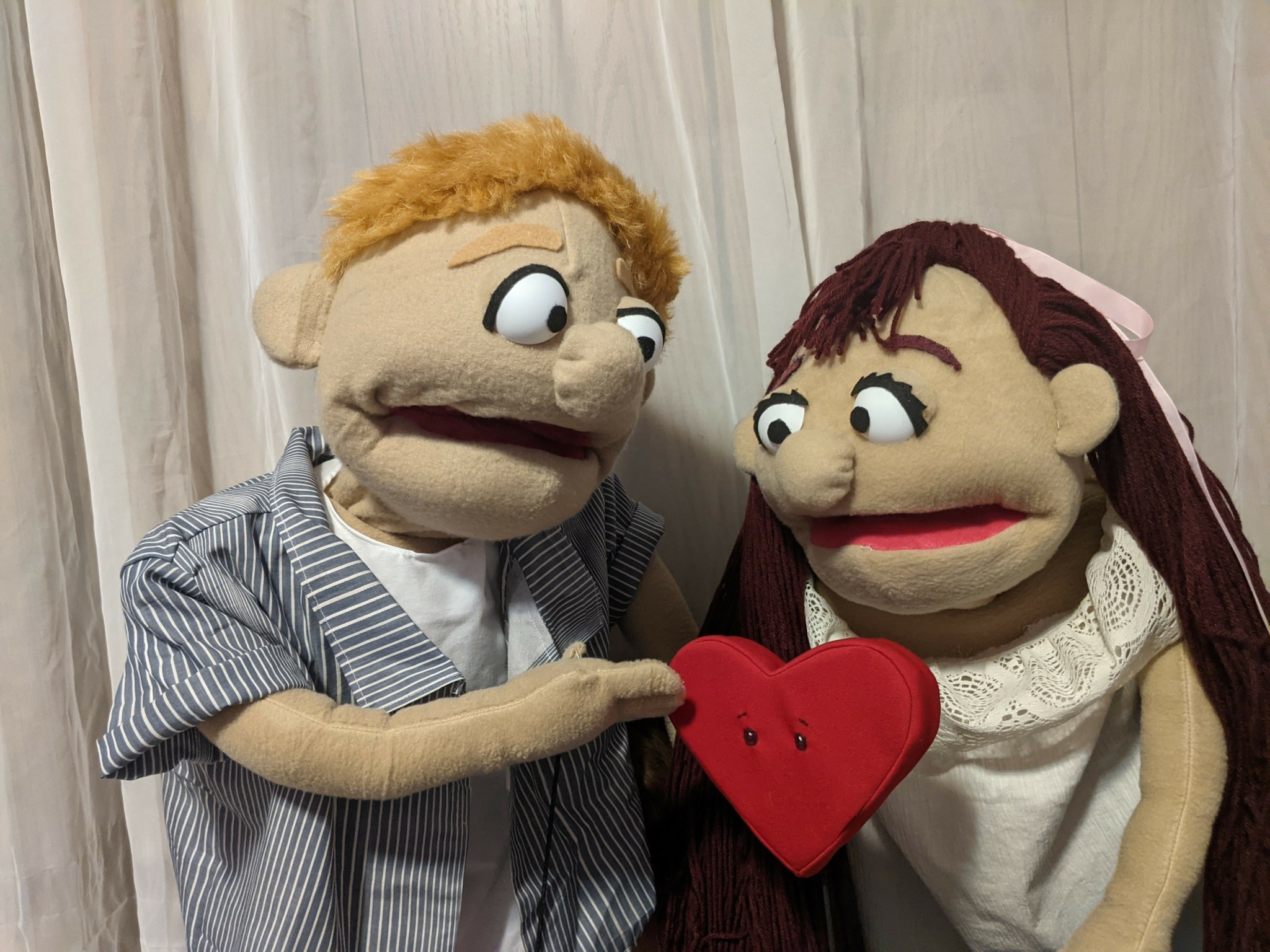
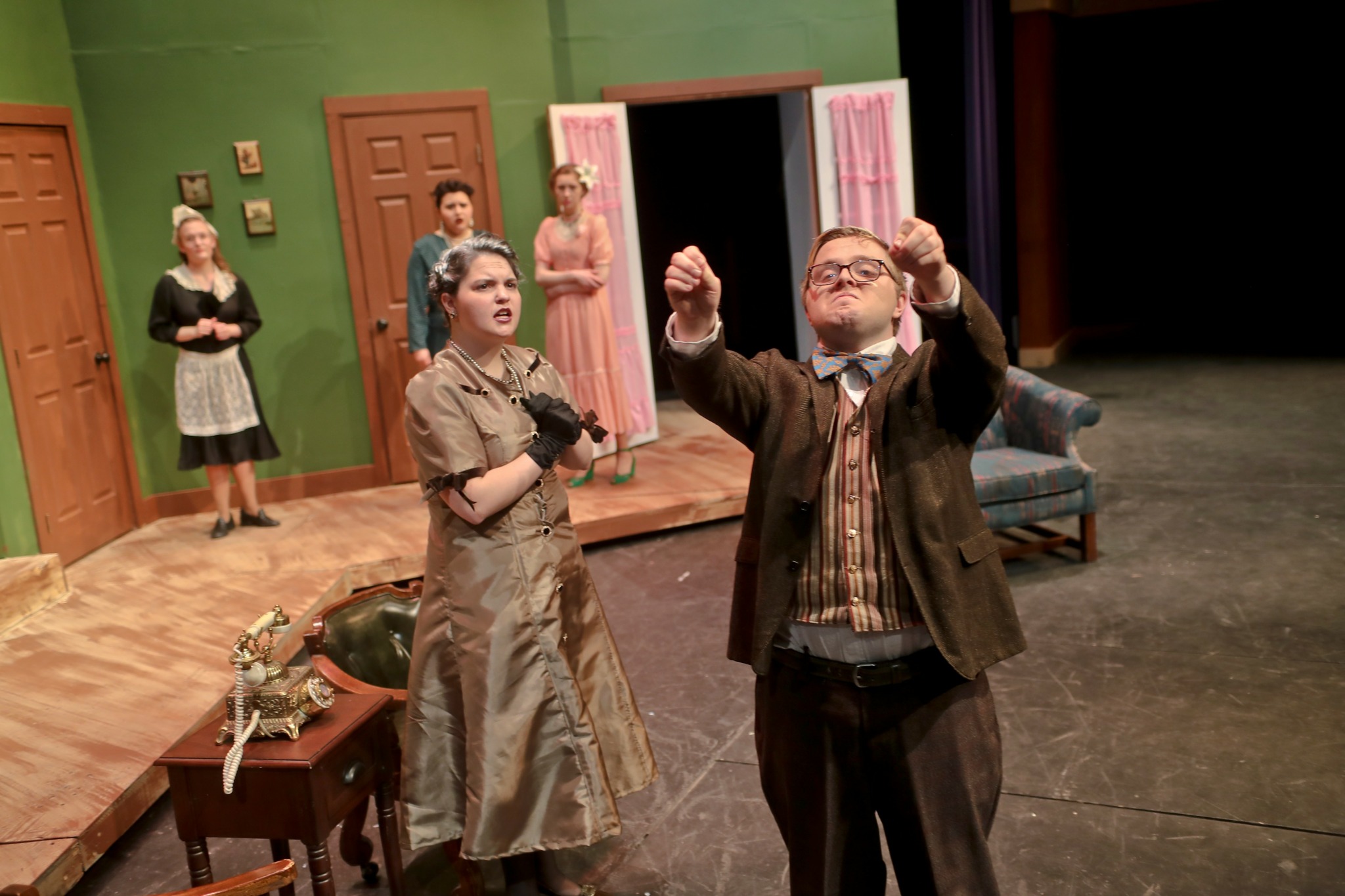
Image Credits
Drew Schmidt
Lem Mauer