



Alright – so today we’ve got the honor of introducing you to Chloe Cook. We think you’ll enjoy our conversation, we’ve shared it below.
Chloe, looking forward to hearing all of your stories today. What were some of the most unexpected problems you’ve faced in your career and how did you resolve those issues?
Working in a creative industry is full of unexpected turns, especially as an independent artist without the stability of a label behind you. I have struggled for most of my musical career to feel like the songs I release are best representing me as an artist. I have been in a few bands in the past that were much more collaborative projects, and aspects of working in those bands were some of the best moments of my life thus far, but I always wondered what things would be like if I had full creative control over every element of the music I was putting out. After years of collaboration, my first taste of a solo project deemed to be really difficult because I didn’t quite know how to navigate finding my own sound. Turns out bearing your soul to the entire world through the internet is not an easy feat. It took years of experimentation in my writing and a long and disheartening search for a producer who understood how to communicate my vision in a way that I felt represented by.
Finally wrapping up the release of ‘Drew’ feels like a huge moment for me. I feel confident in my abilities as a solo artist, and working with my producer, Omisha Chaitanya, played a massive part in that confidence. They made space for me to explore experimental creative decisions, and made sonic masterpieces out of the ideas I sent them through rambling voice texts. I haven’t always felt safe in expressing myself in a studio setting because this is an extremely male dominated industry and I have been talked over, disrespected, and belittled for a lot of my musical career. Working with Omisha felt like the safe haven I have been searching for for years and I think the result of our collaboration has led to one of my most sacred releases yet. The song is sonically playful, but expresses some of my feelings surrounding these issues I’ve dealt with in this industry, and outside of this industry, for my whole life. It is not about a little crush on my childhood neighbor as the lyrics may suggest, but rather the psychological effects of being a young girl raised in a patriarchal society, and the ways in which I had internalized the societal expectations for me as a woman. Omisha helped to capture my vision of a child-like homage to the emotional struggles I lacked the words to express when I was younger.
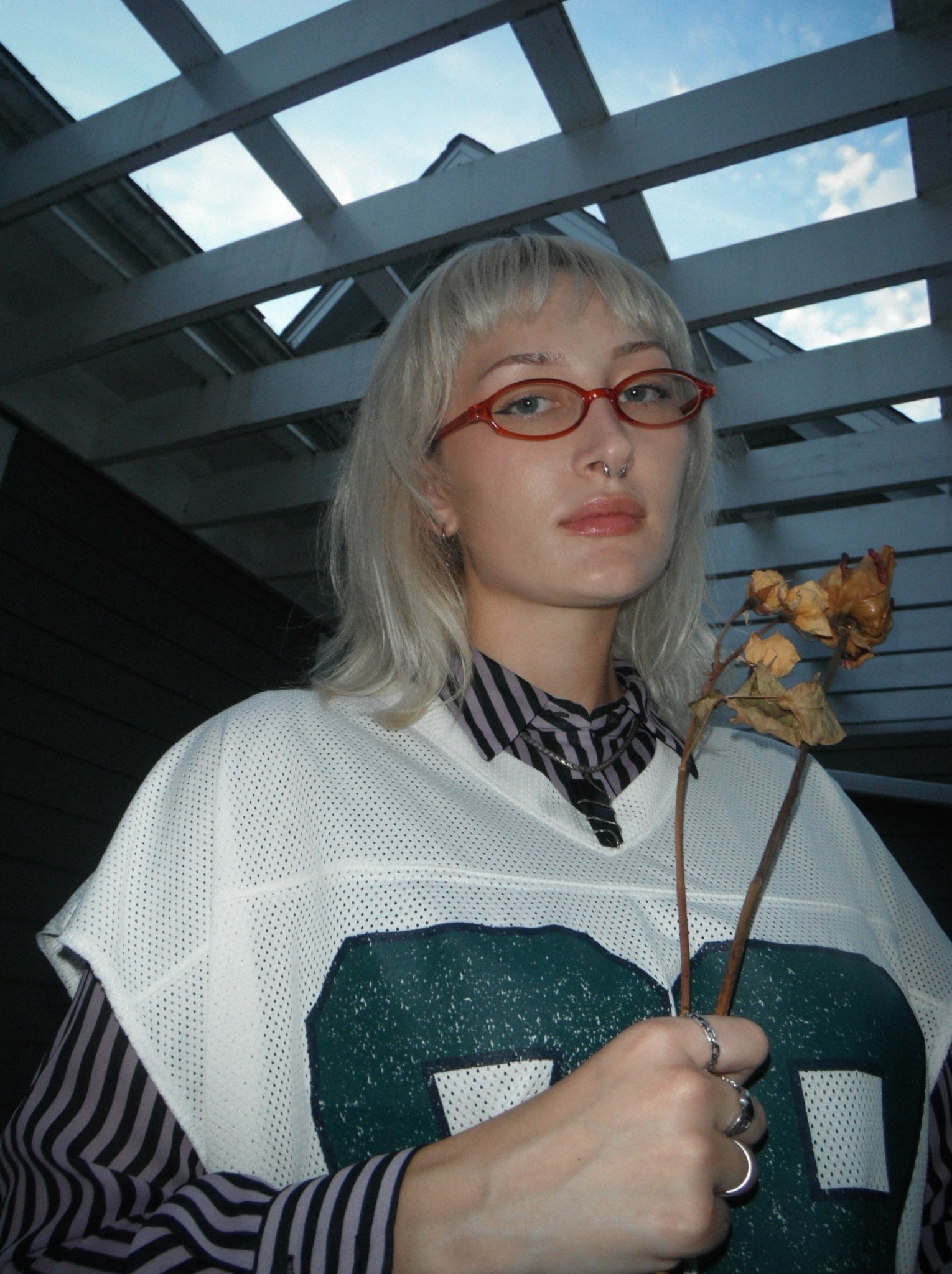
Great, appreciate you sharing that with us. Before we ask you to share more of your insights, can you take a moment to introduce yourself and how you got to where you are today to our readers.
I have been writing songs for as long as I can remember, vividly nostalgic of the days I spent scribbling lyrics in the backseat during family road trips. My parents put me in classical piano lessons growing up, but as I got older I found much more interest in playing Paramore than Chopin. I have dipped my toes into a handful of different projects, and I think what sets me apart from others is my commitment to honoring my mismatched influences through my sound, and in turn creating a unique sonic result. My musical DNA is a reminiscent patchwork of my funk days in my old band, Sage & Syrup, emo experiments with Car Radio, and my 2000s inspired pop in Chloe on Earth.
That said, my favorite music and most cherished inspirations continue to stem from my DIY community, which has evolved through various stages of my life—from cozy Charleston coffee shops to graffitied Boston basements to imaginative warehouses in Los Angeles. These experiences have exposed me to a world of art that I may have never witnessed had I stayed in my small hometown forever, and have in turn molded me into a genre-warped, ever changing sponge of an artist. DIY music is the backbone to this industry because it is where you see the most raw form of self expression, and I am forever grateful to be a part of a community that welcomes vulnerability with open arms and truly wants to see those around them succeed. I encourage everyone to support the local artists in their area because it is likely that that is where you will find genuine art that represents you as a person and the experiences you have lived through.
Ultimately, my journey has shaped me into an artist who strives to capture honesty and emotional complexity in every note. From childhood road-trip melodies to the sounds of basement shows, I’ve come to realize that my music—rooted in DIY values and driven by eclectic influences—is the truest reflection of who I am. Through blending genres and championing local talent, I hope to foster the same creative community that has inspired me and allowed me to grow.
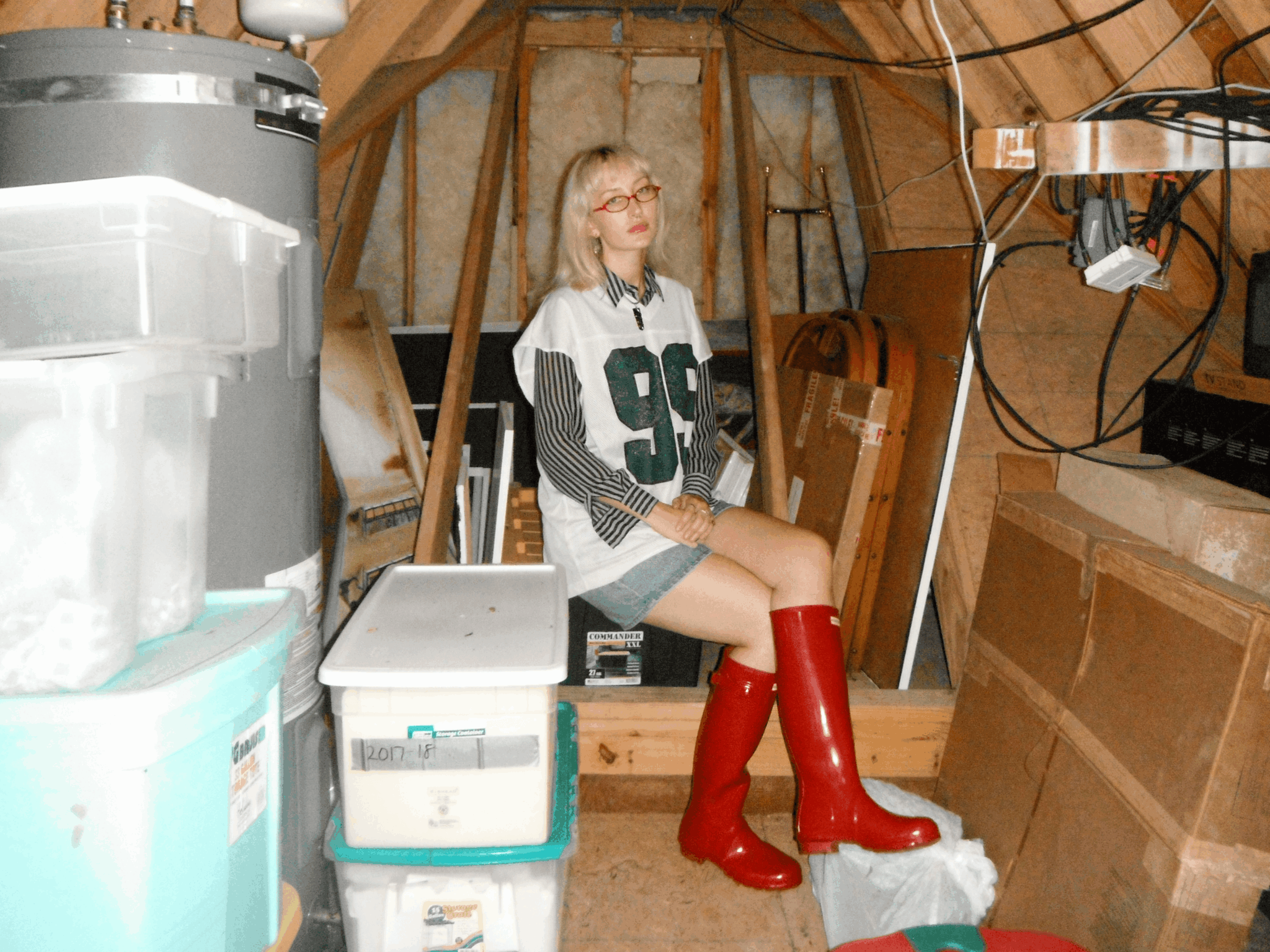
How can we best help foster a strong, supportive environment for artists and creatives?
As I mentioned before, supporting your local DIY scene is, in my opinion, the best possible way to amplify voices of artists. Many non-musicians may not realize how much popularized content and social media now controls the music industry. If you aren’t picked up by the TikTok algorithm, or reposted by someone with some sort of influence, a lot of the hard work you put into your creative expression could go unnoticed, which is a huge shame considering how much incredible art is deafened by those with the ability to pour thousands of dollars into promoting their art on these platforms. Don’t get me wrong, a lot of these huge artists are also deserving of their platform, and I’m not trying to invalidate their success, but some of the most influential art I’ve come into contact with has been through going to local shows and listening to the music that my friends have poured their souls and life savings into. You learn more about the people who live within your own community by doing this, strengthening the bond you have with the people around you, and uplifting the voices of the people you care about. DIY communities are rich with passion and empathy, and by supporting these artists, they are likely to, in turn, give you the support you are in need of in your own endeavors. My ability to retroactively understand the complicated feelings I talk about in ‘Drew’ is due to the fact that I found my place in a supportive community that encourages my vulnerability and growth.
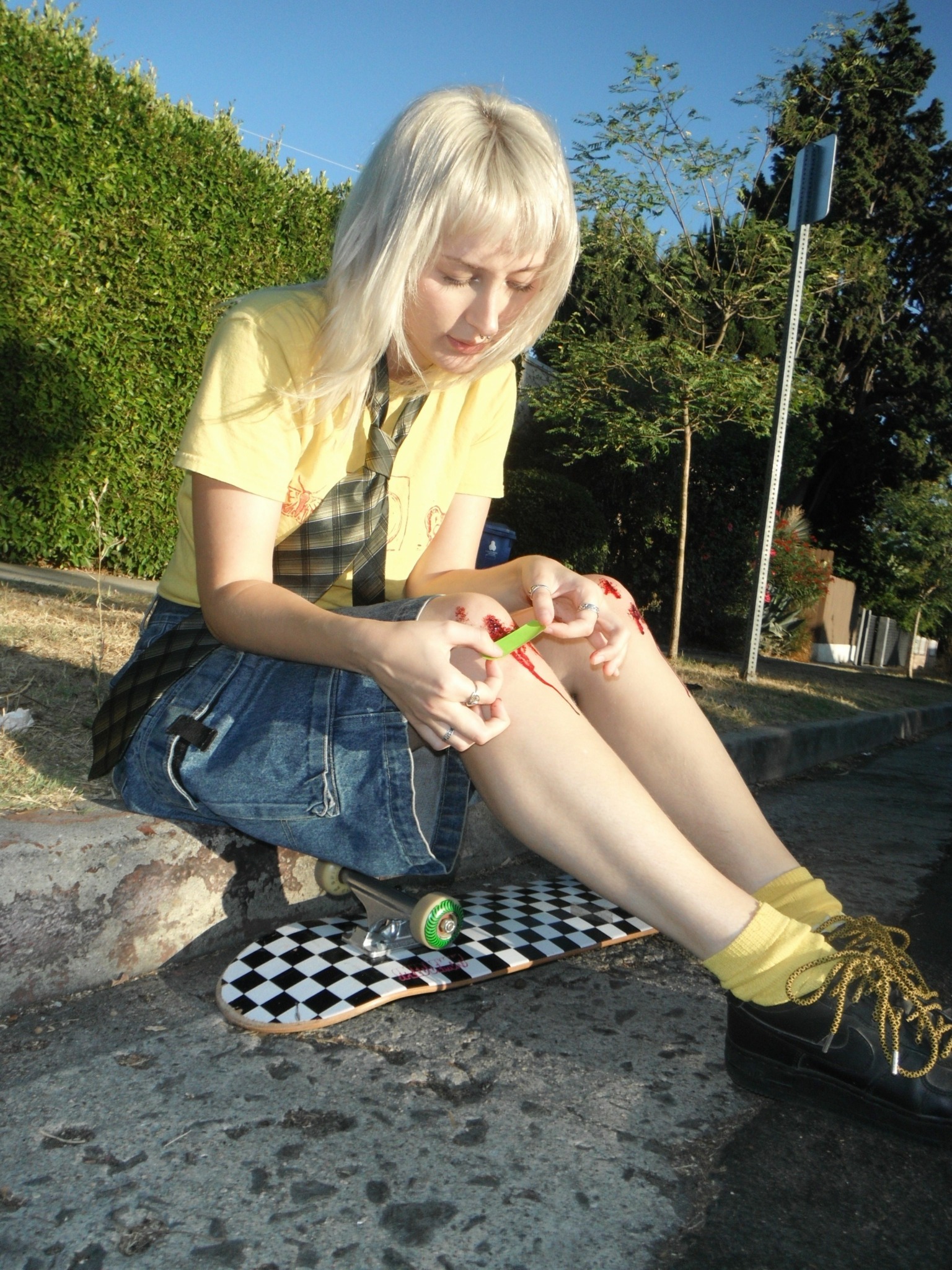
Let’s talk about resilience next – do you have a story you can share with us?
It has been a long journey getting to the point that I’m at now in my musical career, and in all honesty, that journey was extremely disheartening at times. When I was young, I liked picturing this pristine success story of my first band sticking together, writing music we loved, and getting the opportunity to tour and share that music forever. The reality of it is that musical relationships are a lot like romantic ones. They are full of compromise, communication, and change. After college, my band all went our separate ways and I found myself back in my hometown, Charleston, South Carolina, in need of hip surgery to repair damage from an injury I got in high school. That was an extremely isolating experience — being away from the musical community I had worked on building for years, and feeling like my biggest motivators and collaborators were millions of miles away from me. After recovering, I moved out to Los Angeles, where I am now, in what felt like a post-music school rite of passage. I was lost as an artist, and even more so as a person. I felt like I was starting from square one, and it was a really difficult process unlearning the ideas and expectations I had built up for myself as a musician over the years, and trying to find where I fit in in one of the biggest cities in America. I felt discouraged and helpless after multiple failed attempts at finding my sound as a solo artist, and started to think I wasn’t on the right path, but it really just took allowing myself to mourn my expectations for myself, and make space for change and growth as an artist. After years of experimentation in a different iteration of a solo project, and another band too, I finally hit a bout of creative motivation that led to the creation of ‘Drew’. This is the most excited I have ever felt post-release because the finished product is something that I feel wholly and genuinely represented by.
Contact Info:
- Instagram: https://www.instagram.com/virtualh0rse/
- Other: Spotify: https://open.spotify.com/artist/7vsNIODrbNnQM4spNFhvXf?si=H3sHkL-bR5eR6IQnB5wZAQ
Apple Music: https://music.apple.com/us/artist/chloe-cook/1770171040

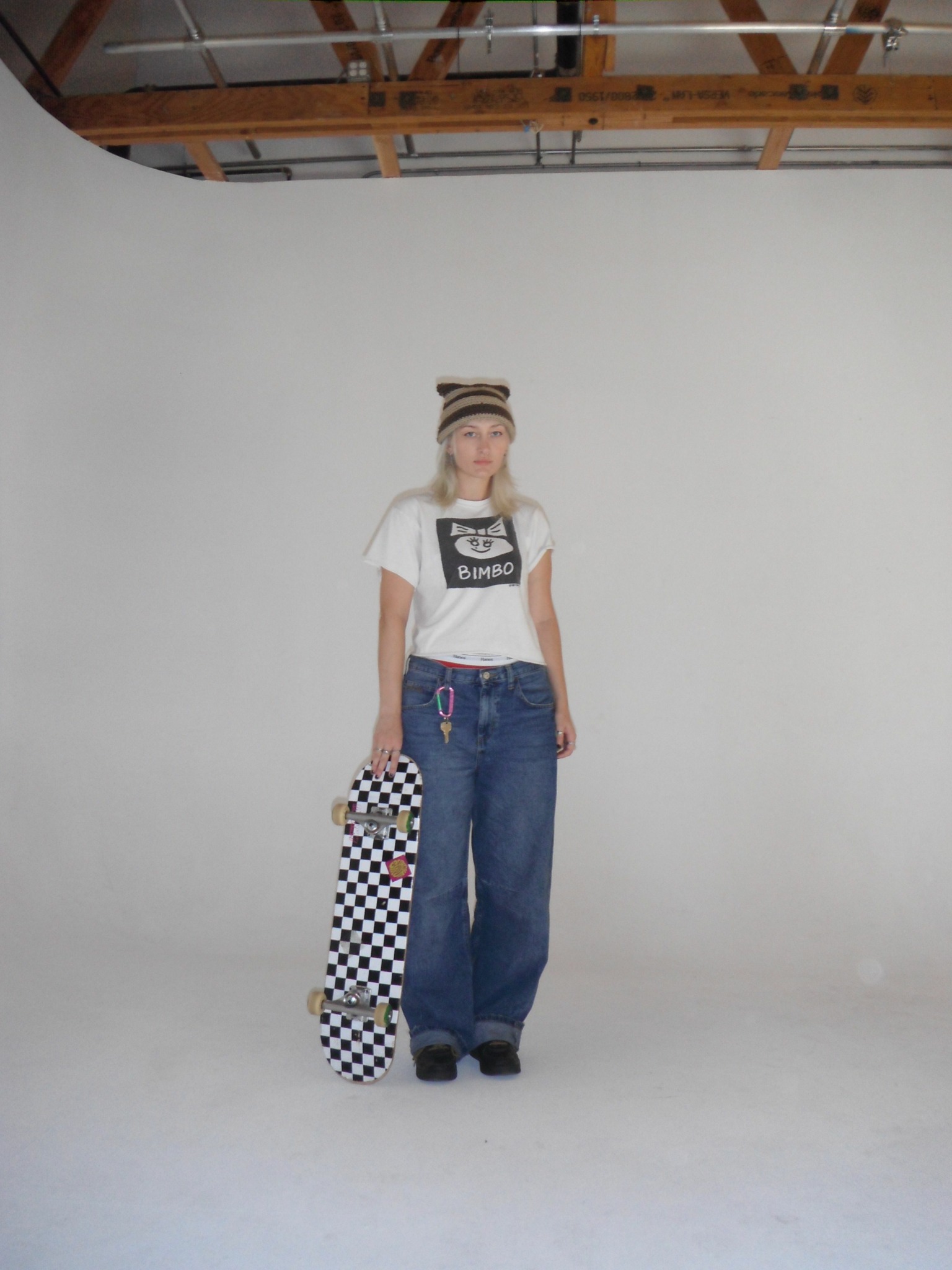
Image Credits
Noelle Denton, Jack Cook