

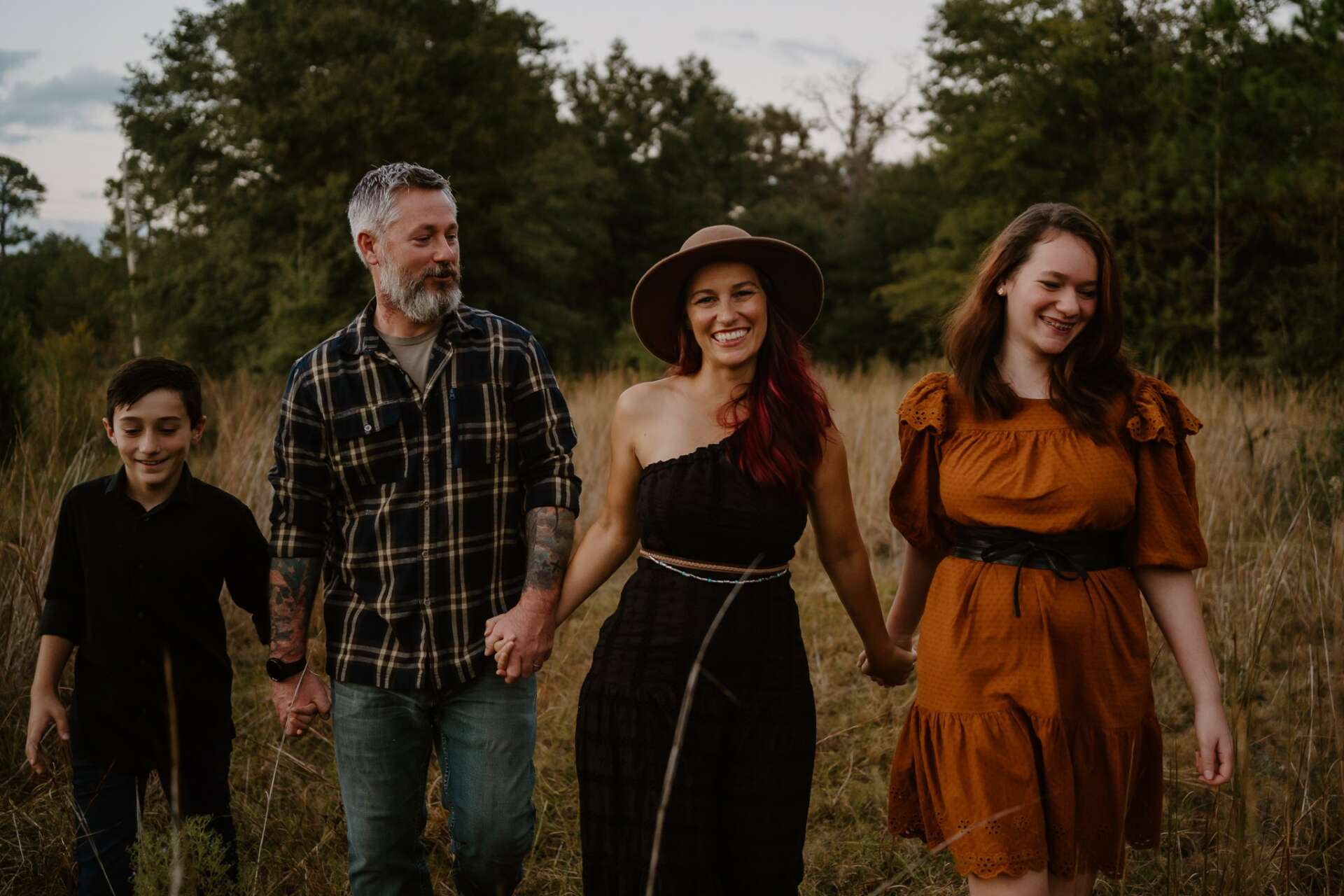

We were lucky to catch up with Chip & Nicole Hughes recently and have shared our conversation below.
Alright, Chip & Nicole thanks for taking the time to share your stories and insights with us today. Was there a defining moment in your professional career? A moment that changed the trajectory of your career?
Chip joined the U.S. Army straight out of High School, where he served for several years before returning to the United States. We met while he was stationed in Germany, quickly figured out we were meant for each other, married and built a family. While military life does not allow to put down roots for very long, and we would have many moves, both within the US as well as on other continents, we managed to build a family.
While living overseas in the Middle East in 2016 we made the decision to start a family farm once we make our way back home to Florida. Following a lower back injury and tied to a bed for weeks at a time, Chip had been following homesteaders and farmers via online platforms who had built their dreams of living a more sustainable and simple life. Chip wanted to take the plunge and build up a family farm and legacy, and I did not need convincing as the homesteading life was the life I knew growing up. We just didn’t call it a trendy word, it was simply the life we lived.
After purchasing and then moving onto our property we knew we had a lot of work to do, starting with making the land usable. We had big dreams, lots of ambition and the willingness to work hard towards a more sustainable life for our family.
Chip & Nicole, love having you share your insights with us. Before we ask you more questions, maybe you can take a moment to introduce yourself to our readers who might have missed our earlier conversations?
Chip and I came form very different backgrounds. He was brought up in a fairly traditional American way, I was brought up in a traditional German way.
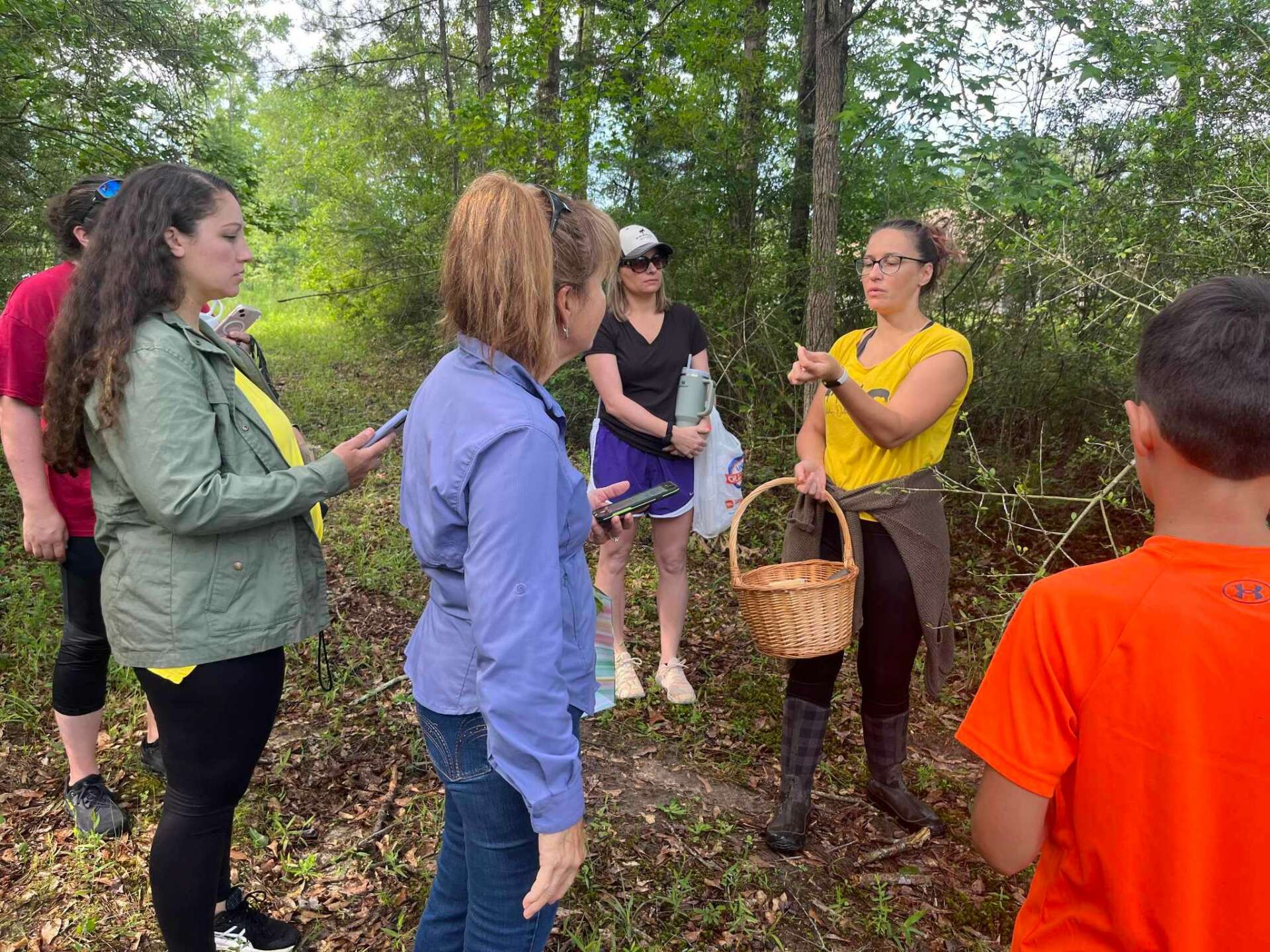
I was born and raised in Germany, and grew up in a very rural environment. We’re talking a village with less then 100 people. I was quite the tomboy and grew up learning about the land, as well as the flora and fauna surrounding us. Within our Science curriculum in school, we learned all about local edible plants, medicinal plants as well as how to harvest and prepare them. In addition, I had the opportunity to learn alot about living off the land, foraging and raising our own food through my grandparents, who were determined to teach us their ways. When moving to the USA as an immigrant, it took many years to build a career and life in a new country. I had to better learn the culture, language and about the people around me. Twenty years later, I feel like I am starting to fit in.
Chip was raised in Florida fairly traditionally where grocery stores and food assistance programs where the norm. Through joining the military and serving his country he gained valuable skills, which he was able to use moving into a civilian career and building a future for our family. When we made the decision to build up a homestead, Florida was the easy choice for us, due to Chip’s family ties here. Through many moves from State to State as well as internationally, we had been chasing “the American Dream” with a house, a mortgage, a small lot to call our own and 2.5 children. However, our American Dream soon changed into something bigger, slower, and more intentional as we moved into our 30s and started raising a family.
In 2018 we bought our property in the Florida Panhandle. At that point it was a small single family home in the middle of nowhere, sitting on 20 heavily wooded and overgrown and swampy acres. We knew we would have a lot of work to do once we are able to return home, though we were not able to return until 2020 due to work commitments. Fast forward to 2020: We moved back to the Florida Panhandle and started building our dream. Moving home after being away for seven years came with many challenges, including no furniture, no transportation and nothing but the house and land in our name. We cleared land, put up fencing, built infrastructure, started a garden, started adding livestock, and learned the hard way along the way.
Both of us currently work full-time away from the farm. This means farm projects need to be adressed after work and on weekends. It takes the whole family to follow our dreams and we could not manage daily schedules and projects without having the kids involved.
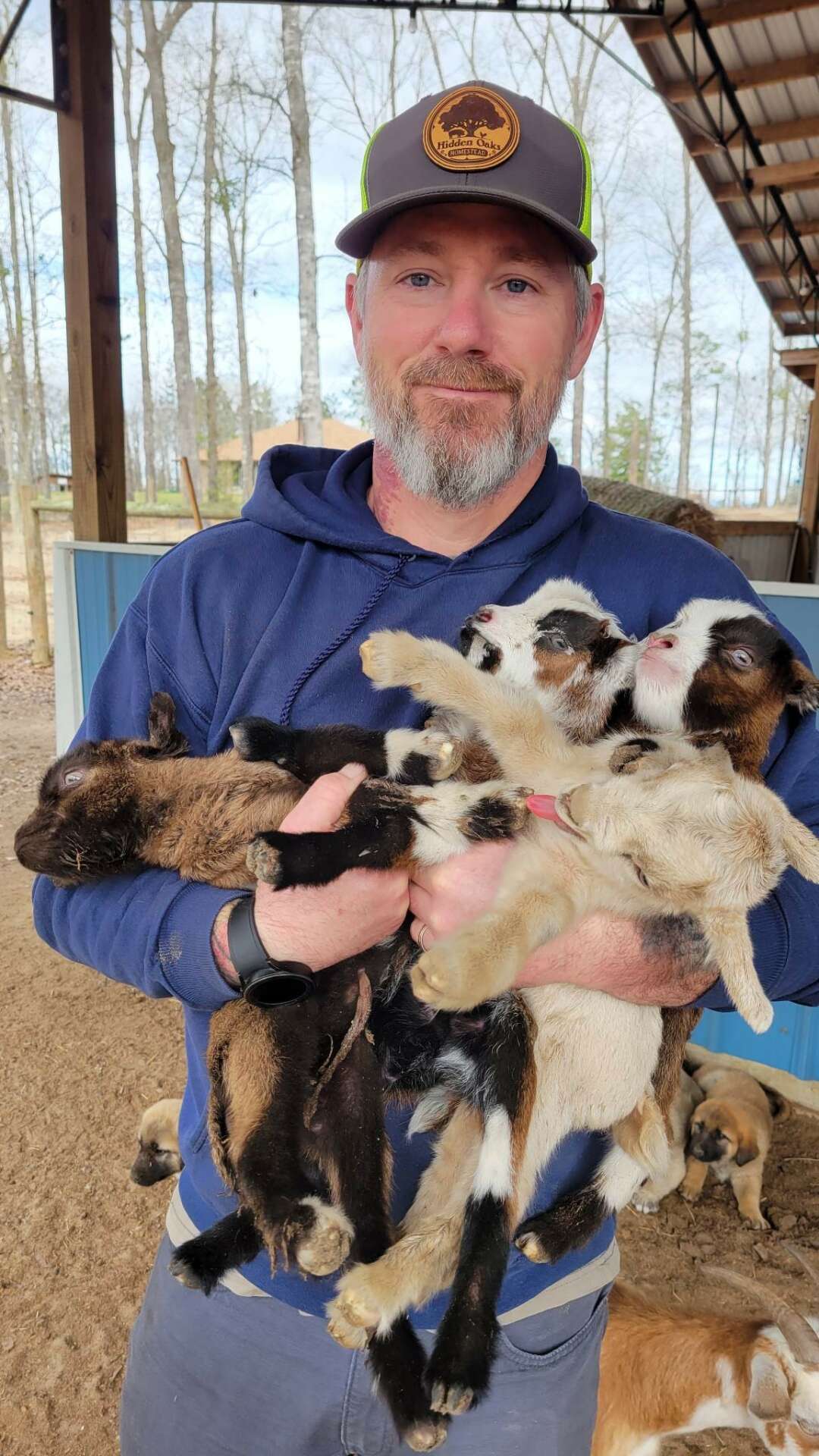
Never in his wildest dreams had Chip considered being a farmer when he grew up. However, that’s exactly what he would call himself now. A pig farmer, to be exact. If you ask Chip, his absolute favorite type of animal we raise here at the farm are pigs. Feeder pigs, Kune pigs, potbelly pigs, he loves all of them. Chip very naturally fell into the role of livestock caretaker on our farm. Though livestock care is the whole family’s job, Chip is the one who takes front row. In addition to raising and educating about pastured pigs, Chip also has a huge love for livestock guardian dogs. We raise them and do lots of education around livestock guardian dogs.
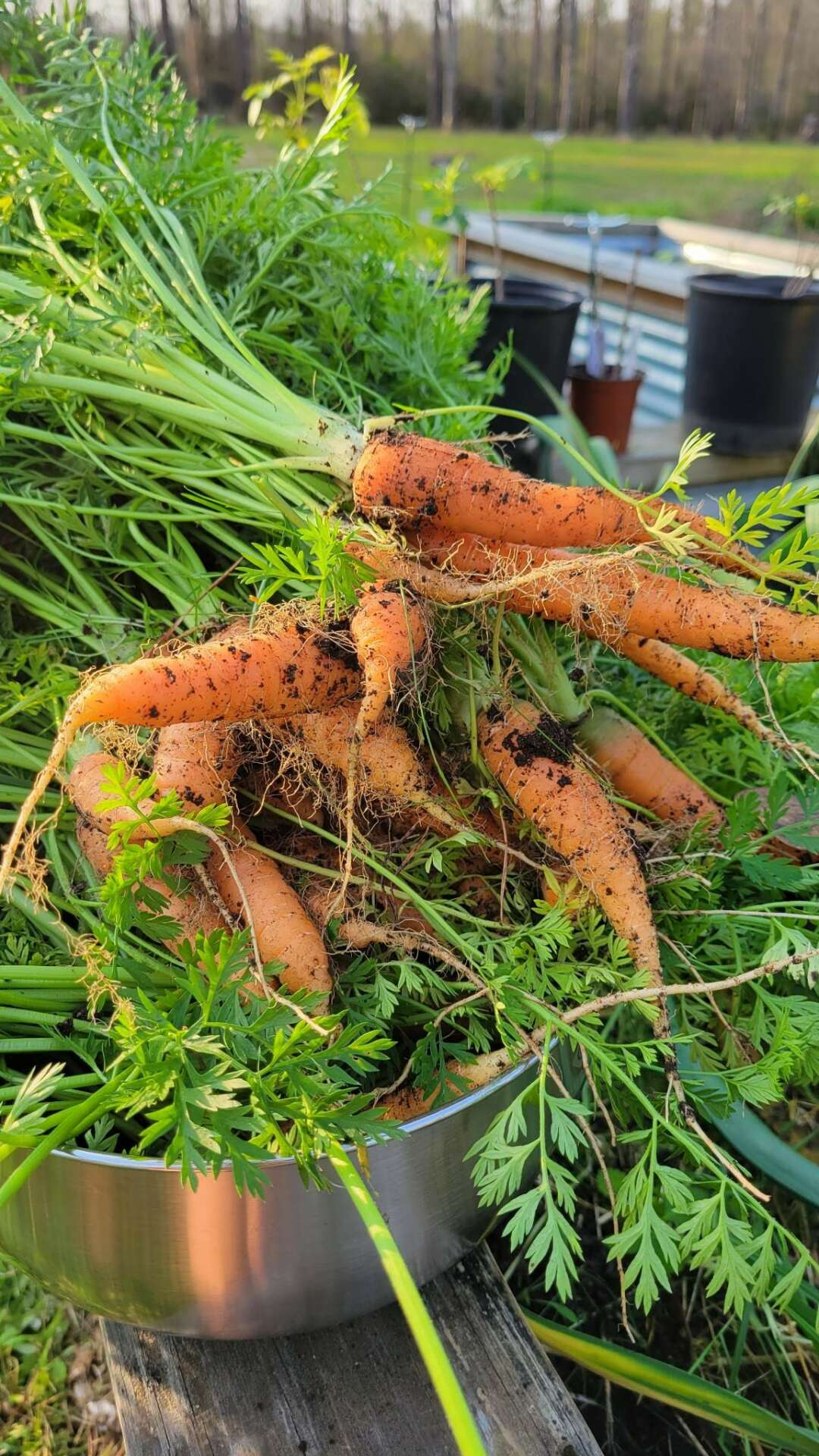
Growing up in Europe and moving to America has been quite an adjustment for me. It has been a long time coming, but living the farm life, I finally feel home again. I grew up in a rural village in Bavaria, just minutes from the Czech border, where homesteading was not a new fashion word, but simply the way people lived. Everyone had a garden and livestock, went foraging into the Bavarian Forest and knew all about growing and preserving food. While Chip is our front man on livestock, I am the one behind the garden and our farm shop, as all products are made by me by hand in our kitchen.
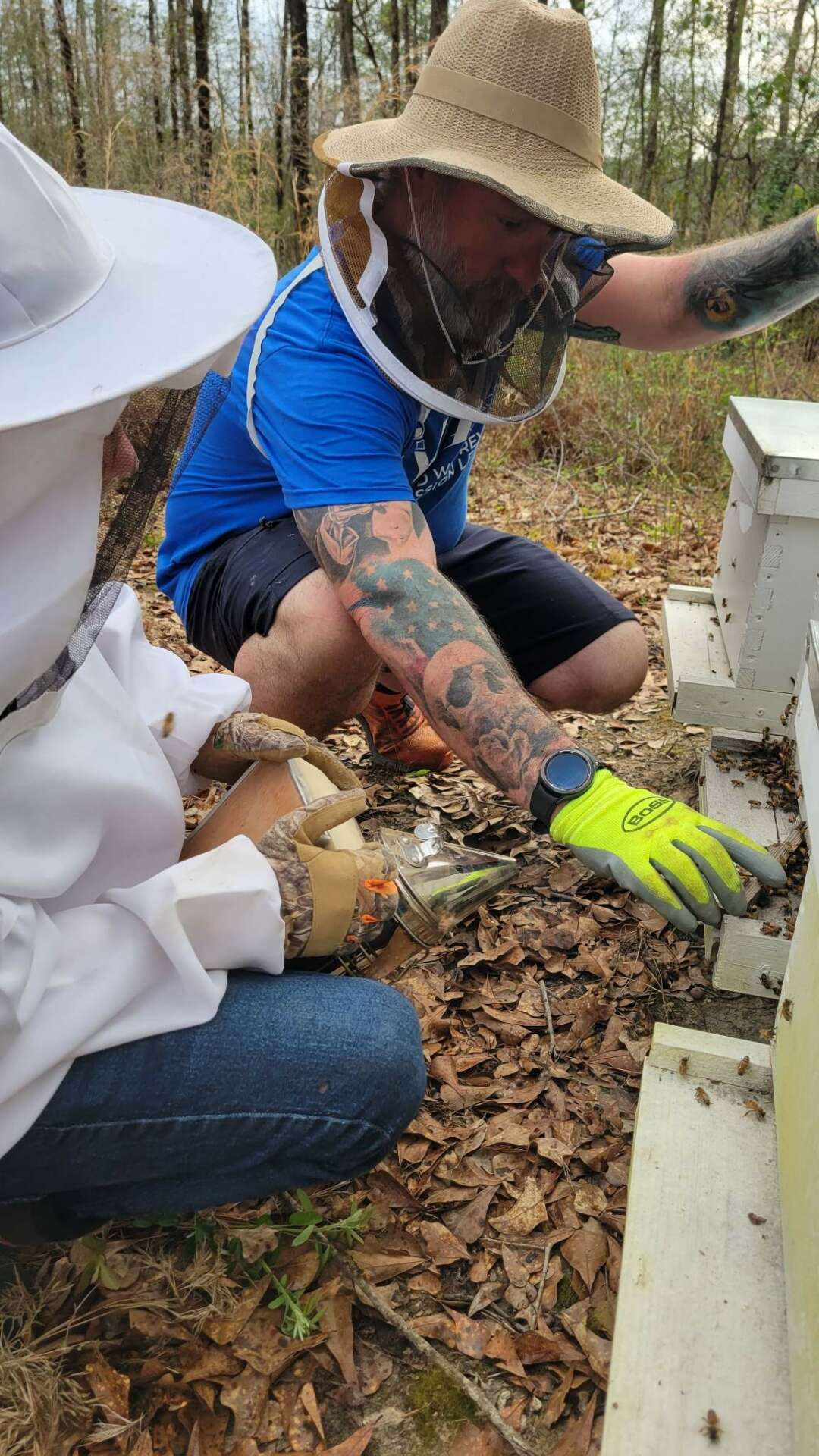
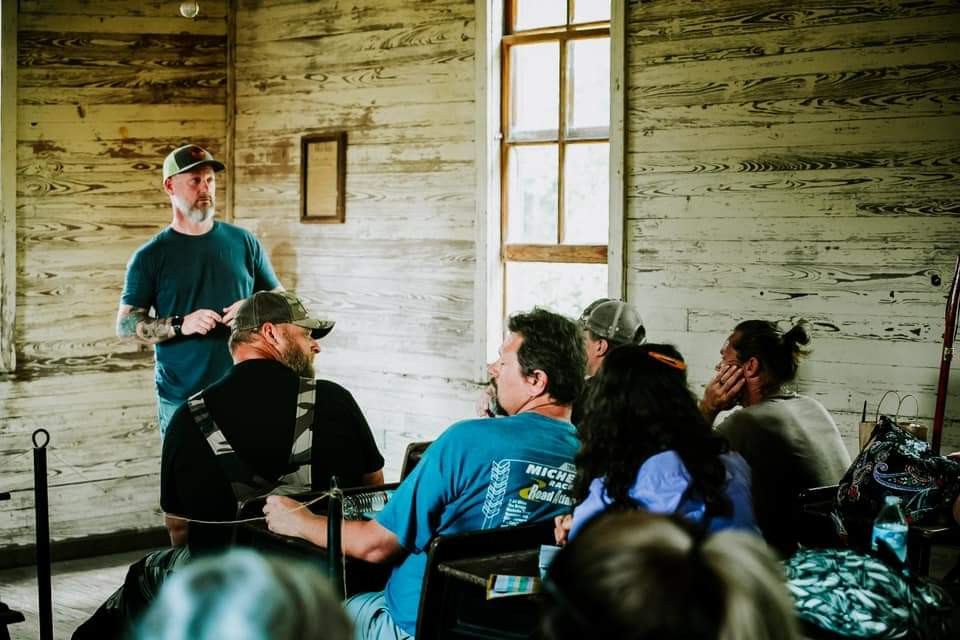
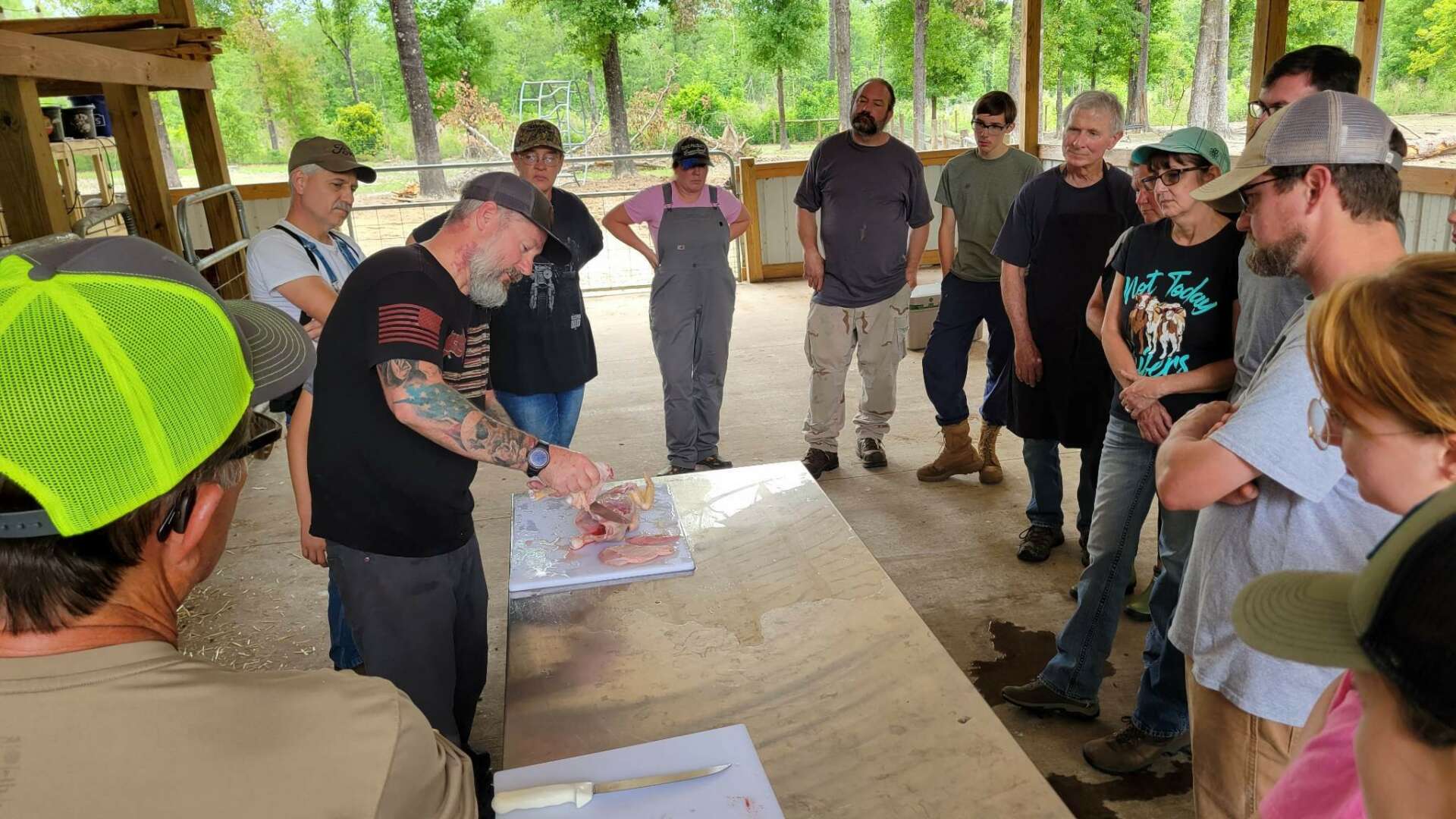
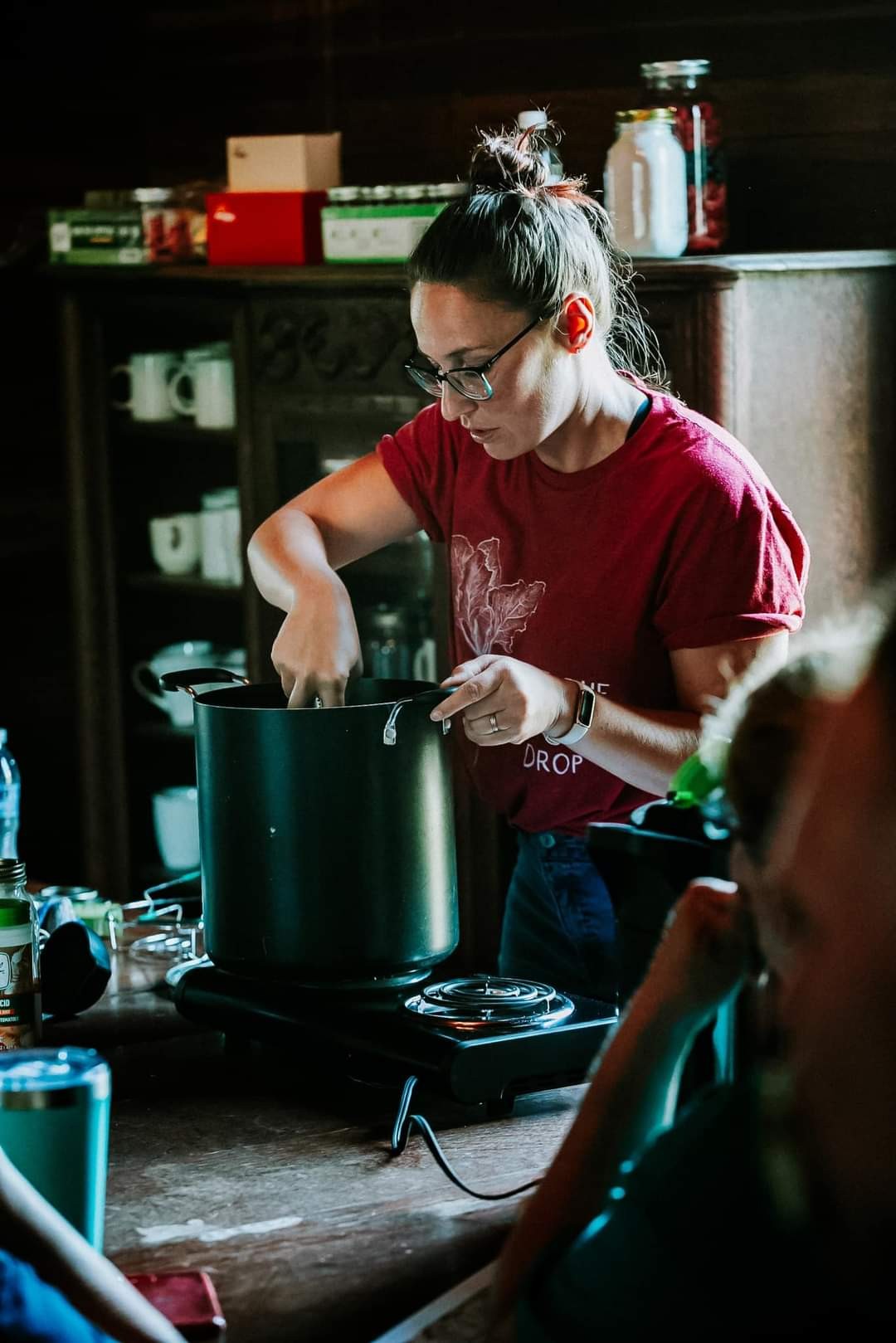
Both, Chip and I now teach “the old skills”, including raising, caring for and processing livestock, gardening along with food preservation, foraging, herbs & medicinals, sewing, knitting and more to our children and the local community. The classes we host on our farm and at different festivals are a hit with people who are looking to live a simpler and more sustainable life.
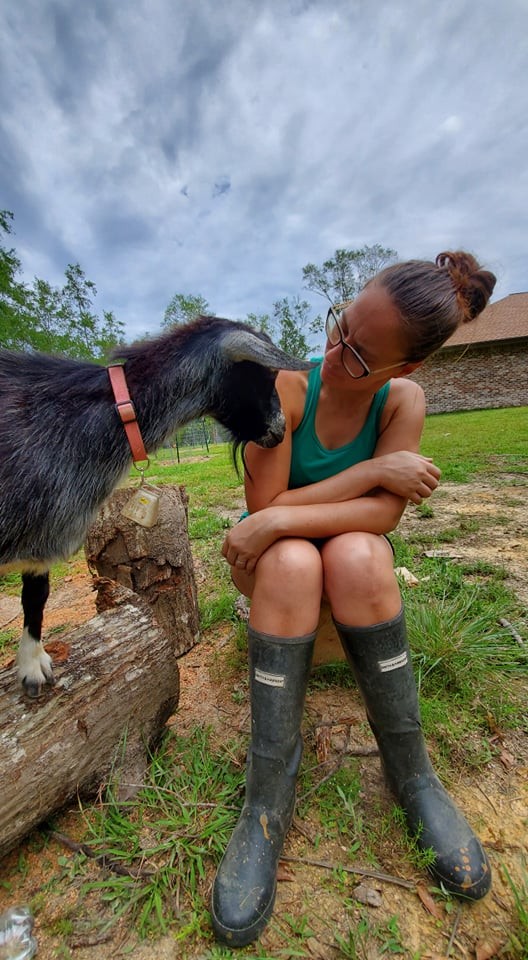
Our kids are a huge part of why the farm works the way it does and they are an amazing help. Amber (14) has taken on the official title of “goat lady” on our farm. We raise miniature goats and Amber does an amazing job taking care of the adults, as well as the babies. Though she knows the goat kids will all find new homes, she will not let this deter her from speinding time in the barn with them, playing, cuddling and even reading to them. When all kids are weaned, she then takes over all milking duties and has really taken on the whole goat operation as her business and takes pride in it and the products we can produce with the dairy.
Zach (12) is another huge part of how we make the farm work. Not only is he Chip’s biggest helper for anything related to mending, fixing, and building, Zach also has his own chicken operation. Zach was able to source some specialty breed chickens during a farm barter session and now is proudly raising Tolbunt Polish and Tolbunt Frizzle Polish chickens. He is building up his breeding stock, and sells chicks.
Let’s talk about resilience next – do you have a story you can share with us?
Having taken on the project of building up a more sustainable life included lots of research. Though learning and researching ahead of time were helpful in making some decisions on what type of livestock to add, what to plant and when, we definitely got carried away in our early stages. We wanted to move towards the end product as quickly as possible and added an enourmous amount of livestock to our little farm early on, without much experience, without infrastructure, without a bigger plan.
We learned many things the hard way and struggled through some tough times in building up our dream life. Not having infrastructure meant no containment for animals. No water lines meant hauling lots of water by buckets to keep livestock watered at all times. This became especially hard during the hot Florida summers. Over time, we made infrastructure a priority, which cut down in labor hours from hauling water and feed tremendously.
We also learned, that not all livestock, no matter how much we wanted to have it on our farm, was actually a good fit. Having been on the farm for three years now we have made many adjustments. We built structures, we ran water lines, we built fences, established pastures, and made some hard choices along the way.
Putting training and knowledge aside, what else do you think really matters in terms of succeeding in your field?
Both Chip and myself have full time careers away from the farm. This means, we only have very limited time to spend on farm projects, which are outside of our normal daily farm chores. Our kids are a big part of what we do. Carefully scheduled days help us in getting daily chores done. A To-Do-List helps keep track of all non-standard projects which need to happen when we have more then a few hours on hand to get things done.
Succeeding as a farmer or homesteader starts with a mindset. There are so many different approaches to farming and homesteading. We have definitely went through imposter syndrome. There are many families with different approaches ranging from full-time farm life, including complete self-sufficiency, off-grid living, and homeschooling to backyard gardeners who produce enough food for themselves and their neighbors.
We consider ourselves somewhere in between, but struggled to realize that, after all, we really are farmers and homesteaders, even though we do still rely on the grid for electricity, we work off the farm to finance the farm operation, and our kids go to public school.
The biggest lesson learned for us was that resilience and knowing yourself are important. Hard work and knowing when a break is necessary is important. Building a community of like-minded folks to exchange ideas, learn from and potentially bartering goods and services with, is important.
Contact Info:
- Website: www.hiddenoakshomestead.com
- Instagram: https://www.instagram.com/hiddenoakshomestead
- Facebook: https://www.facebook.com/hiddenoakshomestead
- Youtube: https://www.youtube.com/c/hiddenoakshomestead