

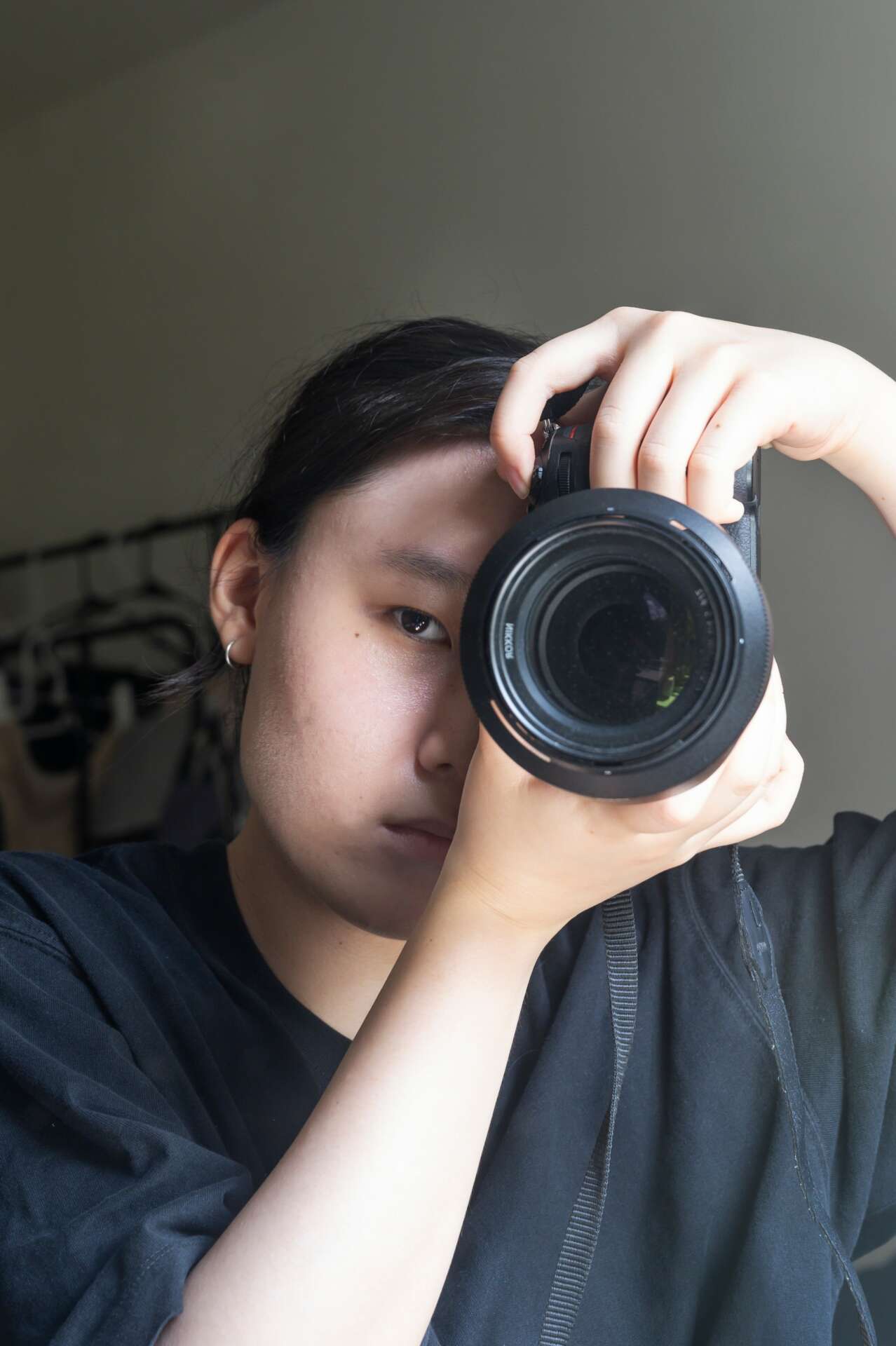

We caught up with the brilliant and insightful Chiho Ye a few weeks ago and have shared our conversation below.
Alright, Chiho thanks for taking the time to share your stories and insights with us today. Learning the craft is often a unique journey from every creative – we’d love to hear about your journey and if knowing what you know now, you would have done anything differently to speed up the learning process.
My journey into illustration and photography wasn’t a traditional learning process; I can’t claim I’m skilled in either. But I always have the urge to express, so I wanted to create from my feelings and emotions. I am sensitive and sentimental, but an extreme introvert. Writing makes me overly self-conscious and speaking to the public scares me. So I seek for another way to convey my mind—through visuals. My drive to express myself led me to explore illustration and photography as windows to convey my emotions and perceptions.
Back in high school, the concept of “illustration” was unfamiliar to me. I only knew that I like to draw, to tell stories through the little figures I created and the worlds I built in my mind. It was only when I had to choose a major for college that I discovered illustration is a formal field of study, and a profession. Like many artists, I experimented with various mediums—oil paint, watercolor, gouache, ink, pastel, and digital art—before finding my voice in color pencil. And like any other artists I spent years and still am, developing a personal artistic style.
As for photography, it entered my life much earlier, back in elementary school when I would play around with my parent’s camera. However, it wasn’t until my freshman year in college, during the pandemic, that I took it seriously. I was bored trapped in the house and I saw this online photography course one day and thought: Why not? I’m taking online classes anyways so why not one more? That’s when I started to learn how to properly use a camera.
Despite the apparent differences between these two mediums—one traditional and 2D-based, the other digital and lens-based—their storytelling potential captivates me as a visual artist. They serve as my chosen language to communicate what I see and feel, offering unique windows into my inner world.
As always, we appreciate you sharing your insights and we’ve got a few more questions for you, but before we get to all of that can you take a minute to introduce yourself and give our readers some of your back background and context?
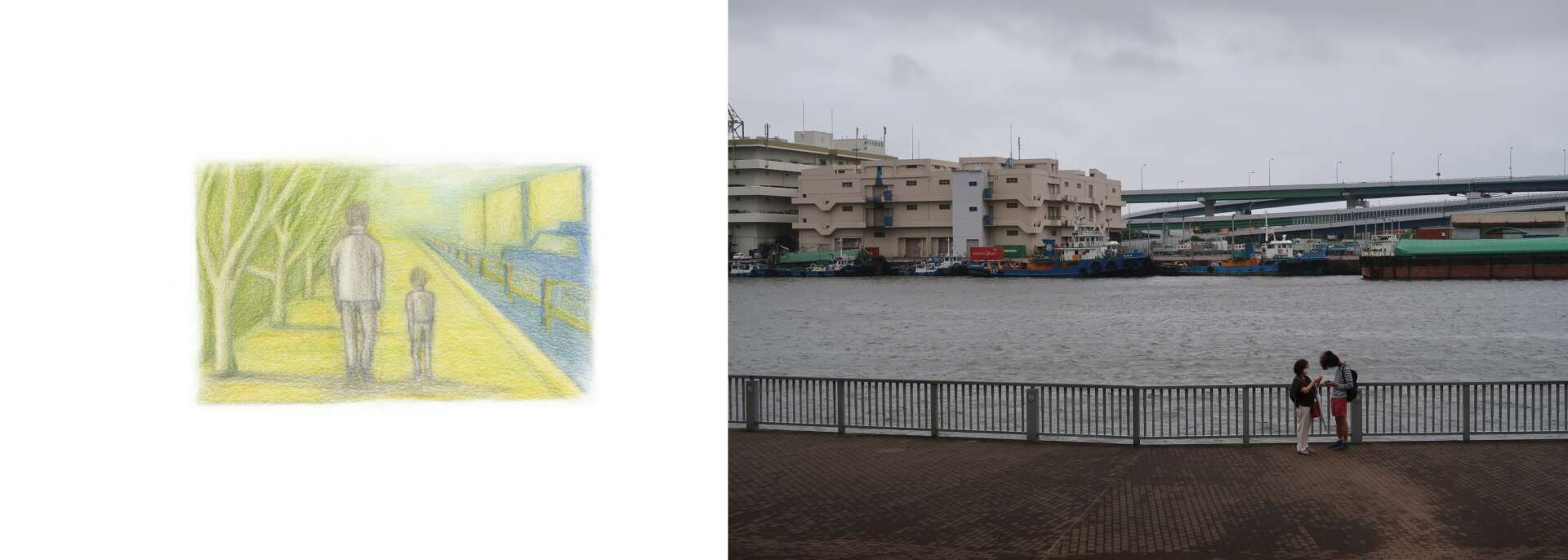
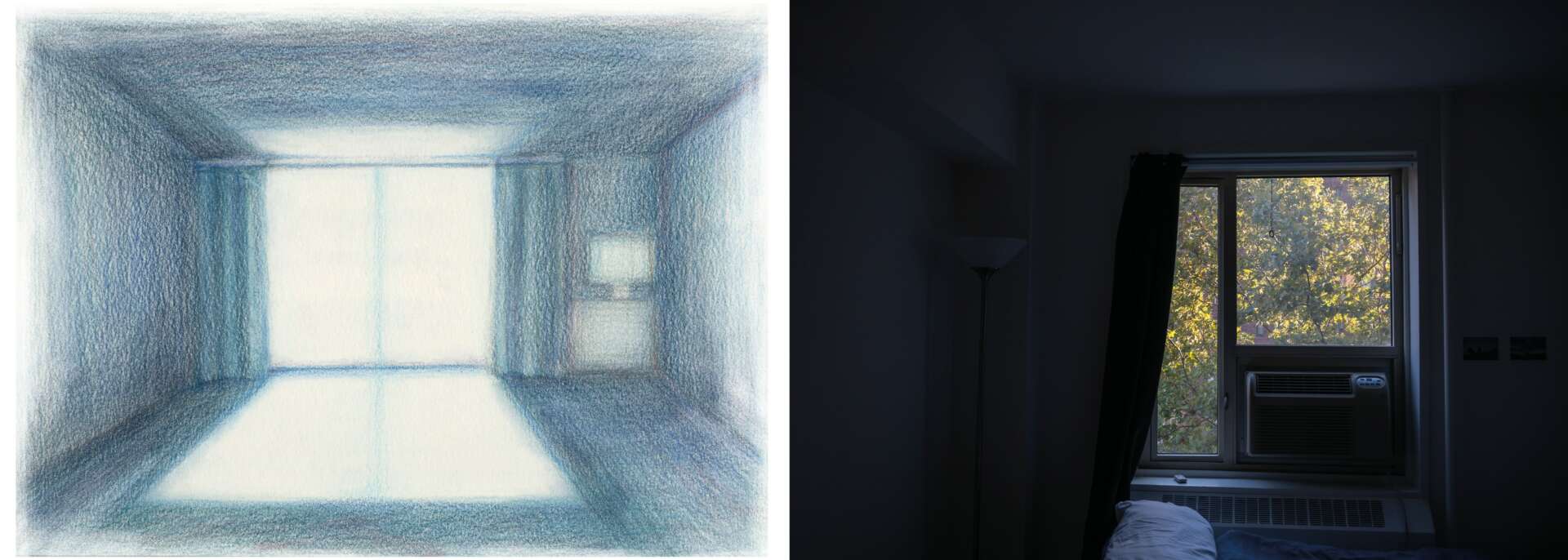
Hi, I’m Chiho. I’m an illustrator and photographer from Tokyo and Shanghai, currently working and living in New York. My hobby is to observe my surrounding environment and people. And I like to capture the subtle ambiences and intimate human emotions using illustration and photography. My art explores notions of mental health, memory, nostalgia, and nature. I especially like the concept of memory, which was the main theme of my most recent project, KOMOREBI.
木漏れ日, pronounced as “komorebi”, is a Japanese word meaning “sunlight filtered through tree leaves”. To me it resembles how memory works: What I can remember, are memories filtered through time. Those fragments of memory might not hold profound significance in my life, yet they’ve managed to resonate with me through time and remain etched in my mind.
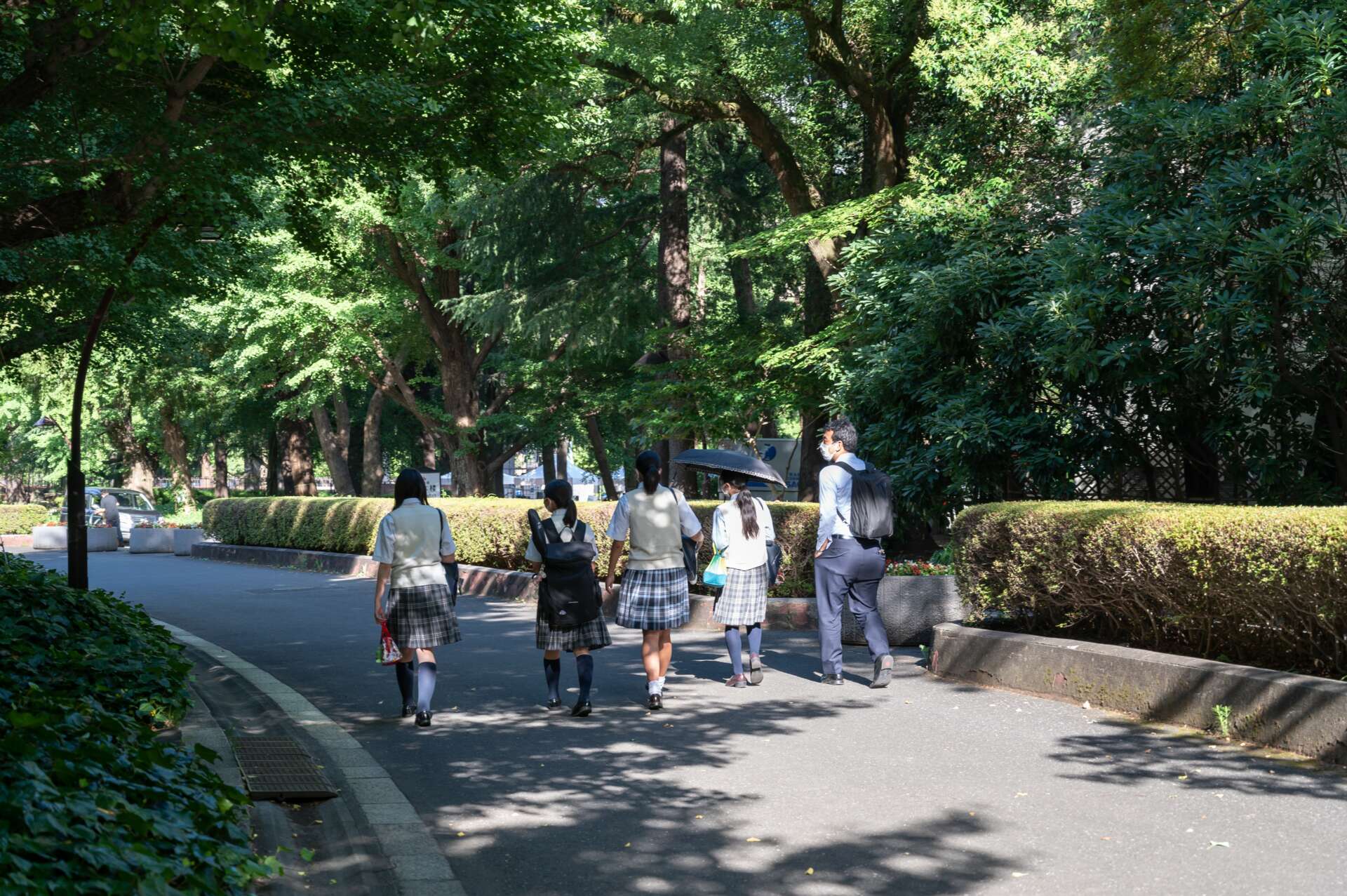
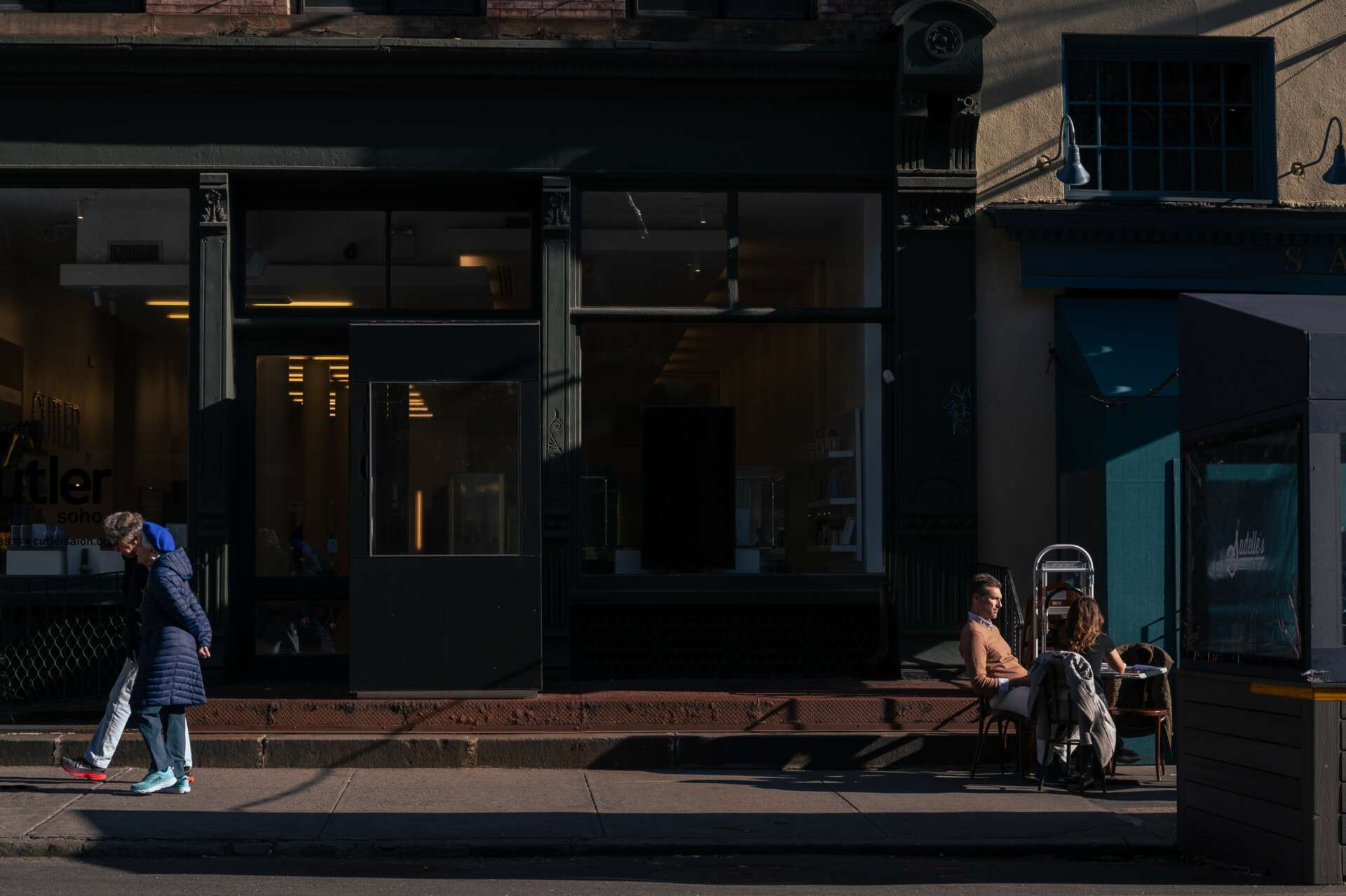
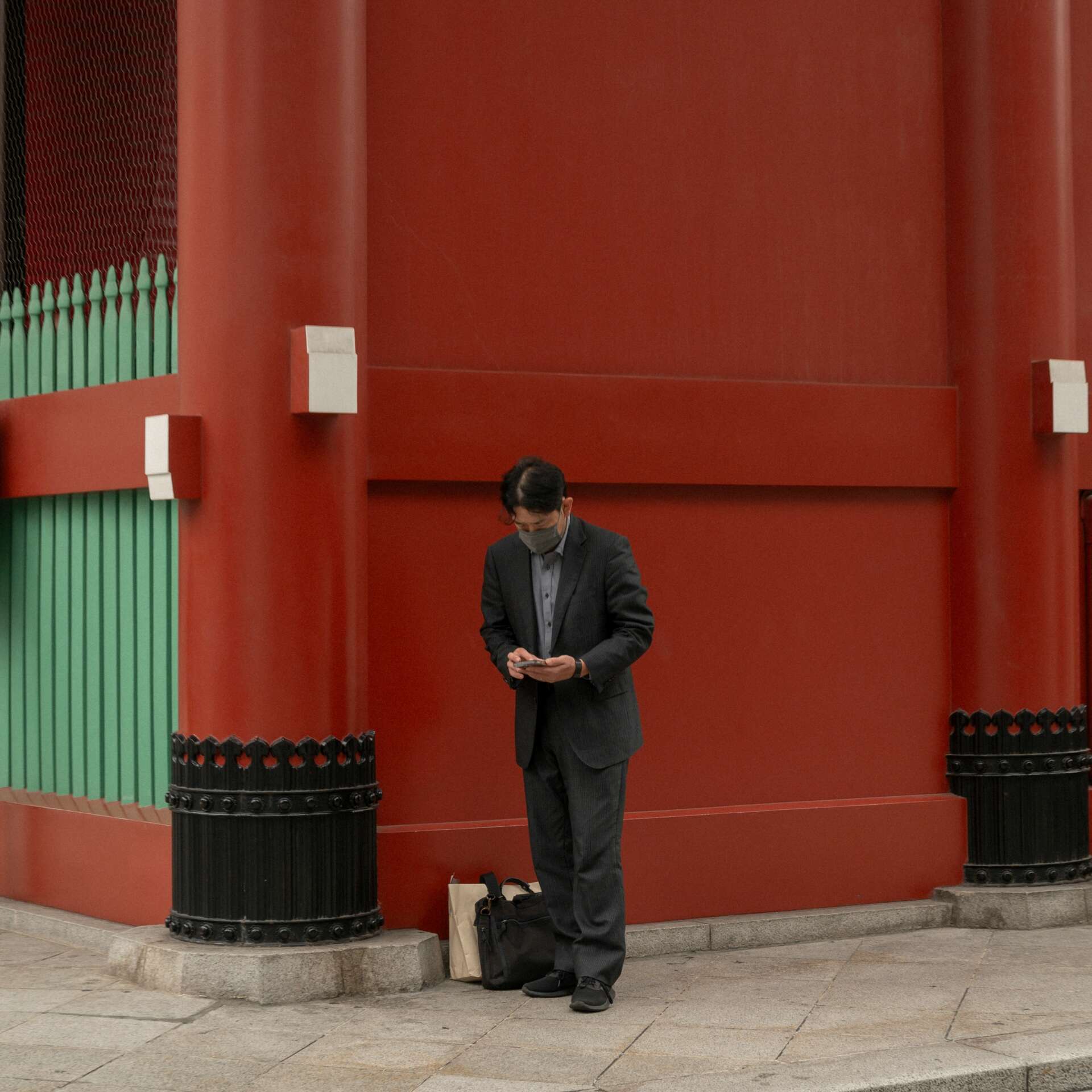
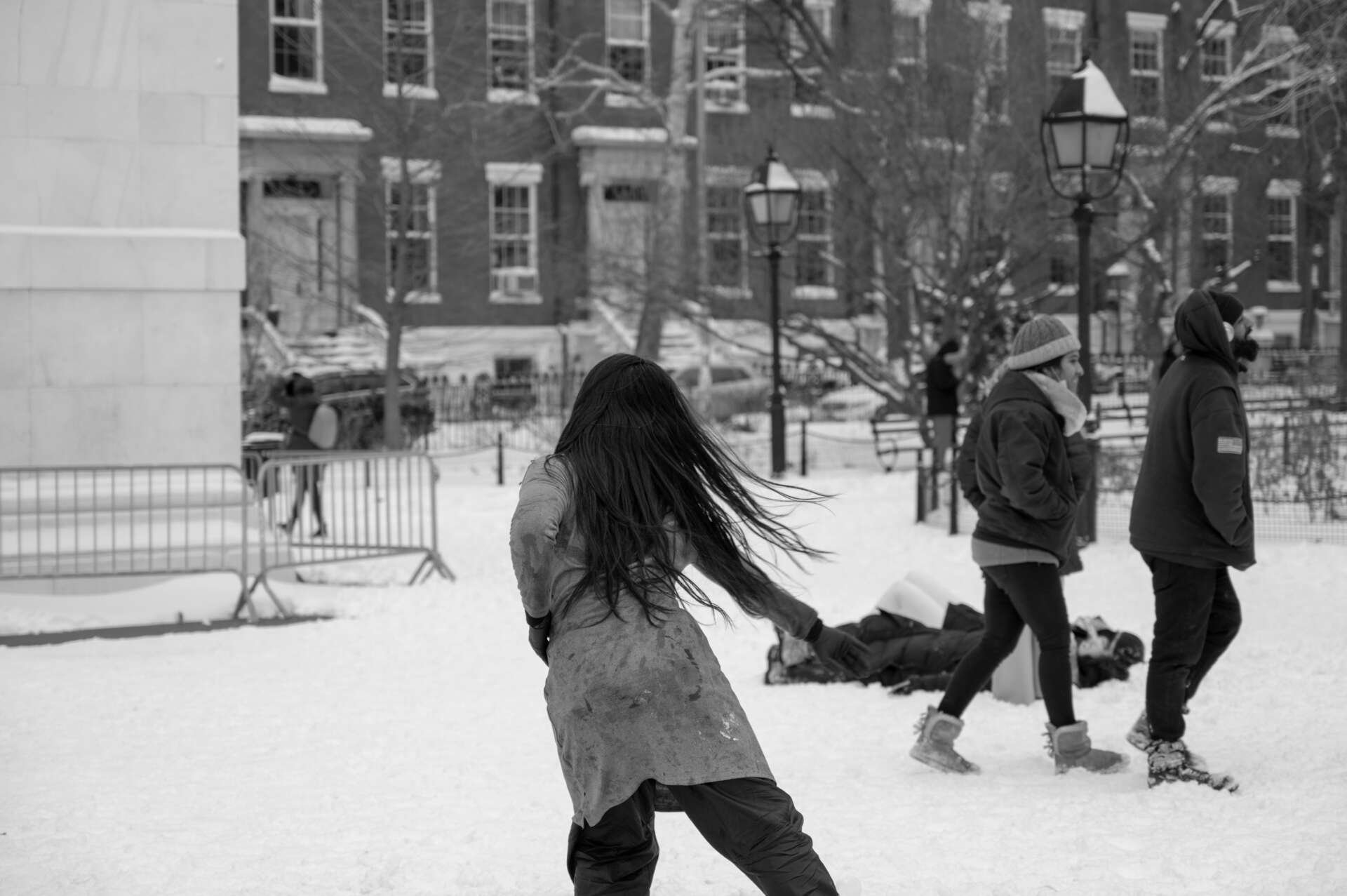
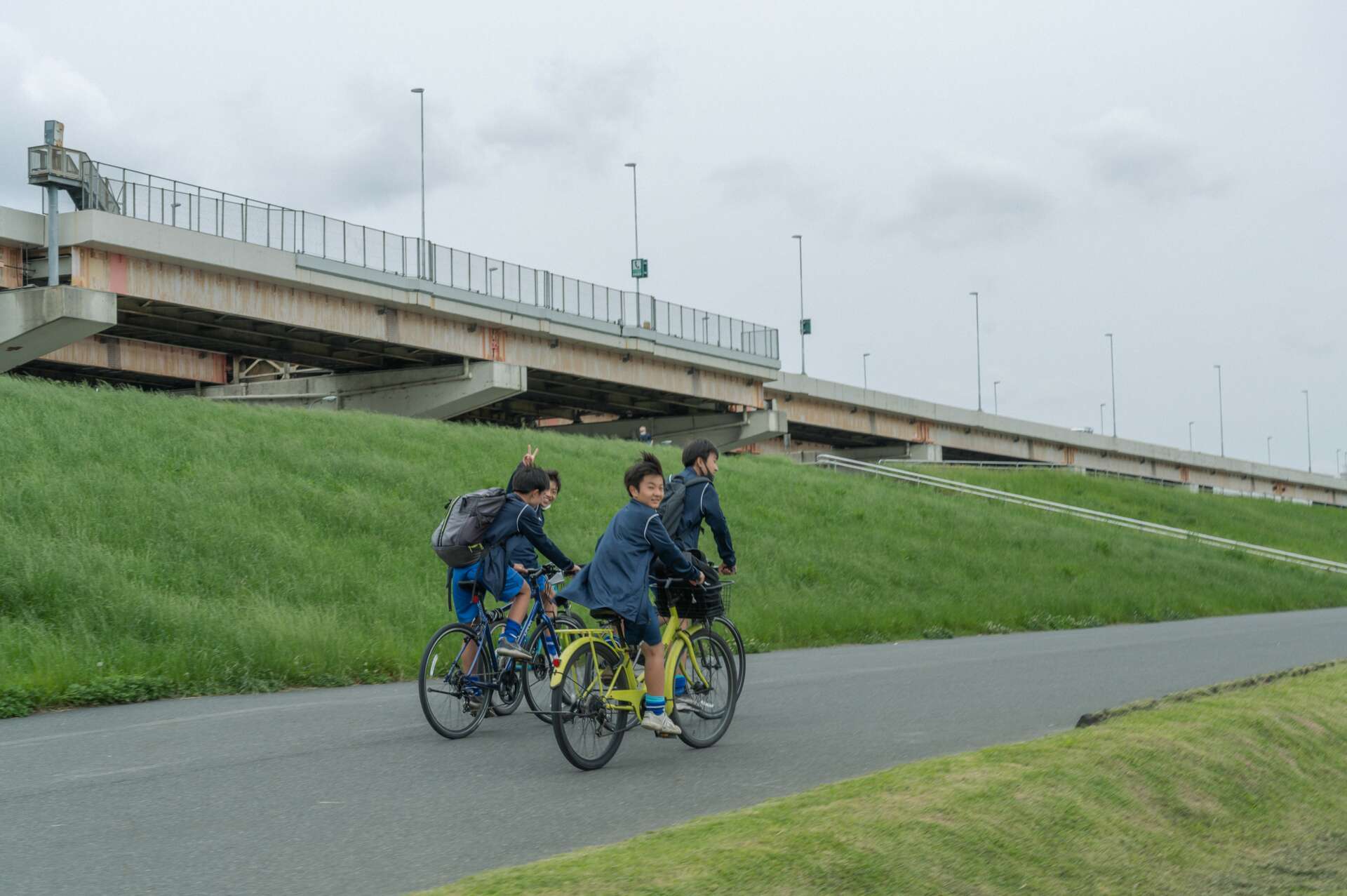
KOMOREBI is an illustration and photography book that records the two cities I share the deepest emotional connection: Tokyo and New York City. I did many photowalks in both cities, revisited my favorite spots and exploring new places. The streets, nature, people, food, every photo and illustration in this book carries a story, transforming the book into a portal. When I look at them, they send me across space and time to the moment when I pressed the shutter.
Time and memory are such an interesting pair. Time has a way of softening the impact of negative experiences, making them appear less severe than they once were. Creating this book was a challenging journey, I spent days and nights designing the layout, determining the order of photos to weave a coherent narrative, and experimenting with various binding methods. But one of the goals of making this book is that when I leaf through this book in the future, it will remind me of the photo walks I did in the two cities, the people who helped me realize this book, and the time my life was between the book binding studio, print labs, and home.
What’s the most rewarding aspect of being a creative in your experience?
I think the most rewarding aspect is witnessing someone resonate with my works.
My works are deeply personal, drawing directly from my memories and experiences. Some are childhood memories that even I can only vaguely remember and others might be understood only by those who share a similar background. Thus, it means a lot when people tell me how they enjoy my works, and specifically which part they resonate the most.
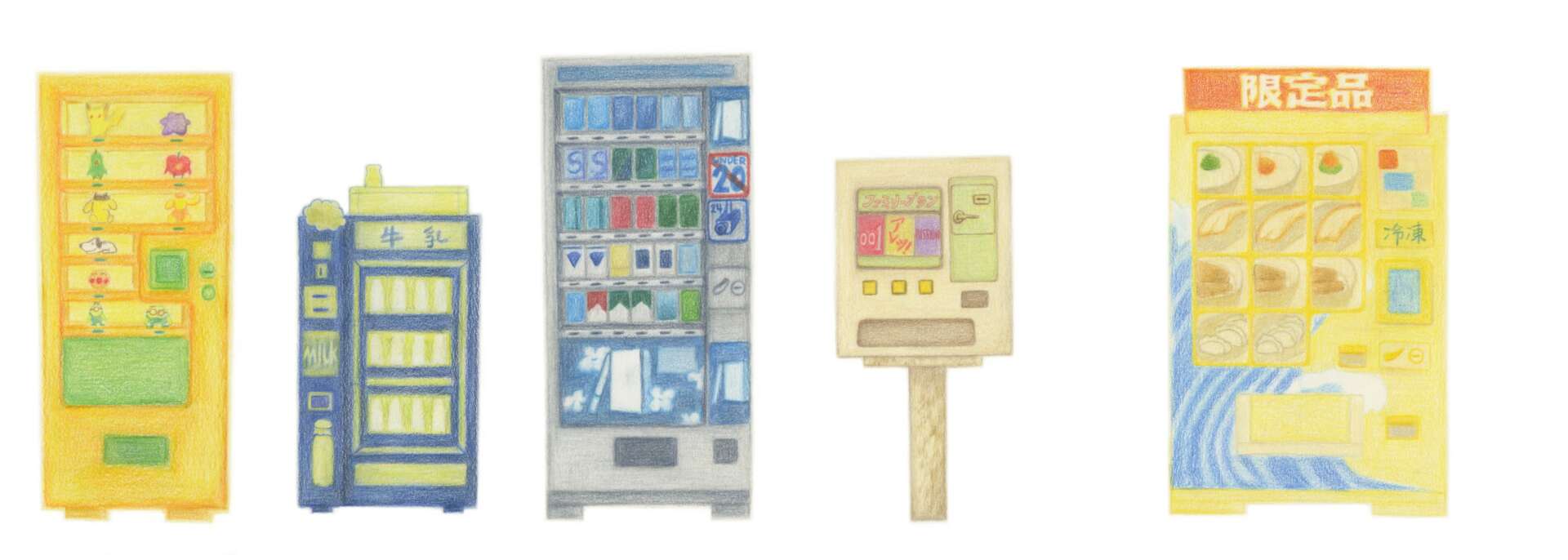
In the book KOMOREBI, for instance, there’s a spread where I illustrated 5 of the most unique vending machines I came across in Japan, and people who traveled to Japan would tell me that they also liked the colorful vending machines there. And a friends said the illustrations and photos of Japan made her feel warm and nostalgic even though she’s not from Japan. Or, when another friend came to tell me that they felt calm after reading some of the writings I did for the book. It is not the compliments on the drawings or photos that motivate me. What I truly value and appreciate are people’s emotional reactions—how my works make them feel warm or sad, how they serve as reminders of their own experiences or evoke their precious memories. These emotional connections are what I find most meaningful as an artist.
Is there mission driving your creative journey?
I think my answer to this question really ties with the last one. During one semester in college, I made an animation project which I talked about many challenging experiences growing up in a traditional Asian family. This included being subjected to gender stereotypes, being dressed in red and pink so that I look like a “girl”, and thus I became repulsive to those colors. I also shared my traumas, that I became averse to physical interactions, even simple as a handshake or a hug because adults, especially men, liked pinching my face and teasing me for being “chubby and cute” as a child.
After this class screening, I received a text from a classmate, another Asian girl, who I rarely interacted with during class. She said that she cried in the middle of the screening because she resonated so much with my story. It was a pivotal moment in my life, as an artist. I didn’t expect anyone would care about my personal stories. I thought I created the animation solely for myself, as a form of catharsis, to reveal the secrets I had kept hidden all my life. But knowing that someone was actually listening and even shared the same feeling was profound. I took a screenshot of that conversation, keeping it even after changing my phone, as a reminder of the impact of my work, my voice, can have on others, even when I thought they are insignificant.
Contact Info:
- Website: chihoye.com
- Instagram: Photography: @un_obliviate Illustration: @chiho_leaves
- Linkedin: www.linkedin.com/in/chiho-ye-561a91279