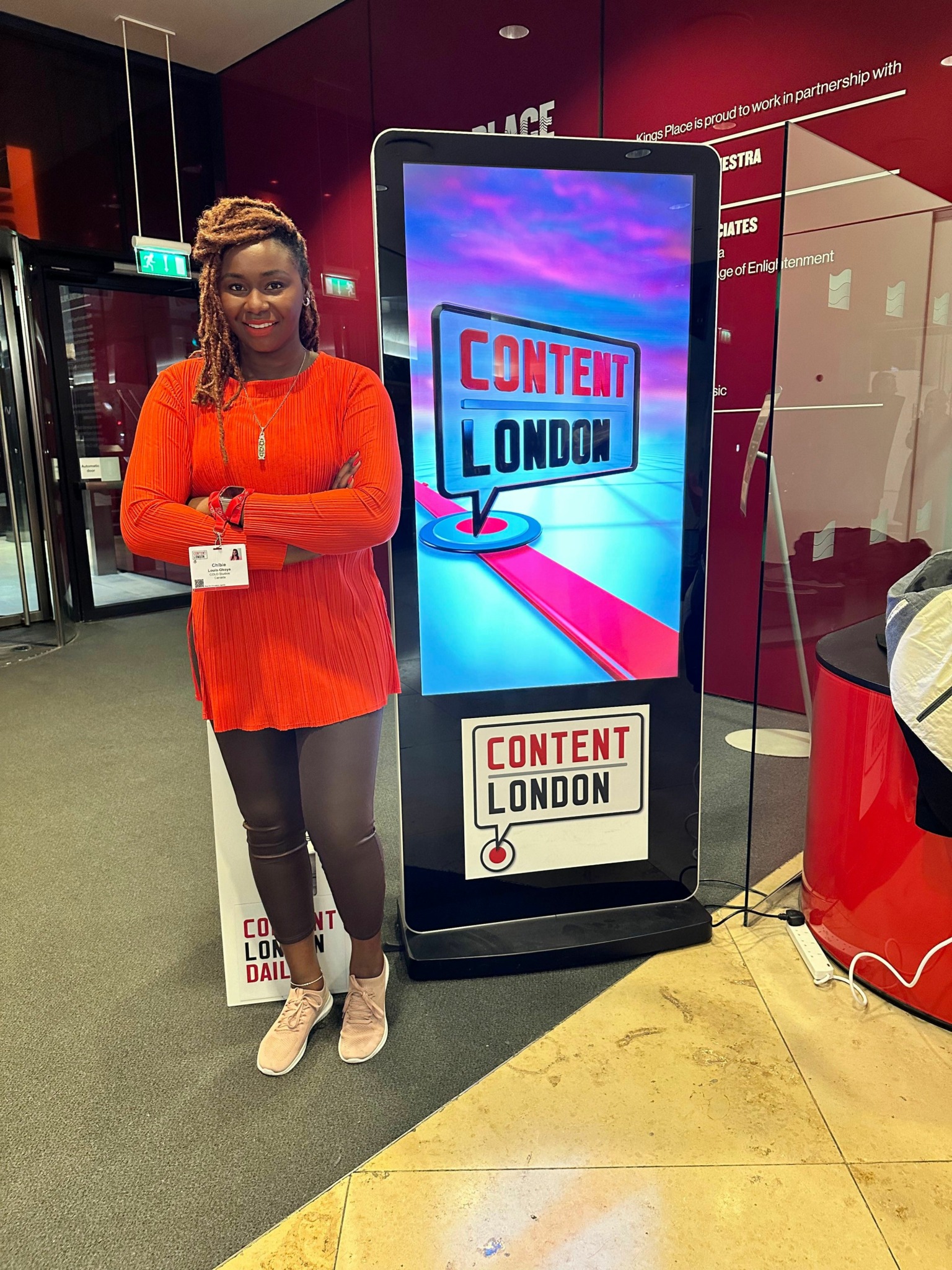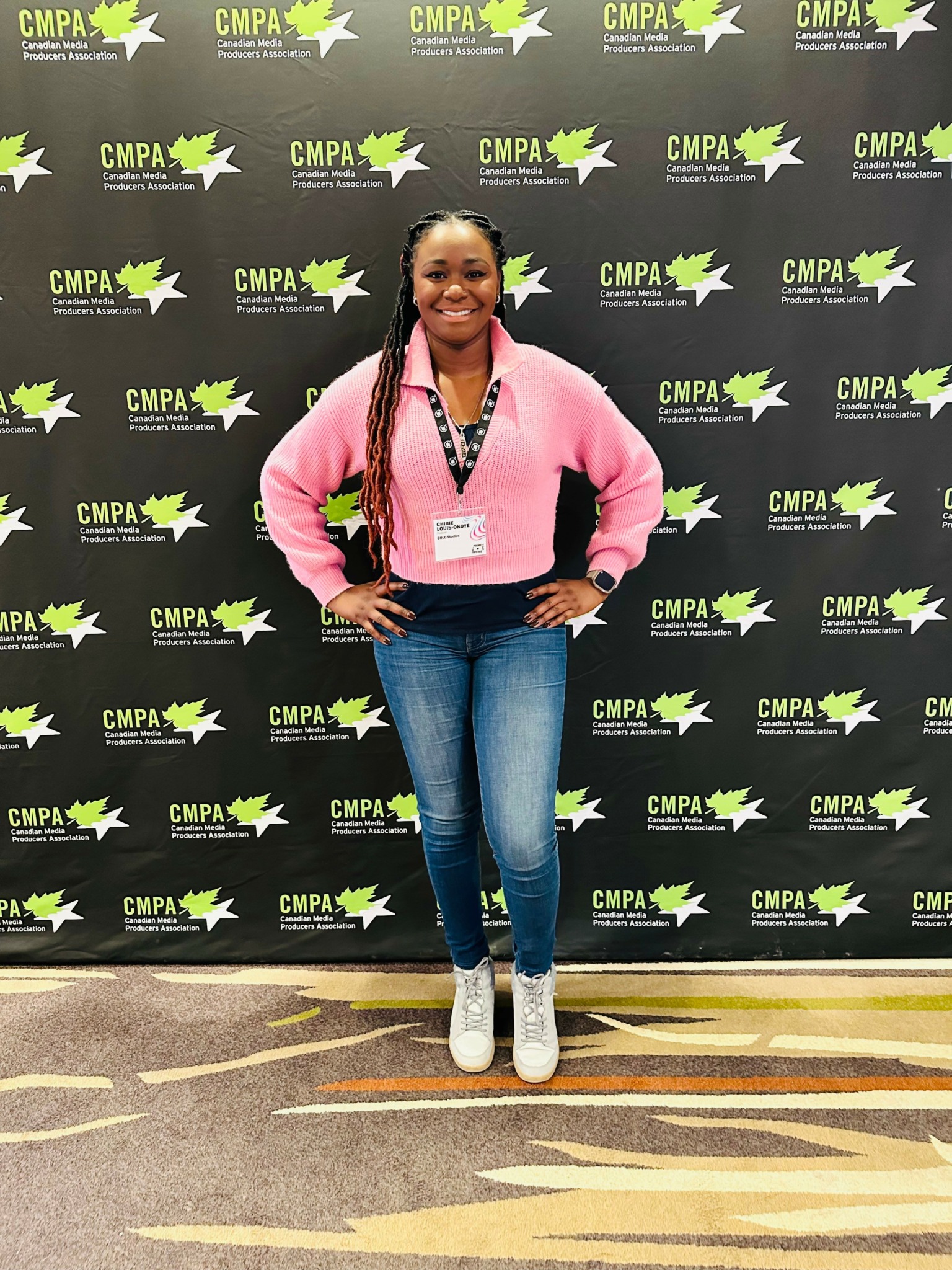

We were lucky to catch up with Chibie Louis-okoye recently and have shared our conversation below.
Hi Chibie, thanks for joining us today. It’s easy to look at a business or industry as an outsider and assume it’s super profitable – but we’ve seen over and over again in our conversation with folks that most industries have factors that make profitability a challenge. What’s biggest challenge to profitability in your industry?
The biggest challenge to profitability in this industry—at least in Canada—is simply getting the material made in the first place. It’s a cycle rooted in the heavy dependence on soft money. By “soft money,” I mean grants, which are the lifeblood of most productions here. These grants are supposed to fund projects that eventually get sold to broadcasters, streamers, or distributors.
But here’s where it gets tricky: the competition for these grants is fierce. There are so many hands reaching out for the same limited pool of funding. And even when you secure one, it comes with restrictions—how you can use it, where you can use it. So, you’re constantly stretching that dollar to make it work. By the time you’re done producing, you’re often just trying to break even, let alone turn a profit.
Then comes the next challenge: selling your work. This is where the economics gets even more complicated. Say you sell your project to a broadcaster. If their platform only reaches, for example, 100,000 viewers, what’s the value of your work? And does it justify the cost of producing it? Add to that the fact that you need advertising money or additional revenue streams to even approach profitability.
Let me give you an example. You spend months—sometimes years—developing and producing a project. You’ve paid your crew, your cast, and all the associated costs in and when you’re adding up what it takes to break even, you realize the audience size isn’t there, or the platform’s licensing fee barely covers production costs. This mismatch between production costs and the economic return is a massive hurdle.
It’s a unique ecosystem with its own challenges. From securing the grants to getting the work done, to selling it in a way that reflects its true value, every step requires a delicate balance. And honestly, it’s a lot of economic massaging to make budgets work and ensure everyone gets paid.
As I go along my learning journey, I find this reality is prevalent for independent producers. It’s not for the faint of heart, but it’s also why every successful production feels like such a huge victory, and it certainly is.
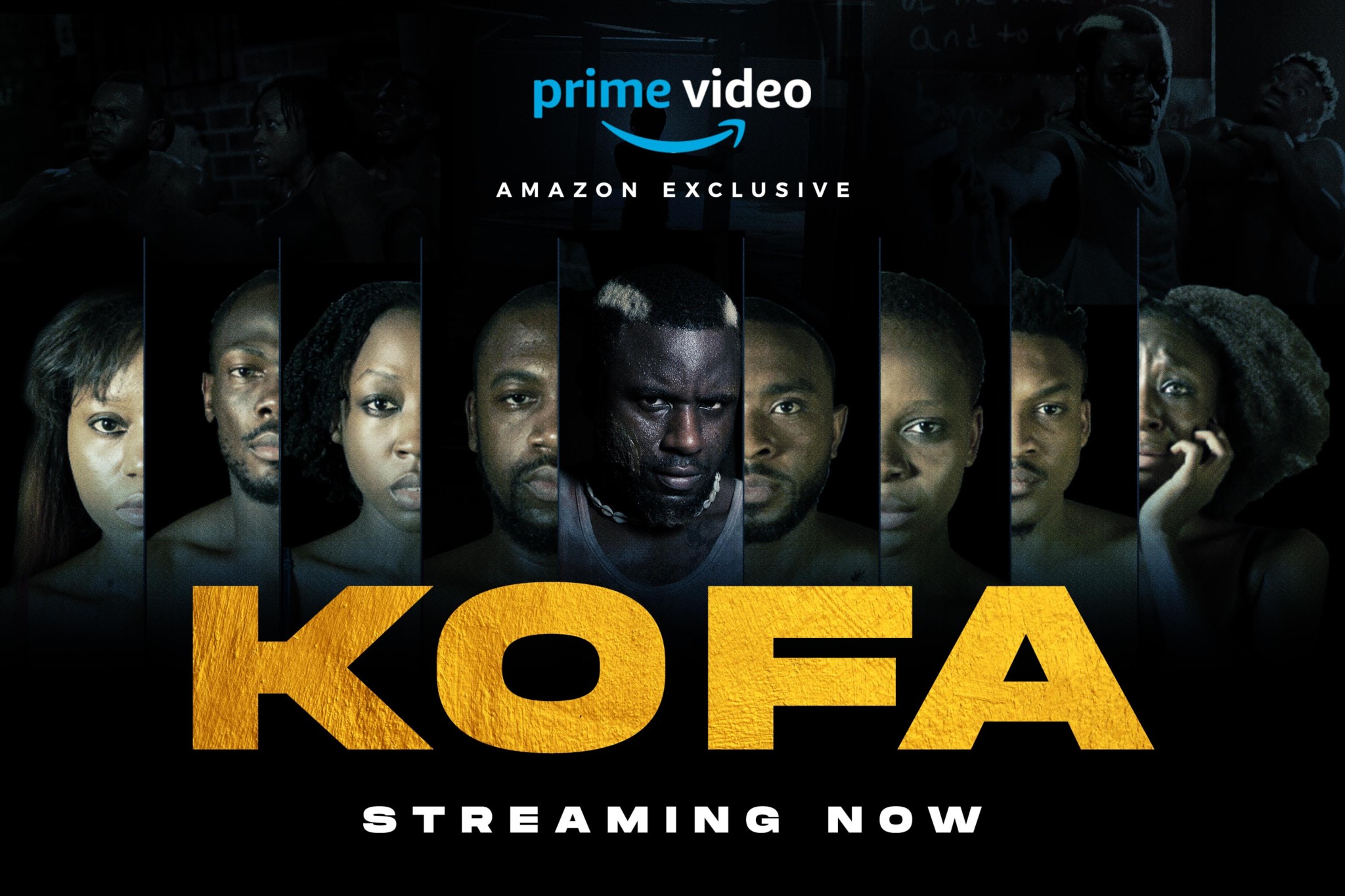
Awesome – so before we get into the rest of our questions, can you briefly introduce yourself to our readers.
Growing up, I was the kid who fell in love with stories. Whether it was books, TV shows, or movies, I consumed them all with a curiosity that couldn’t be quenched. Back then, I didn’t see storytelling as a career—it was just something I loved. Fast forward to my university years, I began to dabble in creative projects—producing student films, working behind the camera, and organizing creative events. It was pure exploration, with no big plan in mind, but I was steadily laying the foundation for what was to come.
After university, I dove headfirst into the industry, taking every opportunity I could—big or small. I worked on sets, ran errands, shadowed professionals, and did whatever was necessary to learn. I eventually landed a position on Planet Africa TV, the longest running African show of its kind in Canada.
Fast forward to years later, I took on producing a major project and sought formal training at Reelworld Screen Institute. I surrounded myself with mentors— people who were willing to answer the tough questions, the kind that could save you from costly mistakes. It wasn’t just about education; it was about positioning myself for growth. So I took on opportunities that allowed me to serve others. People often said, “At this stage in your career, why are you doing this?” But I understood that without a solid understanding of the moving parts, building something sustainable would be nearly impossible. So, I embraced it all with humility.
Then came a pivotal realization: My Nigerian background held an untapped wealth of stories. Growing up, it was to be taken for granted because I lived it and didn’t need to identify our differences. Now I see how much the world yearns for fresh perspectives, especially from Africa. That’s where COLO Studios shines. Our vision is to center the African experience on the world stage. Whether it’s in the themes, the characters, or the settings. I want our projects to help audiences around the world reimagine Africa.
But it’s not just about the storytelling. I’m big on economic impact. If we’re taking stories from the region, we must be committed to remunerating its talents appropriately .It’s about ensuring that the people who work on our projects are elevated—professionally, economically, and creatively. Can they take on bigger projects after working with us? Can they look back and see the growth they’ve experienced? That’s the kind of legacy I want COLO Studios to build.
And honestly, that’s what I’m most proud of—the clarity of this vision. Of course, the vision will evolve, as all great ones do, but we’re on the trajectory we want to be on. We’re here to facilitate compelling stories, make an impact, and contribute meaningfully to the creative economy. So, help us God.

What do you think helped you build your reputation within your market?
If I had to summarize it in one word, it’s authenticity.
From the very beginning, I knew I wanted to be more than just a name in the industry—I wanted to build trust and relationships. And for that to happen, I had to be authentic in everything I did.
It started with clarity. I’m clear about the kinds of projects I want to take on. African narratives with a global heartbeat. This clarity of purpose shaped my decisions, from the projects I took on in the past, to the collaborations I pursue. When people see that you’re clear about your vision, they want to align with you.
But clarity alone isn’t enough; you need to be dependable. Integrity became my guiding principle—delivering quality work, keeping my word, and treating every collaboration with respect. I didn’t just show up for the big moments; I showed up consistently so long as it was relevant whether it was attending international markets, conferences, networking events, contributing to panels, or taking time to mentor younger filmmakers. Over time, people began associating my name with commitment, quality, and passion.
What also helped was my focus on relationships. This industry is tough, but it’s also full of opportunities to connect with like-minded individuals. I didn’t just network to get ahead; I genuinely built friendships and partnerships that have been lasting through the years.
At the end of the day, people remember how you made them feel. And I’ve always strived to leave people with the confidence that they can trust me—not just as a professional, but as a person.

Do you have any insights you can share related to maintaining high team morale?
Managing a team is a lot like directing a film—you’re bringing together a group of unique talents, each with their own strengths, and guiding them towards a shared vision.
The first thing I’ve learned is that clarity is everything. When you’re leading a team, they need to know what they’re working towards and why. I make it a point to communicate the big picture clearly—it’s not just about the tasks; it’s about the story we’re building together.
Then comes trust. I’ve seen firsthand how much people thrive when they feel trusted and empowered. I’m not the kind of leader who micromanages. I believe in hiring the right people, setting expectations, and letting them shine in their roles.
But it’s not all about work. I try to create a culture where we celebrate the little wins, laugh through the tough days, and genuinely care about each other. On one project, for example, we started a quirky tradition of “set shoutouts”—every Friday, the crew would gather, and we’d publicly appreciate someone who went above and beyond that week. It’s small things like that that make people feel valued.
Finally, I’ve learned to listen. Teams thrive when they feel heard. Whether it’s feedback about a production process or personal concerns, I make it a priority to keep those communication channels open.
In short, managing a team is about striking that balance—giving them direction while giving them room to grow, pushing for excellence while creating a space for joy. When you get it right, the results are magic.
Contact Info:
- Website: https://www.colostudiosinc.com/
- Linkedin: https://www.linkedin.com/company/colostudios/posts/?feedView=all