

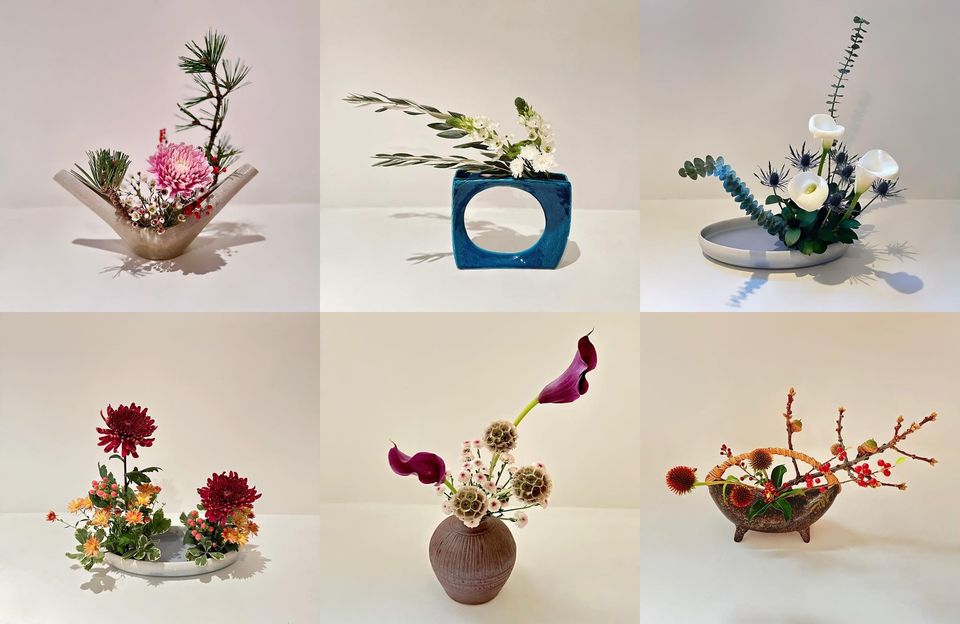

We recently connected with Chiaki Torisu and have shared our conversation below.
Chiaki, looking forward to hearing all of your stories today. Do you think your parents have had a meaningful impact on you and your journey?
When I was a child, my father taught me how to connect with nature in a way that left a lasting impression on me. One lesson I vividly remember is when he introduced me to the fascinating tradition of spider fights. He would catch a spider from the grass and place it on either side of a tree branch, forming a T-shape. Then, he would release both spiders and watch them compete, testing their strength. The fight ended when one spider managed to wrap the other in silk—marking its victory. My job was to gently untangle the silk from the defeated spider and release it back into the wild. From this, I learned not only how to handle spiders and insects without fear, but also to admire their resilience and dependability. Through these simple but profound moments, my father taught me that while we should marvel at the wonders of nature, it is equally important to leave creatures as undisturbed as possible when we interact with their world.
My mother, on the other hand, spent her early adulthood working as a Japanese-English interpreter. About 60 years ago, through her interactions with foreigners, she gradually built her own identity in Japan, a country with such a unique culture. While she loved Western culture, she also developed a deep interest in traditional Japanese arts such as ikebana, Japanese dance, and kimono dressing. Growing up, I was exposed to both Western influences and Japan’s rich cultural heritage, and through this fusion, I have passionately promoted ikebana in New York. The lessons I learned from my father about respecting and appreciating nature align beautifully with the spirit of ikebana. Both emphasize harmony, balance, and the importance of returning to the natural world with gratitude and respect.
Awesome – so before we get into the rest of our questions, can you briefly introduce yourself to our readers.
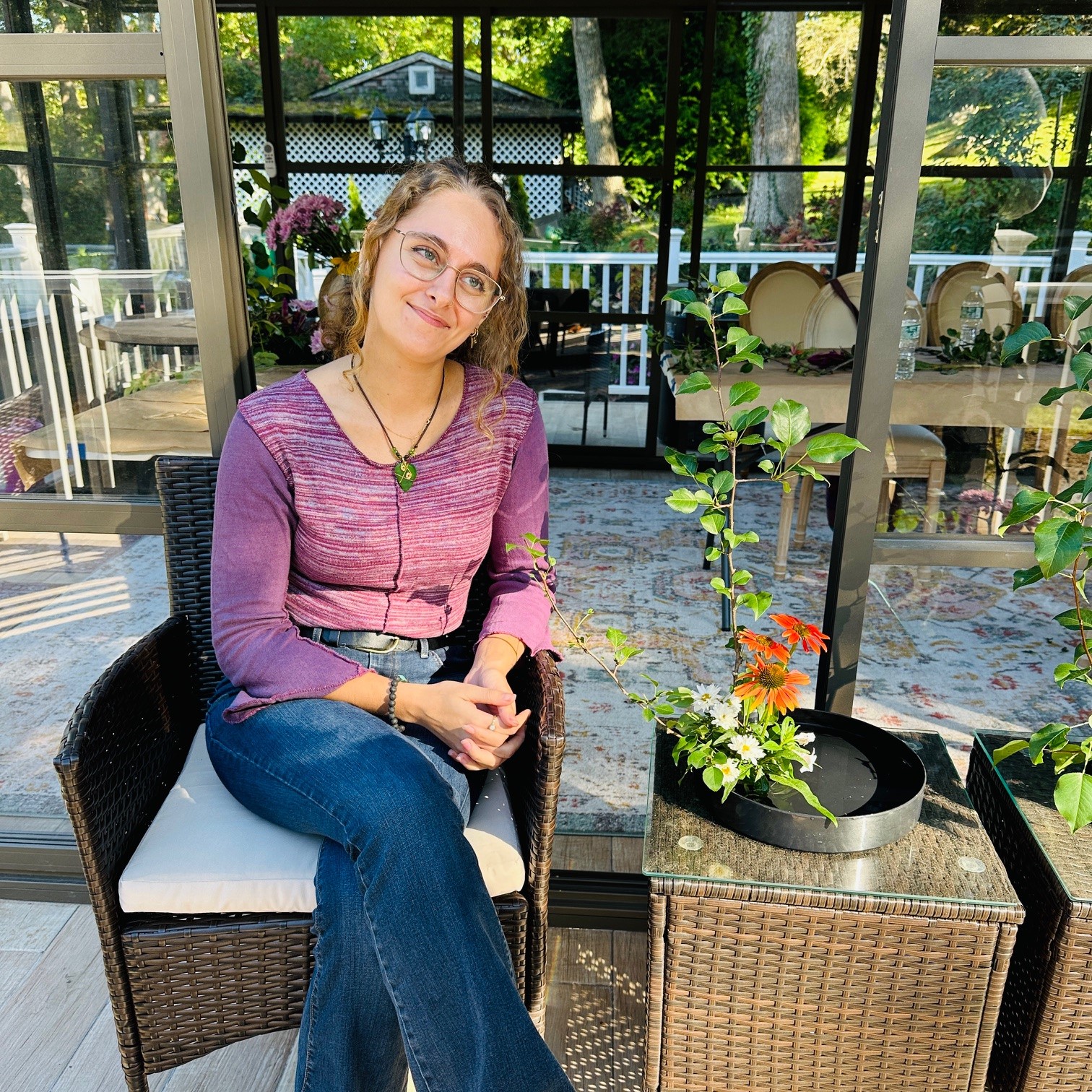
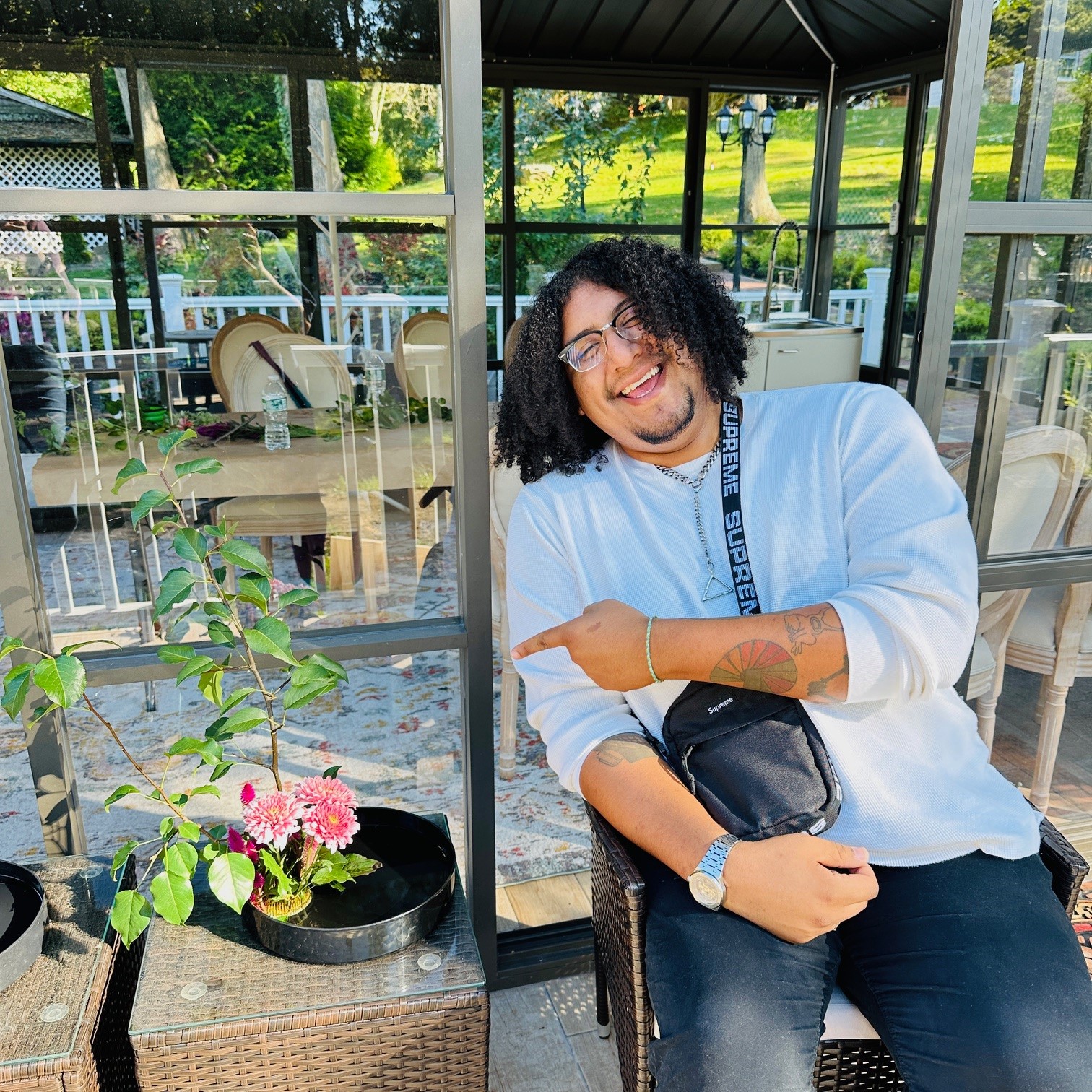
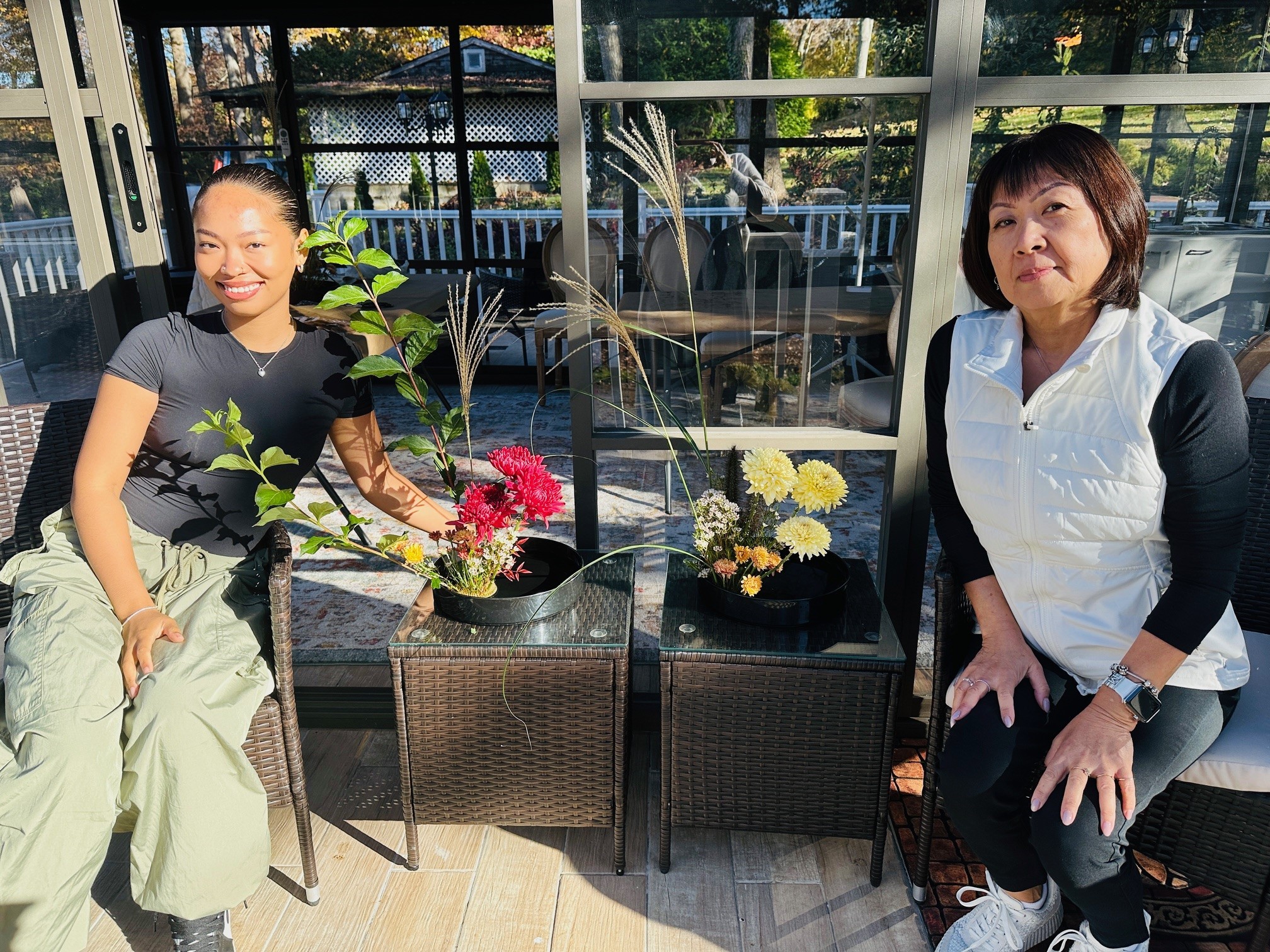
I have the privilege of teaching Ikebana, the traditional Japanese art of flower arranging, in the Sogetsu style. Every weekend, I hold private lessons at a studio on Long Island, and I also have the opportunity to teach local school students as part of my work. One of the highlights of my teaching journey has been collaborating with Midori & Friends, the foundation of renowned violinist Midori Goto, which offers programs to introduce Japanese culture to elementary school students in New York. Through this program, I had the honor of teaching third-grade students, sharing the beauty of Ikebana with the next generation.
What I am most proud of is the chance to bring the elegance of this Japanese tradition to the U.S. and to build meaningful connections with people from all walks of life through the art of flower arranging.
Is there a particular goal or mission driving your creative journey?
Of course, there is a purpose. One is to let more people know about ikebana here in the United States. The other is that people’s enjoyment of the seasons through ikebana (flowers) will become as universal as going to the beauty salon. I believe that if people could enjoy and appreciate the seasons by arranging flowers in their homes at the same level as tidying up their rooms, it would give more leeway to everyone’s life.
What’s the most rewarding aspect of being a creative in your experience?
The charm of flowers contributes to creating positive energy. By arranging flowers in Ikebana, you can send a positive message to those who view them. The message conveyed through flowers may become a source of healing and inspiration, and I feel honored to be able to be a part of that process.
Contact Info:
- Website: https://a-moment-of-ikeban.square.site/
- Instagram: https://www.instagram.com/kumamushi88/
- Facebook: https://www.facebook.com/chiaki.torisu/
- Linkedin: https://www.linkedin.com/in/chiaki-torisu-0575b3143/
- Yelp: https://www.yelp.com/biz/ikebana-sogetsu-by-senyo-mill-neck-2
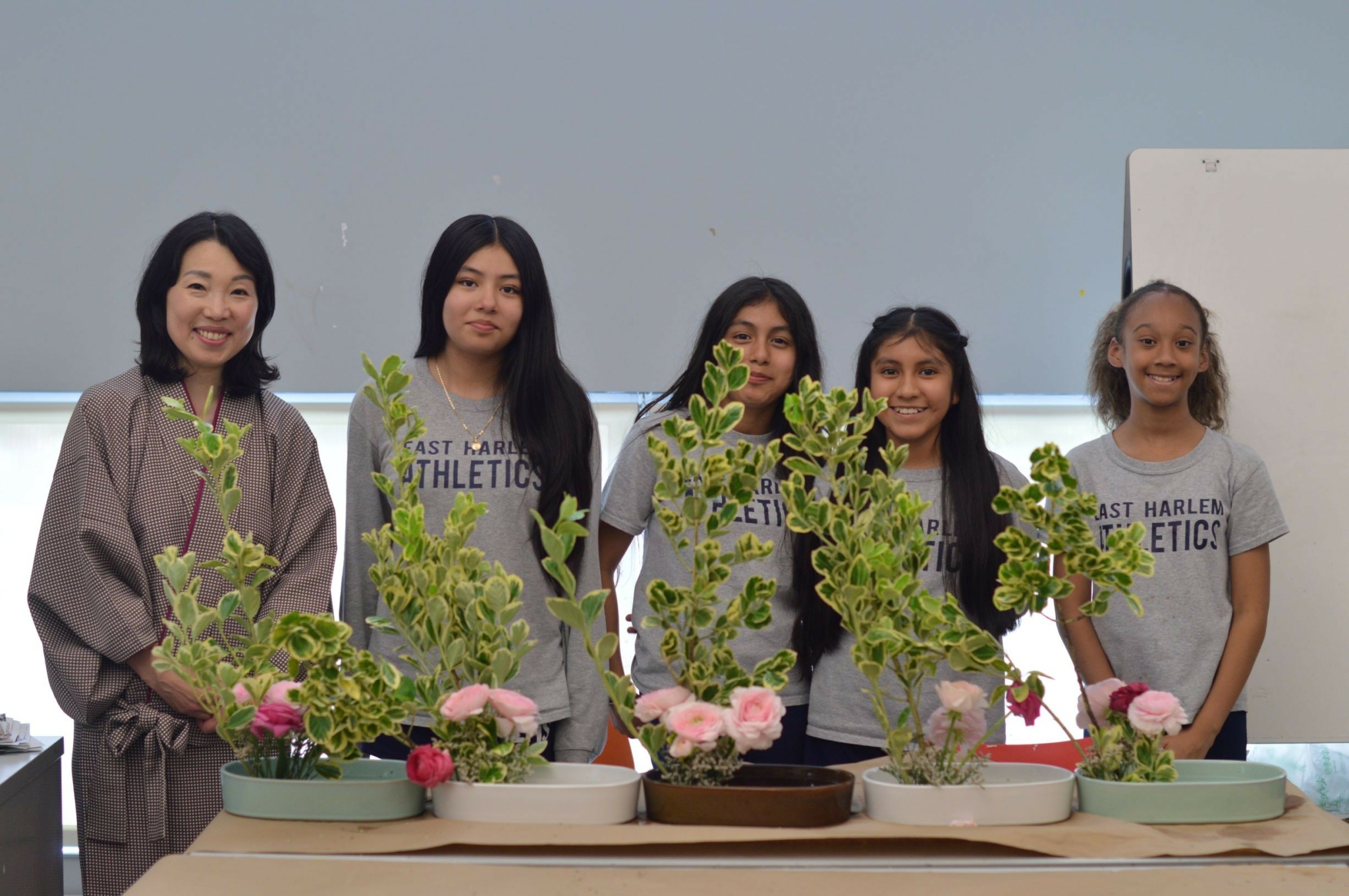
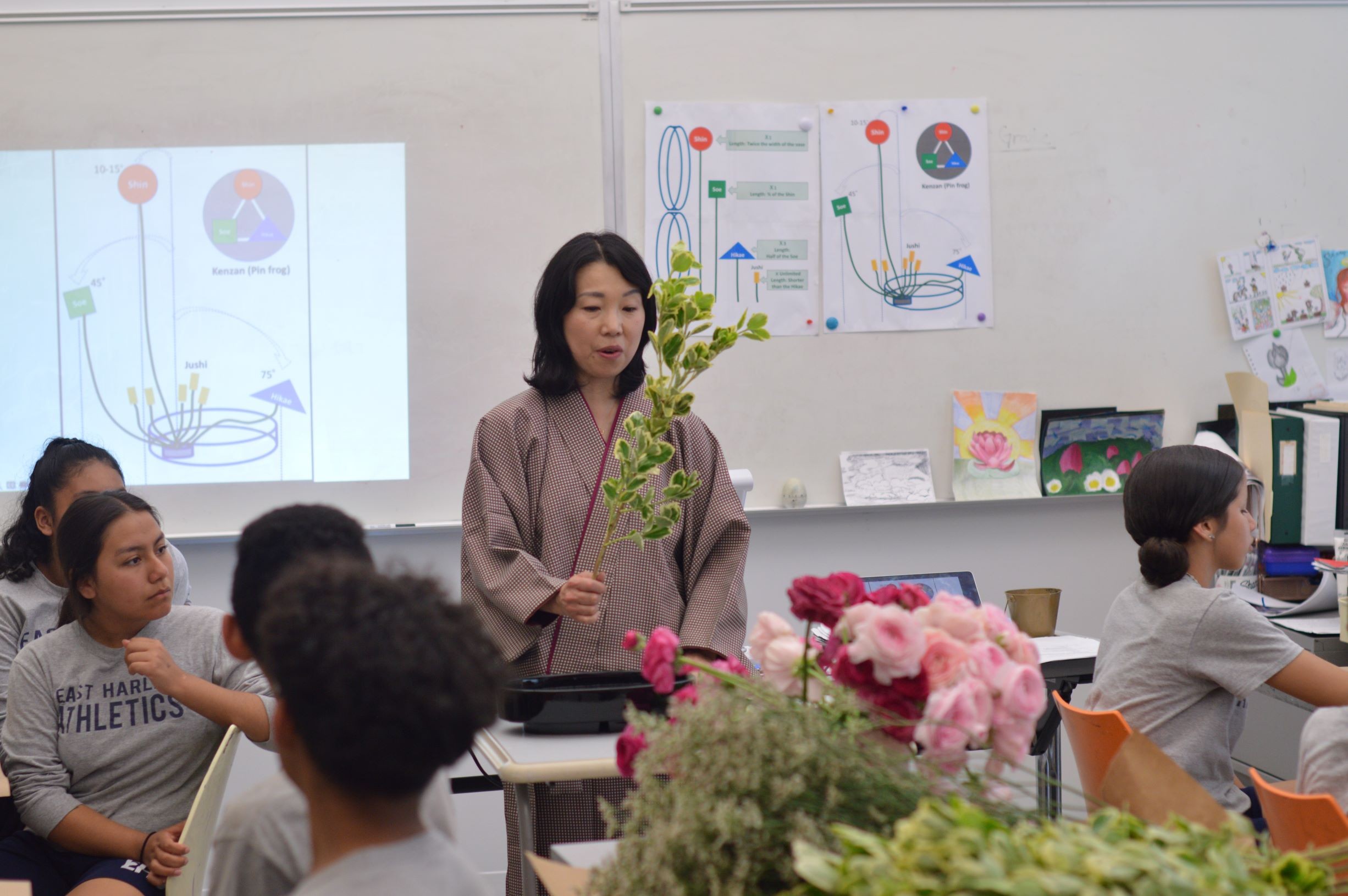
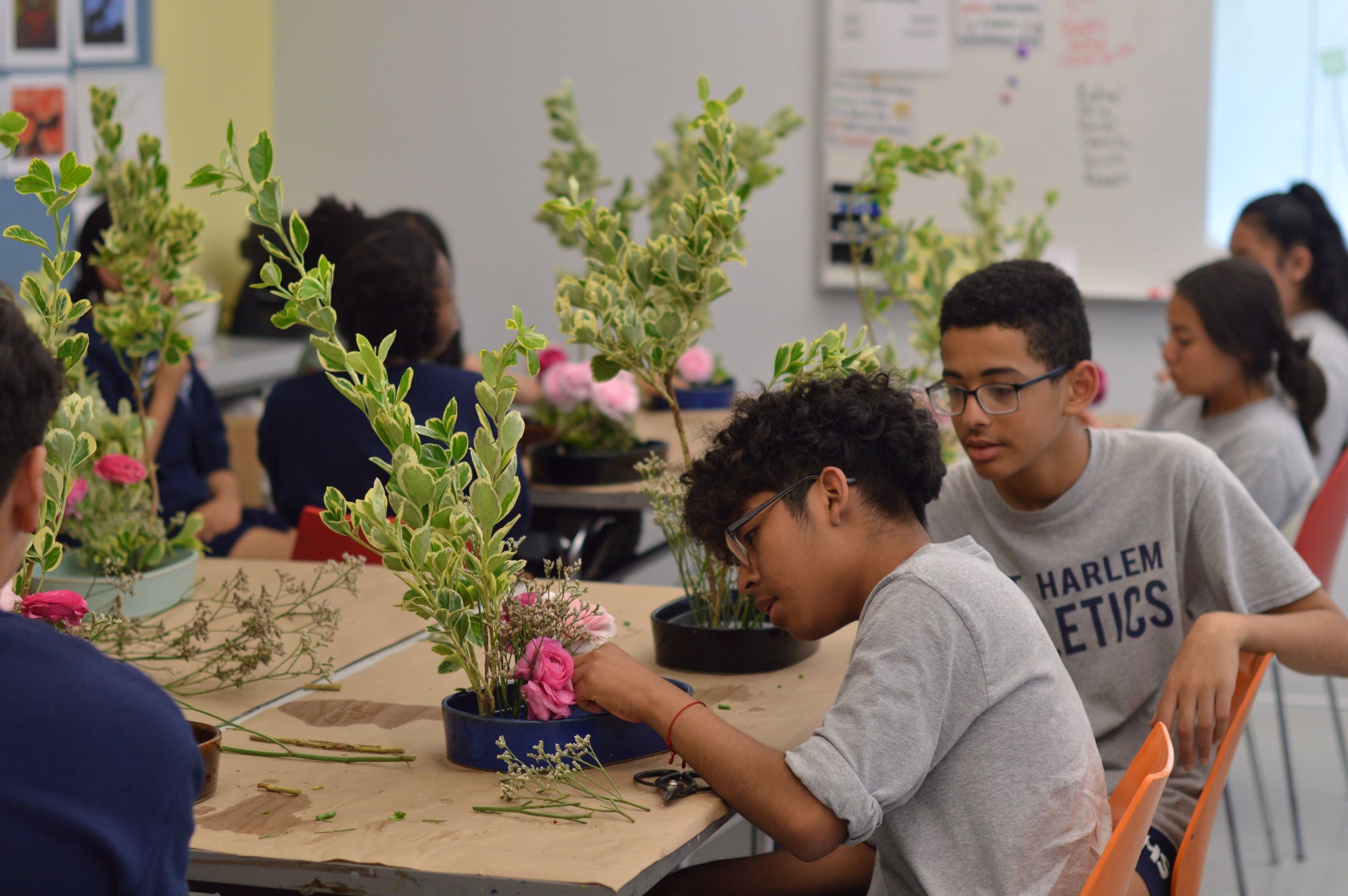
Image Credits
East Harlem School