



We’re excited to introduce you to the always interesting and insightful Cheyenne Somers. We hope you’ll enjoy our conversation with Cheyenne below.
Hi Cheyenne, thanks for joining us today. It’s always helpful to hear about times when someone’s had to take a risk – how did they think through the decision, why did they take the risk, and what ended up happening. We’d love to hear about a risk you’ve taken.
An experience in which I took a risk in my life was when I went to rescue a family member from another country with the assistance of the FBI and the local police. I have a family member that used to live part time in central Mexico and part time in the United States. As she got older, it became very difficult for her to speak due to various medical conditions. At one point, she no longer wished to return to central Mexico and wanted to remain living in the United States where she could obtain proper healthcare and medical services for her disabilities. Despite her request not to return to Mexico, her former partner put her in a vehicle and drove her back into central Mexico. My family member spent six months passing messages to my family requesting that she be able to return to the United States. Despite repeated requests from the family, her former partner would not return her unless we acquiesced to his various financial demands.
My family requested that I assist in trying to bring her back to the United States because I work in the legal industry. I contacted the consulate in the area of central Mexico that she lived in to see what services they could provide. While they were helpful in offering welfare checks or emergency passports, they were not able to assist in transporting her back to the United States. As a result, I submitted a tip to the FBI and requested their assistance.
I received a call back from an FBI special agent to provide more information about the situation so that they could determine whether they could assist. During this time when we were working with the FBI, my family member’s former partner continued to send threatening, extortion messages making demands in exchange for facilitating her release. Ultimately, the FBI determined that they would be able to assist me if I could travel to central Mexico to assist them with the removal.
I quickly began coordinating a facility for my family member to live in upon returning to the United States. I had to ensure that she could go to the facility that she wanted to be in, which would provide her access to the medical and physical care that she needed. I was also able to coordinate obtaining her passport so that I could bring that with me to Mexico, as it would be necessary to have that to get her through immigration at the airport in central Mexico and in the United States.
Once I secured her passport and had her accommodation prepared, I booked a flight to go to central Mexico for 24 hours to attempt to bring her back to the United States. The trip was coordinated through the FBI, as well as the local police in central Mexico. Upon arrival in central Mexico, I was taken to the attorney general’s office to submit a formal report about what had occurred. After the report was filed, the abduction unit placed me in a van and drove over an hour and a half away to try to locate my family member to remove her from the situation.
My family member was residing in a new development, so it was not yet visible on standard maps or GPS. The FBI and the local police had to coordinate to locate the address of her residence. Upon arrival, the local police had an encounter with my family member’s former partner and requested that my family member be permitted to return home. Once her former partner went inside, the FBI and local police facilitated the removal of my family member from the property and we left with only the clothes on her back.
The FBI and the local police dropped us at a nearby hotel for the night, which I had arranged ahead of time. The following morning, I had a car pick us up and transport us to the airport. Unfortunately, once we got to the airport, we had difficulties with immigration. The FBI had to assist with translation and was able to get immigration to allow her to leave. We got through immigration and security and waited to board our flight.
As there were only two airports in the area, there was significant concern that her former partner would attempt to come to the airport to stop her from leaving. In the end, we were able to board the flight and return to the United States. Once we were back in the United States, during my layover, I assisted in transitioning her to other members of my family to care for to get her to the facility that she selected. After the layover I returned on a flight home. At this time, my family member is still in the United States, has divorced her former partner, and is receiving the care that she desperately requested.
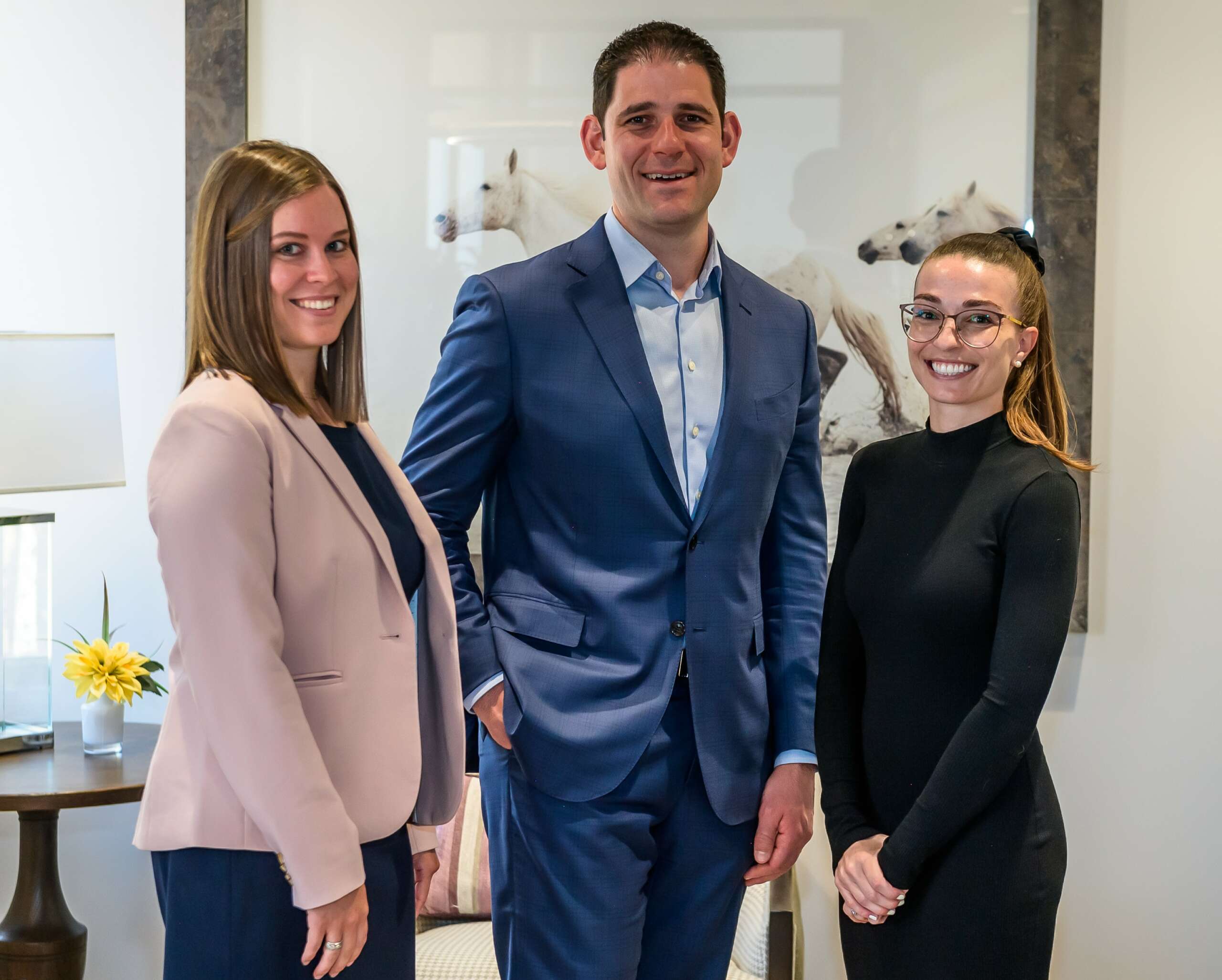
Great, appreciate you sharing that with us. Before we ask you to share more of your insights, can you take a moment to introduce yourself and how you got to where you are today to our readers.
My practice is focused on complex civil litigation and family law matters. I work in the civil litigation practice at Griffiths Law PC, focusing on construction, insurance, real estate, partition actions, and business disputes. My family law practice focuses on divorce, common law marriage, allocation of parental responsibilities, and related domestic relations matters. My favorite thing about my job is working with my team of coworkers to solve complex problems for clients.
Before becoming an attorney, I worked at Griffiths Law for six years as a litigation paralegal. I continued to work full-time at the firm while attending law school and I earned my Juris Doctorate from the University of Denver Sturm College of Law. I received my undergraduate degree from the University of the Pacific, where I played Division I soccer. Outside of work, I enjoy spending time with family and friends, running with my dog, traveling, reading, and having game nights with friends.

Do you have any insights you can share related to maintaining high team morale?
In our team, the most important piece of our team’s culture is that everyone in the team buys into the concept of extreme ownership. Extreme ownership is a crucial aspect of our team because it ensures that everyone on the team is responsible for the success or failure of the team’s goals, no matter if you are the team leader, or the most junior member of team. This helps everyone on the team to feel that they can, and should, contribute to the team’s movement toward achieving our goals. It also ensures that people have the necessary psychological safety to take risks and stretch beyond their current comfort zone. Extreme ownership also ensures that everyone cares for the people around them and ensures that there is support coming from every direction. When team members feel supported, cared for, and that they are part of making the team successful, they are more likely to continue to be engaged in the team’s goals long term.

Have any books or other resources had a big impact on you?
A book that impacted my management style is Dare to Lead by Brene Brown. In this book, the author focuses on “The Man in the Arena” quote by Theodore Roosevelt to explain how one needs to dare greatly in the pursuit of their goals and how one cannot spend time worrying about the commentary of the critics along the way. The quote is a good reminder that when you are the one in the “arena” and you are doing your best for your team or clients, that you should not be discouraged by the criticisms of others who are not also fighting alongside you in the arena.
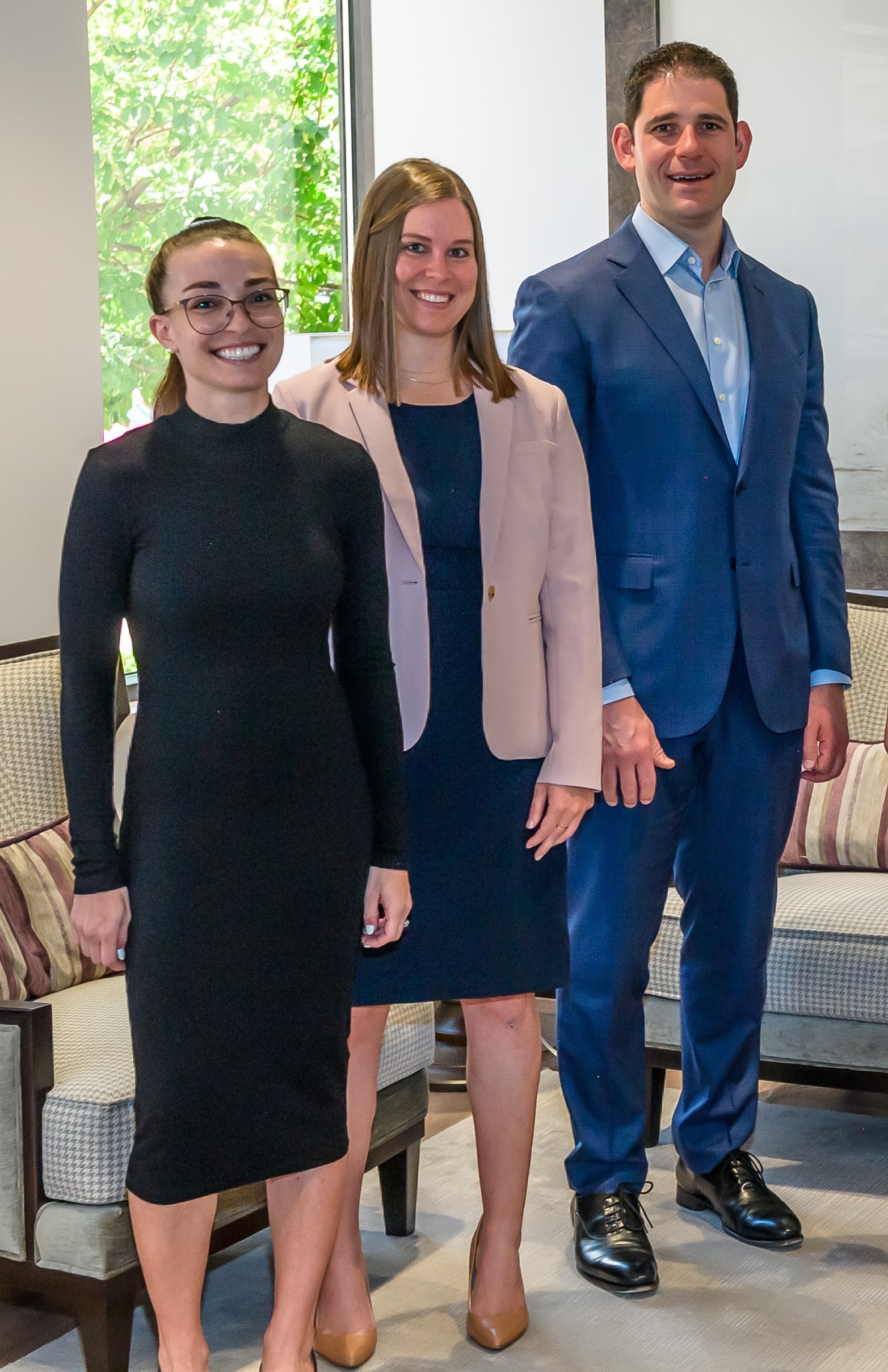
Contact Info:
- Website: https://www.griffithslawpc.com/attorneys/cheyenne-somers-2/
- Linkedin: https://www.linkedin.com/in/cheyenne-somers2022/