



We were lucky to catch up with Cheryl Myrbo recently and have shared our conversation below.
Hi Cheryl, thanks for joining us today. What’s been the most meaningful project you’ve worked on?
AHSAE: Atlanta High School Arts Exhibition
In 1997, while finishing my BFA at the Atlanta College of Art, I was approached at my weekend job by an Atlanta art mover-and-shaker. She told me that a decades-old high school exhibit was disappearing unless someone new took the reins. “Visual Vibes” was a local exhibit that called for high school art work from the 5 closest counties to the center of Atlanta. High School teachers submitted student work that was juried for a display in a long-standing festival, the Arts Festival of Atlanta, in Piedmont Park. Since the 43 year old festival was being reworked, the little art show was vulnerable. That famous 10 day festival eventually gave up the ghost in 1998.
I accepted the job and presented Visual Vibes for a few years in the Youth Art Connection Gallery, a downtown location affiliated with the Boys and Girls Clubs, however, it seemed out of place indoors. I moved it to the Woodruff Park festival for a few years until I got the chance to approach the director of the Atlanta Dogwood Festival, a premier springtime arts festival in Piedmont Park. The Dogwood festival is also a long-standing show, reaching hundreds of thousands of visitors, and the high school show found a new home back in the park where it began. The old “hip” name no longer seemed to fit the times. It needed rebranding and became the Atlanta High School Arts Exhibition, AHSAE. But it was still the same show, duplicating itself since the 1970’s. I envisioned something more worthwhile, something that would benefit the high school artists more than merely displaying their work in a festival tent for a weekend.
Over the course of the next 12 years AHSAE matured and expanded to become the must-see event for Atlanta high school art, eventually reaching over 15 counties (and occasionally the whole state of Georgia if any high school artist wanted to do the legwork to make it happen with their art). ‘Exhibition’ instead of just ‘Exhibit’ referred to the many connections through the year for the winning artists. Instead of awarding only art store gift cards and paper certificates — every student already has notebooks filled with certs — I connected with local college campuses and arts centers in the area to find opportunities for these talented artists to hone their skills in a mature artist atmosphere. These experiences not only broadened their high school experience, but were fine-tuned to each artist in a way that gave them more skills and confidence to actually pursue their chosen art form as a career after high school. The award winners’ art (15-20 pieces) toured through 4 college campuses (Art Institute, SCAD, Intercontinental, Oglethorpe Museum of Art) for the spring months before each festival as mini-displays for the public and college students to view, college students who generally assumed the amazing art was of their own peers. Winners were awarded opportunities to spend invaluable time in classes (for college credit), summer programs, and workshops in these colleges, as well as several arts centers, following the festival.
During my tenure as the Director of the AHSAE, over 250 teachers and I reached thousands of artists, many of whom are still making their mark as artists all over the country and the world. I am gratified that the experience they got from the AHSAE (most students just call it “Dogwood”) gave them a head start into the wider art world, both in experience and contacts. I retired after 18 years and joined the Festival Board to keep the AHSAE strong; I still write the website and volunteer to keep up on the art and artists of the current spring, all Georgia high school students. The AHSAE itself, a nine-time award winning event, garnered both national and international awards from festival associations during my tenure. I am proud to say that many teachers refer to AHSAE as my legacy.


Great, appreciate you sharing that with us. Before we ask you to share more of your insights, can you take a moment to introduce yourself and how you got to where you are today to our readers.
My earliest memory was in the kitchen of our home, a St. Paul quonset hut set in a row in the temporary neighborhood set up for returning soldier’s families as transitional housing following WWII. We moved to Mendota Heights to a veritable shack, but on wonderful magical land with a valley and stream running through it.
As the daughter of a preacher, my home life was spent exploring the creek bed for fossils, picking wild gooseberries and blackberries where the creek valley opened up to a wild meadow, hounding nearby construction sites for agates and turning the coolest into jewelry, weeding the vegetable garden, cleaning the house, sewing my own clothes, devouring books and typing the outlines to dozens of sermons. My art was nurtured by a close girlfriend, the most amazing natural artist I’ve ever known. S. was just up the road–where we drew, colored and painted together often.
Having given up on being a preacher full-time, my dad started teaching in a Bible College, eventually achieving a doctorate from the UofM during my elementary years. With my dad a preacher/teacher/Doctor and my mom a stay-at-home hard working mom, we were able to scrape money together to crisscross the country for two weeks every summer, in tents, in 48 states. On the road I always had some sort of art project evolving, at least in my head, and this typically involved collecting samples for art I could finish at home. When my parents gave up on Bible Colleges actually supporting us, a family of six, we ended up in Platteville, Wisconsin, (UW-P), down the Mississippi from the Twin Cities.
My high school art experience there was not too memorable—one art teacher used the art sink to tan the hide of his last deer kill and the next used the only pottery wheel to hang his clothes. Although I distinctly remember barely escaping expulsion for showing my sincere devotion to my art by trying to break into the art room during a study hall, and carelessly getting caught by the assistant principal, artistic inspiration came from other students, not the teachers.
It wasn’t until I was 19, the first time I sat down at a pottery wheel at a small college in St. Paul, that I was home. I absolutely loved clay, everything about clay. I started a pottery business in the city, taking commissions from friends, colleagues, bars and restaurants. I created buffet table serving bowl centerpieces with interchangeable bases to stand at different heights. I furnished bars with candle holders and bread stick holders and wine coolers. My work was in a few craft shops. I did festivals. I taught throwing on the wheel in the basement studio.
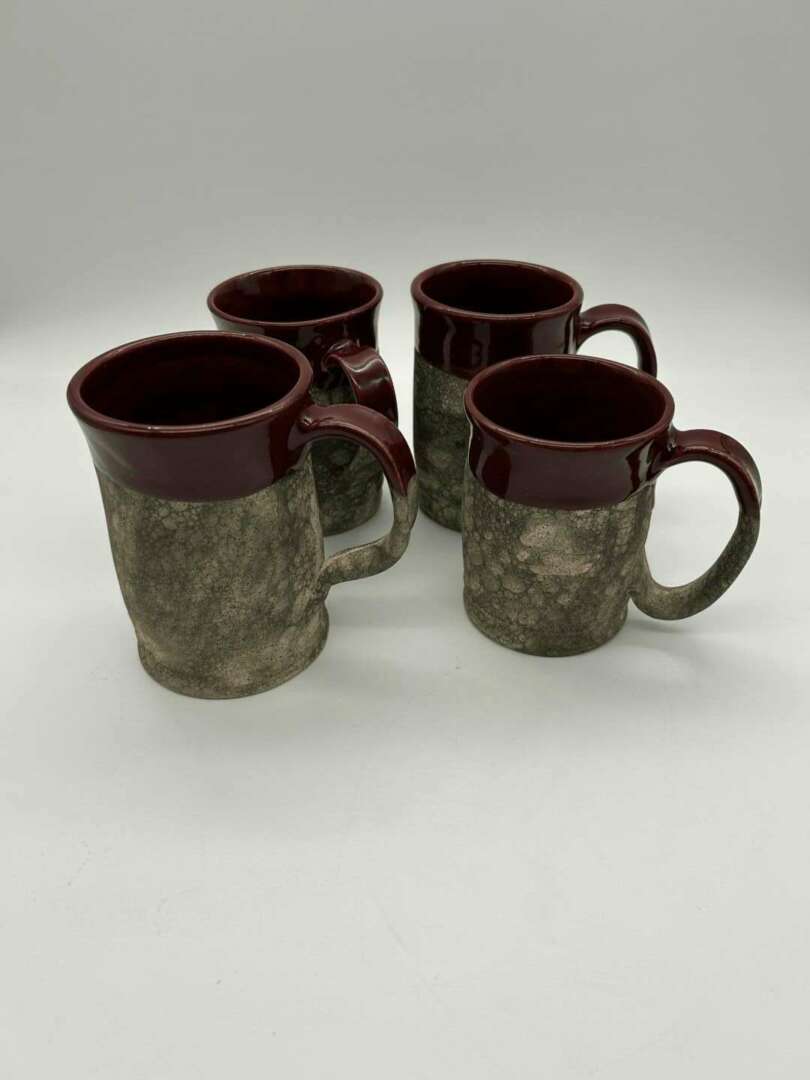
And then we made the mistake of going for a patent on a drinking vessel I designed. It was an accident, really, when I placed a handle in an odd place to cover a small grout-caused dimple. My brother grabbed it fresh from the kiln and it slipped on to his hand like Bilbo’s ring. With the handle there and the curvy grip, it fit like a glove. I started recreating the mugs, called “Mead Mugs” back then, as if we had uncovered the design in an archeological dig. I threw several hundred and they sold like hot cakes in fairs and festivals. Customers tried them on at the booth to find the perfect fit and proud owners took them to the bar for a draft.
So why not go for a patent, we foolishly think? If you know the pottery business, it’s like few other art forms. If a potter comes up with something new, we share it, we literally show potters how to create it themselves. In this case we decided to go the distance ourselves for once. We put our all into it, my brother and I, but neither of us were business savvy, at all. We hired a patent attorney and mortgaged my house to pay for business loans. We incorporated and sold shares. The legal and marketing took forever; I lost faith in the entire process and even lost my love for throwing because all I threw were these mugs. We got the patent, eventually, but by then I had moved to Key West and was working on that bucket list, trying my hand at being an oil painter.

Can you tell us about a time you’ve had to pivot?
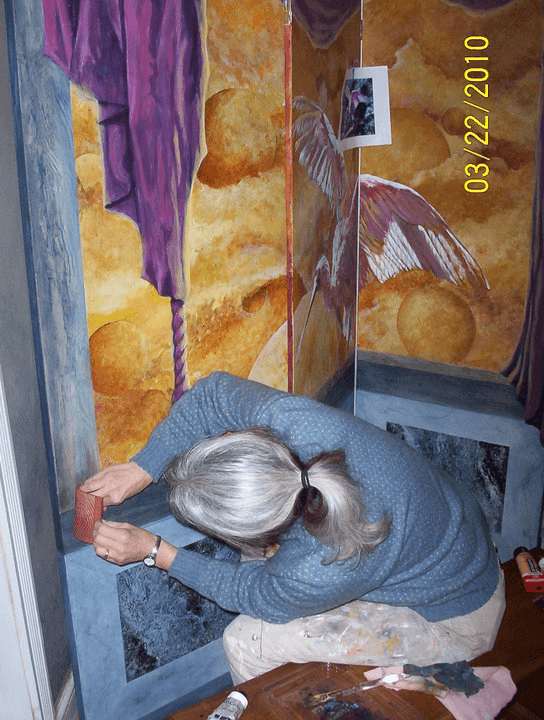
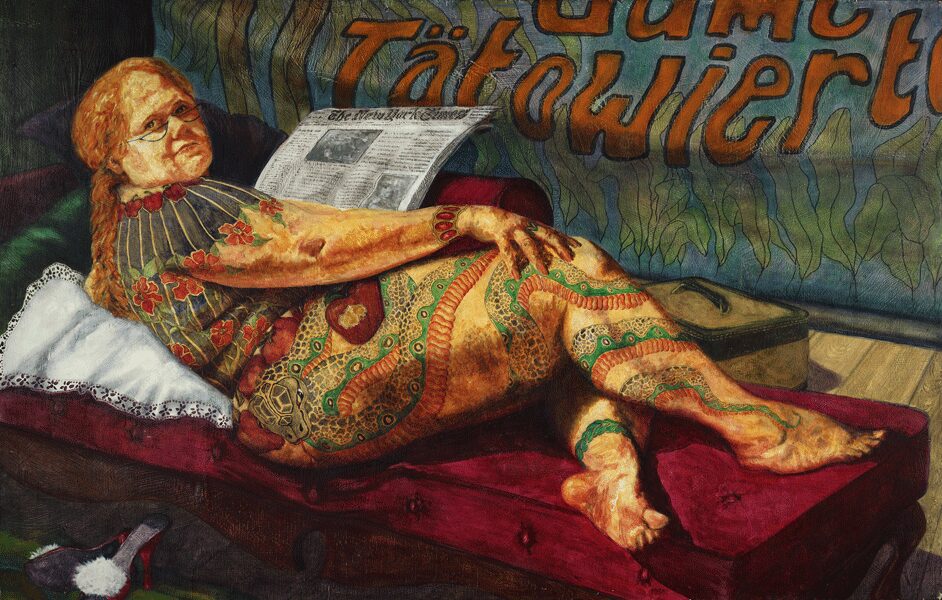
Living as an artist, at first, landed me in relatively menial (not mindless) jobs for 25 years, ranging from receptionist in the Minnesota State Commerce Department while pregnant, to a dozen businesses in the hospitality industry. The reason hospitality worked best, being an artist and mom, was because there is no homework — it’s not even on your mind after you leave the restaurant floor and have your shift beverage to shake it off. I valued my co-workers highly and continued doing some kind of art through it all, along with raising my son. The last place I did hospitality full time was in Key West, as a bartender. It was there that I met another bartender who talked about her days in art school with such reverence that I decided it might be a good idea to go to art school for real. Even though I took painting classes in the Key West College, had a solo show in the Tennessee Williams Fine Arts Center, and we had hosted 5 local invitational art shows in our home on a canal in the Keys, this idea represented a major pivot.
My artist boyfriend and I ventured up to Atlanta where the Atlanta College of Art is loosely connected to the High Museum, one of the better Art Museums in the country at the time. (The High hosted a major Rings Exhibit during the Atlanta Olympics.) I entered ACA as a sophomore–courses accepted from 5 colleges added up to only 1.5 years–and graduated in 1997 with more than a degree in Painting and Art History. I learned Photoshop, Illustrator, Quark and Web design, and taught them to my now husband and Muse, Tim. All these formats helped in our mediums, especially Photoshop, but the big change was learning HTML. I coded websites for me, Tim and a dozen others. We were actually ahead of our time in 1997, for a minute.
For you, what’s the most rewarding aspect of being a creative?
Granted, I epitomized the artist meme: struggling while working, struggling while in art school while working, struggling while raising a son and in art school while working. But being retired AND making art is amazing. Oddly reminiscent of being back in my hospitality days and young, it’s waking when I want, making art when I feel like it, letting the passion lead me. Working in the middle of the night on art calling to me isn’t unusual. And it’s even better than the creative streaks I pursued all my life, since I don’t punch the time clock or wash my son’s laundry in the middle of it all.
Don’t get me wrong, my son is my absolute best work; I’m so proud of what he has become, what he IS, and we see each other and the grandkids often. This has added an entirely new dimension to our lives, as grandparent/teacher/mentor to brand new growing curious amazing humans. And our family inspires and fuels my own art. I’m part of something I understand better now, in my 70’s, an artist’s need to create work that we hope will be decent enough to live and speak for us long after we’re gone. It’s not really about the money, unless you need it to survive, along with enough supplies for your next work. It’s about passion and purpose, and our God-given knack to use both to make more art.
The moment I realized I am not a star, am not nearly the best painter there is or the best potter there is, was in art school. But since then I have come to realize one vital thing: I’m a decent mentor. It started with AHSAE, identifying what those young talented artists need right now at such a crucial stage in their lives, what is available right here in Atlanta, and what we can help procure for them.
After I retired from the AHSAE I picked up an eight year job teaching high school artists how to paint and throw pots. I felt at home on campus, doing that, and was decent at that, too. Trusting each other was established early on, and the class became an open dialogue in more ways than just making art. The studio was a safe space, and private musings that happened in that space stayed in that space. I truly believe kids need that, a separate place to vent, rage and rant surrounded by peers and buddies they can trust to keep their secrets. Especially now, to get a breather away from damaging social media toward positive interaction with human beings. If I had an impact on just one student’s life (you know the drill) my life has meaning. But the rosters and lesson plans are over now, and working in my own studio will be my last hurrah. Whether it be 2D or 3D, there’s always a project going on. And as I said at the end of my speech at my high school graduation, quoting Robert Frost, “I have miles to go before I sleep.”
Contact Info:
- Website: cherylmyrbo.com, semyware.com, ahsae.info
- Instagram: @cherylmyrbo
- Linkedin: Cheryl Myrbo
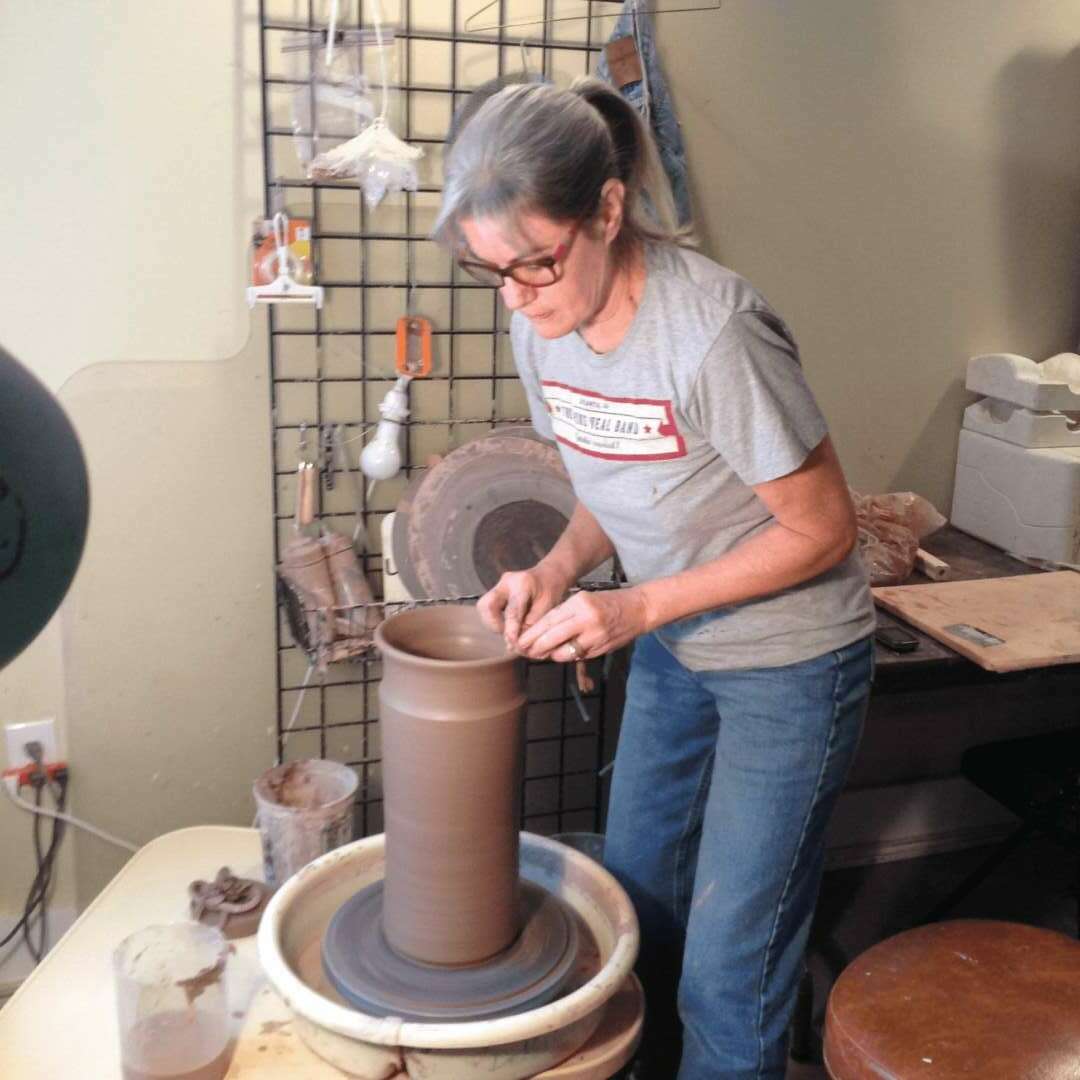
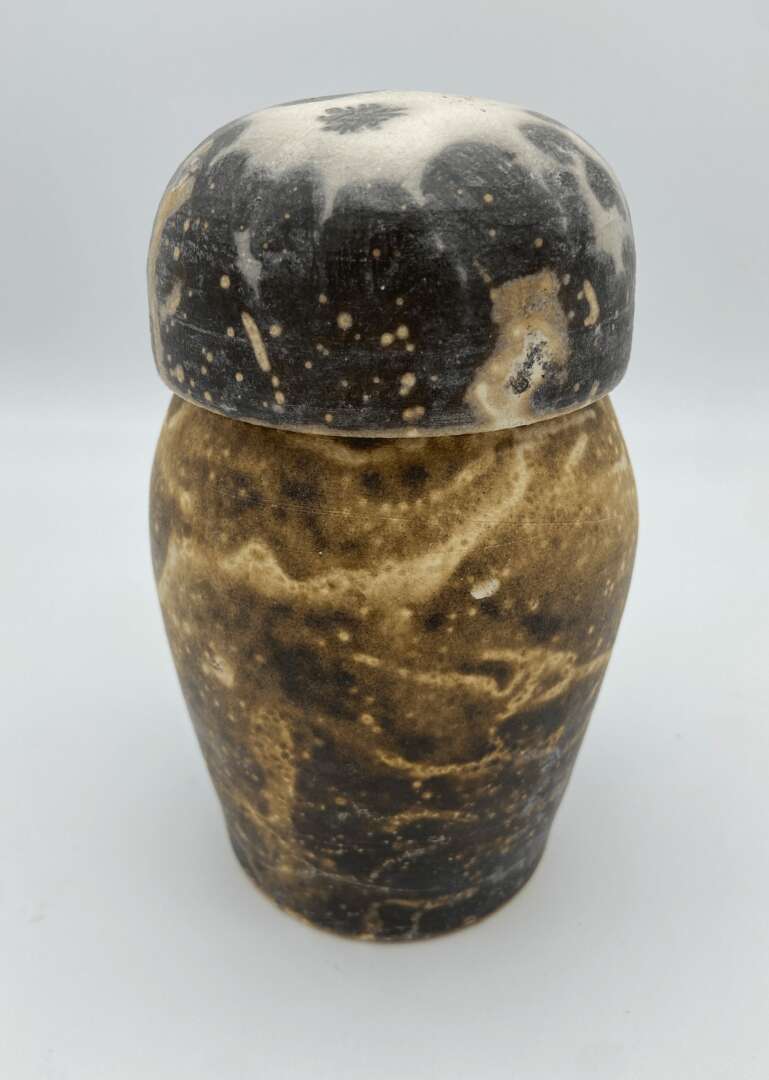
Image Credits
Cheryl Myrbo