

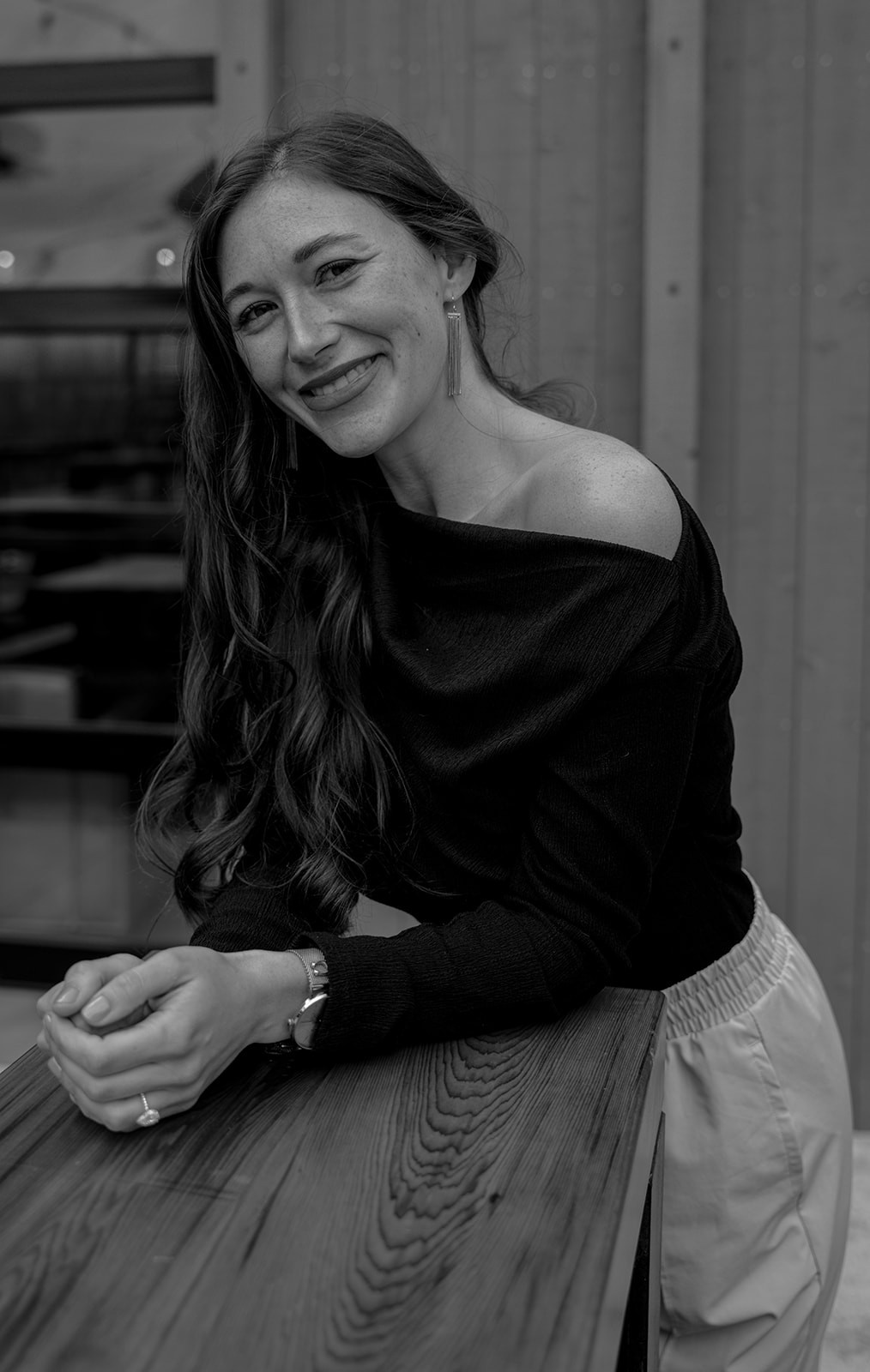

Alright – so today we’ve got the honor of introducing you to Chelsea Akers. We think you’ll enjoy our conversation, we’ve shared it below.
Chelsea, thanks for joining us, excited to have you contributing your stories and insights. To kick things off, we’d love to hear about things you or your brand do that diverge from the industry standard.
Absolutely! The traditional approach to staffing, in my experience, is primarily looking for a one way fit – finding a job seeker who fits the requirements of the client, without much attention paid to what the job seeker needs, or ensuring that people from various backgrounds are given equal opportunities in the workforce. The ultimate goal in traditional staffing is to get a butt in a seat (sometimes called a “body shop” approach).
At Level we take a people-first approach to staffing: we look for a 2-way fit, where the job seeker has all the requirements our clients are looking for and the end client has the benefits and work environment the job seeker is looking for. For instance, we were recently working with an amazing software developer who had all the skills our large enterprise client was looking for and the client would have hired her on the spot had we sent her in. However, our candidate’s top priority in her job search was finding a mission-driven organization that she could contribute to. If we had pushed to place her with our large enterprise client (a non-mission-driven organization), our client would have been happy, but our candidate wouldn’t have. This would have led to her leaving quickly, putting both our client and the job seeker back to square one with their respective searches. Instead, we worked with this particular job seeker to identify the top 5 companies she was interested in and worked with their hiring teams to get her an interview. For our client, we worked to match the technical profile of this star candidate, and spoke extensively with other job seekers about their workplace needs and priorities. We were able to find another job seeker who had comparable technical skills, and was looking to join a large, steady organization. In this way, we were able to meet our client’s needs in a sustainable way that allowed for a long-term solution and a great match on all sides.
By ensuring that there is a fit on both sides, between the job seeker and the company, and because we provide top tier benefits for all of our consultants (including medical, dental, vision, 401k match, short- and long-term disability, PTO, and student loan repayment support), Level consistently has retention rates that are far above the industry average; we’ve created a true win-win-win model.
With the job market – and the world – constantly shifting, staffing with long-term, sustainable outcomes in mind has been a game changer for Level and our clients.
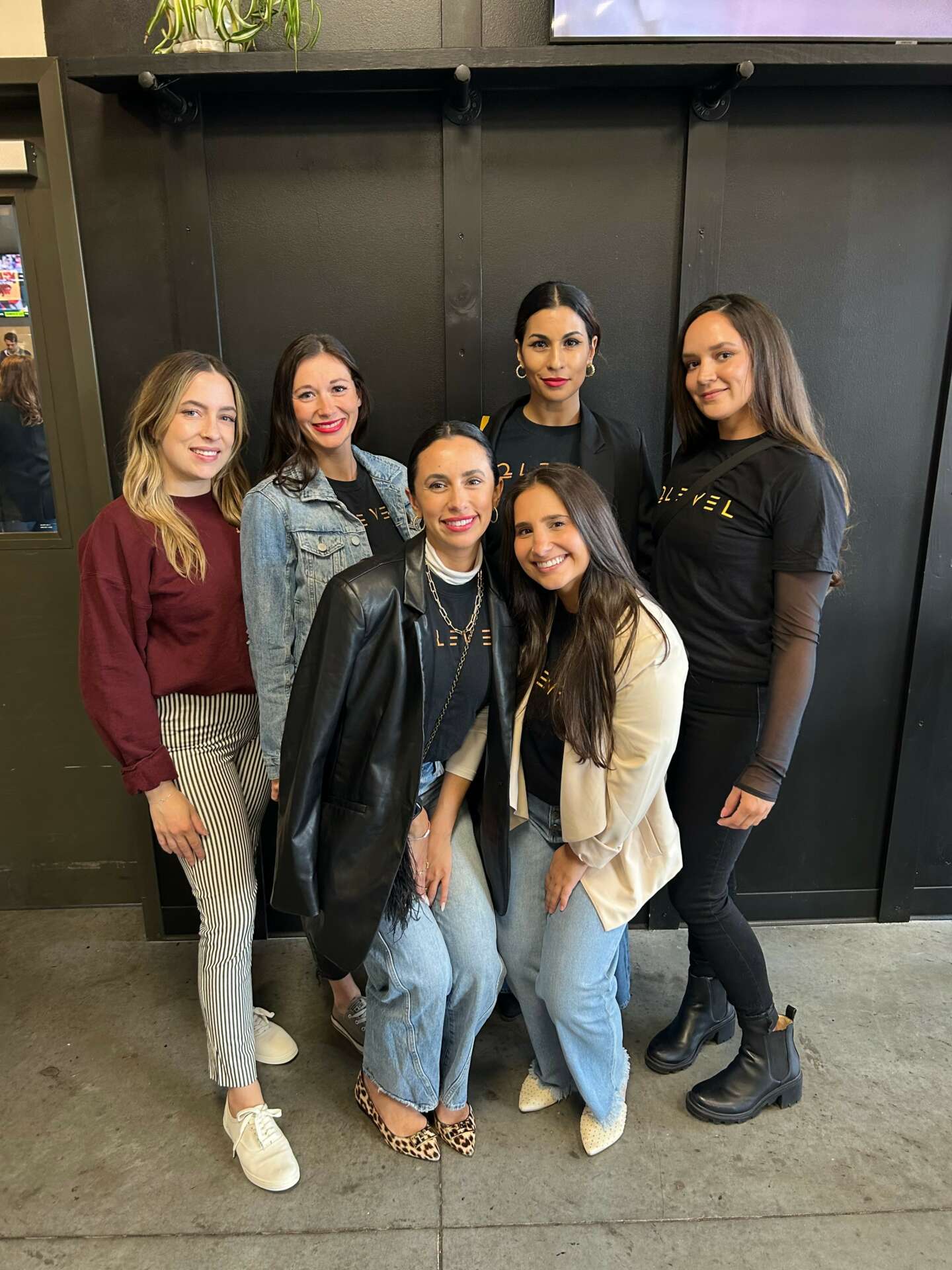
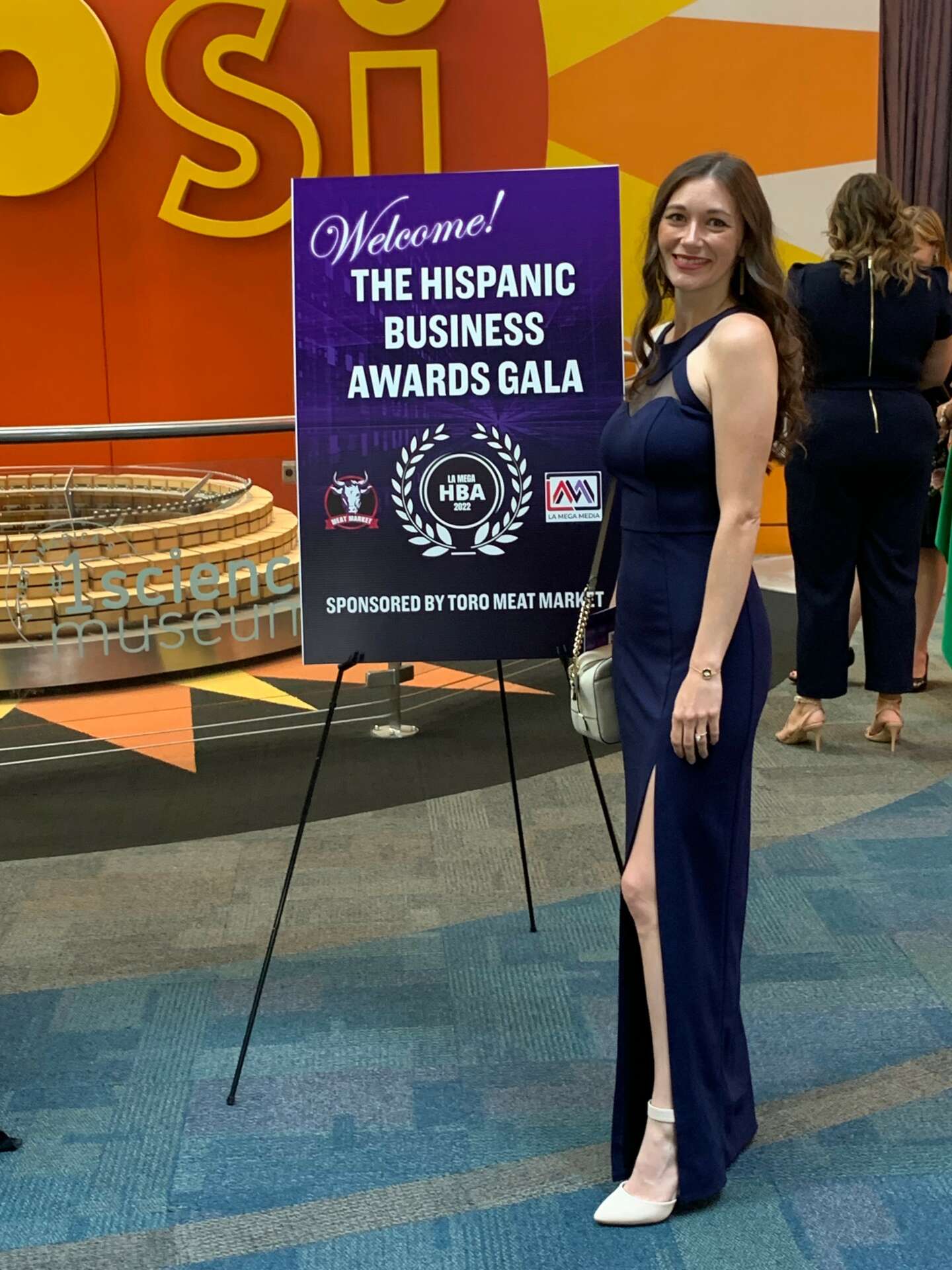
Great, appreciate you sharing that with us. Before we ask you to share more of your insights, can you take a moment to introduce yourself and how you got to where you are today to our readers.
I started my career as an IT Recruiter with an independent staffing firm in 2014 after earning a bachelor’s degree from The Ohio State University. It was in this position that I learned the ins and outs of the staffing industry and standard hiring practices. In addition to working as a Recruiter, I also volunteered as a National Advisor and Board Member for Women in Technology International (WITI) and was a founding member of the Columbus, OH WITI network. In my volunteer position I was responsible for developing marketing materials, growing the WITI network, and planning, organizing, and executing local events. In my day job as a recruiter I would constantly hear hiring managers say things like, “I’d love to hire a woman on my team, but I can’t find any qualified or interested women. They just aren’t out there.” And then I would spend an entire evening at a WITI event where I was having nonstop conversations with very qualified women of various backgrounds who were expressing interest in working for these same companies that were saying they couldn’t find women to hire. This stark disconnect made me acutely aware of opportunities for improvement in standard practices for both staffing and advocacy work.
What I felt we needed was a solution that married advocacy and staffing – a solution that took the advantages of being in a staffing position (such as direct connections to hiring managers) and used it in an inclusive way that was conscious of the barriers that underestimated and underrepresented individuals face in the traditional hiring process. With this in mind, my business partner and I co-founded Level, an organization committed to increasing quality hiring with a focus on diversity and representation. Our current service offerings to our clients include staff augmentation through contract staffing, full time placement, and executive search; DE&I consulting and training; and community outreach services.
In 2019 when we started Level, conversations about advocacy, inclusion, and diversity were not top of mind for the majority of organizations in the U.S. Our team felt that we were fighting an uphill battle against responses like, “why do we need to think about inclusion or diversity in our hiring process?” and, “If it ain’t broke don’t fix it.” Of course, we did find that things were at least a little bit broken on the people side when, in May 2020, George Floyd was murdered and our nation saw months of protests and calls for social justice. Suddenly we saw a huge spike in job postings for Chief Diversity Officers, calls for DEI related training, and conversations about diversity in hiring. Coming on the heels of the COVID-19 pandemic, this was a fairly chaotic time in the workforce, with individuals calling for accountability and asking for their employers to take a stance on social issues, and organizations scrambling to communicate their stance to their employees, while also grappling with the fear of making a mistake.
Looking back we could ask, what could 2020 have looked like if our approach to inclusivity was proactive instead of reactive? What if we had embraced conversations about advocacy, inclusion, diversity, and representation prior to 2020? Remote and flexible work is a crucial part of maintaining an inclusive workforce, and having explored remote work prior to 2020, when COVID-19 rocked the workforce, many organizations would have been better prepared for a mandated work from home environment. In having proactive discussions about advocacy, inclusion, diversity, and representation, companies could have also been better prepared to respond to employee’s calls for social change and action.
Now, as we look forward, and as Gen Z enters the workforce, we have to be prepared again to adjust to changing needs; the 2023 Edelman Trust Barometer Special Report: Trust at Work recently revealed that “Gen Z is a catalyst for all generations of workers demanding more from their employers.” The non-negotiables at work are going to shift significantly over the next several years, and Level is working to ensure that organizations are ready to evolve to meet the needs of an increasingly diverse workforce. By offering proactive, creative, and inclusive hiring solutions, our hope is that Level will be viewed as an organization that is committed to helping people and organizations find their best path to success. We hope to be known for our passion and our commitment to making a positive impact on workplaces.
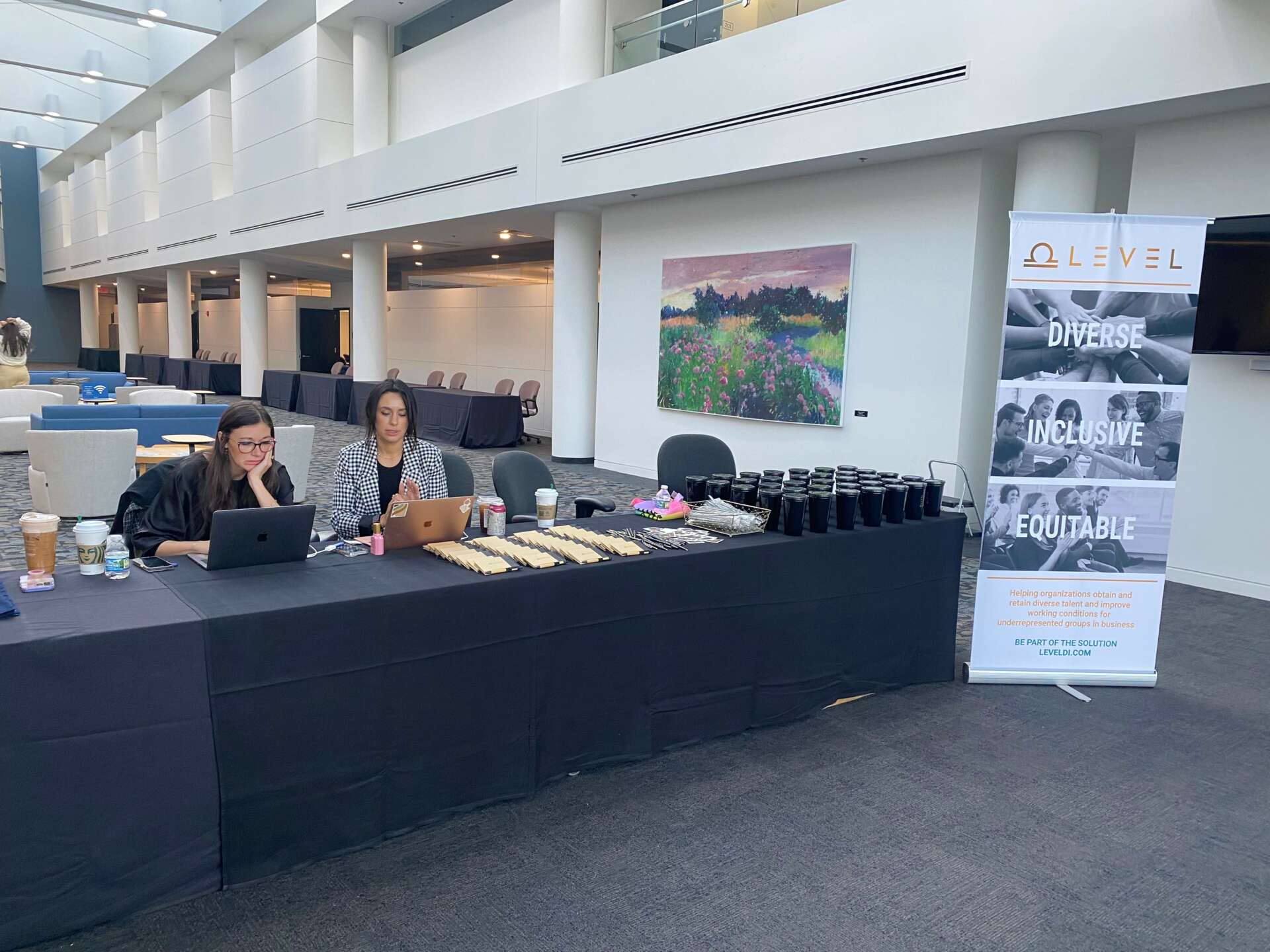
Any thoughts, advice, or strategies you can share for fostering brand loyalty?
Level’s people-first approach extends beyond ensuring that job seekers are matched with organizations that can meet their needs; we aim to treat all people with respect. For our clients this means trying to meet virtually or ideally in person to learn about their background and needs as well. What is their job history? How did they end up in their current position? Are they enjoying it? What are their big pain points? Any exciting initiatives coming up at work? Any exciting moments coming up in their personal life? We take note of all of these things – everything that makes a whole person – so that we can better understand and serve the needs of our clients and customers.
By truly taking an interest in the people we work with, and viewing them as a person first, and as a client or candidate second, we have been able to develop so many meaningful relationships. Essentially, we’ve worked to make hiring less transactional, and more personal, which in turn has fostered brand loyalty.
How did you put together the initial capital you needed to start your business?
My cofounder and I were very intentional in the way that we chose to take funding / get the initial capital needed to start our business. Even now, after 4 years in business, we run as lean as possible and keep costs minimal. When we first started exploring this business we wrote a very detailed business plan that included our estimated startup costs and needs, as well as 1, 3, and 5 year revenue projections. Because we were working in a similar industry for an independently-owned staffing company, we first took our business plan to our then-CEO to get his thoughts. We explained that this new way to approach staffing (with a focus on people and advocacy) was incredibly important to us. We walked him through our business plan and asked if he was interested in investing / supporting our company. With some negotiation, we were able to find a solution that allowed our then-CEO, and now business partner, to invest in our business in exchange for equity. To keep costs as low as possible, my cofounder and I used our personal laptops and phones for our startup, kept travel costs minimal, and explored small business resources (such as those provided by our city chamber) to find other ways to save money. With a lean approach, a small initial loan, and some additional backend support, we have been able to grow sustainably without taking out a large loan from a bank or VC firm, which has been crucial for ensuring that my cofounder and I maintain control over the business offerings and operations.
This exact scenario won’t be an option for everyone, but we believe we’ve found a great startup model characterized by running as lean as possible, utilizing free resources for small and woman-owned businesses, and exploring creative ways to get funding.
Contact Info:
- Website: www.leveldi.com
- Instagram: https://www.instagram.com/leveldi1/
- Linkedin: https://www.linkedin.com/company/leveldi
- Youtube: https://www.youtube.com/channel/UCdc8nyUpOiQ_3jCwmemM_BQ?view_as=subscriber
Image Credits
Lon and Kae