
We recently connected with Chelawnta Lewis and have shared our conversation below.
Chelawnta , looking forward to hearing all of your stories today. Coming up with the idea is so exciting, but then comes the hard part – executing. Too often the media ignores the execution part and goes from idea to success, skipping over the nitty, gritty details of executing in the early days. We think that’s a disservice both to the entrepreneurs who built something amazing as well as the public who isn’t getting a realistic picture of what it takes to succeed. So, we’d really appreciate if you could open up about your execution story – how did you go from idea to execution?
I did not start my business from a place of theory, I started it from lived experience.
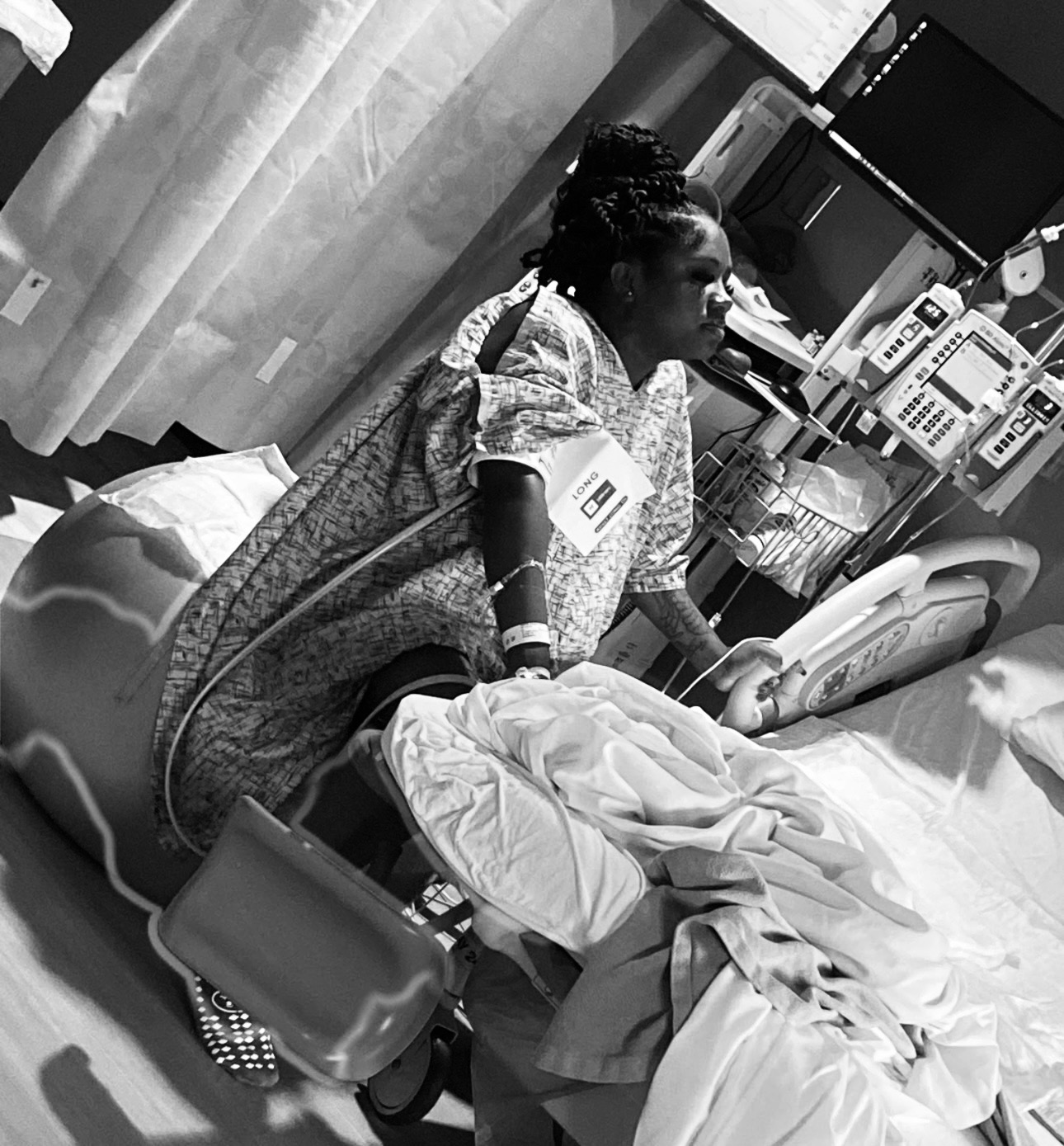
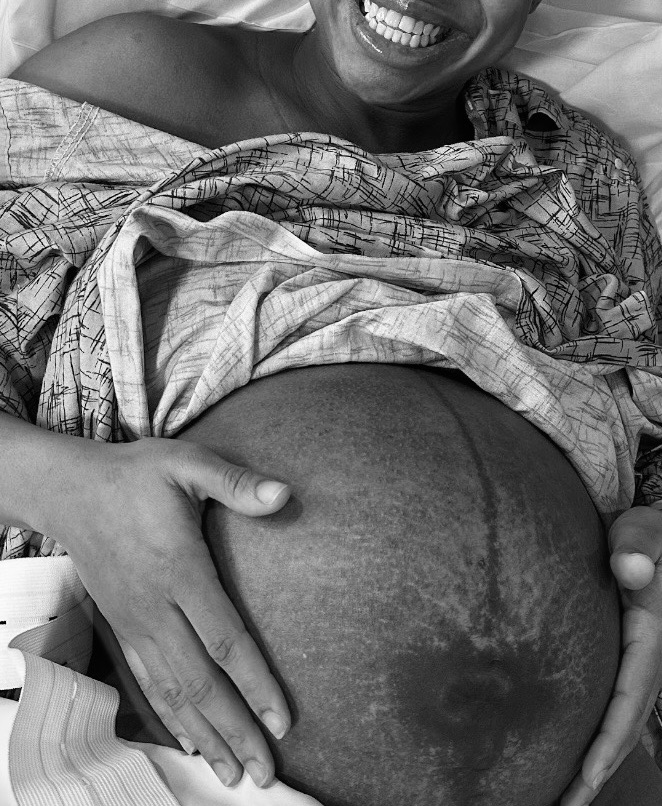
With my first child, I went into labor at 41 weeks. I labored naturally for 37 hours before ultimately having a C-section. What followed was something I was not prepared for at all: postpartum psychosis, depression, and anxiety. I was navigating one of the most vulnerable seasons of my life without the education, language, or support to understand what was happening to me.
What changed everything was education.
When I began to learn what postpartum really looks like, mentally, emotionally, and physically, it shifted how I approached my next pregnancies. With my second child, I still experienced postpartum depression, but I was more aware. Even though that season extended for 11 months and I often felt like I was on autopilot, it was a functional autopilot. I was still a present, loving mother, but I do not have many memories from that time outside of the videos my husband captured. That realization showed me just how real and serious postpartum mental health is.
By the time I had my third child, I understood what I needed. I had tools, I had language, I had preparation, and my experience was significantly different.
That journey planted a seed.
For three and a half years, I served as a doula, working with families, many of them at low to no cost, because I knew access was a barrier. I saw firsthand that my story was not unique. Families, especially Black and Brown families, were navigating postpartum without the support, education, or culturally relevant care they deserved.
The business did not fully exist yet.
In 2024, I joined the Parent Leadership Training Institute, and initially I had a completely different idea for my community project. In December 2024, God shifted everything. What I thought I was going to build changed, and what had been sitting in my heart for years came to the surface with clarity.
That is when N.A.P.S. was born.
Once that vision became clear, I moved quickly from idea to execution.
The next steps were not glamorous, they were intentional. I began mapping out exactly what families needed in postpartum that I did not have. I outlined programming, including classes, support circles, and education rooted in real life experience and cultural relevance. I formalized my experience as a doula into a structured service model. I started building partnerships and credibility, including subcontracting with the Kansas City Health Department. I expanded my impact by providing postpartum care through Mid-America Regional Council’s home visiting program. I also partner with Avenue of Life as an Impact Coach, helping connect families to critical resources and support systems they need to thrive. I worked on branding, messaging, and creating a voice that felt safe, warm, and honest for the families I serve.
There were long nights of research, planning, praying, and refining. There were moments of doubt, but I always came back to the same truth, this work is necessary.
Launching N.A.P.S. in March 2025 was not just about starting a business, it was about creating the resource I wish I had.
Now, everything I build, every class, every support group, every partnership, is rooted in one mission, making sure no parent has to navigate postpartum uninformed, unsupported, or unseen.
Because I know firsthand, education does not just inform you, it can change your entire outcome.
Great, appreciate you sharing that with us. Before we ask you to share more of your insights, can you take a moment to introduce yourself and how you got to where you are today to our readers.
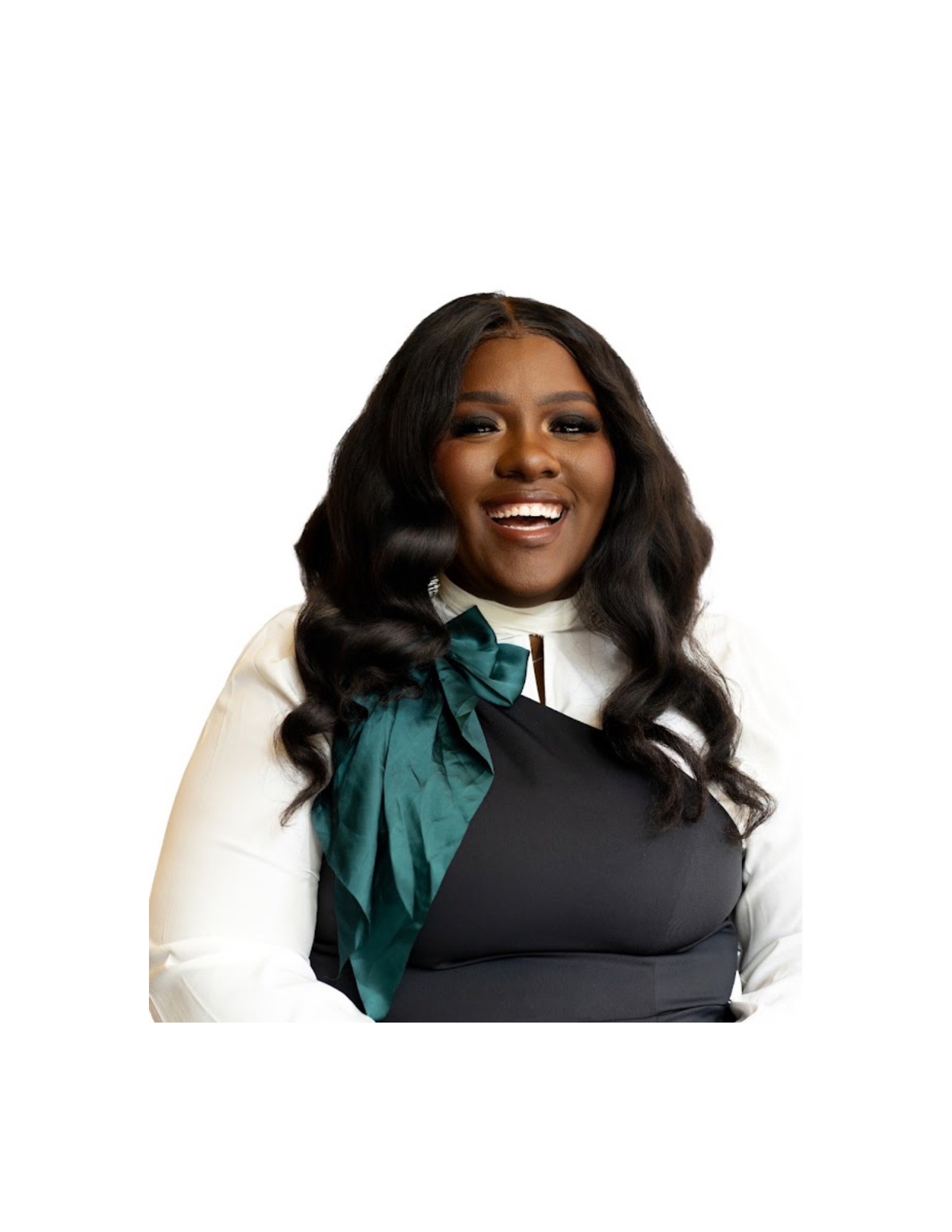
I’m a minister, a wife, a mother of four, CEO/ Founder of N.A.P.S and every part of who I am has shaped the work I do today. My journey into this space didn’t begin as a business plan, it began as a calling. Through my own lived experiences, my faith, and the stories of families around me, I recognized a deep gap in how we support parents, especially during the postpartum season. I saw the need for care that was not only informative, but compassionate, culturally aware, and spiritually grounded.
That’s how N.A.P.S. was born—Needs, Acceptance, Preparation & Support. It’s more than a program; it’s a movement centered on restoring dignity, rest, and real support to families navigating pregnancy, postpartum, and beyond. I created N.A.P.S. to serve families, particularly Black and Brown families, who are often overlooked, under-supported, or unheard in traditional maternal health spaces.
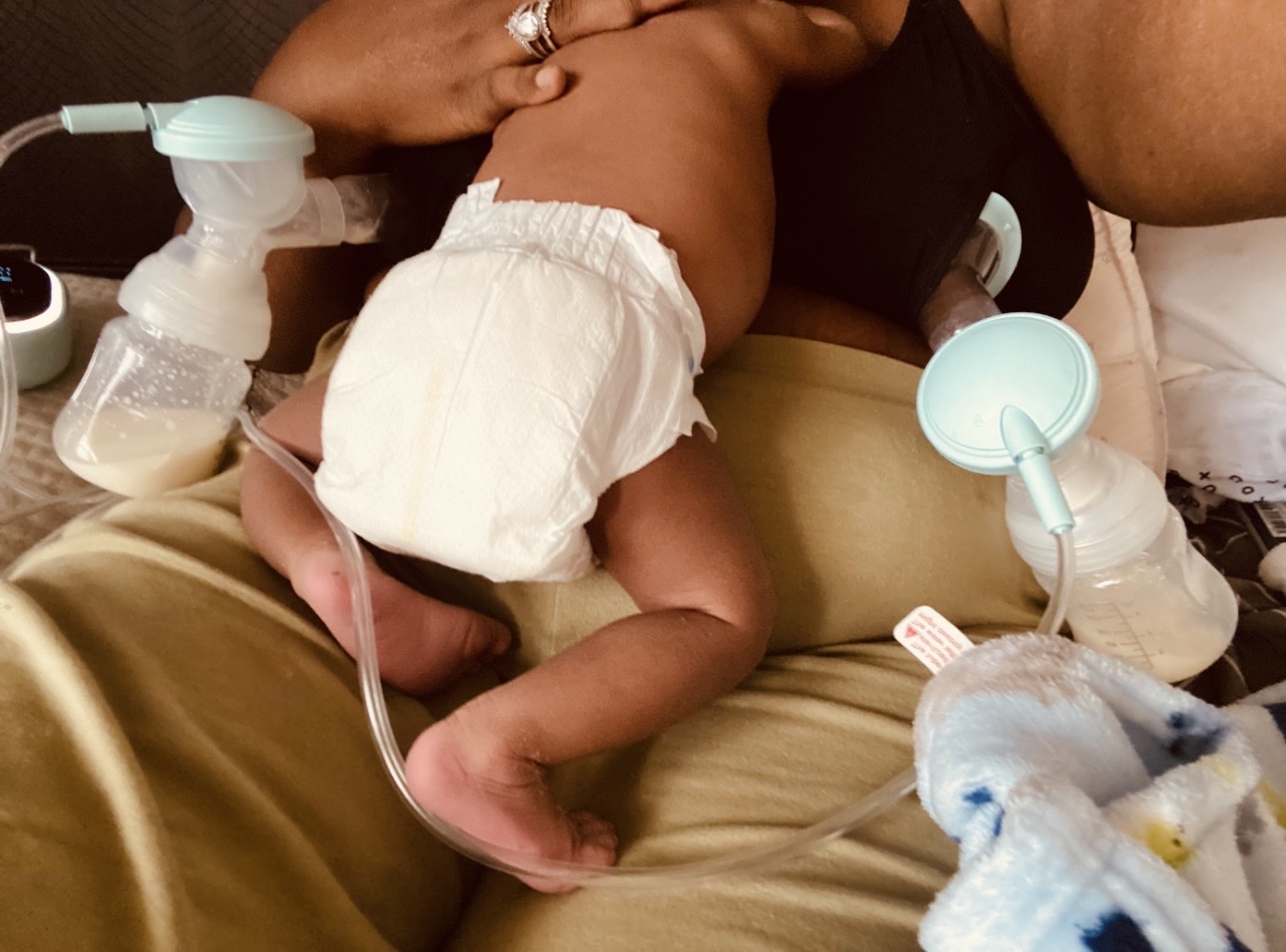
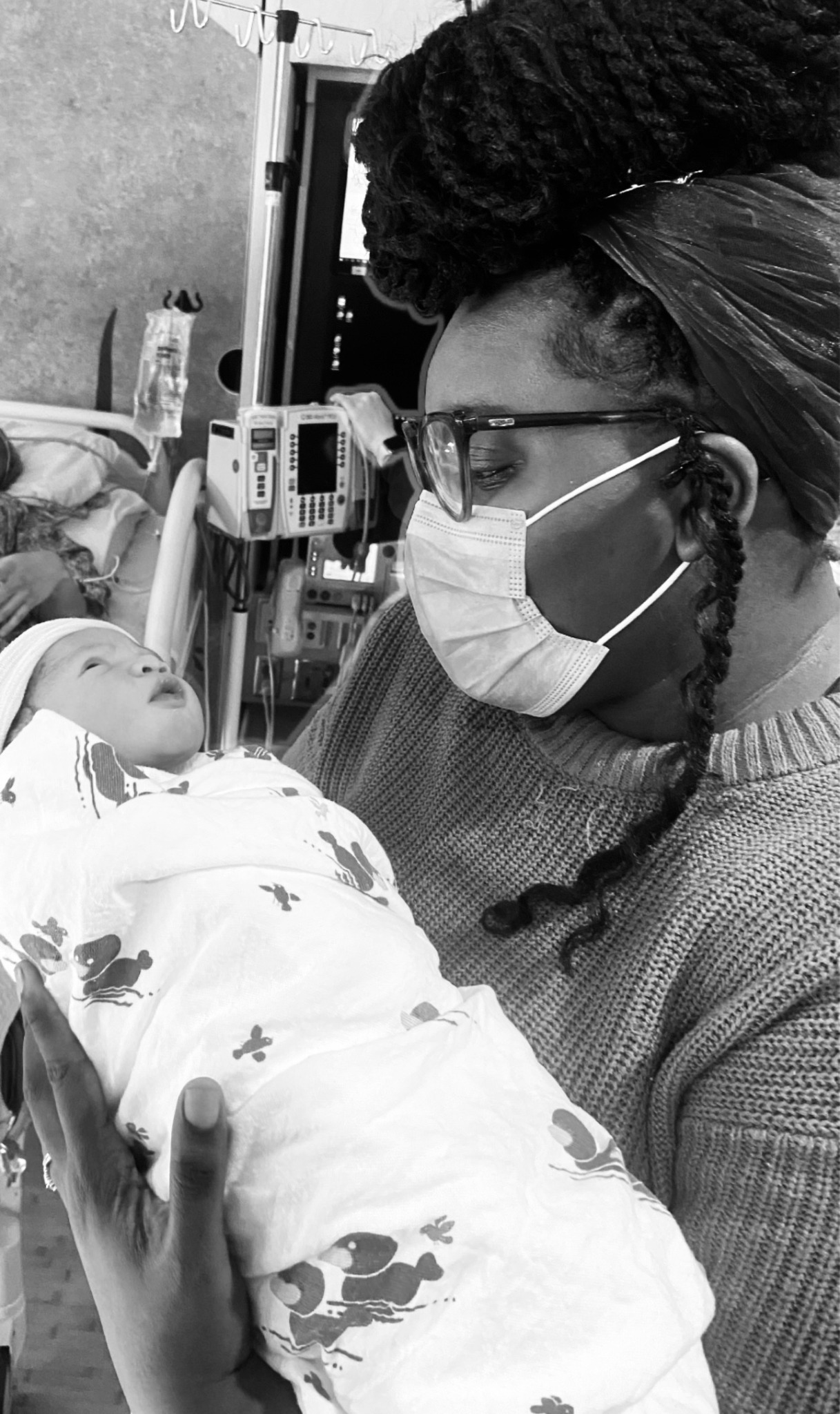
Through N.A.P.S., I offer a range of services and resources including postpartum education classes, lactation support, fourth trimester planning, mental health awareness, NICU navigation guidance, and community-based support circles. I also develop culturally congruent curriculum, teach workshops, and collaborate with organizations to better equip them to serve families holistically. Everything I create is rooted in the understanding that postpartum care is not one-size-fits-all, it must be intentional, inclusive, and centered on the real needs of families.
The problems I aim to solve are both practical and deeply personal. Many families enter postpartum unprepared for the physical, emotional, and mental shifts that come with it. There’s often a lack of support, a lack of rest, and a lack of safe spaces to process the experience. I work to bridge those gaps by providing education, tools, and community, while also affirming families in a way that says, “You are seen, you are supported, and you don’t have to do this alone.”
What sets my work apart is the integration of faith, cultural awareness, and real-life application. As a minister, I understand the power of spiritual support and covering, and I naturally weave that into how I serve. As a mother, I understand the realities families face day to day. And as a founder , I’m committed to creating spaces that are both empowering and practical, not just inspiring, but actionable.
What I’m most proud of is the impact. Seeing families feel more confident, more prepared, and more supported during one of the most vulnerable times of their lives, that means everything to me. I’m proud that N.A.P.S. is becoming a trusted space where people can come as they are and receive what they truly need.
The main thing I want people to know about me and my work is that this is heart work. This is purpose-driven. I don’t just provide services, I build community, I advocate for better care, and I stand in the gap for families who deserve more. N.A.P.S. exists to remind families that their needs matter, their experiences are valid, and support should never be a luxury, it should be the standard.
Learning and unlearning are both critical parts of growth – can you share a story of a time when you had to unlearn a lesson?
A lesson I had to unlearn was the belief that if someone needs support, especially in the postpartum season, it must mean they need that support to be free or low cost.
That mindset came from my background in nonprofit and community based work. I was used to serving underserved populations, where access and affordability were real and consistent barriers, and where many services were offered at low cost or no cost. So when I stepped into building my own business, I carried that same lens with me. My heart was still rooted in service, and it still is, but I found myself approaching every situation assuming people needed free or reduced cost support before they ever had the chance to say what was true for them.
I had to really sit with that and recognize that, while my intentions were good, that way of thinking can actually limit the very people I’m trying to serve. When we assume what people need to pay, or don’t need to pay, we take away their agency. We remove the opportunity for them to prioritize their needs, especially during a time as critical as postpartum, where support isn’t optional, it’s necessary.
The shift for me was learning to hold both truths at once, yes, there are families who need accessible options and absolutely deserve support regardless of their financial situation, and also, not everyone falls into that category. It’s not my place to decide that for them. My role is to present the value, create pathways where I can, and allow people the dignity to choose what works for their lives.
Now, I approach my work with more openness and less assumption. I still advocate for equity and access, but I no longer lead with limitation. Because the truth is, in community work, and especially in postpartum care, we do our community a disservice when we assume what people can or cannot afford, instead of giving them the opportunity to tell us for themselves.
How’d you build such a strong reputation within your market?
I believe what helped me build my reputation within my market is consistency, authenticity, and truly leading with service.
Before anything became a business, this was already the work I was doing. I was showing up for families, creating spaces for support, and educating within my community because I genuinely care about the postpartum experience. That consistency built trust over time. People saw that I wasn’t just showing up when it was convenient or profitable, I was committed to the work regardless.
Another major factor is that I lead with authenticity. I don’t separate who I am from what I do. I am a minister, a wife, and a mother of four, and those roles naturally shape how I serve. I bring faith, real life experience, and cultural awareness into every space I enter. That allows families to feel seen, safe, and understood, especially in a season where vulnerability is already high.
I also focus heavily on education and impact. Whether I’m teaching a class, leading a support circle, or partnering with organizations, I make sure what I offer is both practical and meaningful. I’m not just giving information, I’m helping families feel more confident, more prepared, and more supported in real time.
Word of mouth has also played a huge role. When people have a genuine experience of being supported and cared for, they share that. That kind of organic growth has been one of the strongest foundations of my reputation.
At the core of it all, I think what sets me apart is that I don’t treat this like just a service, I treat it like a responsibility. Families are trusting me with one of the most important and vulnerable seasons of their lives, and I honor that with integrity, intention, and care every single time.
Contact Info:
- Website: https://Napskc.com
- Instagram: https://www.instagram.com/n.a.p.s_kc?igsh=MXJxOWozbDB1cjhubw%3D%3D&utm_source=qr
- Facebook: https://www.facebook.com/share/g/1LHo7cJBqc/?mibextid=wwXIfr
- Linkedin: https://www.linkedin.com/in/chelawnta-lewis-a4b192318