

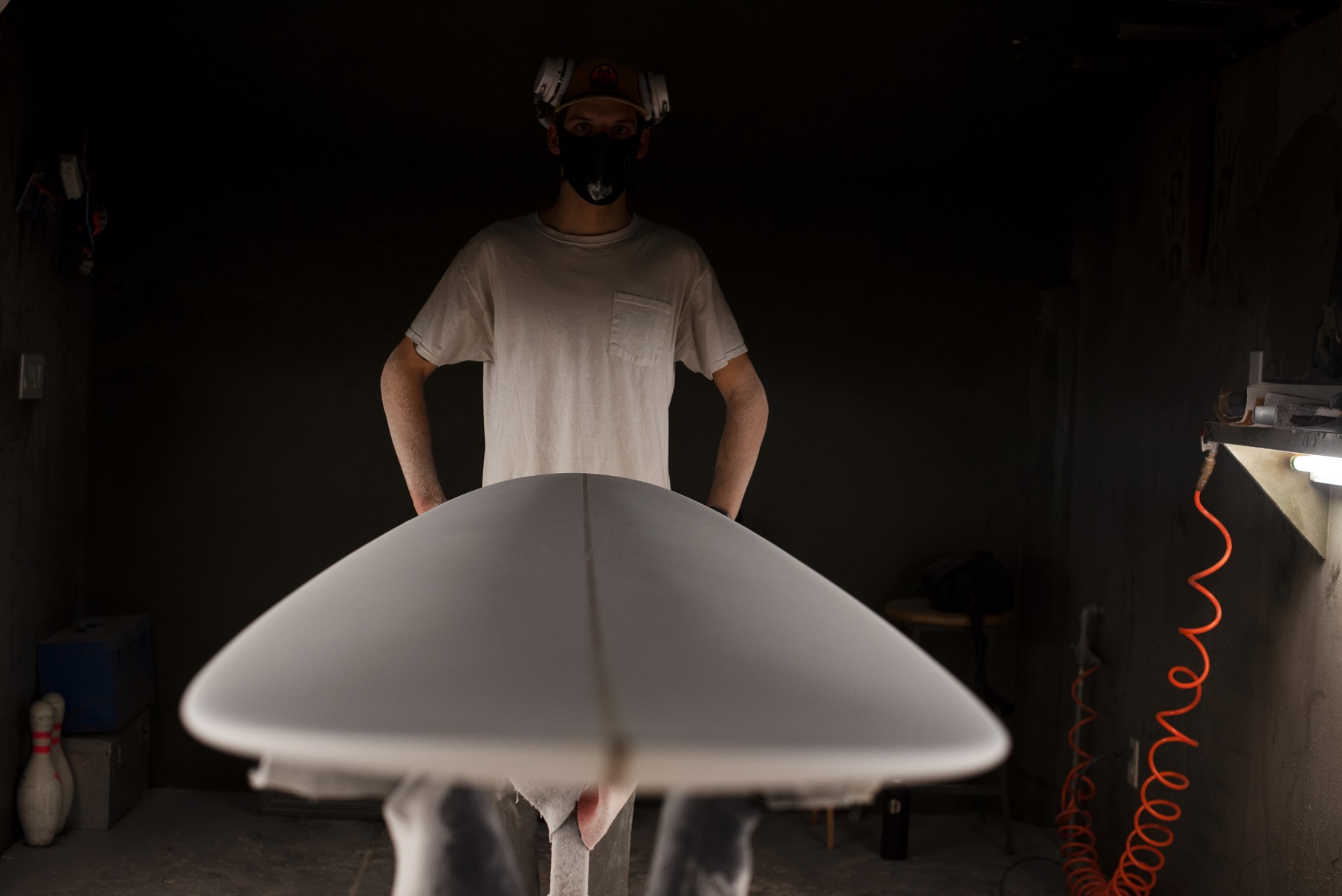

We were lucky to catch up with Chase Jacoway recently and have shared our conversation below.
Chase, thanks for taking the time to share your stories with us today Being a business owner can be really hard sometimes. It’s rewarding, but most business owners we’ve spoken sometimes think about what it would have been like to have had a regular job instead. Have you ever wondered that yourself? Maybe you can talk to us about a time when you felt this way?
I actually don’t think I could be happier. I mean this is just one source of revenue for me. It’s more of a passion project. I’ve been making surfboards since I was 14 so I’ve had almost ten years to come to terms with the fact I didn’t really want to rely on this as my sole income. I felt like if my living depended on my craft then the amount of passion, time, and soul that I pour into each board would vastly diminish. I’m constantly trying to experiment with new design theories or improve upon previous designs, so if I were forced to be meeting a quota to scrape by each month I’d be so burnt out and my mental health and enthusiasm for the craft would probably disappear. I’m also currently going to school to get a degree in graphic design. Once I begin to work in that industry a bit more, I hope to use that to further my creativity. Even though art and shaping surfboards have differences there are still some crossovers and as an artist and craftsman I feel like submerging myself in creative environments continually pushes me to think about things through a different lens.
As a small business owner and working for other small businesses I couldn’t imagine ever working a normal job. I love the relationship I get to have with the glass shops that work on my boards or the other business owners I get the privilege of working with and developing a friendship with. Customer relations has been one of the most important things that I try to stay on top of. Being such a small business and keeping such a regulated amount of work that I’m willing accept, I’m able to develop certain connections to my customers and really try to tap into their desires, and produce a product I’m proud to have my name on. I could probably remember every single board I’ve made for each customer I’ve had. I also really enjoy getting to see my customers in the water on a board I made them, they give me live feedback and I get to watch how the board works from firsthand viewing which is the best feedback I could possibly receive. Then when We start working on the next board for them I already have thought about plenty of ways to improve their board to suit their surfing desires. This type of relationship with turning my customers into friends I don’t think I could find anywhere else and is what continually motivates me to keep refining my craft.


As always, we appreciate you sharing your insights and we’ve got a few more questions for you, but before we get to all of that can you take a minute to introduce yourself and give our readers some of your back background and context?
Well, this endeavor started back in 2013 when I was a freshman in high school. I had the surfing bug and just wanted to get more involved some how. I saved up money to buy tools and materials and finally made my first board. The surfing bug I previously had was nothing compared to what riding a board that I had shaped felt like. I was the king of the world. I made a board that actually kinda worked. And so, down the rabbit hole of surfboard design I went. Basically without my friends willingness to let me practice making awful boards for them I wouldn’t be here. A couple hundred boards later and I feel like I finally tapped into what I would consider a quality creation. I now have a few models that I make and continually do one-off custom creations for people to try and help them tap into their own design niches. Making surfboards is fun and collaborating with a customer and implementing their ideas with my own is one of the most rewarding parts of the craft for me.
Can you tell us about a time you’ve had to pivot?
I think the biggest pivot I took was when I dropped out of college to fully dive into the surfboard world and then once again when I restarted my college education. I was fed up with school, needed a break, and so like any surfer bum would do, I dropped everything to surf everyday and learn as much as I could about surfboard building. I later realized how burnt out I was getting, working 7 days a week at three different shops and slowly not surfing as much as I had planned to because I was to beat down from long labor intensive work days. For those that don’t know pretty much every step of making a surf board takes an immense amount of time and labor to complete. I was ghost shaping, laminating, hot coating, sanding, and just completely getting burnt to the point I started hating surfboards. That’s when I realized I was approaching it all wrong. I needed to find something else to pay the bills and still allow me to make surfboards on the side but solely for the enjoyment of it. That’s when I decided to restart my education and work towards a different career path. I’ve now been able to be more creative and have more fun shaping than ever before.
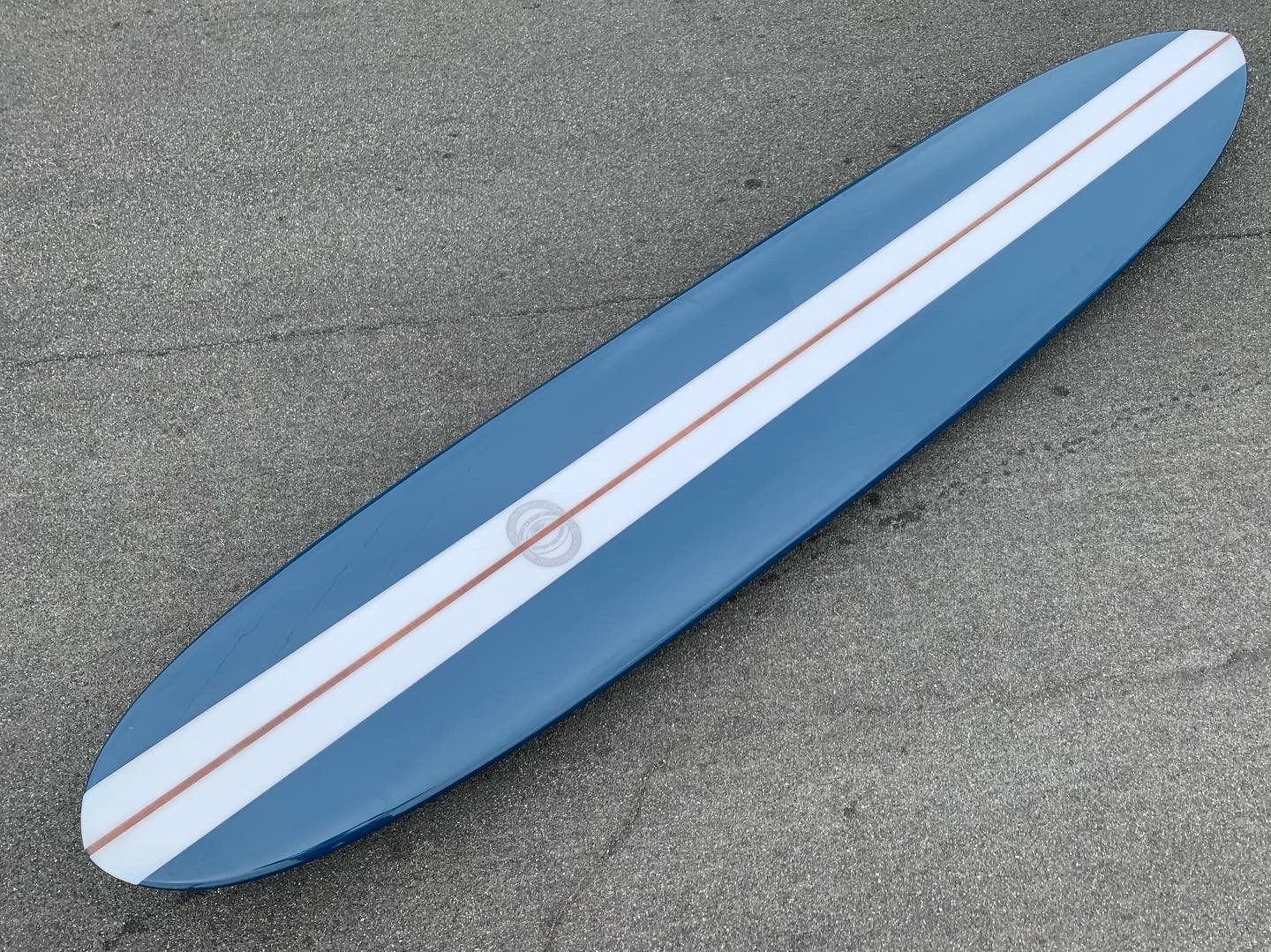
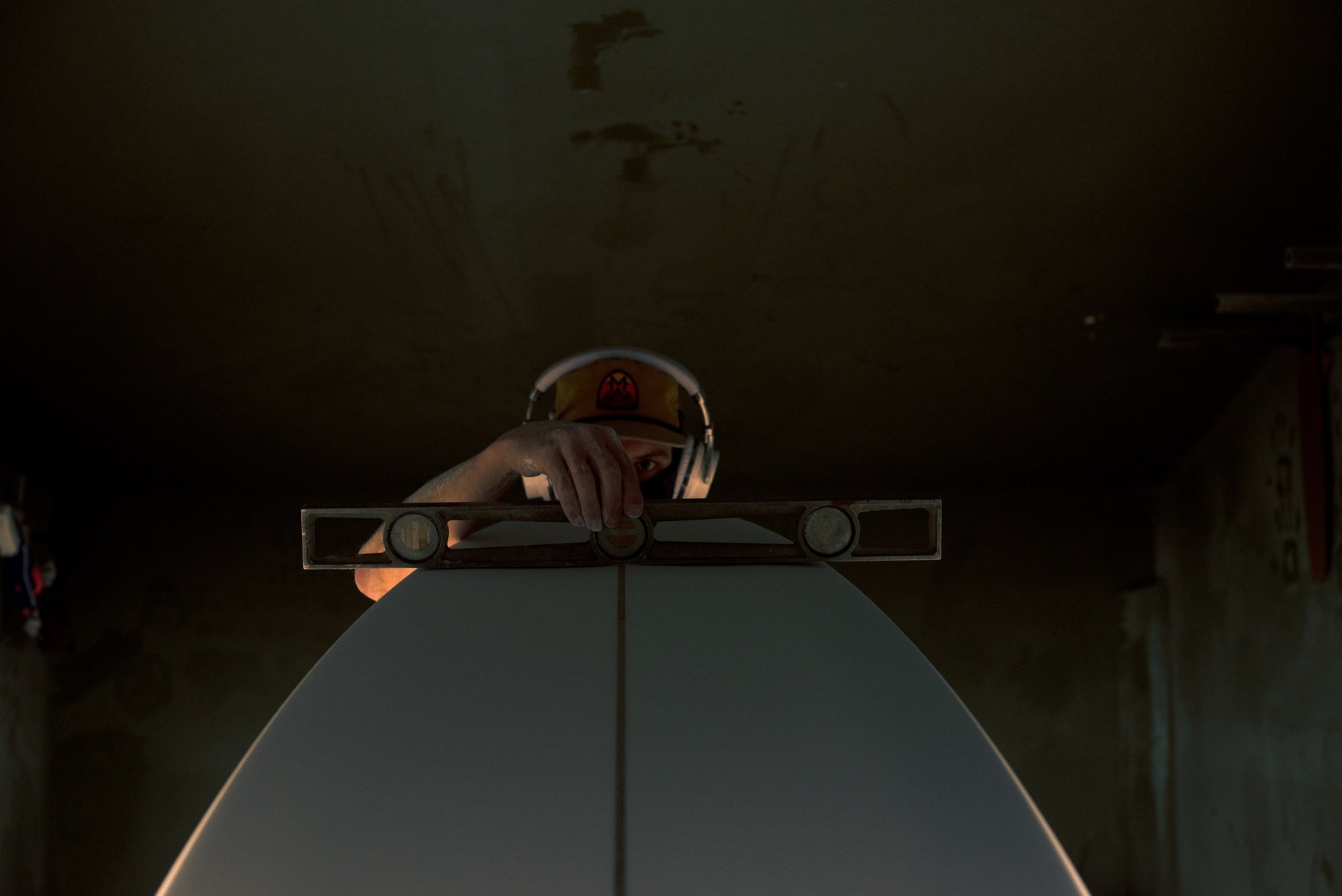
How’d you build such a strong reputation within your market?
Honestly, I’m pretty oblivious to my reputation. I’d hope I’m respected by my peers. But in reality none of that really matters I’m just trying to be original and leave my own footprint in the surfing world. One thing I always try to enforce is not being a dickhead and just respecting those who have paved the way before me. I’d like to be known within the surf industry as a good guy and respected for making surfboards of the highest quality but who knows the surf industry is a incest pool of laborers and every manufacturer or shaper has it out for everyone else. basically everyone is everyones competition and I’m just trying to be on the sidelines having fun making good surfboards.
Contact Info:
- Website: www.chasejacowaysurfboards.com
- Instagram: @earth_blues
Image Credits
Emma Sigurdsson