



We’re excited to introduce you to the always interesting and insightful Charvee P. We hope you’ll enjoy our conversation with Charvee below.
Charvee, looking forward to hearing all of your stories today. When did you first know you wanted to pursue a creative/artistic path professionally?
I think the first spark came when I was 14, standing at that classic Indian crossroads — choosing between science, commerce, or arts. I loved films, and somewhere deep down, I knew I wanted a creative life. But growing up in a small-town, middle-class Indian family, art wasn’t seen as a viable career — it was a luxury. I was a good student, so science felt like the responsible choice. I studied hard, got a degree in computer engineering and genuinely enjoyed the logic and creativity of working with technology. I was good at it — and proud of it.
But the real shift happened unexpectedly. I was two years into my first job where I was constantly feeling frustrated, restless and undervalued. So I rage-quit. I had three months to figure out my next move, and for the first time, I asked myself: what if I tried working in films? I didn’t have a roadmap or industry connections, but I took a chance and was ready to start over.
Looking back, it wasn’t a straight line. Neither did I have a grand epiphany nor was I certain this was the path, at least, not in the clean, cinematic way we often expect. Life kept happening, and I kept choosing – often out of need, sometimes out of instinct, and always with immense courage and a strange faith in something bigger and an unwavering belief that I am meant for bigger and better. And when I found myself on my first film set, and later saw my name in the credits, it felt unmistakably right. It was equal parts unfamiliar and deeply familiar – like I had finally stepped into a version of my life that had been waiting in the wings.
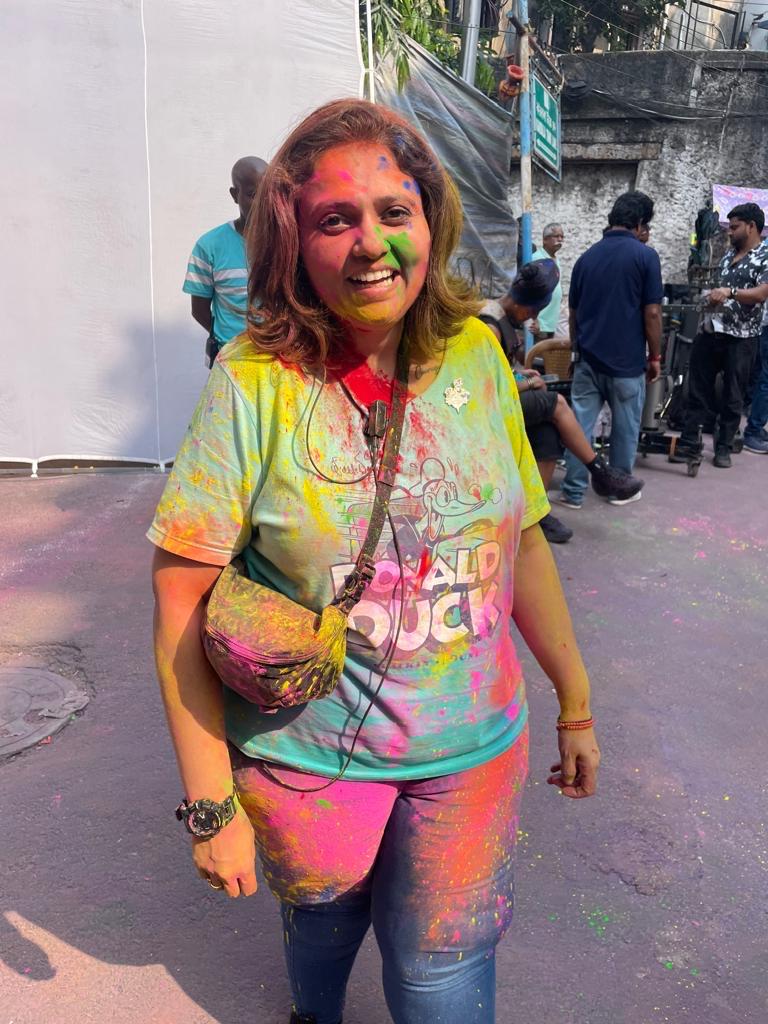
As always, we appreciate you sharing your insights and we’ve got a few more questions for you, but before we get to all of that can you take a minute to introduce yourself and give our readers some of your back background and context?
I started my career in tech – trained as a computer engineer – but my heart always leaned toward storytelling. At 26, after months of trying to break into something new, I took the only opportunity I could find: a volunteer role at the Mumbai Film Festival, assisting the festival director. It wasn’t glamorous, but it was a start and I took it with immense joy of finally breaking through. From there, I began rebuilding my professional life from the ground up — one project, one role at a time.
I worked across international productions, film markets, and festivals in many roles – assistant, coordinator, manager – often behind the scenes, often doing the heavy lifting. I took pay cuts, wore multiple hats, and earned my place in the industry through persistence and deep engagement with the work. There was no linear path – just one deliberate choice after another, survival instinct and a drive to be part of stories.
Eventually, those choices brought me into the creative fold. In 2019, I joined the original content team at Lionsgate India, where I began working closely with scripts, development, and narrative shaping. That shift from logistics to storytelling was a turning point — it gave me language for what I had always wanted to do: shape stories from the inside out.
Since then, my work has moved toward creative producing — shaping narratives that are emotionally grounded, culturally layered, and globally resonant. In 2024, I took the leap again, this time into independent producing. I bring with me years of on-ground experience with global productions, a South Asian cultural lens, and the creative instincts of someone who’s worked across every layer of the filmmaking process within both commercial and independent film ecosystems. My focus is on stories that are emotionally grounded, culturally layered, and quietly resonant.
Now, I’m stepping into the second chapter of my journey — building a producing career in the U.S., with Los Angeles as my base. This new phase is about taking on executive producing roles, leading from the front, and shaping the kinds of stories I believe deserve to be told.
Like many women, I wear more than one hat – I also run a spiritual practice called Enroute Angels, offering tarot and dream interpretation rooted in Jungian archetypal psychology. Whether I’m producing a film or interpreting a dream, the throughline is the same: helping people find meaning, direction, and a deeper sense of connection.
In my downtime, I find myself drawn to fantasy and fairytale retellings — the kind of stories that stretch the imagination while revealing emotional truths. They remind me of the quiet power of transformation, of how magic often hides in the mundane. That love for myth, symbolism, and the unseen deeply informs my work — not just as a creative, but as a human being navigating this world.
What I’m most proud of is that this path was built — not handed. Every opportunity I’ve had has come from showing up, doing the work, and being willing to start over when needed. This next chapter is no different — a challenge, yes, but also feels deeply aligned.
“Everyone deserves a place to step into when reality feels too heavy — a space that reminds them there’s more to life, and more to them” –
That’s my ‘why.’ And it’s what guides every story I tell, every world I help build, and every choice I continue to make.
Can you tell us about a time you’ve had to pivot?
I’ve never had a single pivot; my journey has been a series of them. The first came over a decade ago, when I left a stable career to enter the world of filmmaking. I had no film degree, no industry contacts, just a deep desire to be part of something more creative. The second major pivot came when I made the conscious decision to move away from logistical roles even though they were what I was consistently offered — and commit fully to the creative side of storytelling. That wasn’t an easy shift. When you’ve built your reputation in one lane, it takes work, and constant self-belief, to redirect the narrative, even for yourself.
The pivot I’m in now is perhaps the biggest one yet. I’m stepping into independent producing and simultaneously transitioning to a new chapter of my life and career in Los Angeles. What people often don’t see is the emotional recalibration that comes with starting over in your late 30s — especially in a new country, in a new culture, and in an industry that’s already competitive. I bring with me experience, intuition, and years of doing the work — but I’ve also had to let go of familiar structures to make room for what’s next. It’s challenging and energizing at once.
There’s a line from We Bought a Zoo that’s always stayed with me:
“You know, sometimes all you need is 20 seconds of insane courage. Just literally 20 seconds of embarrassing bravery. And I promise you, something great will come of it.”
That’s been true of every turning point in my life. I’ve had to leap, even when the ground wasn’t visible. And if there’s a thread through it all, it’s that I’ve never been afraid to rise – again and again, no matter how many times I’ve had to begin.
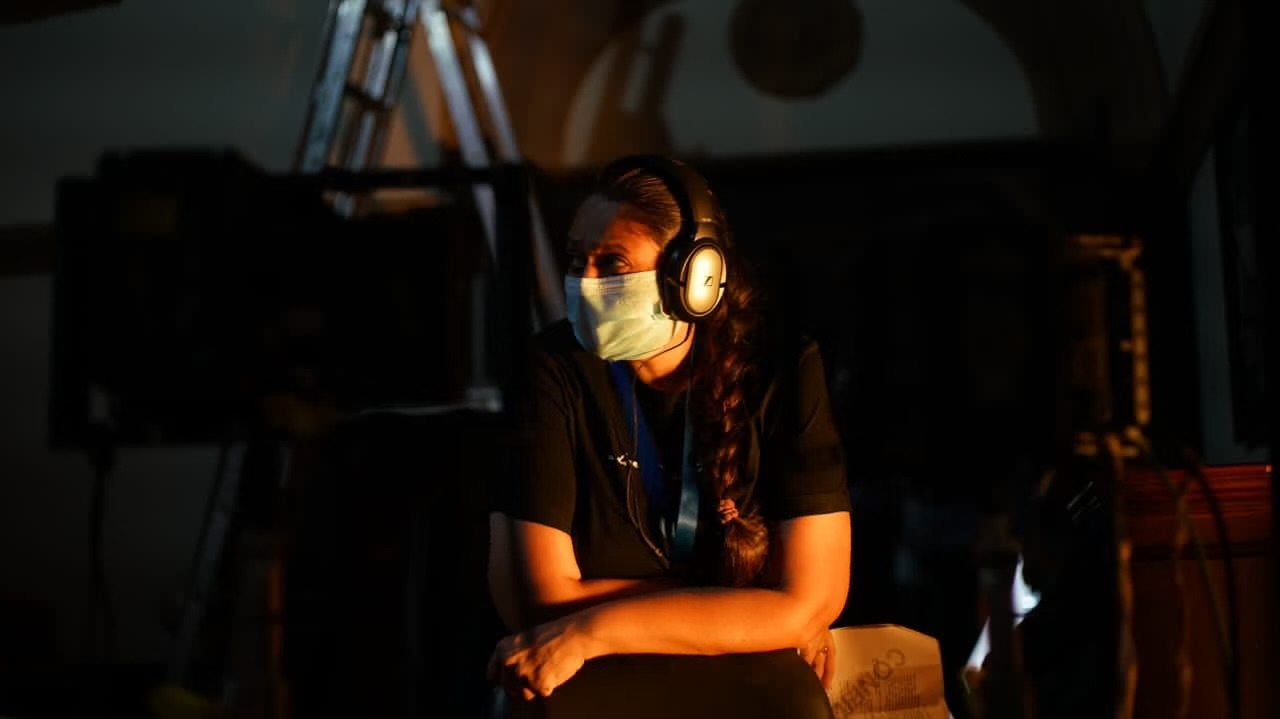
Is there mission driving your creative journey?
I grew up in a small town in India, studied in a metro city, and was deeply influenced by American and world cinema. Over the years, I’ve worked on international projects, with global crews and cross-cultural teams — and that blend of experiences has shaped both my worldview and my creative instincts.
As a South Asian, people often expect my work to be rooted in South Asian narratives — and that’s certainly part of the long-term vision. I absolutely want to help tell stories from my culture that feel bold, original, and unexpected. But I also resist being defined solely by that identity. My heritage informs me, but it doesn’t limit me.
I want to make stories that live in emotions and in life — not confined by ethnicity or geography. I’ve sat and cried watching characters from cultures vastly different from mine — when they experienced heartbreak, grief, or even unexpected joy. That’s the power of storytelling I believe in. I want audiences to feel that same connection — to see something on screen and say, “I know exactly how that feels.” Whether or not the story reflects their own background, they feel seen. My aim is to break those imagined barriers — to remind us that stories are stories, not because of where they come from, but because of what they carry: emotion, truth, and the collective experiences that make us human.
What drives me is the desire to create films that awaken something in people — wonder, joy, recognition. Stories that feel like life. Stories people revisit when they want to feel something real, when they want to feel like themselves again. The genre may shift, the language may change, my role may evolve — but the intention stays the same: to make work that resonates and travels.
My goal is to reach global heights while staying emotionally grounded — to make my country proud, yes — but to do it in a way that feels universal, timeless, and creatively fearless.
Contact Info:
- Linkedin: https://linkedin.com/in/iam4v