



We recently connected with Charlie Ottinger and have shared our conversation below.
Charlie, thanks for joining us, excited to have you contributing your stories and insights. Was there a defining moment in your professional career? A moment that changed the trajectory of your career?
I’ve been a personal trainer on-and-off, part-time and fulltime over the past decade or so. Throughout those years, I always struggled to retain clients or attract new ones – just like any other personal trainer. It’s an absolute grind to get good clients that keep coming back to you, and the rough part is that those are the clients that pay your bills. You need them.
A lot of trainers like to approach their job with enthusiasm and passion for exercise. They practice the same old platitudes and motivational speeches, but at the end of the day, that stuff runs out. They’re not ready for what happens when someone loses interest in exercise and they’re not able to call audibles when life gets in the way of exercise and/or healthy eating.
Part of overcoming this is education – the more you know about exercise and nutrition, the easier it is to help people for the long-term. That part is easy. But the not so easy part? Keeping them motivated.
What I found over the years of training people is that the empty motivation and usual platitudes don’t work. Instead, I am honest with them. I commiserate with them. I make sure to tell people that virtually every aspect of working out and eating well sucks. It’s all terrible and you’re going to dislike every second of it. All of that is mostly true, and when you set up someone’s expectations from the beginning, it’s much easier to level with them and keep them on track. If you try to sell someone a magical weight loss journey worthy of a TV commercial, they’re going to lose momentum quickly.
Instead, recognize that healthy living is hard. It’s inconvenient. Every healthy choice is more difficult to make than its less healthy (and more appealing) cousin. The more honest I became with clients about this, the longer they stuck with me and the more motivated they were in their fitness journeys. While this probably doesn’t relate to many fields, I think people often overlook the power of commiseration – everyone likes to complain, and complaining with someone is a great way to bond while finding common ground. And that’s where you can find what really motivates someone.

Charlie, love having you share your insights with us. Before we ask you more questions, maybe you can take a moment to introduce yourself to our readers who might have missed our earlier conversations?
Originally, I got into fitness as a means of improving my athleticism in high school. That didn’t get me anywhere near any professional team’s draft board, and quite honestly, I enjoyed working out more than playing sports. Insane, I know.
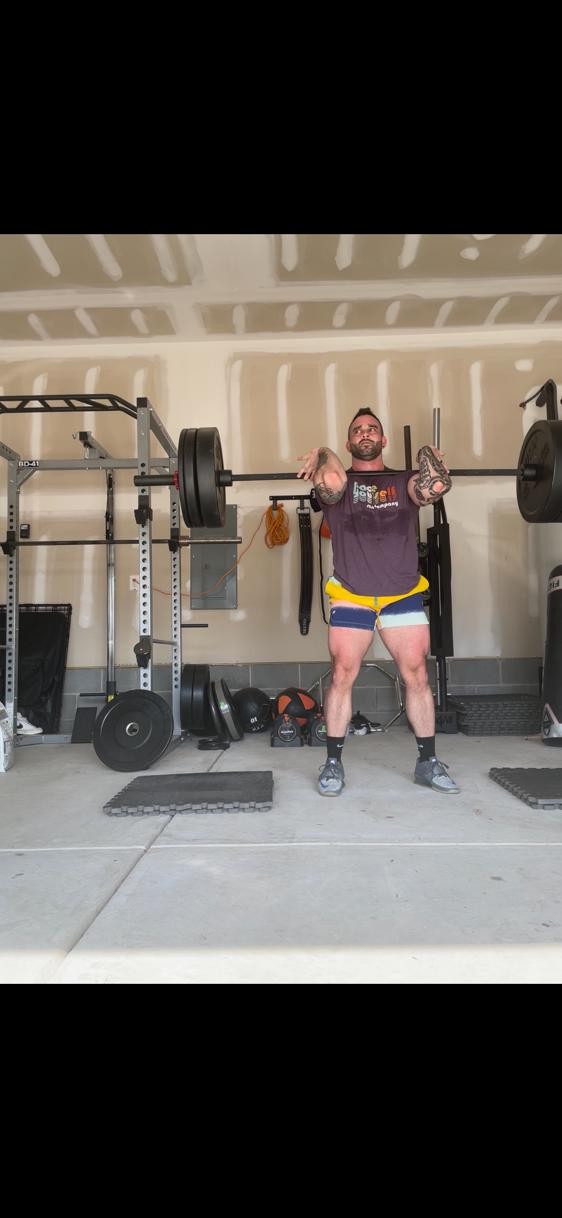
That fast-forwarded to an undergraduate degree in Exercise Science which I immediately followed up with a Master’s Degree in Exercise Science. My goal at the time was strength and conditioning, but I never felt like I was impacting the right people in the sports performance field. Throughout this time, I briefly competed as an elite powerlifter, but I (essentially) tore every muscle and tendon in my body. I’ve had to adapt my own exercise routine over the years to work around these boo boos, and that has helped open my eyes to all sorts of different attitudes and opinions towards exercise.
Eventually, I wound up becoming a researcher and achieved my PhD in Human Performance, focusing largely on strength training biomechanics. I still did personal training during this time, and I realized that I had the best luck with personal training clients when I was honest with them. I stopped trying to motivate people or hover over their shoulder for every decision they made in life.
Instead, I acknowledged that working out sucks. Every workout you do is challenging. Every healthy food you eat tastes worse than even the worst donut. Finding more time to sleep might mean you skip your favorite TV show. It’s all terrible, and being upfront about that helps people approach healthy living in a more realistic manner. All of a sudden, I had clients sticking with me for years instead of months. Any personal trainer knows how big of a deal that is.
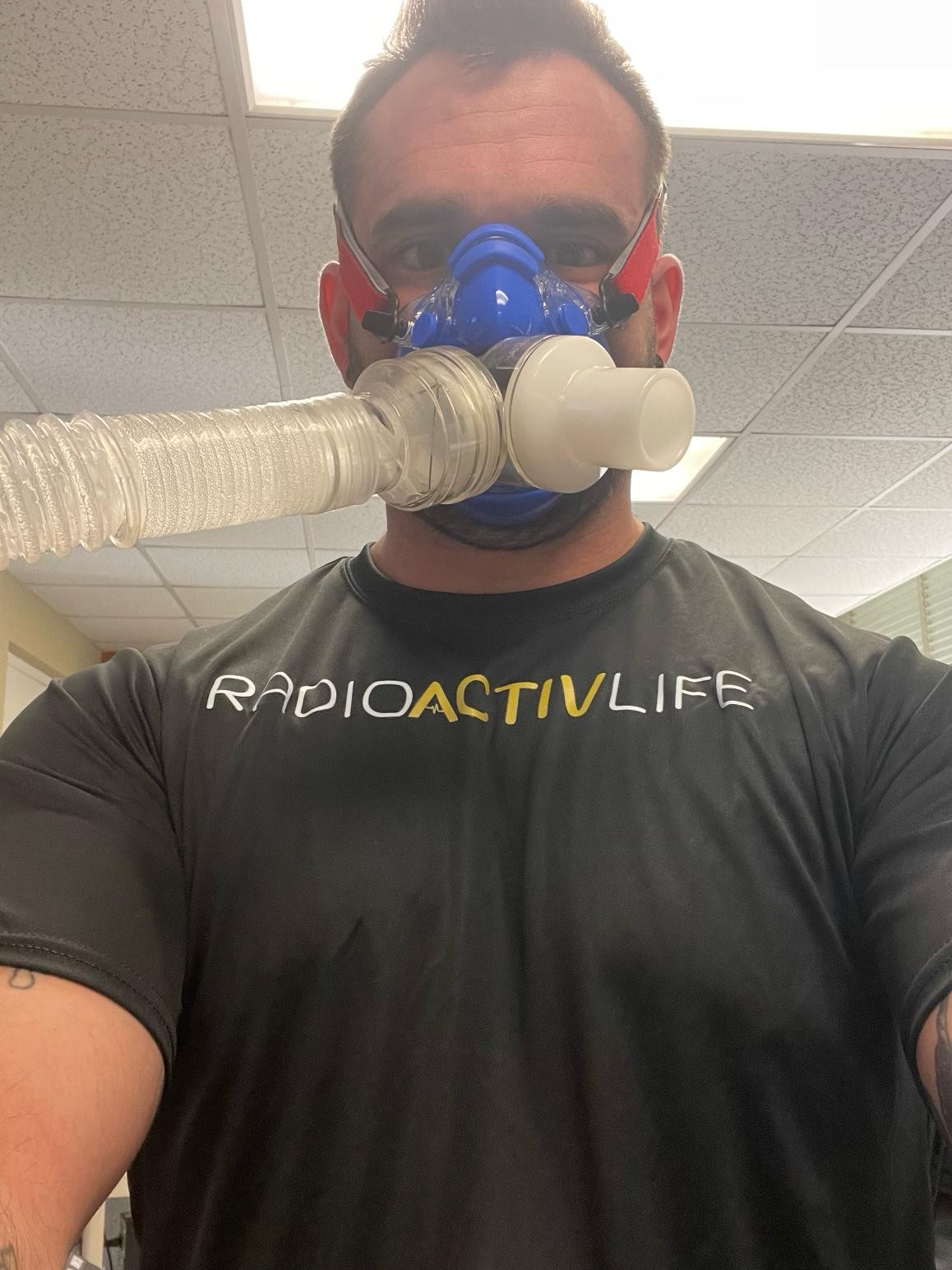
Nowadays, I’m an Exercise Science professor and I love every second of it. But it’s one of those jobs that takes up all of your seconds – I don’t have time to personal train people in a gym like I used to. That’s why I created Radioactivlife – I can help all sorts of people virtually. I offer free content, such as articles and social media posts – and a soon to be YouTube channel with videos. And I also offer paid stuff – training programs, consulting, and even cool (in my opinion) apparel and other items that always contribute to good causes.

Can you tell us about what’s worked well for you in terms of growing your clientele?
I think everyone comes back to honesty. The fitness field is a haven for hucksters and grifters, and many people can sense when someone is telling them something that’s too good to be true. If a personal trainer is promising all sorts of great results, run!
Instead, I tell people right off the bat that an exercise program and a healthy diet are going to be really really hard to stick to. And they’re not going to make a ton of progress in a short amount of time. It’s a lifelong commitment, but one that will pay dividends in your last few decades of life. While many people in their 80s are living limited or assisted lifestyles, being active and healthy in your earlier years can render you independent and mobile well into old age. That’s an investment for both yourself and your loved ones – you get more quality of life and those who love you the most get to have you around for a longer period of time.
When people look at it that way, it helps them work past the normal motivations for exercise (lose weight, look good naked, etc.). Those are great goals, but looking at this as a long-term investment really helps keep people motivated.
And yes, exercise mostly sucks. I’ll never trick people into thinking anything otherwise. But we can complain about it together, and next thing you know, you’re laughing in between leg press sets. Now it’s not so bad, is it?
Putting training and knowledge aside, what else do you think really matters in terms of succeeding in your field?
I think the biggest thing that many successful trainers have in common comes down to their people skills. Can you communicate well, get along with folks, and generally be enjoyable to be around? If so, people will keep coming back to you, no matter what your business or service is.
Part of these people skills comes down to relating to people. The more you can put yourself in someone else’s shoes, the more you can help them work around life’s speedbumps and problems. I think of it like pointing out blind spots – everyone needs a buddy to look at a problem with them from a different angle. That buddy might be able to identify a blind spot that you’re just not seeing. All of that comes back to relating to people and understanding their struggles, especially with exercise and healthy eating.
Contact Info:
- Website: www.radioactivlife.com
- Instagram: @radioactivlife & @charlieottinger