

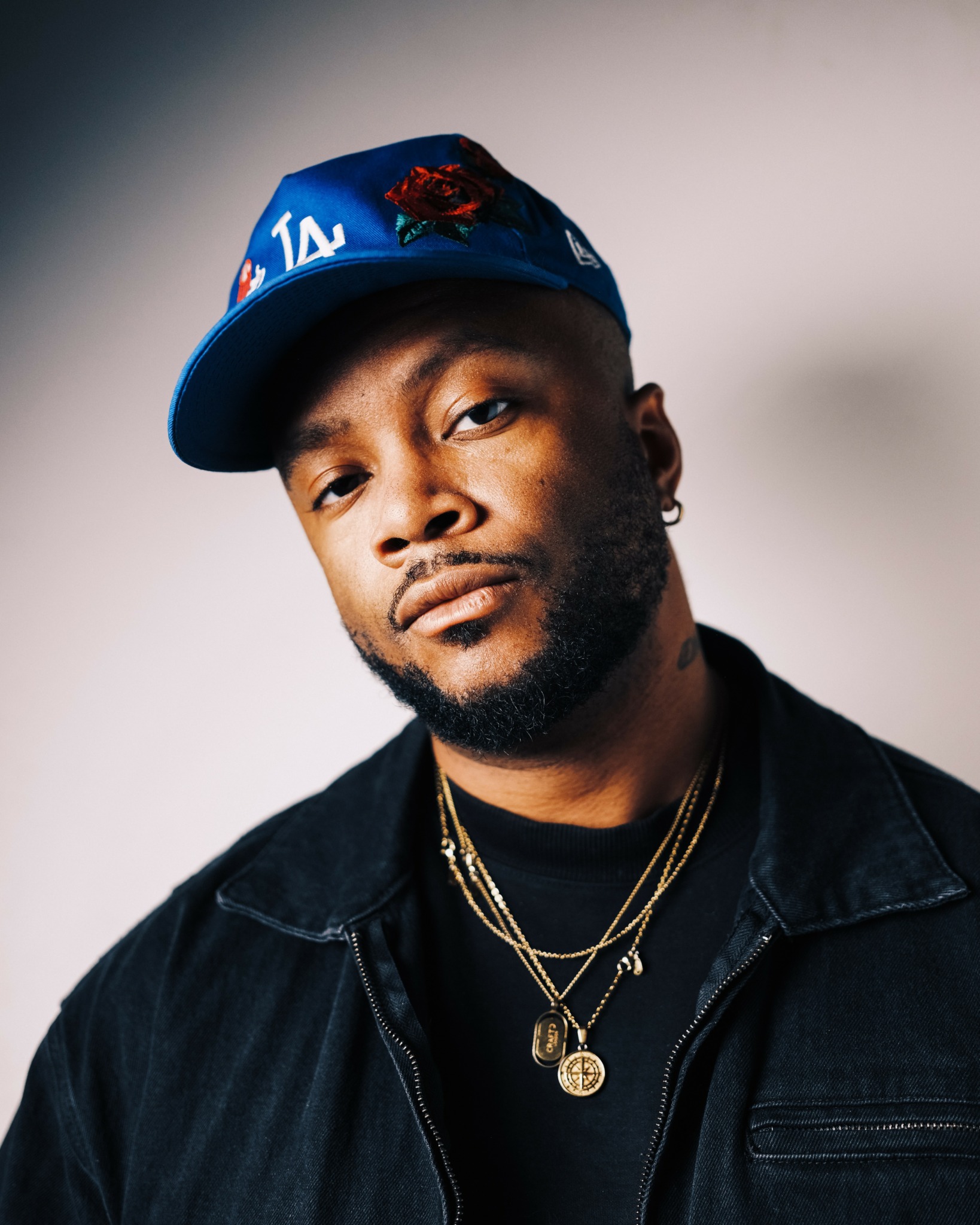

We recently connected with Charles McDougald and have shared our conversation below.
Charles, appreciate you joining us today. Learning the craft is often a unique journey from every creative – we’d love to hear about your journey and if knowing what you know now, you would have done anything differently to speed up the learning process.
I learned photography through a combination of curiosity, experimentation, and a lot of trial and error. What started as a creative outlet eventually became something I wanted to pursue seriously. I spent countless hours studying the work of photographers I admired, practicing whenever I could, and learning through real-world experience rather than a traditional educational path. Every shoot, successful or not, became part of the learning process.
If I could do it again, I would have looked for a mentor sooner and worried less about making everything perfect before sharing my work. As a creative, it’s easy to think you need another course, a better camera, or more experience before you’re ready. But I found that the best lessons came from actually doing projects, working with others, and learning by taking action.
The most essential skills weren’t necessarily technical. Understanding light, composition, and camera operation are important, but persistence, adaptability, communication, and the ability to develop your own point of view have been equally critical. Photography is both a craft and a way of seeing. Learning how to create images is one thing; learning how to create images that feel like you is another.
One of the biggest obstacles was balancing access to resources with the type of work I wanted to create. Camera equipment can be a significant barrier to entry, and there were many times when I understood the direction I wanted to pursue creatively, but didn’t yet have the budget for the tools to get me there. My journey started with a phone, then progressed to an inexpensive mirrorless camera, then to more professional equipment, and eventually to the industry-level tools I use today. Each step opened new creative possibilities, but nothing happened overnight.
At the same time, there is an endless amount of information available to creatives, and not all of it applies to your goals. Early on, it was easy to get distracted by trends, gear discussions, and comparisons to other photographers. Over time, I learned that growth comes from focusing on fundamentals, creating consistently, and trusting the process. Looking back, I’m grateful that my progression happened gradually. It taught me to maximize what I had, solve problems creatively, and appreciate that meaningful growth—both as an artist and as a professional—takes time.
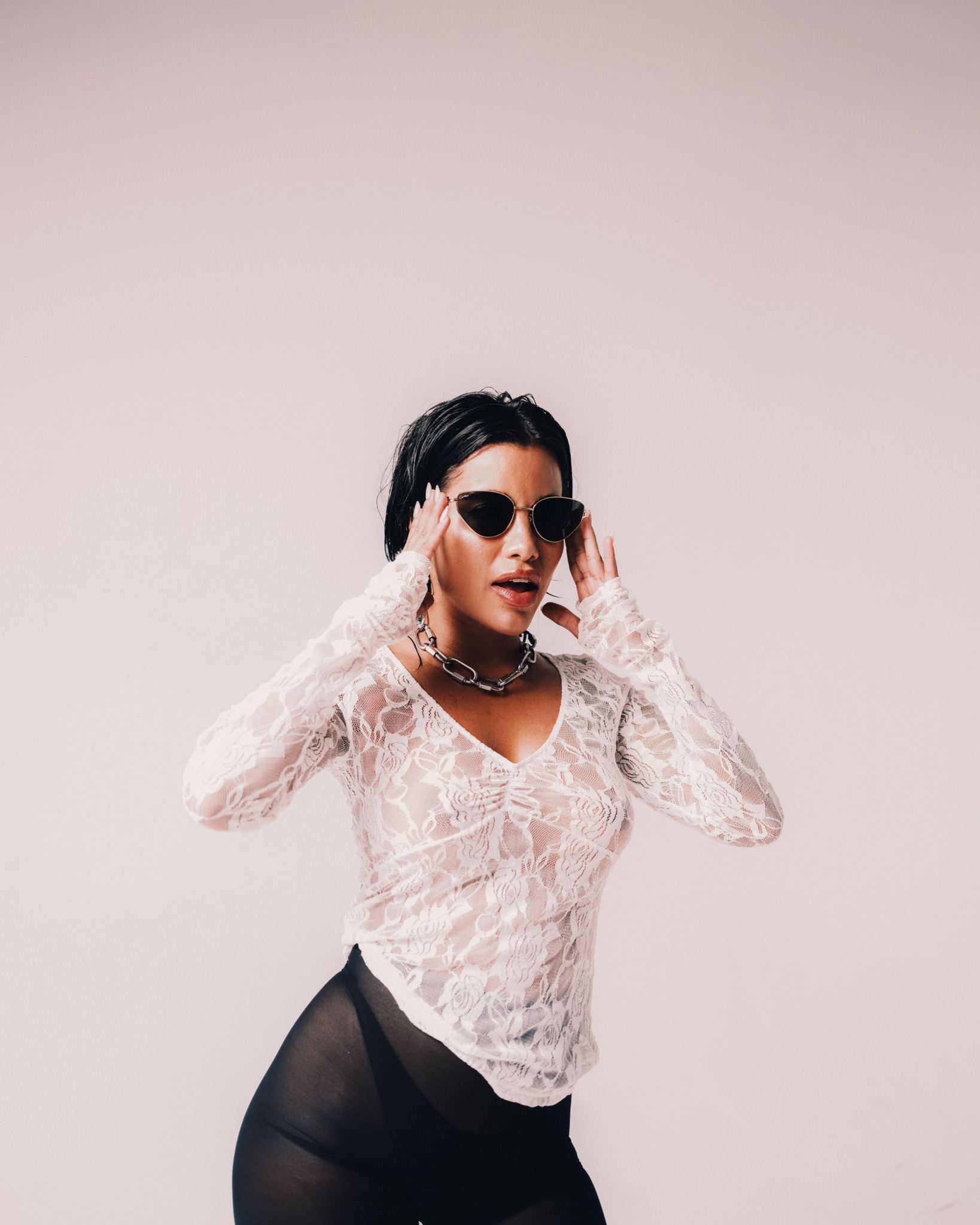
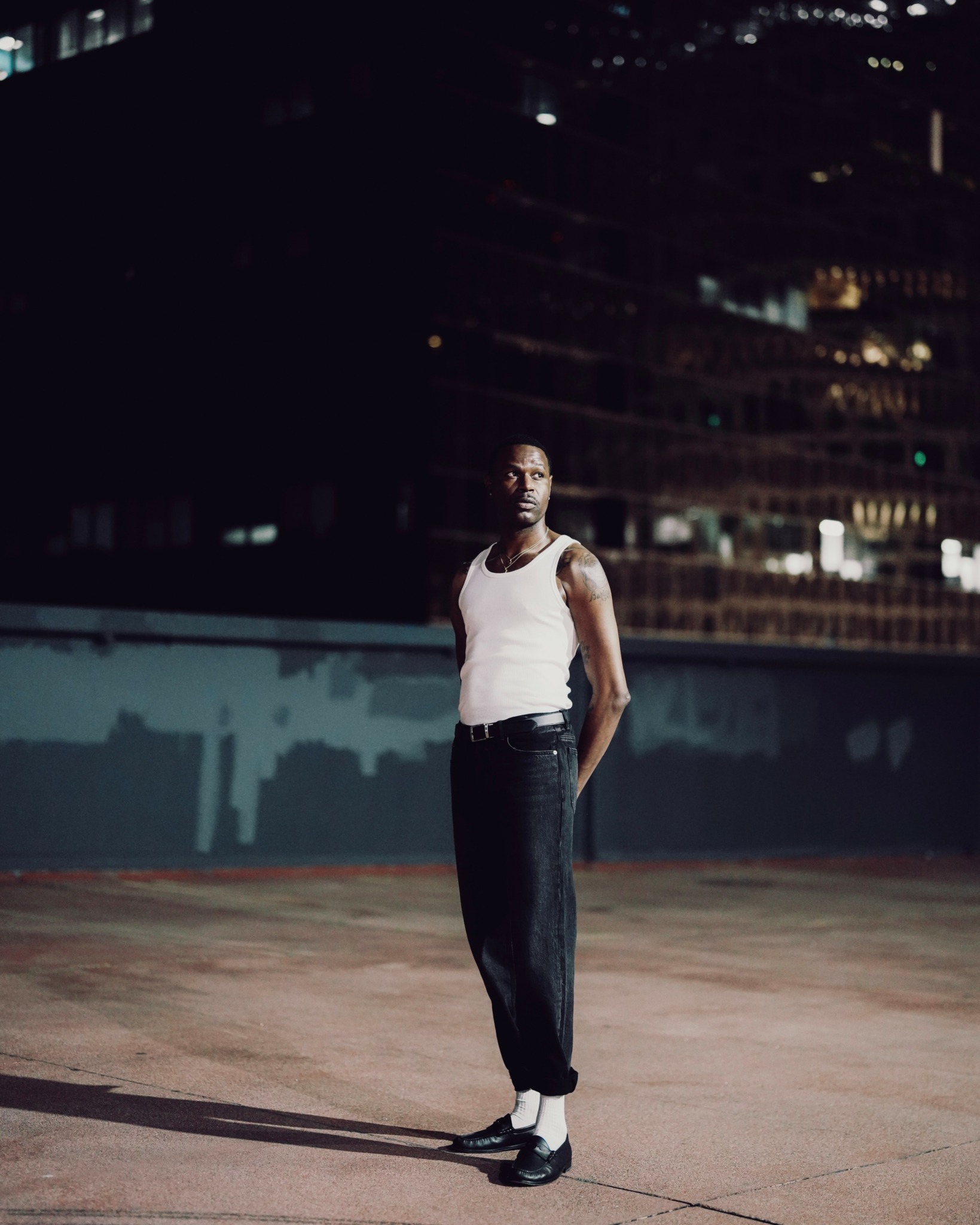
As always, we appreciate you sharing your insights and we’ve got a few more questions for you, but before we get to all of that can you take a minute to introduce yourself and give our readers some of your background and context?
Of course! My name is Charles McDougald, and I’m a Los Angeles-based photographer specializing in editorial, fashion, portrait, and lifestyle imagery. Before photography became my profession, I spent years as a music producer and working in different recording studios. Photography entered my life almost unexpectedly as a creative outlet—something that gave me a fresh perspective and helped me avoid burnout. What began as a way to recharge creatively soon became an obsession with visual storytelling. The more I photographed, the more I realized that the camera offered a unique way to connect with people, tell stories, and create meaningful work. Over time, that curiosity grew into the career and artistic practice I have today. I spent years studying photographers whose work inspired me, practicing relentlessly, and learning through experience. Each stage taught me valuable lessons about creativity, problem-solving, and making the most of what you have.
Today, I work with individuals, brands, and businesses to create imagery that feels authentic, elevated, and intentional. My services range from editorial and fashion photography to personal branding, commercial work, and portraiture. Whether I’m photographing a creative professional looking to redefine their image, a brand launching a new campaign, or an individual celebrating an important milestone, my goal is always the same: to create images that make you feel something and, hopefully, leave an impression.
At its core, I believe photography is about helping people feel seen. Highlighting and amplifying their essence. Many clients come to me because they need more than just a photograph—they need imagery that communicates who they are, what they stand for, and how they want to be perceived. My role is to bridge that gap by translating personality, vision, and emotion into visual form. I strive to create an experience that allows people to feel comfortable, confident, and authentically themselves in front of the camera.
What makes my work different is how I balance creativity with real connection. Technical skills matter, but great photos come from understanding people. I approach each project openly and work closely with clients to learn what they want, while adding my own creative touch. My style is shaped by editorial storytelling, fine art, and a wish to make images that feel timeless, not just trendy.
I’m especially proud of the journey I’ve taken. Building a creative career takes patience, resilience, and the drive to keep going, even when things move slowly. Every chance, partnership, and client relationship has come from steady work and dedication. These experiences have shaped me as both a photographer and a person.
Above all, I want people to know my brand stands for authenticity, creativity, and community. Making beautiful images matters, but my bigger goal is to support the creative community, help people share their stories, and make work that means something. If someone leaves a shoot feeling more confident, seen, or connected to their story, I see that as a real success.
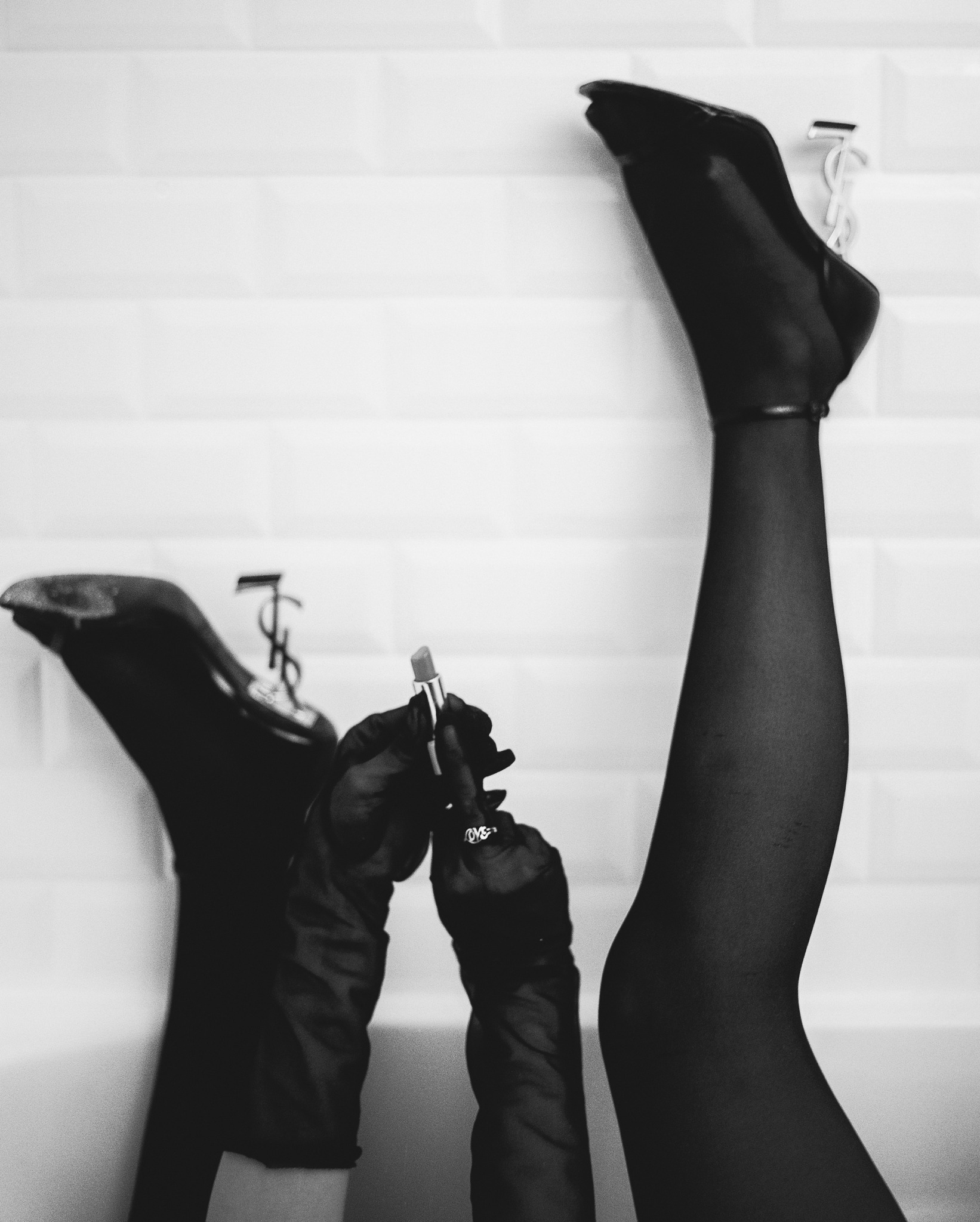
We often hear about learning lessons – but just as important is unlearning lessons. Have you ever had to unlearn a lesson?
One lesson I didn’t necessarily have to unlearn, but rather one that was reinforced, is the idea that it’s not about what you deserve—it’s about what you negotiate.
I first encountered that reality while pursuing music, but I was surprised by how much it carried over into the photography world. Early on, I had a conversation with a client that left me incredibly excited. We connected creatively, our visions aligned, and the project felt like the kind of opportunity that could elevate my career to another level. Everything about the relationship felt positive.
Then the contract arrived.
When I read through it, I realized nearly every major deal point heavily favored the client. The payment structure, ownership of the images, licensing rights, usage restrictions—even my ability to use the work in my own portfolio—was skewed in their favor. It was a wake-up call. In that moment, I realized that photography, much like music, can be a very competitive business, and that enthusiasm for a project should never replace due diligence.
Fortunately, before that opportunity came along, I had spent time educating myself on photographer contracts, licensing, negotiation strategies, and copyright ownership—especially as it relates to California law. One phrase I had heard repeatedly came back to me: nobody is obligated to teach you business. As creatives, it’s our responsibility to understand the value of what we’re creating and how to protect it.
Instead of accepting the agreement as written, I responded with several non-negotiable points that were important to me. It was uncomfortable because I knew there was a chance I could lose the opportunity entirely. At the time, it felt like I was risking a project that could help advance my career. But I also believed in the quality of my work and knew that if I wanted to build a sustainable career, I had to advocate for myself.
The client came back with a counteroffer, and while there was some compromise on both sides, most of the revisions remained intact. We ultimately reached an agreement, completed the project, and created great work together.
What stayed with me wasn’t the negotiation itself—it was the reminder that business is business. Advocating for yourself isn’t being difficult, and negotiating isn’t personal. It’s simply part of being a professional. That experience reinforced the importance of understanding your value, protecting your work, and having the confidence to ask for terms that reflect both. Those lessons served me in music, and they’ve proven just as valuable in photography.
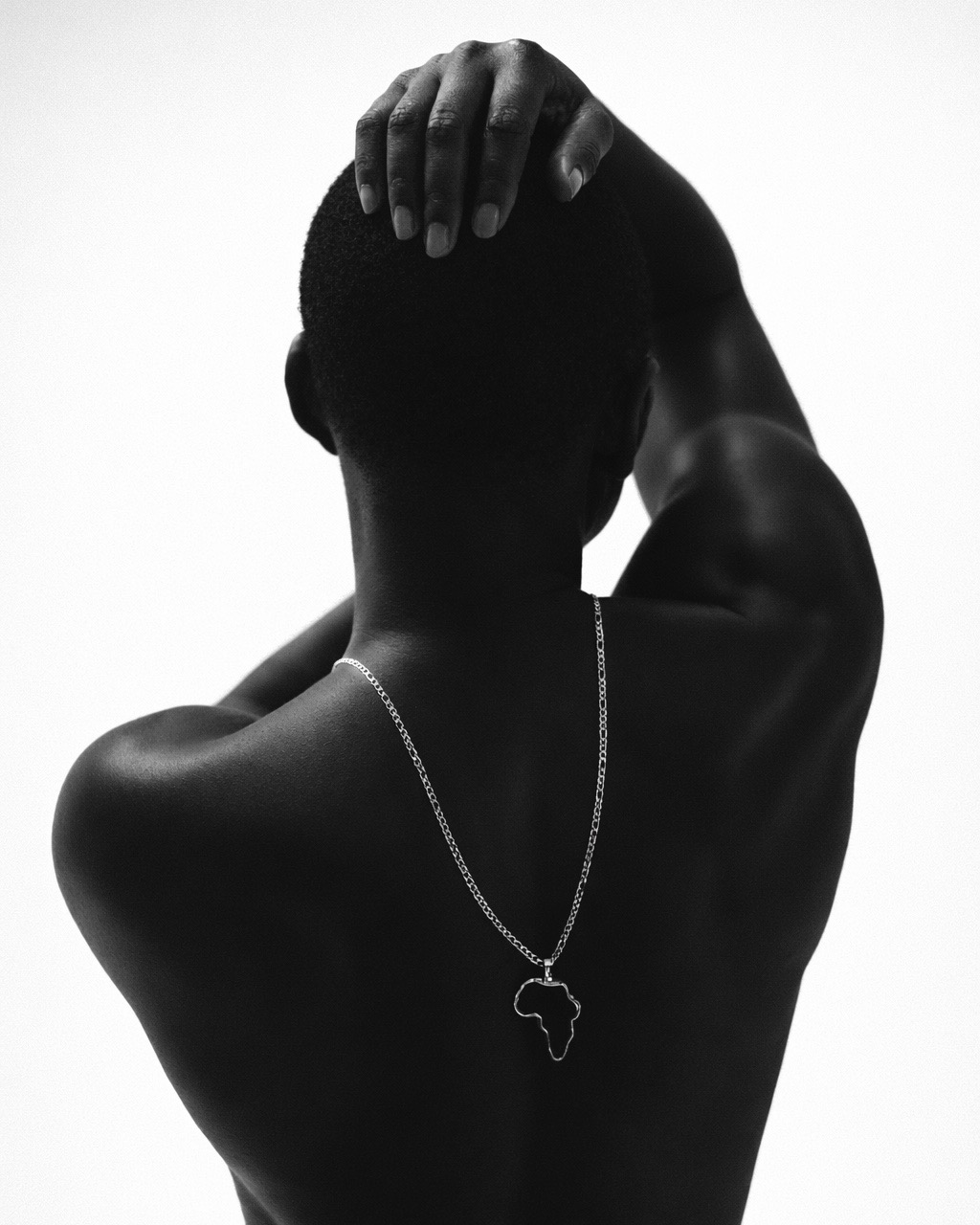

What do you think helped you build your reputation within your market?
I think my reputation was built through a combination of creative differentiation and client experience.
One factor that wasn’t immediately obvious to most people was the equipment I chose to build my work around. I transitioned from a full-frame Sony system to a Fuji GFX medium-format system for much of my portrait and editorial work. Digital medium format has a distinct look and feel that can be difficult to describe unless you’ve worked with it, but there’s a depth, tonality, and rendering quality that often set it apart from other formats. When people saw my work, they often commented that there was something different about it, even if they couldn’t quite explain what they were seeing. I could immediately recognize the difference after making the switch, and over time, that visual signature became part of what made my work recognizable.
The second factor was much more visible to clients: speed.
Early in my career, I noticed a recurring complaint whenever I spoke with clients or prospective clients. Many had experiences of waiting weeks—or sometimes even months—to receive their final images. I realized that solving that problem without sacrificing quality would give me a significant advantage. As a result, I developed an editing and delivery workflow that allowed me to return images in as little as 24 to 48 hours for digital shoots, and often within 48 to 72 hours for film work.
That turnaround time immediately set me apart. Clients appreciated not only the quality of the images but also the professionalism and the assurance that they wouldn’t be left waiting indefinitely. It built trust that helped generate referrals and repeat business. It also gave me flexibility in how I positioned my pricing. Even when I was charging more than photographers with similar levels of experience, clients often chose to work with me because they saw additional value in the overall experience and speed of delivery.
Another factor that helped establish my presence was consistency during a difficult period for the industry. During the pandemic in 2020, many photographers understandably stepped back from shooting altogether. I continued creating work, adapting to the circumstances, and staying active. That consistency allowed me to keep building relationships, refining my craft, and maintaining visibility when many others had paused.
As my career progressed, the emphasis shifted. Today, clients are often willing to wait longer because they’re hiring me specifically for my creative perspective and the quality of the final product. But looking back, those early differentiators—a distinctive visual aesthetic, exceptional turnaround times, and a commitment to showing up consistently—were instrumental in helping me build my reputation within the market.
Contact Info:
- Website: https://www.wavehouseproductions.com
- Instagram: saintcharles__
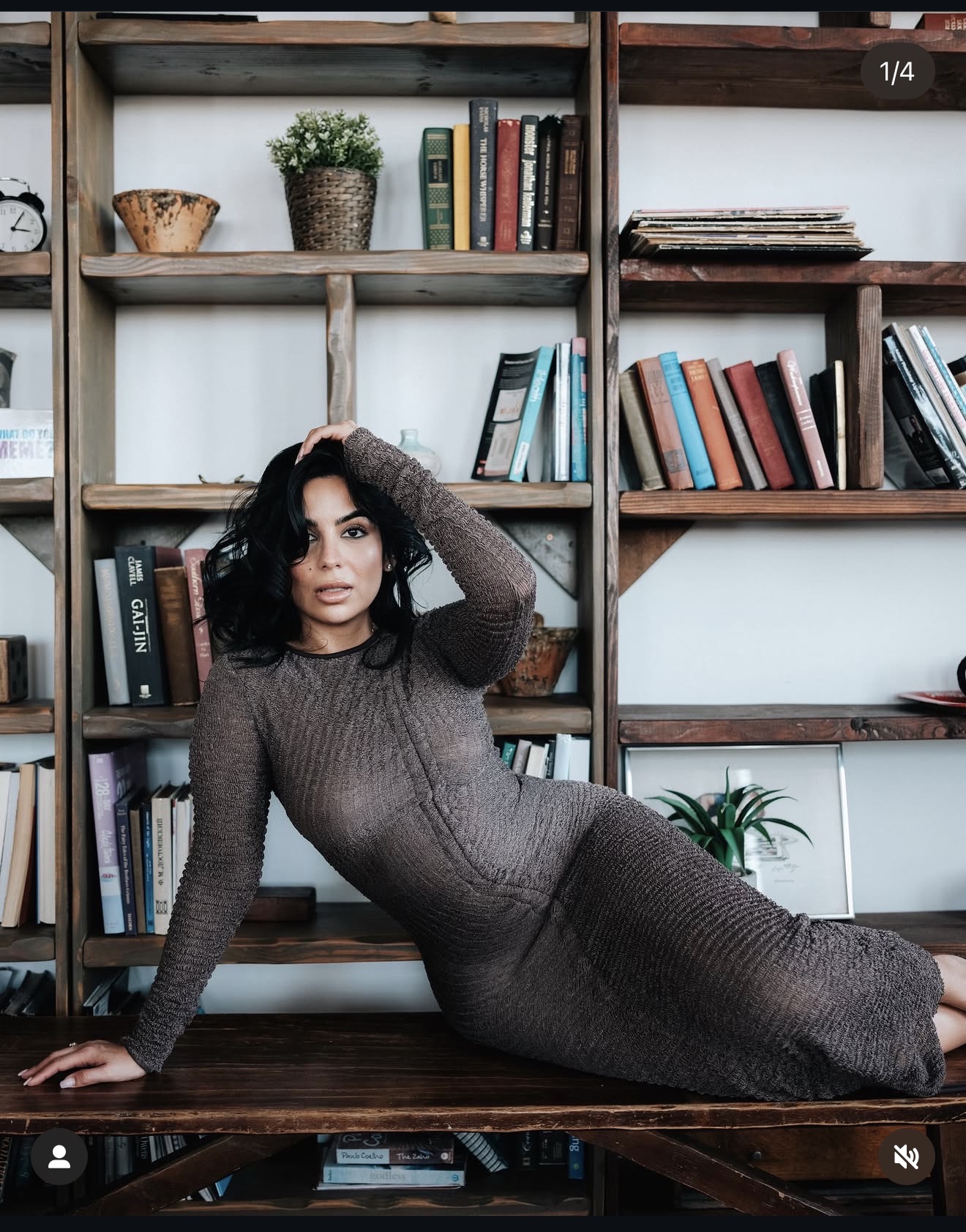

Image Credits
Lupe Fuentes, Kelz, Tolou, J. Alexis, Rejeanne Bennet, YASMINA, Johanna Martinez, Nappy High